Need a healthier cart without spending hours planning every meal? Foods that should be on your healthy grocery list include leafy greens, berries, lean proteins, whole grains, legumes, yogurt, nuts, seeds, healthy oils, herbs, spices, and simple pantry staples. Together, these foods support fiber, protein, vitamins, minerals, and satisfying fats while giving you flexible choices for quick meals.
I know grocery shopping feels easier when each item has a clear purpose, which means Foods that should be on your healthy grocery list are ready for you. Fresh produce adds color and fiber. Protein and whole grains help meals feel satisfying. Pantry staples make busy evenings less stressful. This list brings those groups together with simple storage and label-reading tips, keeping Foods that should be on your healthy grocery list in mind. Let’s build a cart filled with foods you enjoy and will use. Start with the categories below, then choose a few favorites for your next shop, ensuring Foods that should be on your healthy grocery list stay handy.
Reading Ingredient Lists For Added Sugars
Choose plain yogurt, beans, and tomato sauce with added sugars absent or near the end of the ingredient list, and that confirms Foods that should be on your healthy grocery list are well chosen. Ingredients appear in descending weight, so sugar listed first signals a sweeter food. Look for names such as brown sugar, corn syrup, honey, and fruit juice concentrate, since labels use several terms for sweeteners.
Compare similar cereals, breads, and nut butters by reading the grams of added sugar per serving, remembering Foods that should be on your healthy grocery list need balance. Plain versions give you room to add berries, cinnamon, or a small amount of honey at home. Do not confuse total sugar with added sugar, since milk and fruit contain natural sugars. Sweetened drinks deserve extra scrutiny because liquid calories often add little fullness. An ingredient list with oats, lentils, or peanuts near the start usually signals a more filling base than refined flour or syrup.
Planning Perishables Around Weekly Meals
Buy fresh berries, leafy greens, and refrigerated proteins only when your weekly meals give them a clear use within a few days, so Foods that should be on your healthy grocery list match your schedule. A meal plan linking each perishable to breakfast, lunch, or dinner helps prevent forgotten produce. Keep apples, citrus, carrots, cabbage, and eggs for later in the week because they tolerate storage better than delicate berries or tender greens.
Frozen spinach, berries, peas, and plain chicken offer useful backups when fresh food runs out. Choose small produce amounts if your schedule includes restaurant meals or travel. Store seafood, poultry, and dairy in the coldest refrigerator area after shopping, making sure Foods that should be on your healthy grocery list stay fresh. A dated container helps you spot older food before opening a new package. Match purchases with recipes already planned so the list supports both nutrition and less waste.
1. Leafy Green Vegetables for Fiber and Folate
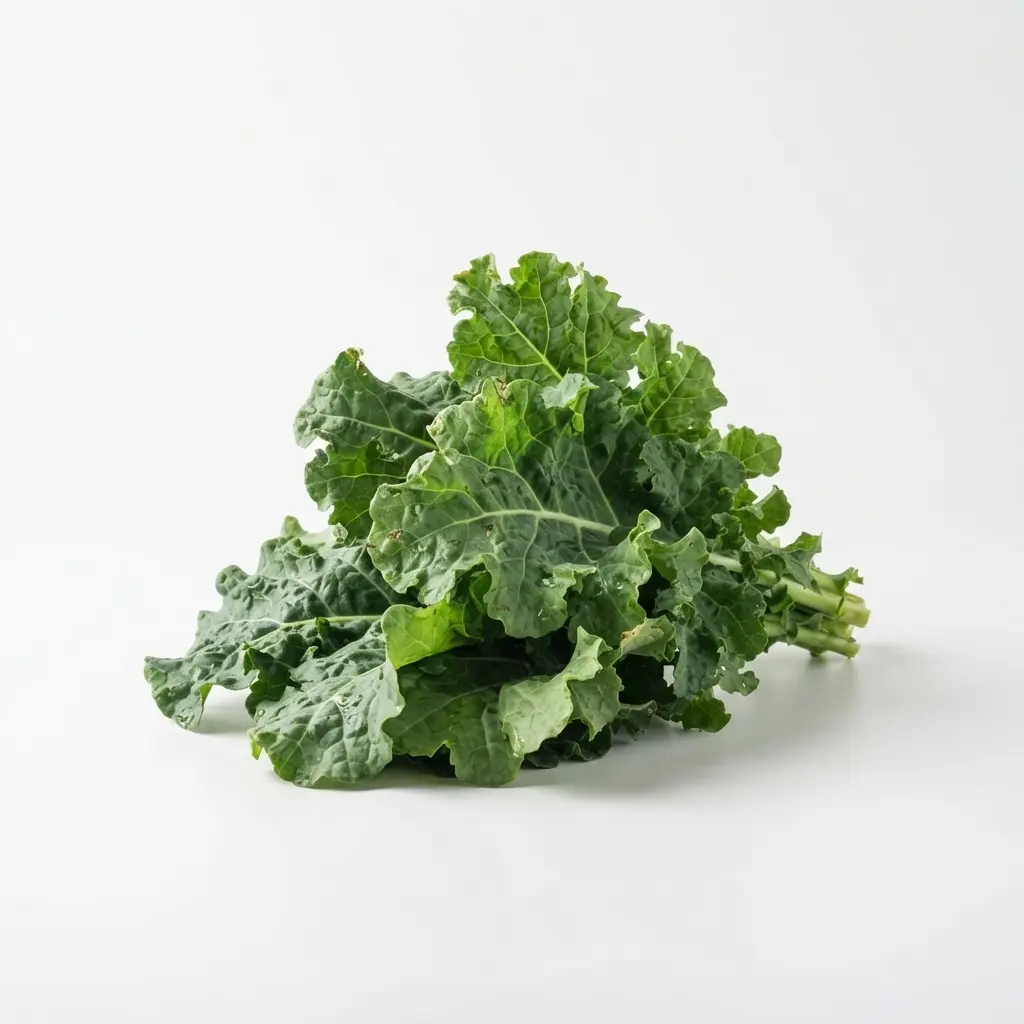
A common mistake is treating every green as interchangeable. Choose a variety of greens because spinach, kale, collards, arugula, and mustard greens have different textures and nutrient profiles, which shows why Foods that should be on your healthy grocery list include diversity. Cook spinach for a folate-rich addition to eggs, soups, or grain dishes. Cooked kale and collard greens provide fiber along with vitamins A, C, and K.
Use tender raw arugula in salads or sandwiches. Add tougher greens to soups, stews, sautés, and grain bowls so moisture softens their leaves. Include beet greens and turnip greens rather than discarding their edible tops. Keep broccoli on the same shopping list because this cruciferous vegetable supplies both folate and fiber, meaning Foods that should be on your healthy grocery list cover your bases.
Research supports choosing vegetables from several groups to increase fiber and folate intake through everyday meals. These foods also provide minerals such as calcium, magnesium, potassium, and iron. Rotate two or three types each week, and pair leafy greens with beans, lentils, peas, asparagus, or Brussels sprouts for broader meal variety. Wash fresh produce before preparation, then store delicate leaves where they stay dry and cool, keeping Foods that should be on your healthy grocery list safe.
2. Nutrient-Dense Berries for Everyday Sweetness
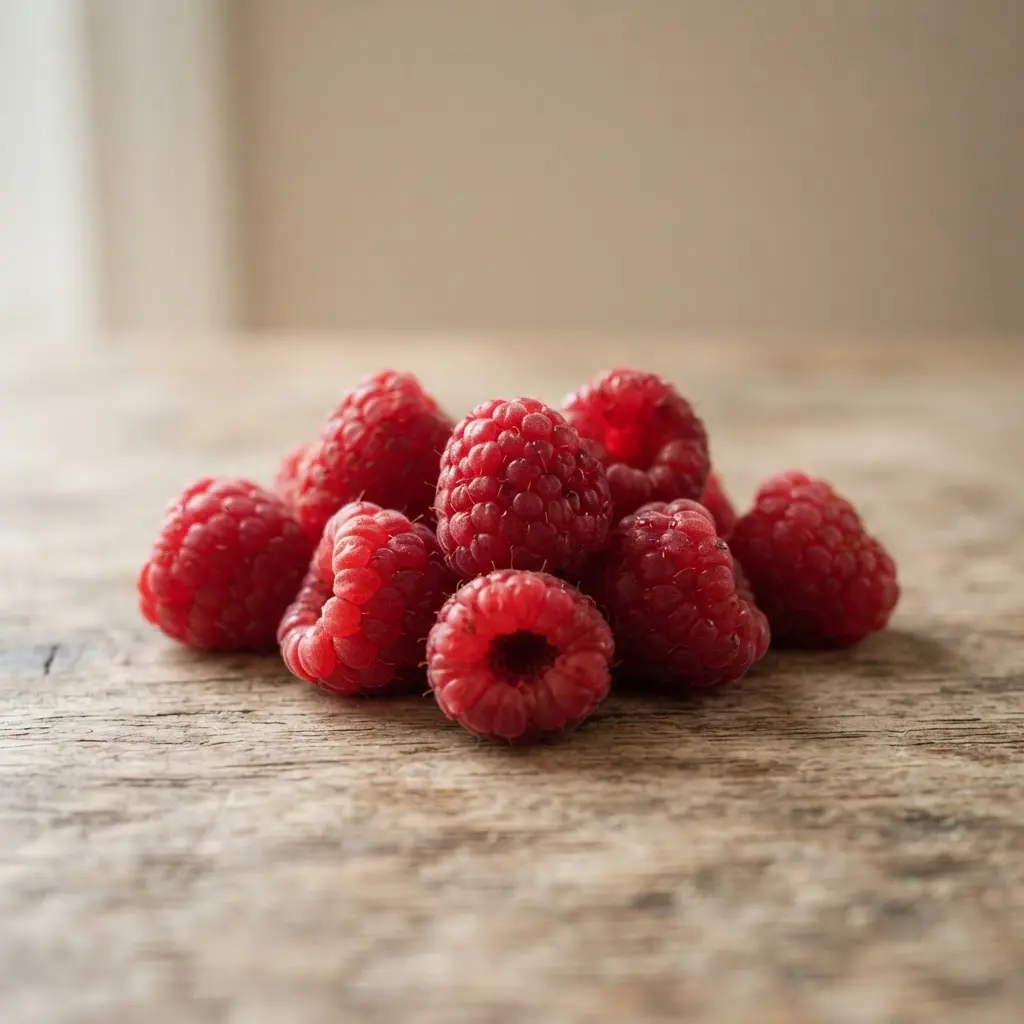
Add three berry varieties to your next grocery trip: blueberries, raspberries, and strawberries, confirming Foods that should be on your healthy grocery list are sweet. Select the forms suited to your planned meals and storage space. Serve berries with plain yogurt, oats, whole-grain cereal, or a snack plate. Their natural sweetness adds flavor without relying on candy, pastries, or sweetened sauces.
Build a simple berry rotation across the week. Add one type to breakfast, another to a packed snack, and a third to a salad or unsweetened yogurt. Change the pairings to keep meals varied. Place a small container near your lunch supplies so berries stay visible during busy mornings, ensuring Foods that should be on your healthy grocery list stay front and center. Check fresh packages for soft, leaking, or moldy fruit before purchase.
Evidence-based dietary guidance supports whole fruit as a practical part of balanced eating patterns. Pair berries with daily must-eat foods oats, nuts, or plain yogurt for a more filling snack. Keep portions suited to your appetite and daily needs. Choose berries in forms you will eat soon, since unused fresh fruit often spoils before it reaches the plate, showing how Foods that should be on your healthy grocery list need quick use.
3. Lean Protein Sources for Filling Meals
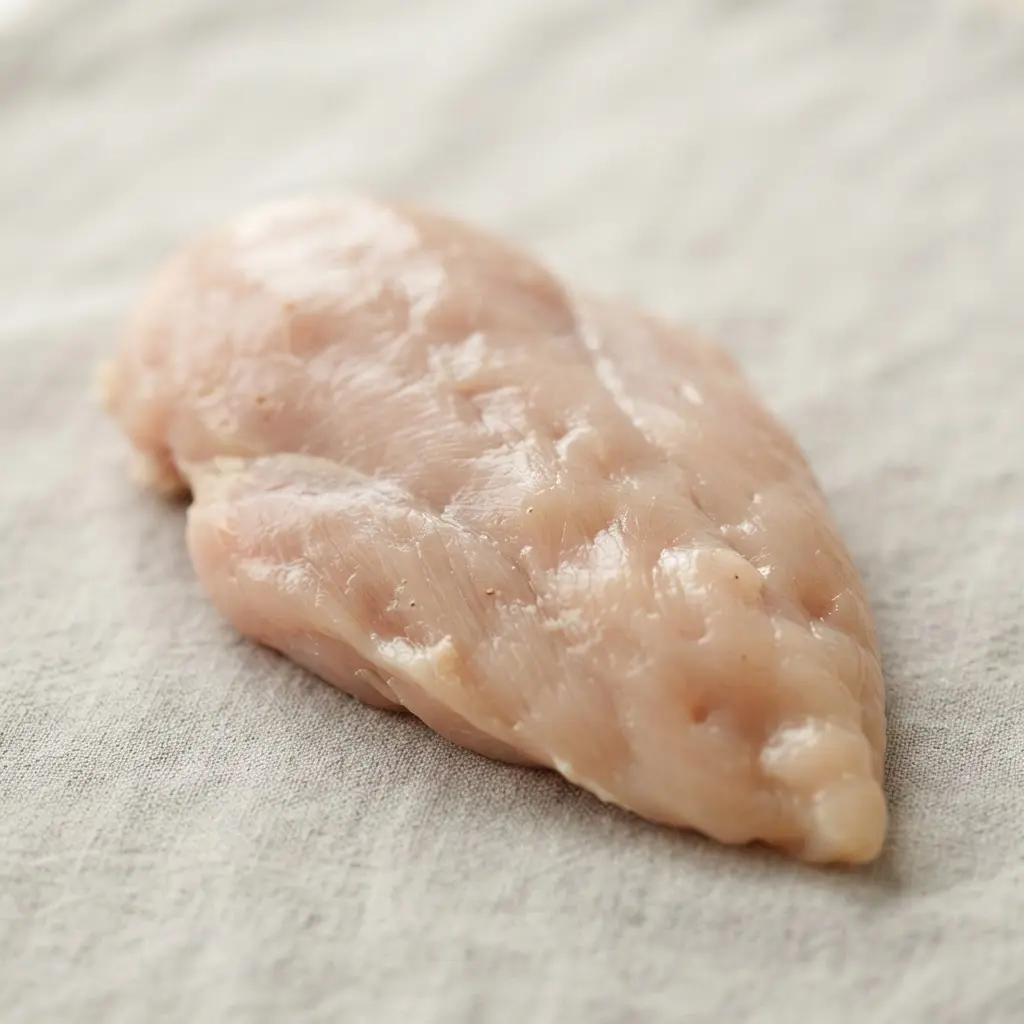
At 6 p.m., a hungry shopper needs dinner without relying on a quick snack, so Foods that should be on your healthy grocery list must include fillers. Choose a lean protein base such as skinless chicken breast, turkey breast, cod, eggs, plain non-fat Greek yogurt, or cottage cheese. Stock salmon, mackerel, or sardines for protein with omega-3 fats. Beans, lentils, chickpeas, tofu, and tempeh provide plant-based choices.
Pair each option with fiber-rich vegetables and a whole-grain side. Bake, grill, or stir-fry meat and fish. Add legumes to soups, salads, bowls, or stews. Use whole eggs for protein and useful fats, or choose egg whites when you want mostly protein, proving Foods that should be on your healthy grocery list are flexible.
Research suggests meals combining protein and fiber feel more filling than snacks built around refined foods. For beef, select loin or round cuts and trim visible fat. Keep several options ready, such as cooked lentils, eggs, or yogurt, so a balanced meal takes less effort, reminding you that Foods that should be on your healthy grocery list save time.
4. Whole Grain Varieties for Steady Energy
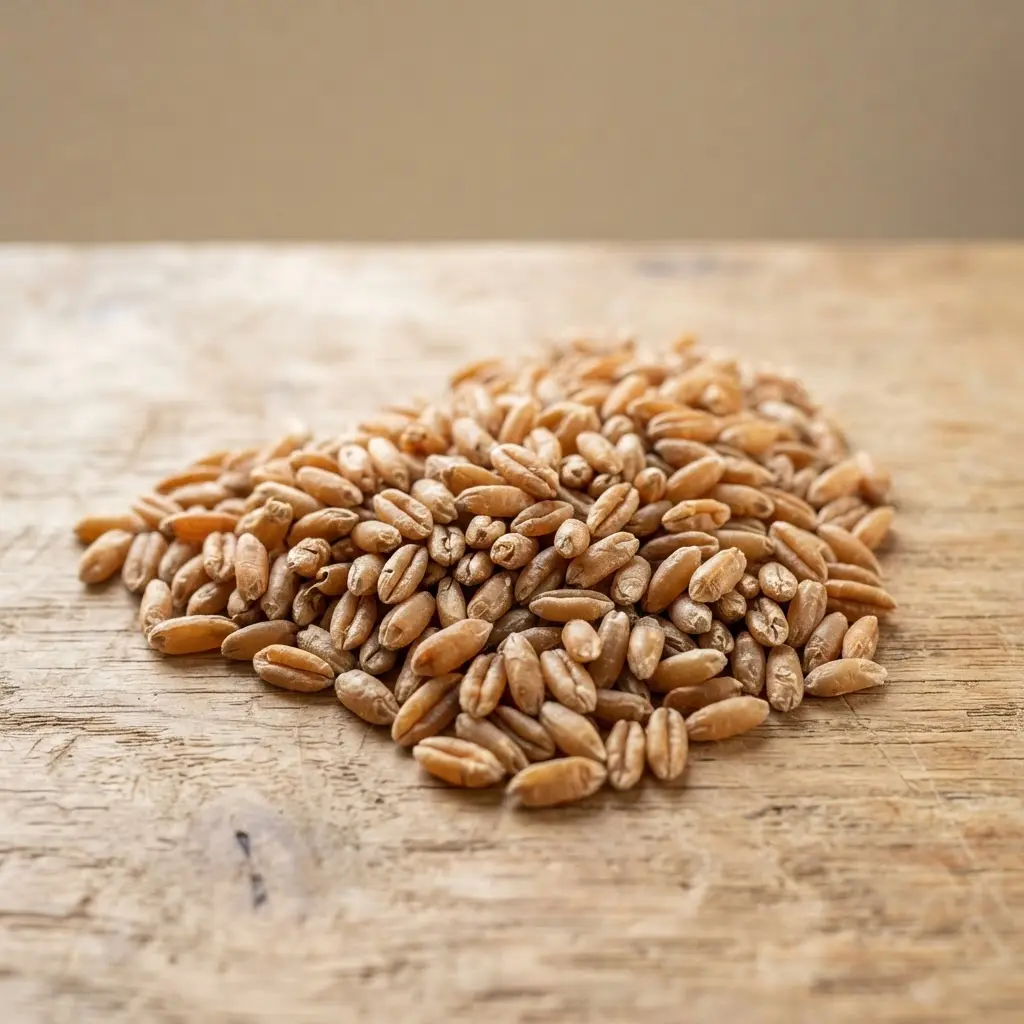
A brown grain product is not automatically a whole grain, so Foods that should be on your healthy grocery list require careful checking. Look for a whole grain label naming whole wheat or another intact grain as the first ingredient. Whole grains retain the bran, germ, and endosperm. Refined grains lose parts of the kernel during processing.
Choose oats for breakfast, baking, or granola. Add quinoa to salads and grain bowls. Brown rice works as a side dish or meal base, while barley adds a chewy texture to soups. Farro brings fiber and protein to pilafs, and buckwheat offers a gluten-free option for groats, pancakes, or soba noodles. These fiber-rich grains digest more slowly than lower-fiber refined choices because their fiber and complex carbohydrates slow glucose release, which aligns with Foods that should be on your healthy grocery list.
Research suggests whole grains support steadier energy by reducing the speed of digestion. Build a weekly grain rotation instead of relying on one variety. Check ingredient lists carefully, since brown color alone does not prove a product contains the entire grain kernel, meaning Foods that should be on your healthy grocery list demand attention.
5. Plant-Based Legumes Rich in Fiber
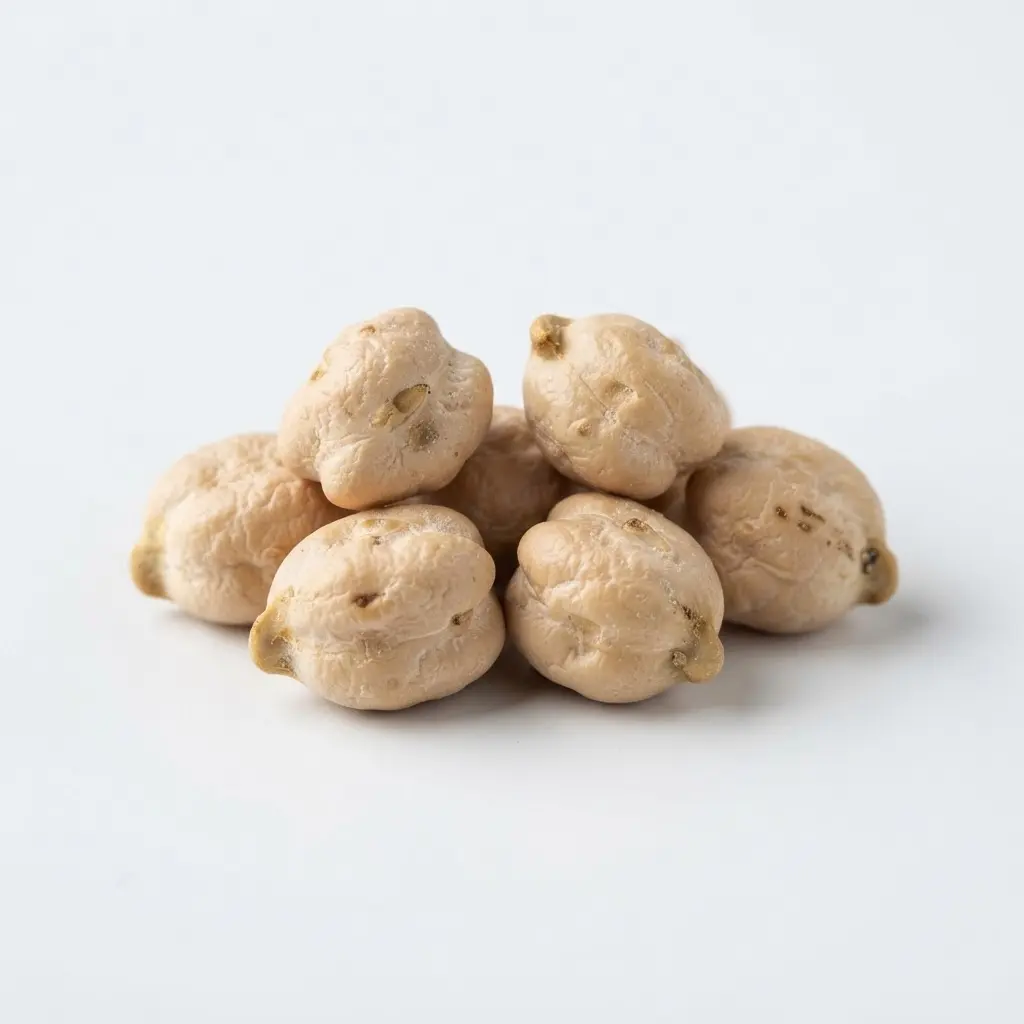
Which legumes deserve space on a healthy grocery list? Choose lentils, black beans, chickpeas, kidney beans, pinto beans, edamame, green peas, and split peas. Stock varied legumes for different flavors and meal uses. Lentils provide soluble and insoluble fiber, while chickpeas and edamame add protein, ensuring Foods that should be on your healthy grocery list cover digestion needs.
Add lentils to soups and stews, or use them in place of meat in selected dishes. Add black beans, kidney beans, or pinto beans to chili, salads, rice dishes, and curries. Roast chickpeas for a snack, or blend them into hummus. Steam edamame and serve the young soybeans as a snack or appetizer, so Foods that should be on your healthy grocery list offer quick bites.
Do not reserve legumes for soup. Match each type with its best use: chickpeas suit hummus, while black beans and pinto beans work well in chili and rice dishes. Keep dried or prepared options available for quick meals, and rinse canned beans before use, keeping Foods that should be on your healthy grocery list ready.
6. Healthy Fats and Oils for Flavor
A mild oil suits high-heat cooking better than a strongly flavored finishing oil, which proves Foods that should be on your healthy grocery list need balance. Keep extra virgin olive oil for dressings, sautéing, and finishing vegetables or grains. Its fruity taste adds character without requiring a large amount. Choose avocado oil for roasting or frying, especially when other ingredients should remain prominent.
Use refined coconut oil for baking or savory dishes needing a neutral taste. Select unrefined coconut oil when a clear coconut flavor fits the recipe. Add toasted sesame oil near the end in small amounts. Its nutty taste works well in noodle dishes, cooked greens, and sauces. Walnut oil, flaxseed oil, and similar nut or seed oils usually belong in dressings or as finishing oils because lower smoke points make them poor choices for high heat, showing why Foods that should be on your healthy grocery list require proper placement.
Match each bottle to the cooking temperature, flavor strength, and stage of preparation. Research suggests replacing some sources of solid fat with unsaturated oils supports a heart-conscious eating pattern. Store delicate nut and seed oils according to label directions, often in a cool, dark place, and use them before their flavor fades, ensuring Foods that should be on your healthy grocery list stay fresh.
7. Greek Yogurt and Dairy Alternatives
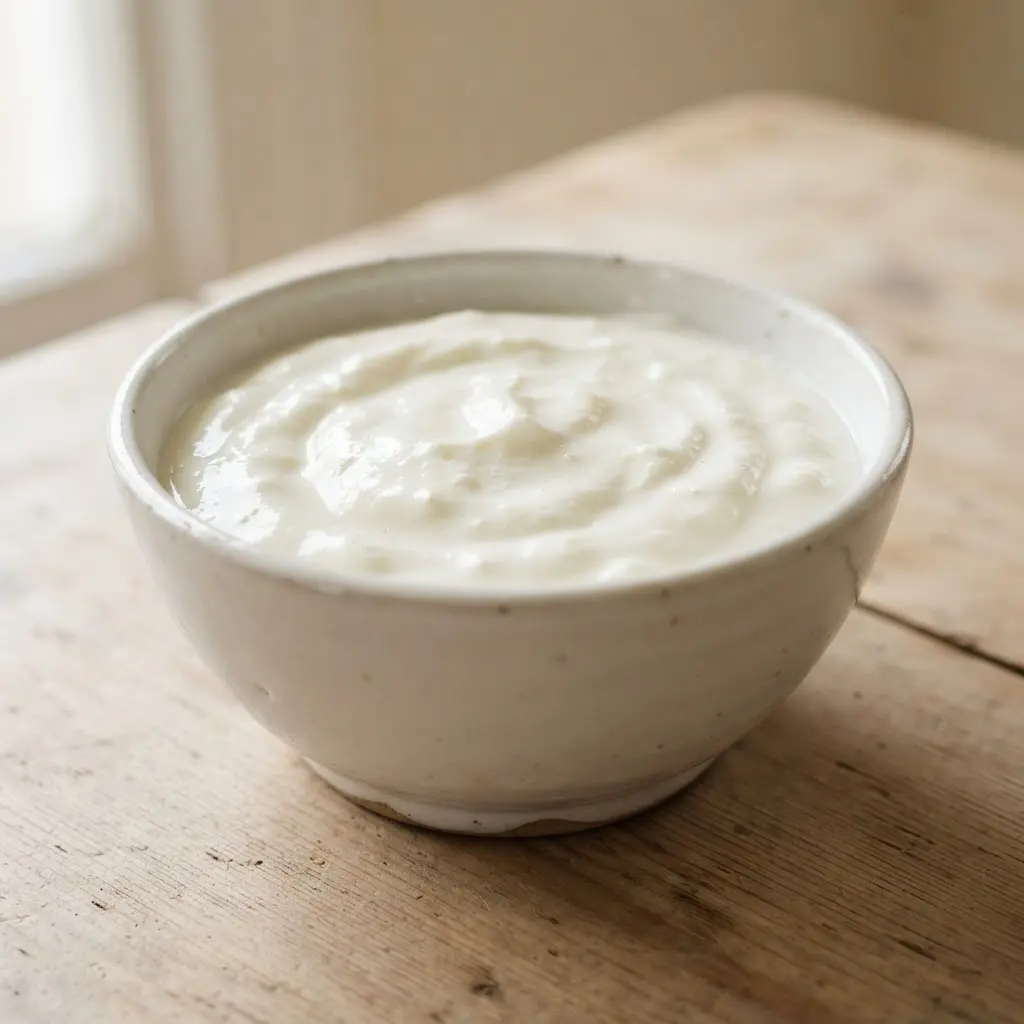
Do not assume every yogurt offers the same nutrition, so Foods that should be on your healthy grocery list demand careful picks. Choose plain Greek yogurt instead of flavored varieties loaded with added sugar. Straining removes some liquid, giving Greek yogurt a thicker texture and more protein per serving than many regular yogurts. Check the nutrition label, since protein levels differ between brands.
Use unsweetened dairy alternatives when cow’s milk does not suit your diet. Look for products fortified with calcium and vitamin D. Soy milk often provides powerful protein sources dairy milk, while almond, oat, and coconut drinks vary widely in protein and added sugar. Select an option matching your nutritional needs, then refrigerate it promptly after purchase, confirming Foods that should be on your healthy grocery list fit your diet.
Research supports diets rich in protein and calcium for maintaining muscle and bone health, making these foods useful parts of a balanced grocery plan. Choose fortified dairy alternatives and keep added sugar low. Compare labels rather than relying on front-of-package claims, since Foods that should be on your healthy grocery list require smart reading.
8. Raw Nuts and Seeds for Satisfying Snacks
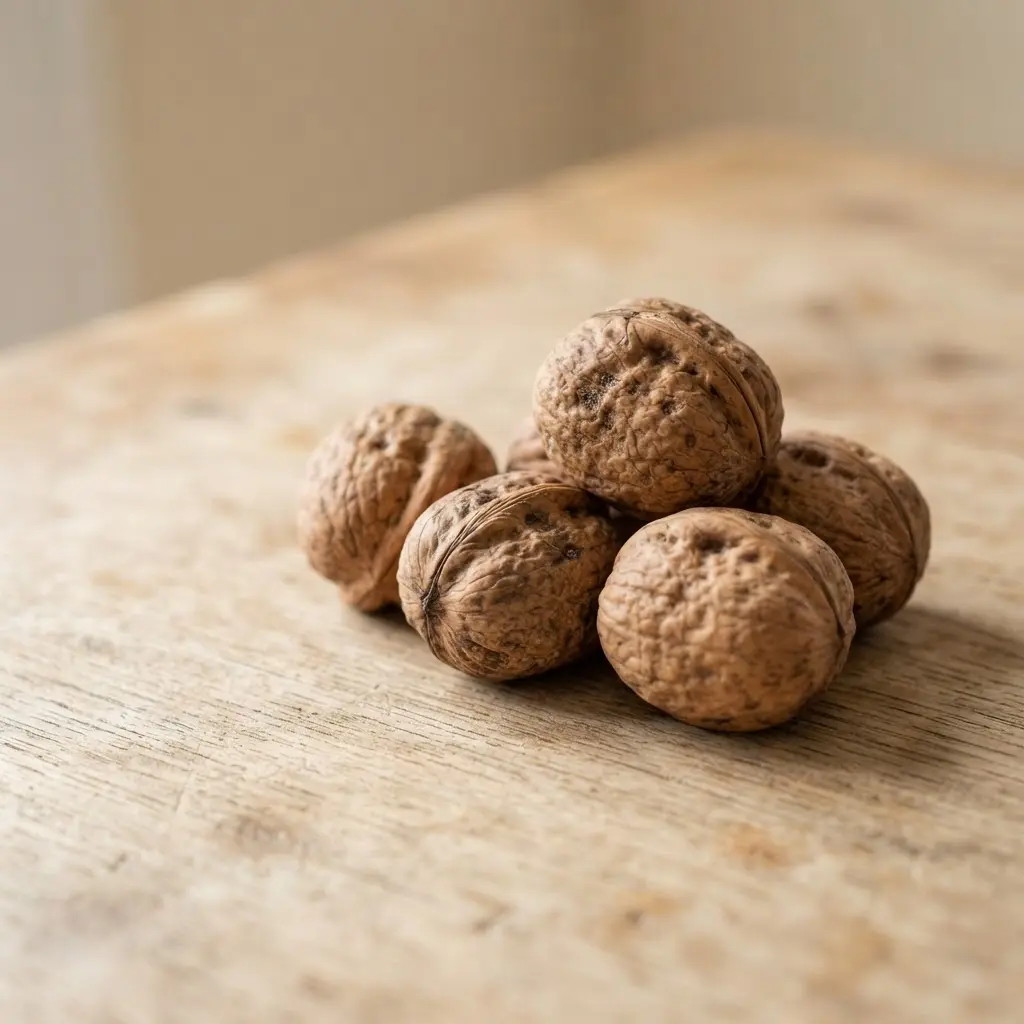
Choose raw, unsalted nuts and seeds first. Stock almonds, walnuts, pistachios, pumpkin seeds, sunflower seeds, or chia seeds for quick snacks with protein, fiber, and unsaturated fat, making Foods that should be on your healthy grocery list easy to grab. Skip honey-coated or heavily salted versions, which often add sugar or excess sodium. Store portions in small containers so a busy afternoon does not lead to eating straight from a large bag.
Keep each serving near 1 ounce, or about a small handful. Pair nuts or seeds with fresh fruit, plain yogurt, or whole-grain crackers for a more filling snack. Research suggests nuts and seeds fit well into eating patterns linked with heart health when portions replace less nutritious snack foods. Choose unsalted products when blood pressure or sodium intake is a concern, highlighting why Foods that should be on your healthy grocery list matter.
Read the ingredient label before buying seasoned mixes. Look for nuts and seeds with no added sugar, excess salt, or sweet coating. Check shared-facility warnings when a household member has a nut allergy. Refrigerate walnuts, flaxseeds, and other oil-rich options for longer freshness. Keep one portion in a work bag or desk drawer for a simple snack during long gaps between meals, ensuring Foods that should be on your healthy grocery list support your routine.
9. Versatile Pantry Staples for Quick Meals
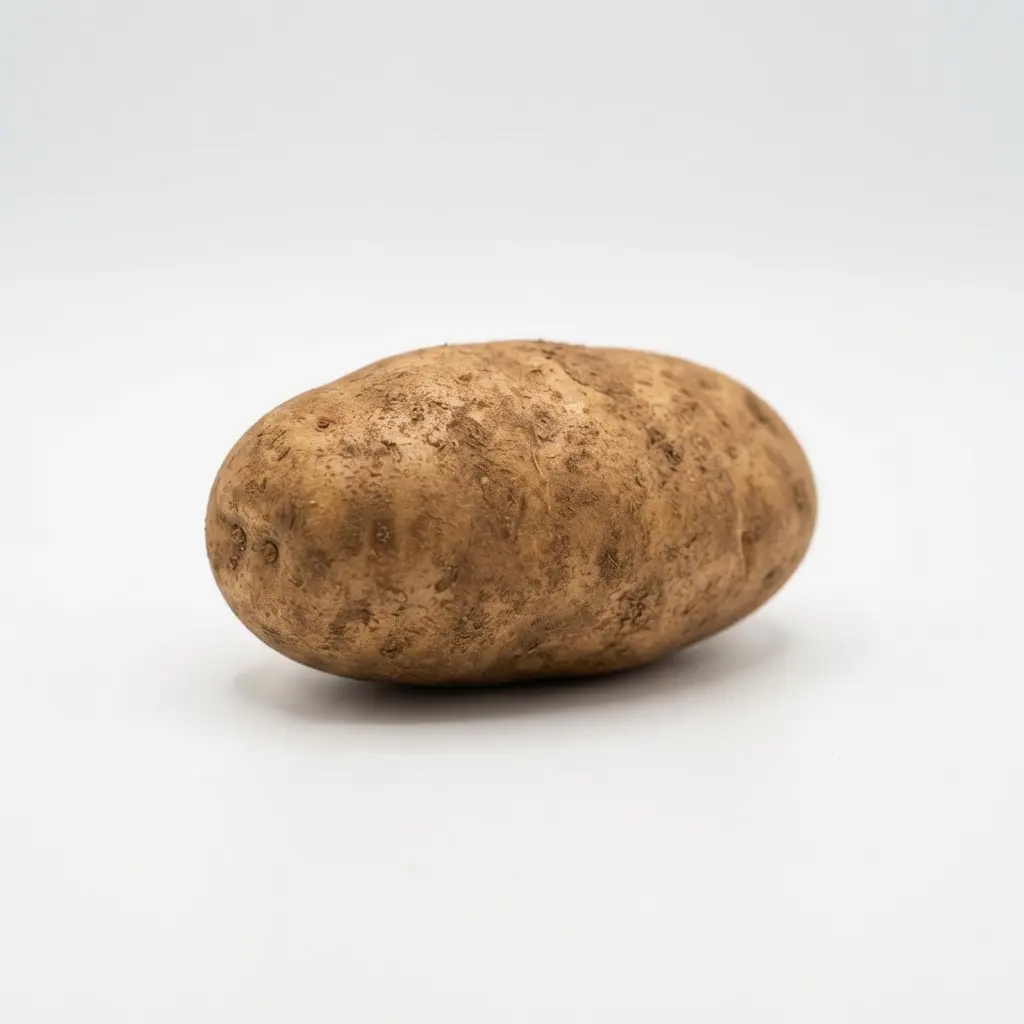
At 6 p.m., a stocked cupboard turns a rushed dinner into a meal, proving Foods that should be on your healthy grocery list save evenings. Keep canned beans, tomatoes, tuna, rice, pasta, and broth on hand. Beans add protein and work in salads, chilis, tacos, or dips. Tomatoes and broth form a quick base for soup, stew, or pasta sauce.
Choose one grain or pasta as the base, then add a protein-rich ingredient and a source of flavor. Cook rice or quinoa in broth for more taste. Stir canned tomatoes, garlic, onion, olive oil, oregano, or paprika into pasta. Add corn, nuts, or seeds for texture. A spoonful of nut butter also turns into a quick sauce for noodles or vegetables, showing how Foods that should be on your healthy grocery list mix well.
Research suggests a varied pantry supports more balanced meals when fresh foods are limited or time is short. Build your shelf across five groups: bases, protein foods, liquids, flavorings, and finishing ingredients. Check sodium levels in canned goods and broth, then rinse beans before use. Store oils, vinegars, dried herbs, and spices where they stay cool and dry, keeping Foods that should be on your healthy grocery list secure.
10. Fresh Herbs and Spices for More Flavor
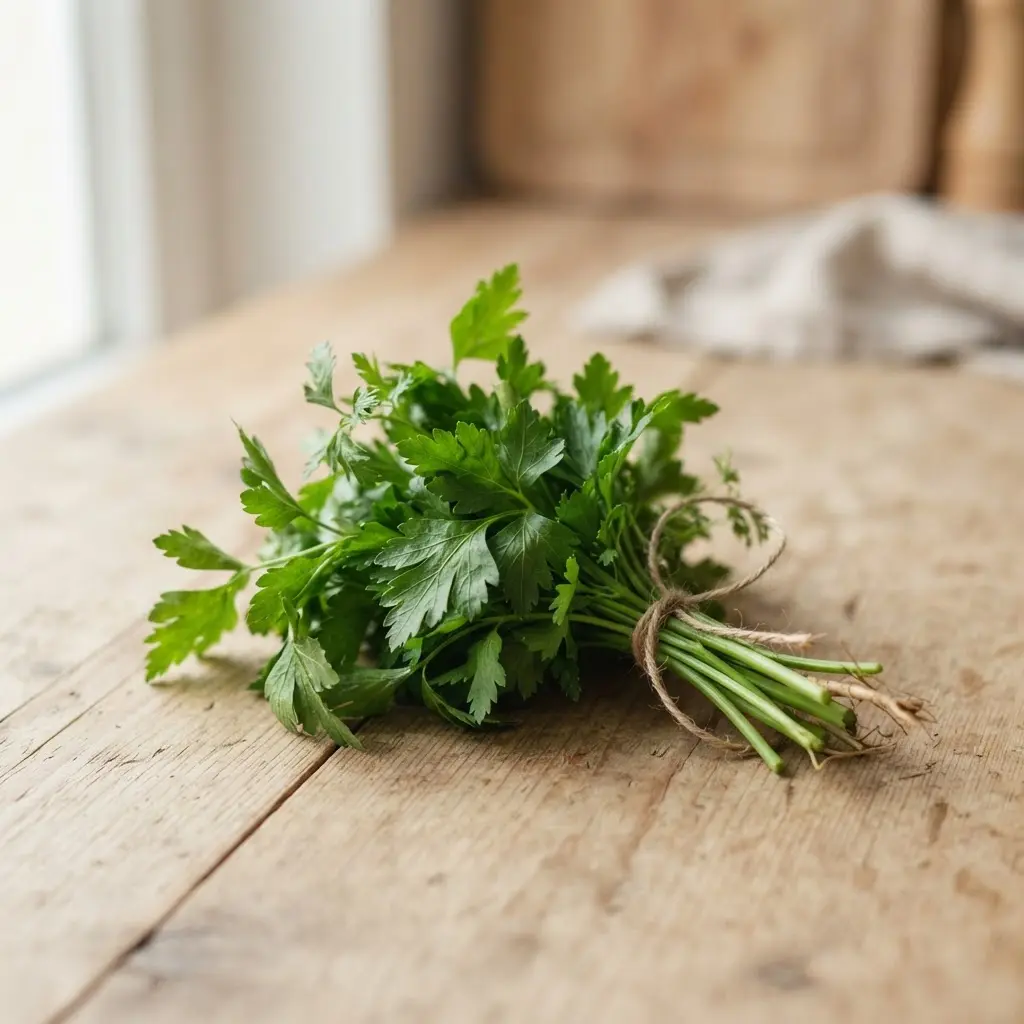
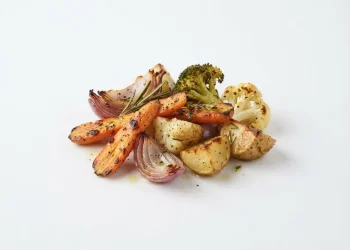
Fresh herbs and spices are not only for special recipes, yet Foods that should be on your healthy grocery list always need them. They give everyday meals more flavor without relying on rich sauces or heavily processed seasonings. Build a versatile herb selection with basil, cilantro, parsley, mint, rosemary, thyme, and dill. Use fresh herbs across salads, soups, roasted vegetables, potatoes, fish, and grain dishes.
Do not cook every herb the same way. Add basil, cilantro, parsley, dill, and chives near the end of cooking or scatter them over the finished meal. Add rosemary, thyme, and oregano earlier so their stronger flavors spread through the dish. Add variety with flavor-boosting spices alongside fresh herbs. Toast whole cumin, coriander, or paprika briefly before grinding to release aroma, then use cloves, nutmeg, chili, and ginger in measured amounts, ensuring Foods that should be on your healthy grocery list add depth.
Fresh herbs lose quality when stored loosely. Stand tender stems in a glass of water in the refrigerator, or wrap leaves in a damp paper towel. Research suggests flavorful meals support more varied food choices because appealing taste makes vegetables, beans, and whole grains easier to include. Keep garlic, cinnamon, turmeric, and paprika nearby for quick, flexible meals, so Foods that should be on your healthy grocery list keep taste high.
Safe Storage For Fresh And Frozen Foods
Refrigerate eggs, milk, poultry, and fish within two hours of bringing them home, then freeze portions you will not use soon, since Foods that should be on your healthy grocery list require proper care. Use freezer containers with tight lids to limit air exposure, prevent leaks, and reduce freezer burn on meat, bread, and cooked grains. Keep the refrigerator at 40°F or colder and the freezer at 0°F for safer storage. Place raw poultry and seafood below ready-to-eat foods, so drips do not reach salads, fruit, or leftovers. Wash hands, cutting boards, and knives after raw protein touches them. Rinse produce under cool running water before eating, but keep berries dry until you plan to use them, reminding you Foods that should be on your healthy grocery list need safe handling. Let leftovers cool in shallow containers, then refrigerate them within two hours. Label frozen portions with the date, since labels help you use older food first.
Conclusion
A thoughtful grocery list helps you bring nourishing food into daily routines without making meals feel strict. Keep foods that should be on your healthy grocery list in forms your household enjoys, such as fresh, frozen, dried, or low-sodium canned options. Check labels for added sugar, excess sodium, and long ingredient lists when you shop, and remember Foods that should be on your healthy grocery list stay simple.
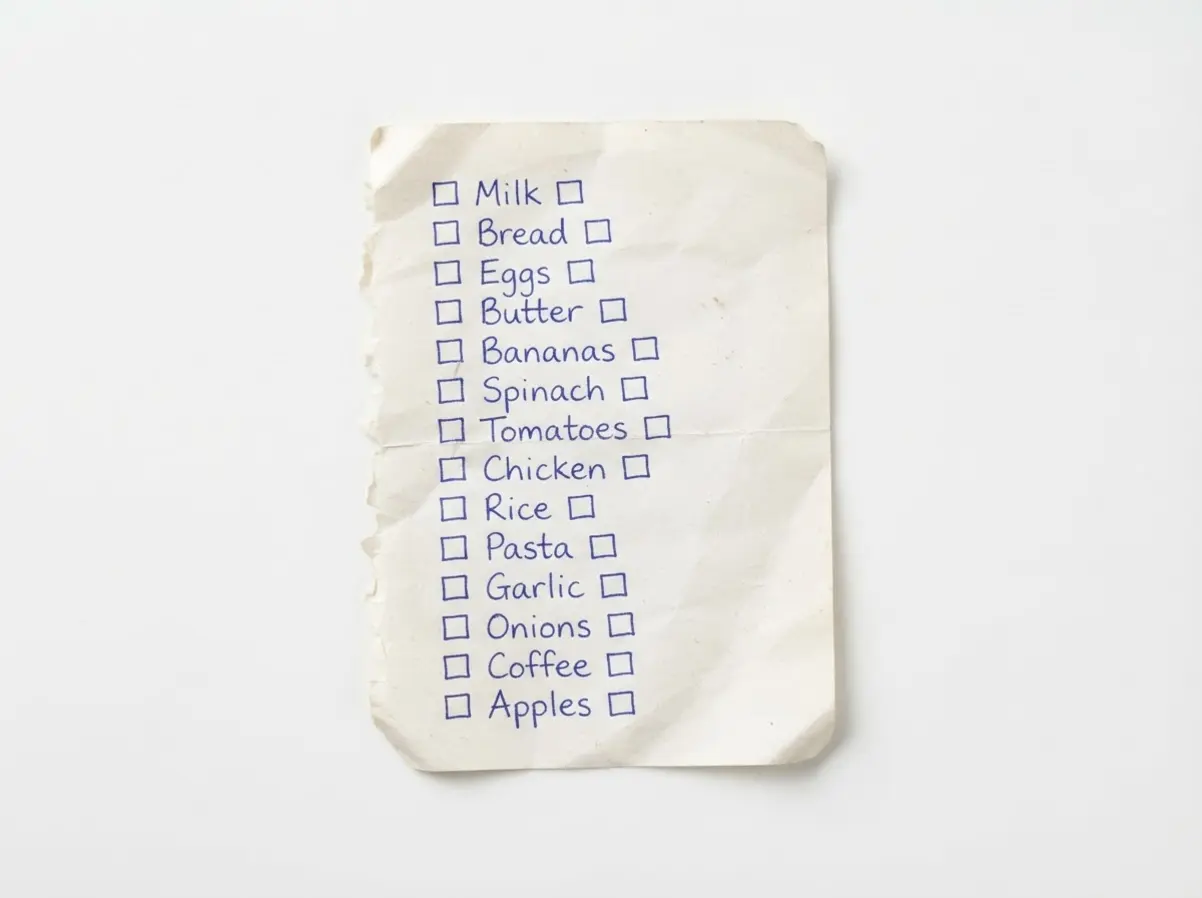
For your next trip, pick one item from each main group. Add a leafy green, a fruit, a protein, a whole grain, a legume, a healthy fat, and one easy snack. Store foods where you will see them first, and wash or portion a few items when you return home. Small steps like these make weekday meals easier and help you stay consistent, proving Foods that should be on your healthy grocery list work. Write your short list before shopping, choose foods you look forward to eating, and keep building from there.
FAQs
Q: Are frozen berries a healthy choice?
A: Yes. Frozen berries retain their fiber and nutrients, and they last longer than fresh berries. Choose plain varieties without added sugar.
Q: How long does fresh produce last?
A: Storage time varies by food. Keep leafy greens dry, store berries in the refrigerator, and use cut produce within a few days.
Q: Are canned beans a good pantry choice?
A: Yes. Choose beans with little added sodium, then rinse them before eating. They add fiber and protein to soups, salads, and grain bowls.
Q: How do I spot added sugar in yogurt?
A: Read the ingredient list and nutrition panel. Choose plain yogurt when possible, then add fruit or cinnamon for flavor.
Q: Which fats belong on a healthy grocery list?
A: Choose olive oil, avocados, nuts, seeds, and natural nut butter. Keep portions moderate and select products with short ingredient lists.