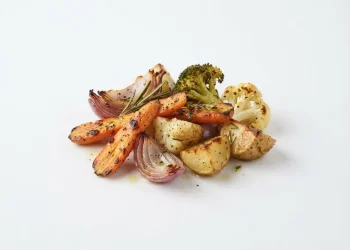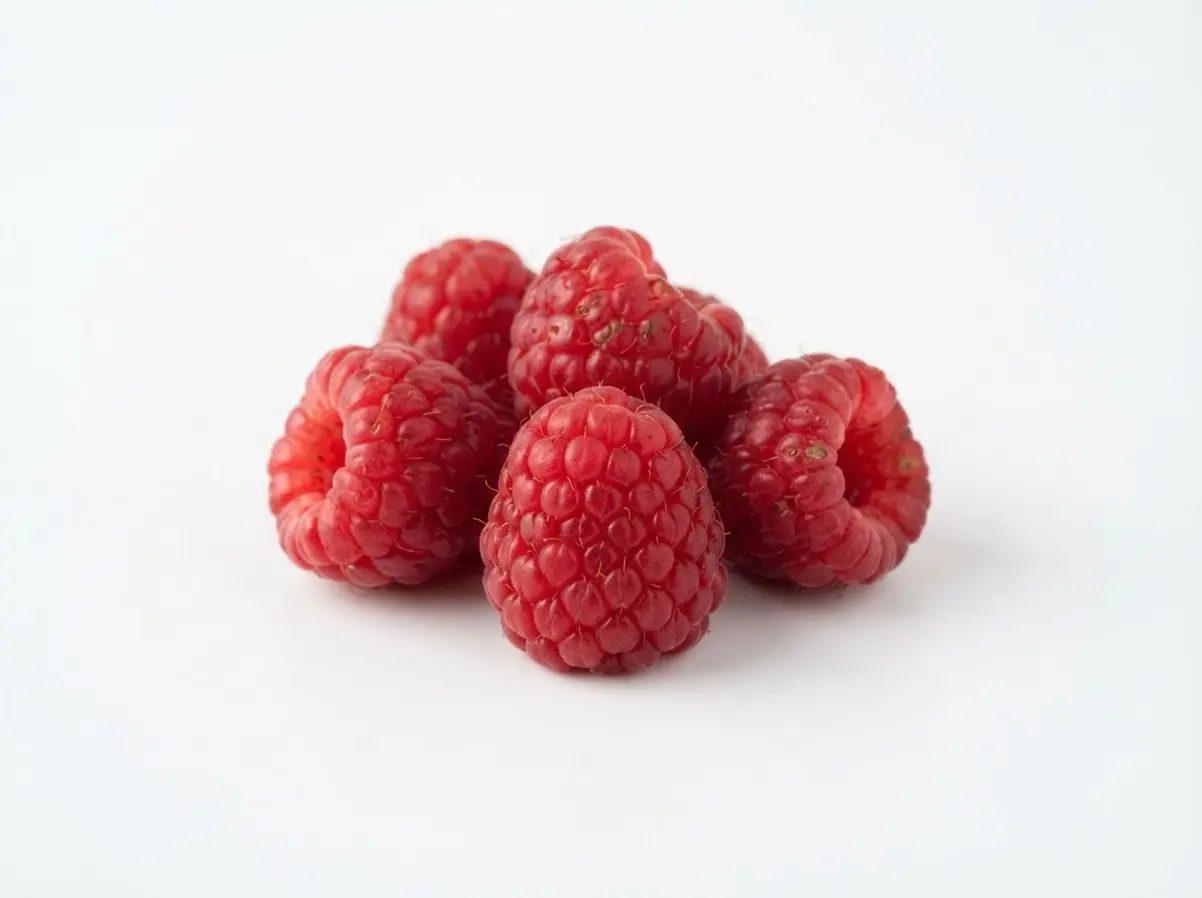
Do you want healthier meals without making grocery shopping harder? The best Healthy ingredients you should add to your shopping list include colorful vegetables, leafy greens, lean proteins, whole grains, beans, nuts, plain yogurt, herbs, and spices. Here is a quick note about the Healthy ingredients you should add to your shopping list. These foods support balanced meals, easy snacks, and better everyday cooking. A good list does not need trendy products or costly extras. Start with foods you enjoy and ingredients you will use in more than one meal. I know busy weeks make healthy choices feel difficult, especially when the kitchen lacks quick options. Let’s make your next trip easier with seven practical groups.
You will find fresh foods, pantry staples, flavor builders, and simple label tips for choosing products with short ingredient lists. Use the guide to plan breakfasts, lunches, dinners, and snacks with less stress. Grab your list and start with the ingredients your household will eat this week.
Reading Labels For Added Sugar And Sodium
Use the Nutrition Facts label to compare cereals, breads, and snack foods before placing them in your cart. Look for whole grain as the first ingredient, then check added sugar, sodium, saturated fat, and fiber per serving. A cereal with oats listed first still deserves a closer look if one serving carries lots of added sugar. Choose plain oats or unsweetened whole grain bread more often, since sweetened versions add sugar quickly across breakfast portions.
Compare serving sizes between brands because smaller portions make numbers look lower. For canned beans, check sodium and choose low-sodium versions when available. Rinse them under cool water to remove some surface salt. Keep the Healthy ingredients you should add to your shopping list in mind while checking these numbers.
Building Mix And Match Meal Components
Keep cooked grains, vegetables, protein, and healthy fats ready in separate forms so one ingredient works across several meals. Plain yogurt adds protein to breakfast and makes a base for sauces or dips without added sugar. Eggs provide an easy protein option when dinner needs more staying power. This step covers the Healthy ingredients you should add to your shopping list for quick meal mixing.
Canned beans and lentils suit bowls, soups, and salads, while frozen berries keep fruit on hand beyond its short fresh window. Oats, brown rice, and whole grain tortillas give meals more fiber than refined grain versions. Nuts and seeds add unsaturated fat, but check portions if you watch calories. Choose ingredients with contrasting colors and textures, since visual variety makes balanced meals easier to assemble.
1. Versatile Leafy Greens and Vegetables: Fresh Meal Foundations
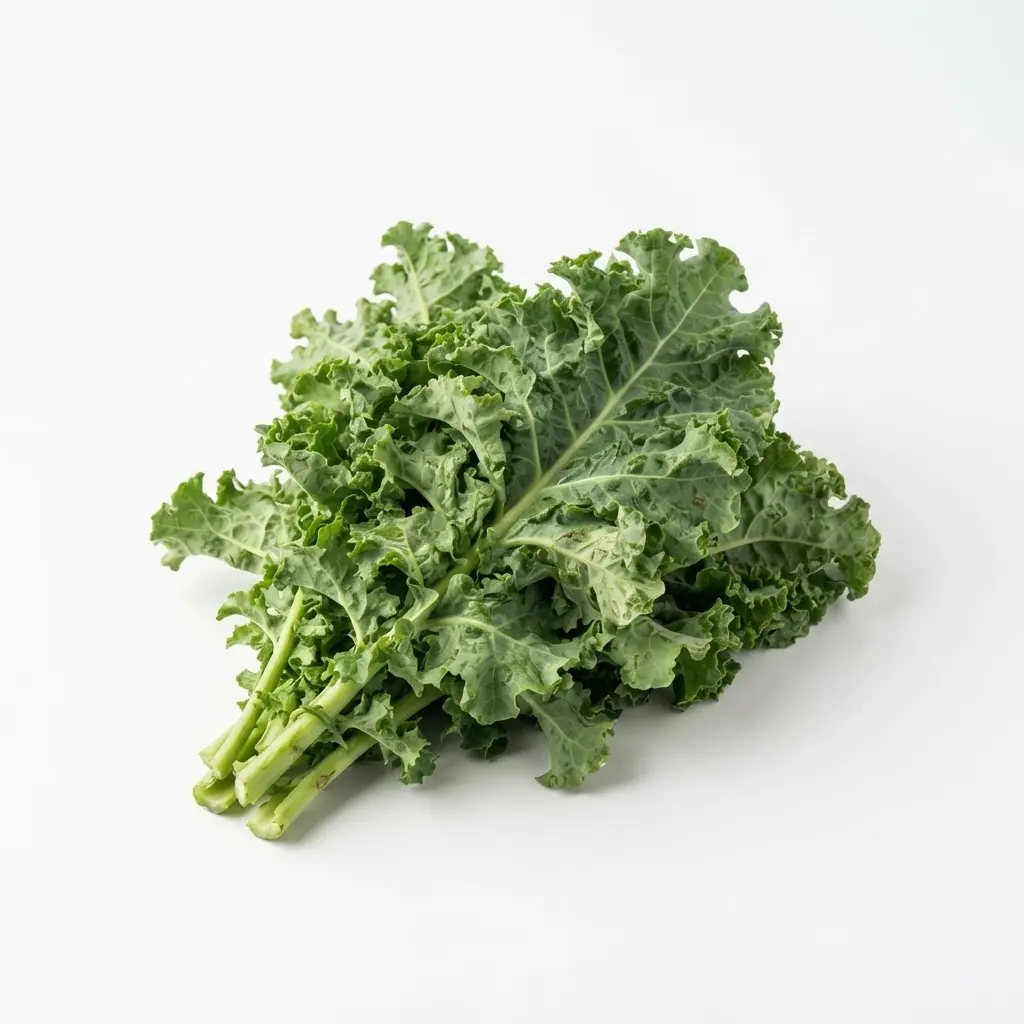
Treating every green as a salad ingredient is a common shopping mistake. Use tender salad greens, such as spinach, romaine, arugula, and spring mix, for salads, wraps, sandwiches, and garnishes. You will find the Healthy ingredients you should add to your shopping list start with sturdy leaves.
Choose kale, collards, mustard greens, or turnip greens for practical cooking guidance, since sturdy leaves hold their texture during simmering or braising. Always check your list for the Healthy ingredients you should add to your shopping list before picking produce. Inspect leaves before buying. Choose crisp, green leaves without yellowing, browning, wilting, or excess moisture. Store greens in the refrigerator while dry, using a breathable bag or vented container.
Wash them immediately before preparation to limit early spoilage. Slightly wilted leaves often regain firmness after a short soak in ice water, provided no spoiled areas are present. Match the cooking method to the vegetable. Sauté spinach into omelets, stir-fry bok choy with grains, or simmer collards in soup. Remember the Healthy ingredients you should add to your shopping list when planning side dishes.
Roast kale for a crisp topping. Cabbage works well in slaws, soups, fermented dishes, and stuffed rolls. Microgreens, watercress, and baby greens add fresh flavor to grain bowls, pizza, and cooked meals. Research suggests leafy greens and vegetables provide vitamins A, C, E, and K, along with minerals such as iron, magnesium, calcium, and potassium. Their generally low calorie, fat, and sodium content supports balanced meal planning.
Keep several types available so meals gain different textures and flavors without relying on one ingredient. Remove spoiled leaves during storage, then prepare the remaining greens soon.
2. Essential Lean Protein Sources for Balanced Meals
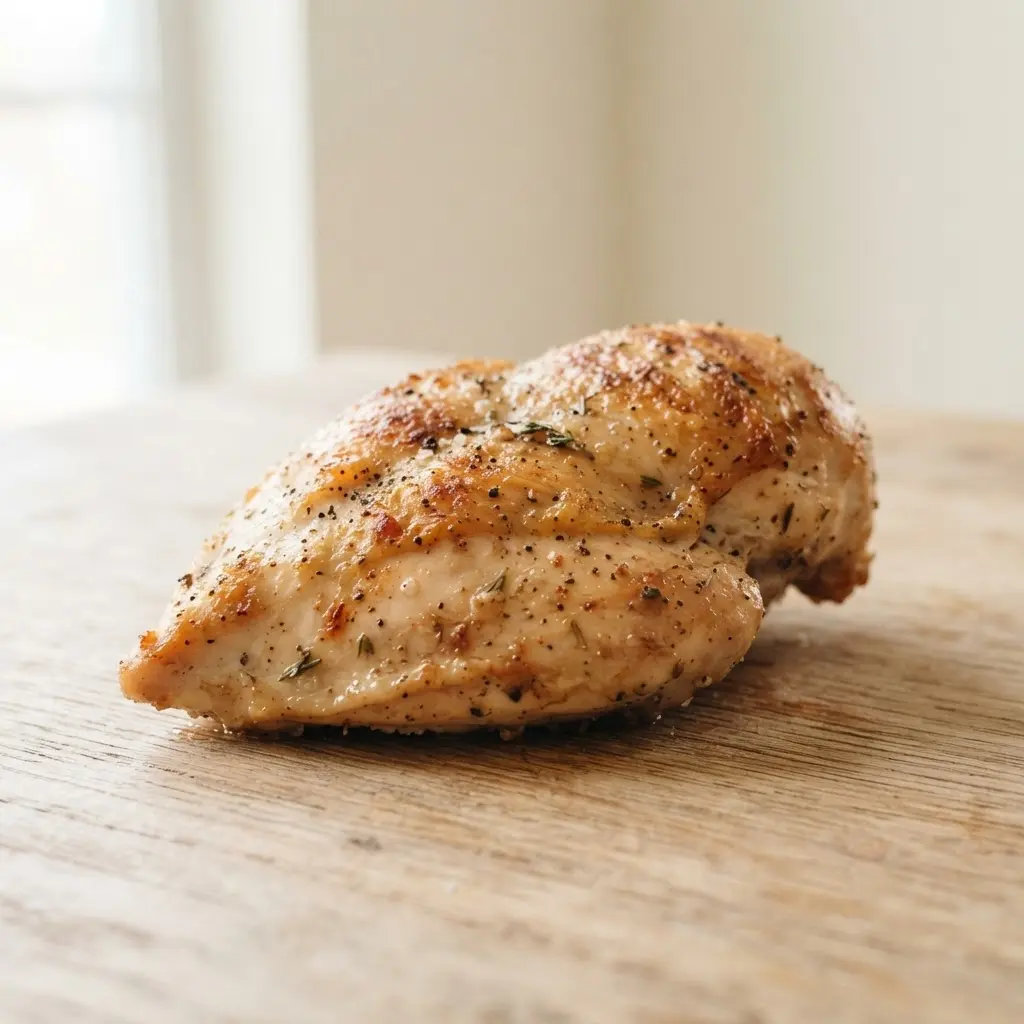
Start with three protein choices on your shopping list: one poultry item, one fish item, and one plant-based option. Chicken breast and turkey breast are lean, flexible choices for salads, wraps, and grain bowls. The Healthy ingredients you should add to your shopping list must include these lean options. Cod, tilapia, and tuna provide lean fish options, while salmon, mackerel, and sardines add omega-3 fatty acids.
Choose cuts with less visible fat, such as lean beef cuts including sirloin, tenderloin, and round. Keep the Healthy ingredients you should add to your shopping list focused on low-fat meats. Add pork tenderloin for another relatively lean choice. Eggs provide complete protein along with vitamins and minerals.
Greek yogurt offers a thick, high-protein food for breakfast or snacks, while cottage cheese supplies casein protein, which digests slowly. Stock beans, lentils, and chickpeas as plant-based protein options by adding plant-based protein options to your list. Note how the Healthy ingredients you should add to your shopping list cover plant proteins too. Tofu and tempeh are soy foods with complete proteins.
Use them in stir-fries, soups, grain bowls, or sandwiches. Legumes also provide fiber and several micronutrients, which animal-based foods do not supply in the same way. Build each meal with protein and vegetables, then add a complex carbohydrate such as oats, brown rice, potatoes, or another minimally processed grain. This structure supports fullness and provides fiber, vitamins, minerals, and steady energy from several food groups.
Research suggests protein-rich meals support muscle repair and satiety. Rotate poultry, fish, legumes, soy foods, eggs, and dairy across the week instead of relying on one source.
3. Nutrient Dense Whole Grains for Easy Meal Prep
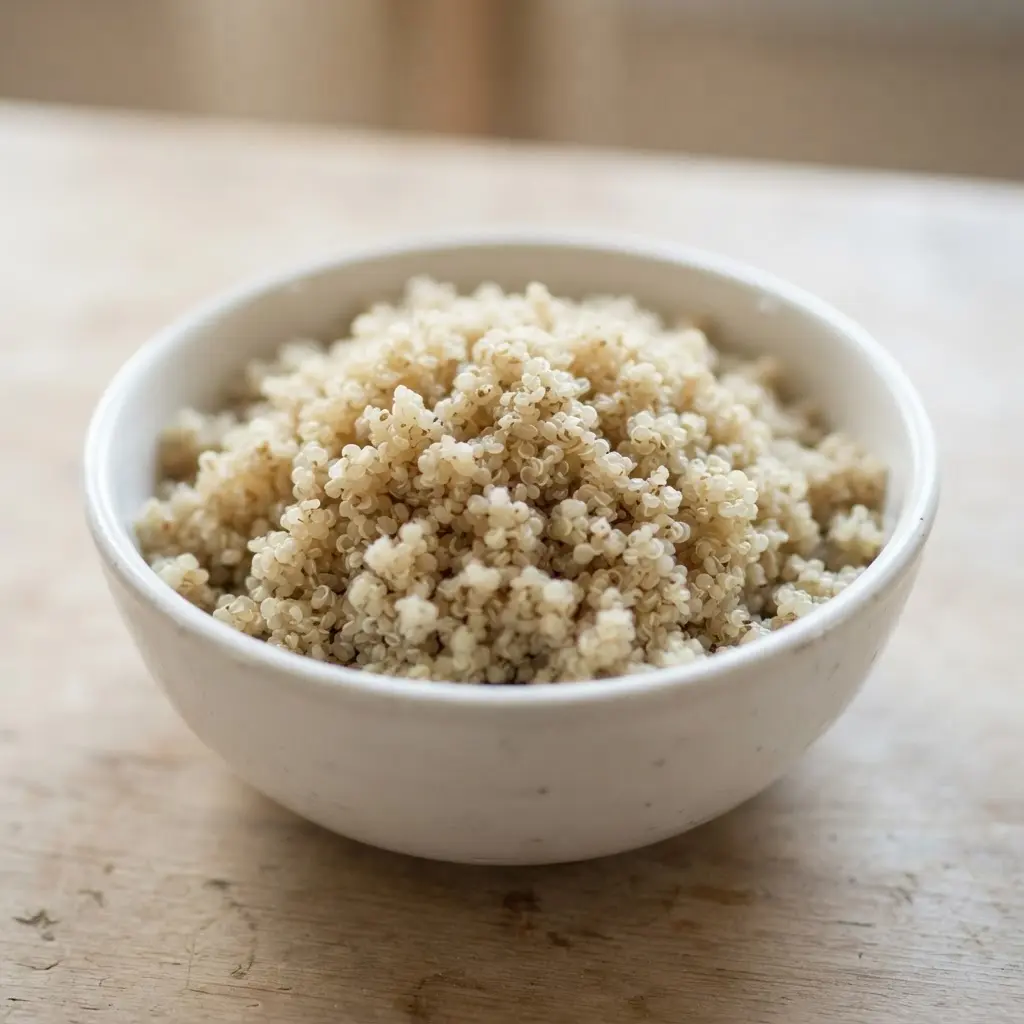
At 6 p.m. on a busy weekday, a ready container of grains turns leftover vegetables, beans, or chicken into dinner within minutes. Start the week with a batch of cooked whole grains. The Healthy ingredients you should add to your shopping list will make this prep simple. Whole grains retain the bran, germ, and endosperm, so they provide more fiber and nutrients than refined grains.
Choose quinoa for a fluffy salad or grain bowl base. Look for these Healthy ingredients you should add to your shopping list when picking grains. Quinoa cooks quickly and stays separate after chilling. Select brown rice for reheated meals because fiber and magnesium support its role as a dependable staple.
Prepare oats as overnight oats or baked oatmeal. Use farro for a chewy texture, barley for soups and stews, bulgur for fast side dishes, and millet for porridge or a mild, slightly sweet accompaniment. Cook several portions in a large pot at the start of the week. Let the grains cool completely before moving them into airtight containers.
Refrigerate the containers, then serve the grains cold in salads or reheat them with a splash of broth. Follow your plan for the Healthy ingredients you should add to your shopping list to avoid waste. Add herbs, spices, or a small amount of broth after cooking to improve flavor. Research suggests higher-fiber eating patterns support digestive health, so batch-cooked grains fit well beside vegetables, beans, eggs, fish, or lean meat.
Repurpose one batch across bowls, stir-fries, pilafs, and soups instead of using the same format each day. Avoid sealing grains while they are hot, since trapped heat creates excess moisture. Bulgur prepares quickly because it is pre-cooked and dried, while brown rice, farro, barley, and millet need longer cooking times.
4. Heart Healthy Fats and Nuts for Satisfying Snacks

Many people avoid nuts because they seem too fatty. The truth is more specific: nuts, seeds, avocado, and olives provide mostly unsaturated fats, along with fiber, protein, vitamins, minerals, and antioxidants. Choose unsalted nuts to add lasting substance to a snack without extra sodium. These are the exact Healthy ingredients you should add to your shopping list for snacks.
Almonds provide vitamin E and magnesium. Walnuts supply alpha-linolenic acid, a plant-based omega-3 fat. Remember the Healthy ingredients you should add to your shopping list covers heart-friendly fats too. Pistachios offer fiber, protein, lutein, and zeaxanthin. Pumpkin seeds add magnesium and zinc, while sunflower seeds provide vitamin E.
Research suggests replacing some saturated fat with unsaturated fat supports healthier cholesterol levels. Measure about 1 ounce, or roughly one-quarter cup, for a nut or seed serving. Pair a small portion with an apple, berries, carrot sticks, or sliced cucumber.
Spread avocado on whole-grain toast. Stir chia seeds into yogurt or prepare chia pudding. Grind flaxseeds before eating to support nutrient absorption. Mix several nut and seed types for a wider range of nutrients. Read snack labels before buying. Salted mixes often contain excess sodium, while some packaged blends include added sugar or less healthy fats. Macadamia nuts deserve extra portion care because they are especially calorie-dense. Always consult a healthcare professional before making changes to your health routine.
5. Probiotic Rich Dairy and Alternatives for Gut Support
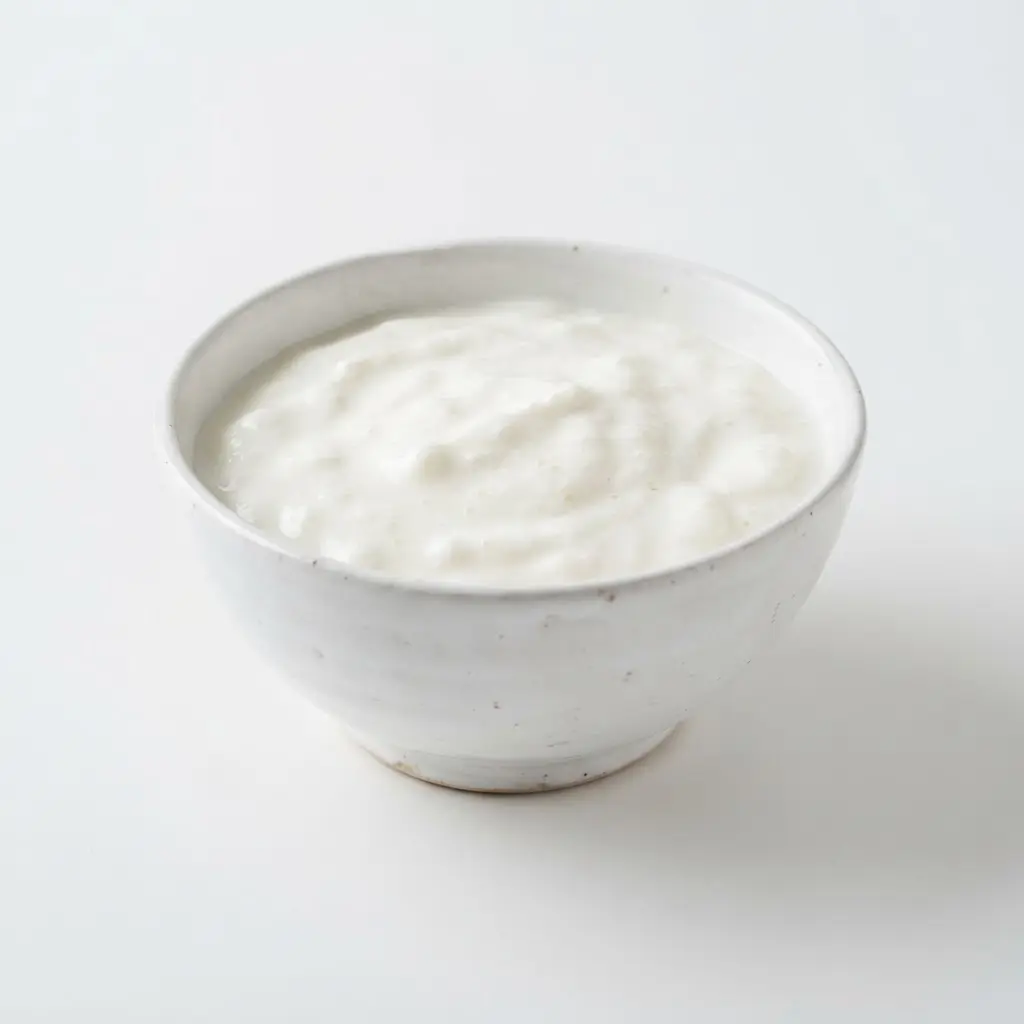
Which fermented foods belong on a gut-friendly shopping list? Choose a mix of dairy and plant-based options with live active cultures. The Healthy ingredients you should add to your shopping list often include these cultured items. Yogurt, kefir, aged cheese, kimchi, sauerkraut, kombucha, miso, and tempeh offer different types of live microorganisms.
Select plain or flavored yogurt with live cultures listed on the label. Kefir provides a drinkable option for breakfast or snacks. Aged cheese adds fermented flavor to meals, though not every cheese contains active cultures. Check product labels instead of assuming fermentation guarantees live microorganisms.
Build variety with fermented foods from several groups. Add kimchi or sauerkraut to a meal, use miso in a soup, drink kombucha with lunch, or include tempeh in a grain bowl. Different foods contain different bacterial strains, so rotation provides broader exposure than relying on one item. Start with small servings, such as a few spoonfuls of yogurt or sauerkraut.
Increase portions gradually as your body adjusts. Heat can kill beneficial bacteria, so choose products labeled for live cultures and avoid heating them when preserving live microorganisms is a priority. Raw or unpasteurized products require extra care because foodborne illness risk is higher for pregnant people, young children, older adults, and people with weakened immune systems.
Choose pasteurized products when safety concerns apply. Always consult a healthcare professional before making changes to your health routine. Keep several options available during weekly shopping. A tub of yogurt, a bottle of kefir, and one plant-based fermented food create a practical starting point without requiring large portions.
6. Flavor Enhancing Herbs and Spices for Better Home Cooking
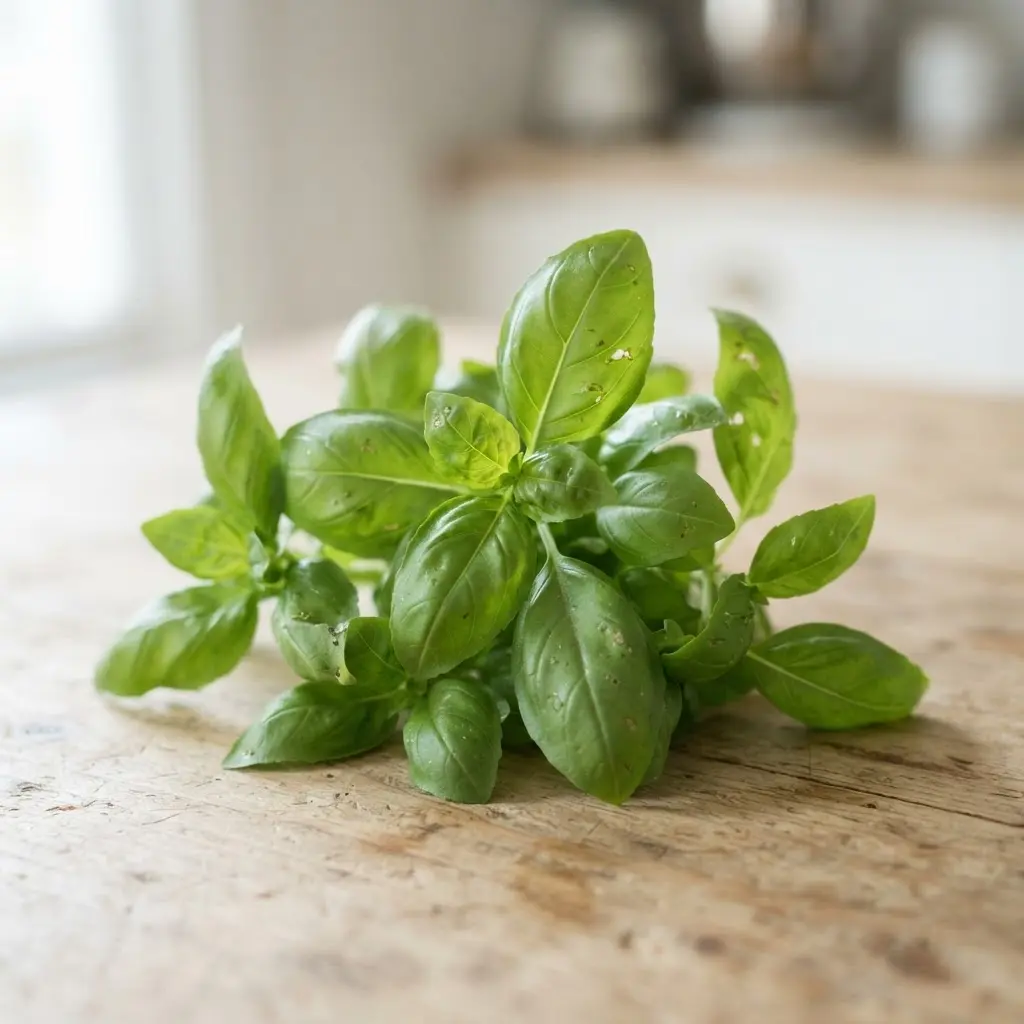
Fresh herbs give a bright finish, while dried herbs build deeper seasoning during cooking. Choose fresh basil for tomatoes, pasta, salads, or pesto. Add cilantro to salsa, curries, and marinades. Do not forget the Healthy ingredients you should add to your shopping list when picking flavor boosters. Use mint with salads, yogurt sauces, or tea.
Parsley adds a clean taste to soups, stews, and sauces. Choose dried herbs when a dish needs time to absorb flavor. Add thyme, rosemary, or dried parsley early in soups, stews, and braises. Use rosemary sparingly with roasted potatoes, meat, or bread because its piney taste can dominate. Match dill with fish, eggs, potatoes, or yogurt-based sauces.
This approach builds flavor without relying on a heavy sauce. Toast whole spices in a dry pan for a short time before grinding or adding them to food. Cumin suits chili, curries, and roasted vegetables. Coriander adds warm citrus notes, while paprika supplies color and a choice of sweet, mild, hot, or smoky flavor.
Add turmeric to rice dishes or soups, and use fresh ginger for a sharper taste than ground ginger. Store airtight spice containers away from heat, light, and moisture. Replace seasonings when their aroma fades. Many people find simple meals more appealing when garlic powder, onion powder, chili flakes, or cinnamon add clear flavor differences.
Start with a small amount, taste the dish, then adjust gradually. Strong seasonings such as cloves, nutmeg, and chili need careful handling.
7. Core Pantry Staples and Legumes for Budget Meals
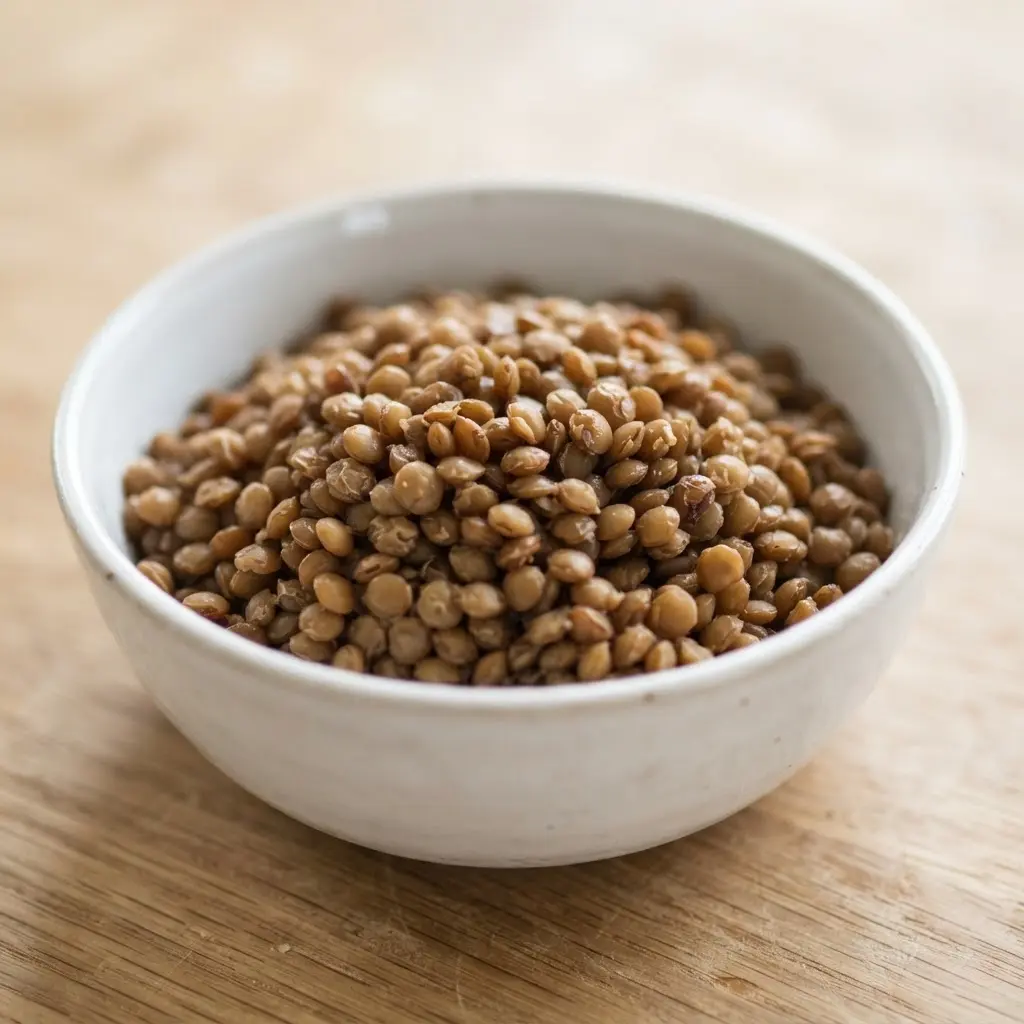
A common mistake is buying specialty ingredients for one recipe and leaving the rest unused. Check your notes for the Healthy ingredients you should add to your shopping list to save money. Choose versatile pantry staples instead. Rice, pasta, oats, potatoes, bread, and tortillas form the base of many inexpensive meals. Pair one base with lentils, beans, chickpeas, or split peas for substance and variety.
Build flavor with onions, garlic, canned tomatoes, broth, vinegar, cooking oil, and basic spices. Red lentils cook relatively quickly, while dried beans usually cost less than canned beans. Select low-sodium canned legumes when time matters, and rinse them before use to remove some of the surface salt. A short list of affordable healthy staples supports steady meal planning without a large grocery bill.
Prepare batch-cooked legumes for several meals during the week. Combine rice and black beans in bowls or burritos. Stir white beans, tomatoes, and garlic into pasta. Simmer lentils with onions, broth, and vegetables for soup. Use chickpeas in salads, curries, or hummus.
Store dry grains and legumes in sealed containers in a cool, dry pantry. Research suggests legumes provide a useful way to replace some meat in meals while adding variety and substance. Keep frozen or canned vegetables nearby for soups, stews, chili, and rice dishes, especially when fresh produce costs more. Plan several meals before cooking a large batch, since unused portions can lead to waste.
Storage Practices For Freshness And Food Safety
Store leafy greens in a clean container lined with a dry paper towel, and remove slimy leaves before refrigeration. Keep berries unwashed until eating because extra moisture speeds mold growth. Place cut fruit and vegetables in an airtight container and refrigerate them within two hours, or within one hour during hot weather. Set your refrigerator at 40°F (4°C) or below to slow spoilage and protect perishable foods.
Store raw meat below ready-to-eat ingredients so drips do not contaminate them. Rinse produce under running water before eating, even when you plan to peel it. Check canned goods for dents, leaks, swelling, or rust, and discard damaged cans. Freeze bread, cooked grains, and ripe fruit in sealed portions to reduce waste while keeping useful ingredients ready.
Conclusion
A thoughtful grocery list helps you feel ready for busy mornings, quick lunches, and simple dinners. It also gives you more choices when hunger arrives, so healthy eating feels easier to maintain. The Healthy ingredients you should add to your shopping list do not need to be costly or unusual. Focus on foods your household enjoys and ingredients with more than one use.
Before your next trip, check your pantry and fridge, then write down two vegetables, one protein, one whole grain, one bean, and one flavor booster. Pick plain or lightly processed options when possible, and read the ingredient list before buying packaged foods. Start small this week instead of replacing every item at once. Each useful addition gives you more ways to prepare balanced meals with less effort.
Take your list with you and choose a few ingredients you feel ready to use. Stick to the Healthy ingredients you should add to your shopping list and enjoy simple cooking.
FAQs
Q: How do I choose healthier packaged foods?
A: Read the ingredient list before checking front-label claims. Look for a short list with familiar foods and less added sugar or sodium.
Q: Are frozen vegetables as nutritious as fresh vegetables?
A: Frozen vegetables often retain many nutrients because they are picked and frozen soon after harvest. Choose plain bags without creamy sauces or added seasoning.
Q: How much protein should I buy for weekly meals?
A: Include a protein source in meals and snacks based on your household size and eating habits. Rotate eggs, poultry, fish, tofu, yogurt, beans, and lentils for variety.
Q: Are canned beans a healthy grocery choice?
A: Canned beans offer a quick source of plant protein and fiber. Rinse them under water to remove much of the extra sodium, then add them to salads, soups, or bowls.
Q: What should I look for when buying yogurt?
A: Choose plain yogurt with live cultures and a short ingredient list. Add fruit, oats, nuts, or cinnamon at home for flavor and added nutrients.