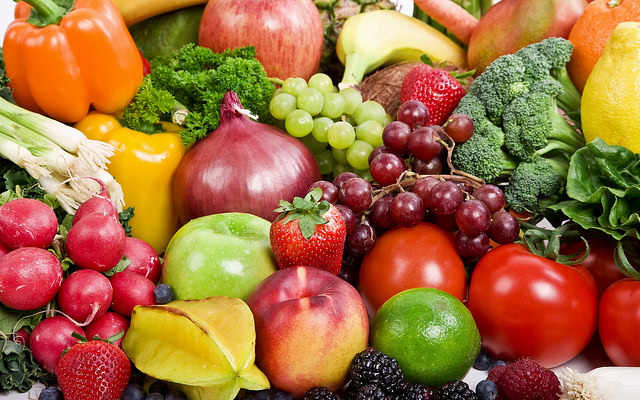
You have probably heard that the Mediterranean diet is good for you, and reviewing these mediterranean diet facts clarifies the basics, but what does that actually mean? Is it just about olive oil and fish, or is there more to the picture? The Mediterranean diet is a way of eating based on the traditional foods of countries bordering the Mediterranean Sea.
It is not a restrictive weight-loss plan but a sustainable lifestyle focused on whole, vibrant foods. The core facts show it emphasizes plants, healthy fats, and mindful habits. This approach is linked to a lower risk of heart disease and supports overall well-being.
Let us explore the key principles that make this way of eating so special and practical for everyday life. Starting small with daily swaps makes the transition smooth and sustainable.
Core Pillars of Traditional Mediterranean Nutritional Patterns
The fastest way to understand this way of eating is to picture your plate filled with plants first, a point highlighted by common mediterranean diet facts. You build most meals around vegetables, fruits, whole grains, and legumes. Next, you use extra virgin olive oil as your main fat for cooking and dressing salads.
Olive oil is rich in monounsaturated fatty acids, a healthy fat that supports heart health. You eat fish and seafood a couple times a week for protein and healthy omega-3s. Poultry, eggs, and dairy like cheese and yogurt come in smaller, moderate amounts.
Red meat is more of an occasional treat. The pattern focuses on whole, unprocessed foods, not counting calories. This synergy of fiber, healthy fats, and nutrients is what research suggests creates the real benefits.
Historical Origins of Regional Eating Frameworks
Researchers first noted the remarkable health of people in Crete, Southern Italy, and Greece in the 1960s. They saw low rates of heart disease and long lifespans. The diet they documented was not a fad but a reflection of what was available and affordable in those regions at that time, a truth supported by historical mediterranean diet facts.
People ate food grown in their gardens or bought from local markets. Their meals were simple, seasonal, and centered on plants because those were the staples. Meat was expensive, so it was used sparingly to flavor dishes.
The key takeaway is this was a practical, sustainable way of life born from local resources. It was about everyday nourishment, not weight loss trends or superfoods. This historical context helps us see the diet as a set of flexible principles, not a rigid plan.
1. Plant Based Food Staples: The Foundation of Every Meal
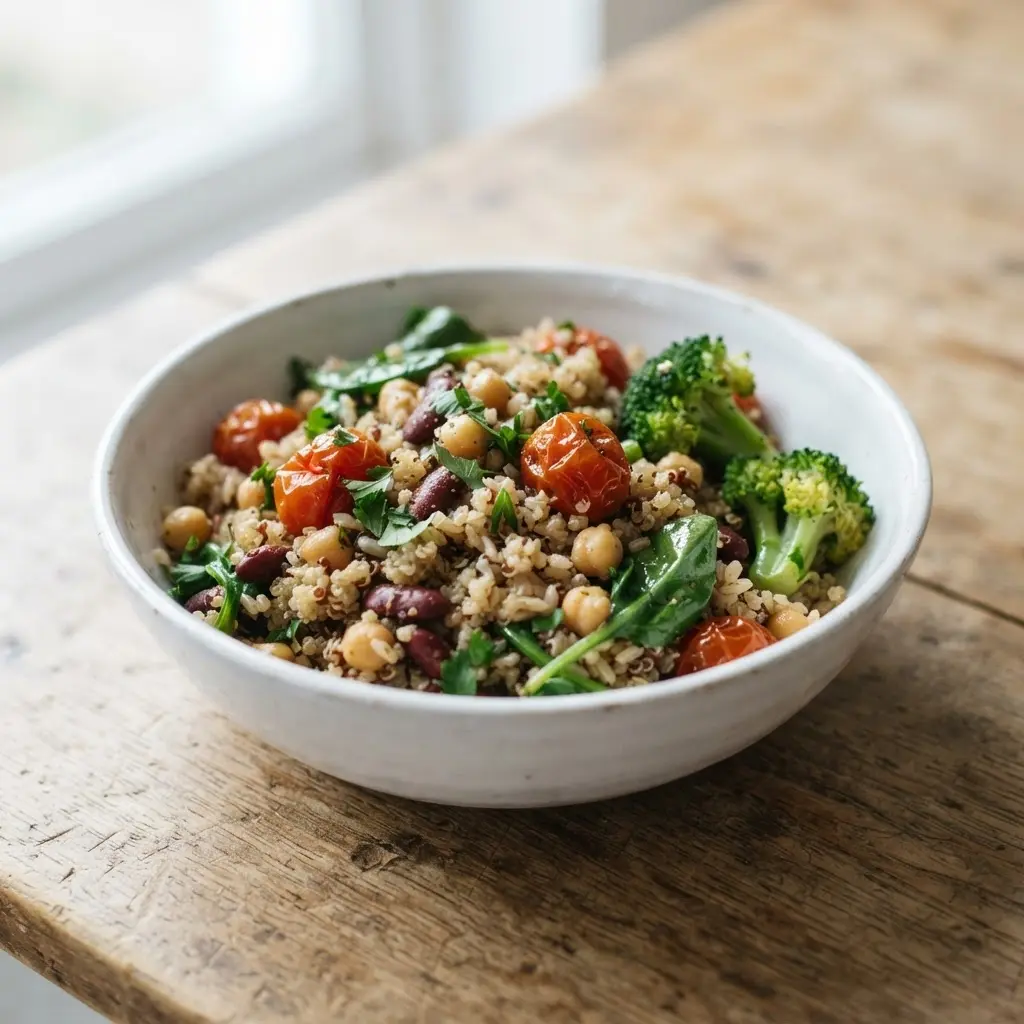
A common mistake is assuming any food labeled ‘plant-based’ qualifies as a healthy staple, which is exactly why reviewing mediterranean diet facts clears up the confusion. This overlooks the critical difference between whole foods like lentils and highly processed alternatives that are often high in sodium and refined oils. True staples are unprocessed or minimally processed. They include whole grains, legumes, and fruits.
These foods provide essential nutrients, fiber, and sustained energy. A diet built on these staples consistently reduces the risk of chronic diseases like heart disease and type 2 diabetes, a benefit noted across reliable mediterranean diet facts. They are the foundation because they deliver maximum nutrition for minimal calories.
Focus on incorporating these whole ingredients into your daily meals, and you will notice how mediterranean diet facts align with simple routines. For a broader framework on making these choices, review general healthy eating tips to build consistent habits.
2. Extra Virgin Olive Oil Benefits: More Than Just a Healthy Fat
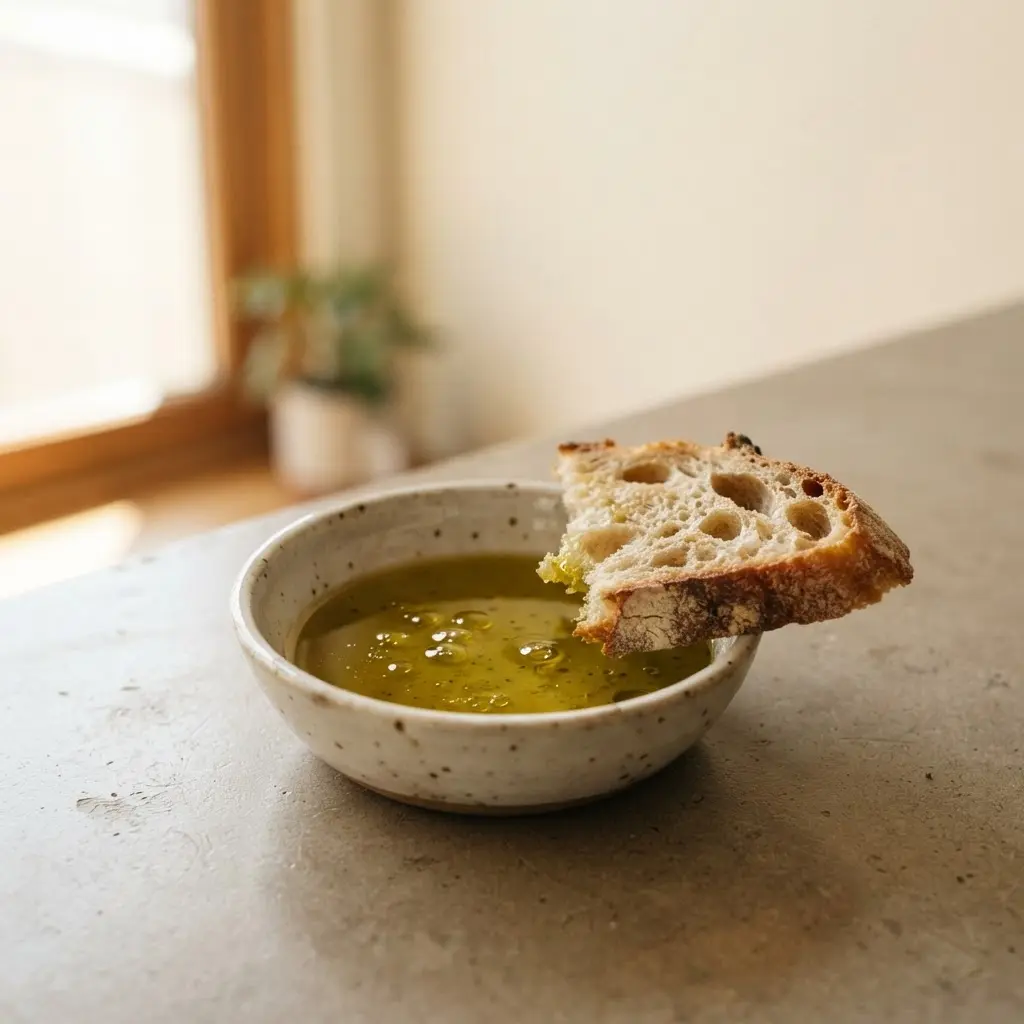
Make extra virgin olive oil your primary cooking fat, a step clearly listed among essential mediterranean diet facts. It is the highest quality olive oil, extracted through cold pressing to preserve its full spectrum of antioxidants and anti-inflammatory compounds. A primary component is oleic acid, a monounsaturated fat that supports heart health.
This oil contains a unique polyphenol called oleocanthal. Oleocanthal provides a natural anti-inflammatory effect similar to ibuprofen. Regular consumption can help reduce LDL cholesterol levels and improve blood vessel function, which recent mediterranean diet facts confirm.
Research suggests its antioxidants protect cells from oxidative damage. This protection is a key factor in reducing the risk of chronic diseases. To support metabolic health further, plan to incorporate fat-burning foods into your overall dietary pattern.
Use it for low to medium heat cooking or as a finishing oil to maximize its benefits.
3. Mediterranean Seafood Consumption Guidelines: Lean Protein Focus
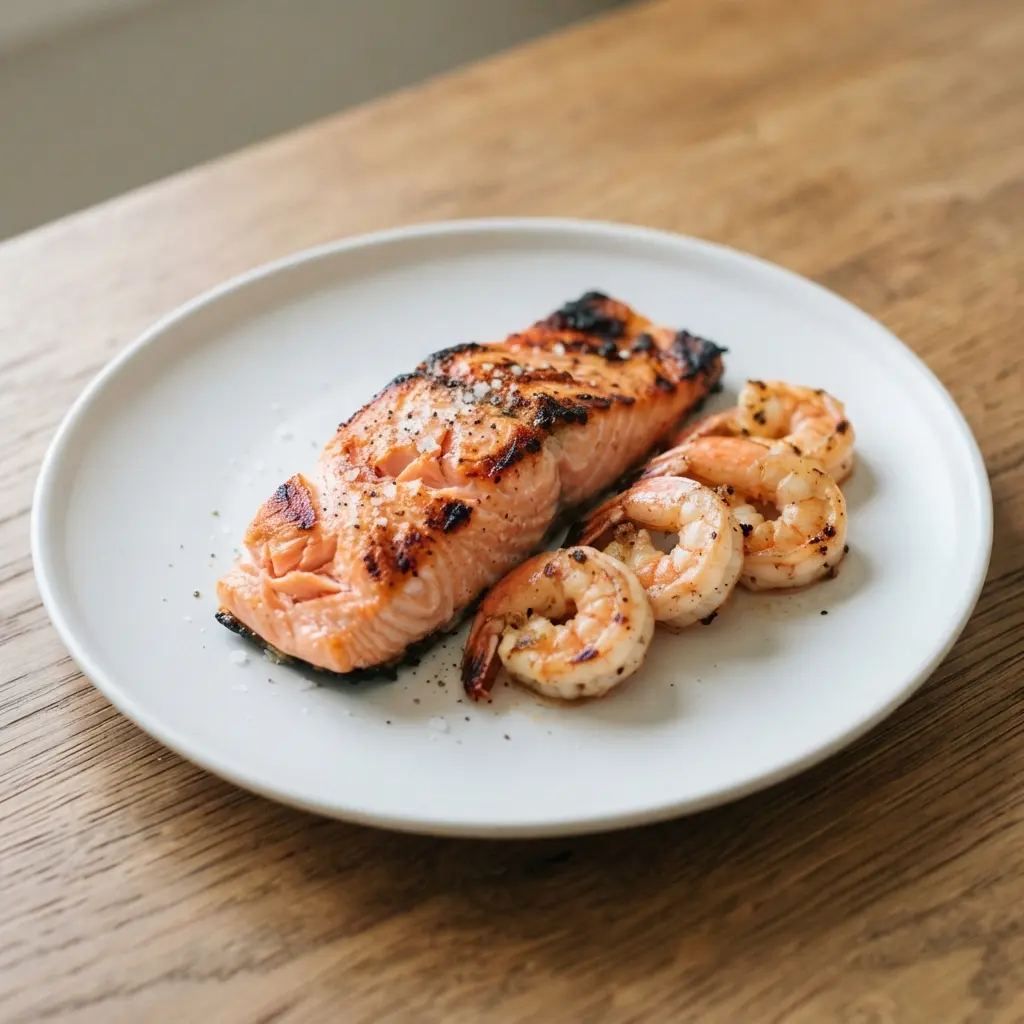
Picture a Tuesday evening dinner plate, grilled fish with lemon and herbs beside a generous salad, a scene that matches many mediterranean diet facts. This is the Mediterranean diet in practice. The focus on lean seafood like cod, haddock, or shrimp provides high-quality protein with minimal saturated fat. Aim for these options at least twice a week to support your goals.
Choose baking, grilling, or steaming as your primary cooking methods. These techniques preserve the delicate flavor and nutrients without adding unnecessary fats. A simple pan-sear with a teaspoon of olive oil is another excellent choice.
This approach supports cardiovascular health and aids in weight management, a benefit highlighted in official mediterranean diet facts. The high protein content promotes satiety, helping you feel full longer on fewer calories. It also delivers essential vitamins and minerals for overall wellbeing.
For those managing carbohydrate intake, pairing this lean protein with non-starchy vegetables aligns with the principles of many benefits of low-carb approaches. Always consult a healthcare professional before making changes to your health routine.
4. Whole Grain Nutritional Profiles: Choosing the Right Carbs
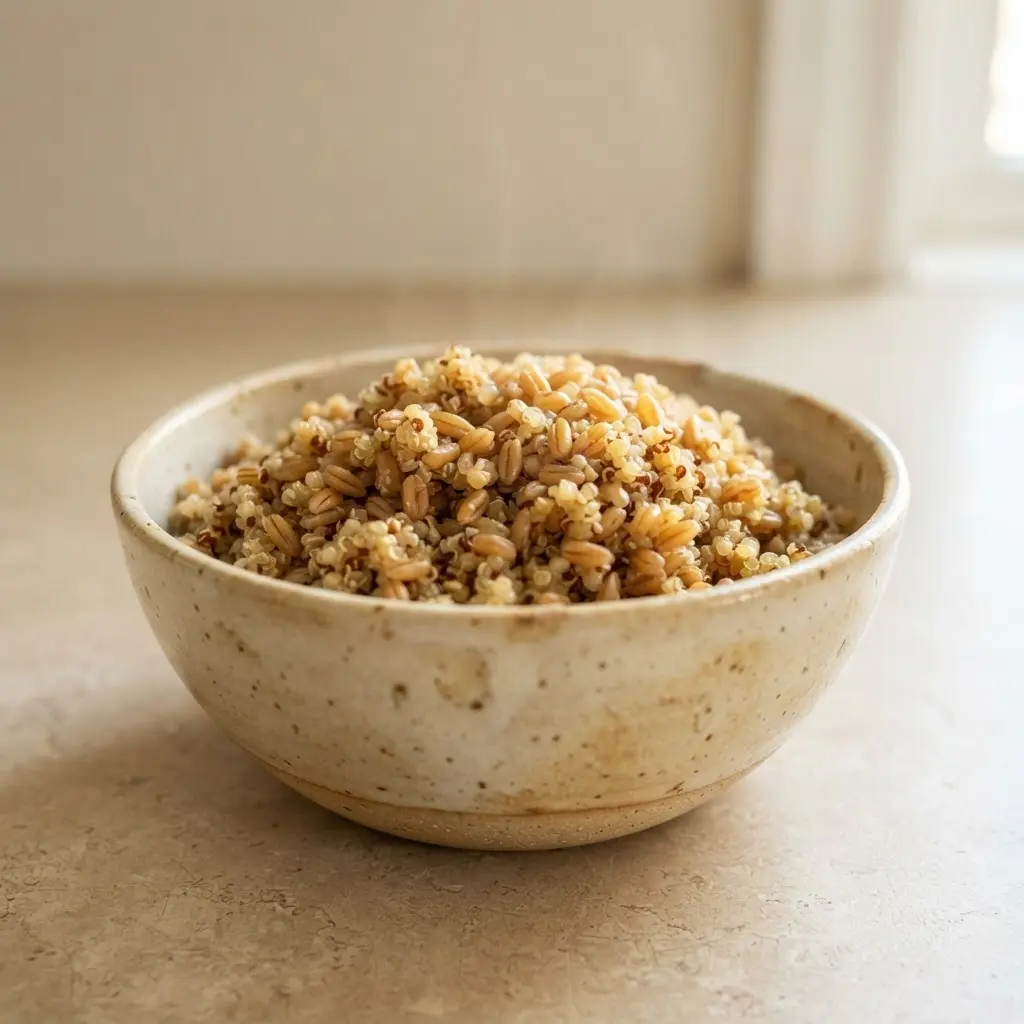
Many people believe the term 100% wheat means a product is a whole grain, but clear mediterranean diet facts show why that label falls short. In reality, that term does not guarantee the bran and germ remain intact. You must look for the word whole as the first ingredient.
A whole grain retains the bran, germ, and endosperm. This complete structure provides fiber for digestive health and a steady release of energy. It also delivers B vitamins, iron, and magnesium. The soluble fiber in oats, for example, helps lower cholesterol.
Research consistently links whole grain consumption to a reduced risk of heart disease and type 2 diabetes. The fiber and nutrients work together to support long-term health. Making this switch supports the importance of managing your weight through better nutrition and sustained energy.
5. Herbs Versus Salt Usage: Flavor Without the Sodium

Do you worry that reducing salt means eating bland food? Herbs provide a vast and delicious solution. They introduce complex flavors without adding sodium. Fresh herbs like parsley and cilantro offer a bright finish, a tip you will spot in every set of mediterranean diet facts, while dried herbs such as rosemary and oregano release concentrated, earthy notes when cooked earlier.
Excessive sodium intake is a major contributor to high blood pressure. This condition raises the risk of heart disease and stroke. Using herbs instead of salt directly addresses this health concern. It also adds beneficial vitamins and antioxidants to your meals.
To effectively reduce sodium, you need a plan to improve existing eating habits. A practical first step is to replace one teaspoon of salt with one tablespoon of fresh herbs in your next recipe. This simple swap protects your health while expanding your culinary range.
6. Mindful Eating Lifestyle Habits: Beyond the Plate

A truly healthy diet is less about a list of foods and more about your daily habits and mindset, a concept supported by modern mediterranean diet facts. Mindful eating moves far beyond the plate to address the emotional and environmental triggers that drive our choices. It involves cultivating a deeper awareness of your body and your feelings around food.
Start with a simple daily body scan. Pause three times a day to ask if you are physically hungry or responding to stress or boredom. Next, organize your kitchen to make healthy choices the easiest ones. Keep nourishing foods visible and store less helpful items out of sight. This creates an environment that supports your goals without constant willpower.
These practices help reduce stress-eating and build a balanced relationship with food. For the times when healthy food feels bland, learning to make healthy food appetizing is a practical skill that keeps your meals enjoyable and sustainable.
Integrating Sustainable Habits for Long Term Wellness
Trust me on this, the real magic happens when you focus on habits, not just food lists, as proven mediterranean diet facts consistently show. Start by swapping your usual cooking oil for extra virgin olive oil in one meal a day. Add a serving of beans or lentils to your soups or salads a few times a week. The good news is you do not need exotic ingredients. Build meals around vegetables you already enjoy. Make water your main drink and savor a little red wine with dinner if you like. Share these meals with family or friends when you can, because community is part of the tradition. Move your body regularly with walks or activities you love. This approach reduces inflammation and supports metabolic homeostasis for the long run. It is about creating a pattern you can enjoy for life.
Conclusion
Adopting a Mediterranean diet is less about strict rules and more about embracing a joyful, colorful approach to food. It reminds us that eating well is connected to how we live—enjoying meals with others, moving our bodies, and savoring simple, fresh ingredients. The most important step is to start small, which aligns perfectly with trusted mediterranean diet facts.
Try adding an extra vegetable to your plate tonight or swapping butter for olive oil. These small changes add up to a lasting, positive shift. Remember, the Mediterranean approach points to a lifestyle built on abundance, not deprivation, and it is one you can enjoy for years to come.
FAQs
Q: Is the Mediterranean diet good for weight loss?
A: It can support healthy weight management. The diet focuses on filling, nutrient-rich foods like vegetables and lean proteins, which can help you feel satisfied. It is more about a sustainable lifestyle shift than a quick fix.
Q: Do I have to eat fish to follow this diet?
A: Fish is a recommended source of protein, but it is not the only option. You can include other lean proteins like poultry, beans, and lentils. The key is to limit red meat and processed meats.
Q: Is olive oil the only fat I can use?
A: Extra virgin olive oil is the primary recommended fat. Other healthy fats like nuts and avocados are also encouraged. The diet advises avoiding butter, margarine, and processed oils.
Q: Can I still eat bread on the Mediterranean diet?
A: Yes, but the focus is on whole grain bread. Choose options like whole wheat, rye, or sourdough. Avoid white bread and refined grains which lack fiber.
Q: Is red wine required on this diet?
A: No, red wine is optional. If you drink alcohol, moderate consumption is sometimes noted as part of the traditional lifestyle. However, the core benefits come from the food patterns, not the wine.