Happy Dieter
  • Home
  • Diet and Nutrition
  • Healthy Living
  • Healthy Eating
    • Is It Keto
    • Is It Vegan
  • Healthy Recipes
  • Superfoods
  • Weight Loss Tips
  • Write For Us
No Result
View All Result
  • Home
  • Diet and Nutrition
  • Healthy Living
  • Healthy Eating
    • Is It Keto
    • Is It Vegan
  • Healthy Recipes
  • Superfoods
  • Weight Loss Tips
  • Write For Us
No Result
View All Result
Happy Dieter
No Result
View All Result

8 Foods Rich In Folic Acid

by Happy Dieter
Aug 19, 2025
in Healthy Eating, Superfoods
0
0
Foods Rich In Folic Acid

Photo by Pixabay

9
SHARES
169
VIEWS
Share on FacebookShare on Twitter

Last Updated on Aug 19, 2025 by Happy Dieter

Looking to boost your folic acid intake? Dive into our list of important nutrients that are rich in this essential vitamin. From leafy greens to citrus fruits, we’ve got you covered with a variety of delicious options that can help meet your daily folic acid needs. Whether you’re a health enthusiast or simply looking to enhance your diet, these folic acid-rich foods offer both taste and nutritional benefits.

Explore our curated selection of folic acid powerhouses and get ready to supercharge your meals with these nutrient-dense ingredients. Scroll down for reviews of our top picks!

8 Foods Rich In Folic Acid
Image Source
  • Key Takeaways
  • 1. Oranges
  • 2. Asparagus
  • 3. Beans, Lentils, and Peas
    • Beans
    • Lentils
    • Peas
  • 4. Broccoli
  • 5. Avocado
  • 6. Okra
  • 7. Brussels Sprouts
  • 8. Squash
  • Conclusion
  • FAQs
    • Q: Is Folic Acid Important for Overall Health?
    • Q: How Can I Incorporate Foods Rich in Folic Acid into My Diet?
    • Q: Are There Any Delicious Recipes Using These Folic Acid-Rich Foods?
    • Q: Can I Get Enough Folic Acid Solely from Food Sources?
    • Q: Are There Any Cooking Tips to Preserve the Folic Acid Content in These Foods?
  • Key Takeaways
  • 1. Oranges
  • 2. Asparagus
  • 3. Beans, Lentils, and Peas
    • Beans
    • Lentils
    • Peas
  • 4. Broccoli
  • 5. Avocado
  • 6. Okra
  • 7. Brussels Sprouts
  • 8. Squash
  • Conclusion
  • FAQs
    • Q: Is Folic Acid Important for Overall Health?
    • Q: How Can I Incorporate Foods Rich in Folic Acid into My Diet?
    • Q: Are There Any Delicious Recipes Using These Folic Acid-Rich Foods?
    • Q: Can I Get Enough Folic Acid Solely from Food Sources?
    • Q: Are There Any Cooking Tips to Preserve the Folic Acid Content in These Foods?

Key Takeaways

  • Include folic acid-rich foods like oranges, asparagus, beans, lentils, peas, broccoli, avocado, okra, Brussels sprouts, and squash in your diet for overall health benefits.
  • Folic acid is crucial for pregnant women as it helps prevent birth defects like spina bifida; incorporating these foods can ensure an adequate intake.
  • To boost your folic acid levels and folate status, try recipes that combine seeds creatively, like salads, stir-fries, or smoothies.
  • Plan your meals to incorporate a variety of folic acid-rich foods throughout the week for a balanced and nutritious diet.
  • Remember that cooking methods can affect the folic acid content in foods; opt for steaming or light sautéing to retain maximum nutrients.
  • Regularly consuming these folic acid-rich foods can contribute to improved energy levels, better digestion, and overall well-being.

1. Oranges

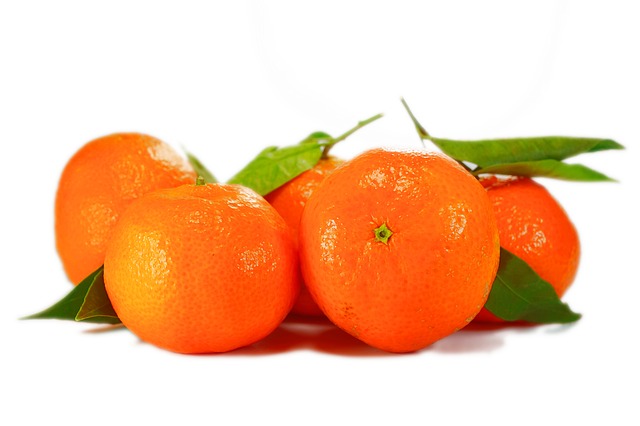
Oranges, as citrus fruits, offer a delicious way to increase folic acid intake. A medium-sized orange can supply approximately 10% of the daily recommended folic acid amount, making it a convenient choice for those looking to boost their nutrient levels. This fruit is not only refreshing but also packs a punch in terms of health benefits.

Research shows that oranges are particularly beneficial for pregnant women due to their high levels of folic acid. For mothers-to-be, meeting the required folic acid intake is crucial for preventing birth defects and ensuring proper development of the baby’s neural tube. Incorporating oranges into the diet can be an easy and tasty strategy for expectant mothers to enhance their nutrient profile.

Adults aiming to maintain healthy red blood cells and reduce the risk of certain health conditions can benefit from including oranges, a food rich in folic acid, in their diet regularly. The evidence supporting the advantages of consuming citrus fruits like oranges continues to grow, highlighting them as a good source of essential nutrients like folic acid and food.

2. Asparagus

Asparagus stands out as a great source of folic acid, making it an excellent addition to your diet. Just half a cup of cooked asparagus can provide approximately 34% of the recommended daily intake of folic acid. This nutrient-dense food not only satisfies your folic acid needs but also adds variety and flavor to your meals.

Including asparagus in your meals can be beneficial for meeting your folic acid requirements without having to rely solely on supplements or fortified foods. This versatile food is low in calories and packed with essential nutrients like vitamins A, C, and K.

Moreover, research suggests that diets rich in folate from food sources like asparagus may play a role in preventing preneoplastic lesions—a type of abnormal cell growth that could potentially lead to cancer development.

Incorporating asparagus into salads, stir-fries, and omelets, or simply enjoying it grilled with olive oil and seasoning can be an easy way to boost your folic acid intake while relishing its unique taste and texture.

3. Beans, Lentils, and Peas

Legumes like beans, lentils, and peas are not only tasty additions to meals but also pack a punch in terms of folic acid content. These plant-based foods offer a good amount of fiber and protein alongside their folate richness. By incorporating legumes into your food regularly, you can significantly boost your folic acid intake.

Beans

  • Beans such as kidney beans or black beans are versatile and can be included in various dishes like salads or stews.
  • A one-cup serving of cooked lentils provides about 90% of the recommended daily intake for folate.

Lentils

  • Cooked lentils are part of the legume family and are known for their high nutrient content.
  • Lentils contain essential nutrients besides folic acid that contribute to overall health benefits.

Peas

  • Peas come in different types like green peas or split peas, each offering its nutritional profile.
  • Including peas in soups or stir-fries adds both flavor and valuable nutrients to your meals.

4. Broccoli

Broccoli, a cruciferous vegetable, is a powerhouse of nutrients and folic acid. Just one cup of cooked broccoli can supply around 14% of your daily folic acid needs. By incorporating broccoli into your meals regularly, you can effortlessly boost your intake of this essential nutrient.

Pairing broccoli with other folate-rich foods like lentils or avocado can create a well-rounded meal that supports your body’s folic acid requirements. This versatile vegetable not only adds flavor and texture to dishes but also contributes significantly to meeting your dietary folate goals.

Research shows that diets high in natural folate sources like broccoli may have protective effects against certain health conditions such as breast cancer and the formation of new polyps in the colon. Therefore, including broccoli in your diet could offer more than just increased folic acid intake; it could potentially benefit your overall health and reduce risk in various ways.

Incorporating broccoli into salads, stir-fries, or even as a side dish alongside proteins like grilled chicken or tofu can make meeting your daily folic acid needs an enjoyable part of your culinary experience.

5. Avocado

Avocado stands out as a unique fruit that not only delights the taste buds but also packs a punch in terms of health benefits. One significant advantage is its rich folic acid content, making it a valuable addition to your diet.

A single avocado contains around 20% of the recommended daily intake of folic acid, offering a substantial portion towards meeting your nutritional needs efficiently. By incorporating avocados into your meals, you can effortlessly boost your folic acid intake while relishing the creamy texture and flavor they bring to dishes.

Incorporating avocados into salads, sandwiches, and smoothies, or even enjoying them on their own can be an enjoyable way to ensure you are getting this essential nutrient. Avocados provide healthy fats that are beneficial for heart health and overall well-being.

6. Okra

Okra, also known as lady’s finger, is a green vegetable that plays a key role in providing significant amounts of folic acid. Just half a cup of cooked okra can supply approximately 15% of the recommended daily intake of this essential nutrient.

Including okra in your diet not only adds variety but also serves as a tasty way to boost your folic acid consumption. This versatile veggie can be incorporated into various dishes like stews, stir-fries, or even pickled for added flavor and nutrients.

Whether you enjoy it sautéed with garlic and tomatoes or mixed into gumbo for an extra nutritional punch, okra stands out as an excellent source of folic acid among plant-based foods. So next time you’re looking to up your folate intake naturally, consider adding some delicious okra to your meals!

7. Brussels Sprouts

Brussels sprouts, a cruciferous vegetable, are packed with folic acid and offer numerous health benefits. Just one cup of cooked Brussels sprouts can supply about 25% of the daily recommended folic acid intake. By incorporating Brussels sprouts into your meals regularly, you can easily boost your folic acid levels and reduce the risk.

Brussels sprouts are not only rich in folic acid but also provide essential nutrients like vitamin C, vitamin K, and fiber. These nutrients work together to support overall health and well-being.

Including Brussels sprouts in your diet can aid in preventing folate deficiency-related conditions and reduce the risk of anemia and certain birth defects during pregnancy. This versatile vegetable can be roasted, sautéed, or even enjoyed raw in salads for a delightful culinary experience.

Research has shown that diets high in cruciferous vegetables like Brussels sprouts may have protective effects against chronic diseases due to their unique compounds called glucosinolates. These compounds exhibit potential anti-inflammatory and antioxidant properties that contribute to improved health outcomes.

8. Squash

Squash, such as butternut or acorn squash, is a nutritious vegetable rich in folic acid. One cup of cooked squash can provide about 15% of your daily folic acid requirement.

Incorporating different varieties of squash into your meals not only adds flavor and variety but also helps increase your folic acid intake significantly.

By including squash in your diet regularly, you can support crucial processes like cell division and the development of new cells in the body. It’s an easy and delicious way to boost your overall nutrient status without much effort.

Remember that while enjoying the taste and benefits of squash, you are also aiding in maintaining healthy levels of folic acid essential for various bodily functions. So next time you plan your meals, consider adding some colorful and nutritious squash to your plate!

Conclusion

You’ve learned about various foods rich in folic acid that can benefit your health. Oranges, asparagus, beans, lentils, peas, broccoli, avocado, okra, Brussels sprouts, and squash are all fantastic options to incorporate into your diet. By adding these foods to your meals regularly, you can boost your folic acid intake effortlessly.

Now that you’re armed with this knowledge, why not head to the grocery store and pick up some of these folic acid-rich foods? Your body will thank you for the extra nutrients! Remember, a well-balanced diet plays a crucial role in maintaining good health. So go ahead, and make those healthy choices starting today!

FAQs

Q: Is Folic Acid Important for Overall Health?

A: Folic acid is crucial for cell division and the production of DNA. It plays a vital role in preventing birth defects, supporting brain function, and maintaining heart health.

Q: How Can I Incorporate Foods Rich in Folic Acid into My Diet?

A: You can easily include folic acid-rich foods like oranges, asparagus, beans, lentils, peas, broccoli, avocado, okra, Brussels sprouts, and squash into your meals by incorporating them into salads or smoothies or simply enjoying them as side dishes.

Q: Are There Any Delicious Recipes Using These Folic Acid-Rich Foods?

A: Absolutely! You can try recipes like roasted asparagus with parmesan cheese or a hearty lentil soup. Get creative with avocado toast variations or whip up a flavorful bean salad. The options are endless when it comes to preparing tasty dishes with these nutrient-packed ingredients!

Q: Can I Get Enough Folic Acid Solely from Food Sources?

A: While consuming a balanced diet rich in folic acid is beneficial for most people’s health needs; some may require supplements due to specific conditions. Consult with a healthcare professional to determine if you need additional supplementation beyond dietary sources.

Q: Are There Any Cooking Tips to Preserve the Folic Acid Content in These Foods?

A: To retain the maximum amount of nutrients while cooking these foods rich in folic acids such as broccoli and Brussels sprouts: opt for steaming instead of boiling them; avoid overcooking vegetables; and consider stir-frying or roasting at lower temperatures to maintain their nutritional value.


Last Updated on Aug 19, 2025 by Happy Dieter

Looking to boost your folic acid intake? Dive into our list of important nutrients that are rich in this essential vitamin. From leafy greens to citrus fruits, we’ve got you covered with a variety of delicious options that can help meet your daily folic acid needs. Whether you’re a health enthusiast or simply looking to enhance your diet, these folic acid-rich foods offer both taste and nutritional benefits.

Explore our curated selection of folic acid powerhouses and get ready to supercharge your meals with these nutrient-dense ingredients. Scroll down for reviews of our top picks!

8 Foods Rich In Folic Acid
Image Source

Key Takeaways

  • Include folic acid-rich foods like oranges, asparagus, beans, lentils, peas, broccoli, avocado, okra, Brussels sprouts, and squash in your diet for overall health benefits.
  • Folic acid is crucial for pregnant women as it helps prevent birth defects like spina bifida; incorporating these foods can ensure an adequate intake.
  • To boost your folic acid levels and folate status, try recipes that combine seeds creatively, like salads, stir-fries, or smoothies.
  • Plan your meals to incorporate a variety of folic acid-rich foods throughout the week for a balanced and nutritious diet.
  • Remember that cooking methods can affect the folic acid content in foods; opt for steaming or light sautéing to retain maximum nutrients.
  • Regularly consuming these folic acid-rich foods can contribute to improved energy levels, better digestion, and overall well-being.

1. Oranges

Oranges, as citrus fruits, offer a delicious way to increase folic acid intake. A medium-sized orange can supply approximately 10% of the daily recommended folic acid amount, making it a convenient choice for those looking to boost their nutrient levels. This fruit is not only refreshing but also packs a punch in terms of health benefits.

Research shows that oranges are particularly beneficial for pregnant women due to their high levels of folic acid. For mothers-to-be, meeting the required folic acid intake is crucial for preventing birth defects and ensuring proper development of the baby’s neural tube. Incorporating oranges into the diet can be an easy and tasty strategy for expectant mothers to enhance their nutrient profile.

Adults aiming to maintain healthy red blood cells and reduce the risk of certain health conditions can benefit from including oranges, a food rich in folic acid, in their diet regularly. The evidence supporting the advantages of consuming citrus fruits like oranges continues to grow, highlighting them as a good source of essential nutrients like folic acid and food.

2. Asparagus

Asparagus stands out as a great source of folic acid, making it an excellent addition to your diet. Just half a cup of cooked asparagus can provide approximately 34% of the recommended daily intake of folic acid. This nutrient-dense food not only satisfies your folic acid needs but also adds variety and flavor to your meals.

Including asparagus in your meals can be beneficial for meeting your folic acid requirements without having to rely solely on supplements or fortified foods. This versatile food is low in calories and packed with essential nutrients like vitamins A, C, and K.

Moreover, research suggests that diets rich in folate from food sources like asparagus may play a role in preventing preneoplastic lesions—a type of abnormal cell growth that could potentially lead to cancer development.

Incorporating asparagus into salads, stir-fries, and omelets, or simply enjoying it grilled with olive oil and seasoning can be an easy way to boost your folic acid intake while relishing its unique taste and texture.

3. Beans, Lentils, and Peas

Legumes like beans, lentils, and peas are not only tasty additions to meals but also pack a punch in terms of folic acid content. These plant-based foods offer a good amount of fiber and protein alongside their folate richness. By incorporating legumes into your food regularly, you can significantly boost your folic acid intake.

Beans

  • Beans such as kidney beans or black beans are versatile and can be included in various dishes like salads or stews.
  • A one-cup serving of cooked lentils provides about 90% of the recommended daily intake for folate.

Lentils

  • Cooked lentils are part of the legume family and are known for their high nutrient content.
  • Lentils contain essential nutrients besides folic acid that contribute to overall health benefits.

Peas

  • Peas come in different types like green peas or split peas, each offering its nutritional profile.
  • Including peas in soups or stir-fries adds both flavor and valuable nutrients to your meals.

4. Broccoli

Broccoli, a cruciferous vegetable, is a powerhouse of nutrients and folic acid. Just one cup of cooked broccoli can supply around 14% of your daily folic acid needs. By incorporating broccoli into your meals regularly, you can effortlessly boost your intake of this essential nutrient.

Pairing broccoli with other folate-rich foods like lentils or avocado can create a well-rounded meal that supports your body’s folic acid requirements. This versatile vegetable not only adds flavor and texture to dishes but also contributes significantly to meeting your dietary folate goals.

Research shows that diets high in natural folate sources like broccoli may have protective effects against certain health conditions such as breast cancer and the formation of new polyps in the colon. Therefore, including broccoli in your diet could offer more than just increased folic acid intake; it could potentially benefit your overall health and reduce risk in various ways.

Incorporating broccoli into salads, stir-fries, or even as a side dish alongside proteins like grilled chicken or tofu can make meeting your daily folic acid needs an enjoyable part of your culinary experience.

5. Avocado

Avocado stands out as a unique fruit that not only delights the taste buds but also packs a punch in terms of health benefits. One significant advantage is its rich folic acid content, making it a valuable addition to your diet.

A single avocado contains around 20% of the recommended daily intake of folic acid, offering a substantial portion towards meeting your nutritional needs efficiently. By incorporating avocados into your meals, you can effortlessly boost your folic acid intake while relishing the creamy texture and flavor they bring to dishes.

Incorporating avocados into salads, sandwiches, and smoothies, or even enjoying them on their own can be an enjoyable way to ensure you are getting this essential nutrient. Avocados provide healthy fats that are beneficial for heart health and overall well-being.

6. Okra

Okra, also known as lady’s finger, is a green vegetable that plays a key role in providing significant amounts of folic acid. Just half a cup of cooked okra can supply approximately 15% of the recommended daily intake of this essential nutrient.

Including okra in your diet not only adds variety but also serves as a tasty way to boost your folic acid consumption. This versatile veggie can be incorporated into various dishes like stews, stir-fries, or even pickled for added flavor and nutrients.

Whether you enjoy it sautéed with garlic and tomatoes or mixed into gumbo for an extra nutritional punch, okra stands out as an excellent source of folic acid among plant-based foods. So next time you’re looking to up your folate intake naturally, consider adding some delicious okra to your meals!

7. Brussels Sprouts

Brussels sprouts, a cruciferous vegetable, are packed with folic acid and offer numerous health benefits. Just one cup of cooked Brussels sprouts can supply about 25% of the daily recommended folic acid intake. By incorporating Brussels sprouts into your meals regularly, you can easily boost your folic acid levels and reduce the risk.

Brussels sprouts are not only rich in folic acid but also provide essential nutrients like vitamin C, vitamin K, and fiber. These nutrients work together to support overall health and well-being.

Including Brussels sprouts in your diet can aid in preventing folate deficiency-related conditions and reduce the risk of anemia and certain birth defects during pregnancy. This versatile vegetable can be roasted, sautéed, or even enjoyed raw in salads for a delightful culinary experience.

Research has shown that diets high in cruciferous vegetables like Brussels sprouts may have protective effects against chronic diseases due to their unique compounds called glucosinolates. These compounds exhibit potential anti-inflammatory and antioxidant properties that contribute to improved health outcomes.

8. Squash

Squash, such as butternut or acorn squash, is a nutritious vegetable rich in folic acid. One cup of cooked squash can provide about 15% of your daily folic acid requirement.

Incorporating different varieties of squash into your meals not only adds flavor and variety but also helps increase your folic acid intake significantly.

By including squash in your diet regularly, you can support crucial processes like cell division and the development of new cells in the body. It’s an easy and delicious way to boost your overall nutrient status without much effort.

Remember that while enjoying the taste and benefits of squash, you are also aiding in maintaining healthy levels of folic acid essential for various bodily functions. So next time you plan your meals, consider adding some colorful and nutritious squash to your plate!

Conclusion

You’ve learned about various foods rich in folic acid that can benefit your health. Oranges, asparagus, beans, lentils, peas, broccoli, avocado, okra, Brussels sprouts, and squash are all fantastic options to incorporate into your diet. By adding these foods to your meals regularly, you can boost your folic acid intake effortlessly.

Now that you’re armed with this knowledge, why not head to the grocery store and pick up some of these folic acid-rich foods? Your body will thank you for the extra nutrients! Remember, a well-balanced diet plays a crucial role in maintaining good health. So go ahead, and make those healthy choices starting today!

FAQs

Q: Is Folic Acid Important for Overall Health?

A: Folic acid is crucial for cell division and the production of DNA. It plays a vital role in preventing birth defects, supporting brain function, and maintaining heart health.

Q: How Can I Incorporate Foods Rich in Folic Acid into My Diet?

A: You can easily include folic acid-rich foods like oranges, asparagus, beans, lentils, peas, broccoli, avocado, okra, Brussels sprouts, and squash into your meals by incorporating them into salads or smoothies or simply enjoying them as side dishes.

Q: Are There Any Delicious Recipes Using These Folic Acid-Rich Foods?

A: Absolutely! You can try recipes like roasted asparagus with parmesan cheese or a hearty lentil soup. Get creative with avocado toast variations or whip up a flavorful bean salad. The options are endless when it comes to preparing tasty dishes with these nutrient-packed ingredients!

Q: Can I Get Enough Folic Acid Solely from Food Sources?

A: While consuming a balanced diet rich in folic acid is beneficial for most people’s health needs; some may require supplements due to specific conditions. Consult with a healthcare professional to determine if you need additional supplementation beyond dietary sources.

Q: Are There Any Cooking Tips to Preserve the Folic Acid Content in These Foods?

A: To retain the maximum amount of nutrients while cooking these foods rich in folic acids such as broccoli and Brussels sprouts: opt for steaming instead of boiling them; avoid overcooking vegetables; and consider stir-frying or roasting at lower temperatures to maintain their nutritional value.

Tags: B VitaminsFolateFolic AcidLeafy GreensPregnancy
ShareTweetPin9Share
Previous Post

5 Easy Nutritious And Tasty Lunch Ideas

Next Post

5 Best Healthy Energizing Alternatives To Caffeine

Related Posts

What Does Saffron Taste Like
Healthy Eating

What Does Saffron Taste Like? Unveiling Its Aromatic Influence

Aug 26, 2025
why is white truffle so expensive
Healthy Eating

10 Reasons Why Is White Truffle So Expensive

Aug 26, 2025
why is edible gold leaf so expensive
Healthy Eating

10 Reasons Why Is Edible Gold Leaf So Expensive

Aug 26, 2025
why is foie gras so expensive
Healthy Eating

10 Reasons Why Is Foie Gras So Expensive

Aug 26, 2025
why is kopi luwak coffee so expensive
Healthy Eating

10 Reasons Why Is Kopi Luwak Coffee So Expensive

Aug 26, 2025
why is densuke watermelon so expensive
Healthy Eating

10 Reasons Why Is Densuke Watermelon So Expensive

Aug 26, 2025
Next Post
Healthy Energizing Alternatives To Caffeine

5 Best Healthy Energizing Alternatives To Caffeine

ways to force yourself to start exercising

10 Ways To Force Yourself To Start Exercising

Aug 18, 2025
Tips For Vegan Begineers

6 Tips For Vegan Beginners

Aug 16, 2025
Ways To Stay Motivated To Exercise - Womens Fitness Equipment Skipping Rope

7 Ways To Stay Motivated To Exercise

Aug 12, 2025
healthy Christmas side dish ideas

10 Healthy Christmas Side Dish Ideas

Aug 16, 2025
ADVERTISEMENT
Happy Dieter

Welcome to HappyDieter.net: Where Healthy Living Meets Joyful Eating!

Category

  • Diet and Nutrition
  • Healthy Eating
  • Healthy Living
  • Healthy Recipes
  • Superfoods
  • Weight Loss Tips

Follow Us

  • About Us
  • Privacy Policy
  • Disclaimer
  • Affiliate Disclosure
  • Newsletter
  • Contact Us
  • Write For Us

Copyright © 2025 HappyDieter

No Result
View All Result
  • Home
  • Diet and Nutrition
  • Healthy Living
  • Healthy Eating
    • Is It Keto
    • Is It Vegan
  • Healthy Recipes
  • Superfoods
  • Weight Loss Tips
  • Write For Us

Copyright © 2025 HappyDieter

Welcome Back!

Sign In with Facebook
OR

Login to your account below

Forgotten Password?

Retrieve your password

Please enter your username or email address to reset your password.

Log In