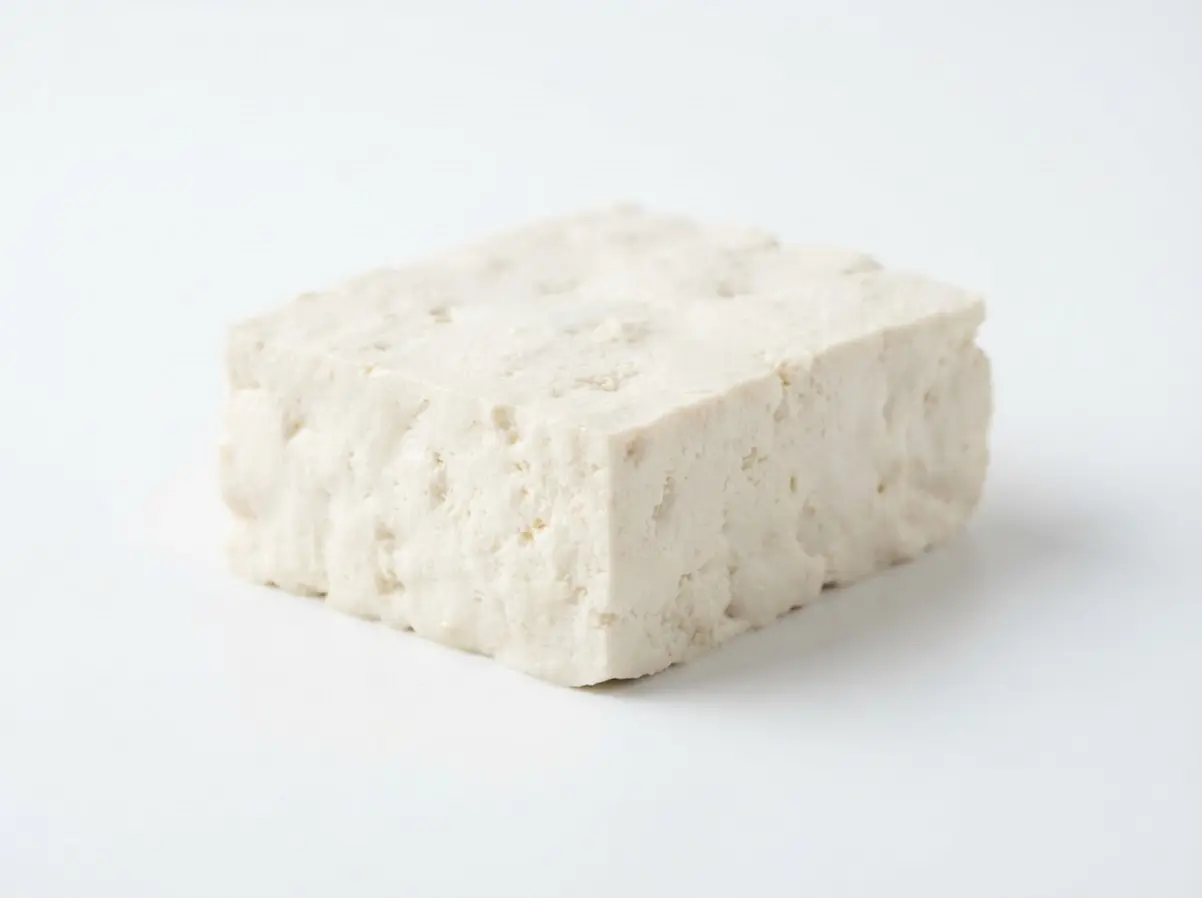
Tofu is a protein-rich food made from soybeans. Everything you should know about tofu starts with three basics: its texture, moisture, and seasoning shape the final dish. It fits many eating styles, from quick breakfasts to family dinners, while adding protein and useful nutrients. If tofu has felt bland or tricky, you are in good company.
Many first-time cooks skip pressing, choose the wrong texture, or season too late. This guide explains nutrition, health benefits, firm and silken varieties, pressing, marinades, pan searing, storage, and meal ideas. You will also learn how tofu is made and why its texture changes with different coagulants. I’ll keep the advice practical, so you know what to buy, how to prepare it, and where it fits on your plate. Start with the section that matches your next meal, then let’s make tofu easier to enjoy.
Understanding Coagulants And Tofu Formation
Calcium sulfate and magnesium chloride give tofu its curds, with each coagulant affecting firmness and mineral content, a reminder that Everything you should know about tofu covers safety checks. Producers add these salts to heated soy milk, where soy proteins gather into soft curds. Calcium sulfate often leaves a firmer block and contributes calcium, while magnesium chloride creates a tender texture.
Some makers use calcium chloride or glucono delta-lactone for different textures and flavors. Pressing removes whey and sets the moisture level, so extra-firm blocks contain less water than silken tofu. That moisture difference explains why silken tofu breaks apart in a skillet while firm tofu holds slices. Check the ingredient panel when mineral intake matters, since brands use different coagulants and amounts. People with soy allergy should avoid tofu regardless of the coagulant.
Checking Labels For Fortification And Additives
Check the Nutrition Facts panel for calcium and protein values, since tofu nutrition varies by brand and serving size. Calcium-set tofu often supplies more calcium than tofu made with other coagulants, but the label gives the reliable answer, so remember that Everything you should know about tofu includes label reading. Fortified varieties might include extra vitamin D or vitamin B12, while plain blocks often contain few added nutrients.
Read the ingredient list for soybeans, water, coagulants, salt, oils, sweeteners, or smoke flavoring. Smoked and flavored tofu often carries more sodium than plain tofu, which matters if you watch salt intake. Shelf-stable packages sometimes include preservatives or stabilizers, while refrigerated versions often use a shorter ingredient list. Sprouted tofu still needs a label check because protein, fat, and mineral values differ among brands.
A soy allergy requires avoiding tofu and checking shared-facility warnings when the package provides them.
1. Nutritional Profile and Health Benefits of Tofu
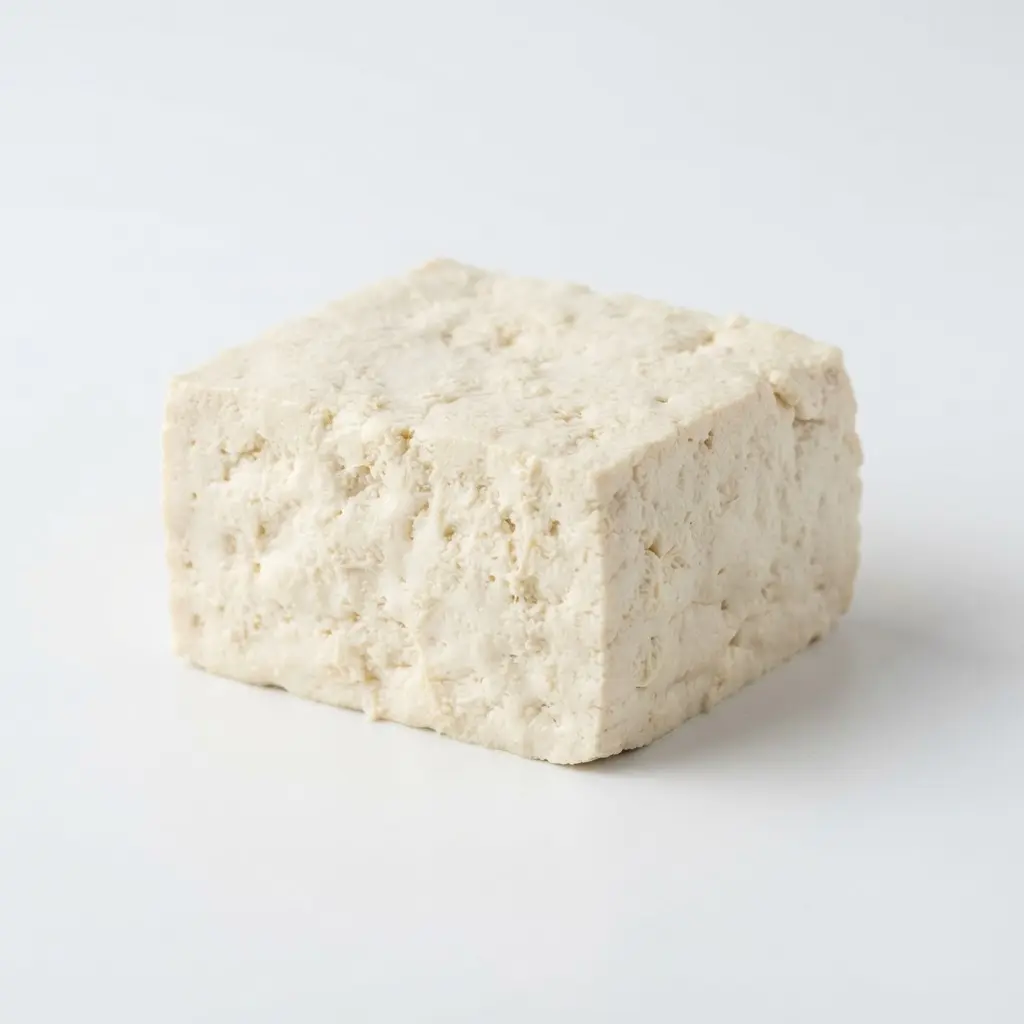
A common mistake is assuming every block of tofu has the same nutritional value, so keeping Everything you should know about tofu handy helps you compare values. Read the nutrition label before buying. Protein, calcium, fat, and calorie amounts vary between brands and types. Tofu is made from soybeans and usually offers plant-based protein, iron, and a relatively low calorie load.
Preparation adds another layer of difference. Tofu is a complete protein, so it provides all essential amino acids needed for normal muscle repair and growth, a benefit confirmed in Everything you should know about tofu guides. Protein also contributes to satiety, helping meals feel more filling. Add tofu to a plate with vegetables, whole grains, or legumes for a balanced meal.
Pairing tofu with other plant-based protein sources creates more variety across the week. Calcium content deserves close attention, which aligns with how Everything you should know about tofu explains mineral tracking. Calcium-fortified tofu contributes more calcium than products made without calcium salts, so never assume every package supports bone strength equally.
Check the label for calcium, protein, calories, and fat. Research suggests soy isoflavones might support cholesterol-related heart health, but tofu does not prevent heart disease by itself. Choose baking, scrambling, or soup preparation when you want control over added fat, as Everything you should know about tofu recommends lighter cooking methods.
Frying tofu in substantial oil raises the final calorie and fat content. Tofu fits weight-management goals when portions, cooking methods, and the rest of the meal support overall energy balance. Use product labels to match tofu with your nutrition needs.
2. Tofu Varieties by Texture and Density
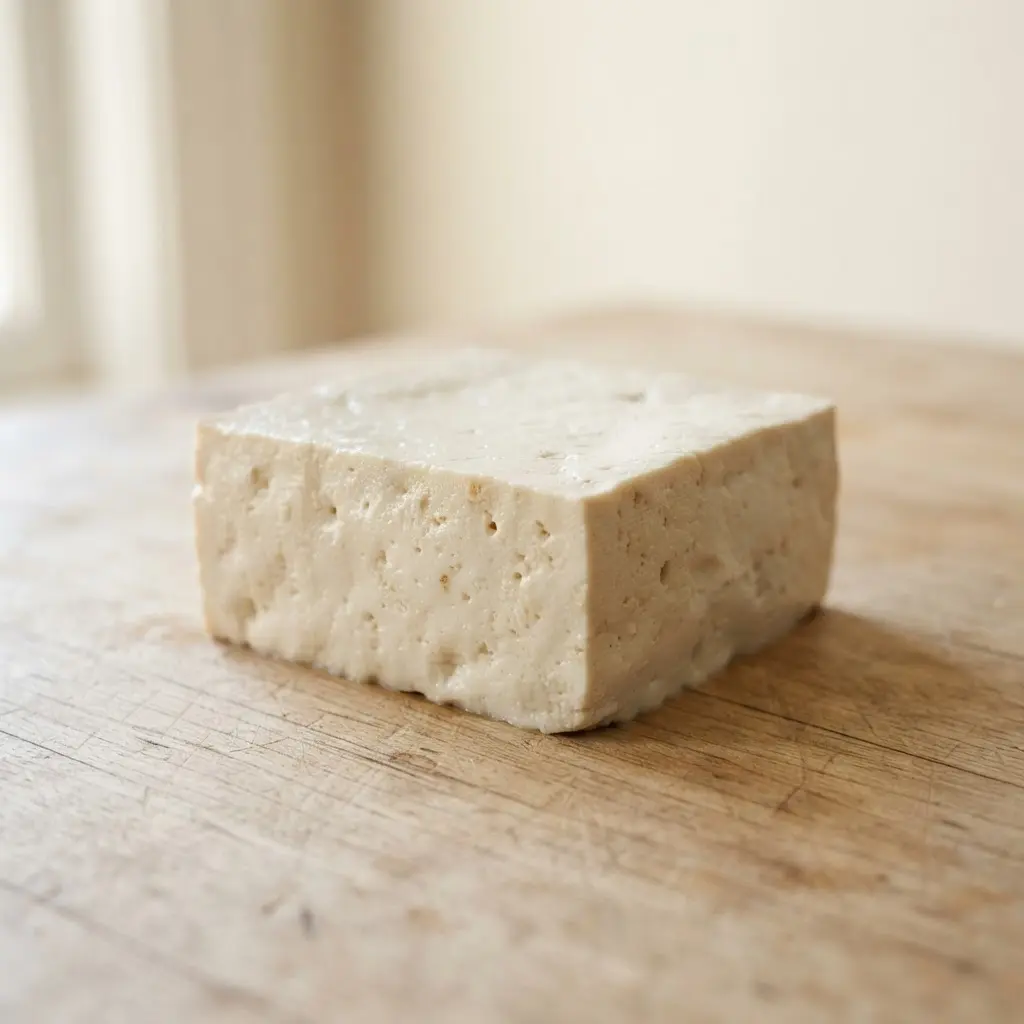
Choose tofu texture before selecting a recipe, and let Everything you should know about tofu guide your first pick. Start with silken tofu for smoothies, sauces, dressings, desserts, and creamy soups. Silken tofu is not pressed, so the texture stays smooth, custard-like, and delicate. Soft tofu has a gelatin-like feel and suits soups or gently mixed dishes.
Handle both varieties carefully because high moisture makes the curds break apart easily. Select medium or medium-firm tofu for braising, boiling, simmering, and dishes such as mapo tofu, since Everything you should know about tofu notes their versatility. These types contain visible curds and hold together better than soft tofu, though vigorous stirring still causes breakage. Choose firm tofu for frying, stuffing, grilling, or recipes requiring stable pieces.
Lower water content creates tightly packed curds and a solid bite. Use extra-firm tofu for pan-frying, hearty meals, and a dense alternative to paneer, matching what Everything you should know about tofu teaches about density. Super-firm tofu contains minimal water, feels chewy, and usually needs no pressing. Vacuum-sealed packaging is common.
Dry, gan, or five-spice tofu has a compact, rubbery texture, while smoked tofu is dense, dry, and flavored through smoking. Koya dofu is freeze-dried and brittle until reconstituted in water or broth. Cooking practice shows moisture level determines how tofu responds to heat and handling, a core lesson in Everything you should know about tofu.
Softer blocks break apart and suit smooth preparations. Denser blocks retain their shape during frying, slicing, stuffing, and simmering. Match the tofu to the dish before cooking, and avoid pressing varieties already sold as super-firm. The correct texture supports the intended result.
3. Essential Moisture Removal and Tofu Pressing Techniques
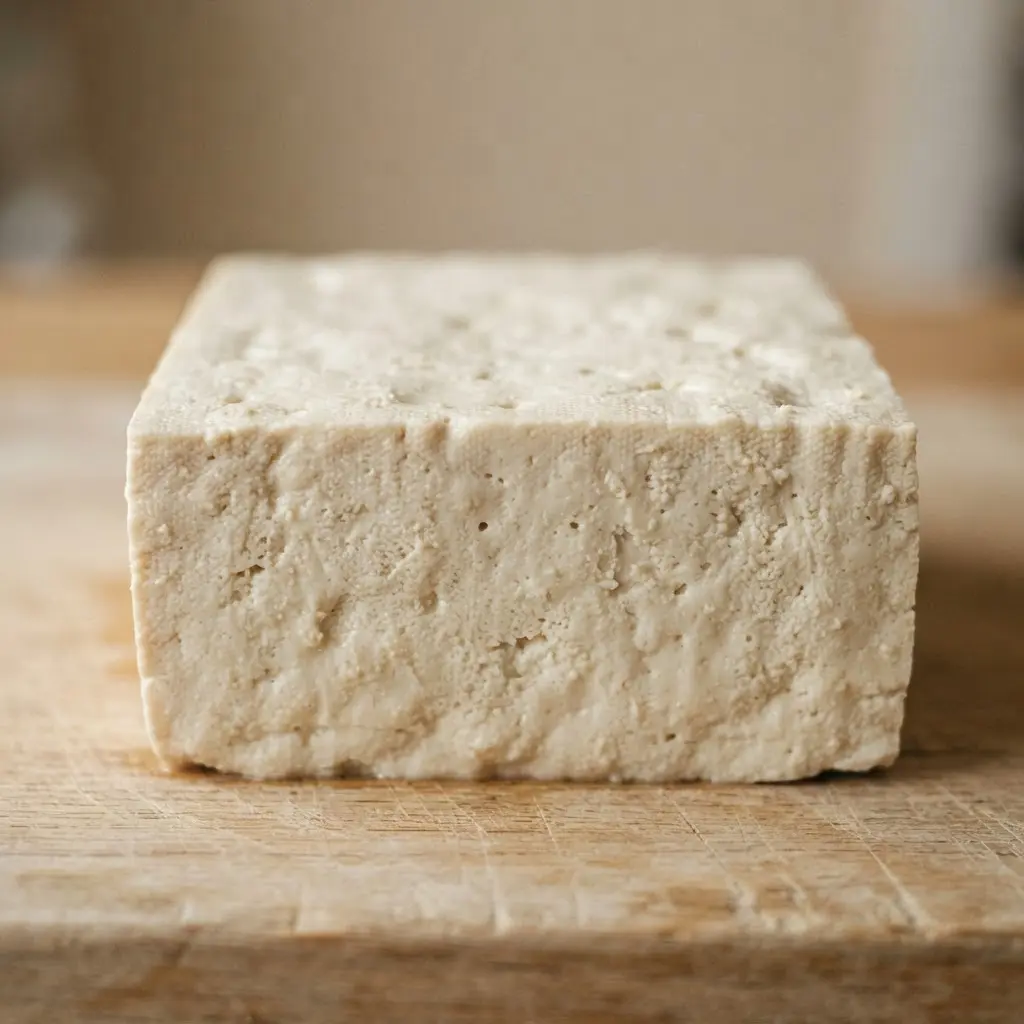
At dinner time, a block of firm tofu often releases water as soon as it hits a hot pan, so applying Everything you should know about tofu prevents soggy edges. Wrap water-packed tofu in a clean tea towel, place it on a plate with a lip, and set a frying pan or a few cans on top. Keep the weight in place for at least 30 minutes.
The block will become denser and thinner as moisture leaves. Pressed tofu holds its shape during slicing, cubing, baking, and pan-frying, proving why Everything you should know about tofu stresses drainage. The drier surface also leaves more room for a marinade to enter the tofu. Research suggests moisture removal improves browning and texture during cooking.
Store pressed tofu in an airtight container in the refrigerator when preparing it the day before. Use a gentler method when preserving the tofu’s shape matters most, as outlined in Everything you should know about tofu. Cut firm tofu into cubes, bring water to a boil, and add seasonings if desired.
Place the pieces in the pot, then lift them out one at a time with a utensil. Pat each piece dry with paper towels, then transfer the tofu to more towels for further draining. An 8-by-8-inch baking dish provides a useful space for this step. Skip pressing for silken tofu because its soft structure breaks easily, a rule that Everything you should know about tofu repeats for beginners.
Check vacuum-packed, flavored, or smoked tofu by dabbing the surface with a paper towel. A dry surface signals little extra pressing is needed. Tofu prepared for a scramble also does not need to hold defined pieces, so pressing adds handling without a clear benefit.
4. Tofu Flavor Absorption and Marinating Methods
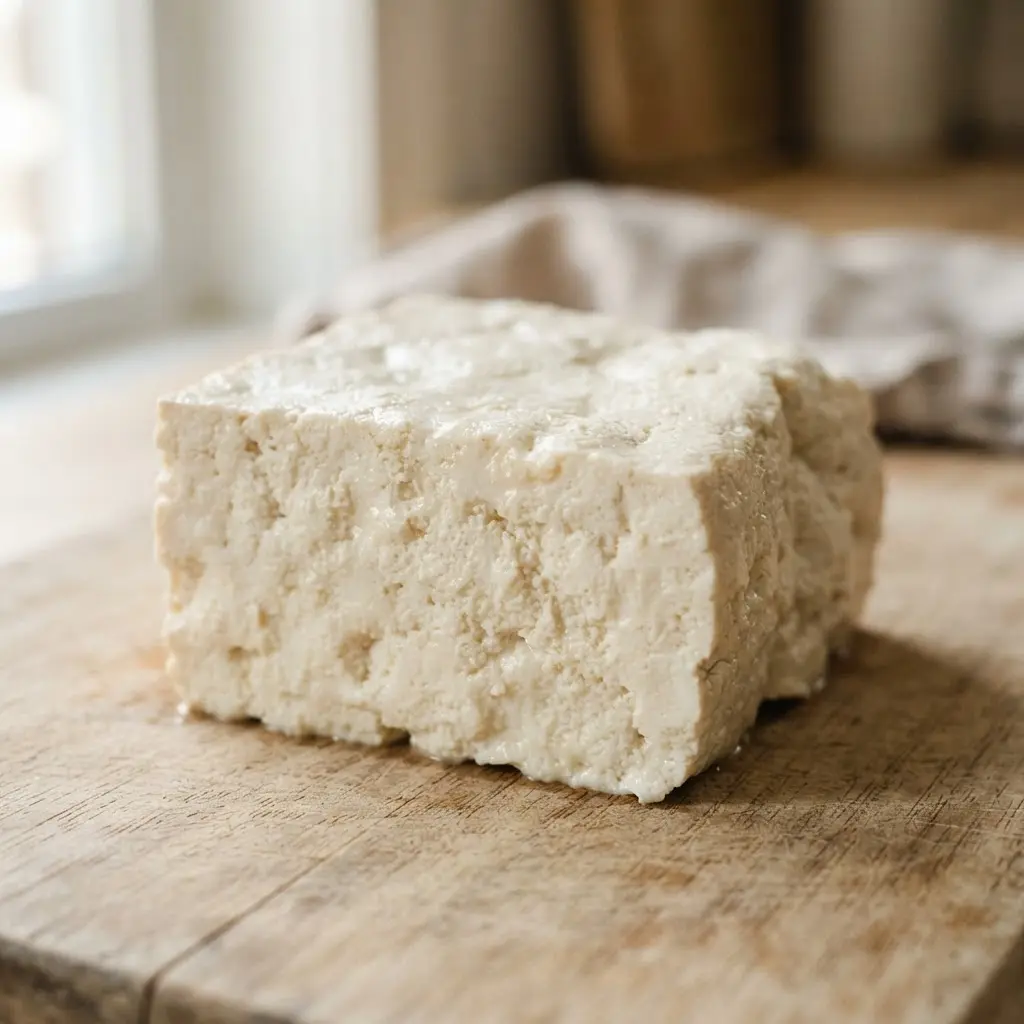
Many people believe tofu stays bland because the food does not absorb seasoning, but Everything you should know about tofu corrects this myth. The real issue is excess water and poor preparation. Start with pressing the tofu. Wrap firm or extra-firm tofu in a clean towel, place a heavy object on top, and leave it for at least 30 minutes.
Removing water creates more room for marinade to enter. Choose firm or extra-firm tofu for cubes, slabs, or triangles. Medium tofu accepts aromatic seasoning blends careful handling, which fits the pacing of Everything you should know about tofu. Silken tofu often breaks during traditional marinating, so use the soft variety in blended sauces or desserts.
Cut smaller pieces or thin slabs when time is limited. More exposed surface allows flavor to spread sooner. Build a marinade with soy sauce, garlic, ginger, herbs, spices, and a small amount of acid from vinegar, lemon juice, or lime juice, following ratios shared in Everything you should know about tofu. Add oil for grilling, baking, or roasting.
Add sugar, maple syrup, or honey when browning is part of the plan. Place tofu in a single layer and marinate small pieces for at least 30 minutes. Allow cubes or slabs two to four hours. Firm tofu may sit overnight for deeper seasoning. Freezing and thawing produces a spongier texture, a transformation explained by Everything you should know about tofu.
Press thawed tofu thoroughly before adding liquid seasoning. Dry-brining offers another option. Toss pressed tofu with salt, wait 15 to 30 minutes, then add the marinade. Research suggests preparation steps strongly affect how evenly tofu takes on flavor. Match the marinade to the cooking method, and reserve some sauce for the finished dish.
5. Pan Searing for Crispy Tofu Edges
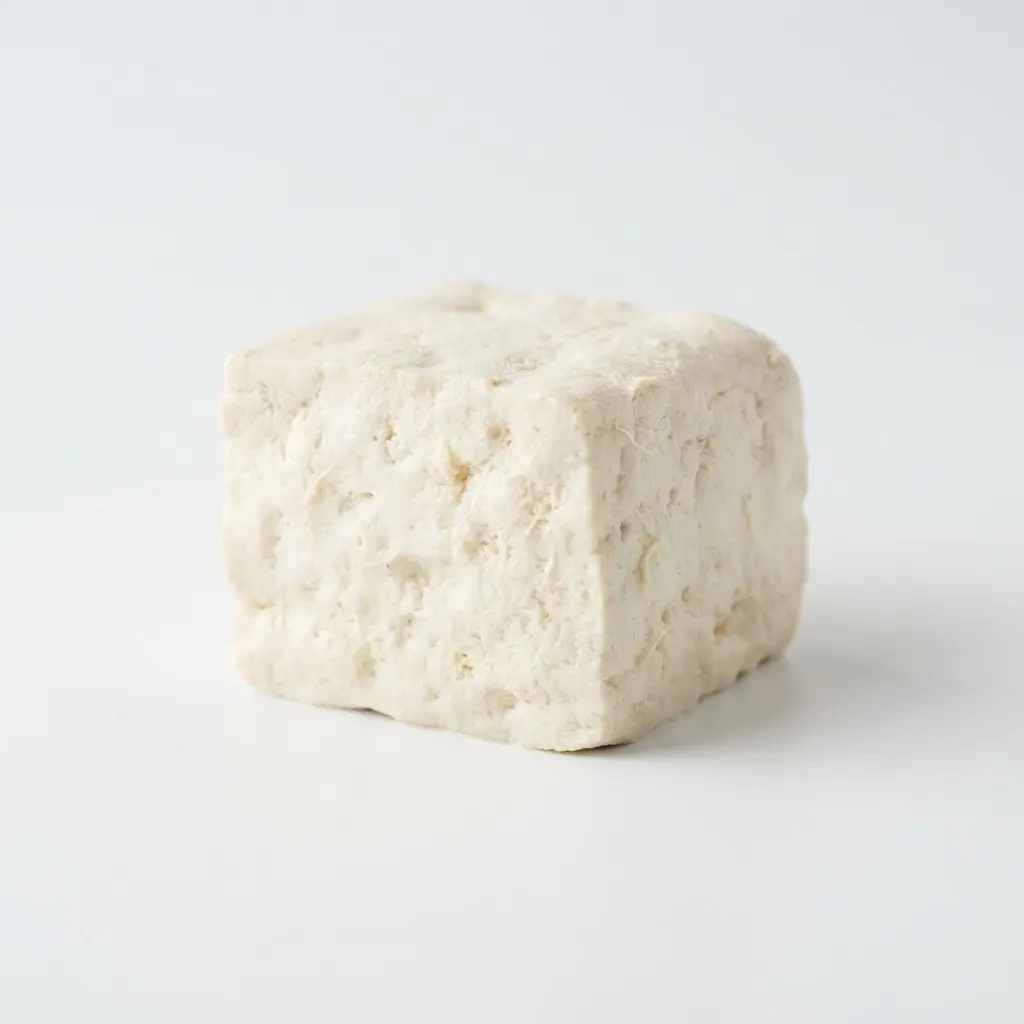
How do you get tofu crisp instead of soft? Start with extra-firm tofu and remove as much water as possible. Wrap the block in paper towels, place a heavy skillet or books on top, and press for at least 30 minutes. Drier tofu browns faster and releases less moisture into the pan.
Cut the tofu into similar-sized cubes, triangles, or slabs. Marinate the pieces for 15 to 30 minutes with soy sauce, sesame oil, garlic, ginger, or spices. Pat the surface dry after marinating. Wet tofu causes splattering and slows browning. A light cornstarch coating adds a thin crust without hiding the tender center.
Heat a non-stick skillet or seasoned cast-iron pan over medium-high heat. Add vegetable, canola, or peanut oil until the bottom is generously covered and the oil shimmers. Arrange the tofu in one layer with space between pieces. Cook each side for about 3 to 5 minutes.
Turn the pieces only after the first side is golden brown. Research on heat and moisture transfer supports this method because a dry surface and steady heat promote browning. Work in batches when the pan feels crowded. Overcrowding traps moisture and causes steaming rather than searing. Transfer the finished tofu to a paper-towel-lined plate, then add sauce immediately before serving.
Early saucing softens the crisp edges, while late saucing preserves their texture.
6. Silken Tofu in Sweet and Savory Applications
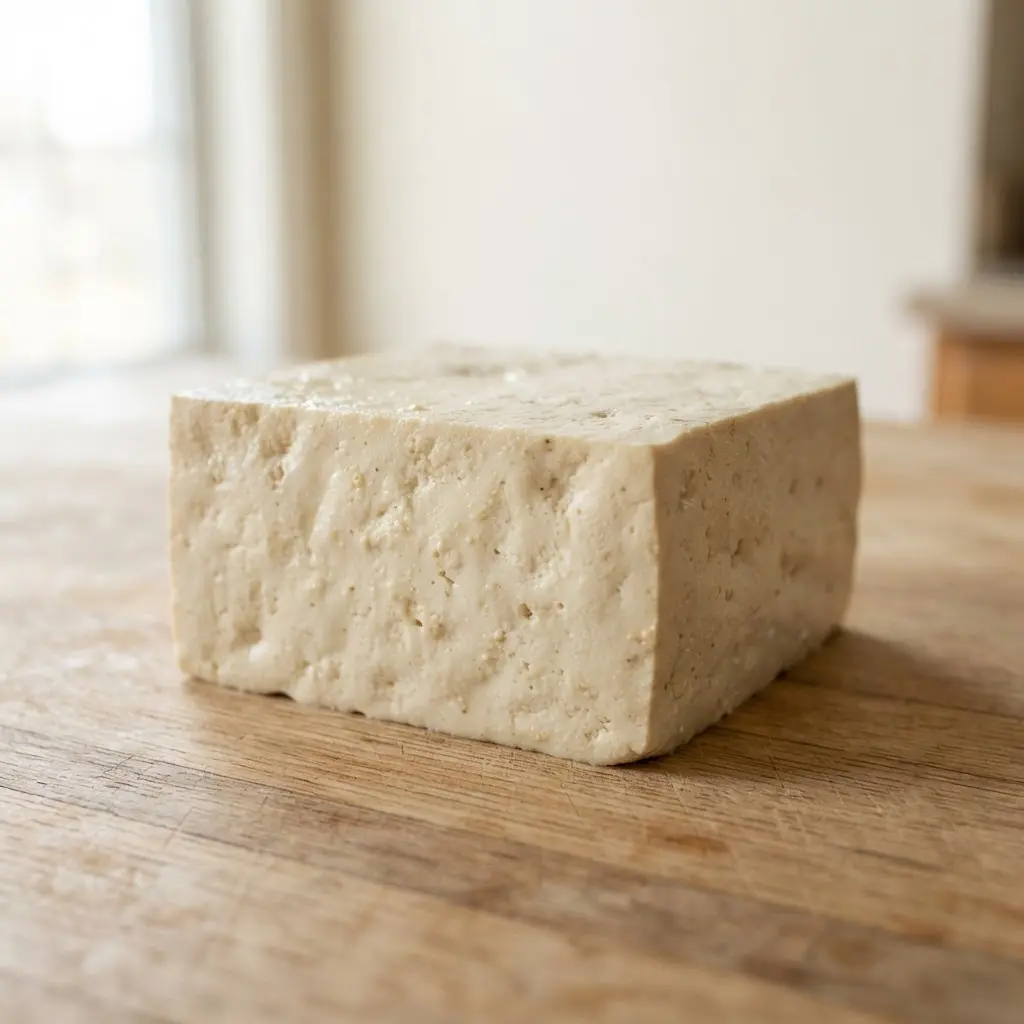
Unlike firm tofu, which holds its shape during frying, silken tofu is soft, smooth, and best suited to blending or gentle cooking. Choose this variety when a recipe needs creaminess, moisture, or a mild base for stronger flavors. The delicate curds break apart with rough handling.
For sweet dishes, blend silken tofu with chocolate, fruit purée, vanilla, or a preferred sweetener. The mixture forms a smooth base for puddings, mousses, and dairy-free cheesecakes. Add blended tofu to smoothies for a thicker texture and extra plant protein. Frozen blended tofu also works in vegan ice cream, especially with ripe bananas, berries, or cocoa.
For savory dishes, combine tofu with herbs, garlic, lemon juice, spices, or soy sauce to make sauces, dressings, dips, and spreads. Blend the tofu fully when a smooth finish matters. Add cubes near the end of soups or stir-fries, then stir slowly. Miso soup is a familiar example of tofu used in a light, seasoned broth.
Savory pastry and dumpling fillings gain moisture from finely blended tofu. Use gentle simmering to protect the tofu’s shape and soft texture. Avoid extended boiling and vigorous stirring. Many cooks find silken tofu takes on surrounding flavors easily because the base has little taste of its own. Add cubed tofu during the final few minutes of cooking, while blended tofu works best after seasoning and tasting the sauce.
7. Proper Tofu Storage and Shelf Life
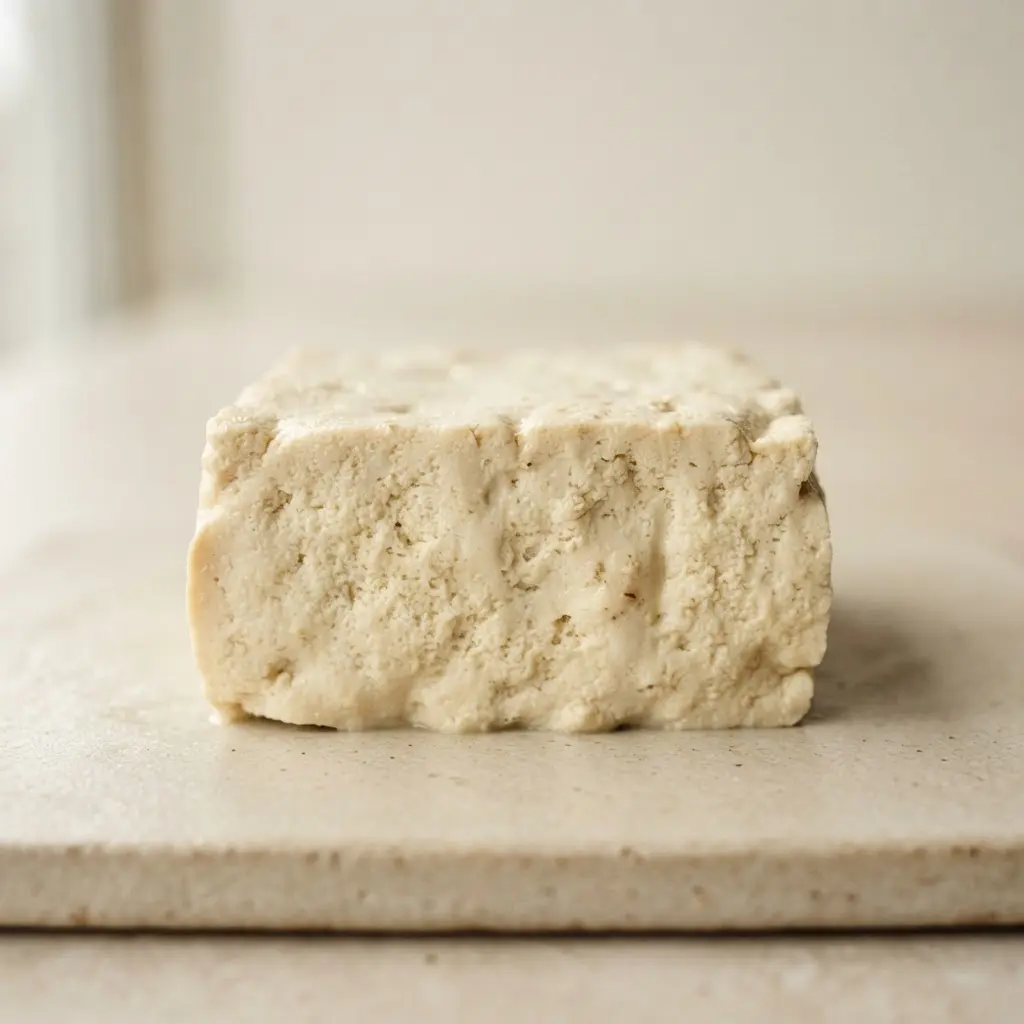
A common mistake is leaving opened tofu in the original package. Move opened tofu to an airtight container, cover every piece with clean, filtered water, and refrigerate the container. Change the water each day. Use opened tofu within 3 to 5 days. Daily water changes help limit mold, yeast, and harmful bacterial growth.
Keep refrigerated, unopened tofu in its original package until use. The package Best by date usually allows about 28 days of storage and mainly reflects quality. Tofu held under proper refrigeration might stay safe for a few days beyond the date, though freshness and texture often decline. Follow package directions for shelf-stable tofu, since cupboard storage periods differ by product.
Treat cooked tofu like other leftovers. Place plain cooked tofu or a tofu dish in an airtight container, refrigerate without delay, and use the food within 3 to 4 days. Do not leave cooked tofu at room temperature for more than two hours. Food-safety guidance supports these limits because cooler storage slows bacterial growth.
Freeze firm or extra-firm tofu when longer storage is needed. Press out excess moisture for about 30 minutes, place the tofu in a freezer-safe bag, and use frozen tofu within 5 months. Thaw tofu overnight in the refrigerator, then drain released liquid before cooking.
Freezing creates a chewier, more absorbent texture, so frozen tofu suits stir-fries, soups, and marinated dishes better than delicate fresh preparations. Avoid freezing silken or soft tofu, since freezing often damages their fragile texture. Discard tofu with a sour odor, discoloration, or a slimy coating. These spoilage signs call for disposal rather than tasting the food to check safety.
8. Integrating Tofu into Balanced Meals
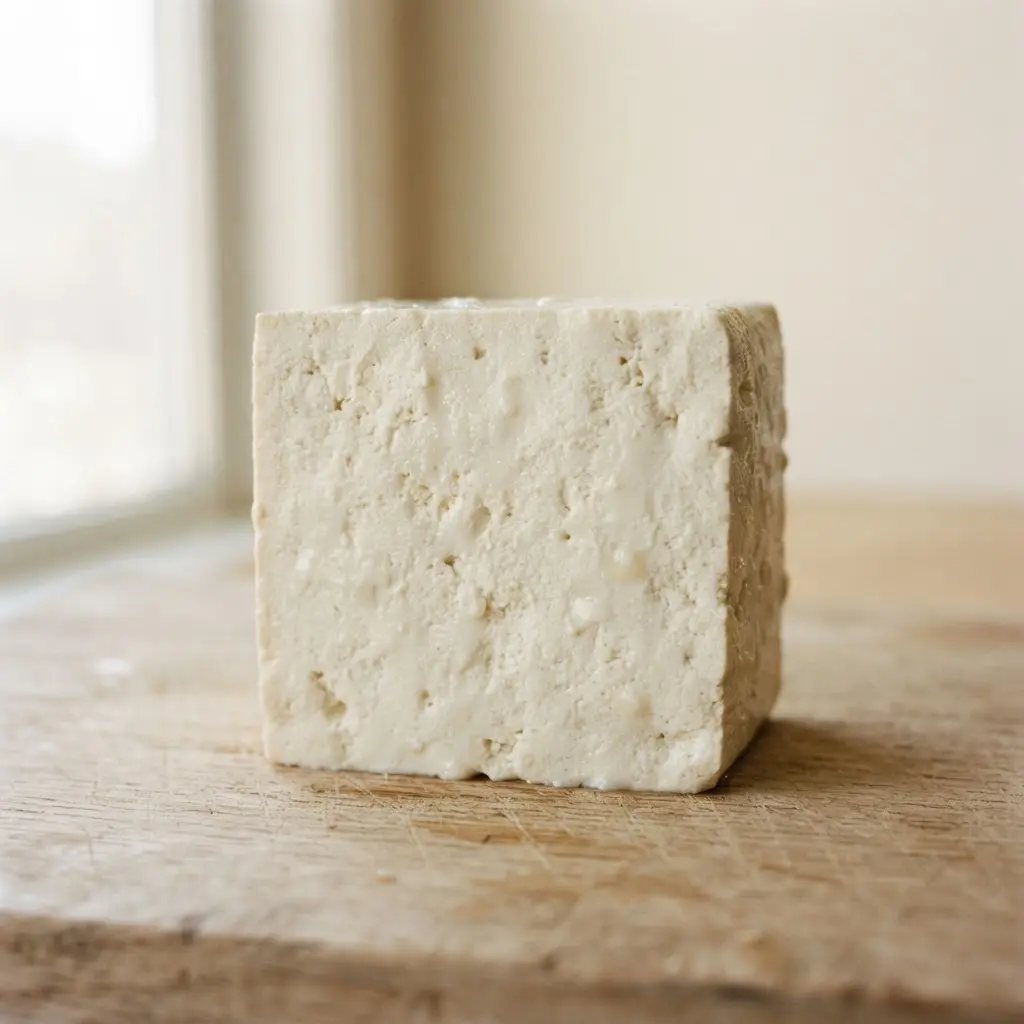
Build the balanced meal inspiration firm or extra-firm tofu when the dish needs a solid protein source. Press the tofu before cooking to remove excess water. Cut the block into cubes or slices, then marinate for at least 30 minutes with spices, herbs, or a savory sauce. This improves flavor and supports a firmer, crisper surface during cooking.
Match the tofu texture to the preparation. Use silken tofu for smoothies, dressings, dips, puddings, and sauces because the soft texture blends smoothly. Choose medium tofu for scrambles or selected stir-fries. Bake, roast, grill, pan-fry, or stir-fry firm tofu. Add tofu near the end of a stir-fry so the pieces heat through without breaking apart.
Freeze and thaw tofu for a chewier texture suited to hearty dishes. Pair tofu with at least two other food groups. Serve baked tofu with brown rice or quinoa, colorful vegetables, and avocado, seeds, nuts, or olive oil. Add tofu cubes to soup with noodles and vegetables. Use sliced tofu in wraps or salads with leafy greens and a whole-grain base.
Research suggests balanced meals benefit from combining protein, fiber-rich carbohydrates, produce, and unsaturated fats. Season tofu before cooking because the plain ingredient has a mild flavor. Scramble crumbled tofu with vegetables, turmeric, and kala namak for a savory breakfast. Blend silken tofu into a pudding or mousse when a creamy dessert is needed.
Choose the tofu texture before preparing the dish, since silken tofu will not hold its shape during grilling or pan-frying.
Pairing Tofu With Fiber-Rich Foods
Pairing a tofu serving with vegetables and a whole grain creates a meal with protein, fiber, and varied micronutrients. Brown rice, barley, oats, quinoa, and whole-wheat noodles add fiber, while broccoli, peppers, greens, and carrots add color and vitamin variety. Beans or lentils bring extra fiber and plant protein when tofu forms only part of the meal. Use firm tofu in a grain bowl, or blend silken tofu into a sauce beside roasted vegetables.
Keeping portions balanced helps the meal fit your energy needs without treating tofu as a complete replacement for every animal food. People with soy allergy need another protein source, such as beans, eggs, fish, dairy, or poultry, based on their diet. Whole foods around tofu also add nutrients that tofu alone does not provide, including fiber.
Conclusion
Tofu fits into everyday meals because it works with familiar flavors and simple cooking methods. A crisp block beside vegetables feels different from soft tofu blended into a sauce, yet both belong in a balanced eating pattern. Everything you should know about tofu gives you a simple starting point, not a strict set of food rules. For your next meal, choose one texture, press it if it feels firm, and season it before cooking. Pair it with vegetables, grains, beans, or a flavorful sauce for a satisfying plate. If the first batch feels plain, adjust the seasoning or cooking time rather than giving up. Small changes often make tofu more enjoyable. Pick one recipe idea from this guide and prepare it this week. With a little practice, tofu becomes an easy option for meals you already like.
FAQs
Q: Is tofu a good source of protein?
A: Tofu supplies plant protein, with the amount varying by type and serving size. Pair it with beans, grains, nuts, or seeds for a broader meal.
Q: Do I need to press every type of tofu?
A: Firm and extra-firm tofu benefit most from pressing before searing or baking. Soft and silken tofu usually need gentle handling instead of pressing.
Q: How do I make tofu taste better?
A: Use a flavorful marinade, sauce, or spice blend before cooking. Browning the surface also adds a deeper taste and firmer bite.
Q: How long does tofu last after opening?
A: Keep opened tofu covered with fresh water in a sealed container in the refrigerator. Change the water daily and use the tofu within a few days.
Q: Is tofu safe to eat every day?
A: Tofu fits a varied eating pattern for many people. Rotate protein sources and follow package storage directions for safe handling.