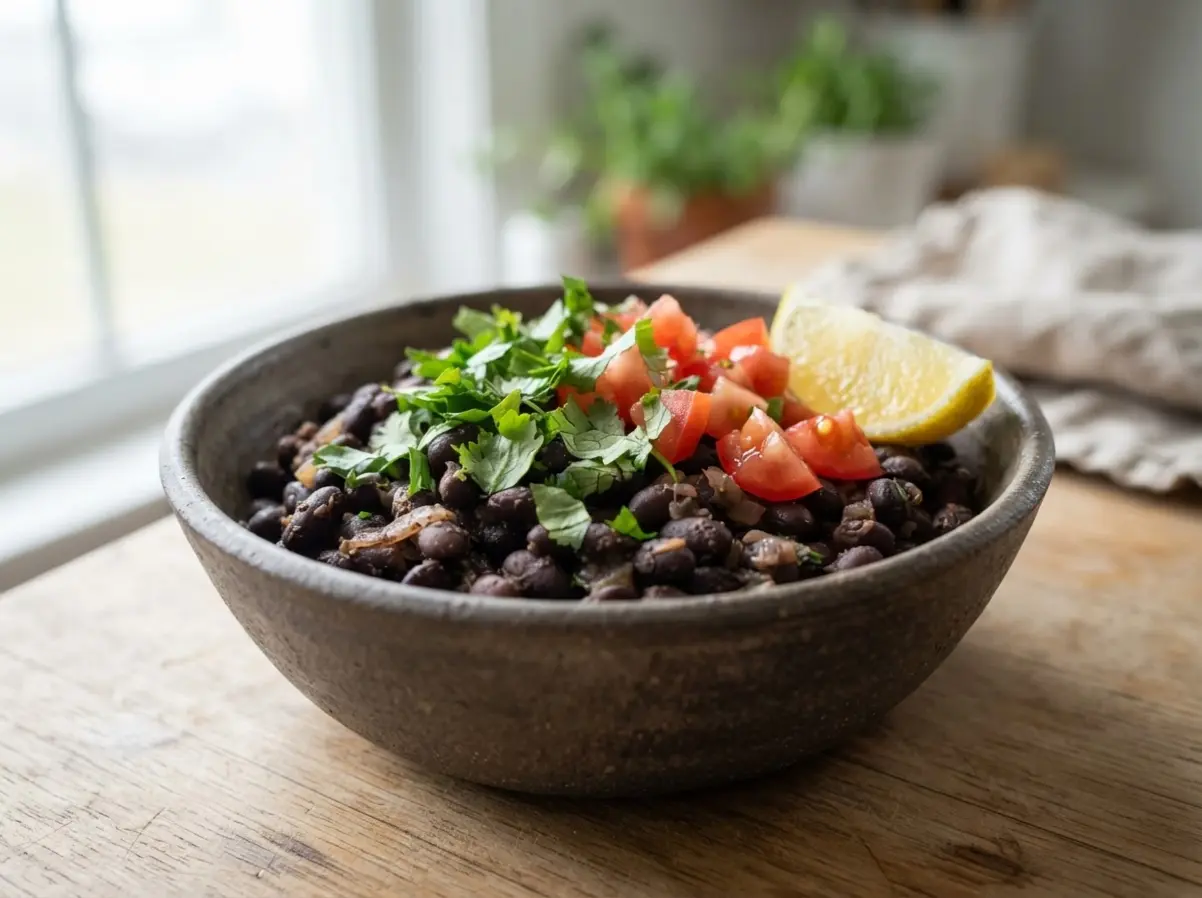
If you are new to beans, stomach discomfort often comes from adding fiber too quickly, not from the food itself. The health benefits of black beans include steady fullness, regular bowel movements, and useful nutrients for daily meals. Let’s keep the advice practical.
Choose canned beans for speed, or cook dried beans in batches. Rinse canned beans, check sodium, and store cooked portions safely. Add them to soups, salads, rice bowls, or tacos. Read on and pick one simple serving to try today.
Pairing Beans With Balanced Meal Components
Pair black beans with vegetables, a whole grain, and an unsaturated fat to create a steadier, more filling meal, which helps you maximize the health benefits of black beans. Their protein and fiber work together to slow digestion and support fullness, while brown rice, quinoa, or corn tortillas add energy for an active day. Leafy greens, tomatoes, and peppers bring vitamin C, which helps your body absorb plant iron.
A spoonful of olive oil or sliced avocado adds unsaturated fat without relying on bacon or sausage. Keep portions suited to your hunger and blood glucose goals, since beans still provide carbohydrate. This combination also adds folate, magnesium, and potassium across the plate. For a practical base, choose low-sodium black beans and season them with garlic, cumin, lime, or fresh herbs.
Managing Sodium And Digestive Tolerance
Rinse and drain canned black beans before eating to remove some surface sodium. A quick rinse under cool water also clears the thick packing liquid, while checking the label helps you compare brands. Choose unsalted or low-sodium cans when available, especially if soups or sauces already contain salt. If beans bring gas or bloating, start with a small serving and increase it over several days as your gut adjusts to extra fiber.
Drink fluids with meals, and avoid large portions after a long period of low-fiber eating, which helps you safely explore the health benefits of black beans. Dried beans need thorough cooking because undercooked beans often cause digestive distress. Keep notes on portion size and symptoms, since personal tolerance differs. For canned beans, rinsing and draining offers a simple way to lower surface sodium without changing their mild flavor.
1. Cardiovascular Disease Prevention Mechanisms Through Fiber and Minerals
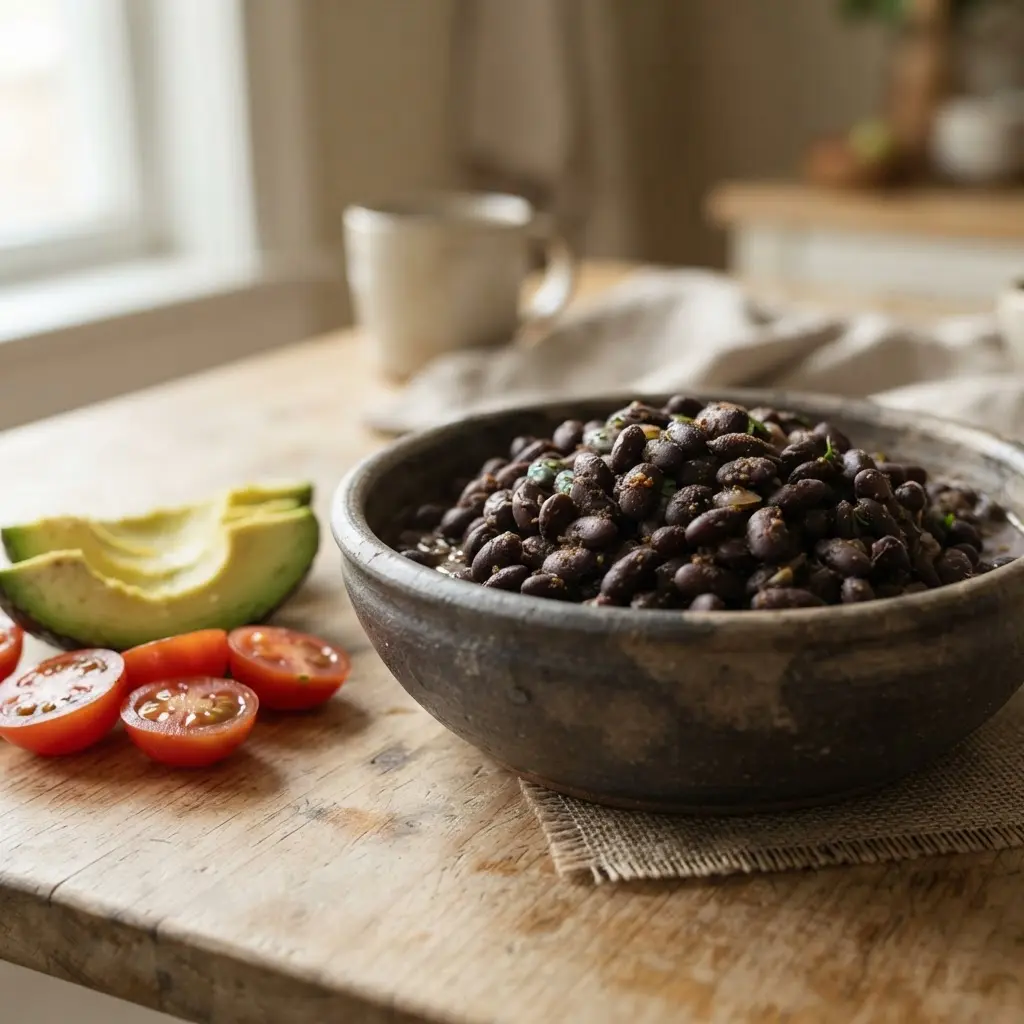
A common mistake is treating black beans as a cure for heart disease, but studying the health benefits of black beans clarifies the real picture. The useful point is their soluble fiber, which forms a gel in the small intestine during digestion. This gel binds some bile salts and carries them out of the body.
The liver then uses cholesterol to make replacement bile salts, which supports lower LDL cholesterol. Fiber supports more than cholesterol control, and this is why many people notice the health benefits of black beans in their lab results. Higher fiber intake is linked with healthier blood pressure through improved blood-vessel flexibility, lower resistance in the vessels, and better nitric oxide activity.
Soluble fiber also slows the movement of simple sugars into the bloodstream. Steadier blood-glucose levels matter because diabetes raises cardiovascular risk. Indigestible fiber reaches the large intestine, where gut bacteria ferment part of the fiber and produce short-chain fatty acids.
Fiber-rich meals also increase fullness, which supports controlled energy intake and weight management. Research suggests these connected effects support several factors tied to cardiovascular disease risk, rather than acting through one pathway alone. Choose black beans as part of regular meals with vegetables, whole grains, and other minimally processed plant foods.
Minerals and plant compounds in these foods work alongside fiber, though the available evidence does not establish one specific mineral mechanism for black beans. Dietary fiber supports cardiovascular health but does not guarantee prevention or treatment of cardiovascular disease. People with heart disease, diabetes, kidney disease, or prescribed diet limits should discuss major dietary changes with a qualified health professional.
2. Blood Glucose Regulation Properties of Black Beans
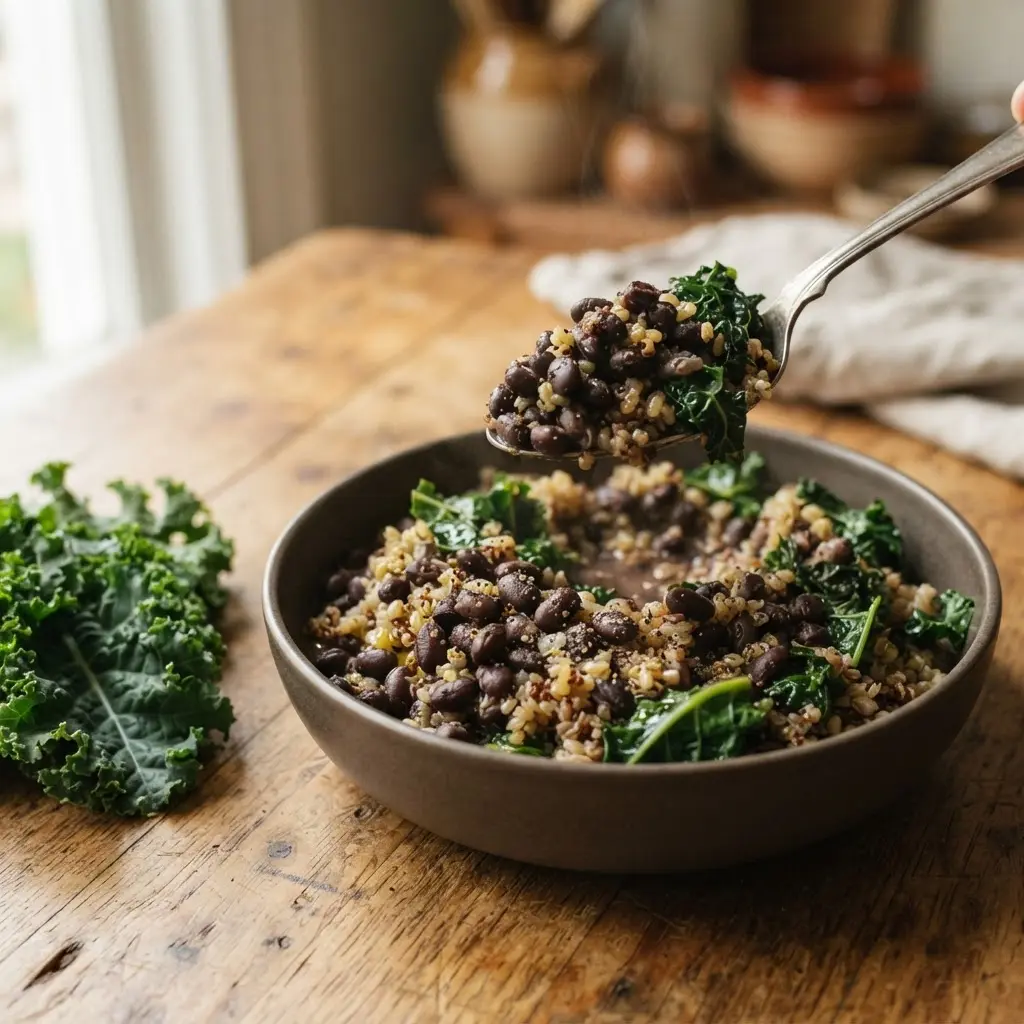
Pair black beans with rice instead of eating rice alone. Black beans digest more slowly because they contain protein and resistant starch. This pairing often produces a smaller rise in post-meal blood glucose than rapidly digested carbohydrates served alone.
Resistant starch passes through the small intestine without full digestion. Gut bacteria ferment this starch in the colon and produce compounds such as butyrate, which highlights one of the major health benefits of black beans. Research links butyrate with better insulin sensitivity, although individual responses differ.
Black beans also have a low glycemic index, so glucose enters the bloodstream at a slower pace. Choose whole cooked beans rather than assuming every bean-based product has the same effect. Processing, added sugars, portion size, and preparation change the meal response.
Cooking, cooling, and reheating may alter starch digestibility. A large serving still supplies a meaningful amount of carbohydrate, even when the food has a low glycemic index, so you can track your daily meals to safely observe the health benefits of black beans.
Research on black bean protein hydrolysates has identified short-chain peptides with potential blood glucose effects. These findings involve studied components and do not prove that ordinary servings treat diabetes. Use black beans as part of a balanced eating pattern, and track personal responses when managing diabetes or prediabetes. Always consult a healthcare professional before making changes to your health routine.
3. Digestive System Microbiome Support With Resistant Starch

At lunch, a bowl of black beans provides more than protein and fiber. Some of the starch passes through the small intestine without full digestion. This portion, called resistant starch, reaches the colon intact enough for selected gut bacteria to use as fuel.
Resistant starch acts as a prebiotic, not a probiotic, and this fact drives the health benefits of black beans for your gut. A prebiotic feeds existing microorganisms rather than supplying live bacteria.
In the colon, bacteria ferment resistant starch into short-chain fatty acids, including butyrate, acetate, and propionate. Colonocytes, the cells lining the colon, use butyrate as an energy source. These compounds also take part in processes linked with the intestinal barrier, immune balance, and metabolism.
Bacteria from the Firmicutes and Bacteroidetes groups include organisms able to ferment resistant starch. Research has associated high-resistant-starch diets with changes involving Faecalibacterium prausnitzii, Roseburia, Ruminococcus, Akkermansia, and Bifidobacteria. Use gradual portion increases rather than making a sudden large change to your bean intake, and this steady habit lets you safely enjoy the health benefits of black beans.
The gut response depends on the form of resistant starch and the bacteria already present in your digestive system. Some people produce more fermentation by-products than others, so changes in gas or stool patterns differ between individuals. Research suggests resistant starch supports a varied digestive microbiome, though no single bacterial change or health result is guaranteed. Always consult a healthcare professional before making changes to your health routine.
4. Essential Antioxidant Compound Profile in Black Beans
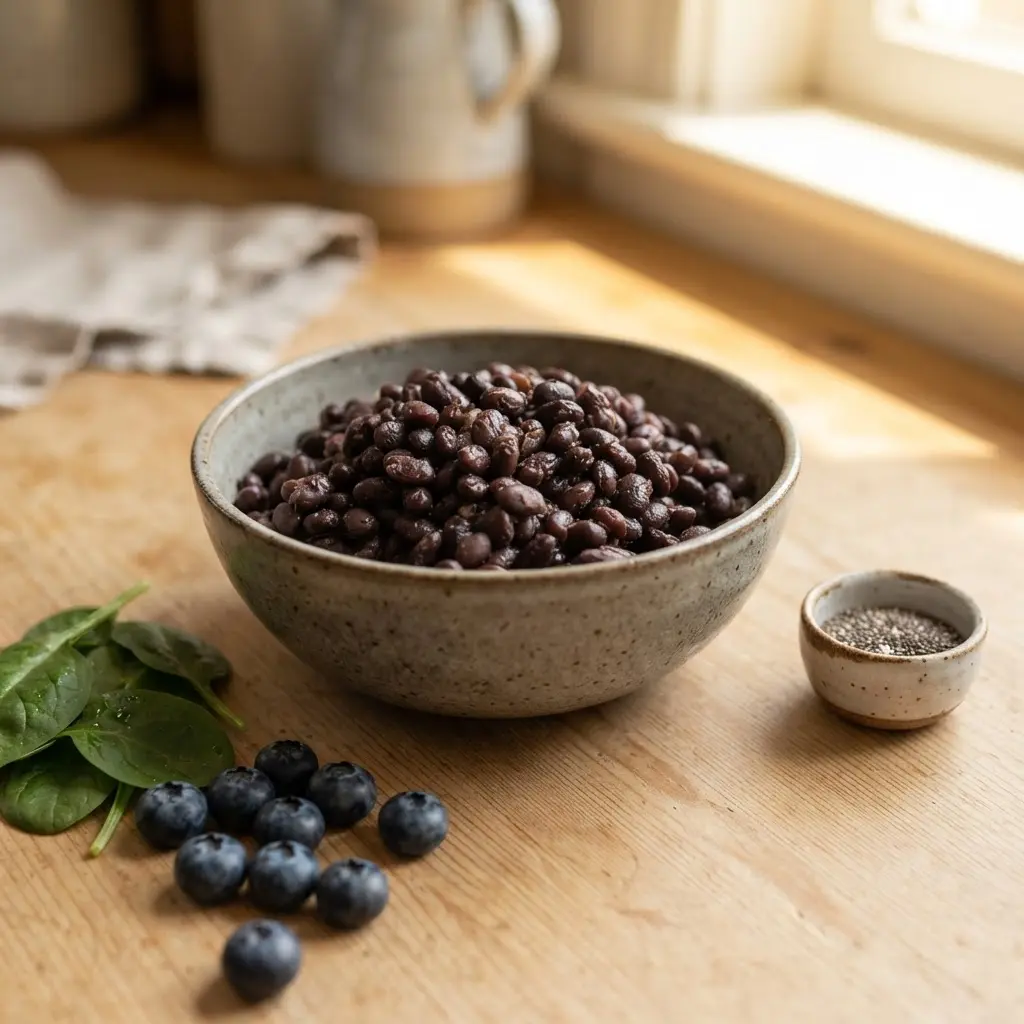
A darker bean does not guarantee a precise antioxidant score. The truth is more specific: much of the pigment and phenolic content sits in the dark seed coat. Anthocyanins create the black or deep purple color, while other compounds add to the overall antioxidant profile.
Black beans contain anthocyanin glycosides such as delphinidin-3-O-glucoside, malvidin-3-O-glucoside, and petunidin-3-O-glucoside. Their seed coats also provide catechin, myricetin, kaempferol, quercetin, and isorhamnetin glucosides, and learning about these plant compounds reveals key health benefits of black beans. Phenolic acids include caffeic acid, trans-ferulic acid, and sinapic acid.
These compounds neutralize reactive molecules in laboratory tests. Preparation changes the measured levels of these compounds. Raw beans retain their original profile, while cooking changes compound levels and availability. Research suggests pressure-cooking often preserves more phenolic acids and anthocyanins than regular boiling.
Germination and fermentation have also shown higher antioxidant potential than some raw or conventionally cooked samples. Variety, growing conditions, farming methods, and processing all affect the final profile. Darker color reflects anthocyanin pigments, not a complete antioxidant measurement.
Some experiments report anti-inflammatory potential from compounds such as pelargonidin and catechin, including binding with COX-1, COX-2, and iNOS. Those findings describe biochemical activity, not treatment effects in people. Judge the evidence through laboratory antioxidant tests, and treat black beans as one nutrient-dense food within a varied eating pattern.
5. Nutrient Absorption and Antinutrient Mitigation Methods
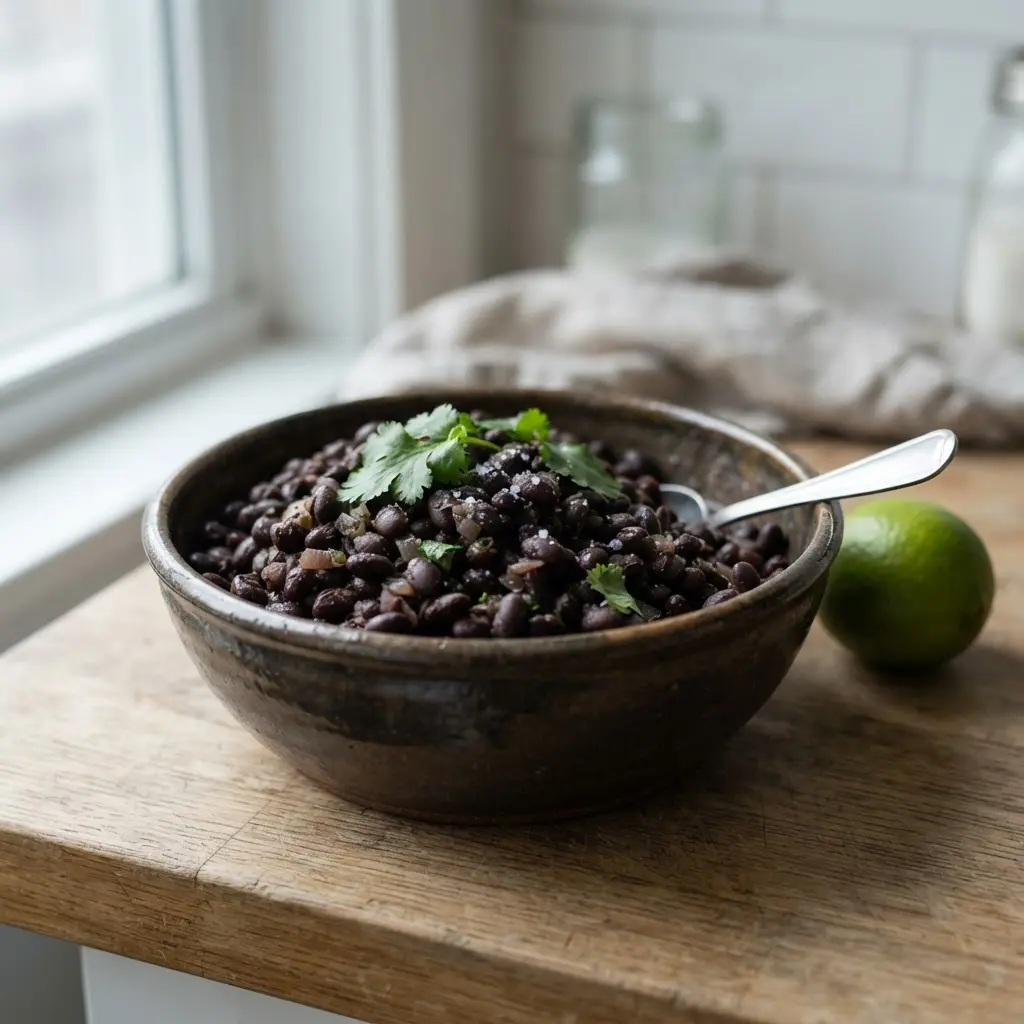
Do dried black beans need special preparation? Yes. Soak dried black beans in water overnight, then drain and rinse them before cooking. Soaking helps reduce phytates, compounds able to limit absorption of minerals such as iron, zinc, calcium, and magnesium. Many people also find soaked beans easier to digest, and taking your time helps you fully enjoy the health benefits of black beans.
Does cooking affect lectins? Yes. Cook beans thoroughly until they are tender, because heat deactivates most lectins. Raw or undercooked legumes contain more active lectins and can cause digestive discomfort.
Do not eat black beans straight from a short soak without complete cooking. Fermentation reduces phytates and lectins in some legume foods, although ordinary preparation usually relies on soaking and heat. How should a meal support iron absorption? Pair black beans with vitamin C-rich foods, such as bell peppers, tomatoes, citrus fruit, or broccoli.
Vitamin C improves absorption of non-heme iron, the form found in plant foods. Keep tea and coffee between meals rather than drinking them alongside a bean-based meal, because tannins reduce non-heme iron absorption. Research suggests meal timing and food pairing both affect mineral availability.
Include a small amount of healthy fat when a meal contains fat-soluble vitamins, including vitamins A, D, E, or K. Chew well, drink enough water, and add probiotic foods such as yogurt, kefir, or sauerkraut when suitable. Persistent absorption problems require medical attention, especially with celiac disease, Crohn’s disease, or pancreatic insufficiency. Always consult a healthcare professional before making changes to your health routine.
Preparing Black Beans For Healthy Recipes
Cook dried black beans until tender throughout before adding them to recipes, since undercooked beans often cause digestive distress. A pressure cooker shortens cooking time, while a saucepan gives you an easy way to test softness during cooking. Canned beans need draining and rinsing, especially when the meal already includes broth, salsa, or cheese.
Fold tender beans into soups, grain bowls, tacos, or salads with vegetables, herbs, spices, and olive oil. Their creamy center suits mashed spreads, while their firm texture holds up in skillet meals. Add lime juice, garlic, cumin, or smoked paprika instead of bacon and heavily salted sauces.
If you prepare a large batch, cool it quickly and refrigerate it in shallow containers. A pressure cooker supports tender beans with less cooking time. Take your time with prep work, and the final dish will stay fresh for days.
Conclusion
Beans often earn a place in your kitchen because they fit many meals, budgets, and cooking styles. The health benefits of black beans become easier to enjoy when you treat them as a regular food, not a short-term rule. Start with half a cup in a soup, grain bowl, or salad.
If beans are new to your meals, add them slowly across the week and drink water with fiber-rich foods. Choose rinsed canned beans when time is tight, or cook dried beans and freeze small portions for later. Pair them with vegetables, whole grains, herbs, and a little healthy fat for satisfying flavor.
Notice how your body responds, then keep the portions that feel comfortable. One simple bean-based meal today is enough to build a steady habit. Let your next grocery trip include a tin or bag of black beans, and give yourself an easy meal to look forward to.
FAQs
Q: Are canned black beans as healthy as dried beans?
A: Yes. Canned beans retain fiber and protein, while some brands contain added sodium. Rinse them under cool water before eating and compare labels for lower sodium.
Q: How much black beans should I eat at one time?
A: Start with about one half cup, especially if your usual fiber intake is low. Increase the portion slowly while drinking water and noticing how your stomach feels.
Q: Do black beans cause gas?
A: They sometimes cause gas because gut bacteria break down their fiber. Begin with a small serving, rinse canned beans, or soak and drain dried beans before cooking.
Q: Are black beans good for blood sugar?
A: Fiber and protein slow digestion, which supports a steadier rise in blood sugar after a meal. Pair beans with vegetables and whole grains for a filling plate.
Q: Should I soak dried black beans?
A: Soaking shortens cooking time and often makes beans easier to digest. Drain the soaking water, rinse the beans, and cook them in fresh water until tender.