Use freshly squeezed lemon juice, cooled simple syrup, and cold water for a smooth base. Taste as you go, then adjust sweetness and acidity. Add herbs, fruit, or sparkling water after the base tastes balanced. Strain the juice and syrup for a clean drink, and serve it over fresh ice, following proven Ways to make a great lemonade.
These simple steps help you move beyond a basic lemon-and-sugar mix. Small details matter, including water temperature, mineral taste, and how well sugar dissolves. A citrus juicer, saucepan, and fine-mesh strainer make the process easier.
You will find fresh fruit, botanical pairings, infused syrups, and sparkling ideas for different tastes. Start with one flavor combination, taste before serving, and make a pitcher for your next meal or gathering.
Managing Ice And Dilution In Tall Glasses
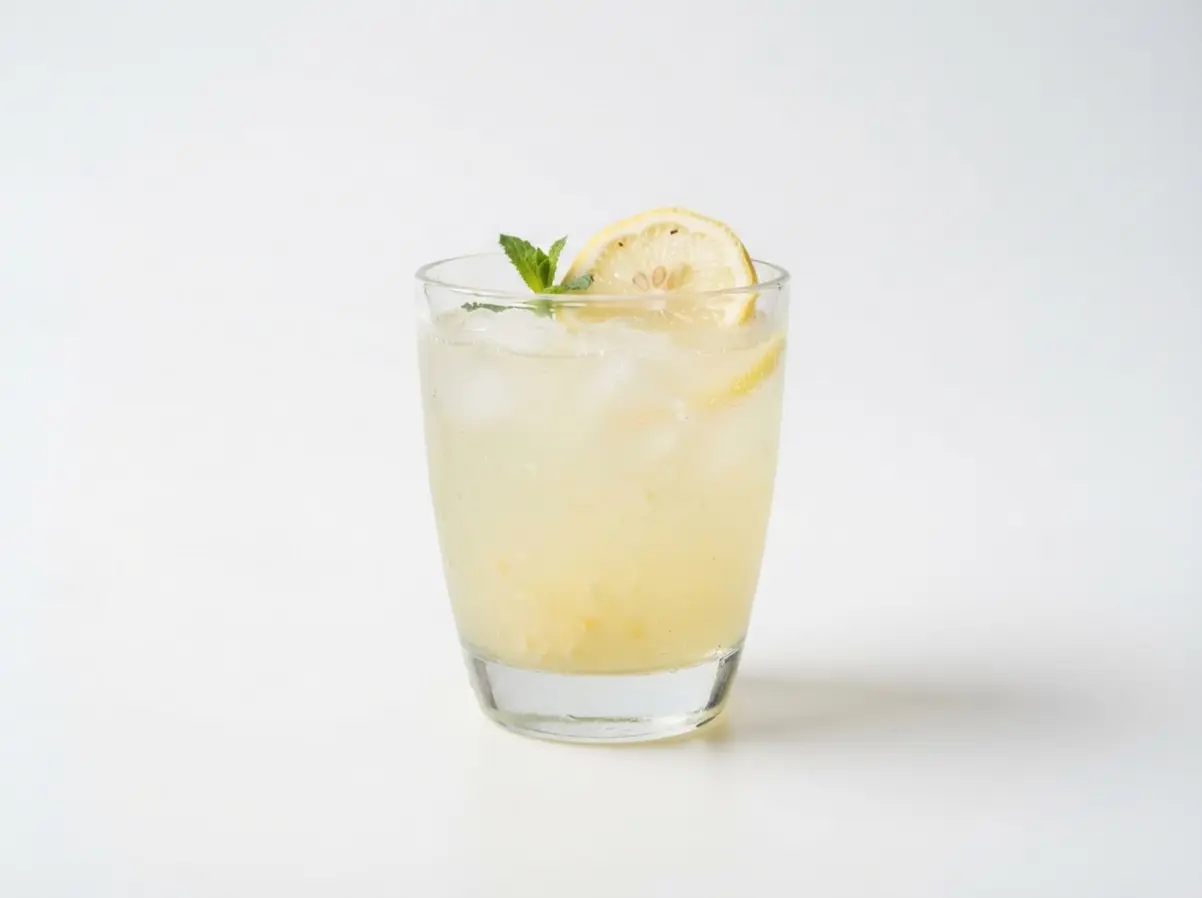
Use large ice cubes made with filtered water to slow dilution in a tall glass of lemonade. Each cube has less exposed surface area than crushed ice, so the drink stays tart and cold longer. Chill the lemonade before pouring, since warm liquid melts ice faster and weakens its lemon flavor, which matches the best Ways to make a great lemonade.
Fill the glass only after tasting the base, leaving room for ice without forcing extra water into the recipe. A narrow straw or gentle stir mixes settled syrup near the bottom without breaking the cubes. For outdoor serving, use an insulated pitcher and keep spare ice in a separate bowl.
Avoid freezing finished lemonade in ordinary trays because expansion and uneven freezing often create cloudy, watery pieces.
Safe Refrigeration For Homemade Lemonade Batches
Refrigerate a large batch within two hours of preparation, keeping it below 40°F in a food-safe glass pitcher. Wash lemons under running water and scrub their skins before squeezing, since dirt on the peel transfers to hands, tools, or juice. Clean cutting boards, strainers, and spoons protect the fresh lemon juice from leftover food residue, a crucial step among many Ways to make a great lemonade.
Keep the container covered to block refrigerator odors and prevent loose crumbs from entering. Store lemonade on a lower shelf where temperatures stay steadier than near the door. A batch with fresh fruit or herbs spoils sooner than plain lemonade, so check its smell and color before serving.
Use refrigerated lemonade within three days for the cleanest flavor and discard any portion left at room temperature for over two hours.
1. Fresh Citrus Juice Extraction Techniques for Balanced Lemonade
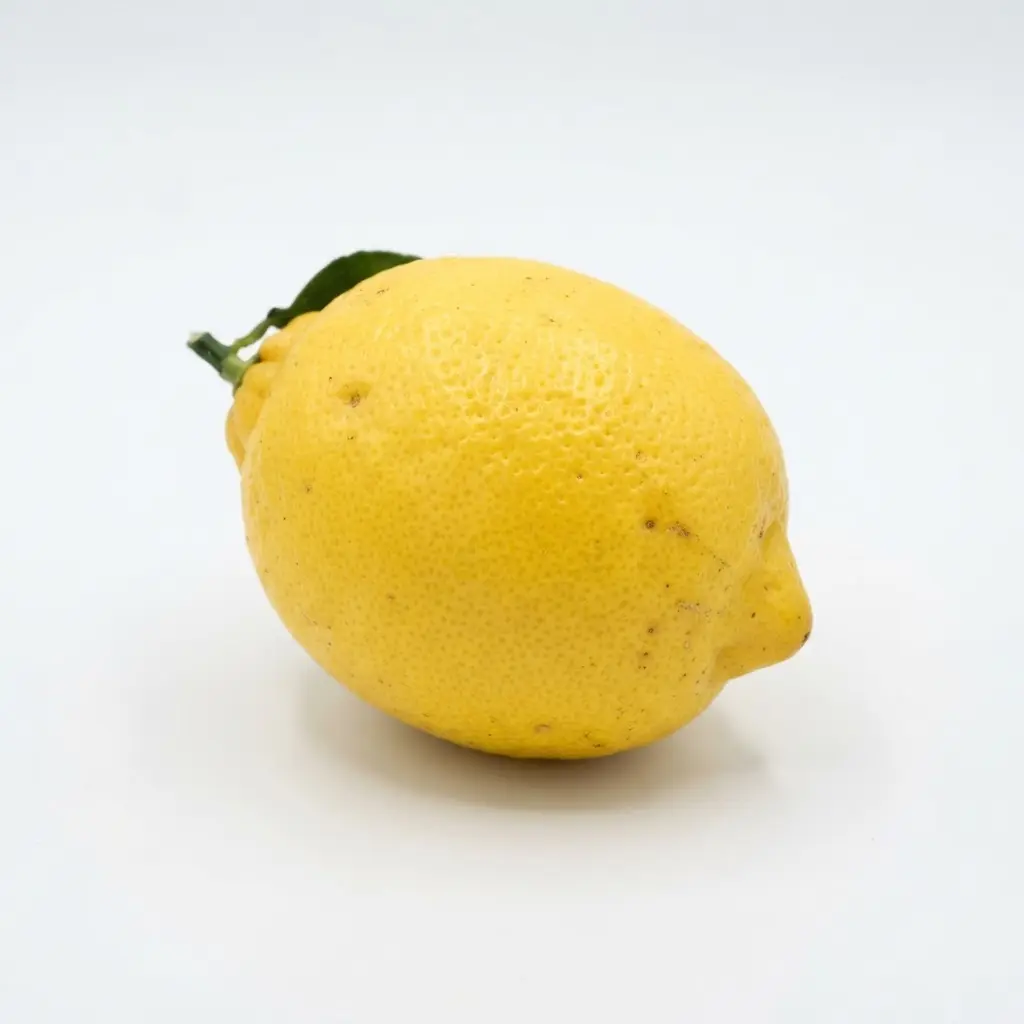
A common mistake is pressing lemons with too much peel and white pith attached. Remove the fruit from the peel before juicing, or use a hand reamer on clean lemon halves. Protect the juice from pith because the white layer adds bitter notes, a key tip for Ways to make a great lemonade.
Remove visible seeds during juicing to prevent a sharp, medicinal taste. Wash lemons, cut them in half, and use a handheld citrus reamer for a small batch. Press and twist at a steady pace rather than crushing the fruit aggressively.
Strain the juice through a fine strainer when a clearer lemonade is preferred, which reflects tested Ways to make a great lemonade. Mechanical juicers suit larger batches and reduce preparation time. Choose a screw-type juicer without the peel for relatively clear juice and strong output.
Use a centrifugal juicer at medium speed to limit excess pulp. Collect only the colored outer peel with a vegetable peeler when adding aroma. Muddle thin strips of zest with sugar before adding juice, but avoid scraping into the pith.
Research suggests extraction control affects lemonade flavor, clarity, and bitterness. Start with about a 1:2 ratio of lemon juice to sugar and a 1:5 ratio of lemon juice to water, then taste and adjust gradually. A tiny pinch of salt can reduce perceived bitterness without adding more sugar. Keep fresh juice chilled and serve soon after preparation for the cleanest citrus flavor. These tools highlight reliable Ways to make a great lemonade.
2. Customized Simple Syrup Infusions for Smooth Sweetness
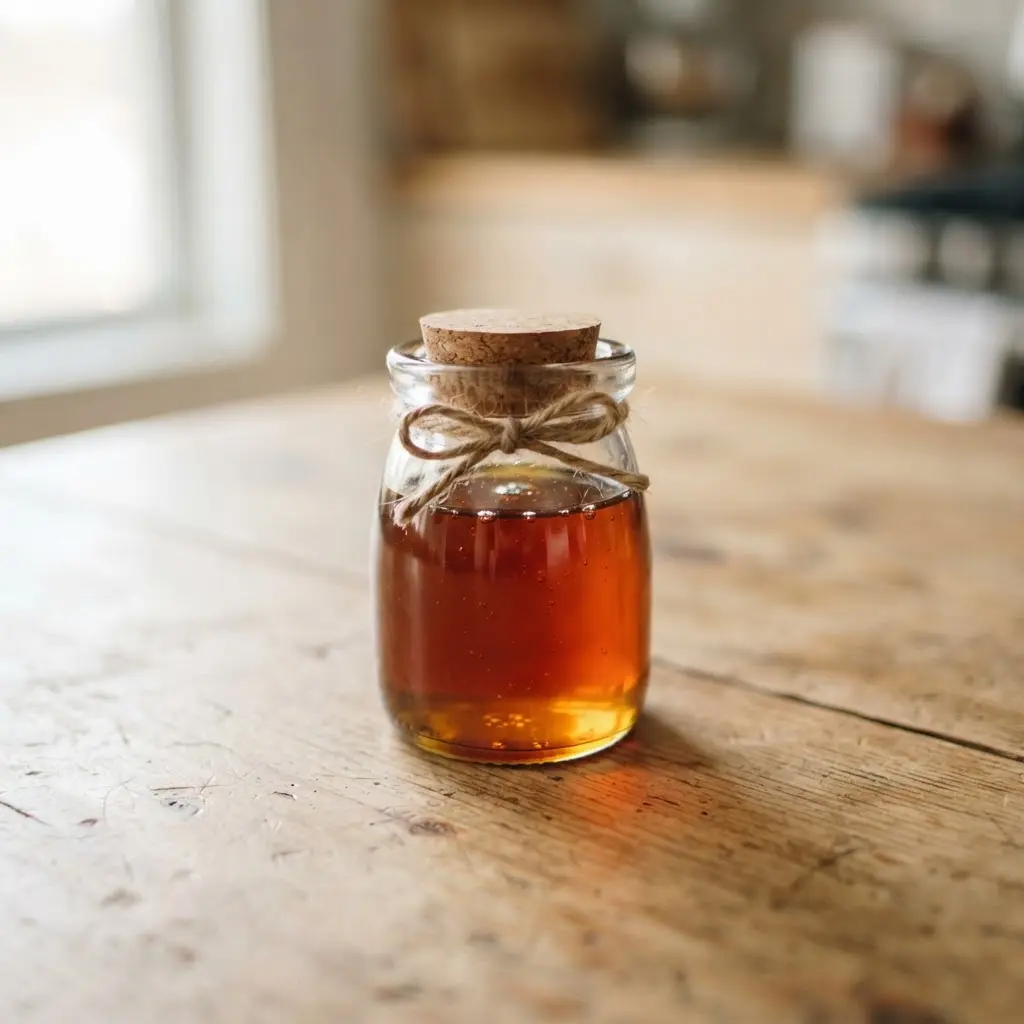
Start with a plain simple syrup, then add flavor after the sugar dissolves. This approach spreads sweetness evenly through the lemonade and prevents gritty sugar from settling at the bottom. Keep the syrup separate until the lemon juice and water are balanced, matching practical Ways to make a great lemonade.
Use equal parts water and granulated sugar for a basic syrup. Warm the mixture over medium heat and stir until the crystals disappear. Remove the pan from heat before adding fresh mint, basil, ginger, or a strip of lemon peel.
Let the ingredients steep for 10 to 15 minutes, then strain the syrup before mixing. Adjust the infusion to match the lemonade style. Mint gives a cool herbal note, ginger adds gentle heat, and lemon peel provides a stronger citrus scent without adding more juice.
Taste the syrup after straining, then add it in small amounts to the pitcher. Research does not establish a single best infusion or steeping time, so treat these ranges as kitchen starting points rather than fixed rules. Keep added sugar measured to limit the risks of sugary beverages associated with frequent intake.
Store extra syrup in a clean, covered container in the refrigerator and use it promptly. A small batch gives better control than preparing more than the lemonade requires. Exploring different Ways to make a great lemonade starts with measuring carefully.
3. Sparkling Water and Carbonation Additions for Lively Lemonade
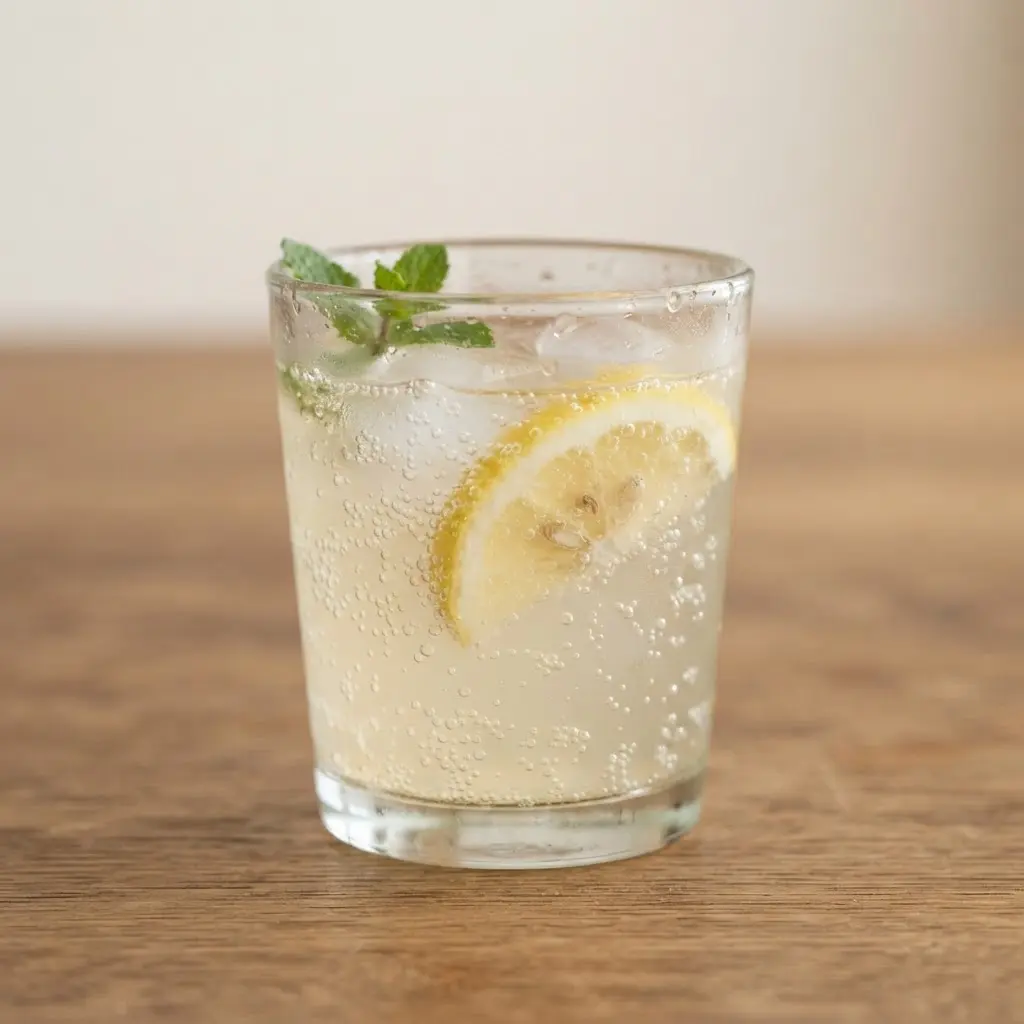
At a warm afternoon gathering, pour the bubbles into each glass shortly before serving. Start with chilled lemonade concentrate made from lemon juice and cooled simple syrup. Mix one part concentrate with two parts sparkling water for a balanced first batch.
Use three or more parts sparkling water for a lighter lemon flavor and stronger fizz. Choose seltzer water for a clean, neutral taste. Select club soda for added minerals and a slightly different finish.
Naturally sparkling mineral water offers softer bubbles and a more distinct mineral profile. Taste the still concentrate before adding bubbles, then adjust the lemon and sweetness while changes are easy. These choices guide reliable Ways to make a great lemonade for hot days.
Prepare simple syrup by dissolving sugar in water, then cool the syrup fully before mixing. Keep the lemonade base and sparkling water cold. Research suggests cold liquids retain carbonation better, while warm ingredients release bubbles faster.
Refrigerate extra concentrate for up to two weeks in a sealed container. Pour the sparkling water slowly down the side of the glass or over the back of a spoon. Use gentle stirring only a few times. Avoid pouring from a height, shaking the drink, or adding granulated sugar after carbonation.
Tonic water is not an equal substitute because quinine gives the drink a bitter taste. Serve the lemonade immediately for the liveliest texture.
4. Botanical and Herb Flavor Pairings for Fresh Lemonade
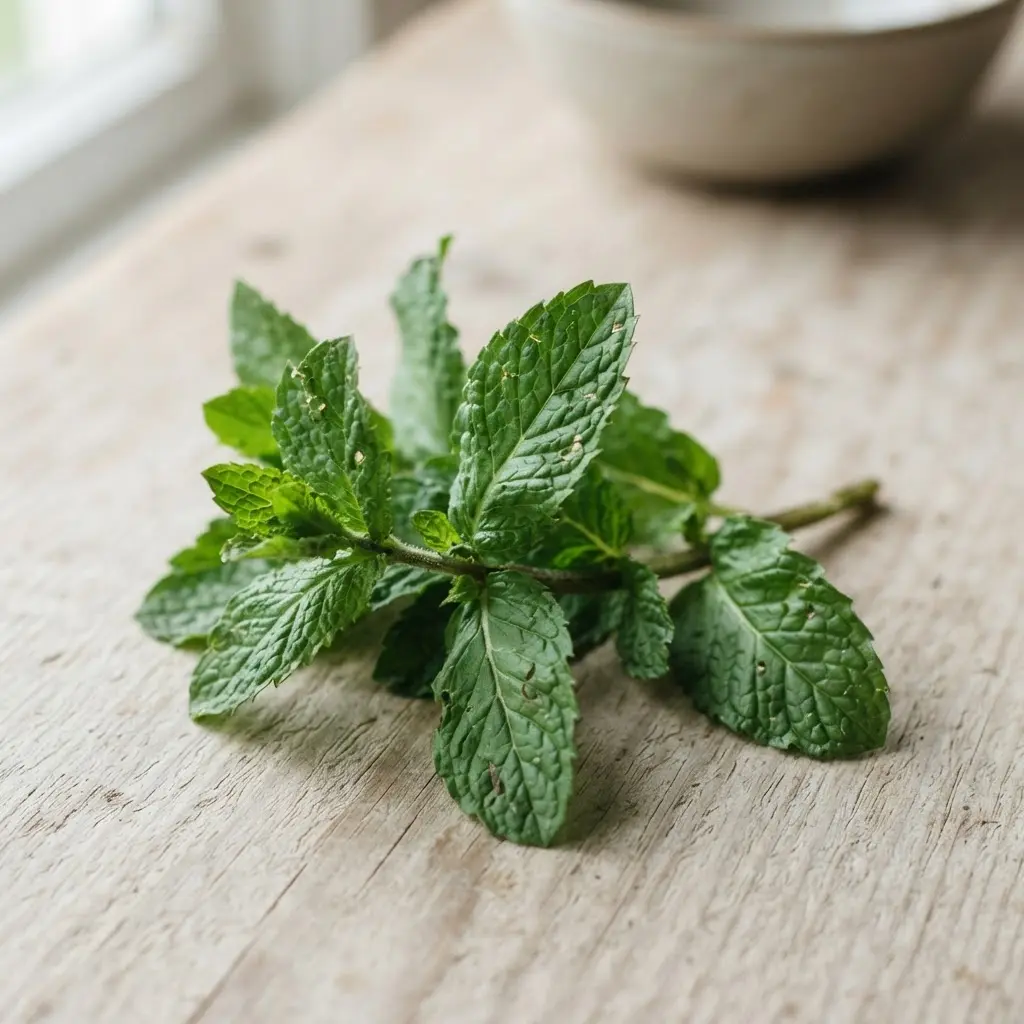
A common belief says great lemonade needs fruit alone. fresh citrus juice recipes botanicals add aroma, cooling notes, gentle spice, or floral depth without hiding the lemon.
Start with fresh herbs and one supporting flavor, a simple step for Ways to make a great lemonade. Mint gives a clean, cooling finish, while basil adds sweet, peppery notes.
Lemon basil strengthens the citrus character. Release flavor by muddling herbs in the drink, or prepare an infused simple syrup before mixing. Steep rosemary, thyme, ginger, lavender, or cardamom in warm syrup for several minutes, then strain before adding the syrup to lemon juice and water.
Freshly grated ginger brings warmth and a spicy kick. Lemongrass adds a bright, lemony note with a slight ginger taste. Match delicate ingredients with light lemonade profiles.
Elderflower gives a soft floral note, while cucumber adds a mild, cooling quality. Hibiscus brings tart, cranberry-like flavor and a pink color. Use rosemary, lavender, and star anise in small amounts because strong aromas quickly cover the lemon. Research suggests botanical ingredients offer distinct flavor and aroma properties, so ingredient intensity matters more than the number of additions, offering new Ways to make a great lemonade.
Finish with a simple herb sprig garnish or a lemon slice to strengthen the drink’s aroma. Use food-grade, unsprayed rose petals only. Pair botanical flavors with berries, peaches, watermelon, lime, orange, or grapefruit when extra color and sweetness fit the drink. Keep the blend to one or two additions, then adjust after tasting.
5. Fruit Puree and Muddled Additions for Fruit-Forward Drinks
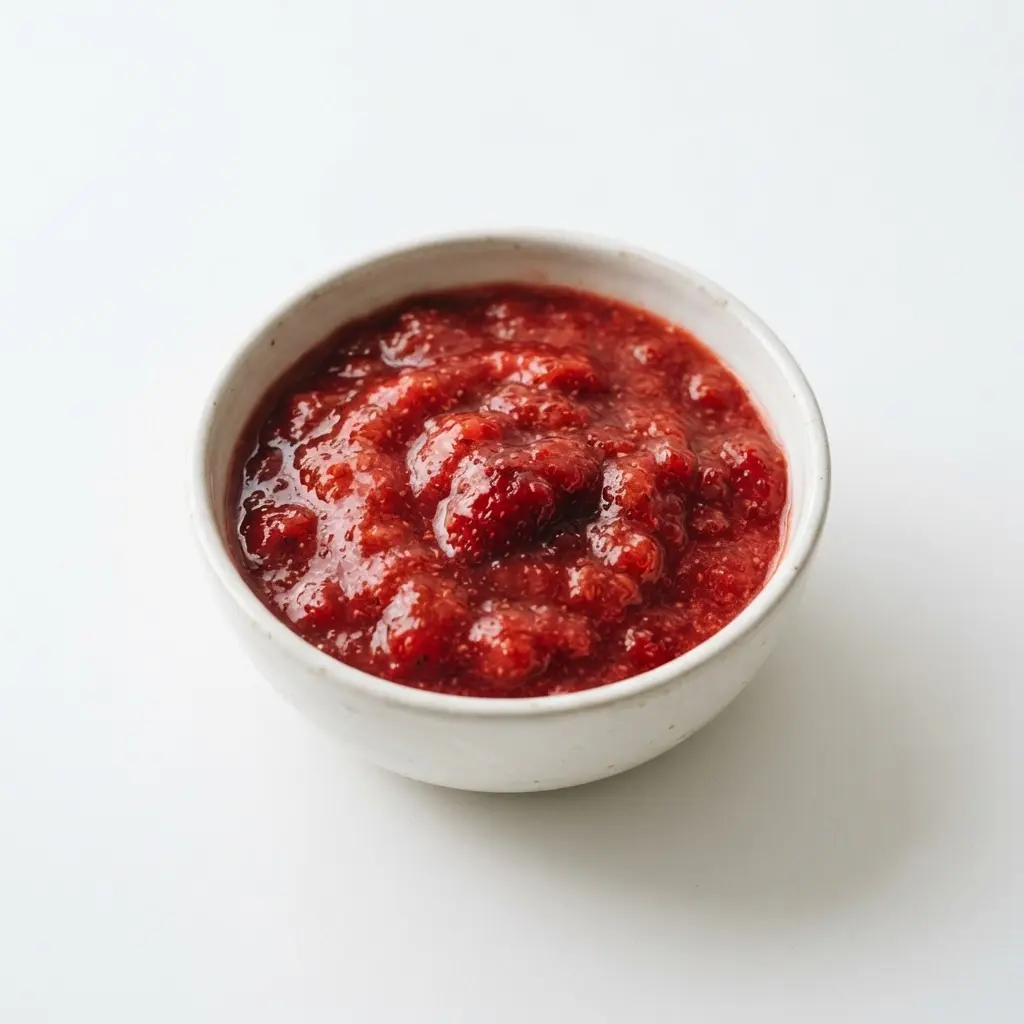
Want lemonade with a fuller fruit taste? Add fruit purée or gently muddled fruit. Purée gives the drink more body than juice because blended fruit contains fine pulp and natural fiber. Use strawberries, cherries, peaches, raspberries, blackberries, pineapple, mango, passion fruit, or blueberries.
Choose nutrient-rich fruit additions such as berries, peaches, mango, or passion fruit. Blend ripe fruit until smooth, then taste before adding sugar or extra lemon juice.
Combine the mixture with lemonade before dilution, or stir purée into a finished glass. Thick fruit mixtures need firm stirring or shaking for even distribution. Pass the drink through a fine strainer when a smoother texture matters, especially with raspberries, blackberries, or passion fruit seeds, which shows another route for Ways to make a great lemonade.
For a quick serving, place citrus pieces, berries, or orange segments in the bottom of a glass. Add sugar and fresh herbs, then press gently with a muddler to release juice and aromatic oils.
Add lemonade and ice, then stir. Mint, basil, rosemary, ginger, and cinnamon pair well with fruit-forward flavors. Press lightly rather than crushing the fruit forcefully. Heavy muddling produces excess pulp and may draw bitterness from citrus peel or herbs.
Add sparkling water only after blending or shaking, then stir slowly to preserve the bubbles. Research suggests fruit variety supports a broader intake of plant nutrients, while the practical result here is a more layered drink. Sweeten in small amounts because ripeness changes each fruit’s balance.
Lemonade Ice Cubes For Lasting Flavor
Freeze strained lemonade in silicone ice trays to keep pulp and seeds from making cubes gritty. Use slightly sweeter lemonade for freezing because cold dulls sweet taste once the cubes melt into a glass. Fruit puree, mint leaves, or thin lemon zest inside each cube adds flavor without relying on extra syrup.
Leave a small gap at the top of every tray because liquid expands as it freezes. Freeze the cubes until firm, then transfer them to a sealed freezer container to limit odor absorption. Mark the date on the container, and use the cubes within one month for the freshest taste.
Add them to still or sparkling lemonade shortly before serving, since early melting changes sweetness and acidity.
Conclusion
Your lemonade routine reflects how you like to gather, serve, and share food at home. Start with one small pitcher instead of changing every part at once. Taste the base before adding ice, fruit, herbs, or sparkling water. If the drink tastes sharp, add syrup in small amounts. If it tastes flat, add more lemon juice or a pinch of salt. Keep garnishes simple so each flavor stays clear.
A chilled glass, fresh lemon wheel, and a few herbs make the drink feel special without extra work. Pick one variation for today, write down what you liked, and use it as your starting point for the next pitcher. Keep track of your favorite recipes using these proven Ways to make a great lemonade.
FAQs
Q: Is homemade lemonade a healthy drink?
A: It adds fluid, yet sweetened versions also add sugar. A lighter mix with more water and less syrup suits people who want a less sweet drink.
Q: How much sugar belongs in homemade lemonade?
A: Start with a small amount of cooled syrup and taste the lemon mixture. Add more in small steps until the drink tastes balanced to you.
Q: Does lemonade count toward daily fluids?
A: Lemonade adds to fluid intake. Water remains a simple choice when you want hydration without added sugar.
Q: Does sparkling water change the taste of lemonade?
A: Sparkling water adds bubbles and a crisp finish. Add it near serving time so the drink keeps its fizz.
Q: How long does homemade lemonade last in the refrigerator?
A: Keep lemonade in a covered pitcher and chill it. For the freshest taste, drink it within a few days and add ice or bubbles to each glass.