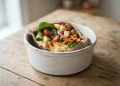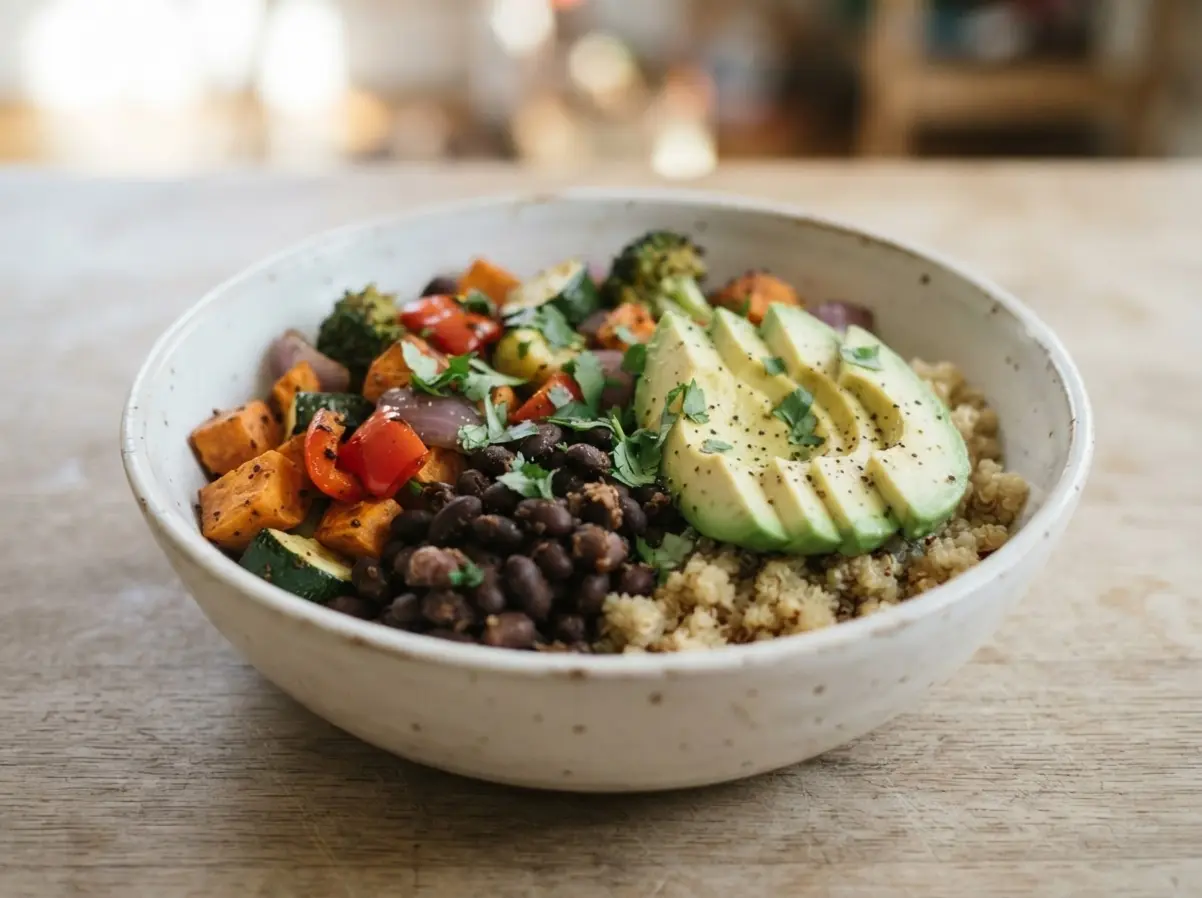
Why does dieting feel hard when you want simple, healthy meals? Ways to make dieting easy start with fewer daily decisions. Plan a few meals, keep filling foods ready, use simple portion cues, drink water through the day, and leave room for treats.
A steady routine works better than strict rules because it supports real schedules, changing appetites, and social meals. I know busy days, cravings, and last-minute plans make healthy eating harder. You do not need perfect meals or strict control.
Small changes at home help good choices feel more natural. This guide covers meal planning, food preparation, portions, shopping, hydration, sleep, cravings, and flexible eating. Each idea fits into a normal week and helps you return to your routine after a less balanced meal.
Setting Realistic Food Goals
Set one two-week food goal such as adding a vegetable to lunch instead of changing your entire diet at once. A small target gives you a clear way to judge progress without demanding perfect meals. Choose a behavior tied to your real schedule, such as packing breakfast before a workday or using a smaller plate at dinner.
Your goal should feel slightly challenging, yet realistic on busy days. Write down when you will practice it and what might interrupt it, then prepare a backup choice before the week begins. Ways to make dieting easy rely on goals that reduce reliance on willpower and show which routines fit your life. When the goal feels steady, add one more change.
A registered dietitian offers useful guidance if diabetes, medication, pregnancy, or eating concerns affect your food choices. Keep tracking your progress and adjust targets as your schedule shifts. This approach builds lasting habits without overwhelming your daily routine.
Building A Supportive Kitchen Environment
Keep washed vegetables, fruit, yogurt, and cooked grains at eye level in clear food containers so a balanced meal takes less effort on busy days. Place less nourishing snack foods in opaque cupboards rather than leaving them beside the kettle or desk. Ways to make dieting easy begin with a stocked kitchen that includes quick proteins, such as eggs, beans, tuna, or plain Greek yogurt, plus whole-grain bread and frozen vegetables.
Store single portions where you see them first, which helps you pause before eating from a large bag. Check your refrigerator before grocery shopping, and keep a short list of meals beside it. This setup supports meal planning without forcing a rigid menu. Replace items as they run out, so convenience stays connected to foods you genuinely enjoy.
1. Strategic Weekly Meal Planning for Busy Schedules
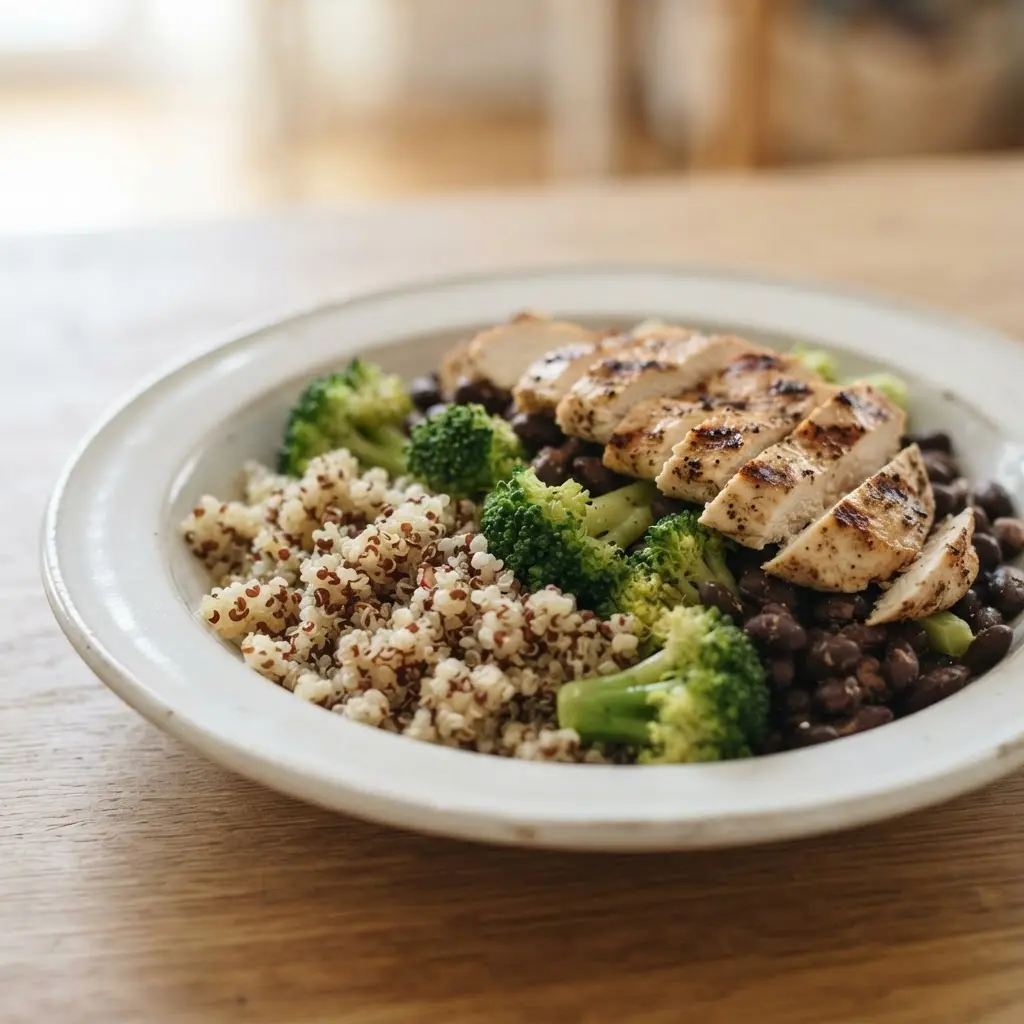
Planning recipes before checking the week is a common mistake. When exploring ways to make dieting easy, correct the order by starting with a weekly schedule check. Mark evenings with limited cooking time, social plans, or family activities.
Reserve one quieter day for batch preparation and assign leftovers to nights when cooking feels difficult. Choose meals according to available time and energy. Ways to make dieting easy involve using a cook-once, eat-twice plan by preparing chicken, grains, or roasted vegetables for more than one meal.
Pair shared ingredients across recipes to reduce waste. For example, cooked ground beef can support tacos on Tuesday and a salad later in the week. Include sheet-pan dinners, pasta, protein salads, or breakfast-for-dinner meals for busy evenings.
Check the pantry, refrigerator, and freezer before shopping. As you practice ways to make dieting easy, build a sectioned grocery list with specific amounts for produce, dairy, protein, and pantry items. During a 60-minute preparation session, wash vegetables, cook grains, prepare sauces, and divide snacks into portions. Research suggests reducing daily food decisions supports more consistent eating routines.
Keep the plan flexible rather than treating every meal as fixed. Ways to make dieting easy include storing two backup meals, such as frozen vegetables with eggs or canned beans with rice, for unexpected delays. Review the week on Sunday and note which meals saved time, which ingredients went unused, and which preparation tasks felt too demanding. Adjust the next plan to match real conditions.
2. Whole Food Portion Optimization With Simple Visual Cues
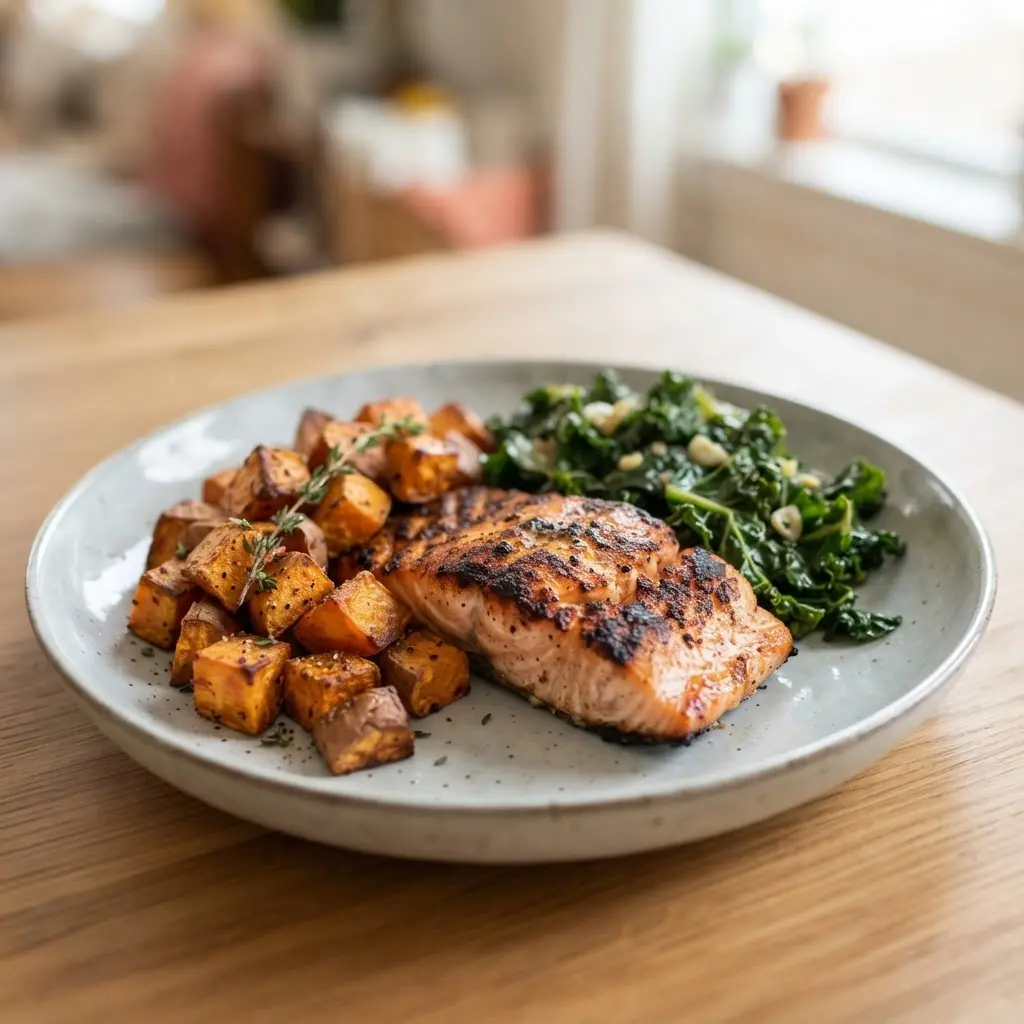
Start by comparing each serving with a familiar object before eating. For people seeking ways to make dieting easy, identifying the food group helps, then use a matching visual cue. A fist suits fruit or starchy vegetables. A palm suits chicken, fish, or tofu.
A cupped hand suits cooked rice, grains, or pasta. These quick checks work well during busy meals and restaurant dining. Use a tennis ball to estimate one fruit serving, such as a small apple or medium orange. Compare vegetables with a baseball, or use a half-cup reference for cooked vegetables.
Keep protein near the size and thickness of your palm-sized serving. Pair these portions with protein, vegetables, and water to stay full without overeating. Ways to make dieting easy rely on measuring calorie-dense foods with extra care, noting a dice-sized portion suits butter or mayonnaise, while nuts and oils need similar restraint because small amounts contain many calories.
Check whether pasta, rice, or vegetables are cooked before comparing portions. Half a cup of cooked pasta differs from half a cup of dry pasta. Apply the same cues each day instead of relying on packaged serving sizes. Serving labels describe a standard amount, not a personal need or a satisfying meal.
Research suggests plates with visual portion cues can reduce self-selected serving sizes. Water, herbal tea, and black coffee limit extra calories from drinks. Practice these estimates for one to two weeks. Adjust portions for hunger, activity, health needs, and the food’s density.
3. Sustainable Hydration Habits for Daily Appetite Support

At 3 p.m., an unexpected urge to eat often appears after hours at a desk. Ways to make dieting easy appear when you pause and drink from a reusable water bottle before reaching for a snack. Thirst sometimes feels like hunger, so this brief check gives you clearer information about what your body needs.
Drink small amounts throughout the day instead of waiting until strong thirst arrives. Keep water near your bed after waking, at your desk, and during travel. Ways to make dieting easy depend on adjusting intake for hot weather and physical activity rather than following one fixed daily target.
Pale-yellow urine generally signals adequate hydration, while dark-yellow urine suggests a need for more fluids. Drink a glass of water about 20 to 30 minutes before a meal. Water may increase fullness for some people, but it does not replace a balanced meal. Include water-rich produce such as cucumber, watermelon, oranges, or celery with normal meals and snacks.
These foods add fluid alongside volume and nutrients. Replace soda, sweetened juice, and other sugary drinks with water, sparkling water, or unsweetened herbal tea. Add lemon, lime, cucumber, or mint for flavor without a sugar-based mixer. Research suggests consistent hydration routines support appetite awareness, mainly by reducing sugary drink intake and creating a pause before eating.
Follow thirst and personal circumstances rather than forcing excessive fluids. People with conditions affecting fluid balance, or anyone advised to restrict fluids, should follow clinical guidance. Ways to make dieting easy require consulting a healthcare professional before making changes to your health routine. Always consult a healthcare professional before making changes to your health routine.
4. Pantry Stocking Techniques for Healthy Food Defaults

Stock versatile staples does not require a large pantry or costly specialty affordable healthy foods. A common belief says healthy eating depends on constant cooking from scratch. The practical truth is simpler: keep oats, brown rice, quinoa, whole-wheat pasta, barley, beans, lentils, and chickpeas ready for quick meals.
Add almonds, walnuts, chia seeds, flaxseeds, and pumpkin seeds for fiber, protein, and healthy fats. Choose lower-sodium canned foods with care. Select vegetables without added salt and fruit packed in water or its own juice.
Keep tuna, salmon, or sardines packed in water for a quick protein option. Rinse canned vegetables before use to remove some surface sodium. Ways to make dieting easy become obvious when you build flavor with garlic powder, paprika, cumin, oregano, vinegar, and low-sodium broth instead of relying mainly on salt.
Make nutritious foods easy to see and reach. Place oats, grains, nuts, and whole-grain crackers at eye level. Store dry goods in clear, airtight containers, then add labels with the food name and purchase date.
Keep less nutritious snack foods in less prominent spaces. Many people find visible, ready-to-use ingredients reduce the effort involved in preparing balanced meals during busy periods. Review the pantry every few weeks. Ways to make dieting easy show up when you use older items first, check dates, and replace supplies from a planned list.
5. Emotional Eating Regulation Strategies for Stressful Moments
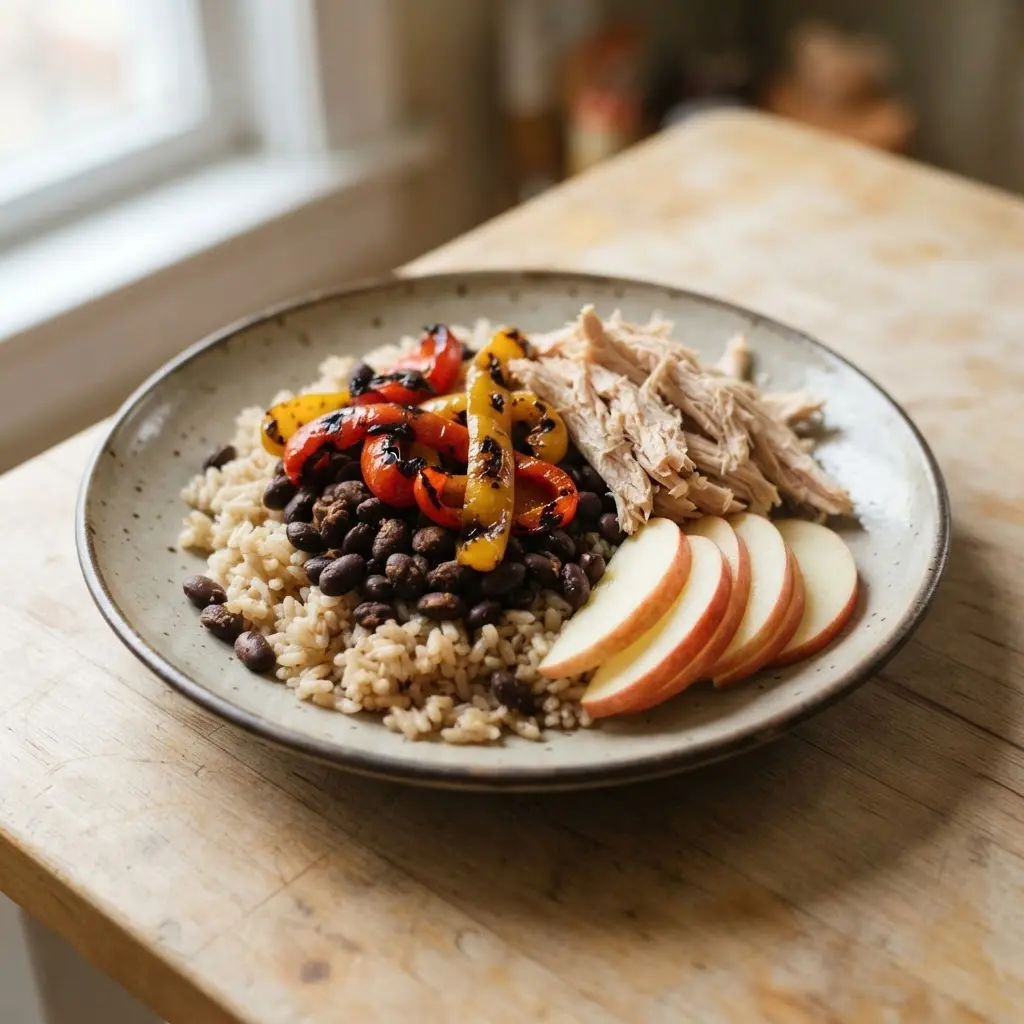
Are you hungry, or are you reacting to stress? Start by checking physical hunger cues such as a gradual rise in hunger, low energy, or a comfortable desire for different foods. Emotional cravings often appear quickly and focus on one familiar food. Ask which feeling or situation came first.
Write down the trigger, then delay the response for 10-15 minutes. A brief pause gives you space to stop eating junk food during a stress-driven craving. Use a trigger note to record the emotion, place, time, and thought linked to the urge. This record shows patterns across stressful moments.
Choose one stress-regulation activity during the pause. Practise slow breathing, take a short walk, listen to music, write in a journal, call a trusted person, or take a warm shower. Research suggests mindful eating improves attention to taste, smell, texture, hunger, and fullness cues. Eat slowly if you decide food fits your physical needs.
Respond to emotional eating without punishment. Name what happened, identify the trigger, and return to your preferred routine at the next meal. A self-compassionate review limits guilt and creates a useful plan for the next stressful moment. Persistent emotional eating or distress deserves support from a therapist, counsellor, or registered dietitian. Always consult a healthcare professional before making changes to your health routine.
6. Sleep Quality and Appetite Control Through Evening Routines

A fixed dinner time is easier to follow than a late, changing meal schedule. Ways to make dieting easy start when you keep dinner consistent from day to day, then protect a regular bedtime. Predictable timing reduces evening food decisions and supports a steadier sleep pattern.
Finish dinner earlier whenever your schedule allows. A substantial meal during the final hour before bed was linked with shorter total sleep, lower sleep efficiency, and more wakefulness after falling asleep in research discussed here. Poor sleep continuity often makes hunger and evening cravings harder to manage the following day.
Build a calming pre-sleep routine after dinner. Use quiet activities, dimmer lighting, and a fixed bedtime. Avoid making late-night eating a normal part of the routine. Early time-restricted eating, where meals occur earlier in the day, has been linked with better objective sleep measures in women with overweight or obesity, though those findings do not apply equally to every person.
Track evening hunger patterns for one to two weeks. Record when dinner ends, your bedtime, night-time awakenings, perceived sleep quality, and hunger the next day. These notes show whether an earlier eating window supports restful sleep or creates unwanted hunger. Do not treat earlier stop eating junk food guaranteed weight-loss method. Evidence on late meal timing, appetite hormones, glucose metabolism, and long-term weight outcomes is still developing. Anyone with diabetes, pregnancy-related nutrition needs, a history of disordered eating, or medicines affected by food timing should seek personalised advice from a qualified healthcare professional. Always consult a healthcare professional before making changes to your health routine.
7. Flexible Dietary Mindset Approaches for Social Meals

Arriving extremely hungry is a common mistake before a social meal. Skipping breakfast or lunch often makes portion control harder later. Correct this pattern with a loose meal plan. Eat your usual meals, then decide which dish or dessert you most want to enjoy. Avoid strict food rules before leaving home.
Build a satisfying plate with vegetables, protein-rich foods, fibre-rich choices, and a preferred treat. Use smart food swaps when simple changes suit your meal, but do not turn every choice into a restriction. Drink water before and during the meal. Water supports hydration and makes thirst easier to separate from hunger.
Choose a portion that looks satisfying, then pause before taking more. Mindful eating keeps attention on taste, pace, hunger, and fullness. Slow down enough to join the conversation and notice your comfort level. Stop eating when satisfied rather than continuing because food remains on the table. Give the shared meal and social connection equal attention.
Research suggests mindful eating supports greater awareness of eating cues, which makes automatic overeating less likely. Self-compassion after eating protects the next meal from becoming another restriction cycle. Treat the 80/20 approach as a flexible pattern, not a strict mathematical score. One indulgent meal does not erase your usual habits.
Avoid compensating with extreme exercise or skipped meals. Resume your balanced routine at the next eating occasion, without labelling the meal a failure. Focus on long-term balance rather than short-term perfection. Enjoy the company around you as much as the food itself.
Recovering From Setbacks Without Abandoning Progress
Treat one unplanned meal as one event, not proof your effort has failed. Return to your usual eating pattern at the next meal instead of skipping food to compensate. A planned backup meal, such as soup with whole-grain toast and fruit, helps busy evenings stay manageable. Look for the trigger behind the setback, whether hunger followed a missed meal, a long workday, or a social gathering.
Use the answer to adjust your routine rather than punish yourself. If restaurant portions feel large, save part before eating, or share a dish with a friend. Speak with a qualified healthcare professional if guilt, bingeing, or strict food rules keep disrupting meals. Steady progress comes from repeated choices, not a flawless record.
Conclusion
Healthy eating matters because it affects your energy, mood, and daily comfort. It also needs to fit your work, family, budget, and social life. Ways to make dieting easy do not depend on perfect willpower. They come from small choices, such as planning two or three meals, keeping filling snacks nearby, using familiar portion cues, and returning to your routine after a change in plans.
Pick one step for today. Fill a water bottle, write a short grocery list, or prepare one meal for tomorrow. Keep the task small enough to repeat without stress. If cravings show up, pause and ask whether you need food, rest, water, or a break. There is room for favorite foods too. A flexible routine lasts longer than strict rules. Start with one helpful change today, then let your next meal be a fresh chance to care for yourself.
FAQs
Q: What is the easiest first step for healthier eating?
A: Plan one meal for the next day and place its ingredients where you see them. A small plan reduces rushed food choices.
Q: How do I manage portions without counting calories?
A: Fill about half your plate with vegetables, then add protein and a whole grain or starchy food. Use a smaller bowl for snacks and eat slowly.
Q: What foods help control hunger between meals?
A: Choose foods with protein or fiber, such as yogurt, eggs, beans, fruit, nuts, or vegetables with hummus. Pairing two food groups often keeps you satisfied longer.
Q: How do I handle cravings without giving up?
A: Pause for a few minutes and check for hunger, thirst, stress, or tiredness. If you still want the food, serve a portion and eat it without guilt.
Q: What should I do after an unplanned large meal?
A: Return to your usual routine at the next meal. Drink water, choose a balanced plate, and skip harsh restrictions.