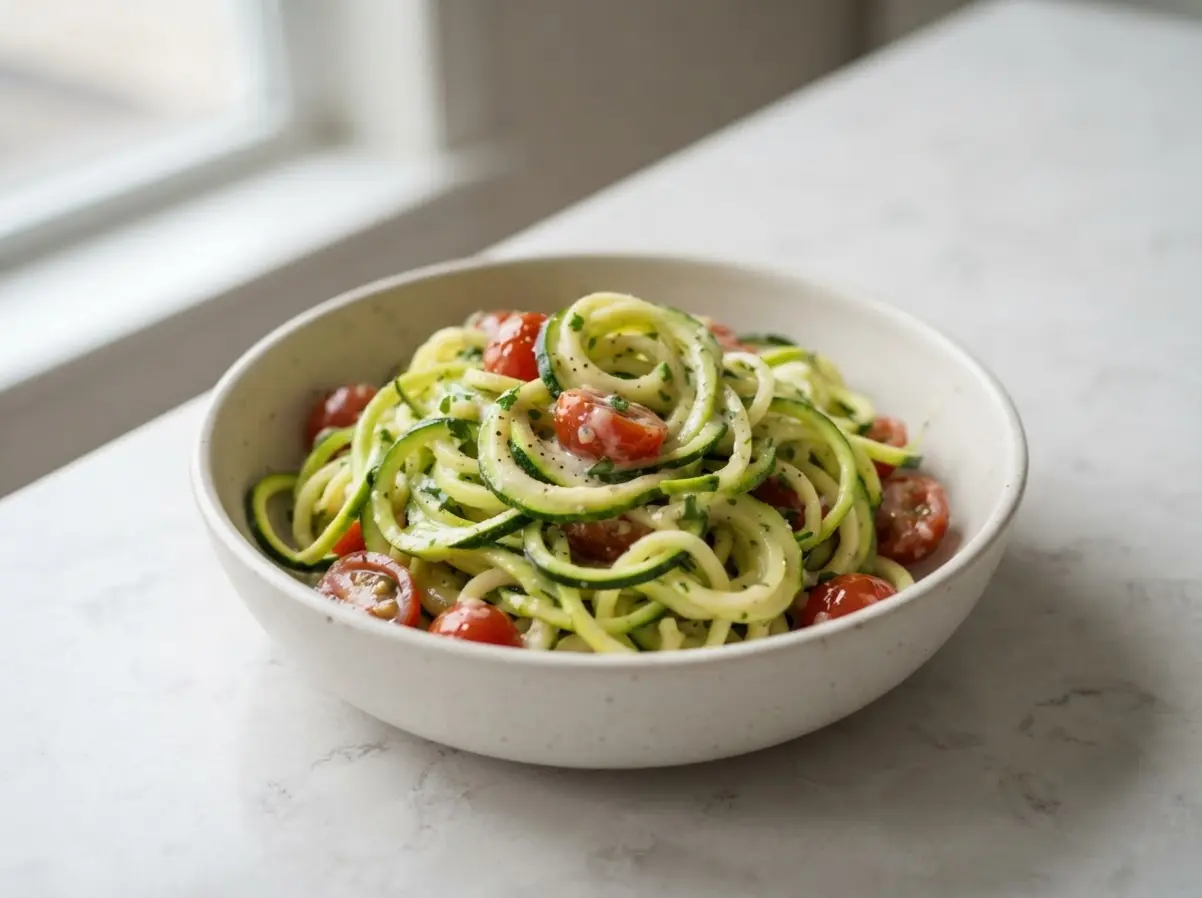
Healthy food replacement hacks help you improve everyday meals without giving up flavor. Swap white rice for cauliflower rice, sour cream for plain yogurt, butter for mashed avocado, and some sugar for mashed banana.
These choices add fiber, protein, or useful fats while keeping familiar meals easy to enjoy, and that is why healthy food replacement hacks matter to your kitchen routine. I know changing ingredients feels harder when a recipe already works.
The goal is not to remove foods you love. It is to choose a better match for your taste and health goals. This list covers grain, dairy, baking, sweetener, legume, herb, and flour swaps.
Each idea uses familiar foods and simple steps. Start with the swap closest to your usual routine, then build from there. Let’s find an easier way to make your next meal more nourishing and satisfying.
Matching Substitutions To Recipe Function
Replace only part of the butter in muffins with unsweetened applesauce, since its extra water changes crumb texture. This fruit purée suits recipes needing moisture, while Greek yogurt adds tang and protein but less richness. Choose whole-grain pasta when fiber matters, yet expect a firmer bite and a little more cooking liquid.
Silken tofu gives sauces a smooth body with mild flavor. Mushrooms add savory depth when they replace some meat, but lentils need seasoning and enough broth to soften. Unsweetened soy milk brings more protein than many nut milks, so match the swap to the dish’s liquid needs, flavor, and cooking heat rather than treating every exchange as one-for-one, much like many healthy food replacement hacks suggest.
Reading Labels Beyond Front Package Claims
Read the added sugars and sodium lines before trusting a package marked “healthy,” because front claims often hide sweeteners or salt. The Nutrition Facts panel shows serving size, fiber, protein, saturated fat, and total sugars in measurable amounts.
Check the ingredient list for words such as syrup, brown sugar, sodium phosphate, or concentrated juice. I apply healthy food replacement hacks daily, and unsweetened plant milk should list no added sugar, while soy milk often supplies more protein than almond or oat versions. Compare similar serving sizes, since one carton might use a smaller cup to make numbers look lower.
Frozen vegetables with plain labels need less label detective work than seasoned blends, which often carry extra sodium. Food allergies also require a full ingredient check, even when the front package claim sounds reassuring. Review healthy food replacement hacks carefully to spot hidden additives before shopping.
1. Low Carbohydrate Grain Alternatives With Fiber-Rich Staples
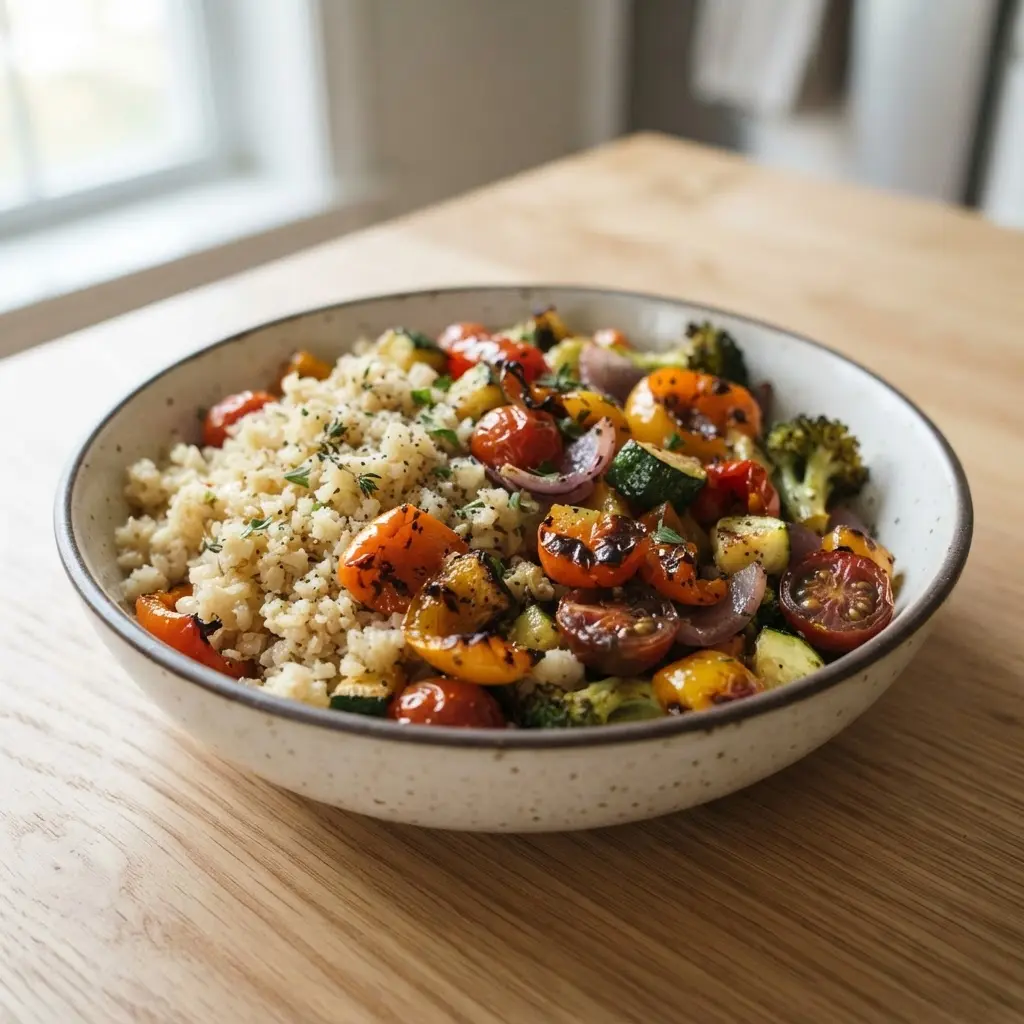
A common mistake is treating every grain alternative as low carbohydrate. Quinoa, buckwheat, amaranth, and millet contain fiber, yet they still provide more carbohydrates than cauliflower rice or shirataki rice. You can avoid this pitfall with healthy food replacement hacks that guide your choice.
Choose the substitute according to the meal and your desired balance of fiber, protein, fats, and carbohydrates. Use cauliflower rice in place of cooked rice for a low-calorie base. Finely chop fresh cauliflower or pulse florets in a food processor, then sauté for 5 to 8 minutes until tender.
Broccoli rice follows the same method and adds a different flavor and texture. Research suggests vegetable-based swaps help people reduce refined grain intake while keeping meals rich in plant foods, and healthy food replacement hacks make this process simple. Choose almond flour for baked goods requiring a mild, nutty flavor.
Use coconut flour in smaller amounts because its high fiber content absorbs much more liquid than wheat flour. For readers comparing dietary patterns, understanding low carb diet benefits clarifies why vegetable rice, coconut flour, and shirataki products suit stronger carbohydrate reduction. Healthy food replacement hacks often highlight these exact ingredients for better results.
Rinse shirataki noodles well before heating to reduce their mild odor. I follow healthy food replacement hacks here, and quinoa offers complete protein, while buckwheat, amaranth, and millet provide grain-like texture with fiber and minerals. People managing diabetes or another medical condition should consult a qualified healthcare professional before making major dietary changes. Check serving sizes and compare total carbohydrates, fiber, and protein before choosing a replacement.
2. Plant Based Dairy Substitutes for Creamy Everyday Meals

Start with soaked cashews when a soup, pasta sauce, or dessert needs neutral creaminess. Cover raw cashews with water for 4 to 8 hours, then drain and blend them with fresh water until smooth. Healthy food replacement hacks remind us to adjust the water for texture.
Add more water for a pourable cream or less for a thick spread. Evidence-based cooking guidance supports matching the substitute to the texture and flavour a dish needs. Choose full-fat coconut milk for curries, soups, and desserts where rich texture and a gentle tropical flavour fit the recipe. I find healthy food replacement hacks helpful here, so use oat milk or oat cream for a mild taste in sauces, coffee, baking, and blended soups.
Barista-style oat products usually create a thicker finish. Soy milk and soy cream provide another neutral option for savoury meals and baking. Blend silken tofu before adding it to dressings, dips, sauces, or cheesecakes. The soft tofu becomes smooth without soaking, a step noted in healthy food replacement hacks, while cooked white beans add body to soups and stews after thorough blending.
Avocado works best in smoothies, dressings, and selected sauces. Expect a green tint and a clear avocado flavour rather than a direct milk replacement. Keep the flavour of the finished dish in view. I test healthy food replacement hacks for texture, so use cashew cream or silken tofu for a neutral base, coconut cream for richness, and oat products for broad everyday use.
Check labels for allergy concerns, especially with nuts and soy. Stir plant-based cream into a hot sauce near the end, then heat gently to protect the texture.
3. Healthy Fat Baking Swaps With Avocado and Applesauce
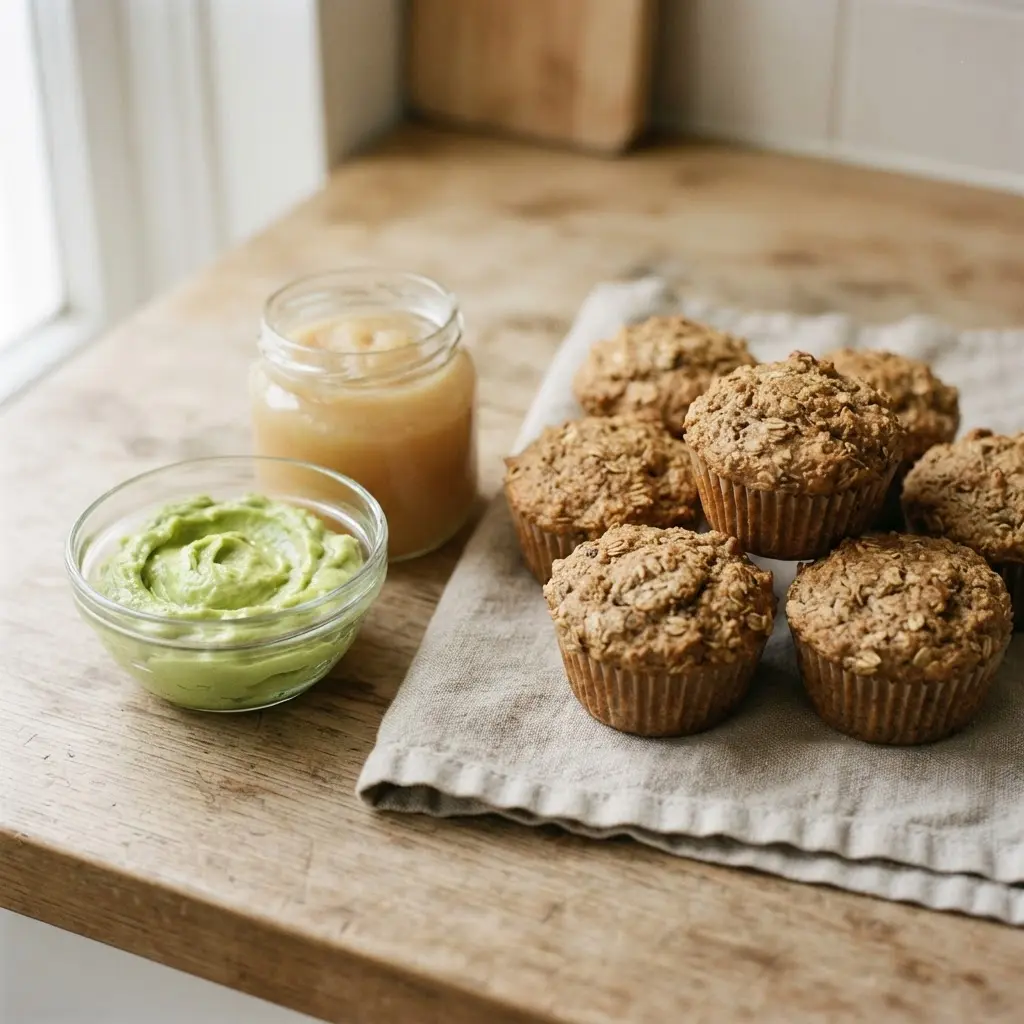
At 7 a.m., a batch of chocolate muffins may need a lower-fat adjustment before the oven heats. Use smooth avocado purée in place of butter by volume, as healthy food replacement hacks recommend for quick swaps. Remove the skin and pit, then blend the flesh until no lumps remain. Chocolate helps mask the mild flavor and green tint.
Choose unsweetened applesauce for cakes, muffins, spice cakes, and quick breads. I rely on healthy food replacement hacks to measure the swap, so replace about half of the oil or butter at first. Applesauce adds moisture and natural sweetness, while the remaining fat protects the tender crumb. Reduce other liquids only slightly if the batter looks loose.
Both swaps work best in moist baked goods. Avocado adds creamy richness and monounsaturated fat. Applesauce creates a moist, tender texture but might make a cake dense or gummy if used in excess. Research on recipe reformulation shows why partial replacement often produces a result closer to the original than removing all the fat. Healthy food replacement hacks explain this balance clearly, and both swaps work best in moist baked goods.
Match the substitute to the recipe, and apply simple healthy food replacement hacks for consistent results. Use avocado in brownies, chocolate cakes, muffins, cheesecakes, and custards. Use applesauce with cinnamon, nutmeg, or other warm spices. Check the baked texture before repeating the swap, since color, flavor, density, and crumb will change.
4. Natural Sweetener Options for Oatmeal and Baking
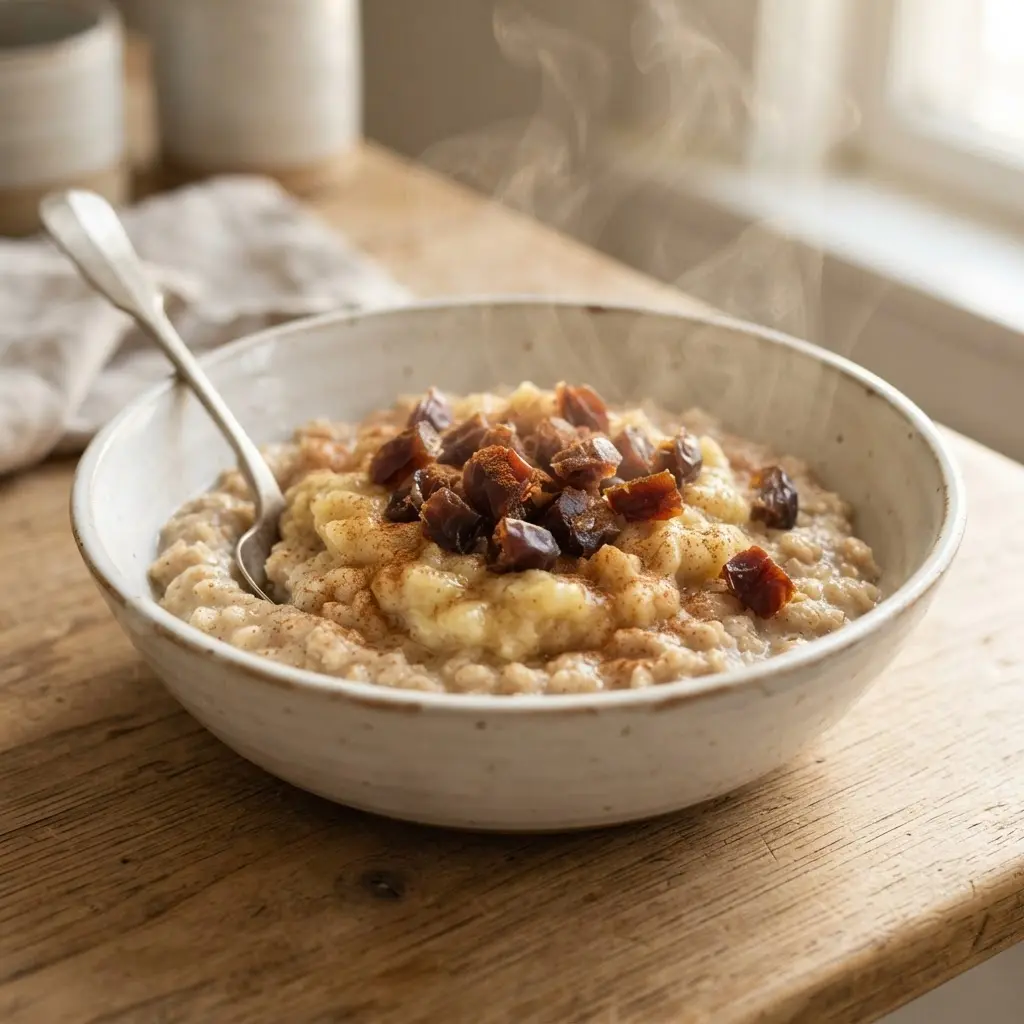
A common myth says all natural sweeteners work the same way. They do not. Match sweetness to the recipe by checking flavor, moisture, and texture before replacing sugar. Maple syrup, honey, agave nectar, and date syrup bring liquid, while coconut sugar acts more like granulated sugar. I compare these options using healthy food replacement hacks before starting.
Cook oats first, then stir in liquid sweeteners after cooking. Start with a small amount, such as 1 teaspoon of maple syrup or honey, and taste before adding more. Healthy food replacement hacks suggest pacing your sweetness carefully. Dark maple syrup gives a stronger flavor. Agave nectar tastes more neutral and is sweeter than sugar. Mashed banana adds body along with sweetness.
For baking, adjust the added liquid after using maple syrup, honey, or date syrup. These ingredients add moisture and might soften the batter. I track healthy food replacement hacks to keep recipes stable, and coconut sugar often replaces granulated sugar at a 1:1 ratio. Date sugar keeps a ground-fruit texture, so avoid it in cakes or frostings where a smooth finish matters. Applesauce, pumpkin purée, and mashed banana make baked goods softer and denser.
Use stevia or monk fruit sparingly because concentrated sweeteners change the recipe volume and sometimes leave an aftertaste. Healthy food replacement hacks warn about this shift. Match molasses with gingerbread or warm spices, and reserve maple syrup for healthier holiday recipes its flavor. Many people find a smaller change easier to accept when the final texture stays close to the original. Natural does not mean nutritionally identical, so choose according to the recipe and your dietary needs.
5. High Protein Legume Varieties for Filling Meals
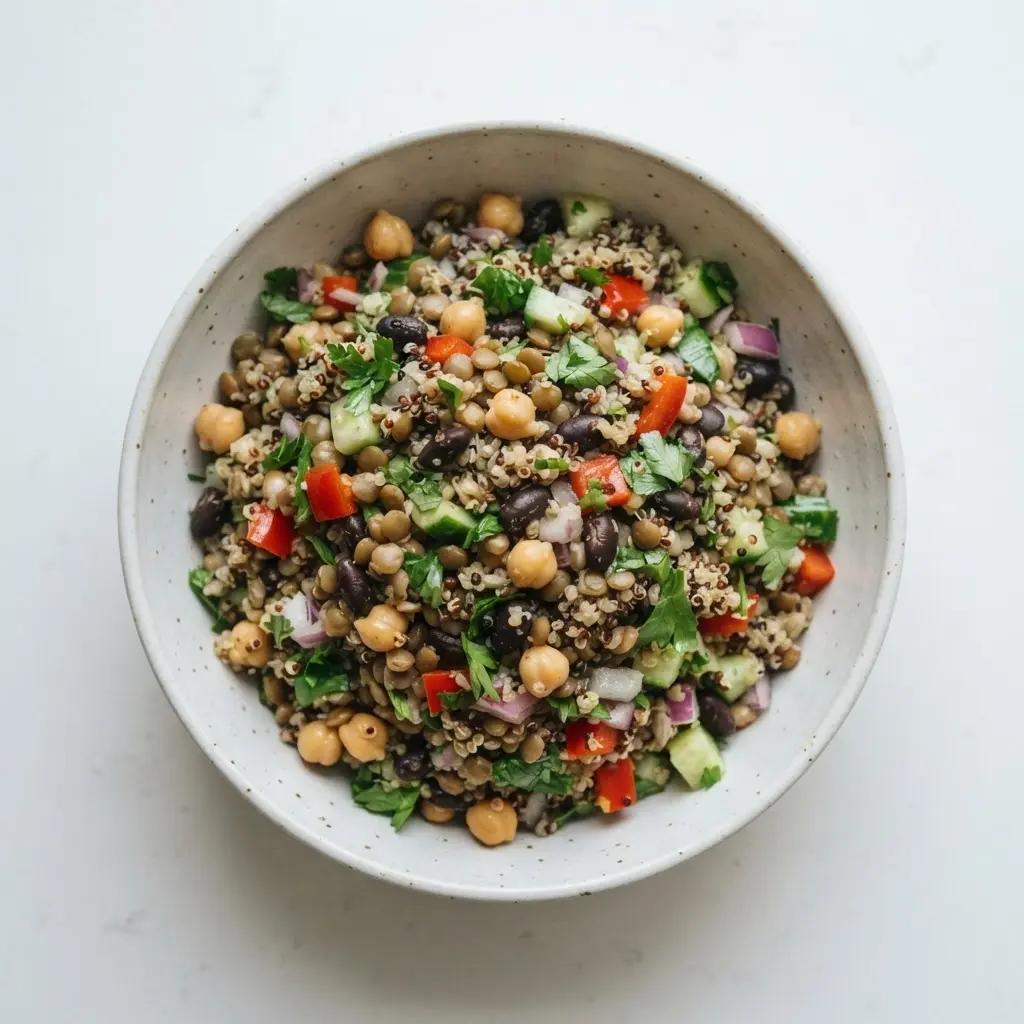
Which legumes make a meal feel filling for longer? Choose varieties combining plant protein with fiber, then serve them with vegetables or grains. Rajma beans offer about 23.6 g of protein per 100 g uncooked in Chakrata Rajma Premium and Joshimath Chitra Rajma. Soak and cook rajma until tender. The beans develop a creamy texture suited to curries, bowls, and thick stews.
Need an earthy option? Prepare Uttarkashi Sem Beans with spices and grains. Each 100 g provides about 21 g of protein and 10 g of dietary fiber. The firm, earthy beans bring nutrient density and texture to a plate without relying on meat. Many people find fiber-rich meals more satisfying between meals.
For a mixed dal, use a six-pulse dal mix containing Rayansh, urd dal, kulthi, soyabean, white rajma, and masoor. The blend provides about 25 g of plant protein per 100 g and is described as having a complete amino acid profile. Cook the pulses until soft, then season with herbs, spices, or vegetables. A broader list of high protein superfoods gives more choices for planning balanced meals.
Chickpeas and pigeonpeas generally provide about 14–22% protein. Pair either legume with millet in a 1:3 legume-to-millet ratio for a hearty plant-based dish with protein, grains, and essential amino acids. Check whether each quoted protein figure refers to uncooked or cooked weight. The rajma values above refer to 100 g uncooked beans, so do not compare them directly with cooked-weight figures.
6. Flavor Enhancing Herb Blends for Less Salt
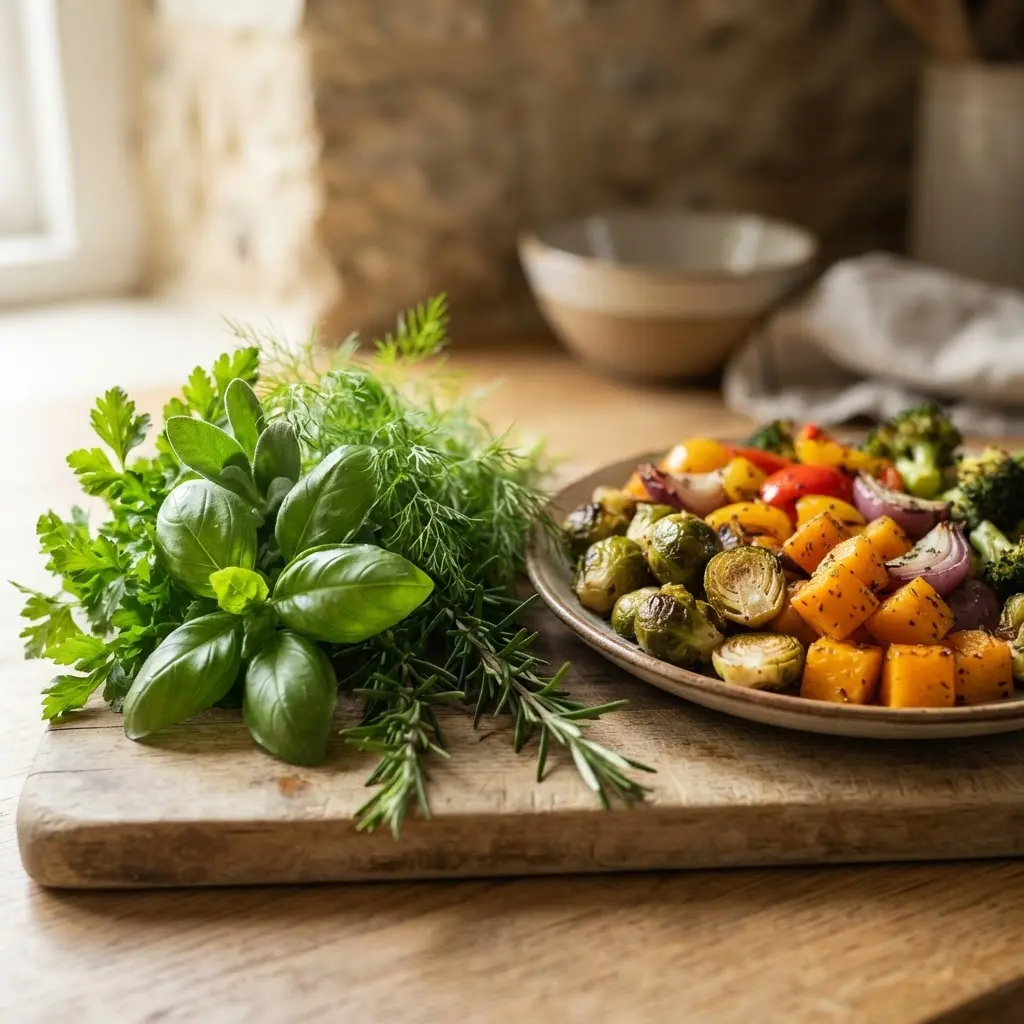
Use a layered herb blend instead of relying on extra salt for flavor. Combine oregano, rosemary, thyme, garlic powder, onion powder, and lemon zest for roasted vegetables, fish, soups, or pasta. Start by replacing about half the salt in a recipe, then taste before making further changes.
Match the blend to the food. Choose basil and oregano for pasta sauce, cumin and smoked paprika for beans or tacos, and cilantro, mint, ginger, and garlic for stir-fries. Add sturdy herbs such as rosemary and thyme early during cooking. Add delicate herbs such as basil and cilantro near the end so their fresh flavor stays clear.
Build more flavor with acidic ingredients. Lemon juice, lime juice, balsamic vinegar, fresh garlic, ginger, mushrooms, tomatoes, black pepper, and chili flakes add separate layers of taste. Briefly toast dried herbs in a dry pan before use, then watch them closely to prevent scorching. Fresh herbs suit salads, fish, dips, and garnishes, while dried herbs suit longer cooking times.
Research suggests layered seasoning makes reduced-salt meals more satisfying than using one herb alone. Check packaged blends carefully because some contain salt or other sodium-based ingredients. People following a prescribed sodium restriction should follow medical guidance and read every label. Always consult a healthcare professional before making changes to your health routine.
7. Nutrient Dense Flour Alternatives for Home Baking

A common mistake is replacing wheat flour with an equal amount of any alternative flour. Correct the swap by matching the flour to the recipe. Choose the flour first based on flavor, texture, and nutrition. Chickpea flour, pumpkin seed flour, and almond flour suit muffins, cakes, and quick breads because each has a mild taste.
Use pumpkin seed flour as a 1:1 replacement for almond flour. A 15-gram serving provides about 86 calories, 4 grams of protein, and 7 grams of fat. Almond flour supplies vitamin E, magnesium, fiber, protein, and mostly monounsaturated fat. Both flours add tenderness and moisture rather than the same structure provided by wheat flour.
For more protein and fiber, select chickpea, lentil, or fava bean flour. Pulse flours often retain moisture, yet fava bean flour has a stronger flavor. Blend pulse flours with other gluten-free flours or starches for a more balanced crumb. Sprouted fava bean flour offers another gluten-free option, with sprouting linked to improved nutrition and fewer antinutritional factors.
Use plantain flour for resistant starch and prebiotic fiber. Start with about 25% less plantain flour than the all-purpose flour listed in a recipe. Check the batter during mixing, then test the center for doneness because alternative flours produce denser, moister, or more tender results. Research suggests these swaps increase protein, fiber, fats, vitamins, or minerals, but nutrient density does not mean low calorie. Check labels and portion sizes, especially with almond and seed flours.
Adjusting Portions After Ingredient Changes
After a bean or lentil swap, keep the original serving size unless the recipe’s calorie density changes enough to call for less food. A smaller bowl helps portion a creamy pasta or rice dish when added vegetables and legumes make the meal more filling. Do not treat lower-fat meat, avocado, or cashew cream as unlimited, since each still contributes calories. Check cooked volume too, because quinoa, barley, and brown rice absorb liquid and often expand beyond the starting measure.
A swap with extra fiber also deserves a gradual portion change if your usual meals contain little fiber, since a sudden increase often causes gas or bloating. Pair the new ingredient with protein and vegetables so the plate stays satisfying without relying on oversized servings.
Conclusion
Your daily meals often carry family habits, favorite flavors, and busy weekday routines. A healthier swap works best when it respects those parts of eating. One small switch, such as yogurt in place of sour cream or lentils in place of part of the meat, gives you a useful starting point. I always recommend healthy food replacement hacks when planning your weekly menu.
Choose one meal you prepare often and replace one ingredient this week. Taste it before making another change. If the result feels satisfying, keep it in your routine. If it does not, choose a different swap or use less of the new ingredient.
Small changes add up when they fit your real life. Your next meal does not need to be perfect. It only needs one choice you feel good about making.
FAQs
Q: What is an easy first food swap for beginners?
A: Start with a familiar ingredient, such as plain yogurt instead of sour cream. Use the same amount at first and adjust the seasoning after tasting.
Q: Do healthier ingredient swaps change the flavor of a meal?
A: Some swaps change flavor slightly, while herbs and spices help keep food satisfying. Replace one ingredient at a time so you learn what suits your taste.
Q: Which swaps add more protein to everyday meals?
A: Lentils, chickpeas, black beans, and Greek yogurt add protein to many meals. Add them to soups, bowls, sauces, or snacks in portions suited to your appetite.
Q: What is a good butter substitute for baking?
A: Mashed avocado, unsweetened applesauce, or plain yogurt suit certain baked recipes. Follow a recipe made for the chosen substitute for the best texture and moisture.
Q: How do I make healthy food swaps fit a busy schedule?
A: Keep easy staples ready, such as frozen cauliflower rice, canned beans, plain yogurt, and whole-grain flour. Pick one regular meal for a swap instead of changing every recipe at once.