
The Worst nutrition advice usually includes extreme calorie cutting, detox cleanses, fear of dietary fat, total carb avoidance, and gluten-free eating without a medical reason. These claims often promise fast results but overlook energy needs, food quality, medical history, and long-term habits. Food advice should help you feel nourished, not worried about every bite. I know conflicting claims make meals harder, especially when each new rule sounds certain.
This guide breaks down five common myths and explains what current nutrition research says instead. You will see why balanced meals, steady habits, and personal health needs matter more than strict food rules. The Healthy Eating Plate model also gives you a simple way to build meals with vegetables, whole grains, protein, and healthy fats. Read on, question bold claims, and choose advice that supports your health for the long term.
Reading Serving Sizes And Ingredient Lists
Treat the serving size on the label as a comparison unit, not a promise about how much you should eat. A single package sometimes lists two or more servings, so calories and added sugar double when you eat the full package. The Nutrition Facts panel separates total sugar from added sugar, while the ingredient list shows sweeteners, starches, oils, and salt by weight.
Ingredients near the beginning make up more of the food than ingredients near the end. A low-fat label still deserves a calorie check because manufacturers often replace fat with sugar or refined starch. Compare similar foods using the same serving amount, then check fiber and protein for a fuller picture, which helps you steer clear of the Worst nutrition advice. This habit exposes advice built around one flattering number rather than the whole food.
Recognizing Absolute Claims And Quick Fixes
Any nutrition claim promising dramatic results in a few days deserves evidence beyond a testimonial. Absolute phrases such as “no sugar,” “melt fat,” or “cleanse toxins” signal a claim needing careful review, especially when the speaker offers no study or names only personal success. A seven-day detox plan might reduce scale weight through water loss or lower food intake, but it does not prove lasting fat loss.
Fasting also does not guarantee fat loss when later meals replace missed calories. Check whether human studies support the promised result, and compare the advice with guidance from public health agencies or a qualified dietitian. Good advice states limits, explains who should avoid it, and fits normal eating patterns rather than demanding fear, guilt, or an expensive routine, helping you ignore the Worst nutrition advice.
1. Extreme Restrictive Calorie Elimination and Daily Energy Needs
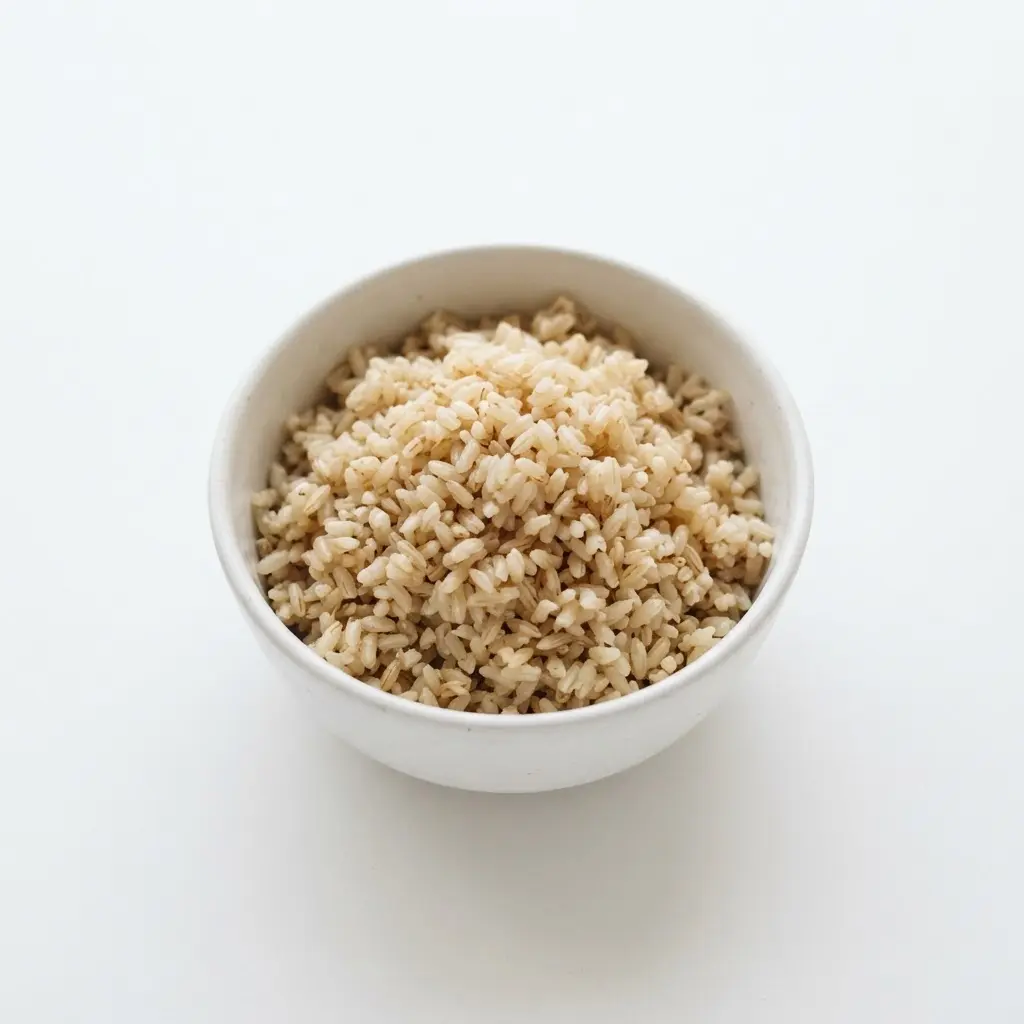
A common mistake is to eat as little as possible and treat rapid weight loss as proof of success. Severe restriction removes more energy than the body needs for daily function, making it a textbook example of the Worst nutrition advice. Weight often drops at first because stored energy supplies the gap. Fatigue, headaches, nausea, constipation, dehydration, and poor adherence can follow.
Daily energy use includes resting energy expenditure, digestion, and movement. Restricting food lowers body weight and often reduces activity. The body also adapts its energy use, so total daily expenditure can fall close to the lower intake, showing why the Worst nutrition advice backfires. Weight loss then slows or stops, even when food intake stays low.
Choose a moderate calorie deficit rather than a fixed minimum. A daily reduction of about 500 calories is often linked with roughly 1 pound of weight loss per week, though results differ by age, sex, height, weight, and activity.
General ranges of 1,200 to 1,500 calories for women and 1,500 to 1,800 for men are reference points, not universal prescriptions. Use an individualized target supported by a balanced daily calorie intake.
Reserve very-low-calorie diets for medical supervision. Deficits reaching about 70 percent appear in specific clinical settings, often with attention to nutrient intake and supplementation. The Minnesota Starvation Study linked severe restriction with weakness, reduced aerobic capacity, edema, and serious psychological distress. Always consult a healthcare professional before making changes to your health routine.
2. Fad-Based Detoxification Cleanses: Claims, Risks, and Better Choices

Avoid commercial detox cleanses before making any major diet change. Fasting, juice-only plans, laxatives, enemas, and herbal products do not have strong evidence for removing broad groups of unspecified toxins, so you can safely skip the Worst nutrition advice. The liver, kidneys, and other organs already process and remove many substances from the body.
Reviews published in 2015 and 2017 found insufficient support for detox diets as a way to eliminate toxins or control weight over time. Early weight loss usually reflects lower calorie and carbohydrate intake, along with fluid loss, proving the Worst nutrition advice lacks lasting value. Weight often returns after normal eating resumes.
Laxatives also cause diarrhea, dehydration, and poor nutrient absorption rather than a proven cleanse. Choose regular meals built from vegetables, fruit, beans, lentils, whole grains, nuts, seeds, and reliable protein sources. Drink enough water and limit alcohol, sugary drinks, and excess sodium.
Unpasteurized juice can carry harmful bacteria. Some juices contain high oxalate levels, which can concern people prone to kidney stones. Colon cleansing also carries added risk for people with gastrointestinal, kidney, or heart disease.
Read supplement labels carefully and treat dramatic toxin claims as a warning sign. Federal regulators have taken action against products containing hidden ingredients or false claims.
People with diabetes need extra caution because fasting affects blood sugar control. Always consult a healthcare professional before making changes to your health routine. Consistent, varied eating offers safer nutritional support than a short restrictive cleanse.
3. Dietary Fat Vilification and Heart-Healthy Food Choices

At 7 a.m., a breakfast label marked “low-fat” can seem like the safest choice, but it often reflects the Worst nutrition advice. Check the fat type before judging the food. Unsaturated fats from nuts, seeds, avocados, olive oil, and fatty fish support a heart-conscious eating pattern. Saturated fat still deserves limits, generally below 10% of daily calories.
Replace butter, fatty meats, and full-fat processed foods with unsaturated fat sources where practical. Use olive or canola oil for cooking. Add walnuts to oatmeal, or choose salmon instead of a fatty meat dish. Industrial trans fats should be avoided because they harm heart health.
Research links lower coronary heart disease risk with replacing saturated fat with polyunsaturated fat, rather than removing all fat. Choose nutrient-rich replacements such as vegetables, fruit, whole grains, beans, lean protein, nuts, and seeds. Replacing saturated fat with refined foods does not provide the same benefit.
Build meals around an overall pattern, not one nutrient. Follow a heart-conscious pattern with vegetables, fruits, nutrient-rich whole foods, lean proteins, and suitable dairy choices.
Limit excess sodium, added sugars, and alcohol. A low-fat product still needs an ingredient check because low fat does not guarantee a nutritious choice.
Individual needs differ, especially with cardiovascular disease or another medical condition. Seek qualified guidance before making major dietary changes, and use general nutrition advice as a starting point rather than personal medical care.
4. Oversimplified Carbohydrate Avoidance in Balanced Eating

The belief that all carbohydrates harm health is false. Carbohydrate quality matters as much as quantity. Whole grains, beans, lentils, fruit, and vegetables provide carbohydrates with fiber, vitamins, and minerals, standing in direct contrast to the Worst nutrition advice. Refined grains and foods with added sugars provide fewer nutrients, especially when eaten often.
Build meals around whole-grain foods such as oats, brown rice, or whole-wheat bread. Add beans, vegetables, or fruit for more fiber. Include protein and healthy fats in the same meal.
Research on low-carb diet realities has found little difference in weight reduction between low-carbohydrate and balanced-carbohydrate eating patterns over a two-year period. Choose whole fruit instead of removing fruit from meals. Pair oatmeal with yogurt and nuts, or serve lentils with vegetables and olive oil.
Limit sugary drinks, sweets, and other foods high in added sugars. The Dietary Guidelines for Americans recommend keeping added sugars below 10% of daily calories, offering a balanced alternative to the Worst nutrition advice. This limit does not apply to naturally occurring sugars in whole fruits and vegetables.
Research suggests fiber slows digestion and moderates blood sugar rises. A meal based mainly on refined carbohydrates and sugary foods differs greatly from one containing fiber, protein, and healthy fats. People with diabetes or another condition requiring carbohydrate management should obtain individualized professional guidance before changing their eating pattern.
Avoid blanket rules that remove an entire food group without a clear medical reason.
5. Unnecessary Gluten Avoidance Practices Without Celiac Disease
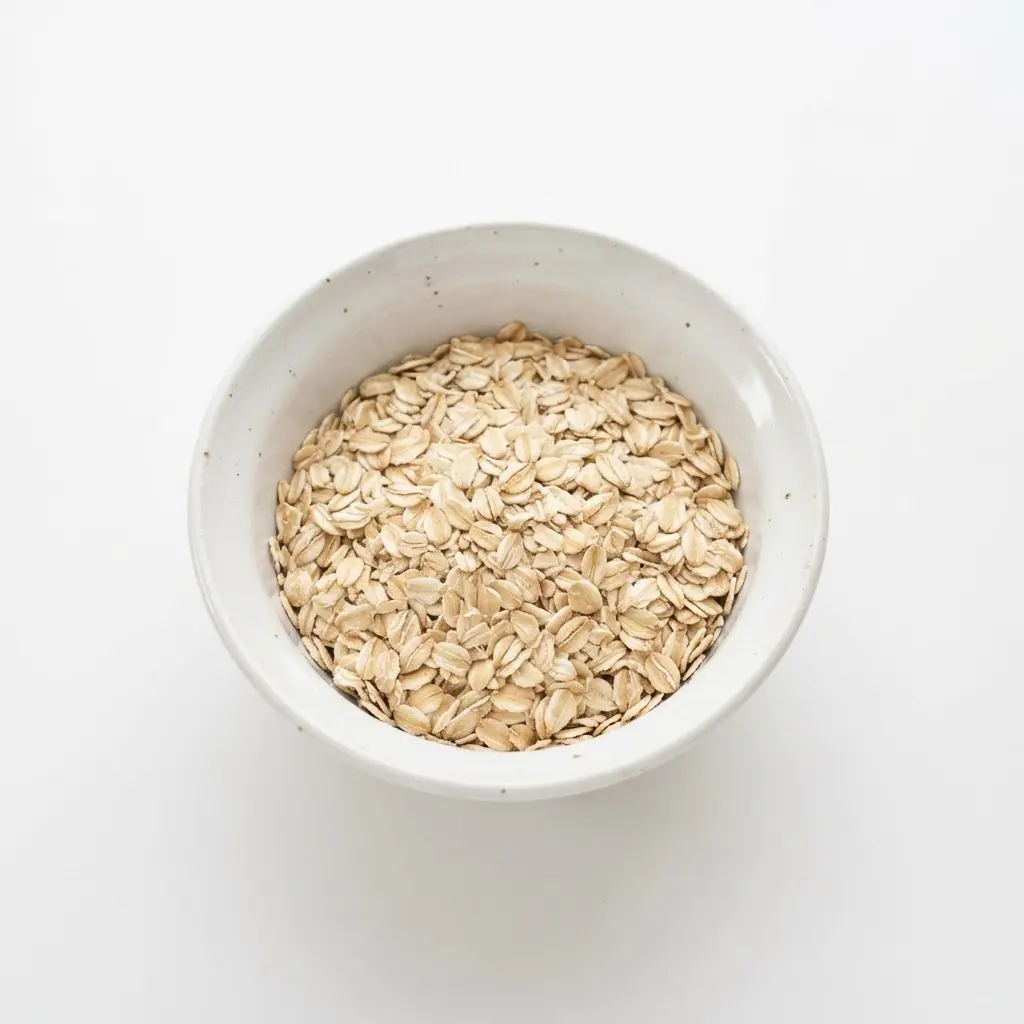
Is avoiding gluten healthier without celiac disease? Usually, no. Gluten-free eating is medically necessary for people with celiac disease and some other diagnosed gluten-related disorders. For everyone else, routine avoidance has no proven long-term health advantage, highlighting a key flaw in the Worst nutrition advice. Start with medical evaluation when bloating, pain, diarrhea, or fatigue follows wheat, barley, or rye.
Removing gluten before testing creates a serious problem. Eating little or no gluten can reduce signs used in celiac disease testing. This result can delay an accurate diagnosis. Keep eating your usual gluten-containing foods until a clinician gives specific testing instructions.
Packaged gluten-free bread, pasta, biscuits, and snacks often use refined starches. These products can contain less fiber and fewer added vitamins and minerals than standard versions. Manufacturers also add fat, sugar, or salt to improve taste and texture. Choose naturally gluten-free foods, such as beans, potatoes, rice, fruit, vegetables, eggs, and plain dairy, when a gluten-free diet is medically needed, keeping you safe from the Worst nutrition advice.
Research suggests some people with IBS or suspected non-celiac gluten sensitivity report fewer symptoms after avoiding gluten, though findings conflict. Other food components, digestive conditions, or negative expectations can explain symptoms. Unplanned restriction can raise food costs and create gaps in fiber, iron, calcium, magnesium, zinc, B vitamins, and vitamin D.
Build the diet with a physician and registered dietitian rather than self-diagnosing. Always consult a healthcare professional before making changes to your health routine.
Building A Personal Advice Checking Habit
Write the promised outcome beside the source before accepting nutrition advice, then ask whether the evidence matches the claim. An evidence log with the date, source, study type, and key finding keeps memory from favoring confident speakers. Give more weight to guidance from national health agencies, universities, and credentialed nutrition professionals than to a single testimonial. Check whether the recommendation fits your medical conditions, medications, culture, budget, and daily schedule.
A rule calling food good or bad often hides an issue with portion size, frequency, or preparation. Keep questions specific, such as whether added sugar differs from total sugar or saturated fat differs from unsaturated fat. When evidence stays mixed, choose a flexible pattern featuring vegetables, fruit, whole grains, protein foods, and personal comfort.
Conclusion
Food advice affects more than a grocery list. It shapes how you feel about meals, your body, and daily choices. The Worst nutrition advice often makes health seem harder by turning single foods or nutrients into strict rules. A better approach starts with regular meals, a mix of food groups, and room for personal needs.
Pick one claim from this guide today and check it against trusted health information before changing your eating pattern. You might also write down how a new rule affects your energy, hunger, mood, and enjoyment of food. Those details matter. Healthy eating does not need to look perfect to support you.
Give yourself time to build habits you trust, and ask a qualified health professional about advice linked to a medical condition or special diet.
FAQs
Q: Is cutting calories as low as possible a healthy way to lose weight?
A: Severe calorie cutting often leaves too little energy and nourishment for daily needs. A steady eating pattern with suitable portions supports health better than an extreme plan.
Q: Do detox cleanses remove harmful substances from the body?
A: Your liver, kidneys, lungs, and digestive system handle waste removal each day. Cleanse drinks and short fasts do not replace regular meals, water, sleep, or medical care.
Q: Is dietary fat bad for heart health?
A: Dietary fat supports hormones, cells, and vitamin absorption. Foods such as nuts, seeds, olive oil, and fish fit well in a balanced eating pattern, while frequent intake of foods high in saturated fat deserves more care.
Q: Do carbohydrates cause weight gain?
A: Carbohydrates supply energy and appear in fruit, beans, whole grains, and vegetables. Weight changes depend on many factors, including portions, activity, sleep, health conditions, and overall food choices.
Q: Should everyone avoid gluten?
A: People with celiac disease or certain medical conditions need guidance about gluten. For others, removing gluten without a clear reason might reduce fiber and limit nutritious whole grain foods.