Tired of reaching for caffeine when your energy drops? Foods that will give you more energy include whole grains, fruit, vegetables, beans, fish, nuts, seeds, and sweet potatoes. Pairing complex carbohydrates with protein, healthy fats, and enough water helps you feel satisfied and supports steadier energy through the day. These foods work best as part of regular meals and snacks, not as quick fixes. Whole grains and legumes bring fiber, while fish, eggs, nuts, and seeds add protein or healthy fats. Fruits and vegetables add fluids, minerals, and natural carbohydrates. I’ll walk you through eight practical choices, plus simple ways to pair them, and finding Foods that will give you more energy starts with steady daily choices. Let’s make your next meal work harder for your day. Start with one food you enjoy, then build a balanced plate around it.
Pairing Carbohydrates With Protein And Fat
Pairing oats or brown rice with protein and unsaturated fat helps support steadier energy than eating refined carbohydrates alone. A bowl with Greek yogurt, berries, and walnuts brings carbohydrate, protein, fiber, and fat together without relying on a sugary snack. Beans, lentils, tofu, eggs, poultry, and fish fit well beside grains because protein often keeps a meal satisfying for longer, and tracking Foods that will give you more energy makes this habit stick. Nut butter on whole-grain toast offers a quick option when cooking time feels short, while avocado adds unsaturated fat to rice or eggs. Keep added sugar modest, since sweet foods often digest quickly and leave hunger returning sooner. Your meal does not need every nutrient in equal amounts, but pairing two or three sources usually feels steadier than choosing one food alone.
Hydration Clues That Can Affect Alertness
Drink a glass of plain water with meals and snacks when tiredness appears alongside thirst, a dry mouth, or darker urine. Overnight fluid loss, warm weather, sweating, and exercise all raise fluid needs, so fatigue does not always signal a need for more food. Keep water nearby during work or errands, since easy access supports regular sipping without relying on sweet drinks, which reminds you that proper hydration pairs well with Foods that will give you more energy. Milk and water-rich foods such as oranges, melon, cucumbers, and soup add fluid, though plain water works well as the primary choice. Heavy caffeine or sugary drinks often feel stimulating at first, yet they do not replace regular hydration. If fatigue persists despite fluids and balanced meals, speak with a healthcare professional rather than treating every low-energy spell as dehydration.
1. Complex Carbohydrate Whole Grains for Steady Daily Fuel
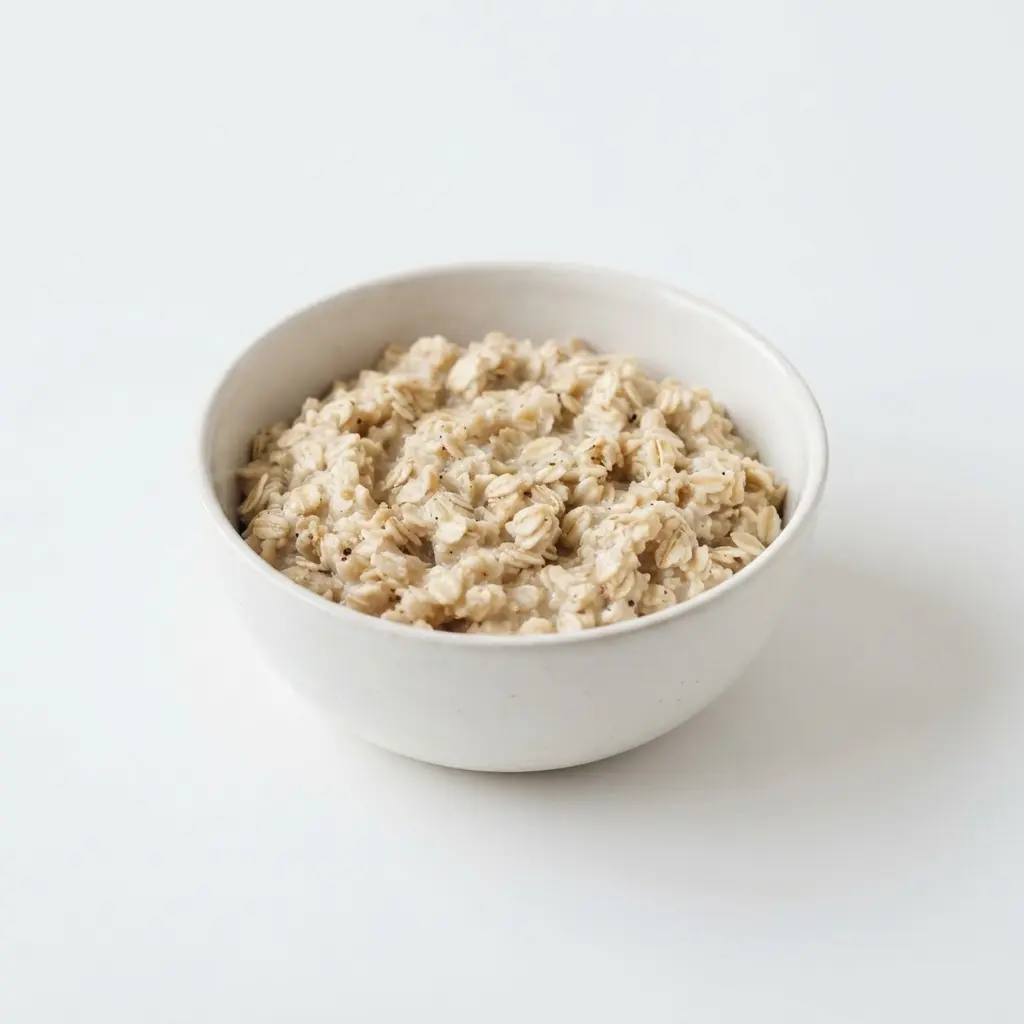
Mistaking a brown-colored product for a whole-grain food is common. Check the ingredient list instead. Choose whole grain as the first ingredient in packaged bread, cereal, and pasta. Words such as multigrain or wheat-colored do not confirm a product contains the full grain kernel, a detail that matters when shopping for Foods that will give you more energy daily.
Whole grains contain the bran, germ, and endosperm. The bran provides fiber, while the germ supplies many vitamins, minerals, and plant compounds. Fiber slows starch digestion, and this process supports a more gradual release of energy than highly refined grains often provide. Choose oats, brown rice, barley, quinoa, farro, millet, bulgur, or whole-wheat pasta for meals built around steady fuel, which aligns with choosing Foods that will give you more energy naturally.
For packaged foods, select products with at least 3 grams of fiber per serving and a short ingredient list. Use old-fashioned oats at breakfast, brown rice in a grain bowl, barley in soup, or whole-wheat pasta at dinner. The Dietary Guidelines for Americans recommend getting at least half of daily grain intake from whole grains, making it easier to spot Foods that will give you more energy on a label. On a 2,000-calorie diet, the daily goal is at least 3 ounces of whole grains.
Research suggests regular whole-grain intake is associated with support for heart health, cholesterol levels, blood sugar control, healthy weight management, and lower risk of stroke, type 2 diabetes, and certain cancers. These findings describe long-term associations, not guaranteed results for one person. Start with intact grains when practical, then pair them with vegetables, beans, eggs, fish, or nuts for balanced meals, a practice that highlights Foods that will give you more energy over time.
2. Potassium-Rich Tropical Fruits: Fresh Energy-Focused Choices
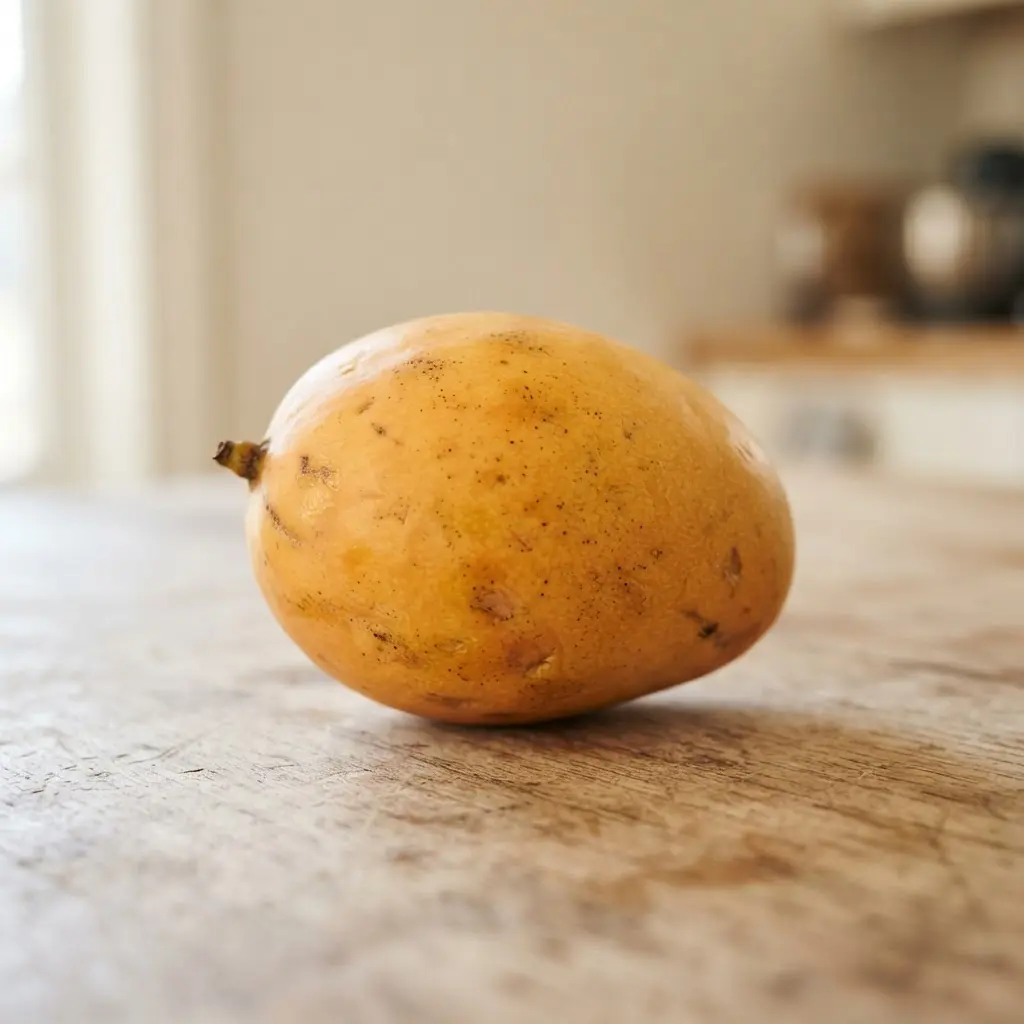
Start with a ripe banana when you need a quick, portable snack. Bananas provide natural sugars alongside potassium, so they fit well before a morning commute, between meals, or after light activity. Peel one and eat it whole, or slice it over oats, yogurt, or whole-grain toast, since this simple swap adds Foods that will give you more energy without heavy prep. The familiar sweetness makes bananas an easy choice when appetite is low.
Choose mangoes, papayas, or kiwifruit when you want more variety. Mangoes provide potassium plus vitamins A and C. Papayas supply potassium and vitamin C, and their digestive enzymes are often associated with digestive support. Kiwifruit is not strictly tropical, yet it is widely available and contributes potassium, vitamin C, and vitamin K. Try rotating these options often, since variety keeps your routine focused on Foods that will give you more energy. Peel mangoes and remove the stone. Cut papayas open, remove the seeds, then scoop or slice the flesh. Peel kiwifruit, or halve it and scoop out the center.
Use fresh avocado for a less sweet option. Avocado provides potassium and healthy fats, so its energy contribution differs from fruit rich in natural sugars. Spread the flesh on toast, add slices to a grain bowl, or mix it into a savory meal. Cut around the pit, separate the halves, remove the pit, and scoop out the flesh. The same nutrients discussed in tropical fruit benefits support skin health alongside their role in balanced meals, showing how Foods that will give you more energy also aid daily wellness.
Build a small fruit plate with two or three choices instead of relying on one fruit every day. Research suggests varied fruit intake supplies a broader mix of nutrients. Wash produce before cutting, and serve ripe fruit soon after preparation for the best texture and flavor, which matters when preparing Foods that will give you more energy on busy mornings.
3. Magnesium-Dense Leafy Greens for Everyday Meal Balance
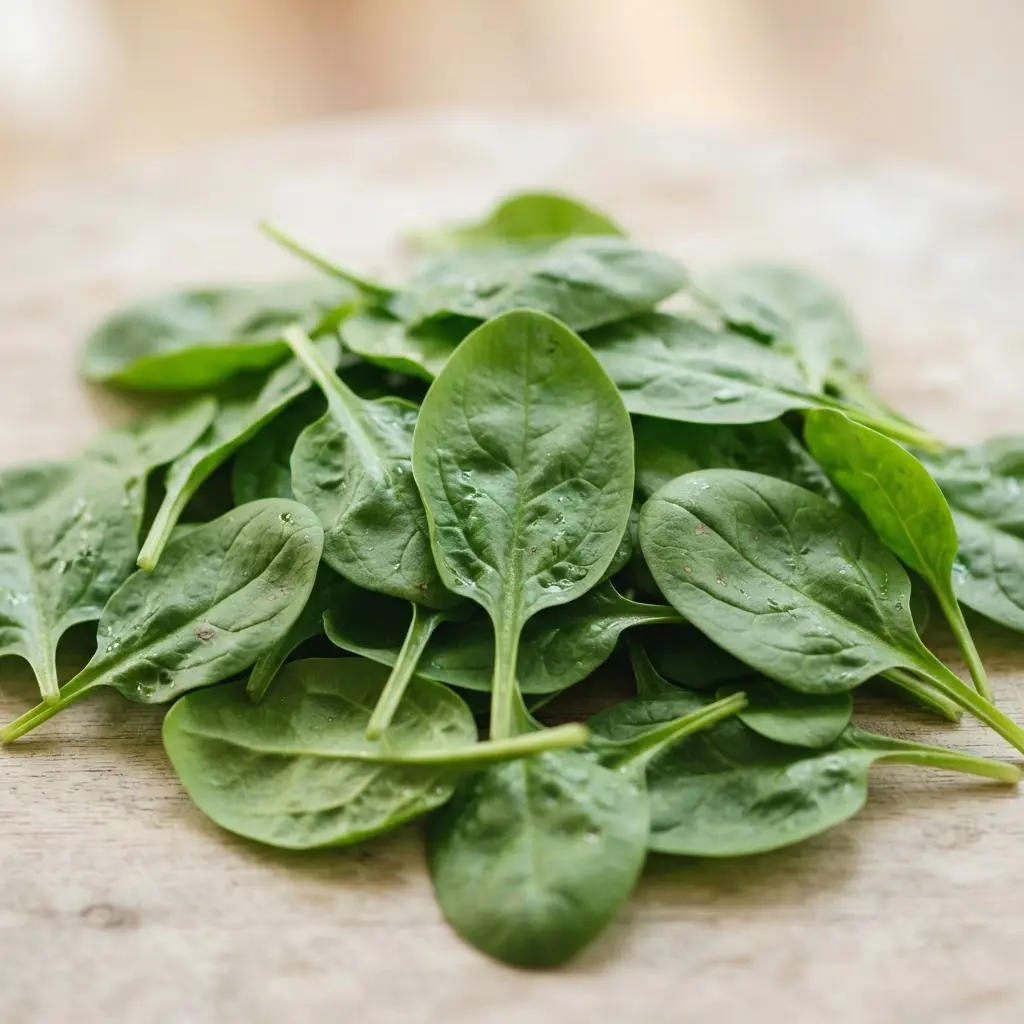
At lunch, add cooked spinach to a grain bowl instead of leaving your plate short on vegetables. A half-cup serving provides about 78 mg of magnesium, along with vitamins A, C, and K, folate, and antioxidants. Magnesium supports normal muscle and nerve function, making spinach a useful part of a balanced meal rather than a quick fix for low energy, yet consistent use points toward Foods that will give you more energy during long afternoons.
Rotate greens through cooked meals to increase dietary variety. A half-cup of boiled Swiss chard supplies about 75 mg of magnesium. The same portion of cooked collard greens provides about 25 mg, while half a cup of boiled kale provides about 14.75 mg. These vegetables bring fiber and other nutrients, including calcium, iron, manganese, and vitamin K, depending on the variety. Keep the preparation state beside the serving size because raw and cooked portions are not interchangeable, a detail worth tracking when selecting Foods that will give you more energy.
Use raw arugula in a salad, wrap, or sandwich for a peppery option. Half a cup raw provides about 4.7 mg of magnesium, plus vitamins A, C, and K. Build shopping plans around greens and other essential grocery list items, including fruit, whole grains, legumes, nuts, and seeds, which simplifies your trips when gathering Foods that will give you more energy weekly.
Pair leafy greens with beans, potatoes, whole grains, or seeds to create a fuller meal. Artichokes and parsnips provide further vegetable choices with magnesium. Treat greens as one part of steady nourishment, not as a guaranteed immediate energy source. Rotate spinach, chard, collards, kale, and arugula according to the meal and the preparation method, keeping your plate focused on Foods that will give you more energy all day.
4. Fiber- and Protein-Rich Legumes: Filling Meal Staples
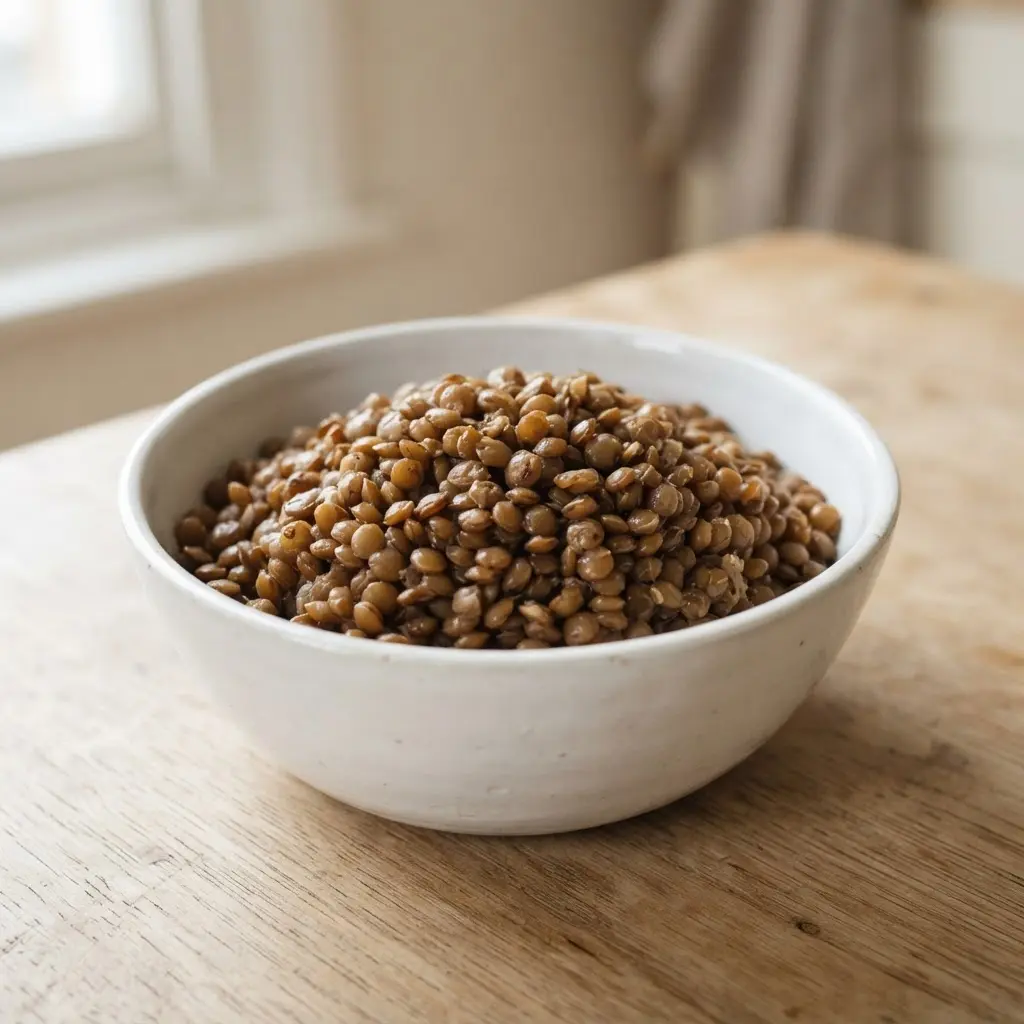
A common myth says legumes are too heavy for an energy-focused meal. In fact, beans, lentils, chickpeas, and peas offer fiber and protein in one affordable food group, making them useful for filling meals, and proving that simple swaps bring Foods that will give you more energy without heavy prep.
Fiber adds bulk to food and supports steady digestion. Protein helps maintain fullness after eating. Together, these nutrients fit well into a lunch built around whole grains, vegetables, and a small amount of healthy fat. Use lentils in soup, chickpeas in a salad, or black beans in a bowl for a practical meal during a busy 15-minute break, a timing trick that supports finding Foods that will give you more energy.
Research on meal patterns suggests fiber- and protein-rich foods often support fullness between meals, which matters when long gaps between meals leave you tired or reaching for quick snacks, showing how steady fuel aligns with Foods that will give you more energy naturally.
Start with a half-cup serving of cooked beans or lentils and adjust based on your appetite and digestive comfort. Choose canned legumes with little or no added salt, then rinse them under running water. Cooked dried legumes work well in batch meals, so prepare enough for two or three lunches. Pair legumes with rice, oats, potatoes, or whole-grain bread to build a balanced plate. Increase portions gradually if your usual diet contains little fiber, and drink fluids throughout the day. Keep the meal simple, colorful, and easy to repeat.
5. Omega-Three Fatty Fish for Protein and Healthy Fats
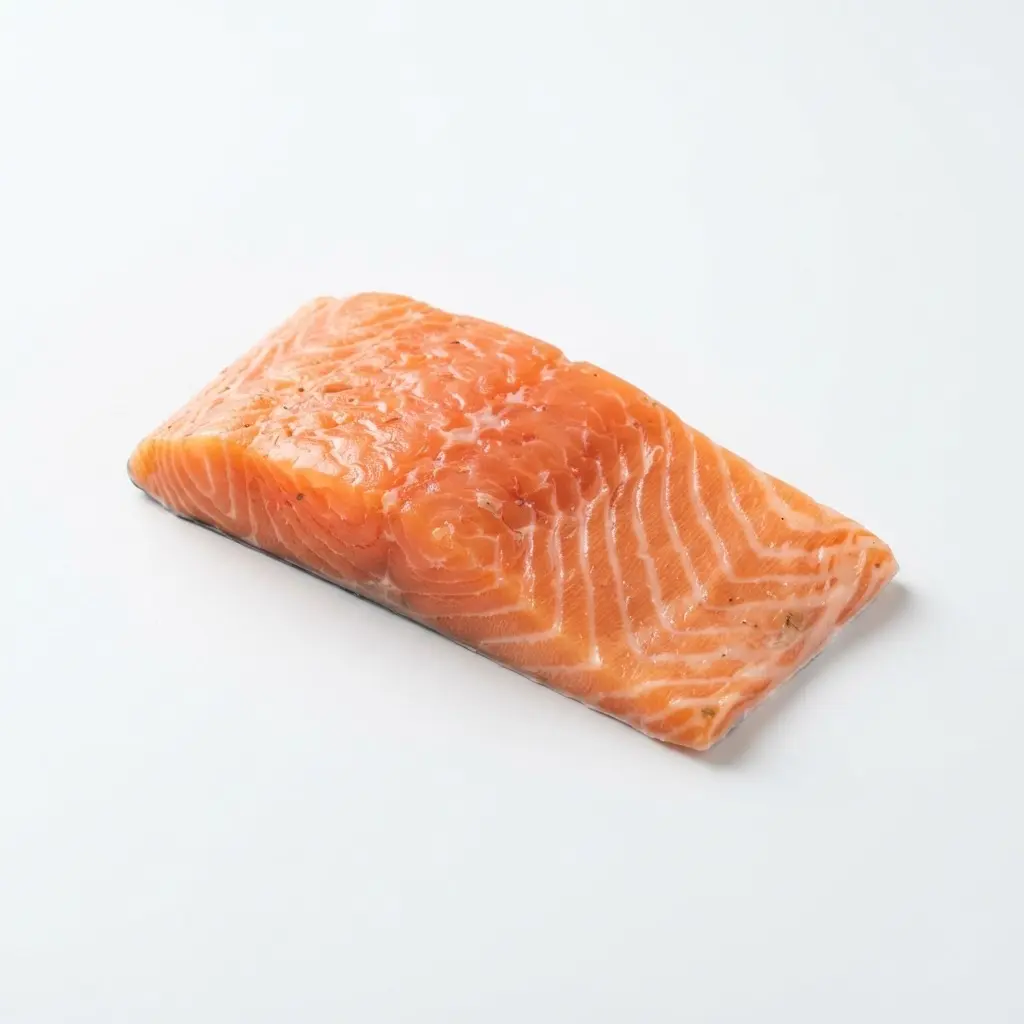
Which fish support steady energy through both protein and healthy fat? Choose fatty fish, such as salmon, sardines, mackerel, herring, or lake trout. Build meals around high-protein superfoods to combine filling protein with other nutrient-rich choices, and this pattern reliably delivers Foods that will give you more energy for afternoon tasks.
Fatty fish supplies EPA and DHA, two omega-three fats linked with heart health. DHA forms part of the brain and retina. Fish protein supports muscle growth and repair, while vitamin D, vitamin B12, iodine, and selenium add useful nutrients. Research suggests regular fish intake supports overall cardiovascular health. The American Heart Association recommends at least two servings of fish each week, especially omega-three-rich varieties.
Serve a 3–4-ounce cooked portion as the main protein in a meal. Add salmon to a grain bowl, place sardines on whole-grain toast, or mix light canned tuna with beans and vegetables. Protein helps provide lasting fullness, while healthy fats slow digestion and support a balanced meal.
Choose a variety of fish across the week because omega-three levels differ by species. Farmed fish sometimes contains more omega-three fat than wild fish, depending on feed. Varying seafood choices also limits repeated exposure to environmental pollutants. People with seafood allergies, specific health conditions, or concerns about contaminants should seek individualized medical guidance. Always consult a healthcare professional before making changes to your health routine.
6. Nutrient-Dense Seeds and Nuts for Convenient Snacks

A small portion of nuts or seeds offers steadier nourishment than a sweet snack with little protein or fiber. Choose a pre-portioned nut and seed mix for work, travel, or the gap between meals. Protein, fiber, and healthy fats support fullness, while vitamins and minerals add nutritional value in a compact serving.
Build variety with almonds, walnuts, pistachios, pumpkin seeds, or sunflower seeds. Almonds provide vitamin E and magnesium. Walnuts supply omega-3 fats and antioxidants. Pumpkin seeds contain magnesium, zinc, iron, and protein. Research suggests combining different types gives one snack a wider range of nutrients and textures.
Choose raw, unsalted products where possible. Added salt and heavily flavored coatings raise sodium and might include less helpful oils. Store portions in small containers or bags rather than eating from a large package. Add a moderate amount of dried fruit for a portable trail mix, but keep the fruit portion controlled.
Prepare chia seeds after soaking or mix them into yogurt or oats. Grind flaxseeds for better nutrient absorption. Treat Brazil nuts differently from other options because one or two nuts can meet daily selenium needs. Keep portions modest because nuts and seeds are calorie-dense. Always consult a healthcare professional before making changes to your health routine.
7. Antioxidant-Rich Sweet Potatoes for Slow-Digesting Fuel
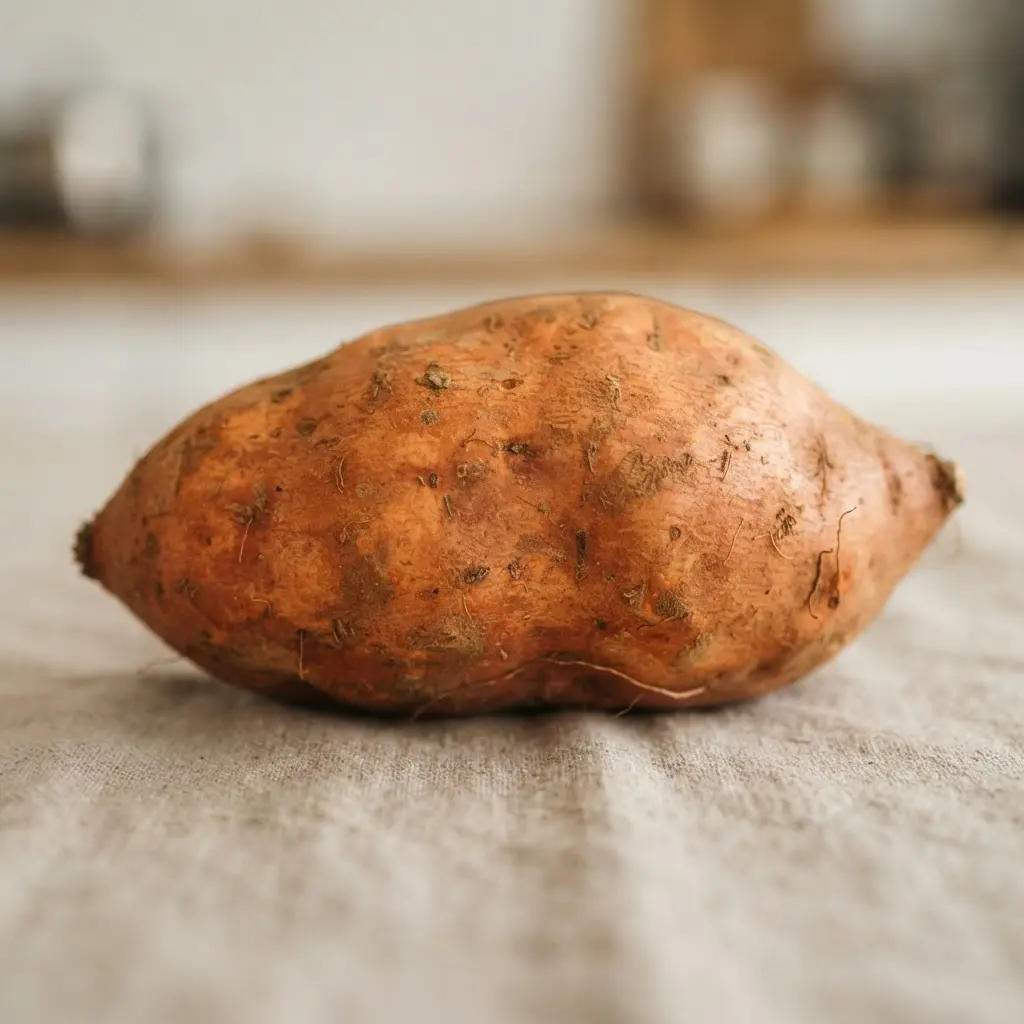
A common mistake is treating sweet potatoes as a carbohydrate-free food. They still provide a meaningful amount of carbohydrate, so portion size matters. Choose a small sweet potato or about one cup of cubed sweet potato for a practical serving.
Sweet potatoes contain soluble and insoluble fiber. A one-cup serving contains around 6.6 grams of fiber, although preparation and serving size change the amount. Fiber slows digestion, while resistant starch passes through the small intestine partly undigested and feeds beneficial gut bacteria. Research suggests this combination supports a steadier release of energy than rapidly digested carbohydrate foods.
Choose orange-fleshed varieties for carotenoids or purple varieties for anthocyanins. These plant compounds have antioxidant properties. Boiling often produces a lower glycemic response than baking or roasting, so use a boiled preparation for a blood-sugar-conscious meal. Cooling cooked sweet potatoes before eating can slightly increase their resistant-starch content, though the total carbohydrate amount stays relevant.
Pair sweet potatoes with protein, vegetables, or healthy fats to create a more filling meal. Build variety by adding beans, oats, or other fiber-rich foods to the same eating pattern. Sweet potatoes still count as a carbohydrate food, even when prepared without added sugar. People managing diabetes or another blood-glucose condition should follow individualized guidance from a qualified healthcare professional. Always consult a healthcare professional before making changes to your health routine.
8. Hydrating Water-Rich Produce for Daily Fluid Support

Add water-rich produce to your first meal and keep a serving ready for snacks. Cucumber, watermelon, strawberries, tomatoes, lettuce, and bell peppers contain more than 90% water. These foods add fluid while supplying fiber, vitamins, and minerals. Use cucumber, tomatoes, lettuce, and peppers in refreshing energy salads for a meal with added fluid.
Choose fruit between meals. Watermelon and strawberries contain about 92% water, while oranges, grapes, apples, and pears contain 80–89%. Pack sliced fruit for work or school, or add grapes and berries to breakfast. The water in food is absorbed more slowly than water consumed as a drink, so produce supports fluid intake across the day rather than replacing regular drinks.
Include soups and smoothies when meals need more fluid. Blend water-rich fruit with a liquid base, or prepare soup with zucchini, cabbage, cauliflower, mushrooms, carrots, or broccoli. These options combine fluid with nutrients and fit well into a normal meal pattern. Research suggests food contributes about 20–30% of daily fluid intake for many people.
Keep water as your primary beverage. Add celery, radishes, lettuce, or tomatoes to a snack plate, and serve cooked zucchini or asparagus with lunch or dinner. Do not treat bananas, avocados, or baked potatoes as equal to cucumber or watermelon for water content. Water-rich produce supplements drinking water, while direct beverages remain the most reliable way to meet daily hydration needs.
Adjusting Portions Around Activity And Health
Match your portion size to your activity, since a long hike or hard workout often calls for more carbohydrate than a quiet day at a desk. A smaller snack before light activity suits you, while a meal with grains, fruit, and protein fits longer or harder sessions. After exercise, combine carbohydrate with protein to replace used fuel and support muscle repair. Diabetes, digestive conditions, food allergies, and kidney concerns require more personal guidance because certain foods or portion amounts sometimes affect symptoms or blood sugar. A registered dietitian or qualified healthcare professional offers guidance for adjusting meal timing, ingredients, and serving sizes safely. Keep a brief note of hunger, energy, and activity to spot patterns without judging one day by itself.
Conclusion
Your daily food choices affect how steady you feel during work, errands, exercise, and family time. Foods that will give you more energy are not miracle cures. They are useful parts of meals built with fiber, protein, healthy fats, and fluids. Start today with one simple pairing, such as oats with nuts, beans with brown rice, or fruit with yogurt. Keep easy options ready so a busy schedule does not push you toward a skipped meal. Drink water through the day, since thirst often feels like tiredness. Pay attention to how different meals affect your focus and comfort, then repeat the choices you enjoy. You do not need a perfect plan. A few steady habits, repeated often, offer a practical way to support your energy and make nutritious eating feel easier, especially when you consistently prioritize Foods that will give you more energy for your daily routine.
FAQs
Q: Which foods support steady energy in the morning?
A: Oats, eggs, fruit, Greek yogurt, nuts, and whole-grain toast support a balanced breakfast. Pair a fiber-rich carbohydrate with protein or healthy fat for longer-lasting fullness.
Q: Do whole grains help prevent afternoon tiredness?
A: Whole grains digest more slowly than refined grains because they contain more fiber. Pair brown rice, oats, or whole-grain bread with protein for a balanced meal.
Q: What snacks support energy between meals?
A: Fruit with nuts, yogurt with seeds, hummus with vegetables, and a boiled egg with whole-grain crackers make balanced snack choices. Keep portions suited to your hunger and daily routine.
Q: How does water affect daily energy?
A: Low fluid intake often brings tiredness, dry mouth, headache, or poor focus. Sip water during the day and include produce with high water content, such as melon, oranges, cucumber, and tomatoes.
Q: Which foods contain nutrients linked with energy metabolism?
A: Beans, leafy greens, nuts, seeds, fish, whole grains, and sweet potatoes contain nutrients involved in normal energy metabolism. Eating a range of foods supports a well-rounded intake.