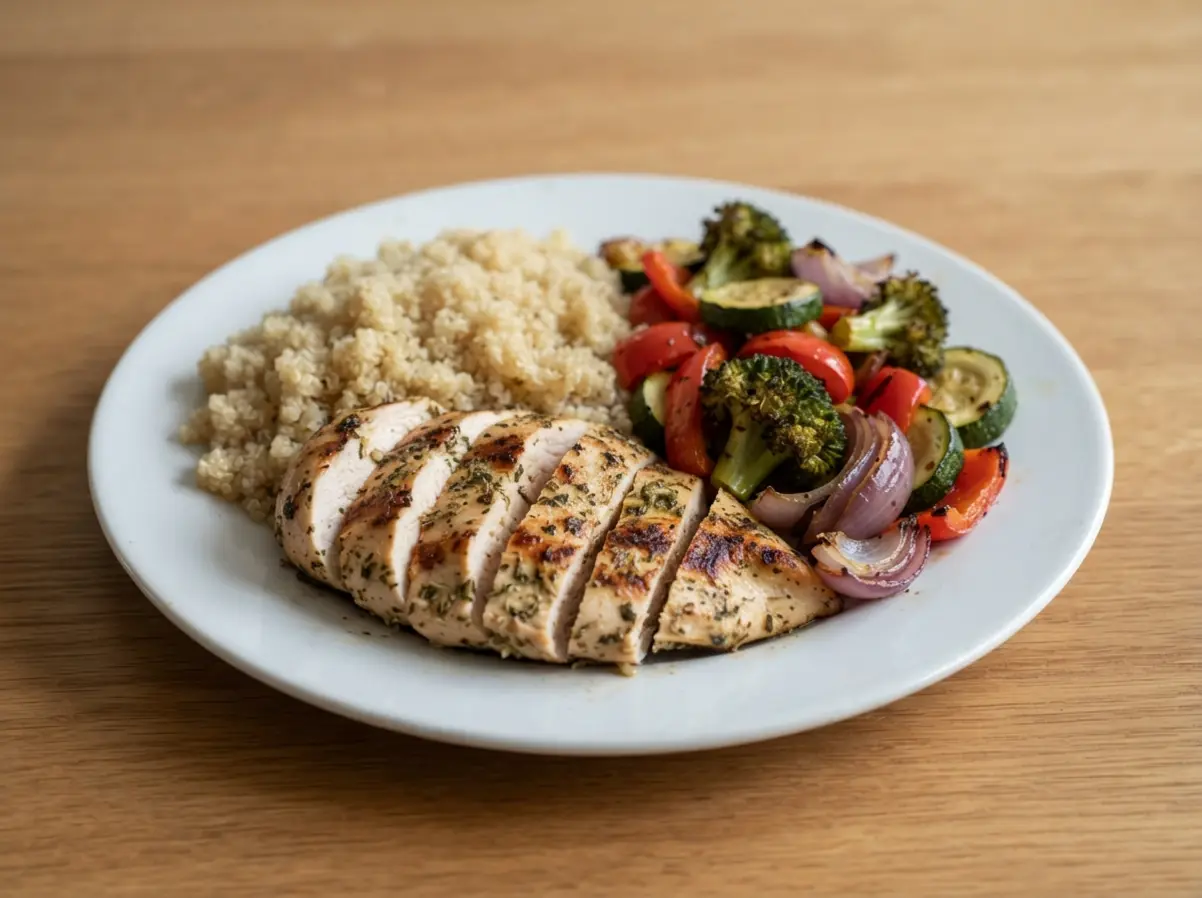
Finding a meal plan that keeps you satisfied while helping you manage your weight can feel confusing. You want something balanced, easy to follow, and not overly restrictive. An 1800 calorie diet plan is a common starting point for many people. It offers enough food to feel energized while creating a healthy calorie deficit for gradual weight change, and tracking this 1800 calorie diet plan makes daily choices simpler. This approach focuses on whole foods, balanced nutrients, and sustainable habits. You will walk through how to build your own meals, understand your needs, and make this routine work for your life. Let us get started with a clear, friendly guide to eating well every day.
Determining Your Personal Daily Calorie Requirements
Your personal daily calorie requirement starts with your basal metabolic rate, which is the energy your body uses just to keep you alive. This number is unique to you. You add the calories you burn through daily movement and exercise next. This total is your maintenance level. The trick is to create a deficit from that number, not from a generic one like 1800. For many people, a 500-calorie deficit from their personal maintenance level is a good starting point for sustainable weight management. You can find online calculators to estimate your BMR. Trust me, this step makes the whole process more effective and less frustrating when you design a 1800 calorie diet plan for yourself.
Establishing Realistic Weight Management Expectations
The good news is that a moderate deficit of 500 calories a day typically leads to losing about one pound per week. That is a realistic and healthy pace. We tend to forget this when we see quick fixes online. Your goal is fat loss, not just a drop on the scale from water weight. This slower approach helps protect your lean muscle mass, which keeps your metabolism strong. You will notice your clothes fitting better before the scale moves dramatically. Patience here is your secret weapon for long-term success. This is how you build habits that last, especially when you stick to a 1800 calorie diet plan during a busy season.
1. Finding Your Personal Calorie Needs
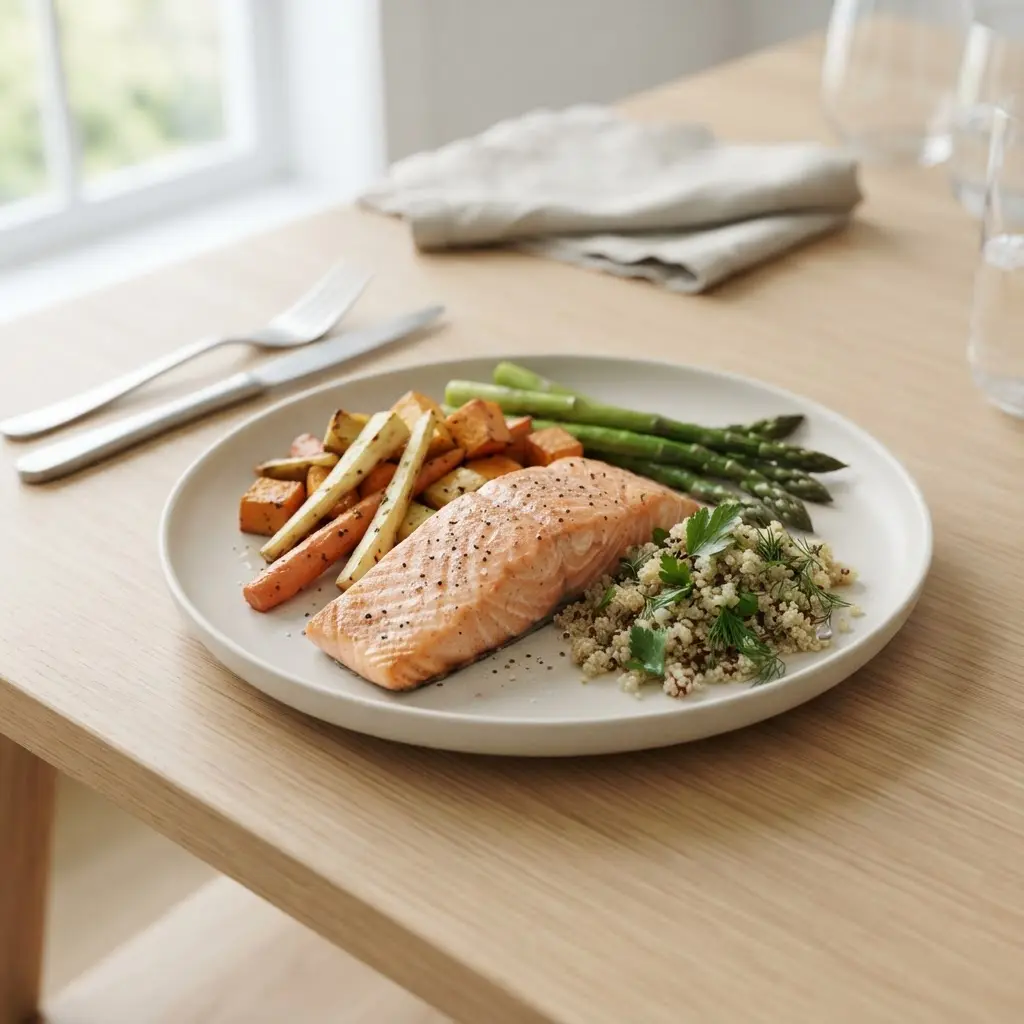
A common mistake is assuming a generic calorie recommendation applies to everyone. Your Total Daily Energy Expenditure is a highly personal number. It is the sum of the calories your body burns for basic functions, daily movement, and planned exercise.
Your Basal Metabolic Rate is the energy needed for vital functions at rest. The Mifflin-St Jeor equation provides a reliable BMR estimate based on your age, sex, weight, and height. You then multiply this number by an activity factor to account for daily movement and exercise. Non-exercise activity like walking and fidgeting can significantly alter your final calorie need, which directly shapes a 1800 calorie diet plan.
Knowing your TDEE provides a scientific foundation for any weight management goal. Use this calculated number to intentionally create a calorie deficit or surplus. This simple step gives you a solid starting point for your 1800 calorie diet plan.
2. Building Meals with Balanced Macronutrients
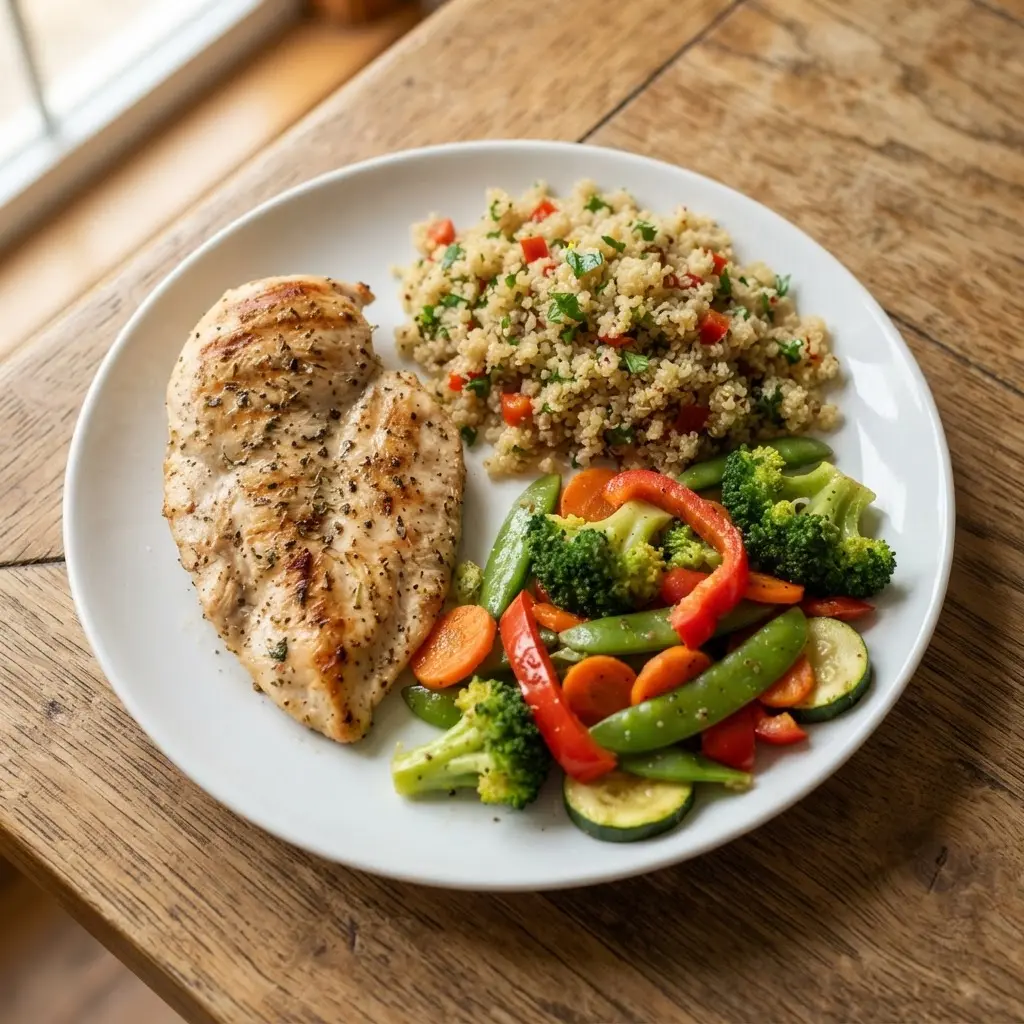
Structure every meal around a protein source and a complex carbohydrate. Add a serving of healthy fats to complete the plate. This combination provides the raw materials your body needs for sustained energy and proper function.
Aim for a general macronutrient ratio of 45-65% of calories from carbohydrates, 10-35% from protein, and 20-35% from fats. For an 1800 calorie plan, this translates to roughly 200-290 grams of carbohydrates, 45-155 grams of protein, and 40-70 grams of fat each day. Individual needs vary based on activity level and specific health goals, and balancing them properly supports every 1800 calorie diet plan.
This balance prevents energy crashes and promotes fullness. Research suggests that protein and fiber are particularly effective at increasing satiety.
Focus on the quality and source of your calories, not just the total number, to make a 1800 calorie diet plan feel manageable and enjoyable.
3. Choosing High-Fiber Foods for Fullness
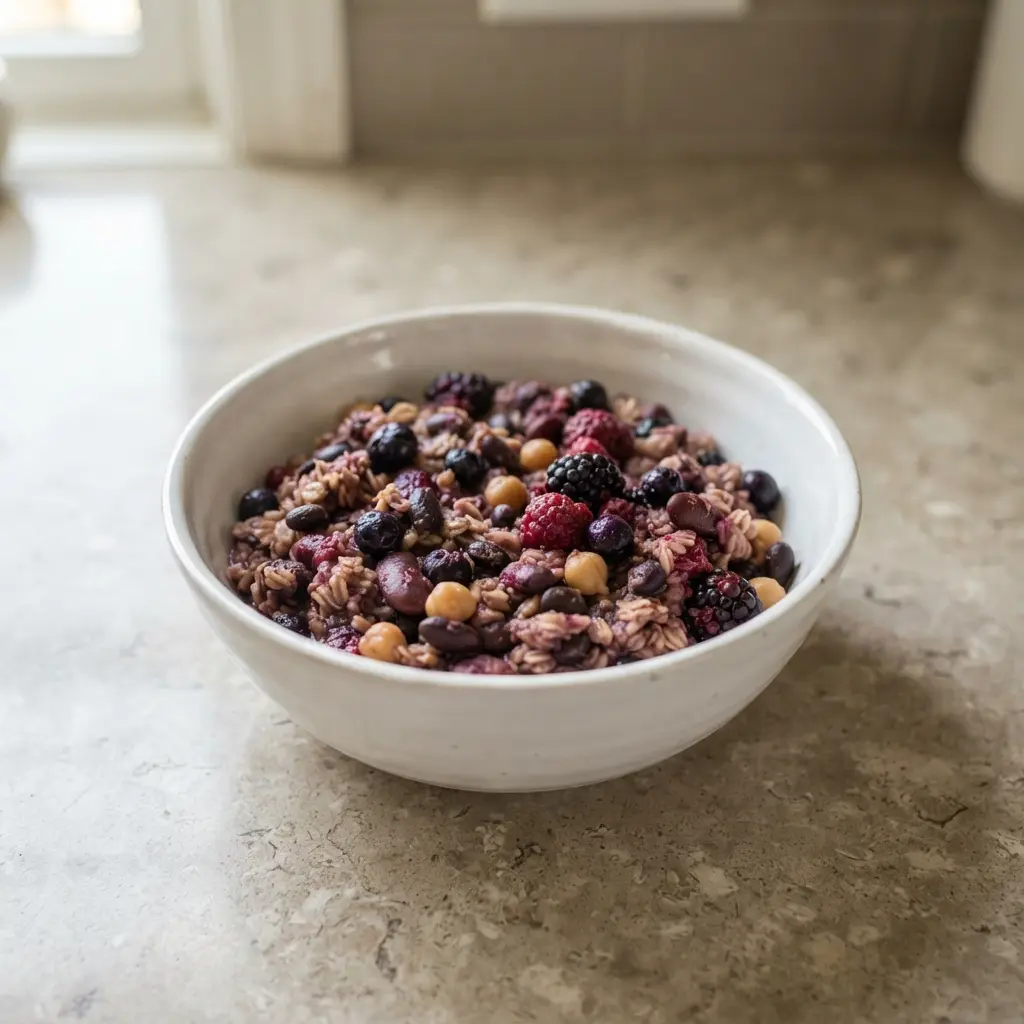
You finish a bowl of oatmeal with berries for breakfast, but an hour later you are already thinking about a snack. The issue is often a lack of the right kind of bulk in your meal, which happens quickly if your 1800 calorie diet plan misses fiber.
Fiber adds volume and slows digestion. Soluble fiber, like the kind in oats, beans, and apples, forms a gel that delays stomach emptying. This slower process sustains feelings of fullness and helps prevent rapid blood sugar spikes. Insoluble fiber, found in whole wheat and vegetable skins, adds bulk to food. This physical expansion in your stomach signals fullness to your brain.
For the most effective satiety, include both types of fiber at meals. Add legumes like lentils to a lunch salad or choose whole grains such as quinoa or brown rice as a dinner base. This combination works through multiple mechanisms to keep you satisfied longer. Research confirms that fiber influences gut hormones that regulate appetite.
Focus on whole food sources over supplements for the best results. Your daily routine will run much smoother when a 1800 calorie diet plan includes plenty of plant foods.
4. Spreading Your Meals Throughout the Day
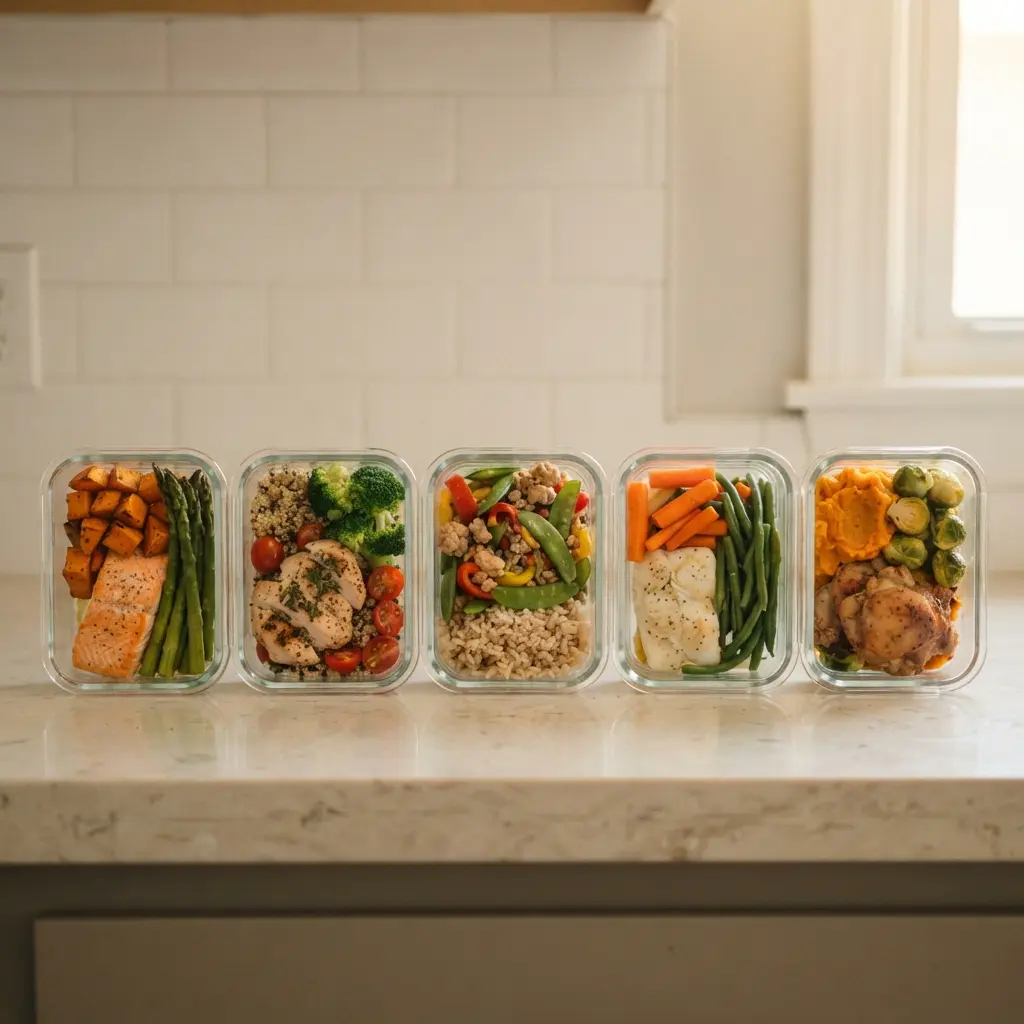
A common belief is that eating more frequently boosts your metabolism. In reality, the total thermic effect of food over a day is determined by your total calorie intake, not by meal frequency. This fact is easy to overlook when planning a 1800 calorie diet plan for a typical work week.
Spreading your meals involves dividing your daily calories into smaller portions consumed at regular intervals. For a structured plan, this means four meals of around 450 calories each, with two smaller snacks. A practical strategy is to schedule these meals every three to four hours. This pattern helps maintain stable blood sugar levels and prevents the large energy dips that lead to overeating.
Many people find this approach makes it easier to manage hunger and sustain focus throughout the day. You will quickly see how a 1800 calorie diet plan fits perfectly into this steady routine. Focus on the total daily calories and use regular meal timing as a tool for consistency.
5. The Role of Water in Your Daily Routine

Do you ever wonder why you feel sluggish or unfocused in the afternoon? Mild dehydration is a common cause. Water is not just a drink. It is the medium for every chemical reaction in your body. It transports nutrients, regulates your temperature, and cushions your joints. This simple liquid is a core part of every successful 1800 calorie diet plan.
Start your day with a glass of water upon waking. Keep a reusable water bottle with you as a physical reminder to drink consistently throughout the day. Do not wait for thirst. Thirst is a late signal that you are already mildly dehydrated.
For anyone managing their weight, water provides a calorie-free alternative to sugary beverages. It also contributes to feelings of fullness, which can support your daily calorie goals. Proper hydration directly supports your metabolism and energy levels. You will notice how much better a 1800 calorie diet plan supports your day when you drink enough water. Make plain water your primary source of fluid intake to avoid the empty calories and inferior hydration of sweetened drinks.
6. Tools for Accurate Portion Sizes
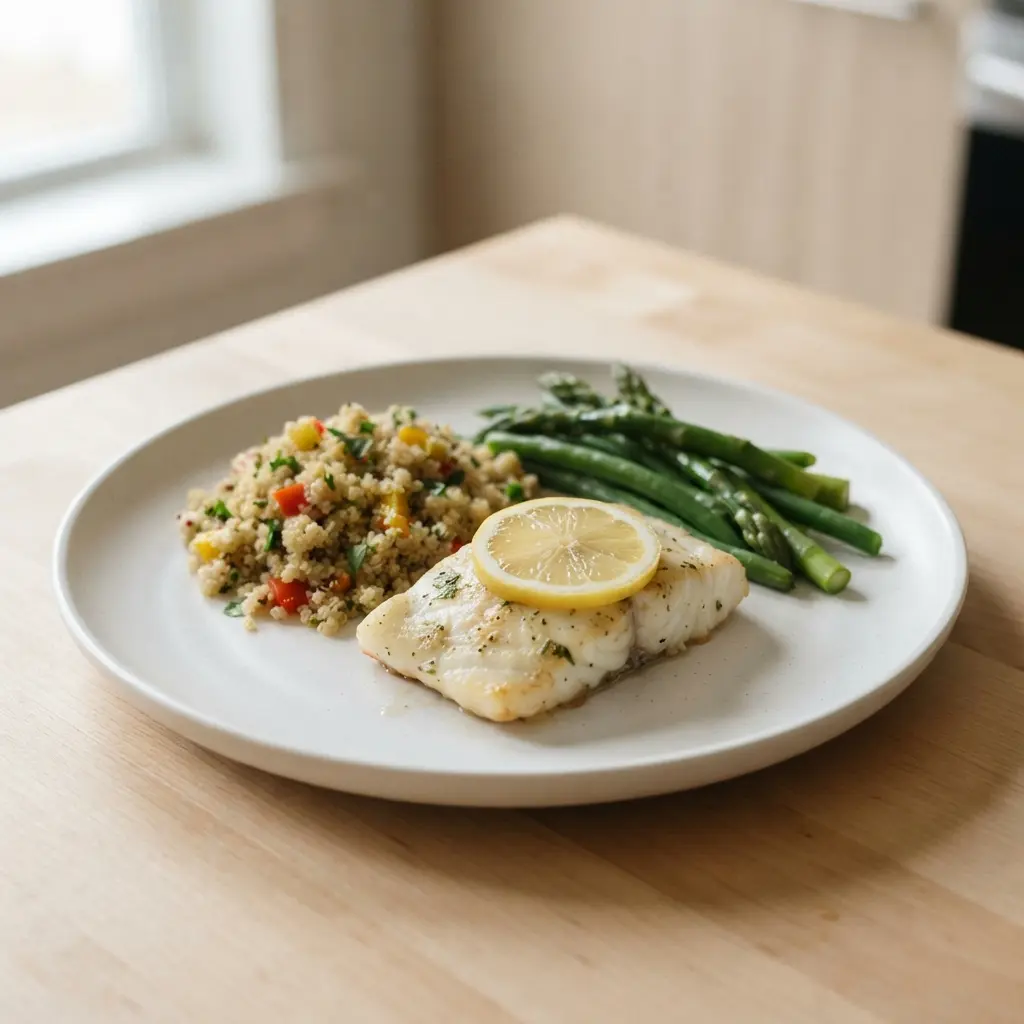
A digital food scale is far more precise than visual estimates or measuring cups for many foods. Use it to weigh proteins, grains, and dense items like nuts or cheese. This eliminates the common error of packing a measuring cup inconsistently, which can add hundreds of unplanned calories. Accurate tracking is the foundation of any reliable 1800 calorie diet plan.
Measuring cups are best for loose, dry goods and liquids. For dry items like flour or oats, spoon them into the cup and level the top with a straight edge. For liquids, use a clear measuring cup with a spout on a flat surface and read the measurement at eye level.
Measuring spoons handle small quantities like spices, oils, and extracts. Level these off with a straight edge for accuracy. This precision removes guesswork from your daily routine. Research shows that consistent portion control is a key factor in successful weight management.
The main practical takeaway is to always use the tare function on your scale to exclude the weight of your plate or bowl. You will save time and stress when your 1800 calorie diet plan relies on exact measurements.
7. Making Lasting Changes for Your Health

A common mistake is believing lasting change depends entirely on willpower. This approach sets you up for frustration because willpower naturally fluctuates. Instead, build a system around your deeper motivations, which makes a 1800 calorie diet plan much easier to maintain long term.
Start by identifying your personal core motivation. Ask yourself why you want to feel healthier or more energetic. Write this reason down. This becomes your anchor during challenging moments, not a fleeting feeling of discipline.
Shift your language from obligation to desire. Replace thoughts of I should eat vegetables with I want to fuel my body well. This small mental reframe turns healthy actions into choices that empower you. It transforms your nutrition plan from a temporary diet into a sustainable pattern of eating.
When you face a setback, practice self-compassion. Acknowledge the slip without harsh criticism and simply return to your plan at the next meal. Research suggests that self-kindness after a misstep is linked to greater long-term success in maintaining healthy habits. This mindset helps you build resilience for your long-term wellness.
Tracking Progress And Making Necessary Dietary Adjustments
The fastest way to know if your plan is working is to track your weight and how your clothes fit once a week, not every day. Daily fluctuations are normal and can be misleading. If your progress stalls for a few weeks, you might need a small adjustment. Try reducing your portion sizes slightly or swapping a starch for an extra serving of vegetables. Sometimes, you actually need to eat a bit more if your activity has increased a lot. Listen to your body hunger and energy signals. This flexible approach keeps you moving forward without feeling stuck.
Conclusion
Starting an 1800 calorie diet plan is about more than just numbers. It is a step toward building a healthier relationship with food that fits your life. Remember, the best plan is one you can stick with over time. Listen to your body, make small adjustments as needed, and celebrate your progress. Consistency with balanced meals, proper portions, and staying hydrated will help you feel your best. Keep this guide handy as you build your meals and find what works for you. Your health journey is personal, and you have the tools to make it a positive one.
FAQs
Q: Is an 1800 calorie diet right for me?
A: This calorie level works for many adults aiming for gradual weight change. Your exact needs depend on your age, activity, and health goals. It is a good idea to talk with a doctor or dietitian for personalized advice.
Q: Will I feel hungry on this plan?
A: Choosing foods high in protein and fiber helps you feel full longer. Include lean meats, beans, vegetables, and whole grains in your meals. Drinking water throughout the day also helps manage hunger.
Q: Can I still have my favorite foods?
A: Yes. A balanced plan includes all foods. You can enjoy treats in smaller portions. The focus is on mostly whole, nutrient-rich foods while leaving room for occasional favorites.
Q: How quickly will I see results?
A: Healthy weight change is often gradual. You might notice changes in a few weeks, but everyone is different. Focus on how you feel, like having more energy, as much as the number on the scale.
Q: What if I have a busy schedule?
A: Planning makes a big difference. Prepare simple meals in advance, like overnight oats or grilled chicken with vegetables. Keep healthy snacks, like fruit or nuts, ready to grab when you are busy.