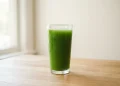
Foods you should avoid to lose weight often include sugary drinks, refined grain products, ultra-processed snacks, deep-fried meals, and calorie-dense condiments. These foods pack many calories into small portions, add little fullness, or make it easy to eat more than planned. Swapping them for foods with protein, fiber, and water helps meals feel more satisfying.
I know food choices feel confusing when every aisle holds a quick option. Weight management does not call for perfect eating or a long list of forbidden foods, even when you track Foods you should avoid to lose weight. It starts with noticing which foods bring lots of calories without much nourishment. Let’s look at five common groups, why they are easy to overeat, and what to choose instead. You will leave with simple grocery ideas and a kinder way to plan meals. Start with the first group and pick one swap for today.
Why Calorie Density Affects Fullness
Replacing two tablespoons of oil with one measured teaspoon saves roughly 200 calories while keeping food moist. Cooking oil contains about 120 calories per tablespoon, so free-pouring it into pans, dressings, or roasted vegetables adds up quickly, a practical reminder for anyone listing Foods you should avoid to lose weight. Fried foods absorb oil during cooking, which makes a small serving more calorie dense than its baked version.
Nuts, cheese, avocado, and creamy sauces offer useful nutrients, yet large handfuls or generous spoonfuls provide more energy than their size suggests. Pairing a smaller portion with beans, vegetables, fruit, or lean protein gives your stomach more food volume and fiber. Check serving sizes before eating from a bag or bottle, since visual estimates often exceed the amount listed on the label.
Reading Added Sugar And Serving Sizes
A 20-ounce soda often provides about 65 grams of added sugar, while the package label often lists two and a half servings, which matches common advice on Foods you should avoid to lose weight. The Nutrition Facts label reports calories and sugar per serving, not always for the whole container. When you compare packaged snacks, check both the serving count and the grams of added sugar per serving.
A small bag with 150 calories per serving becomes 300 calories if it holds two servings and you eat it all. Sweetened coffee drinks often carry syrups or cream beyond the drink’s base calories, so a seemingly small cup deserves the same label check. Comparing these numbers with unsweetened versions helps you spot where added sugar enters your day.
1. Sugar-Sweetened Beverages and Liquid Calories
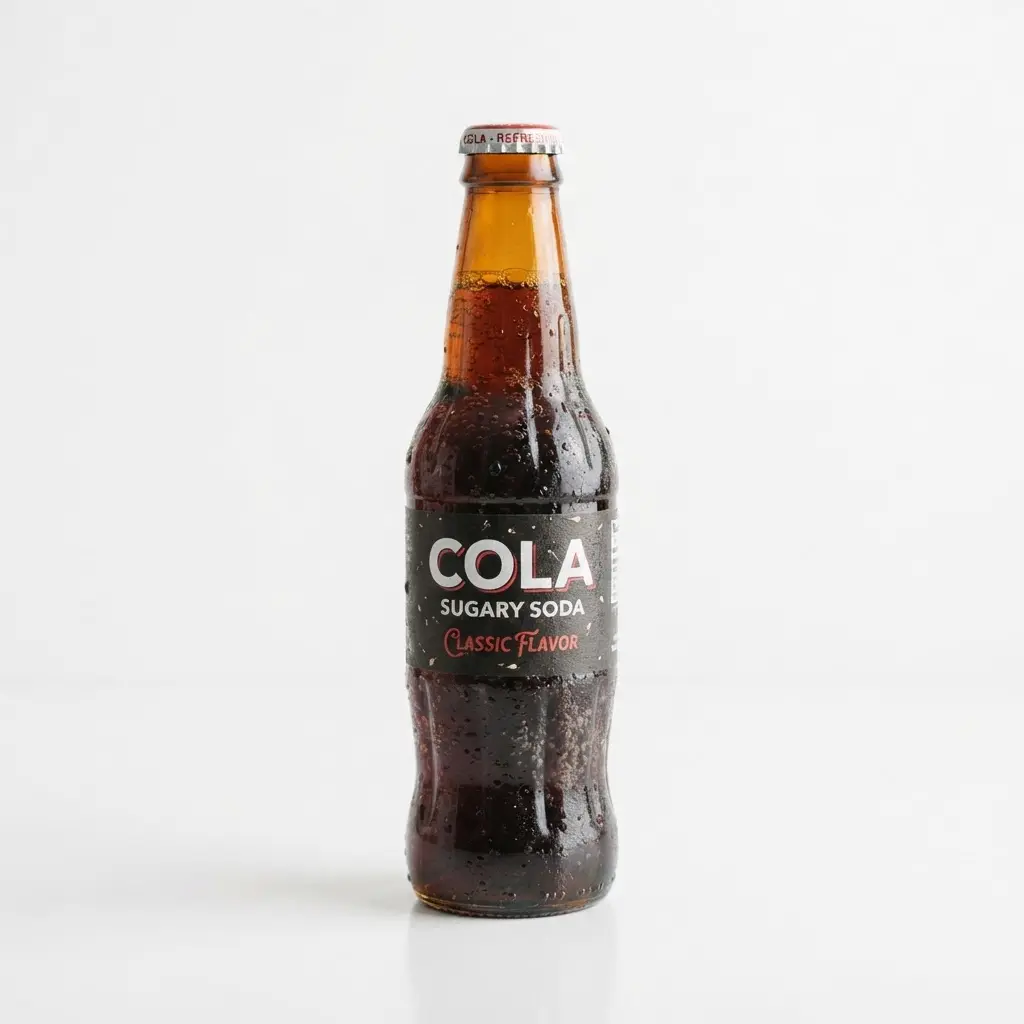
A common mistake is treating drink calories as insignificant. Check beverage calories as carefully as food calories. Soda, sweetened tea, energy drinks, fruit drinks, and flavored coffee often contain added sugar from sucrose or high-fructose corn syrup, fitting right into your list of Foods you should avoid to lose weight. A drink consumed beside a meal adds energy without necessarily reducing the amount of food eaten.
Liquid calories often create less fullness than solid food. People may not eat less later to balance those calories. Fructose, a common sweetener in these drinks, may also have weaker effects on hunger and fullness signals than some other nutrients, making it a key focus for Foods you should avoid to lose weight. In U.S. data from 2011 to 2014, adults consumed about 145 calories per day from sugar-sweetened beverages on average, while young people consumed about 413 calories.
Research links higher intake with greater body weight and higher BMI in children and adults. Use what you should know about sugary drinks to check added sugar sources and serving sizes before choosing a drink. Select water, unsweetened tea, or another low-calorie option when a sweetened beverage would supplement a meal rather than replace food, keeping in mind which items count as Foods you should avoid to lose weight.
Read the ingredient list for sucrose and high-fructose corn syrup. A structured meal-replacement shake differs from a soft drink because the shake may form part of a planned eating pattern. Low- or no-calorie sweeteners might lower calorie intake in the short term, but long-term weight effects are still being studied. Reducing sugary drinks supports calorie control, yet weight change also depends on total food intake, activity, health status, and personal circumstances.
2. Refined Grain Products and Blood Sugar Spikes
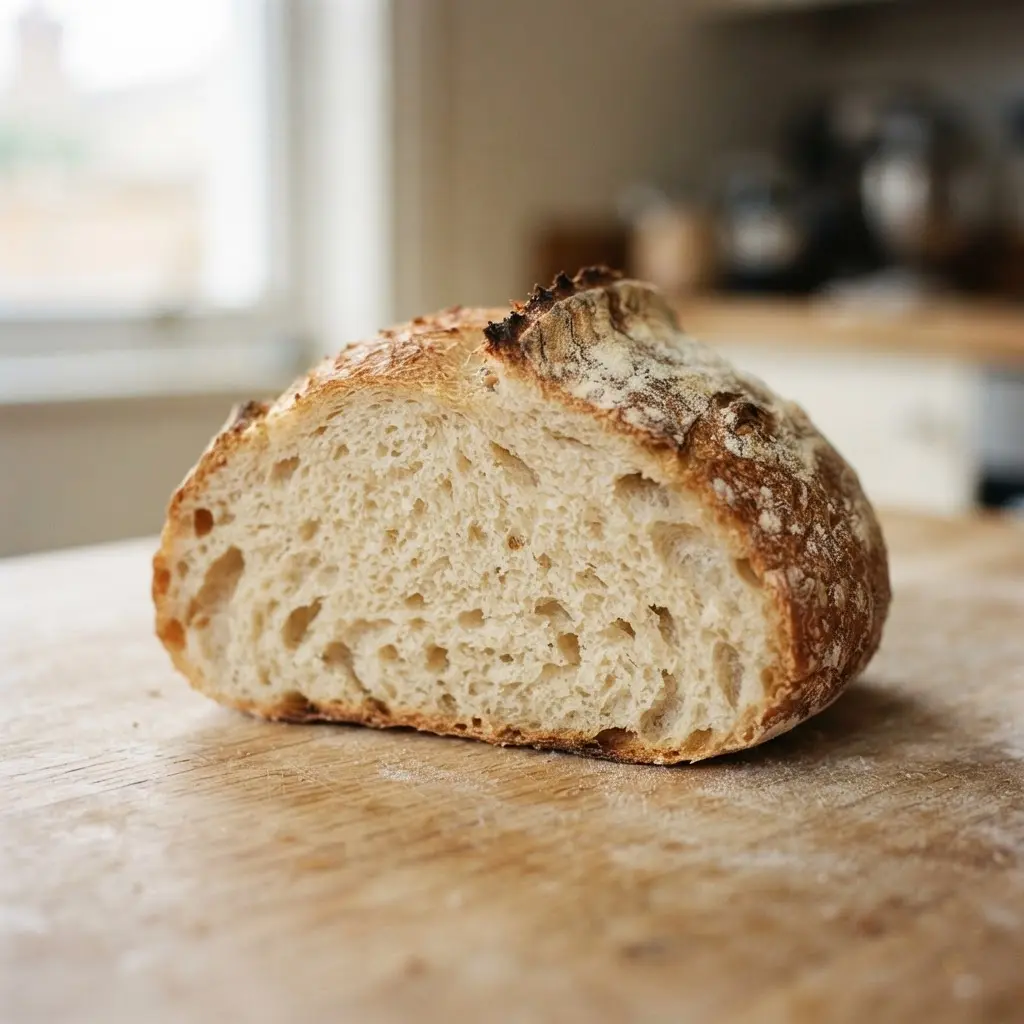
Limit white rice and white bread first. These refined grains lose much of their outer fiber during processing, leaving mostly starch. Digestion breaks starch into glucose, which enters the bloodstream quickly, explaining why many nutrition guides list these as Foods you should avoid to lose weight. A large serving at lunch or dinner can create a sharp post-meal blood-sugar rise, even though the food does not taste sweet.
Choose brown rice, barley, or farro in place of refined grain products. Use beans or cauliflower rice for some meals, and build portions around smart food swaps. Whole grains usually retain more fiber, so sugar absorption often occurs more slowly, aligning with standard tips for Foods you should avoid to lose weight. Research has found a lower post-meal glucose response with whole-grain rice than with white rice.
Keep portion size under control, even with whole grains. A large bowl of brown rice still supplies a sizable amount of carbohydrate. Grain type, milling, cooking method, and serving size all shape the glycemic load, which reflects both the speed of a blood-sugar rise and the carbohydrate amount in a serving, making portion awareness crucial for Foods you should avoid to lose weight. Whole-wheat and rye products made from flour have shown mixed results in studies.
Use fiber-rich sides to make meals more filling and support steady blood-sugar management. Individual responses differ with metabolism, preparation, portion size, and conditions such as diabetes. These substitutions are general nutrition guidance, not diabetes treatment. Always consult a healthcare professional before making changes to your health routine.
3. Ultra-Processed Snack Foods and Portion Size
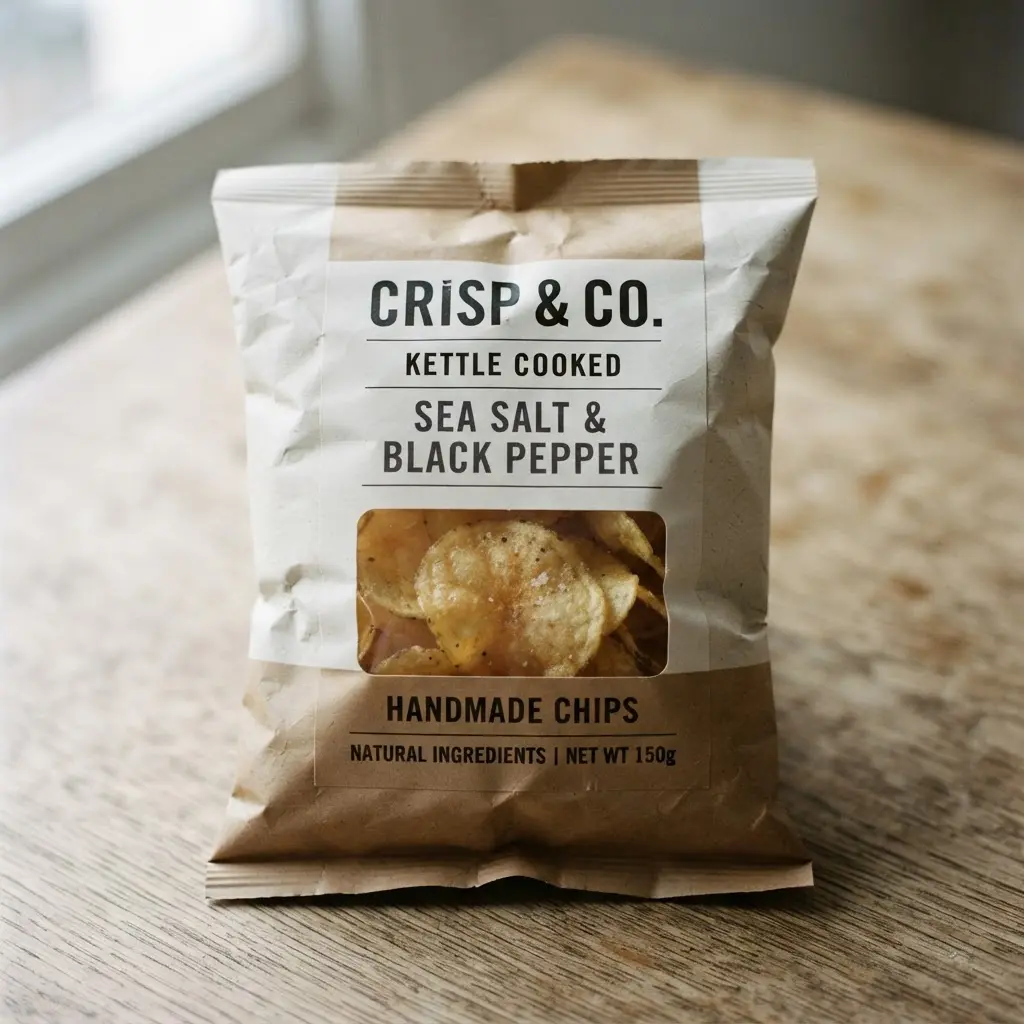
At 3 p.m., you open a share pack of crisps while working and plan to eat a small amount. The open packet stays beside you, making repeated handfuls easy, so it matches common advice about Foods you should avoid to lose weight. Choose a smaller single package instead. A defined portion removes the need to estimate an amount from a large bag.
Ultra-processed snack foods include packaged crisps, biscuits, sweets, and fast-food snacks sold as single packs, multipacks, or share packs. Research comparing selected products found some single-serve portions were up to five times larger than when those products first appeared. Few companies had reduced portion sizes since 2002, which makes it clear why experts track Foods you should avoid to lose weight. Larger packages provide more food and often lead to greater intake of energy-dense, nutrient-poor snacks.
Use packaging as a practical portion tool. Select single packs rather than large share packs, and avoid assuming a multipack controls intake. Evidence from a scoping review found downsizing one package more promising than offering several packages. Transparent bags, internal partitions, and resealable closures support portion management, but these features were uncommon in the share packs assessed.
Do not treat a share pack as one serving. Divide a large package before eating, or place one portion in a bowl and store the rest out of reach. Increasing snack variety did not increase unhealthy snacking in the cited research and was linked with greater fruit and vegetable intake. Package size is one factor affecting food intake.
Smaller portions do not guarantee weight loss, so match them with your overall dietary intake and individual health needs. Front-of-pack images also deserve caution because fewer than half of the products studied showed images matching the suggested serving size. These packaging shifts remind us to pay close attention to Foods you should avoid to lose weight during grocery trips.
4. Deep-Fried Menu Items and Added Calories
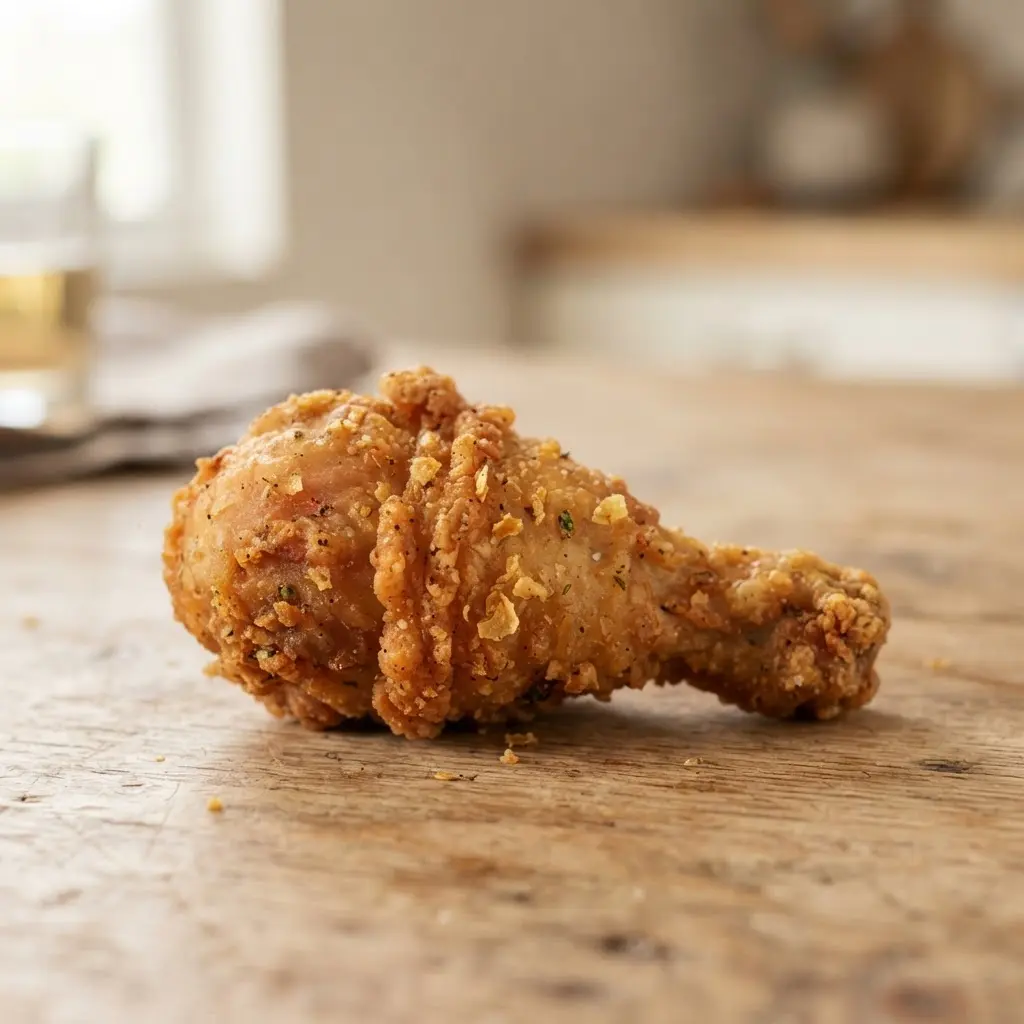
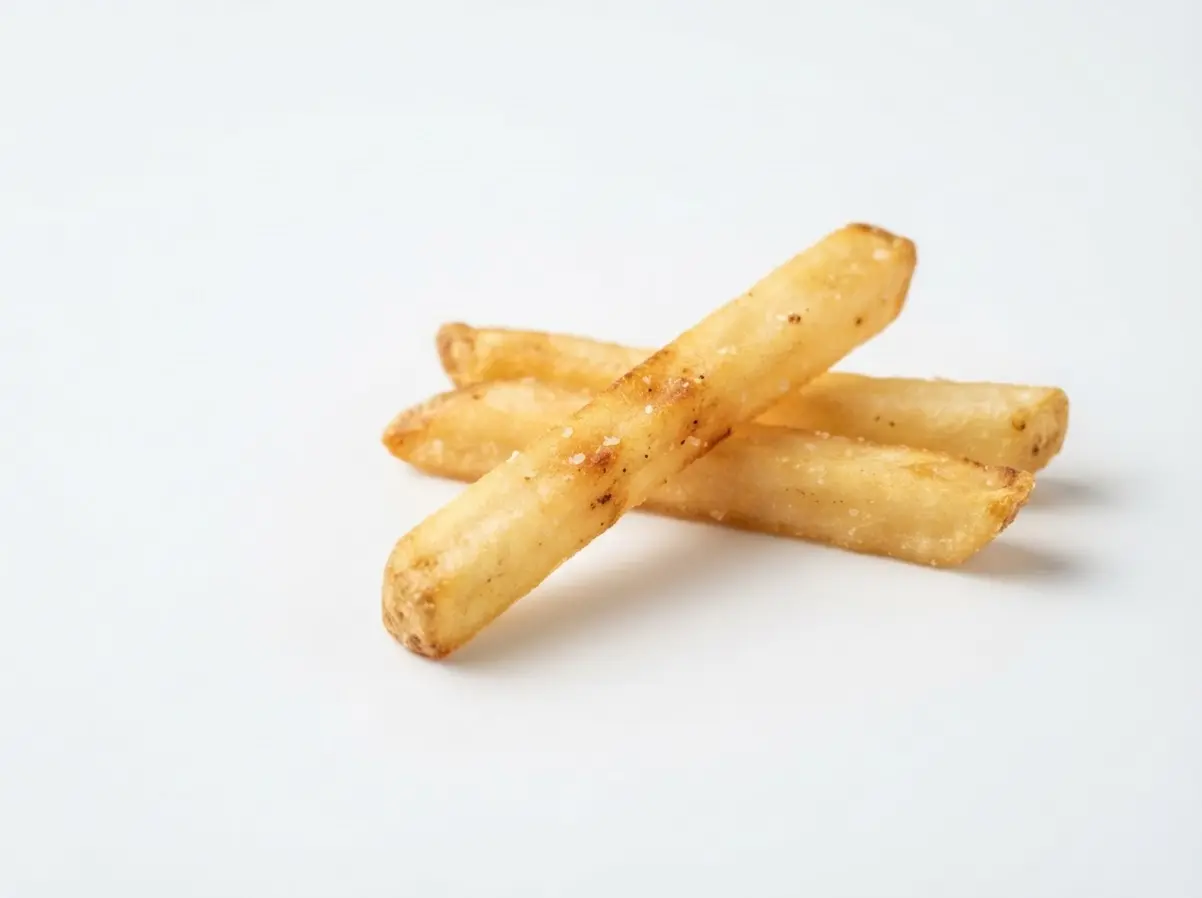
A small serving of fried food is not automatically light. Deep-frying raises calorie density because food absorbs oil during cooking, which is a major reason why many lists of Foods you should avoid to lose weight start here. A 3.5-ounce baked potato contains about 93 calories, while the same-size serving of french fries contains about 312 calories. Compare cooking methods before judging a meal by portion size.
Hot oil removes moisture from the food surface. Oil then enters or stays within the outer layer. Coatings hold additional oil, especially when food is heavily battered or breaded. Check portion details rather than relying on appearance alone, since absorption varies with the food, coating, oil temperature, and cooking time.
Menu terms offer useful clues. Words such as fried, melt, and topped often signal extra oil, cheese, sauces, or other calorie-dense additions. Steamed, smoked, roasted, and baked items often contain less cooking oil, though toppings and sides still affect the meal. Read nutrition information when available. A fried dessert with ice cream and chocolate drizzle, for example, has been reported at 1,040 calories and 891 milligrams of sodium.
Count the full plate, not only the fried main item. Biscuits, dipping sauces, salty sides, and sweet toppings raise the total quickly. Research has associated regular fried-food intake with higher risk of obesity, type 2 diabetes, heart disease, and stroke, though these findings describe groups rather than individual outcomes. Choose baked or roasted sides when ordering, and keep sauces separate when possible.
5. Calorie-Dense Condiments and Hidden Sugars
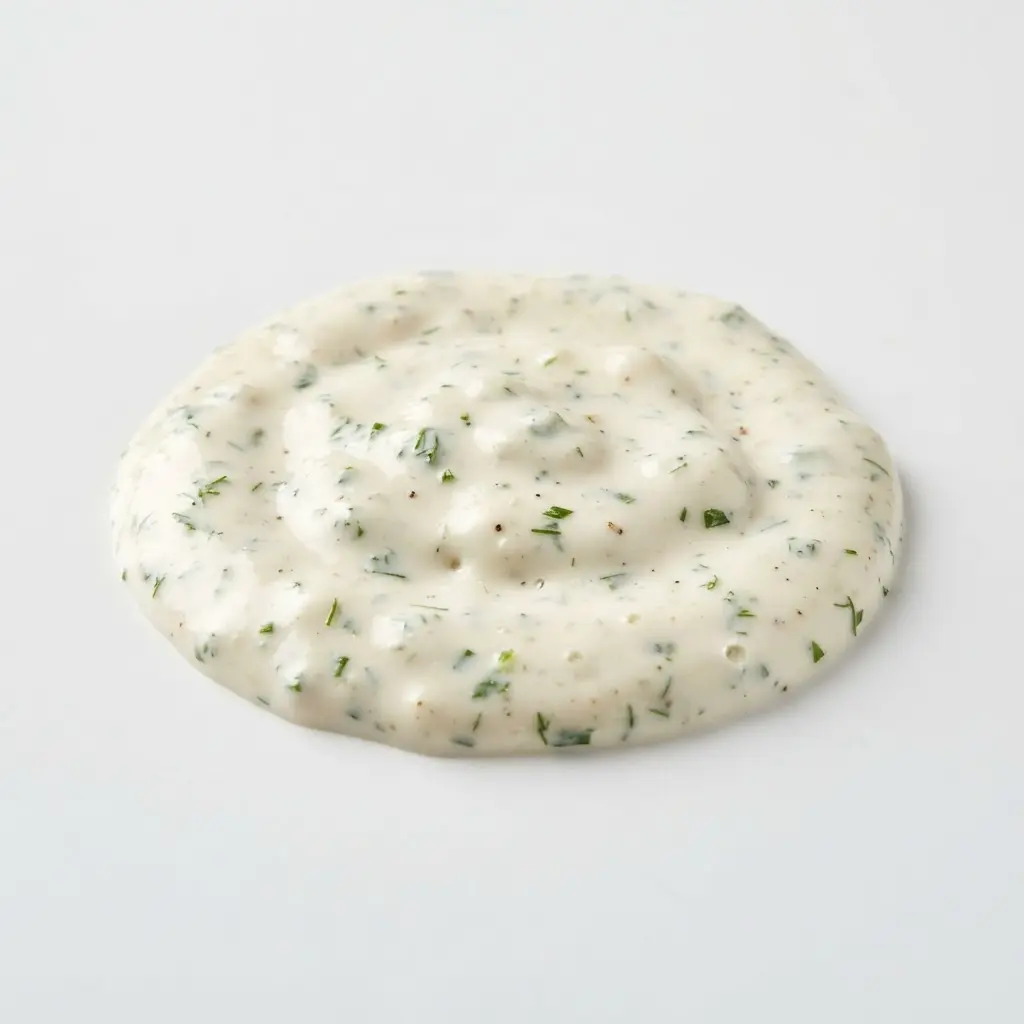
Could a small spoonful of sauce interfere with weight loss? Yes. Measure each serving instead of pouring directly from the bottle. Mayonnaise, creamy dressings, barbecue sauce, sweet chili sauce, and some specialty spreads pack considerable energy into small amounts. A tablespoon can become several spoonfuls during one meal, especially when added to sandwiches, salads, burgers, or roasted foods, and these sneaky additions often top the list of Foods you should avoid to lose weight.
Check the ingredient list for added sugars. Sugar might appear as syrup, honey, molasses, fruit juice concentrate, or dextrose. Ketchup, barbecue sauce, and honey mustard often taste sweet even when the sugar is easy to overlook. Read the serving size first, then compare total sugars and added sugars on the nutrition label.
Research suggests frequent use of calorie-dense sauces makes portion control harder because liquid and creamy foods do not always feel as filling as solid foods. Extra calories accumulate across repeated meals. Sweet condiments also add sugar without providing much protein or fiber, so they deserve careful tracking when planning meals.
Choose lower-calorie flavor options such as mustard, vinegar, salsa, herbs, spices, lemon juice, or plain yogurt mixed with garlic and herbs. Keep richer sauces in a small bowl and dip the food rather than coating the entire serving. Taste the meal before adding more. A simple label check and a measured portion keep condiments from quietly working against your daily calorie target.
Building Satisfying Lower-Calorie Substitutions
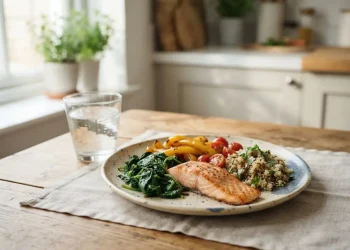
Replacing one sugary drink with water or unsweetened tea removes liquid calories without reducing the food on your plate. Liquid calories often satisfy hunger less than solid food, so drinks deserve attention during weight management. A bowl built around vegetables, beans, or lean chicken supplies volume, fiber, and protein with fewer calories than a meal centered on fried food or processed meat.
Whole-grain bread, oats, and brown rice bring more fiber than white bread, sweet rolls, or refined cereal, which often leaves you hungry sooner. Use plain Greek yogurt with berries instead of a sugary dessert when you want sweetness with protein. Portion nuts, cheese, oils, and dressings into small dishes rather than eating from the package, since these nutritious foods pack calories into modest amounts.
Conclusion
Food choices often reflect busy mornings, long workdays, family meals, and personal tastes. You do not need to label every favorite food as bad. A better step is to notice which foods leave you hungry soon or add many calories in a small serving. The foods worth eating less often rarely need a permanent ban.
Pick one change today. Replace a sweet drink with water or unsweetened tea, add fruit beside breakfast, or measure a creamy sauce before serving. Keep the swap easy enough for your normal routine, and remember that tracking Foods you should avoid to lose weight becomes simple once you notice patterns. If a food matters to you, keep a smaller portion and enjoy it without guilt. Steady choices build trust in your own habits. Use this list as a guide, then choose the one change you feel ready to repeat this week.
FAQs
Q: Which drinks make weight management harder?
A: Sugary drinks, sweetened coffee drinks, energy drinks, and large servings of juice add calories without much fullness. Water, sparkling water, or unsweetened tea are lighter choices.
Q: Are refined grains bad for weight loss?
A: Refined grains are not forbidden, but they often bring less fiber and fullness than whole-grain options. Choose oats, brown rice, whole-grain bread, or high-fiber pasta more often.
Q: How do snack foods lead to overeating?
A: Chips, cookies, and similar snacks often combine refined starch, sugar, salt, and fat. Their small package size also makes portions easy to overlook.
Q: What is a better choice than fried food?
A: Choose baked, grilled, roasted, or air-cooked foods more often. Pair them with vegetables and a filling protein source for a balanced meal.
Q: How do condiments add hidden calories?
A: Creamy sauces, sweet dressings, and flavored spreads add calories in small servings. Measure a portion, then use mustard, salsa, herbs, or plain yogurt more often.