Do you want to feel more at ease in your body without making weight loss the goal? Ways to improve your body image without focusing on weight loss include speaking to yourself with care, noticing what your body does, choosing comfortable clothes, moving for enjoyment, and setting kinder media boundaries. Supportive people and small daily habits also help you build respect without needing to change your size.
Body thoughts often grow from repeated messages around appearance. You deserve space to question those messages and choose habits rooted in comfort and well-being. I know this shift takes patience, especially on hard days, and finding Ways to improve your body image without focusing on weight loss often means dropping strict rules. Let’s focus on small steps you can practice in real life, from changing self-talk to choosing movement you enjoy. Start with the ideas below and find one gentle step to use today.
Separating Body Image From Body Size
Write one neutral sentence about what your body does before judging how it looks, such as “My legs carry me through the day.” This brief practice separates body function from body size, while learning Ways to improve your body image without focusing on weight loss, and gives your attention a steadier target. When an appearance thought appears, label it as an automatic thought, then ask whether it is accurate, useful, or based on a harsh rule.
A body-neutral view does not require loving every feature. It supports respect, comfort, and care even on difficult days. Track energy, sleep, mood, strength, or concentration instead of measurements when setting wellness goals.
These signs describe lived health without turning your body into a score. If clothing feels tight, choose a comfortable fit now rather than waiting for change.
Recognizing When Professional Support Helps
Persistent food restriction, compulsive exercise, or distress about perceived flaws deserves an appointment with a qualified mental health professional or registered dietitian. These concerns need care, not shame, especially when eating rules take over and you look for Ways to improve your body image without focusing on weight loss rather than demanding rigid routines. Body dysmorphic disorder describes intense preoccupation with a perceived flaw other people barely see or do not see.
A clinician helps sort out symptoms, assess safety, and connect you with suitable treatment. A registered dietitian offers practical support around adequate nourishment without weight-focused rules. You do not need to wait until distress becomes severe.
Urgent support matters when dizziness, fainting, injury, or thoughts of self-harm appear. A trusted person helps you arrange care and stay connected during treatment.
1. Mindful Self-Compassion Practices for Kinder Body Talk

A common mistake is forcing yourself to call every part of your body beautiful. Replace forced praise with mindful self-compassion, because recognizing Ways to improve your body image without focusing on weight loss means choosing words based on care rather than appearance.
Set aside four quiet minutes for a mindful body scan. Move attention from your face to your feet and note pressure, warmth, tension, or numbness without calling any sensation good or bad, since practicing Ways to improve your body image without focusing on weight loss relies on returning to physical cues. When criticism appears, label it as a thought and return to physical sensations.
Notice what your body does, such as breathing, moving, resting, or digesting. Write a short letter from a body part linked with shame or pain. Describe its experience, then answer with a compassionate physical posture: soften your eyes, relax your face, slow your breathing, and use a caring tone.
Promise one realistic act of care, such as wearing comfortable clothing or resting an irritated area, which shows practical Ways to improve your body image without focusing on weight loss. A written body image journal can help you notice repeated patterns without demanding instant change.
Name harsh thinking directly: “I am having a critical thought about my body.” Then ask, “What care do I need right now?” This pause separates the thought from improve your eating habits, and tracking these moments highlights gentle Ways to improve your body image without focusing on weight loss. Research suggests self-compassion practices help reduce automatic self-criticism and support a kinder body relationship without requiring claims of perfection.
Persistent distress about body image, eating, or daily functioning needs professional support. Always consult a healthcare professional before making changes to your health routine.
2. Functional Body Appreciation Techniques: Strength Beyond Appearance
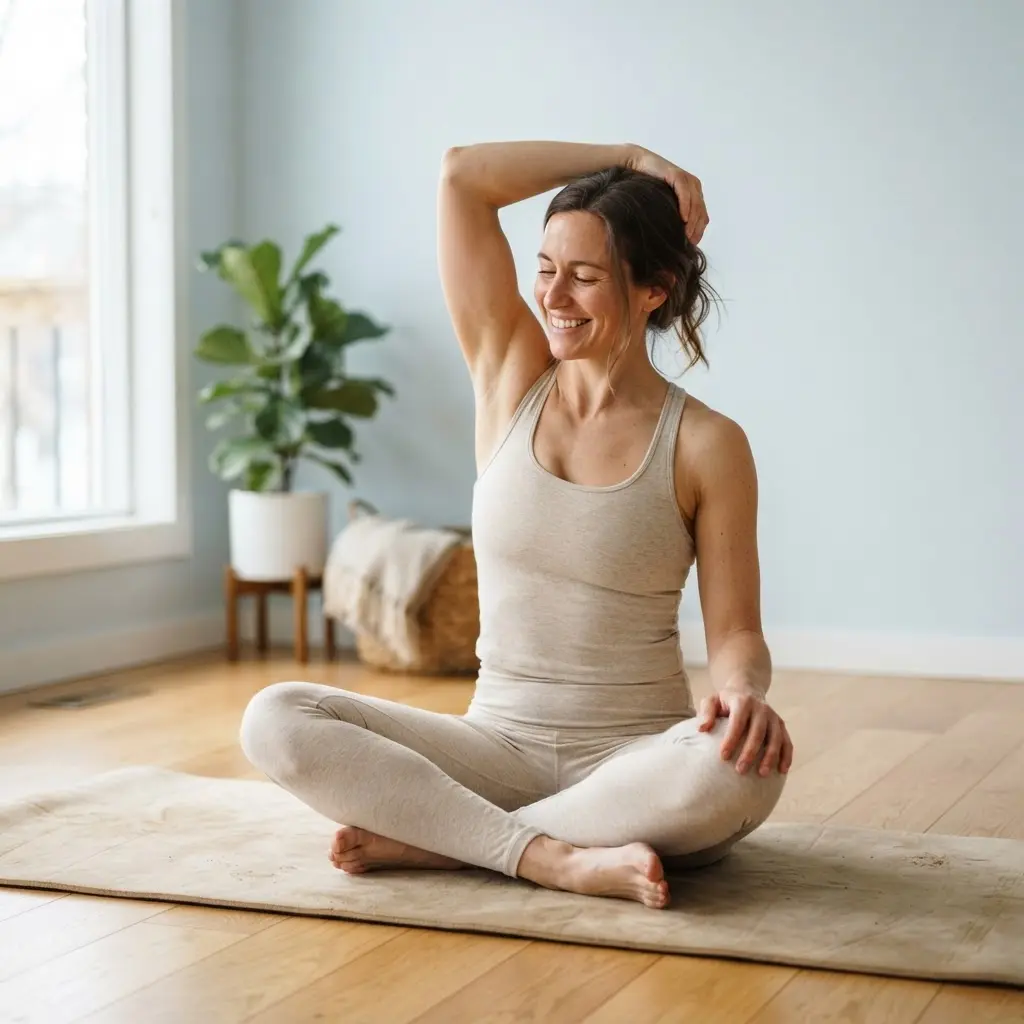
Start by naming one body function instead of judging your appearance. During dressing, showering, or bedtime, state one plain fact: “My legs carry me,” “My hands let me work,” or “My lungs support each breath,” which aligns with steady Ways to improve your body image without focusing on weight loss. This practice shifts attention toward daily function without demanding constant body positivity.
Describe visible features neutrally. Notice lines, shapes, textures, colors, scars, or marks without calling them good or bad, because noticing details without harsh labels offers practical Ways to improve your body image without focusing on weight loss. Separate the observation from the judgment. For example, “I notice a scar on my knee” gives your mind more room than “My knee looks wrong.”
Use a three-question journal for five minutes at the end of the day: What did my body help me do? Which sense or body system supported that experience? What respectful care does my body need today? Include resting, digesting, breathing, healing, communicating, and feeling safe, since reviewing daily support builds reliable Ways to improve your body image without focusing on weight loss. Function does not depend on athletic ability or constant productivity.
Choose supportive self-care without turning care into punishment. Eat balanced meals, drink water, sleep, and select movement suited to your energy and health, knowing that respectful routines prove to be essential Ways to improve your body image without focusing on weight loss. These actions show respect for the body rather than compensation for eating or appearance. Hold acceptance and change together by pursuing better sleep or mobility without treating your current body as a failure.
Research links greater functionality appreciation with fewer body-image concerns and better well-being, though results differ between people. Seek qualified mental-health or healthcare support when body shame, distress, or eating-disorder symptoms persist, and remember that asking for help reinforces valid Ways to improve your body image without focusing on weight loss. The goal is a broader view of the body, not forced praise for every body part.
3. Joyful Movement and Activity Habits for Daily Well-Being
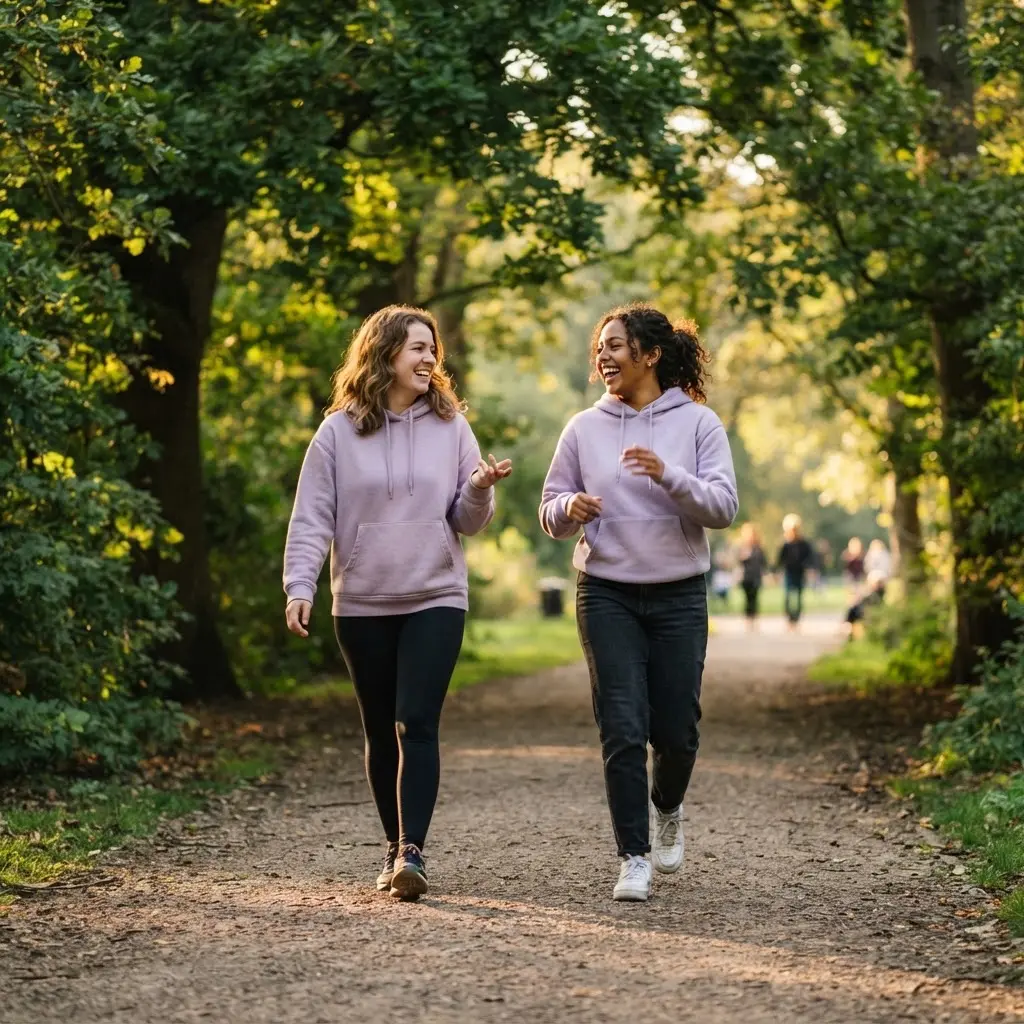
At 7 a.m., choose a ten-minute walk before work instead of waiting for a formal workout period. Notice your feet touching the ground, your breathing rhythm, and the sounds around you, since tuning into sensory feedback provides steady Ways to improve your body image without focusing on weight loss. Keep your phone silent so your attention stays with the movement. Mindful walking builds body awareness without turning activity into a test of appearance.
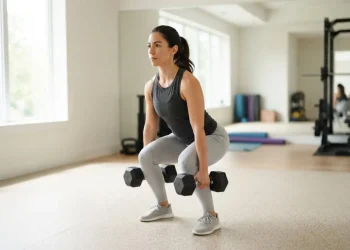
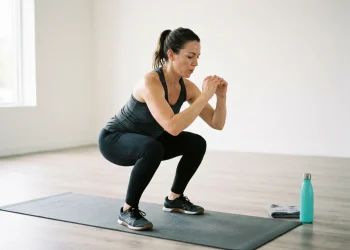
Choose movement connected to pleasure or personal interest. Dance to three songs at home, join a gentle yoga class, tend potted herbs, or play frisbee with a friend. Start with short sessions and comfortable clothing, which makes it easier to maintain healthy Ways to improve your body image without focusing on weight loss through repeated enjoyment.
Research suggests enjoyable activity is easier to repeat because pleasure, social contact, and relaxation support consistency. Vary your routine across the week. Use stretching after long periods of sitting, take the stairs when comfortable, and schedule a swim, hike, or bike ride when those activities suit your interests.
Activity variety involves different movement patterns and reduces pressure to perform one form of exercise perfectly. Read body signals during every session. Pause for pain, dizziness, or unusual discomfort rather than pushing through warning signs. Lower-impact choices, such as tai chi, gardening, gentle yoga, and mobility work, provide useful options when high-impact movement feels uncomfortable.
Measure success through energy, stress relief, mobility, connection, and consistency rather than changes in body size. Keep early sessions manageable, then adjust duration or pace according to comfort. Always consult a healthcare professional before making changes to your health routine.
4. Digital Environment Curation Strategies for Calmer Media Habits
A calmer media routine does not require abandoning every screen. A common belief says only a full digital detox will change body image. Small edits often persist longer. Start with one trigger: mute an account, remove a notification, or move a distracting app from the home screen. Notice whether mood and self-evaluation change after several days.
Audit feeds during a quiet 10-minute review. List accounts or topics linked with appearance comparison, pressure to change your body, or weight-focused thoughts. Unfollow, mute, block, or mark posts as not relevant. Follow material about health, movement, clothing, relationships, creativity, and daily life without tying worth to appearance.
Use feed controls to make supportive content easier to find. Turn off non-essential alerts and choose two or three times for checking social platforms. Keep phones away from meals and remove them from the bedroom, or set the final hour before sleep as screen-free. Notifications create repeated interruptions. Repeated interruptions pull attention back toward the device.
Create screen-free zones to protect rest and in-person connection. Reduce automatic scrolling by placing reading, music, hobbies, movement, or contact with a friend within easy reach. Use a blocker during work or rest periods, and test grayscale if colorful apps keep drawing attention. Research suggests reducing repeated exposure to appearance-focused media lowers opportunities for comparison and negative self-talk.
Reassess the setup weekly rather than treating one missed boundary as failure. Replace the habit with an activity aligned with personal values.
5. Comfort Focused Wardrobe Choices for Everyday Ease

What should guide everyday clothing choices? Personal comfort should guide them, not a target body shape or clothing size. Choose cotton, linen, modal, Tencel, or jersey knit according to skin feel and local weather. Select wide-leg pants, relaxed tops, A-line dresses, midi skirts, or soft joggers when close-fitting garments create pressure.
Build outfits around stretchy basics such as stretch denim, opaque leggings, yoga pants, or knit dresses. Add open-front cardigans, lightweight jackets, or oversized scarves for warmth without tight layers. Match each piece to real routines, including commuting, sitting at a desk, running errands, or spending time at home.
Check every garment through movement before keeping it. Sit, walk, bend, reach, and raise both arms. Remove pieces that pinch, slip, roll, chafe, feel too warm, or require constant adjustment. Choose supportive footwear based on walking and standing needs. Sneakers, cushioned sandals, loafers, and low-heeled boots offer different levels of structure.
Research on body image suggests clothing choices based on function and personal preference support a less appearance-driven relationship with the body. Start with a small group of reliable basics in colors you like, then add distinctive pieces. Avoid buying for an imagined lifestyle. A comfortable wardrobe should serve your actual day and leave room for personal style.
6. Supportive Social Connection Networks for Body Respect

A circle built on respect serves you better than one centred on dieting talk or body comparison. Choose supportive relationships with people who respect body diversity, personal choices, and self-worth beyond appearance. Ask friends and family to avoid weight comments, food policing, and criticism of clothing or movement. Clear limits make body respect easier to practise during meals, shopping, and social events.
Assess each relationship by the way you feel after conversations about bodies, food, or health. Notice whether a person listens without pressure and accepts different needs. State a boundary such as, “I am not discussing weight or diets.” Leave the conversation when repeated comments create shame or distress.
Curate body-positive communities online and offline. Look for peer groups, Health at Every Size communities, fat-kinship spaces, and accounts showing varied bodies. Mute or leave spaces focused on comparison, appearance rankings, or weight stigma. Take a social media break for several days when online content increases distress.
Use professional support when body concerns cause significant distress or affect eating-disorder recovery. Seek a therapist trained in body image, an intuitive-eating or Health at Every Size dietitian, or a healthcare provider who respects body diversity. Research suggests supportive social ties reduce isolation and strengthen autonomy around food, clothing, movement, and care.
Always consult a healthcare professional before making changes to your health routine.
Building Identity Beyond Physical Appearance
Choose one weekly activity tied to a role or value, such as singing, gardening, volunteering, or learning a language. This choice gives your identity a place beyond appearance and shifts attention toward what matters to you. Keep a values journal to record qualities you practice, relationships you nurture, and skills you develop.
These entries create evidence of progress unrelated to body size or compliments from others. Notice moments when you feel focused, kind, curious, capable, or connected. Such experiences show a fuller identity than appearance alone.
Set goals around stamina, sleep, concentration, or participation, then review how those goals support daily life. When an appearance worry interrupts an activity, return to the reason you chose it rather than checking how you look.
Conclusion
Your body supports you through ordinary moments, close relationships, rest, work, and the activities you value. It deserves care even on days when you do not feel comfortable with your appearance. Ways to improve your body image without focusing on weight loss begin with small choices, such as using kinder words, wearing clothes that fit well, or noticing one thing your body helped you do.
Pick one practice from this guide and repeat it for a week. Write down how it feels, rather than judging whether you did it perfectly. Tell a trusted person what kind of support feels helpful. Progress often looks quiet and personal. Give yourself room to grow at your own pace, and take one caring step for your body today.
FAQs
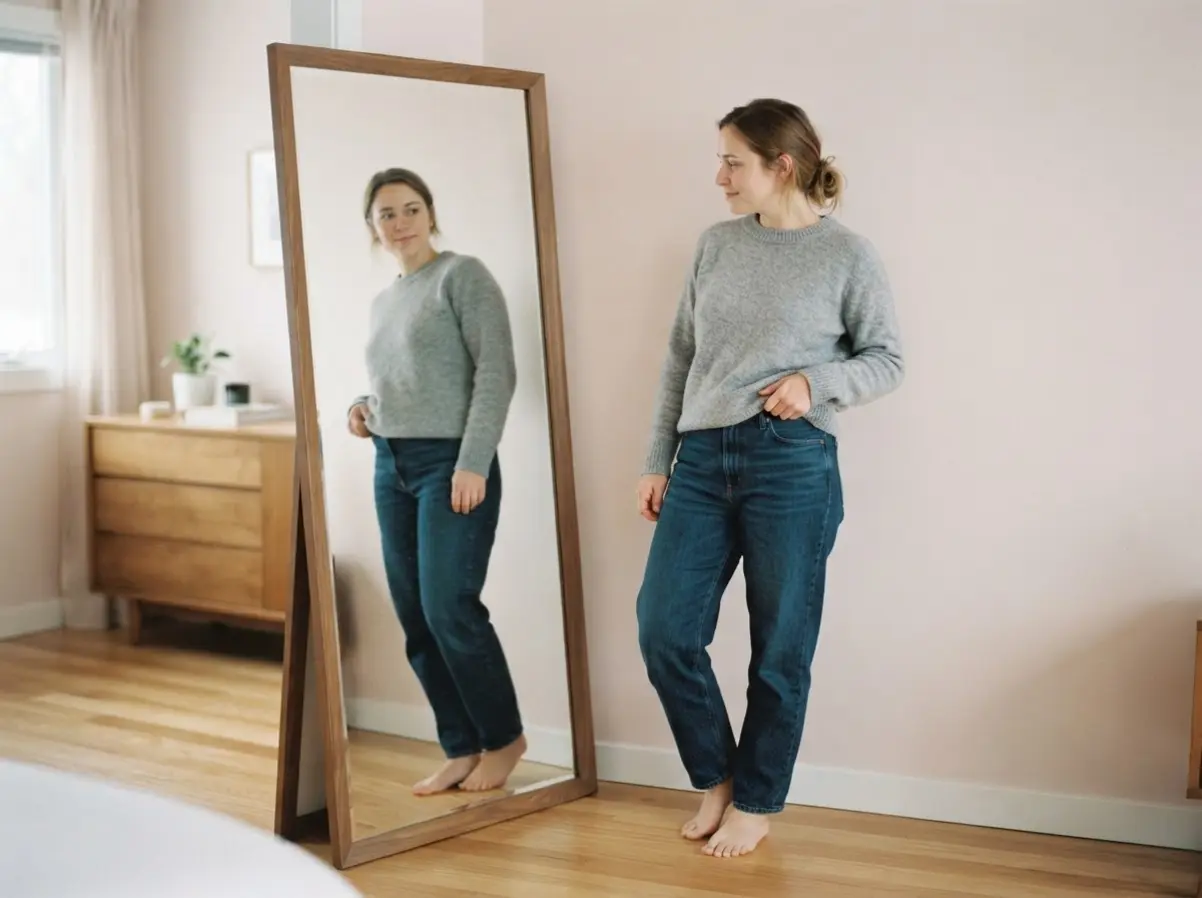
Q: How do I stop judging my body every time I look in a mirror?
A: Try naming what you see without adding an opinion, such as “I see my shoulders and shirt.” Then move your attention to what you need next, such as getting dressed or having breakfast.
Q: What is body neutrality, and how does it help?
A: Body neutrality focuses on respect and function rather than appearance. It gives you room to care for your body without needing to feel positive about how it looks each day.
Q: How do I choose clothes when I feel uncomfortable in my body?
A: Choose items with soft fabrics, enough room, and shapes that support easy movement. Remove clothing from regular use if it causes frequent discomfort or self-criticism.
Q: Does movement help body image if appearance is not my goal?
A: Movement often supports mood, strength, balance, and daily comfort. Choose activities based on enjoyment and how you feel during and after them, rather than appearance changes.
Q: How should I respond when someone comments on my body?
A: Use a short boundary such as “I prefer not to discuss my body.” Ask the person to talk about your interests, plans, or another topic instead.