Do you keep waiting for motivation to exercise? Ways to force yourself to start exercising begins with making the first step small, clear, and easy to repeat. Set a five-minute goal, choose movement you enjoy, place your clothes where you see them, and link exercise with a daily habit. Finding reliable Ways to force yourself to start exercising helps reduce daily friction. A planned time and a supportive check-in reduce choices when energy feels low.
If you have stopped before, you do not need to feel ashamed. I know how hard it is to restart after a busy week or a long break. Movement does not have to look like a full workout. A short walk, chair routine, or gentle stretch still counts. This guide turns fitness motivation into small choices you follow in daily life. You will see ways to prepare your space, connect movement with habits, lower decision stress, and find activities you enjoy. Let’s choose one small step today and begin before you talk yourself out of it.
Medical Readiness And Exercise Warning Signs
Get medical clearance before starting a new routine if you have heart disease, uncontrolled blood pressure, diabetes, or long-term joint problems. A clinician helps match exercise intensity to your health history and medications. Exploring Ways to force yourself to start exercising should never ignore safety warnings. Stop for chest pain, faintness, severe shortness of breath, or sharp joint pain, then seek medical help.
Faster breathing, warmth, and mild muscle fatigue usually signal normal effort, while pain changing your stride needs attention. Persistent swelling or soreness lasting several days deserves professional advice before your next session. Start with an easy pace if you feel unsure, and keep your phone nearby when exercising alone. This approach supports safe exercise readiness without turning fear into a reason to avoid movement altogether, which aligns with proven Ways to force yourself to start exercising.
Removing Friction From Your Exercise Environment
Put your exercise clothes beside your bed the night before, so starting requires fewer decisions when energy feels low. Keep shoes, headphones, and a filled water bottle in the same visible place. A clear path and a ten-minute timer reduce setup time for home workouts. Discovering Ways to force yourself to start exercising often means clearing the space first.
Check your calendar for commute, childcare, and meeting conflicts before choosing a regular slot. Pick a backup space for rainy days, such as a hallway for walking or a chair for simple strength work. Leave the routine easy to begin, with the first action limited to putting on shoes. Connecting movement with coffee, lunch, or brushing your teeth creates a habit loop.
When equipment stays ready, your environment supports the plan instead of asking willpower to solve every delay. Making Ways to force yourself to start exercising becomes a matter of layout and preparation. A visible setup removes hesitation on low-energy mornings.
1. Micro Goal Setting Techniques for Easy Exercise Starts

A common mistake is starting with a full workout when motivation is low. Replace the large plan with a micro goal, such as putting on workout clothes or stretching for two minutes. Completing the small action counts as success, even when you stop afterward. Many beginners find Ways to force yourself to start exercising by lowering the initial target.
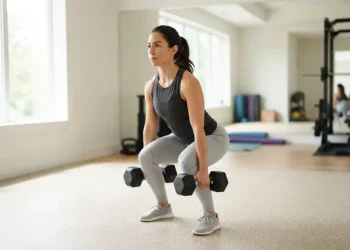
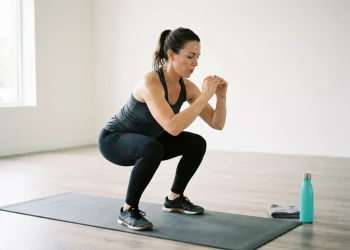
Choose one clear target for today. Walk for 10 minutes after breakfast, complete 10 squats, or walk around the block. Connect the action to an existing routine through habit stacking, such as stretching after changing clothes. A familiar cue reduces the need to decide when exercise will happen, offering one of the best Ways to force yourself to start exercising.
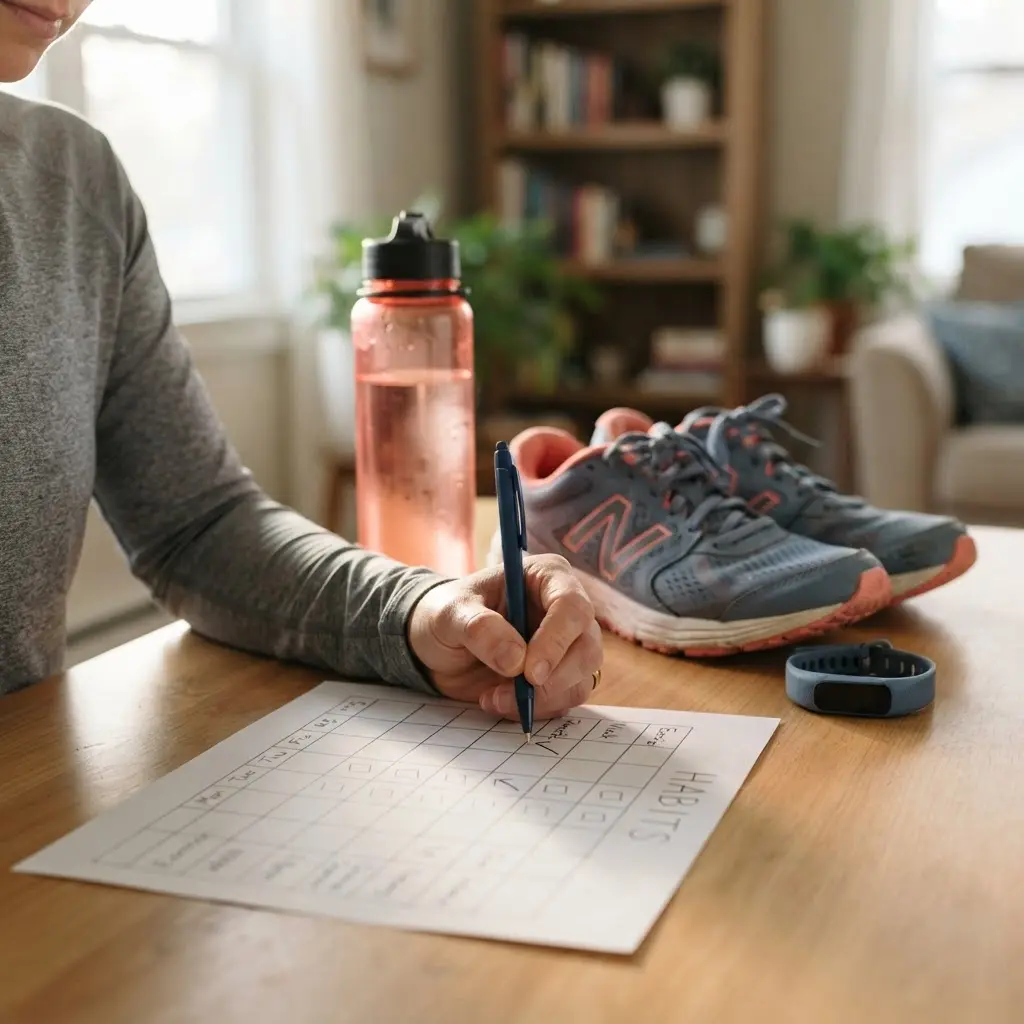
Schedule the activity at a specific time and prepare the night before. Place shoes by the door, lay out clothing, or save a short walking route. A simple checklist makes completed sessions visible without turning tracking into another task, supporting reliable Ways to force yourself to start exercising. Research suggests that small, repeatable actions support consistency by lowering the effort required to begin.
Increase the duration only when energy and motivation support it. Resume the next day after a missed session, rather than treating one break as failure, because consistent Ways to force yourself to start exercising matters more than perfect streaks.
2. Home Environment Preparation Strategies for Lower Friction

Clear one exercise area before planning a full workout routine. Choose a spot with enough floor space for your usual movements, then remove bags, toys, and furniture from the route. A ready space removes the need to tidy before each session. Focusing on Ways to force yourself to start exercising means preparing your surroundings in advance.
Keep daily-use items within easy reach. Place exercise clothing, a mat, and small equipment in one labeled basket, shelf, or drawer. Store items at a comfortable height, rather than behind heavy boxes or inside a crowded cupboard. A dedicated exercise zone keeps supplies visible and limits clutter across the home, which supports practical Ways to force yourself to start exercising.
Reset the area after each session. Return every item to its assigned place and clear the floor within two minutes. Research suggests reducing small practical barriers supports follow-through because fewer steps separate intention from action. Review the setup every few weeks, especially after household changes. Move frequently used items closer when retrieval feels awkward, and remove equipment no longer used. Keep the arrangement convenient, not perfect, and you will maintain steady Ways to force yourself to start exercising.
3. Habit Stacking Methodology for Daily Movement

At 7:30 each morning, coffee finishes brewing before the workday begins. Attach a small movement habit to this reliable moment. State the plan clearly: “After I pour my coffee, I will do 10 squats.” Keep shoes, a mat, or workout clothing visible so the next step requires little preparation, proving that simple Ways to force yourself to start exercising rely on timing.
Choose one anchor, such as brushing your teeth, opening your laptop, or removing work shoes. Follow the anchor with two minutes of stretching, a brief walk, or several push-ups. Repeat the same sequence daily, then increase the time to five or 10 minutes once the routine feels manageable. Use a simple journal to mark each completed session, a proven method for Ways to force yourself to start exercising.
Research on habit formation suggests consistent cues reduce the need for repeated decisions, making movement easier to start. A short walk after work gives you a clear way to improve your exercise plan. Change the anchor or shorten the activity when the routine repeatedly breaks down. Missed days call for adjustment, not abandonment, especially when exploring reliable Ways to force yourself to start exercising.
4. Social Accountability Frameworks for Consistent Support

A common belief says accountability means someone policing every workout. Effective accountability works differently: both people share information and respond to barriers. Establish a weekly check-in with an exercise partner, coach, or group. Report planned sessions, completed activity, and the reason behind any missed session. Finding Ways to force yourself to start exercising often involves sharing your schedule openly.
Start by analyzing barriers, then convene the people offering support. Match the arrangement to your schedule, preferred communication method, and social comfort. Implement one clear action, such as a Tuesday and Saturday walk or a short text update after each session. Monitor the pattern every two weeks. Research on social accountability suggests responsive feedback works better than one-way reminders because your voice guides the support you receive, which remains a core element in Ways to force yourself to start exercising.
Use a shared tracker, phone call, or group chat as the feedback cycle. Ask supporters to provide encouragement, practical help, reminders, or shared participation. Treat missed workouts as signals to adjust the plan, not proof of personal failure. Keep the system simple enough to maintain during busy weeks. Structured communication directly improves Ways to force yourself to start exercising.
5. Decision Fatigue Reduction Through Simple Choices

What should you do when exercise feels like one more decision? Choose a default workout plan before the day begins. Walk on Monday, complete a 10-minute bodyweight routine on Wednesday, and stretch on Friday. Put each session in your calendar, then follow the scheduled choice without searching for a better option. Simplifying your options creates reliable Ways to force yourself to start exercising.
Keep a two-option workout menu: a short walk, a brief home routine, or mobility work. Prepare clothes, equipment, and a saved video the night before. Set a minimum version for low-energy days, such as five minutes of walking or stretching. Starting the smaller session preserves the routine without demanding a perfect performance, offering practical Ways to force yourself to start exercising.
Research suggests repeated choices consume mental energy, so a predictable routine makes the first step more obvious and reduces second-guessing. Use a phone reminder and store equipment in one location. Schedule exercise at a consistent time, preferably before the day fills with other decisions. Protect sleep and take short breaks, since mental fatigue makes follow-through harder. Keep the plan small enough to follow on an ordinary day. These straightforward steps outline effective Ways to force yourself to start exercising.
6. Identity Based Motivation Approaches for New Exercisers
Treat exercise as a reflection of who you are becoming, rather than a task imposed by guilt or appearance goals. Write a short description of your future active self using possible-self writing. State realistic details, such as walking for 15 minutes after work three days each week or joining a beginner class on Saturday. Building identity shifts the focus of Ways to force yourself to start exercising.
Connect movement with personal values. Choose reasons such as supporting daily energy, building confidence, caring for your health, or enjoying time outdoors. Use believable self-talk: “I am learning to become someone who moves regularly.” Record how each session felt, including satisfaction, comfort, and confidence, instead of tracking only minutes or distance. Notice small evidence of change, such as scheduling activity before other tasks. Personal alignment naturally strengthens Ways to force yourself to start exercising.
Research suggests identity-focused interventions support both exercise identity and physical activity, though results differ between studies. Repeated identity-consistent actions strengthen habit formation and support autonomous motivation because activity begins to match personal values. Pair identity work with a fixed schedule, simple self-monitoring, and enjoyable movement. Expect the identity to develop over weeks of repeated action, not after one workout. This steady approach supports lasting Ways to force yourself to start exercising.
7. Physical Discomfort Management Tools for Gentle Starts
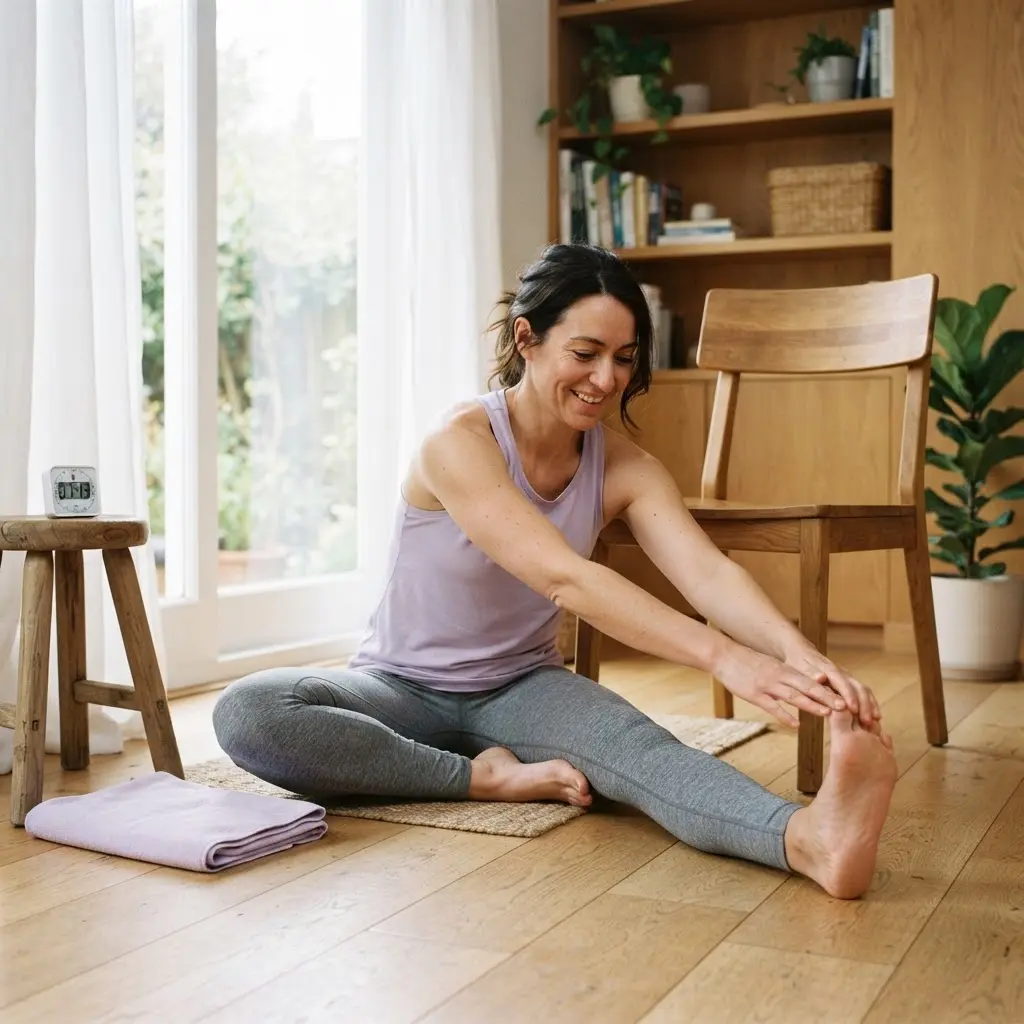
Do not push through pain to prove commitment. Start with a tolerable movement, then stop or modify the action if pain increases. Gentle exercise should reduce pressure, not create a test of endurance.
Use small range-of-motion movements when low energy or stiffness blocks your start. Try 5 slow side bends, hip circles, or pelvic tilts. Pair each movement with a long exhalation. Cat-cow movements and supported child’s pose offer calm ways to introduce motion without forcing the spine or joints.
Set a focus timer for two minutes, then begin with one easy movement to have more energy at the gym. Anxiety may respond better to box breathing, a body scan, or progressive muscle relaxation before activity. A wall, cushion, or stable chair can make positioning feel safer.
Research suggests relaxation methods and gradual movement help many people manage tension before exercise. Persistent, severe, or unexplained pain needs professional assessment. Always consult a healthcare professional before making changes to your health routine. Choose movement, breathing, rest, or assistance based on your current condition.
8. Exercise Enjoyment Optimization Through Personal Choice

Start with a manageable effort range. Choose gentle, moderate, or vigorous effort based on your energy and experience. Adjust pace or workload during the session instead of chasing a fixed target. A repeatable level lowers resistance to beginning.
Use personal feedback to guide each decision. Notice breathing, comfort, muscle effort, and enjoyment. Raise the workload when the session feels easy, then reduce it when fatigue or discomfort rises. Self-selected intensity does not need to stay constant from the first minute to the last. Familiar activities often make these choices easier.
Choose enjoyable outdoor activities when a change of setting makes exercise more appealing. Research suggests personal choice improves feelings during and after exercise, confidence, and willingness to repeat the session. Group training can follow the same approach when each person stays within safe limits.
Replace rigid targets with a defined range and aim for an effort you will repeat. Always consult a healthcare professional before making changes to your health routine.
9. Schedule Integration Tactics for Busy Days

At 7:15 a.m., a packed workday can make exercise seem impossible. Review fixed commitments first, then reserve a realistic window beside an existing routine. Use time blocking and treat the session like a work appointment, not spare time.
Place the workout in your calendar as a recurring event. Add 10 to 15 minutes for changing, setup, travel, and showering. Keep shoes, clothing, or equipment ready before the scheduled start. A clear plan removes extra decisions during a busy morning.
Protect short gaps during long work periods. Use a five-minute break to stretch, walk, or complete a brief bodyweight session. Batch calls, errands, or email tasks to reduce scattered work and create a usable opening. Apply an Eisenhower Matrix to delay, delegate, or remove lower-value tasks.
Prepare a backup session before disruptions occur. Move the workout to a later open block or shorten the format rather than abandoning the plan. Research suggests planned routines reduce reliance on momentary motivation. Review the schedule each evening and adjust the next appointment to match real availability.
10. Positive Reinforcement Systems for Small Wins

Myth: exercise only counts when you complete a hard, full-length workout. Small actions count too. Choose one observable win, such as putting on workout clothes, taking a five-minute walk, or finishing a planned session. Mark the result immediately on a calendar or habit tracker with a visual progress marker.
Use specific self-praise soon after the action. Say, “I completed five minutes even though motivation was low,” rather than “Good job.” Then attach a modest reward you value, such as a favorite snack, relaxing break, or choice of tomorrow’s activity. Keep the reward connected to participation, not weight, speed, or perfection. A small points system gives each completed action a clear value.
Research suggests immediate, consistent recognition shifts attention toward progress before visible fitness changes appear. Review wins after three sessions or at week’s end, but do not turn the tracker into a test. Missing one day does not erase earlier effort. Restart by recording the next brief session and acknowledge returning as a meaningful milestone.
Progression After Consistent Beginner Sessions
Add five minutes or one extra weekly session only after two to four weeks of consistent beginner sessions. Keep the increase small enough for normal breathing to return soon after each effort. A simple progress log should record session length, pace, and how your body felt later that day. If soreness affects stairs, sleep, or your next workout, hold the same level until movement feels comfortable again. A resistance band offers a gentle way to increase strength without forcing heavier weights. Keep one low-energy version available, such as a ten-minute walk, so a hard day does not erase your routine. Missed sessions need a calm restart at the last comfortable level, not a punishing catch-up workout. Gradual progression builds fitness while leaving room for recovery and steady habit growth.
Conclusion
Your past starts and stops do not erase your ability to build a routine. Exercise works best when it fits your real day, your energy, and your interests. When you use Ways to force yourself to start exercising, focus on lowering the effort needed to begin rather than judging your willpower. Put your shoes beside the door, choose a five-minute activity, and mark the session when it is done. A small record gives you a clear sign of progress and helps the next session feel familiar. If a plan does not fit, change the plan instead of blaming yourself. Start with one movement choice today, then repeat it at the same time tomorrow. Each session gives you more information about what feels manageable. Keep the first step kind and clear, and give yourself room to build a routine at your own pace.
FAQs
Q: What if exercise feels uncomfortable after a long break?
A: Begin with gentle movement and a short session. Stop for sharp pain, chest pressure, faintness, or unusual breathing trouble, then seek medical care.
Q: What time of day is best for exercise?
A: The best time is the one you follow most often. Choose a period with fewer demands, then place exercise beside an existing daily task.
Q: How long should a first workout last?
A: Five to ten minutes is enough for a first session. Add time in small steps when the routine feels familiar.
Q: How do I stay motivated when progress feels slow?
A: Track completed sessions, not only changes in your body. Praise yourself for showing up, then set a small goal for the next session.
Q: Should I exercise when I feel tired?
A: Choose gentle movement when tiredness feels mild. Rest when you feel ill, dizzy, weak, or unable to move safely.