Do busy days make healthy meals and regular workouts hard to keep up? Tips to improve your diet and exercise plan start with small changes you repeat each week. Build meals around whole foods, match food portions with activity, set workout times, and leave room for rest.
A simple log helps you spot patterns and adjust your routine without strict food rules or extreme training. Many people start with energy, then lose focus when plans feel too hard.
When you apply practical tips to improve your diet and exercise plan early, you keep your routine steady. A flexible routine gives you room for work, family, travel, and quiet days.
Meal preparation also makes healthy choices easier when time feels short. Recovery matters, since sleep and light movement support steady progress. Let’s make your routine easier to follow with four practical ideas for food, training, meal prep, and rest.
Start with one change today and build from there!
Reading Food Labels For Better Choices
Compare the serving size with the amount you plan to eat before judging a food label, since one package often contains two or more servings, and remembering basic tips to improve your diet and exercise plan helps you make better choices. Nutrition Facts panel shows calories, protein, fiber, saturated fat, sodium, and added sugars in a standard format.
Check the ingredient list next, where foods appear from greatest to smallest weight. Choose meals with recognizable protein and fiber sources, such as beans, eggs, oats, vegetables, or plain yogurt.
A short ingredient list does not always mean better nutrition, so compare similar foods using serving size and key nutrients. Look for unsaturated fats from nuts, seeds, avocado, or olive oil, while keeping saturated fat and added sugars modest.
Write the serving you eat in your meal plan, not the package serving.
Safety Checks Before Increasing Exercise
Seek medical clearance before raising exercise volume if you have a medical condition, injury, pregnancy, or a history of disordered eating. Finding simple tips to improve your diet and exercise plan gives you confidence before changing your workout intensity.
A gentle warm-up with easy walking and joint movement prepares you for harder work without starting at full effort. Keep water nearby and allow rest between demanding sessions, especially when heat or poor sleep affects energy.
Stop training for sharp pain, chest pressure, faintness, or unusual fatigue, then seek qualified care. Increase duration or resistance in small amounts rather than adding several hard sessions at once.
Note your current fitness, available equipment, and schedule before choosing a plan. A trainer or physical therapist offers useful guidance when movement causes pain or you need injury modifications.
1. Whole Food Nutrition Principles for Balanced Meals
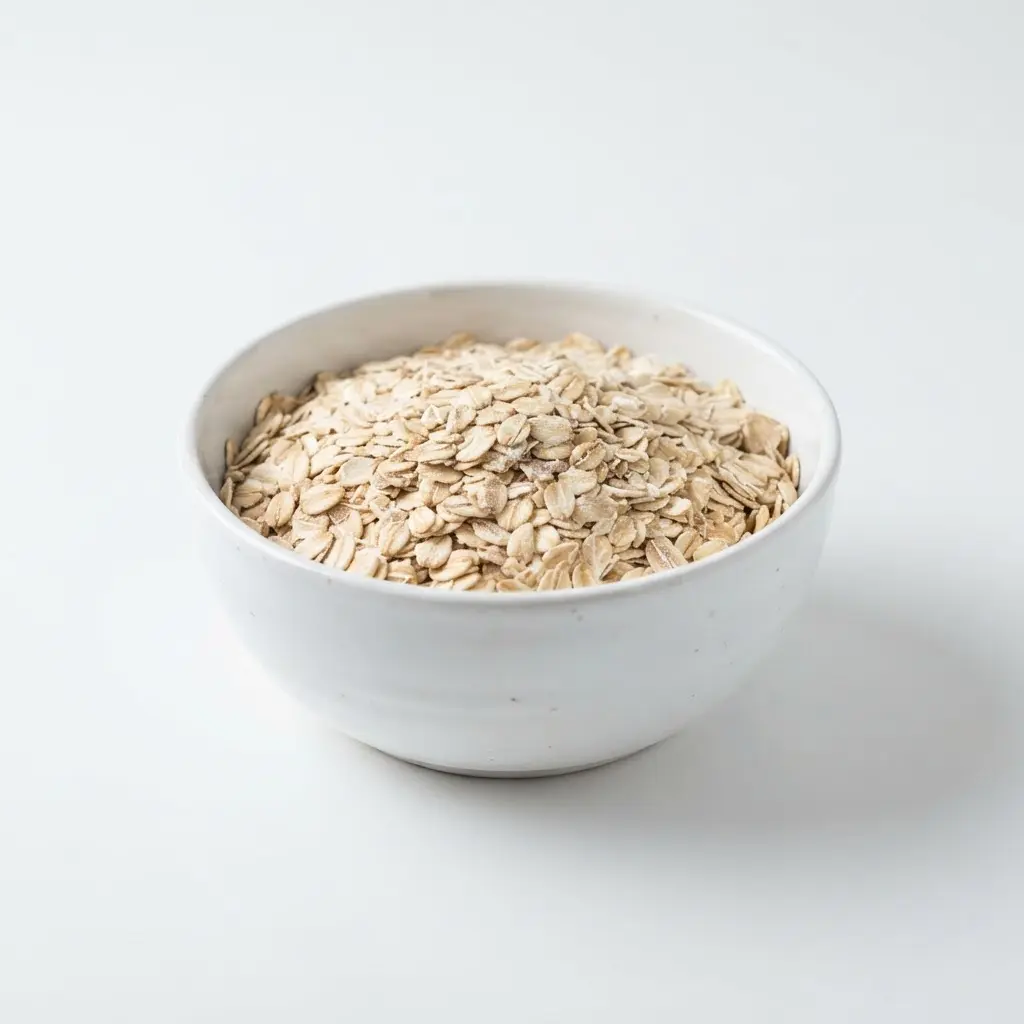
A common mistake is removing all carbohydrates to improve a diet. Choose whole-food carbohydrates instead, such as oats, brown rice, quinoa, fruit, and vegetables, because learning real tips to improve your diet and exercise plan keeps your meals satisfying.
These foods provide energy along with fiber, vitamins, and minerals. Build meals around foods with high nutrient density rather than relying heavily on products high in refined sugar or sodium.
Combine a complex carbohydrate, a protein source, and a healthy fat at each meal. Add beans to brown rice, serve grilled fish with vegetables, or top oats with nuts and fruit.
Protein supports tissue repair and fullness. Avocado, seeds, nuts, and olive oil provide essential fats and assist nutrient absorption. Research suggests meals containing protein and fiber help people stay satisfied between meals.
Include fiber-rich foods throughout the day. Aim for vegetables or fruit at each meal, and add lentils, barley, or whole grains when practical. Fiber supports digestion, steadier blood sugar, and fullness.
Drink water regularly because hydration supports nutrient transport and waste removal. Eat slowly and limit screens during meals so hunger and fullness cues receive attention.
Avoid treating all fats or all carbohydrates as harmful. Limit trans fats, excessive saturated fat, refined sugar, and high-sodium foods instead. Keep balanced choices practical by preparing cooked grains, washed fruit, and ready-to-eat vegetables ahead of time.
Individual needs differ with allergies, medical conditions, dietary restrictions, and nutrition goals. Consult a healthcare professional before making major changes to your health routine.
2. Progressive Workout Intensity Methods for Steady Gains

Start with one progression variable, then keep the rest of your plan stable, while keeping proven tips to improve your diet and exercise plan in mind. Add a small amount of weight, one repetition per set, or one working set after performance becomes consistent.
Record each exercise, load, repetitions, rest period, and effort level. A clear record shows whether your training demand is increasing without creating a sudden jump in fatigue.
Use double progression for a simple resistance plan. Select a range such as 6 to 10 repetitions. Keep the load unchanged while building toward 10 repetitions on every set.
After reaching the top of the range with controlled form, add a small amount of weight and return near 6 repetitions. Aim to finish most sets with about 1 to 2 repetitions in reserve, rather than reaching failure every time.
Match the method to your goal. Strength training often needs heavier loads and longer rest periods. Muscle growth responds to changes in load, repetitions, sets, tempo, and range of motion.
Conditioning work often benefits from shorter rest periods or greater training density. Beginners should first improve technique and controlled movement before adding resistance. These methods give you practical eating habit tips progress when heavier equipment is unavailable or joint comfort limits load increases.
Schedule a lighter week when fatigue accumulates, technique declines, or normal performance drops. A deload often reduces training volume by about 40 to 50 percent while keeping moderate effort.
Some plans use one every 4 to 6 weeks, but personal recovery should guide timing. Stop exercise for pain, dizziness, or unusual symptoms. Always consult a healthcare professional before making changes to your health routine.
3. Structured Meal Preparation Strategies for Busy Weeks

At 6:30 on a busy weekday morning, a prepared meal removes one decision before the day begins, and organizing your kitchen space reveals useful tips to improve your diet and exercise plan. Set aside 60 to 90 minutes on a less-busy day for weekly meal planning.
Choose three or four main meals, then select recipes with shared ingredients, such as roasted vegetables, rice, beans, chicken, or a simple sauce. Plan extra portions for lunches or another dinner.
Build a grocery list by store section before shopping. Select ingredients with more than one use, such as spinach for omelets, salads, and grain bowls. Prepare components rather than making every meal complete.
Wash and chop vegetables, cook grains, portion snacks, and prepare dressings or sauces. Frozen vegetables, canned beans, pre-washed greens, and rotisserie chicken reduce preparation time during demanding weeks.
Use batch cooking for soups, chili, pasta sauce, or roasted proteins. Store food in airtight containers, then label each container with its contents and preparation date.
Keep freezer-friendly foods in individual or family-sized portions. Sheet-pan meals, pressure cookers, and slow cookers reduce active cooking time and cleanup. Research suggests structured preparation reduces weekday decision-making and repeated shopping trips.
Ingredient overlap also limits food waste, while prepared components support flexible meals when schedules change. Swap meals between days rather than abandoning the plan. Keep one quick option available, such as a grain bowl or a prepared breakfast, for unexpected late evenings.
4. Active Recovery and Rest for Better Training

The myth is simple: harder training every day produces faster progress, yet following smart tips to improve your diet and exercise plan shows how rest matters more. The truth is different. Active recovery uses easy movement to support blood flow without adding heavy training stress.
Walk briskly, cycle gently, swim at a relaxed pace, or perform light yoga after a demanding session. Keep recovery exercise noticeably easier than normal training. Limit the session to a comfortable pace where steady breathing remains possible.
Add gentle mobility work to maintain range of motion. Foam rolling can fit into a cool-down when pressure feels comfortable, but it does not replace sleep, food, fluids, or complete rest.
Schedule complete rest when soreness persists, energy stays low, performance drops, or irritability appears. Use planned deload weeks during longer training plans.
A deload reduces exercise volume or intensity for a short period, giving muscle tissue and energy stores more time to recover. Recovery needs vary with training load, fitness level, and personal capacity.
Protect a consistent sleep schedule and aim for 7 to 9 hours of quality sleep each night. Include protein-containing foods to support muscle repair and carbohydrate-containing foods to restore energy stores. Research suggests regular recovery supports training readiness, coordination, mobility, and long-term consistency.
Always consult a healthcare professional before making changes to your health routine.
Reviewing Progress And Refining Your Routine
Record energy, hunger, soreness, sleep, and completed sessions once each week, then use those notes to adjust your routine. Tracking your daily habits provides clear tips to improve your diet and exercise plan over time.
A weekly progress log helps you spot patterns missed by memory, such as afternoon hunger after short lunches or soreness after repeated workouts. Match food portions and exercise demands to your energy, work hours, travel, and available equipment.
Replace a missed session with a shorter walk, mobility work, or a home strength session instead of treating the change as failure. Review progress every two to four weeks, looking for steady adherence, comfortable recovery, and improved strength or endurance.
Persistent pain, worsening fatigue, poor sleep, or rising hunger signals a need to reduce demands and seek professional advice. Keep the plan flexible enough for real schedules and regular life.
Conclusion
Your routine should fit your real life, including busy mornings, family meals, work demands, and days when energy feels low. The best tips to improve your diet and exercise plan are simple enough to repeat without strict rules.
Choose one meal to prepare ahead, set two workout times for the coming week, and protect a regular sleep window. Keep a short note about meals, movement, mood, and rest.
This record helps you see which habits feel natural and which ones need a small change. Progress grows from steady practice, not from trying to change everything at once.
Give yourself room to learn and reset after missed workouts or less balanced meals. Start today by writing one meal and one movement session into your calendar. A routine built with care will feel easier to keep as each week passes.
FAQs
Q: How do I plan balanced meals for exercise days?
A: Build meals around vegetables or fruit, a protein source, whole grains, and healthy fats. Add water and adjust portions based on hunger, activity, and personal needs.
Q: What should I eat before a workout?
A: Choose a familiar meal or snack with carbohydrates and some protein. Foods such as fruit with yogurt or toast with eggs suit many people before moderate activity.
Q: How often should I change my workout routine?
A: Keep a routine long enough to learn how your body responds. Change one part at a time when sessions feel easy, progress stops, or interest starts to fade.
Q: How do I stay consistent with exercise during busy weeks?
A: Schedule short sessions beside tasks already in your day. Keep simple equipment ready, set a backup time, and count walking or mobility work as useful movement.
Q: Why are rest days part of a healthy routine?
A: Rest gives your body time to recover from training. Sleep, gentle walking, and easy stretching support comfort and readiness for future sessions.