Want more nutrition from the fruit you eat each day? Fruits that provide the most nutrients include guava, kiwi, berries, citrus, acerola cherries, papaya, pomegranate, and mango. These choices bring useful amounts of vitamin C, fiber, potassium, folate, and plant compounds for a modest number of calories. You will notice that Fruits that provide the most nutrients fit well into daily meals.
A varied mix helps cover more needs than one favorite fruit alone. Choosing fruit often feels easy until you want more than sweetness. I look for fruit with several nutrients in one serving, while keeping meals simple and enjoyable. This guide compares eight fruits using familiar nutrition points, including vitamin C, fiber, minerals, antioxidants, and natural plant compounds. Portions and preparation still matter, so no single fruit needs to appear every day. Mix fresh or frozen choices into breakfast bowls, snacks, salads, or desserts. Let’s find the fruits fitting your taste, budget, and routine, then add one to your next meal.
Comparing Nutrient Density By Serving
Compare fruit using an edible serving, not one whole item, because a large banana and a handful of berries provide different amounts. A cup of strawberries brings vitamin C and fiber, and Fruits that provide the most nutrients always change with the serving size.
Orange segments offer vitamin C and water, while dried apricots pack more calories and sugar into a smaller portion because their water is gone. Deep red or purple skins often signal polyphenols, plant compounds linked with antioxidant activity, yet color alone does not prove superior nutrition. Check the full serving alongside calories, fiber, vitamin C, potassium, folate, and carotenoids. Naturally occurring sugar in whole fruit arrives with water and fiber, unlike added sugar in sweetened fruit cups or drinks. This approach favors variety instead of naming one universal winner.
Fresh Frozen Dried And Canned Differences
Frozen fruit often retains much of its vitamin C and fiber, making it a close nutritional match for fresh fruit. Fresh fruit offers water-rich volume, while studying Fruits that provide the most nutrients shows frozen works well when seasonal produce costs more.
Fruit packed in water keeps a softer texture, yet syrup-packed versions add sugar, so read the ingredient panel and choose no-added-sugar options. Drying removes water and concentrates calories, naturally occurring sugar, and nutrients per bite, which makes portion size especially important. Juice loses much of the fiber found in whole fruit, even when its label lists only fruit. Rinsing packed fruit lowers some surface syrup, though it does not erase added sugar. Compare forms by serving, ingredients, and fiber rather than treating every package as equal to whole fruit.
1. Vitamin C Rich Guava Varieties for Daily Nutrition
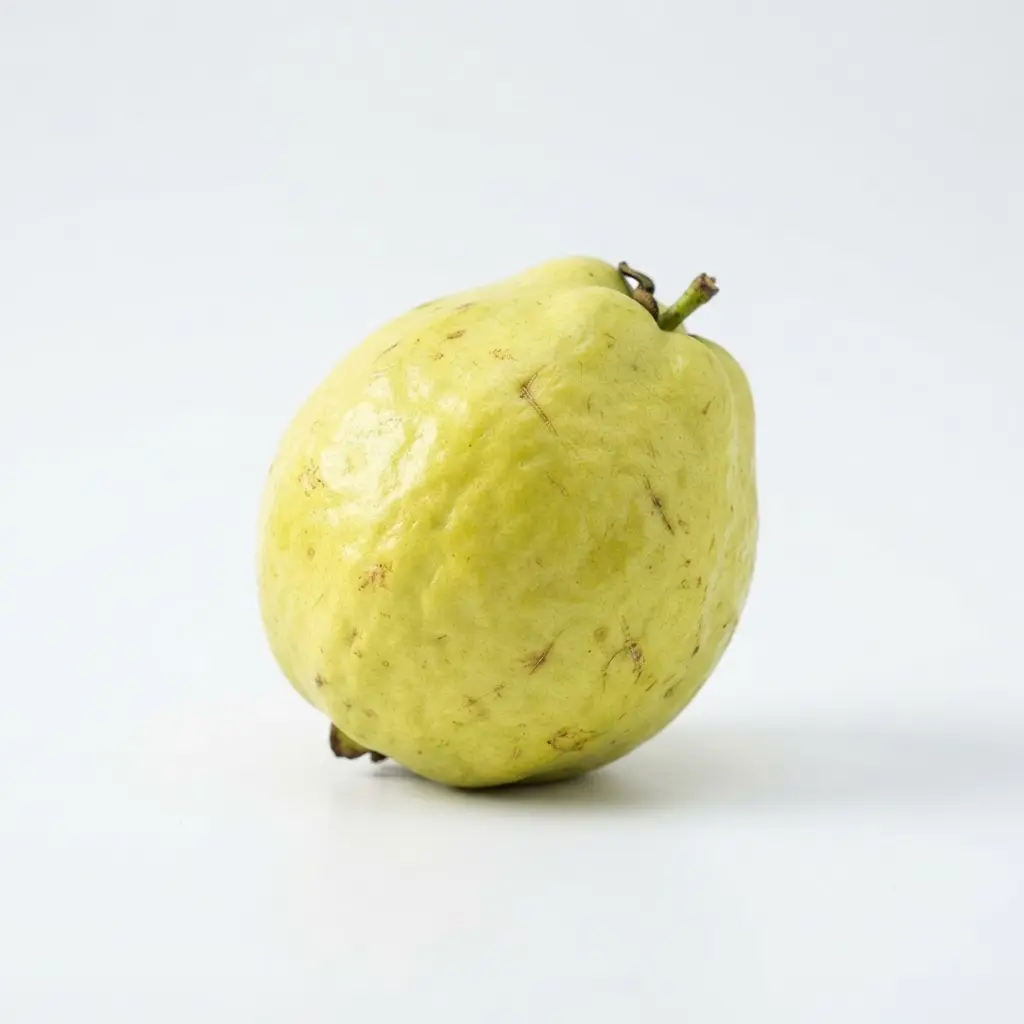
A common mistake is assuming every guava contains the same amount of vitamin C. Guava cultivars differ widely in ascorbic acid levels, and finding Fruits that provide the most nutrients requires checking these differences.
Select a variety with a high reported value, such as CISH-SHWETA, Gola, or Hybrid GH-2017-4F. CISH-SHWETA provides about 300 milligrams per 100 grams of pulp. Gola measures about 289.43 milligrams, while Hybrid GH-2017-4F provides about 285.03 milligrams per 100 grams.
Other strong options include CISH-DHAWAL at around 250 milligrams and Sufaida at about 250.82 milligrams per 100 grams. When tracking Fruits that provide the most nutrients, base comparisons on 100 g of pulp, not the weight of a whole fruit.
Research reports guava vitamin C levels near 200 to 350 milligrams per 100 grams, though results differ by cultivar, ripeness, growing conditions, storage, and testing methods. This range makes cultivar information useful when comparing guavas for vitamin C intake.
Choose ripe guava as part of a balanced diet, and treat published figures as estimates rather than guarantees. A fruit from the same named variety might contain a different amount under different conditions. Always consult a healthcare professional before making changes to your health routine.
2. Kiwifruit Nutrient Profiles With Fiber and Vitamin C

Choose green kiwifruit first when fiber is your priority. Green kiwifruit provides about 3 g of dietary fiber per 100 g of edible fruit. If you seek Fruits that provide the most nutrients, this combination gives green kiwifruit a strong place among dense choices.
Select SunGold kiwifruit for a higher vitamin C concentration. SunGold provides about 161.3 mg of vitamin C per 100 g, while gold kiwifruit contains roughly 1.4 g of fiber per 100 g. Green and gold varieties should not be treated as nutritionally identical, yet exploring Fruits that provide the most nutrients shows green flesh generally supplies more fiber.
Kiwifruit fiber comes from plant cell walls. Pectic polysaccharides provide soluble fiber and interact with water in the digestive tract. Cellulose and hemicelluloses provide insoluble fiber and add structural bulk. The approximate soluble-to-insoluble fiber ratio is 1:4 in green kiwifruit and 1:3 in gold kiwifruit. Research suggests water retention and swelling capacity influence fecal bulk and intestinal transit.
Compare varieties using an edible fruit basis, such as nutrients per 100 g, rather than whole-fruit weight. Vitamin C also contributes to antioxidant activity and overall nutrient density. Treat the green kiwifruit range as a variable estimate, not one fixed value. Choose green flesh for more fiber or SunGold for a higher vitamin C intake.
3. Berry Antioxidant Benefits and Polyphenol Content
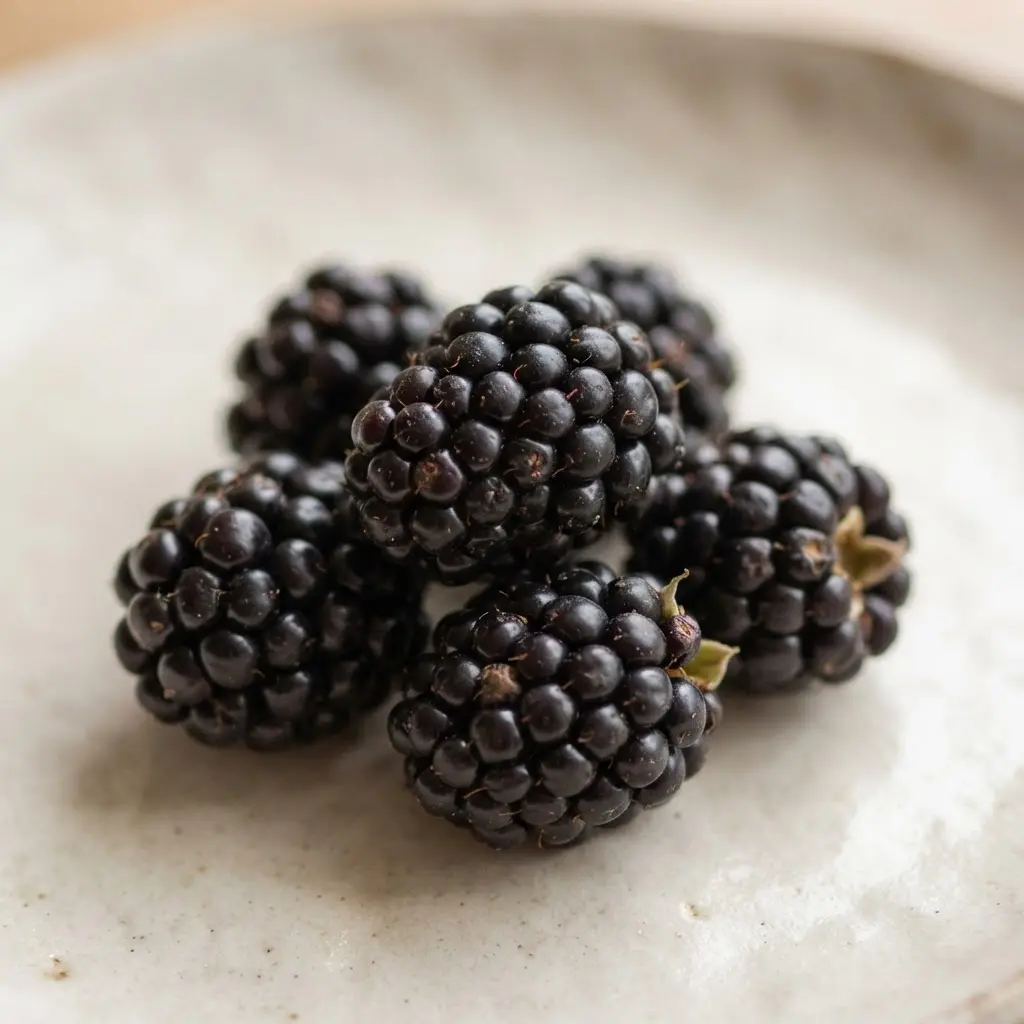
At breakfast, a bowl of blueberries, raspberries, and blackberries adds more than color to the meal. Choose mixed berries for a broad range of polyphenols, because many Fruits that provide the most nutrients work best in combinations.
Berry profiles differ by species, variety, growing conditions, maturity, storage, and processing. Blackberries contain anthocyanins, ellagic acid, and quercetin. Raspberries contribute ellagic acid, quercetin, kaempferol, and cyanidin. Blueberries contain chlorogenic acid, quercetin, myricetin, and cyanidin. Compare berry varieties rather than treating every berry as chemically identical.
Polyphenols interact with reactive oxygen species, which are chemically reactive molecules capable of damaging cells. Read laboratory results carefully because test conditions vary, and Fruits that provide the most nutrients behave differently in controlled settings. High test scores do not prove disease prevention or predict one specific human health outcome. Human studies report mixed results, with some showing changes in antioxidant markers and others finding no meaningful change.
Include fresh berries after proper washing, and store them safely to protect quality. Frozen, dried, juiced, and cooked berries do not have identical polyphenol profiles. Vary berry choices across the week to include a wider mix of plant compounds. Keep berry intake within a balanced eating pattern rather than treating berries as a guaranteed way to prevent chronic disease.
4. Citrus Fruit Vitamin Content for Fresh Meals

Sour taste does not prove high vitamin C content. Citrus varieties differ, and fruit size, ripeness, growing conditions, and laboratory testing affect the result. Eat whole citrus sections to add vitamin C, fluid, and natural flavor to a meal, especially since Fruits that provide the most nutrients need proper sizing. One orange provides about 70 to 90 milligrams, while one grapefruit provides about 80 to 100 milligrams.
Lemons and limes often appear in smaller portions, yet their juice still contributes vitamin C. One cup of orange sections provides about 87.3 milligrams. White grapefruit sections with juice provide about 85.1 milligrams per cup. Lemon juice reports about 94.4 milligrams per cup, while lime juice provides about 72.6 milligrams. These cup measures do not equal whole-fruit estimates because portions contain different amounts of edible material. Add fresh citrus juice to dressings, marinades, drinks, or cooked grains shortly before serving. You can see Fruits that provide the most nutrients require careful measuring.
Research on nutrient composition shows wide measurement differences. For oranges, testing reported about 58.30 milligrams per 100 grams by titration and 43.61 milligrams by HPLC, a laboratory method called high-performance liquid chromatography. Such results support using nutrition figures as estimates rather than fixed values. Choose fresh citrus segments for salads, fruit bowls, and grain dishes.
Include grapefruit carefully if you take prescription medicine. Grapefruit interacts with certain medicines, so check with a pharmacist or clinician before eating grapefruit regularly. Use lemon or lime as seasoning when a meal needs acidity, and select oranges or grapefruit when a larger whole-fruit source of vitamin C benefits the meal.
5. Acerola Cherry Nutrient Density and Vitamin C

Why does acerola rank so highly for nutrient density? Vitamin C concentration provides the answer. Raw acerola contains about 1,678 milligrams of vitamin C per 100 grams and only 32 calories. When listing Fruits that provide the most nutrients, acerola sits at the top for water content and vitamins. The fruit also contains about 91 percent water, making fresh acerola a light, hydrating food.
A 100-gram serving provides 7.7 grams of carbohydrates and 1.1 grams of dietary fiber. Fresh fruit portions provide these nutrients in a whole-food form, which proves why Fruits that provide the most nutrients often beat powders. Acerola supplies 38 micrograms of vitamin A, along with small amounts of thiamin, riboflavin, niacin, vitamin B6, folate, and pantothenic acid.
Research suggests acerola suits people seeking a high micronutrient contribution from a small calorie budget. Copper contributes about 10 percent of the daily value per 100 grams. Smaller amounts of calcium, iron, magnesium, phosphorus, potassium, sodium, and zinc add to the fruit’s nutrient profile. Acerola contains very little fat, protein, sodium, or cholesterol.
Choose fresh acerola when available, and check serving information on powders or concentrated products. Processing removes water and changes the nutrient level per spoonful. Cultivar, ripeness, and preparation also affect vitamin C values, so treat the 1,678-milligram figure as a reference for raw fruit rather than a universal amount.
6. Papaya Fiber Content and Digestive Support

Compared with relying on papain alone, choosing ripe papaya pulp provides both digestive enzymes and dietary fiber. A single serving supplies approximately 11% of the recommended daily fiber intake for adults. This makes it clear how Fruits that provide the most nutrients support steady digestion. Fiber supports stool formation and regular movement through the digestive tract.
Papaya is one of several healthy fiber sources. Soluble fiber absorbs water and forms a gel-like substance, which slows digestion and may provide food for beneficial gut bacteria. Insoluble fiber adds bulk to stool and supports waste movement. When reviewing Fruits that provide the most nutrients, enzyme activity matters alongside fiber.
Papain adds a separate digestive function. This enzyme breaks dietary proteins into smaller components. Ripe papaya pulp has shown higher papain activity than less-ripe pulp. Gut microorganisms also ferment papaya fiber and produce short-chain fatty acids, or SCFAs. Research suggests these compounds support colon health.
Serve fresh papaya as part of breakfast, a snack, or a meal. Pair increased fiber intake with adequate fluids, because fiber absorbs water and comfortable stool passage depends on sufficient hydration. Fiber content and enzyme activity vary with serving size and ripeness. Papaya supports normal digestion, but it is not a guaranteed treatment for constipation or digestive disorders. Persistent constipation, abdominal pain, diarrhea, or other digestive symptoms require discussion with a qualified healthcare professional. Always consult a healthcare professional before making changes to your health routine.
7. Pomegranate Seed Polyphenols and Antioxidant Compounds
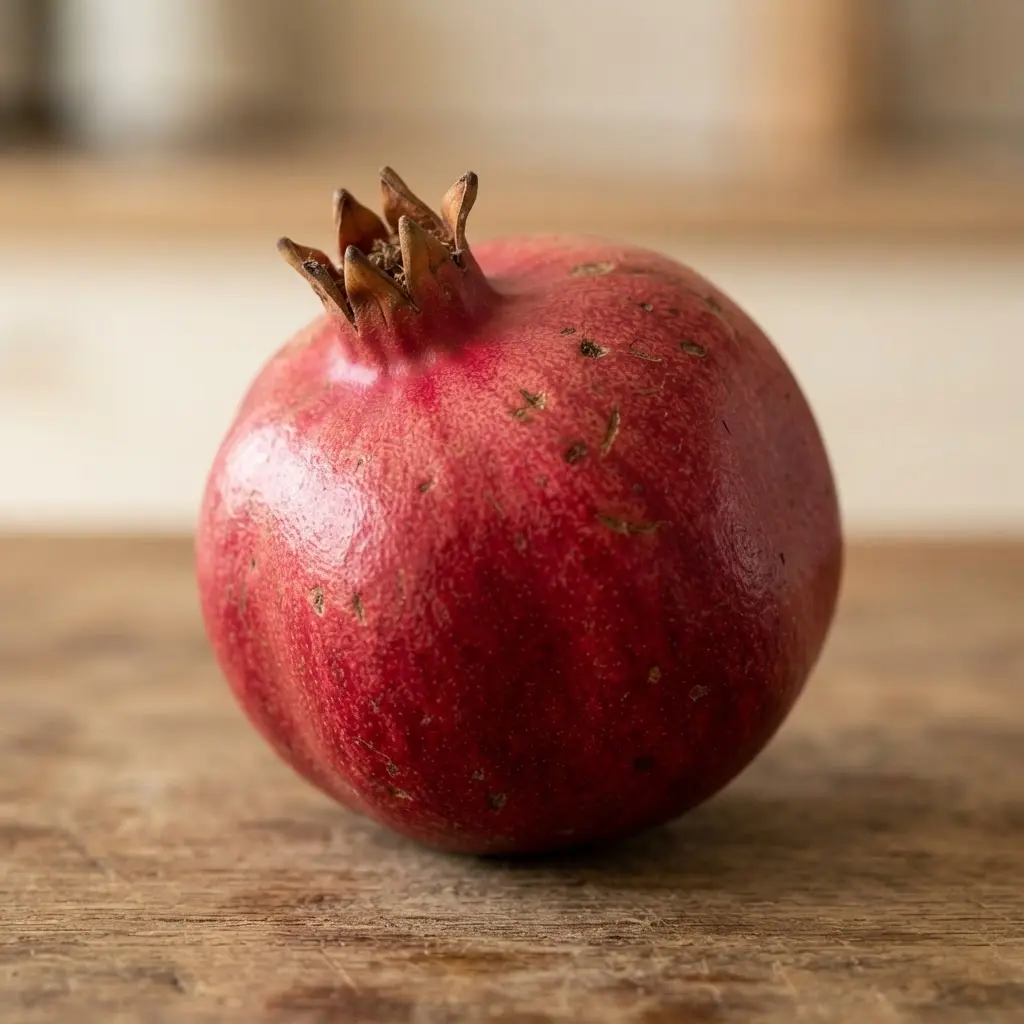
A common mistake is treating antioxidant activity as proof of disease prevention. Correct interpretation starts with pomegranate seed polyphenols, which are plant compounds linked with antioxidant action. These compounds immunity and nutrient support‘s overall profile, but Fruits that provide the most nutrients rely on balanced study results.
Pomegranate seeds contain several polyphenol groups. Flavonoids include catechins and naringenin hexoside. Phenolic acids include ellagic acid, a compound studied for antioxidant and anti-inflammatory activity. Punicalagin is another notable compound associated with free-radical scavenging in pomegranate seed oil and extracts. Free radicals are reactive molecules linked with oxidative stress, so these compounds contribute through different paths rather than acting as one single nutrient.
Research on food samples and laboratory models suggests combined antioxidant activity gives pomegranate seeds a varied polyphenol profile. Eating the seeds adds flavonoids and phenolic compounds to the diet, showing how Fruits that provide the most nutrients shift during storage.
Protect fresh seeds and seed products from prolonged exposure to light, moisture, and oxygen. Store them in a sealed container and follow product storage directions. Whole seeds, pomegranate seed oil, and concentrated extracts do not contain identical proportions of plant compounds, so their antioxidant profiles differ.
Do not treat ellagic acid, punicalagin, or any other compound as a guaranteed treatment or preventive measure. Use whole pomegranate seeds as one nutrient-rich food choice within a varied eating pattern, rather than relying on concentrated products for a promised health effect.
8. Energy-Supporting Tropical Mangoes With Vitamins

Eat a ripe mango with a meal or snack when you need carbohydrate fuel. Mango flesh provides glucose, fructose, and sucrose, which supply usable energy. You will find Fruits that provide the most nutrients often pair carbs with fiber. A serving also provides fiber and roughly half of the daily recommended vitamin C intake. This combination adds nutrients alongside carbohydrates rather than sugar alone.
Keep the portion moderate to match your energy needs and eating plan. Healthy fiber sources and fullness go hand in hand. Fiber also contributes to a steadier blood sugar pattern than foods containing sugar without fiber. Vitamin B6 supports normal blood sugar levels, while folate supports cardiovascular and DNA health. Copper supports several normal body functions.
Pair mango with protein or a healthy fat when you want a more filling snack. Add peeled flesh to yogurt, a smoothie, a fruit bowl, or a salad. Mango also supplies vitamins A, E, and K, along with thiamin, riboflavin, niacin, pantothenic acid, potassium, magnesium, and other minerals. Research suggests pairing fiber-rich fruit with protein or fat supports fullness, though blood sugar responses differ among people.
Choose a ripe mango with a fragrant aroma and flesh that yields slightly under gentle pressure. Peel the fruit before eating and discard the large central pit. People managing blood glucose should account for mango within their personal carbohydrate plan. Always consult a healthcare professional before making changes to your health routine.
Building Balanced Fruit Pairings
Pair citrus with iron-rich beans or leafy greens when you want vitamin C alongside plant-based iron. Berries with plain yogurt add protein and calcium, while oats or chia seeds contribute extra fiber and help a snack feel more filling. Pair avocado with tomatoes and whole-grain toast for monounsaturated fat, potassium, and steady carbohydrate. Orange segments alongside nuts bring vitamin C, fiber, and unsaturated fat without relying on fruit sugar alone.
A colorful mix of berries, kiwi, melon, and mango spreads nutrients across vitamin C, folate, carotenoids, and water content. Keep dried fruit in a smaller portion beside nuts or yogurt because its concentrated sugar adds up quickly. Whole fruit should anchor these combinations, while juice and sweetened cups fit less often because they provide less fiber or added sugar.
Conclusion
Fruit choices often become easier when you focus on variety rather than one perfect option. Fruits that provide the most nutrients bring different strengths, from guava’s vitamin C to berries’ plant compounds and papaya’s fiber. Each choice adds something useful to meals and snacks. Start with two fruits you enjoy, then add one less familiar option during the week.
Use fresh fruit when it is in season, or choose frozen fruit for a handy option with little preparation. Pair fruit with yogurt, oats, nuts, or a meal for added staying power. Keep portions suited to your hunger and personal needs. A colorful mix gives your body a wider range of nutrients while keeping eating enjoyable. Pick one fruit from this guide during your next grocery trip, wash or prepare it, and place it where you will see it first.
FAQs
Q: Which fruit has the most vitamin C?
A: Guava has a high vitamin C content, with acerola cherries also ranking among rich sources. Serving size and preparation affect the amount you eat.
Q: Which fruits are highest in fiber?
A: Raspberries, blackberries, guava, kiwi, and papaya all add fiber. Eating whole fruit keeps the fiber found in the flesh and skin.
Q: Are frozen berries as nutritious as fresh berries?
A: Frozen berries retain much of their nutrition when packed soon after harvest. Choose plain fruit without added sugar for everyday use.
Q: How much fruit should I eat each day?
A: Fruit needs differ by age, activity, health needs, and the rest of the diet. A mix of whole fruits across the week supports variety.
Q: Does fruit contain too much sugar?
A: Whole fruit also contains fiber, water, vitamins, and plant compounds. Pairing fruit with a meal or a protein-rich food supports a steadier eating pattern.