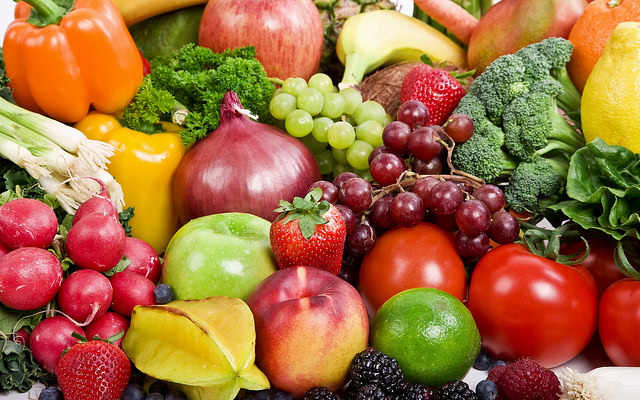
Need more protein without relying on meat? Alternate sources of protein include beans, lentils, tofu, tempeh, eggs, yogurt, quinoa, nuts, seeds, spirulina, and mycoprotein. Pair legumes with grains or nuts across the day, and choose varied foods for fiber, iron, calcium, and other nutrients. These options add new flavors and textures while helping you build filling meals.
Reading Protein Quality Through Amino Acids
Soy, eggs, and dairy provide all nine essential amino acids in useful amounts, so your body gets the full set needed to build and repair tissue. Alternate sources of protein give you a wide selection to mix and match across your week. Essential amino acids are protein parts your body cannot make, while digestibility describes how well your gut absorbs them.
Lentils, beans, peas, and chickpeas supply plenty of protein and fiber, yet their amino acid balance differs from grains. Rice, oats, barley, quinoa, and buckwheat fill some of those gaps across the day. You do not need to combine them in one meal. A varied pattern works, with legumes at one meal and whole grains at another.
Check total protein alongside fiber, fats, and carbohydrates, since a high-protein food still needs a balanced place on your plate. Track your intake to keep meals steady. Keep a simple log if you want to see your daily totals.
Managing Allergens and Dietary Compatibility
Check every ingredient label on textured soy products and mycoprotein slices, since added wheat, milk, or egg affects allergy safety and diet fit. Alternate sources of protein often come from different farms or brands. Soy foods suit vegetarian diets, yet tofu, tempeh, edamame, and textured soy protein still require soy avoidance for people with soy allergy.
Dairy and eggs offer complete protein, while lactose-free milk or fortified soy alternatives help people who digest lactose poorly or avoid dairy. Peanuts and tree nuts need separate checks because a nut-free diet does not cover every nut type. People with celiac disease should choose grains labeled gluten-free, especially when protein foods include wheat-based binders.
Shared kitchen tools also spread allergens, so packaged foods with allergen statements often offer safer choices. Ask a clinician for guidance after an allergy, intolerance, or medical diet change. Read labels carefully before trying new brands.
1. Soy Food Varieties: Complete Protein Choices

A common mistake is treating every soy food as nutritionally identical. Protein amounts vary by product, serving size, firmness, and preparation. Alternate sources of protein shift depending on how they are processed. Soy foods remain complete protein sources because they contain all nine essential amino acids.
Choose firm tofu for a versatile meal ingredient. About 3 ounces provide approximately 7 grams of protein, while softer tofu generally provides less because it contains more water. Add tofu to stir-fries, soups, or grain bowls. Keep it chilled until you cook it.
Use whole cooked edamame as a snack or salad topping. One cup provides approximately 17 to 22 grams of protein. Tempeh offers about 15 grams per 3-ounce serving and works well sliced, marinated, baked, or sautéed. Alternate sources of protein shine when you roast or pan-fry them for texture.
Drink unsweetened soy milk with cereal, smoothies, or sauces. One cup typically provides 7 to 8 grams of protein. TVP offers about 11 grams per half cup prepared, while defatted soy flour provides about 48 grams per cup. Rehydrate TVP before adding it to meals.
Soy protein isolate contains approximately 90 percent protein, while soy protein concentrate contains about 65 percent. These concentrated ingredients often appear in protein supplements and plant-based meat products. Miso adds savory flavor and some protein, but its smaller serving size makes it less useful as a main protein source. Check labels for exact totals.
Research supports soy foods as practical complete protein choices for vegetarian and vegan eating patterns. Select the form according to the meal, and check nutrition labels for the product-specific protein amount. Readers with soy allergies or medical conditions affected by soy intake should consult a qualified healthcare professional before making significant dietary changes.
2. Legumes and Pulses for Fiber-Rich Meals
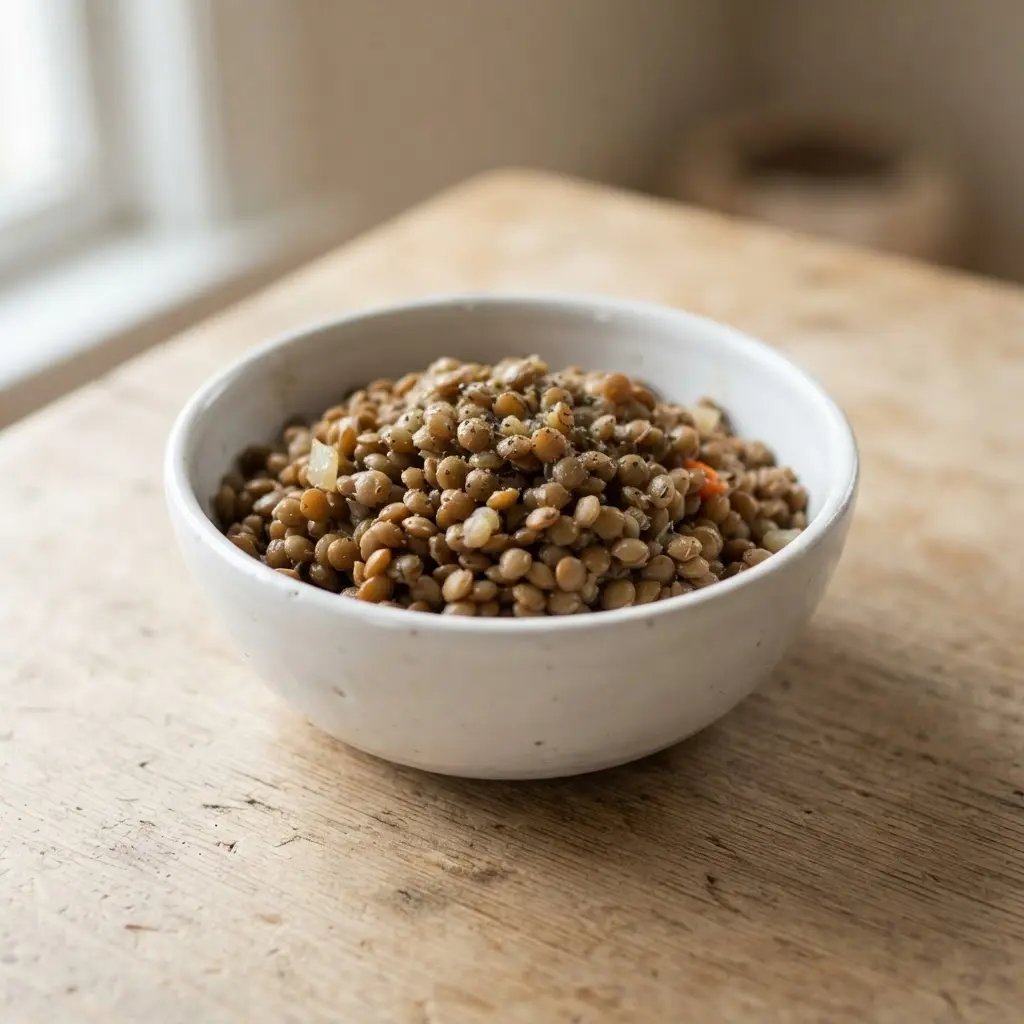
Start with lentils or beans when building a fiber-rich meal. Chickpeas, peas, black beans, kidney beans, and lentils belong to the legume family. Pulses refer specifically to the dried edible seeds from legume plants. This distinction makes shopping easier because fresh green beans and dried lentils belong to the same plant group, yet only dried seeds are pulses.
Choose canned pulses for speed, then rinse them under cool water before serving. Rinsing removes excess liquid and reduces some of the added salt. Select dried pulses when you want more control over texture and seasoning. Alternate sources of protein often need a quick soak. Sort through dried beans, rinse them, and soak them overnight before cooking.
Follow the package directions for the final cooking time, since different varieties soften at different rates. Pair a pulse with vegetables, whole grains, or a light dressing. Add lentils to soup, fold chickpeas into a grain bowl, or stir black beans into brown rice with peppers.
Fiber adds bulk to meals and supports regular bowel movements. Research links diets rich in fiber with better digestive health, especially when fiber intake rises gradually and fluids remain adequate. Increase portions slowly if your usual diet contains little fiber. A sudden change can cause gas or bloating.
Build one pulse-based meal into your routine, then vary the type across the week. Alternate sources of protein fit naturally into slow cookers. Keep cooked portions chilled and use them within the storage period listed for the food.
3. Ancient Grains Protein Content: Nutrient-Dense Options
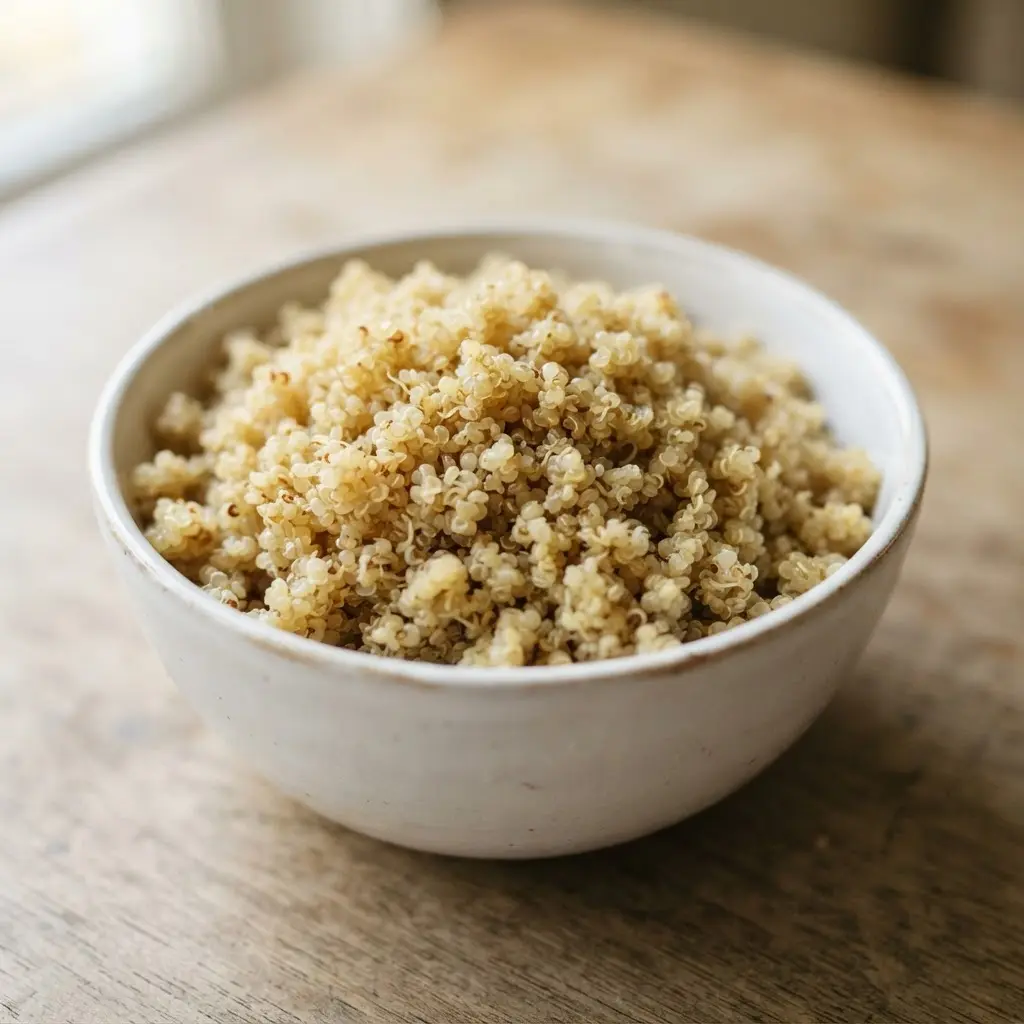
At 7 a.m., measure dry grains before preparing a batch for breakfast or lunch. Use a dry-weight comparison when comparing ingredients. Buckwheat provides about 15.1 grams of protein per 100 grams, followed by spelt at 14.6 grams, Khorasan wheat at 14.5 grams, freekeh at 14.4 grams, einkorn at 14.3 grams, and quinoa at 14.1 grams. Emmer or farro ranges from 14 to 16 grams.
Cooking changes the weight, not the total protein in the grain. Choose same-weight comparisons when estimating a ready-to-eat portion. Dry spelt contains about 14.6 grams of protein per 100 grams, while cooked spelt contains about 5.5 grams per 100 grams. Water enters the grain during cooking, increasing total weight and lowering protein concentration per 100 grams.
Quinoa, amaranth, and kañiwa provide all essential amino acids. Buckwheat offers a nearly complete profile and a relatively high lysine content. Alternate sources of protein appear in both dry and wet forms. Build meals with a varied grain selection, then pair a grain-based dish with iron-rich vegetarian foods. Research suggests this broader pattern supplies protein alongside fiber, iron, zinc, calcium, and other nutrients.
Read grain labels before comparing nutrition figures. Treat tarwi as a legume rather than a grain, even though some studies report 48.5 to 54.4 grams of protein per 100 grams. Chia is a seed, not a grain, and supplies about 18.9 grams. Keep the protein basis consistent, since variety, processing, preparation, and database methods produce approximate values.
4. Nut and Seed Profiles for Daily Meals
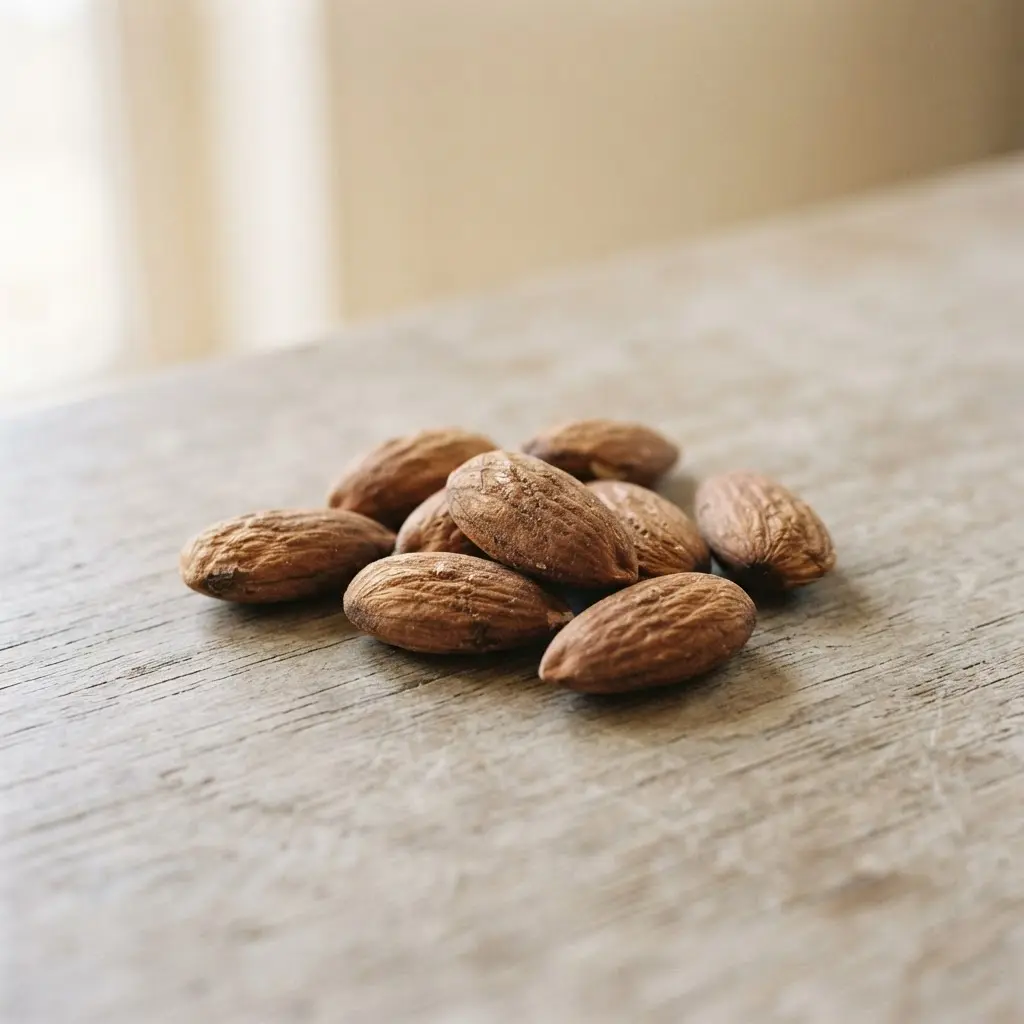
Myth: all nuts and seeds serve the same purpose. Their nutrient profiles and kitchen uses differ. Alternate sources of protein often come in tiny, calorie-dense shells. Almonds provide protein, fiber, vitamin E, magnesium, and monounsaturated fat. Walnuts and flaxseeds provide alpha-linolenic acid, a plant-based omega-3 fat. Brazil nuts supply exceptionally high selenium, so limit intake to about 1 to 3 nuts daily.
Use one-ounce portions as a practical guide because nuts and seeds are calorie-dense. Add almonds to oatmeal, yogurt, smoothies, salads, or sandwiches. Stir chopped walnuts into grain bowls, pancake batter, pesto, or roasted vegetables. Sprinkle pumpkin seeds over soup or salads for magnesium, zinc, iron, and crunch.
Match each ingredient to its best form. Grind flaxseeds before adding them to cereal, dressings, baked foods, or veggie burgers because ground seeds support better nutrient absorption. Alternate sources of protein shine when you match the texture to your recipe. Soak chia seeds in dairy or non-dairy milk for pudding.
Chia absorbs liquid and forms a gel, which also thickens some soups and sauces. Shelled sunflower seeds suit oatmeal, yogurt, salads, sandwiches, and baked dishes. Research suggests that spreading these ingredients across meals makes plant-based protein easier to include in familiar foods. Build plant-based breakfast options with chia pudding, almond-topped oats, or ground flax in a smoothie. Use pecans for fiber and healthy fat in oatmeal or salads. Always consult a healthcare professional before making changes to your health routine.
5. Dairy and Egg Alternatives: Calcium-Rich Choices
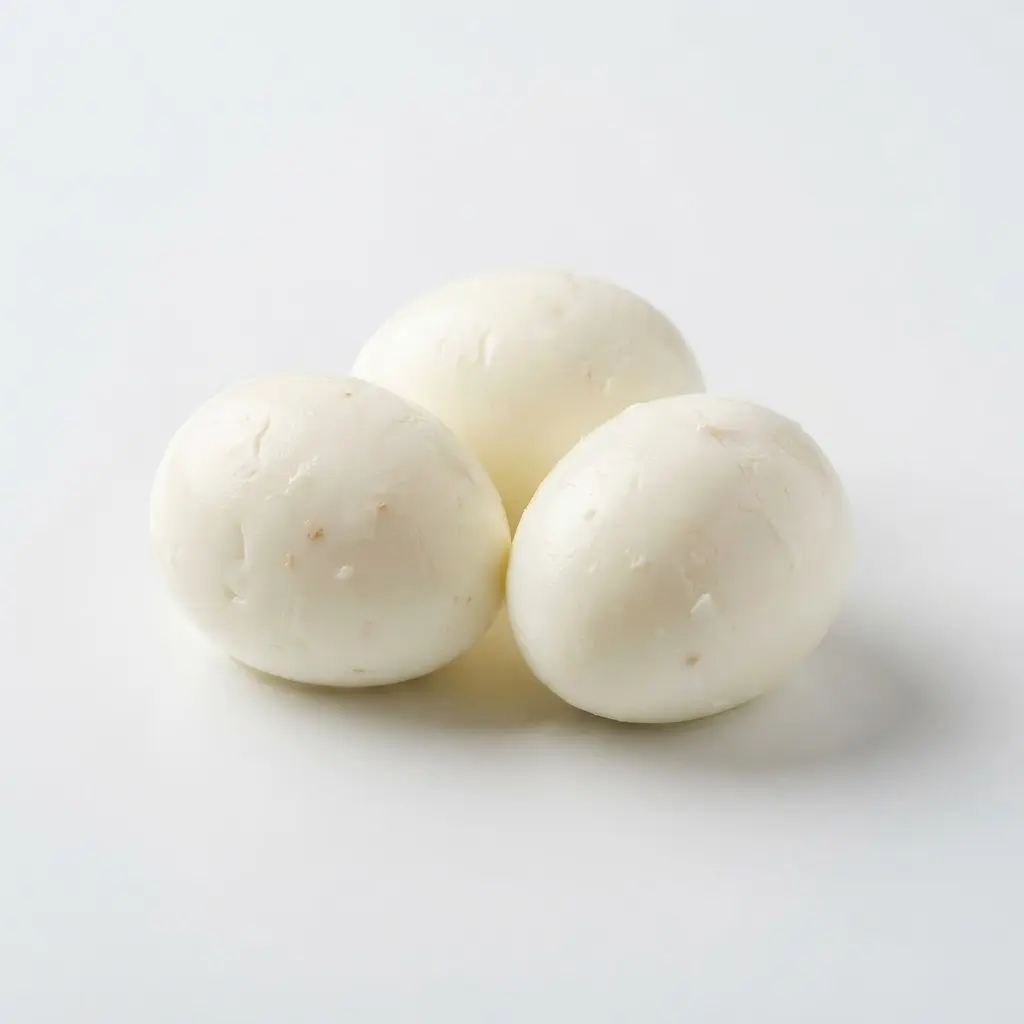
Need calcium without dairy? Choose fortified plant milk and check the label for calcium and vitamin D. Soy, almond, oat, rice, and cashew drinks differ by brand, so compare the listed amounts instead of assuming equal nutrition. Choosing among vegan dairy alternatives starts with checking fortification, protein content, and taste. Alternate sources of protein work well when fortified with extra calcium. Research suggests fortified products offer a reliable way to add calcium to meals when dairy is absent.
Use tofu prepared with calcium sulfate for another calcium-containing choice. Add kale, collard greens, bok choy, broccoli, white beans, chickpeas, almonds, sesame seeds, or chia seeds to meals. Calcium absorption differs among foods, especially among leafy greens, so use several sources across the week. Fortified orange juice provides another labeled option, though juice portions still contain natural sugar.
Do not treat egg substitutes as nutritional copies of eggs. Eggs are not a primary calcium source, and substitutes mainly replace a recipe function. Mix ground flaxseed with 3 tablespoons of water and wait 5 to 10 minutes for a gel when binding baked goods. Chia seeds work in the same way. Mashed banana or applesauce adds moisture and binding, while silken tofu suits custards, quiches, and scrambles. Commercial replacers often combine starches with leavening agents, so follow the package directions.
Read labels each time you buy a plant-based drink or orange juice. Check tofu ingredients when calcium intake is a priority. Alternate sources of protein need careful planning when swapped. Match the egg replacement to the recipe rather than using every option interchangeably.
6. Algae and Spirulina Sources for Protein
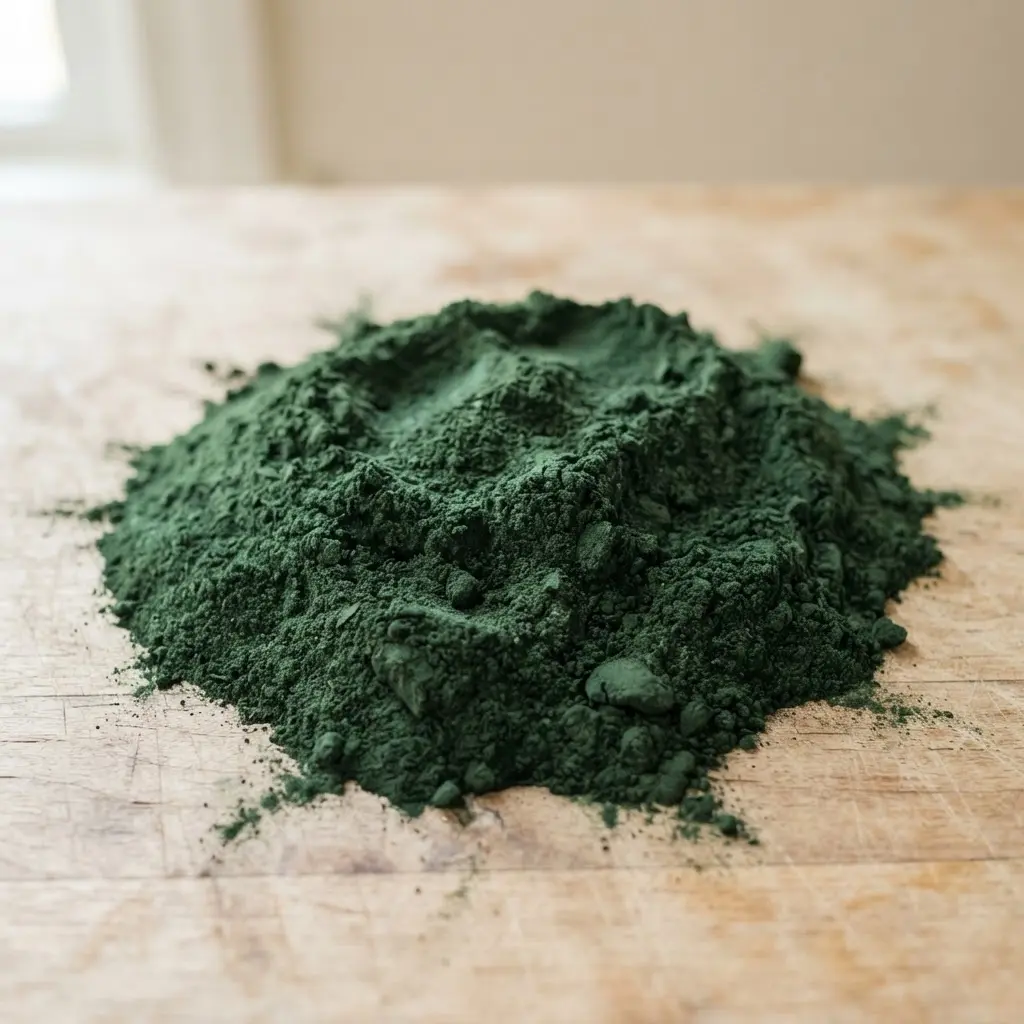
Unlike soybeans, which contain about 36% to 40% protein by dry weight, microalgae often provide about 40% to 70%. Choose spirulina powder or chlorella powder when a small addition needs to supply concentrated protein. Species and processing methods affect the final amount, so read the nutrition panel before buying. The species discussed most often are Spirulina platensis and Chlorella vulgaris.
Microalgae are grown, harvested, dried, and processed into powders or extracts. Algal proteins typically provide all nine essential amino acids, with proportions aligned with or above FAO and WHO recommendations. Processing affects digestibility and bioavailability because cell structures influence access to protein during digestion. Add a measured serving to a smoothie, yogurt, soup, or formulated food, then follow product directions. Alternate sources of protein from algae require careful dosing.
Spirulina and chlorella bring more than protein. Products often contain fiber, fatty acids, vitamins, and minerals such as iron, calcium, magnesium, and potassium. Algal ingredients possess emulsifying, gelling, and foaming properties, so food makers use them to blend, thicken, or stabilize foods. Strong green or blue-green pigmentation, taste, and odor limit suitability for some meals. Research on sustainable protein production reports lower land and freshwater needs for algae cultivation than many traditional sources, with potentially lower emissions per gram of protein.
Do not treat spirulina as a dependable vitamin B12 replacement. B12-related compounds in algae products differ in form and nutritional usability, so people relying on supplements for adequacy need careful product review. Choose products with clear species, serving, protein, and testing information. Always consult a healthcare professional before making changes to your health routine.
7. Mycoprotein and Fungi Options: Savory Foods
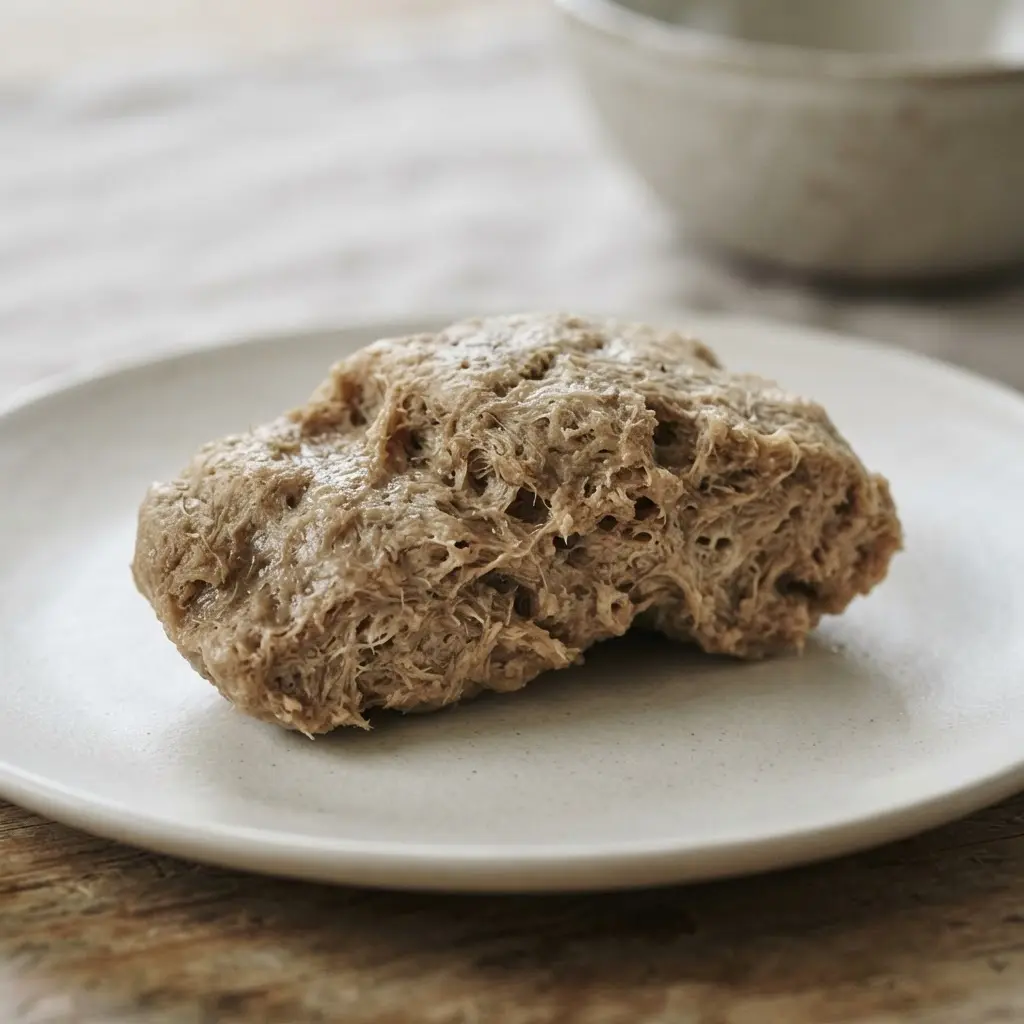
A common mistake is treating every fungi-based food as the same. Mycoprotein is a protein-rich ingredient made by fermenting filamentous fungi. Selected edible species grow in a controlled setting, then the harvested fungal biomass is processed for food use. Controlled fermentation shapes the starting ingredient and supports consistent quality. Alternate sources of protein from fungi grow in vats before processing.
Manufacturers use mycoprotein in burgers, sausages, meat-free patties, and shaped pieces. The fungal biomass has a fibrous structure. Processing preserves or develops this structure, creating a firm texture similar to meat. Seasonings, oils, grains, and other ingredients influence flavor and mouthfeel. Use savory formats when replacing meat in meals built around a firm, chewable center.
Do not assume every product offers the same nutrition. Check the product label for protein, fiber, vitamin B12, sodium, and added ingredients. Some formulations provide fiber and vitamin B12, while others differ based on recipe and fortification. Use smart food swaps to replace minced meat in tacos, pasta sauces, or burger meals without changing the cooking pattern. Alternate sources of protein from mushrooms offer different textures and flavors.
Research suggests fungal fermentation could support lower-impact food production through reduced water use and fewer greenhouse-gas emissions than conventional meat production. Choose products according to nutrition, ingredients, and dietary needs rather than assuming every fungal option is vegan or suitable for every person. People with allergies or sensitivities should read allergen statements carefully and consult a qualified healthcare professional when unsure. Always consult a healthcare professional before making changes to your health routine.
8. Complementary Protein Pairings for Complete Amino Acids
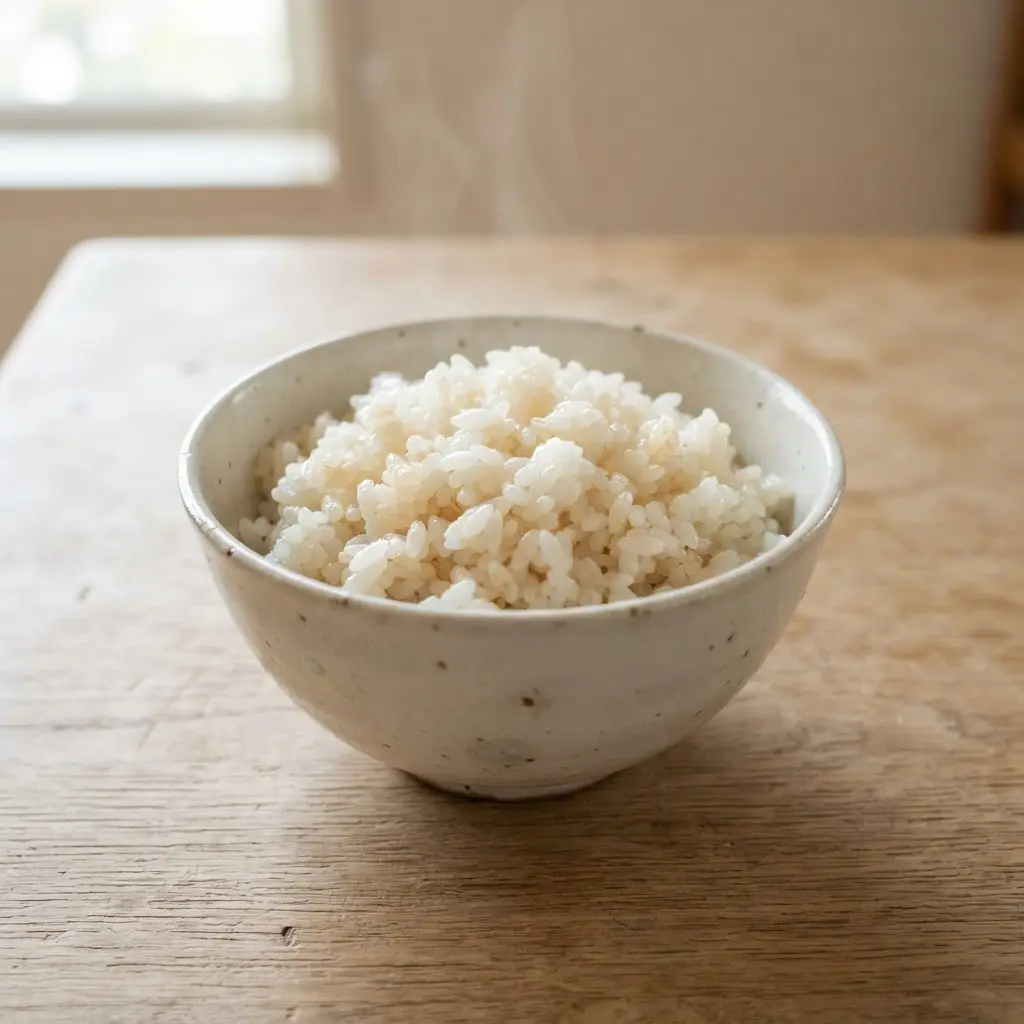
Start with a legume and grain pairing at one meal or across the same day. Beans with rice, lentils with bread, peas with pasta, and hummus with pita bread bring different amino-acid profiles together. The nine essential amino acids must come from food because the body does not produce them. Alternate sources of protein work best when combined thoughtfully.
Build variety into plant-based meals rather than relying on one food. Add sunflower seeds to chickpea salad, spread peanut butter on whole-wheat bread, or serve tofu with brown rice and broccoli. Soy avoid misleading health foods tofu supply protein within a mixed meal, while grains, vegetables, nuts, and seeds add different nutrients and amino acids. Research suggests people do not need to combine every source in one bite.
Eat complementary proteins together or include varied sources throughout the same day. A breakfast of cereal with milk, a lentil lunch with bread, and a bean-based dinner provide several practical combinations. Alternate sources of protein fit easily into batch cooking routines.
Avoid treating every plant food as nutritionally identical. Some foods are low in one essential amino acid, while another food supplies more of the limited amino acid. Use beans and cornbread, omelet with toast, or chickpeas with a grain product to widen the protein pattern. Always consult a healthcare professional before making changes to your health routine, especially with a medical condition or specialised dietary need.
Building Balanced Meals Across the Day
Pairing legumes and whole grains at separate meals across one day covers amino acid differences without forcing one oversized dish. A breakfast with oats and yogurt, a lunch with lentils, and a dinner with rice and tofu spread protein through your eating pattern. Add vegetables or fruit for fiber, color, and vitamins, then include fats from seeds, nuts, olive oil, or avocado as your meal needs.
Quinoa and buckwheat offer grain-like kernels with useful protein, while eggs, dairy, and soy foods add complete protein without relying on meat. Read the nutrition label for protein per serving, fiber, saturated fat, sodium, and added sugars. Cooking legumes until tender improves texture and digestion. Alternate sources of protein stay fresh when stored properly. Portion size still matters, since protein density varies widely between cooked beans, grains, nuts, and seeds.
Conclusion
Eating more varied protein foods gives your meals more choice and flavor. A bowl of lentils, a tofu stir-fry, yogurt with seeds, or eggs with whole-grain toast fits into ordinary routines. Alternate sources of protein also bring fiber, healthy fats, calcium, iron, and other nutrients. Start small so the change feels easy. Pick one food from this list, check the serving size on its package or recipe, and add it to a meal you already enjoy. Pair beans with rice, lentils with bread, or hummus with whole-grain pita when you want a wider amino acid mix. Keep a few simple staples in your kitchen, such as canned beans, oats, tofu, nuts, or eggs. Over time, these small choices build a flexible eating pattern with plenty of satisfying options. Alternate sources of protein make daily meals more diverse.
FAQs
Q: How much protein should one meal include?
A: Protein needs differ by age, body size, activity, and health needs. A meal with beans, tofu, eggs, yogurt, or lentils plus vegetables and whole grains creates a balanced starting point. Alternate sources of protein can easily meet daily targets when spread across three meals.
Q: Are plant proteins complete proteins?
A: Soy foods, quinoa, and a few other plant foods contain all essential amino acids. Beans, grains, nuts, and seeds still fit a healthy eating pattern when varied across meals. Mixing different categories fills in the gaps naturally.
Q: Does soaking beans improve protein use?
A: Soaking and cooking beans reduce some compounds linked with lower mineral absorption. Rinse soaked beans and cook them until tender for better digestion and texture. Letting them sit in cool water overnight also softens the outer skin for quicker cooking.
Q: What are easy high-protein snacks without meat?
A: Try yogurt with seeds, hummus with vegetables, roasted chickpeas, cottage cheese with fruit, or a small handful of nuts. Choose options with little added sugar and salt when possible. Pack a small container for work or travel to keep hunger at bay.
Q: Do nuts and seeds count as protein foods?
A: Nuts and seeds contain protein along with unsaturated fat and fiber. Use a small portion in oatmeal, salads, yogurt, or grain bowls for added nourishment. Their healthy fats also support heart health and steady energy throughout the afternoon.