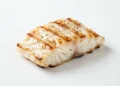
Ways to stick to your diet at work include packing meals you enjoy, planning filling snacks, drinking water, and setting aside time to eat without rushing. Make food choices before hunger gets strong, keep nourishing options close, and leave room for shared meals or a favorite treat. Busy workdays often bring meetings, stress, boredom, and limited food choices. A simple plan helps you respond with care instead of relying on willpower. I know office routines change, so the goal is not perfect control. It is a flexible routine you feel comfortable repeating. Finding Ways to stick to your diet at work takes a bit of setup, and your schedule will thank you. This guide covers meal prep, desk snacks, hydration, mindful breaks, shared treats, social meals, coworker conversations, and habit tracking. Each idea fits into a normal workday without adding pressure. Let’s make your next workday easier with one prepared choice, one planned break, and one small step you feel ready to keep.
Office Kitchen Setup And Food Visibility
Keep a compartmentalized lunch container at eye level in the office fridge so your planned meal stays visible before leftover pizza claims your attention. Place pre-portioned nuts, seeds, or roasted chickpeas in clear jars near your water bottle, while cookies and shared sweets sit in a closed cupboard. Use a reusable water bottle with marked volume lines, since thirst often looks like hunger during long screen sessions. Keep washed fruit and cut vegetables in front compartments, making the balanced option visible when lunch starts late. Label each container with its contents and date, which helps you spot forgotten food and avoid unsafe leftovers. Learning Ways to stick to your diet at work starts with visible choices. Reserve one drawer for portable snacks, so your desk stays free from constant grazing.
Flexible Plans For Meetings And Overtime
Pack an insulated lunch bag with an ice pack whenever meetings or commuting keep a perishable meal away from a refrigerator for more than two hours. A shelf-stable backup, such as whole-grain crackers with nut butter or roasted chickpeas, stays in your desk for surprise overtime. The meeting calendar reveals which lunches need little heating between calls. Takeout decisions feel easier when you choose vegetables, beans, lentils, tofu, or lean protein with a fiber-rich grain before hunger peaks. Testing Ways to stick to your diet at work helps you handle overtime smoothly. At celebrations, carry a small planned snack and use a polite phrase such as, “No thank you, I brought enough.” If overtime runs late, eat the backup before reaching extreme hunger, then reassess what you still need.
1. Strategic Weekly Meal Preparation for Busy Office Days

Preparing seven full days of meals at once is a common mistake. Start with two or three office lunches, a few breakfasts, and easy snacks. Match the prep session to your schedule. Exploring Ways to stick to your diet at work begins with realistic batches. A 60-minute block on Sunday is enough for cooked grains, roasted vegetables, and one protein.
Review meetings, late workdays, and evening plans before shopping. Build the grocery list around healthy meals at work, then buy only the ingredients required. Choose versatile foods such as chicken, lentils, rice, quinoa, beans, and roasted peppers. Use one protein in salads, wraps, or bowls to add variety without extra cooking. Tracking Ways to stick to your diet at work means buying exactly what you will eat.
Prepare core ingredients rather than forcing every meal into a finished dish. Wash and chop produce. Cook grains and proteins. Roast broccoli, sweet potatoes, bell peppers, or onions. Keep sauces and dressings separate. Store salads with sturdy ingredients below delicate toppings, and add dressing shortly before eating. Planning Ways to stick to your diet at work works best when ingredients stay flexible.
Divide food into individual airtight containers after cooking. Label each container with its contents and preparation date. Refrigerate meals for the first three to four days, and freeze later portions. Cool cooked food promptly and follow current food-safety guidance for refrigeration, freezing, and reheating. Checking Ways to stick to your diet at work includes safe storage habits.
Research suggests planned meals reduce weekday decisions and reliance on unplanned purchases. Prepared snacks such as fruit, yogurt, nuts, vegetable sticks, or hummus also keep a long office day covered. Begin with a small batch, track what you eat, and adjust the next prep session to match your actual workweek.
2. Accessible Desk Snack Stashes for Steady Energy
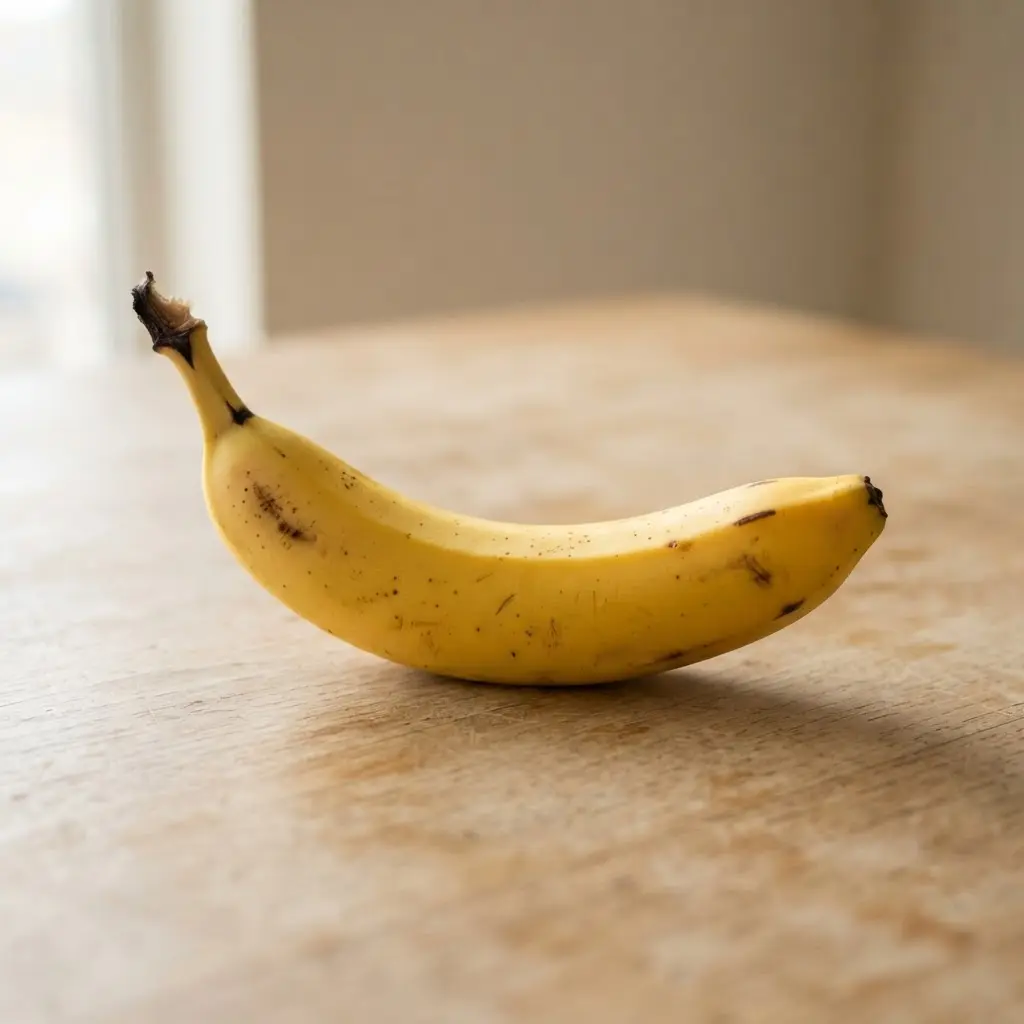
Keep a desk snack stash ready before the workweek starts. Stock several shelf-stable foods in a drawer or small organizer, so hunger between meetings does not send you toward a vending machine. Choose nuts, seeds, whole-grain crackers, protein bars, dried fruit, and fruit such as apples or oranges. Identifying Ways to stick to your diet at work starts with easy access to good food. Pre-portion nuts, seeds, and dried fruit into small bags or containers. Pair whole-grain crackers with nut butter or cheese when refrigeration is available.
A mixture of carbohydrate, protein, fiber, and fat provides a more filling snack than a sweet food alone. Use healthy snack ideas to vary the selection without filling your drawer with treats you will not eat. Read labels before buying protein bars or energy bites. Choose products with whole-food ingredients and minimal added sugar. Practicing Ways to stick to your diet at work means reading ingredient lists first. Keep dried fruit servings modest because drying concentrates its natural sugar. A small portion of dark chocolate with at least 70% cocoa fits in the stash, but store it in a cool, dry place.
Seal foods in airtight containers to preserve freshness and prevent spills. Keep packaged bars and crackers in a desk drawer. Place fresh fruit in a clean bowl, and refrigerate cheese or other perishable foods. Select gluten-free, vegan, or nut-free options when dietary needs or office allergies require them. Organizing Ways to stick to your diet at work prevents spills and stale snacks. Research suggests prepared food access supports healthier choices by reducing decisions made during strong hunger. Pair each snack with water, rotate the selection every week or two, and avoid eating directly from large packages. Portion control works best when the serving is ready before work becomes demanding.
3. Hydration and Appetite Management During Work Hours

At 10:30 in the morning, a dry mouth and tired focus can make the office snack table seem tempting. Keep a water bottle at your desk and drink at regular points through the day instead of waiting for strong thirst. Dehydration contributes to fatigue and poor concentration, which makes planned food choices harder. Managing Ways to stick to your diet at work often starts with plain liquids. Drink water before lunch or an afternoon snack, then pause briefly and check your hunger.
Thirst sometimes feels like hunger. Research suggests water before a meal increases fullness for some people and supports more deliberate portions. Water supports appetite control, but it does not replace the nutrients in a balanced meal. Scheduling Ways to stick to your diet at work helps you separate true hunger from dry mouth. Schedule meals and snacks at fairly consistent times. Long gaps often lead to extreme hunger and stronger cravings.
Choose a snack with protein and fiber, such as yogurt with fruit, nuts with an apple, or sliced vegetables with a protein-rich dip. Build meals around protein, healthy fats, and complex carbohydrates for steadier energy. Eat away from your keyboard whenever possible. Practise mindful eating by slowing down, tasting each bite, and noticing fullness before reaching for more. These habits support ways to control appetite naturally by reducing distracted eating and stress-related choices. Protect sleep and manage work stress with walking, deep breathing, or a short meditation break. Poor sleep and high stress influence hunger and cravings. Always consult a healthcare professional before making changes to your health routine, especially with a condition affecting fluid intake, digestion, or blood sugar.
4. Intentional Mindful Eating Breaks Between Meetings

Many people believe eating between meetings shows poor discipline. A planned five-to-ten-minute pause supports steady choices by replacing rushed, distracted eating with a clear routine. Planning Ways to stick to your diet at work requires protected time. Schedule a mindful eating break on your calendar as a fixed appointment. Protect the time even during a busy workday.
Prepare simple food before meetings begin. Keep fruit, nuts, yogurt, or pre-cut vegetables within reach. Move away from your desk and choose a quiet place. Put aside email, meeting notes, and your phone. A change of setting creates a clear boundary between work and eating. Begin with several slow breaths. Look at the food’s color, shape, and texture. Notice its aroma and physical feel. Take small bites and chew slowly. Pay attention to flavors, including sweetness, saltiness, bitterness, or sourness. Listen for sounds such as crunching. Notice hunger and fullness cues as your body’s signals change during the break.
Research suggests mindful eating breaks may support stress reduction, improved digestion, energy, focus, and greater enjoyment of food. These potential well-being benefits are not guaranteed medical outcomes. The pause also creates a transition between meetings, which many people find useful for returning to work with a clearer mind. Keep the routine practical by starting with one scheduled break each workday, even when five minutes is the only available interval.
5. Workplace Environment Management Techniques for Shared Treats

How do you handle shared treats without relying on willpower? Set clear expectations for shared spaces and follow them each workday. Keep food in one designated area rather than beside desks, meeting tables, or computer screens. A fixed location limits casual food cues and makes personal choices easier to manage. Learning Ways to stick to your diet at work involves organizing communal areas. Clean shared surfaces after celebrations, meetings, and snack breaks.
Remove open containers promptly, wipe tables, and provide hand-sanitizing stations near communal food. Good hygiene protects staff from avoidable health risks, although supplied research does not show that sanitation improves diet adherence or reduces treat intake. Establish a short workplace policy for shared treats. State where food belongs, how long perishable items can remain out, and who handles leftovers. Communicate the procedure through staff messages and team meetings. Provide a clear reporting channel for spills, spoiled food, or other concerns. Consistent rules prevent confusion and keep the shared area orderly.
Plan a personal response before the next birthday cake or snack box arrives. Bring a filling meal or planned snack, serve a deliberate portion if you choose to eat, and return to your normal routine afterward. Use planned snack portions to replace unplanned grazing. Research supplied for this topic addresses workplace safety and sanitation, not cravings, food visibility, or weight management. Treat these steps as organization and hygiene measures, not proven dietary treatment.
6. Social Event Navigation for Balanced Office Meals

Treating an office meal as a willpower test creates more strain than making a plan before the event. Check the menu early and identify a meal with a protein source, vegetables, and a filling carbohydrate. At a catered lunch, scan every option before placing food on your plate. Choose one main dish, then add smaller portions of foods you want to taste. Testing Ways to stick to your diet at work works best with a clear pre-event plan.
Tell the organiser about allergies, medical needs, or dietary restrictions at least 48 hours before a gathering. Use a prepared response for social pressure, such as, “I am choosing what suits my plan today.” A brief answer keeps the focus on the event rather than your plate. Research suggests that social settings influence food choices, so planning words in advance reduces rushed decisions. Support better choices through clear menu labels. Ask organisers to mark vegetarian, vegan, gluten-free, and common allergen options. Place water near the meal area and include at least two filling choices instead of offering only rich snacks. Menu planning gives employees useful information and reduces the need to guess about ingredients.
Build a repeatable routine for office parties and shared meals. Eat a normal breakfast and lunch rather than saving all food for the gathering. Arrive with a simple plan, serve one plate, and pause before taking more. A workplace culture that respects different food choices makes dietary goals easier to maintain without singling anyone out.
7. Supportive Colleague Communication Strategies for Food Boundaries
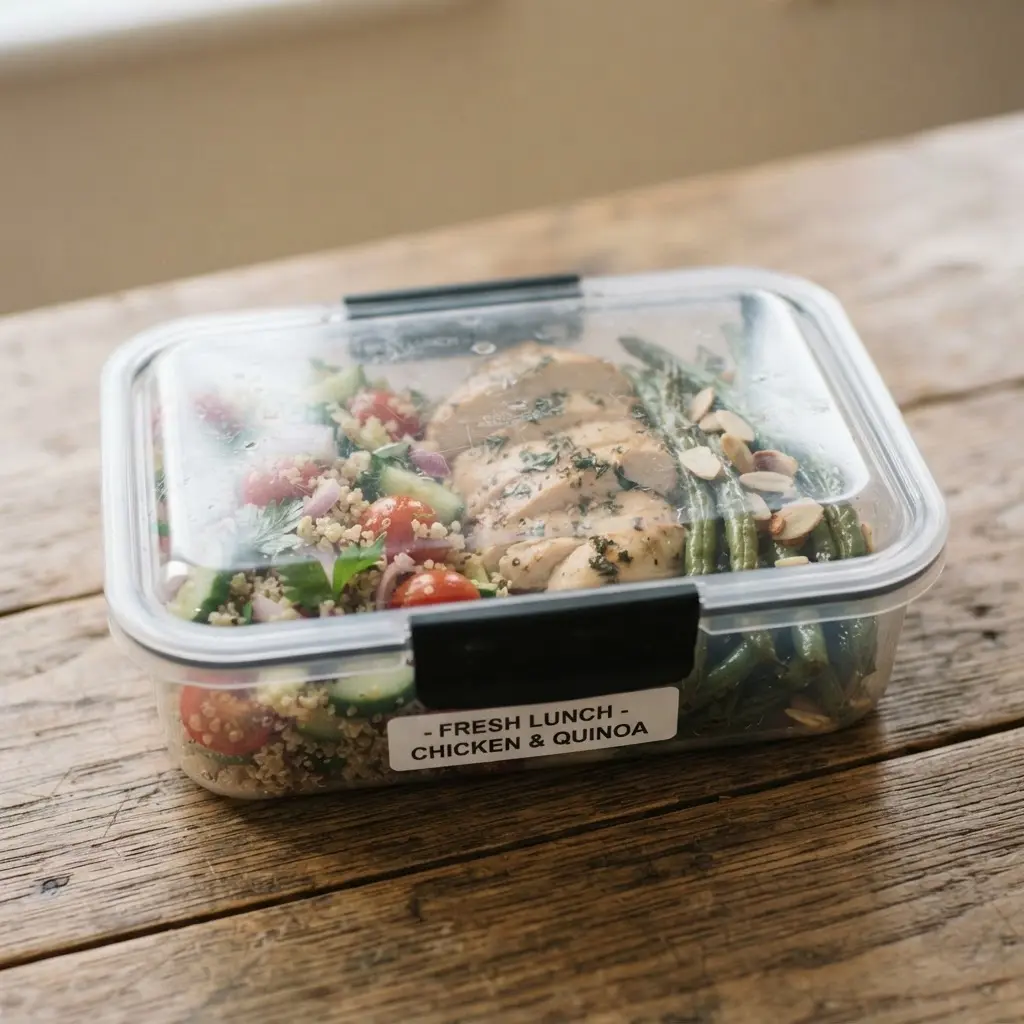
Over-explaining every food choice is a common mistake. Correct the pattern with a brief boundary statement. Say, ‘Thanks for the offer, but I brought my own lunch,’ or ‘I prefer to keep my food separate.’ Practicing Ways to stick to your diet at work means setting simple boundaries first. Use an I statement focused on your needs, not a judgment about another person’s meal. Employees do not owe colleagues personal medical details.
Set the same limit during shared meals, office celebrations, and potlucks. Label your dish clearly so ingredients are easier to identify. When someone asks again after you decline, repeat the same words calmly rather than starting a debate. Say, ‘No thank you, I am not hungry right now.’ Consistency teaches colleagues how to respect your food boundaries. Maintaining Ways to stick to your diet at work relies on steady repetition. Redirect conversations about dieting, weight, or meal comparisons with a topic change.
Say, ‘Let us talk about something else,’ or, ‘I am focusing on my work right now.’ Research suggests clear, steady communication supports personal control and reduces unwanted social pressure around eating. Join a coffee break or lunch while bringing and eating your own meal. Protect privacy around food sensitivities, allergies, and other medical needs. Share only details required for safety, then follow relevant medical guidance. When repeated pressure or disrespect continues, record the pattern and speak with a manager or HR department. A friendly tone is useful, but firm repetition matters more than offering a long explanation.
8. Consistent Dietary Habit Tracking for Workday Progress

Track one workday meal first. Choose lunch and record it immediately after eating with a saved meal, photo, or quick note. A short entry takes less time than reconstructing the meal from memory at the end of the day. Add breakfast, snacks, and dinner only after lunch tracking feels steady. Attaching logging to your routine is one of the best Ways to stick to your diet at work. Attach logging to a routine you already follow, such as sitting at your desk, finishing lunch, or drinking your first coffee.
Use a phone reminder, notes app, or paper log as the tracking tool. Save common meals and snacks so repeated entries need only a few taps. Research suggests that reducing daily decisions supports more consistent dietary habits. Plan a repeatable lunch with a protein source, a fiber-rich carbohydrate, and vegetables. Prepare several portions before the workweek and keep snacks ready in measured containers. Build your routine around important healthy eating habits rather than relying on willpower during a busy afternoon. A flexible 80/20 approach allows some less-structured meals without abandoning the overall plan.
Use approximate portions or a meal photograph when detailed logging is impractical. Record one priority meal during travel, illness, or an unusually demanding workday. Treat a missed entry as an interruption, not a failed effort. Restart with the next meal or the following workday, following a never miss twice rule. People with diabetes, eating disorders, gastrointestinal conditions, or other health concerns should consult a healthcare professional before changing dietary routines.
Tracking Patterns Without All Or Nothing Rules
Review a three-day food log each Friday to spot patterns without labeling one difficult lunch as failure. Record the time, location, hunger level, and reason for eating, such as stress, habit, celebration, or genuine hunger. Note whether you ate at your desk, in a break area, or away from screens, since distracted eating often hides portion size and satisfaction. Look for repeat triggers, including skipped breakfasts, long gaps between meals, office treats within reach, or low water intake. Reviewing Ways to stick to your diet at work requires looking for patterns. Choose one small adjustment for the next week, such as carrying fruit, scheduling a lunch break, or moving sweets farther from your keyboard. A missed plan still offers useful information. Return to your next balanced meal rather than waiting for Monday, and judge progress by repeated choices across the week.
Conclusion
Your workday food choices do not need to be perfect to support your health. A packed lunch, a snack in your bag, or a short eating break gives you more room to choose with care. Ways to stick to your diet at work become easier when your plan fits your real schedule, including meetings, team meals, busy afternoons, and occasional treats. Start with one habit today. Pack tomorrow’s lunch tonight, place a filling snack where you will see it, or set a reminder for a water and meal break. If one meal goes differently than planned, return to your next choice without guilt. Small steps build trust in your routine over time. Choose the habit that feels easiest to repeat this week, then give it a fair chance before adding more. A calmer workday starts with simple preparation and kind self-talk.
FAQs
Q: What is the best lunch to bring to work?
A: Choose a meal with protein, vegetables, a satisfying carbohydrate, and a flavor you enjoy. Pack enough food for your usual hunger and schedule.
Q: How do I stop eating snacks from boredom at my desk?
A: Pause and check your hunger, mood, and energy before reaching for food. Take a short walk, drink water, or switch tasks if boredom seems to drive the urge.
Q: How do I handle office treats without feeling left out?
A: Decide ahead of time which treats you want to enjoy. Take a small serving, eat it slowly, and return to your usual routine afterward.
Q: How do I stay on track during a work lunch?
A: Look over the choices first and pick a meal with vegetables and a filling protein source. Eat at a steady pace and stop when you feel satisfied.
Q: What should I do after overeating at work?
A: Skip punishment and return to your next regular meal. Drink water, notice what led to overeating, and plan one helpful change for the next workday.