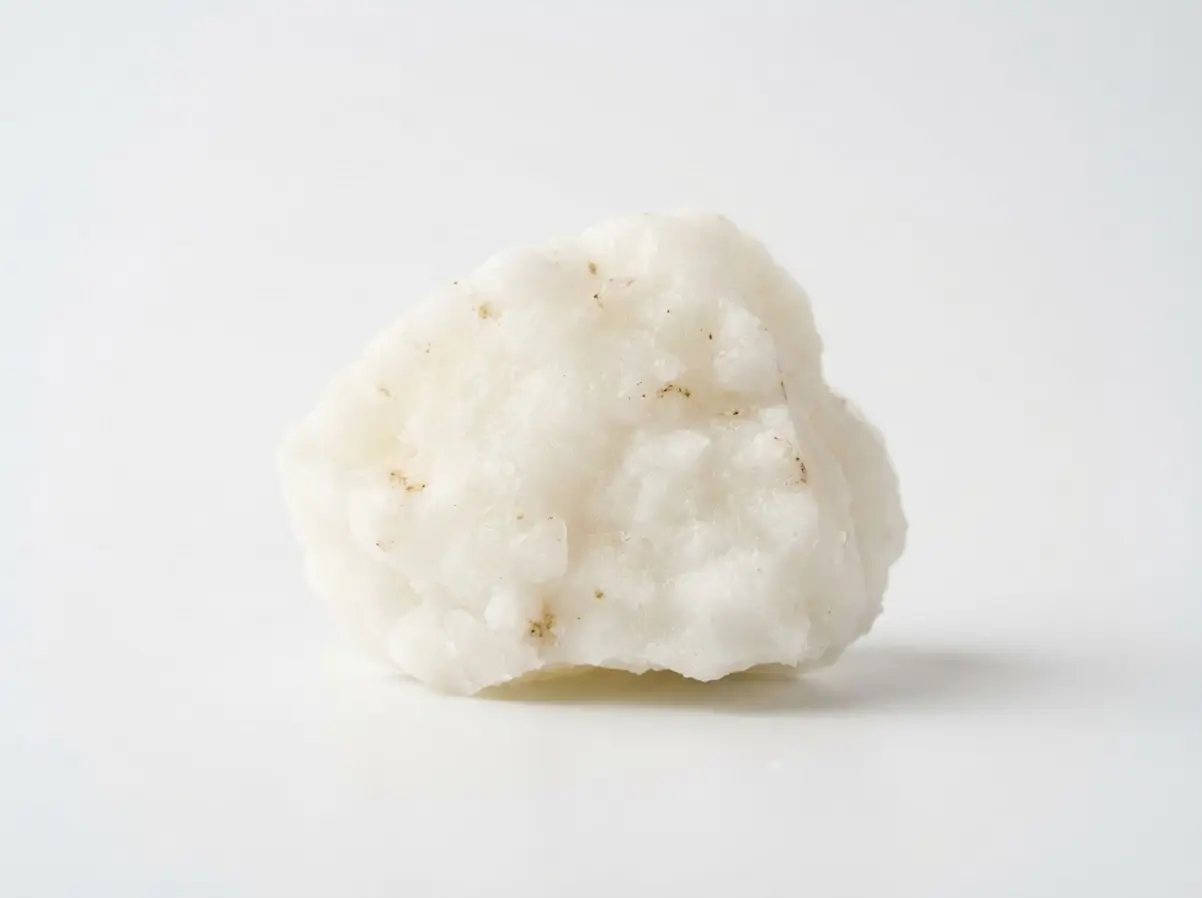
Are you wondering if coconut oil belongs in your kitchen or your daily routine? The health benefits of coconut oil spark a lot of debate today. Coconut oil contains mostly saturated fat. It raises LDL cholesterol in many people, while also raising HDL cholesterol. Its health value depends on portion size, the rest of your diet, and how often you use it. The health benefits of coconut oil are often overstated in wellness claims, so clear facts help you make a choice without guilt or confusion. I will walk through its nutrients, cholesterol effects, weight loss claims, blood sugar research, skin and hair uses, and cooking options. You will also see how it compares with olive, avocado, and other unsaturated oils. Let’s sort useful evidence from common claims, then choose a practical way to use coconut oil. Read on for a balanced guide you can use at your next meal.
Reading Coconut Oil Nutrition Labels Accurately
Check the saturated fat line first: one tablespoon of coconut oil contains roughly 12 grams, making its 91% saturated-fat content easy to miss when serving sizes look small. The health benefits of coconut oil depend on reading these numbers correctly. Look for virgin or refined wording, since virgin oil has a clear coconut taste and refined oil usually tastes neutral. The label also shows calories, total fat, and smaller amounts of monounsaturated and polyunsaturated fat.
Lauric, myristic, and palmitic acids make up most of its fatty acids. A familiar natural image does not change how the saturated fat affects your daily total. Understanding the health benefits of coconut oil starts with these simple label facts. Compare serving size with the amount used in coffee, baking, or pan cooking. This keeps your nutrition label reading tied to your actual intake.
Planning Fat Intake Across The Whole Diet
Replacing coconut oil with an unsaturated oil, rather than adding it to your usual meals, gives your overall fat plan a clearer health purpose. Olive, canola, soybean, and sunflower oils supply more unsaturated fat and less saturated fat than coconut oil. The health benefits of coconut oil fit best when used as a swap. Swapping them into sautéing, baking, or dressings changes the fat balance without requiring a larger food budget.
Keep coconut oil as a flavor choice if you enjoy its taste, but count it within your total added fat for the day. Solid coconut oil works differently from liquid oils during storage and cooking, so texture preferences matter too. Research has not shown clear improvements in blood sugar, inflammation, or body fat from adding coconut oil. A diet pattern focused on replacement, rather than addition, keeps the decision practical.
1. Nutritional Composition of Coconut Oil: Fats and Calories
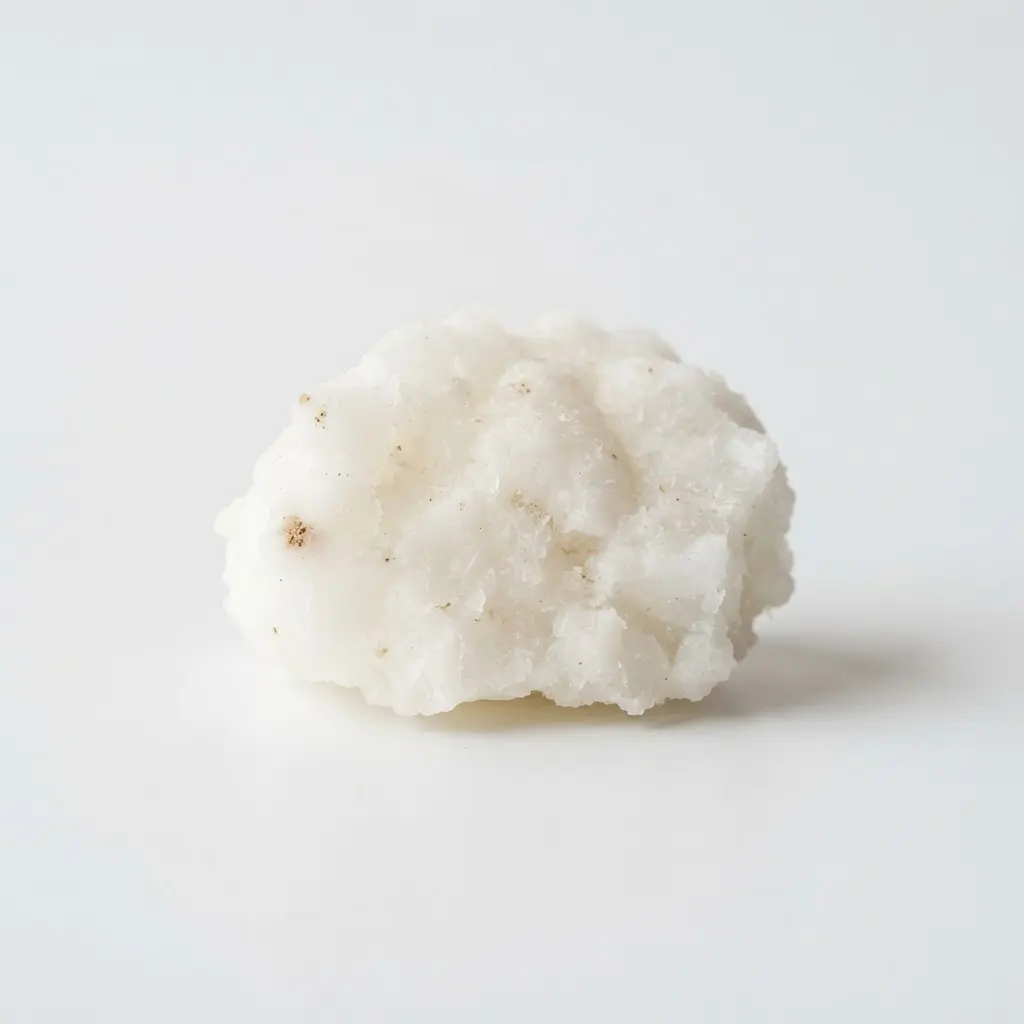
Treating coconut oil as low-calorie is a common mistake. One tablespoon supplies about 120 to 121 calories, similar to other concentrated cooking fats. The health benefits of coconut oil disappear when calories are ignored. Nearly all of those calories come from fat.
About 80% to 90% of coconut oil’s fat is saturated. One tablespoon provides roughly 11 to 13 grams of saturated fat, with smaller amounts of monounsaturated and polyunsaturated fat. Lauric acid makes up about 47% of the fatty acids, followed by myristic and palmitic acids.
Coconut oil contains no dietary cholesterol or fiber and only trace amounts of vitamins and minerals. The health benefits of coconut oil rely on tracking this exact breakdown. The serving size matters because each extra tablespoon adds another 120 to 121 calories and increases saturated-fat intake.
Count coconut oil as a concentrated fat source during meal planning, rather than as a nutrient-rich staple. Research on cardiovascular health links high saturated-fat intake with higher LDL cholesterol. The health benefits of coconut oil must align with these heart guidelines. The American Heart Association advises people with heart disease or elevated risk to limit saturated fat, including coconut oil, to no more than 6% of daily calories. Always consult a healthcare professional before making changes to your health routine.
2. Impact on LDL Cholesterol Levels: Study Findings
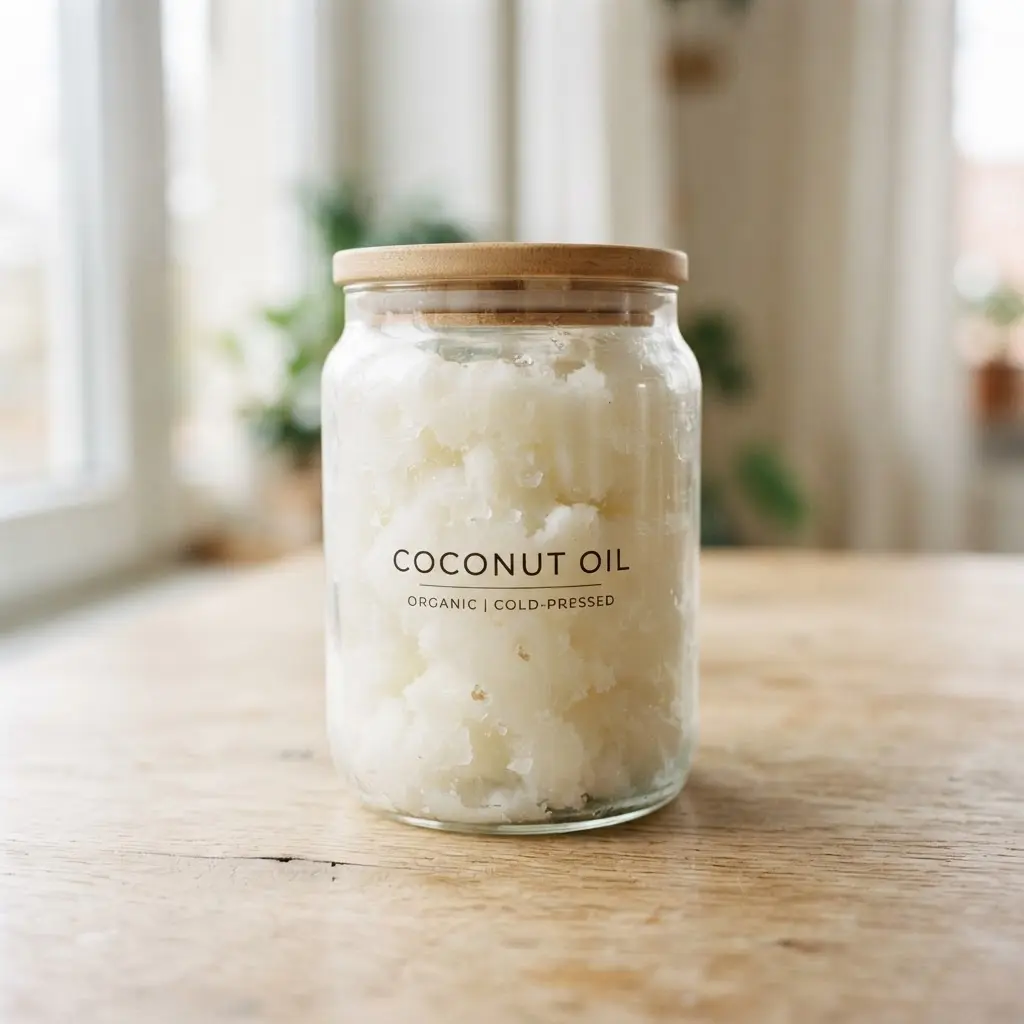
Reduce total saturated-fat intake first, then assess your full eating pattern. Research identifies saturated fat as a stronger driver of elevated LDL cholesterol than cholesterol from eggs. The available findings do not provide a measured LDL result for coconut oil itself, so do not assign a specific percentage change to this oil. The health benefits of coconut oil cannot fill these data gaps.
Build meals around fibre-rich plant foods, nuts, soy protein, plant sterols, fruits, vegetables, and whole grains. A dietary portfolio combining several of these foods produced greater LDL reductions than a standard low-saturated-fat diet. A healthy Nordic pattern lowered LDL cholesterol by up to 21% and included berries, rapeseed oil, fish, and low-fat dairy. The health benefits of coconut oil pale compared to this broader approach.
Flaxseeds, almonds, avocados, tomatoes, turmeric, and green tea also appeared in the research as potentially helpful choices. Review lipid results with a qualified healthcare professional, especially with high LDL cholesterol or familial hypercholesterolaemia. A whole-food, plant-based diet lowered LDL cholesterol by 17.9% in people with heterozygous familial hypercholesterolaemia. Limit unfiltered coffee and excess sugar when managing overall dietary risk.
3. Effects on HDL Cholesterol Levels: Evidence Review
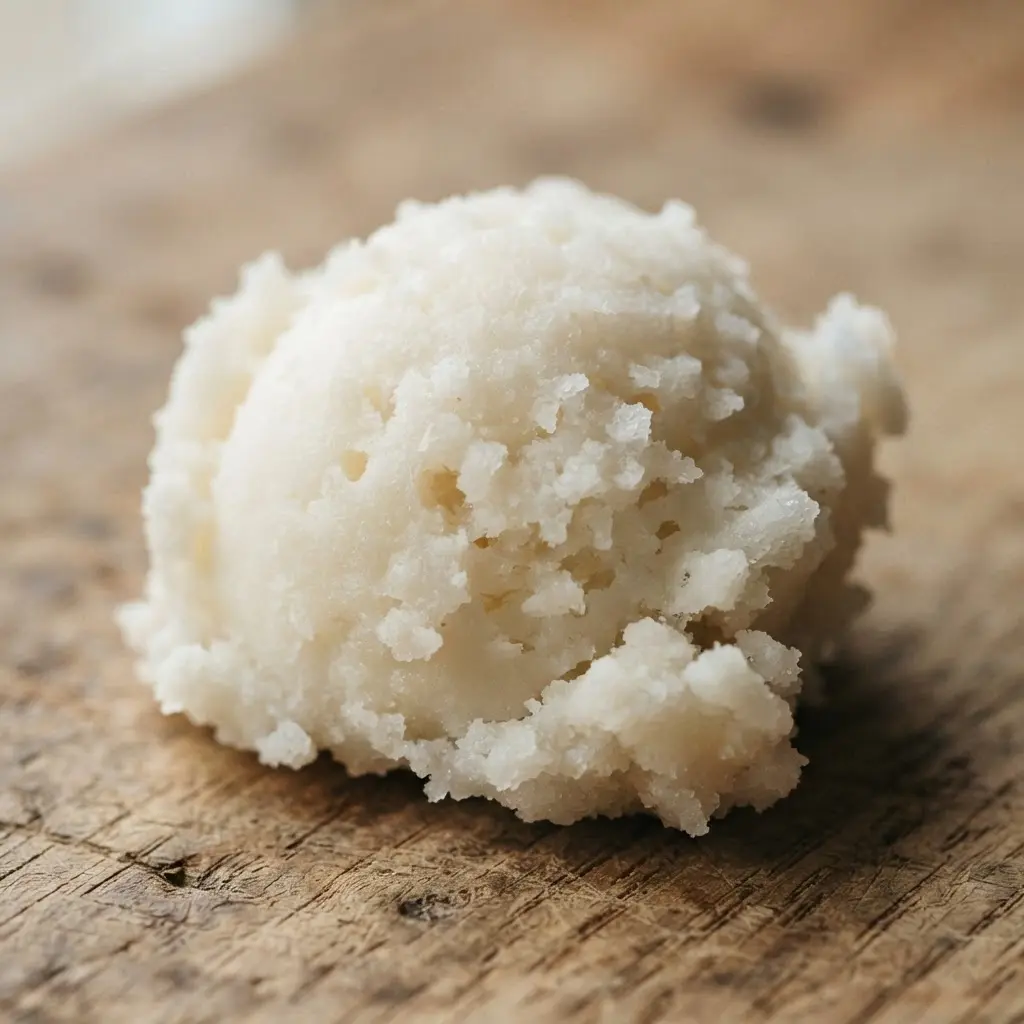
At a morning checkup, a person sees a higher HDL cholesterol number after adding coconut oil and assumes heart risk has fallen. The health benefits of coconut oil look good on paper, but context matters. HDL-C results need wider context because HDL-C measures cholesterol carried in high-density lipoprotein particles, not every aspect of their work.
HDL-C is often linked with cardiovascular protection, yet current evidence questions using the number alone as a risk marker or treatment target. HDL functionality describes how well particles perform their roles, and a higher reading does not prove better function or lower disease risk. The health benefits of coconut oil cannot guarantee improved HDL work. Food comparisons shape the result.
Replacing saturated fat with polyunsaturated or monounsaturated fat tends to affect HDL-C differently from replacing carbohydrates with fat. Foods contain nutrient mixtures, so coconut oil needs assessment within the full dietary pattern. The research summary gives no coconut-oil-specific change in HDL-C or HDL function. Track LDL cholesterol, blood pressure, and body-mass index alongside HDL-C.
Regular aerobic exercise raises HDL-C by up to about 10% in some people, while smoking cessation is associated with higher levels. Judge the whole risk profile rather than treating a higher HDL-C number as proof of cardiovascular benefit.
4. Saturated Fat Content Analysis: Dietary Context
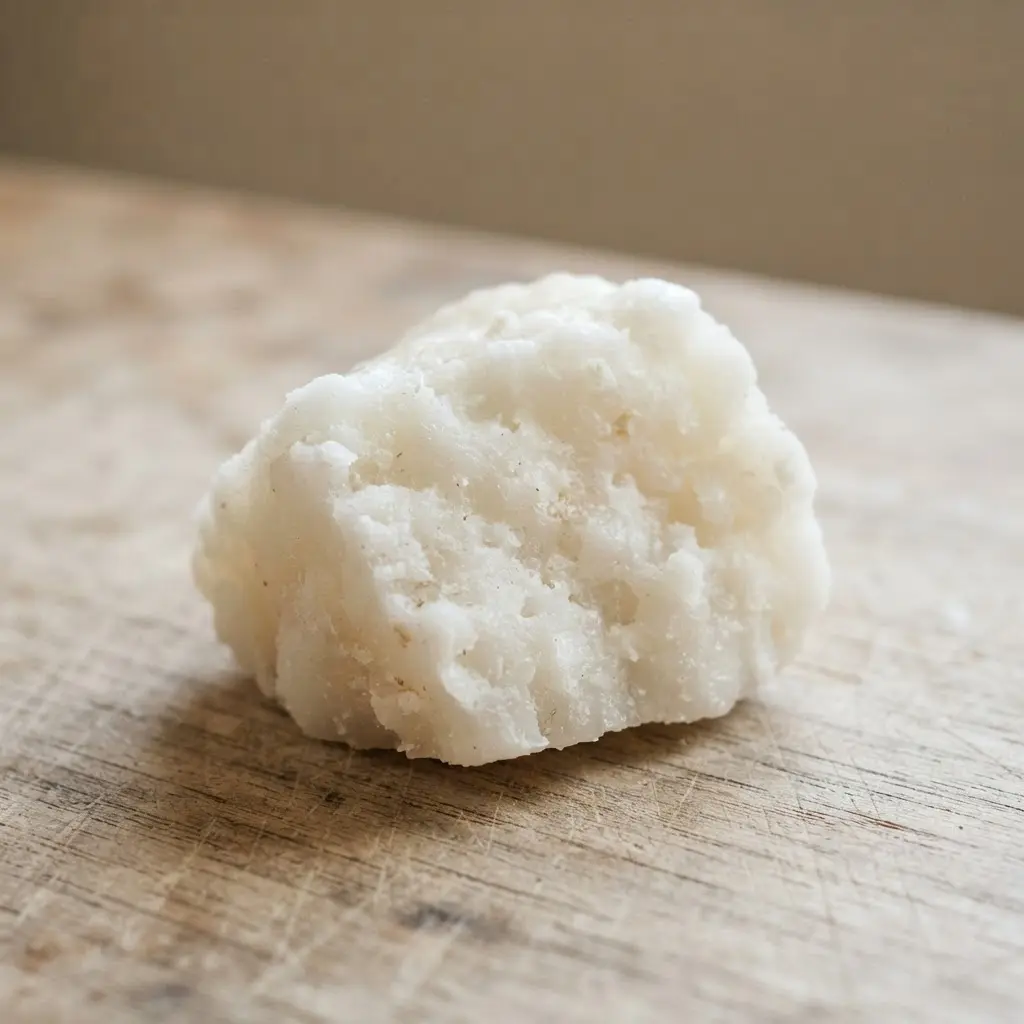
A common belief is that plant-based fats are automatically low in saturated fat. The truth is that coconut oil is a concentrated source of saturated fat, despite coming from a plant. The health benefits of coconut oil depend on honest label reading. Read the nutrition label to check the amount per serving.
Include coconut oil alongside butter, cheese, meat, bakery foods, and restaurant meals when reviewing total intake. Assess each serving rather than relying only on values per 100 grams or per package. Gas chromatography identifies individual fatty acids, while basic fat testing measures total fat. These methods provide different information. The health benefits of coconut oil require tracking both methods carefully.
Track cooking oils and spreads because small portions used across several meals add to the daily total. Replacing saturated fat with unsaturated oils differs from replacing it with refined carbohydrates. Research suggests dietary patterns and food sources matter when saturated fat intake relates to cardiovascular risk, including elevated LDL cholesterol. Identify the main food sources before judging coconut oil in isolation. The health benefits of coconut oil stay clear when you keep the wider eating pattern in view, and consult a healthcare professional before making major dietary changes for a health condition.
5. Cardiovascular Disease Risk Factors: Overall Dietary Pattern
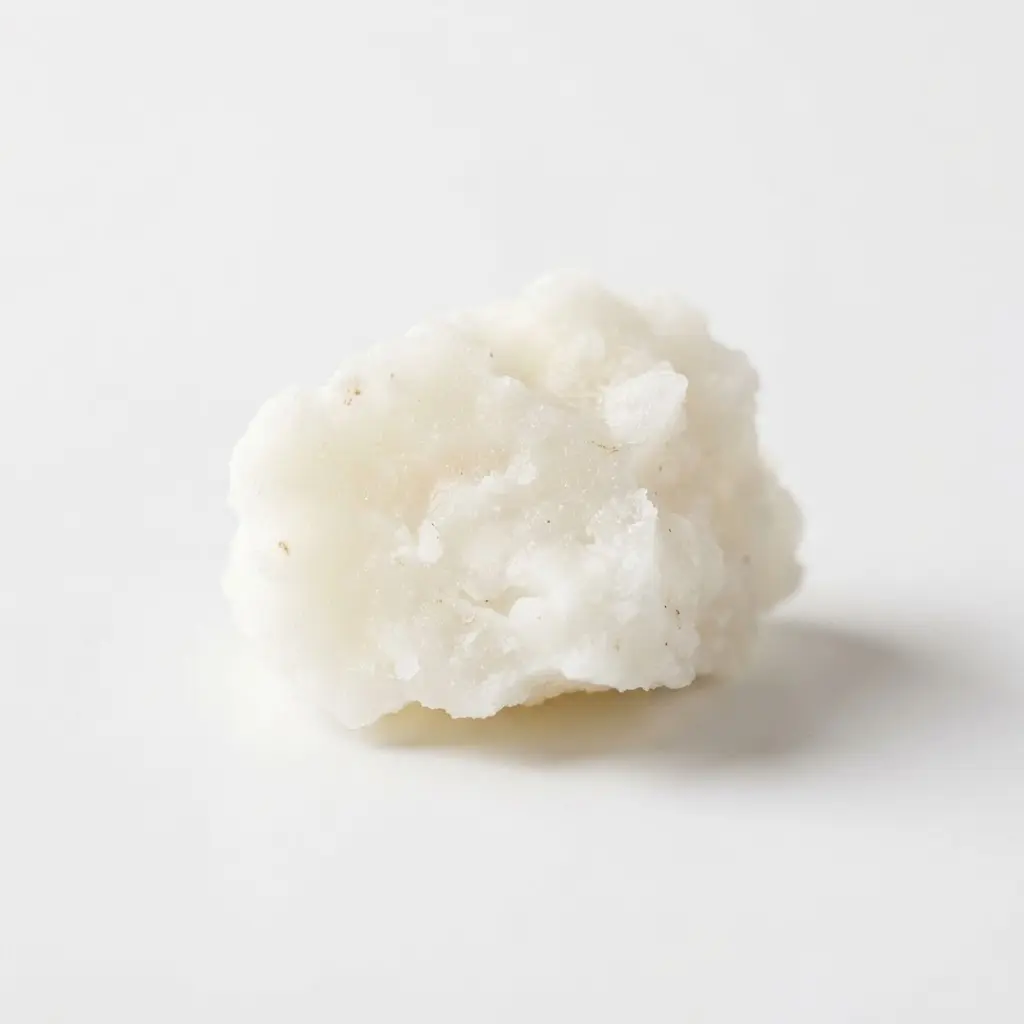
Does one spoonful of coconut oil determine heart risk? No. Judge the whole dietary pattern across a day or week. Heart-supportive eating includes vegetables, fruits, whole grains, legumes, nuts, fish, and minimally processed foods. The health benefits of coconut oil fit inside this bigger picture.
Research links plant-rich patterns with healthier blood pressure and blood lipid levels. Replace foods high in saturated fat with sources of unsaturated fat. Use olive oil, nuts, seeds, fish, and seafood in suitable portions. Include fish such as salmon for omega-3 fatty acid benefits. The food replacing coconut oil matters as much as the oil itself.
Choose plant-rich meals more often. Swap refined grains for whole grains, processed meats for legumes or fish, and sugar-sweetened drinks for unsweetened options. Keep red meat portions smaller and less frequent. These changes improve diet quality while supporting a suitable balance between food intake and activity. The health benefits of coconut oil should not replace these steady swaps.
Limit sodium and added sugars through lower-sodium foods and minimally processed choices. People with heart disease, high blood pressure, diabetes, or abnormal cholesterol should discuss major dietary changes with a qualified healthcare professional. Always consult a healthcare professional before making changes to your health routine.
6. Weight Loss Claim Evidence: What Research Shows

Marketing testimonials often promise more than controlled research delivers. Trust randomized controlled trials rather than dramatic personal stories when judging weight-loss claims. The available evidence does not establish coconut oil as an effective standalone treatment, and no strong coconut-oil-specific evidence shows meaningful weight loss. The health benefits of coconut oil do not guarantee a smaller waist.
A striking testimonial does not represent a typical result. Short-term results sometimes favor high-protein for metabolic health, low-carbohydrate diets or intermittent fasting. Over longer periods, different eating patterns often produce similar results when people follow them consistently. Weight loss requires a negative energy balance, meaning the body uses more energy than food provides over time.
Prioritise food quality, adequate protein, fibre-rich foods, and a pattern you can maintain. The health benefits of coconut oil stay realistic when placed beside these basics. Low-bias studies of some supplements found weight differences ranging from 0.3 to 4.93 kilograms, which does not support relying on one food or supplement. Prescription treatments such as semaglutide and tirzepatide have produced more than 10% weight loss in some studies, but these medicines require individual medical selection.
They are not interchangeable with culinary oils. Keep coconut oil within your total calorie intake when using it in a weight-management plan. Always consult a healthcare professional before making changes to your health routine.
7. Glycemic Control and Insulin Sensitivity: Current Findings

A common mistake is assuming coconut oil automatically balances blood sugar or reverses insulin resistance. Improved glucose readings do not prove improved insulin sensitivity. The health benefits of coconut oil do not fix insulin resistance. Glycemic control describes blood glucose management over time, often measured with HbA1c, while insulin sensitivity describes how well body tissues respond to insulin.
These outcomes depend on several systems. Muscle glucose uptake, pancreatic beta-cell function, proinsulin processing, and inflammation-related signals all affect results. Research also shows wide biological differences between people and tissues. Some treatments improve HbA1c without producing major changes in insulin sensitivity or beta-cell compensation.
Evidence for plant-based products such as black tea, caper fruit extract, and Ziziphus jujuba juice remains preliminary. Findings from these products do not establish a benefit from coconut oil. Track HbA1c and follow guidance from a qualified clinician rather than judging insulin sensitivity from one home glucose reading. Always consult a healthcare professional before making changes to your health routine.
8. Topical Use for Dermatitis: Skin Comfort Considerations

Start with a thick, fragrance-free moisturizer, not coconut oil alone, on dermatitis-prone skin. Apply moisturizer at least daily and again after bathing or handwashing. Coconut oil does not suit every person, and evidence does not establish coconut oil as a dermatitis treatment. Patch-test a small area first. Stop use if burning, redness, or swelling occurs.
Keep baths brief, lukewarm, and under 10 minutes. Use a gentle cleanser without fragrance, dyes, essential oils, or added alcohols. Pat skin dry instead of rubbing, then apply moisturizer while the skin is still slightly moist. Research supports regular moisturization for dryness and skin-barrier support. Reapply whenever the skin feels dry. Petrolatum-based ointment may feel more comfortable if coconut oil or another product stings.
Use prescribed anti-inflammatory treatment as directed. Over-the-counter 1% hydrocortisone might relieve itching, while severe or persistent dermatitis requires professional assessment. Keep nails trimmed, wear gloves at night, and choose soft, loose clothing to limit scratching and friction. Always consult a healthcare professional before making changes to your gut health and nutrition routine.
9. Coconut Oil for Hair Protection: Hair Fiber Findings
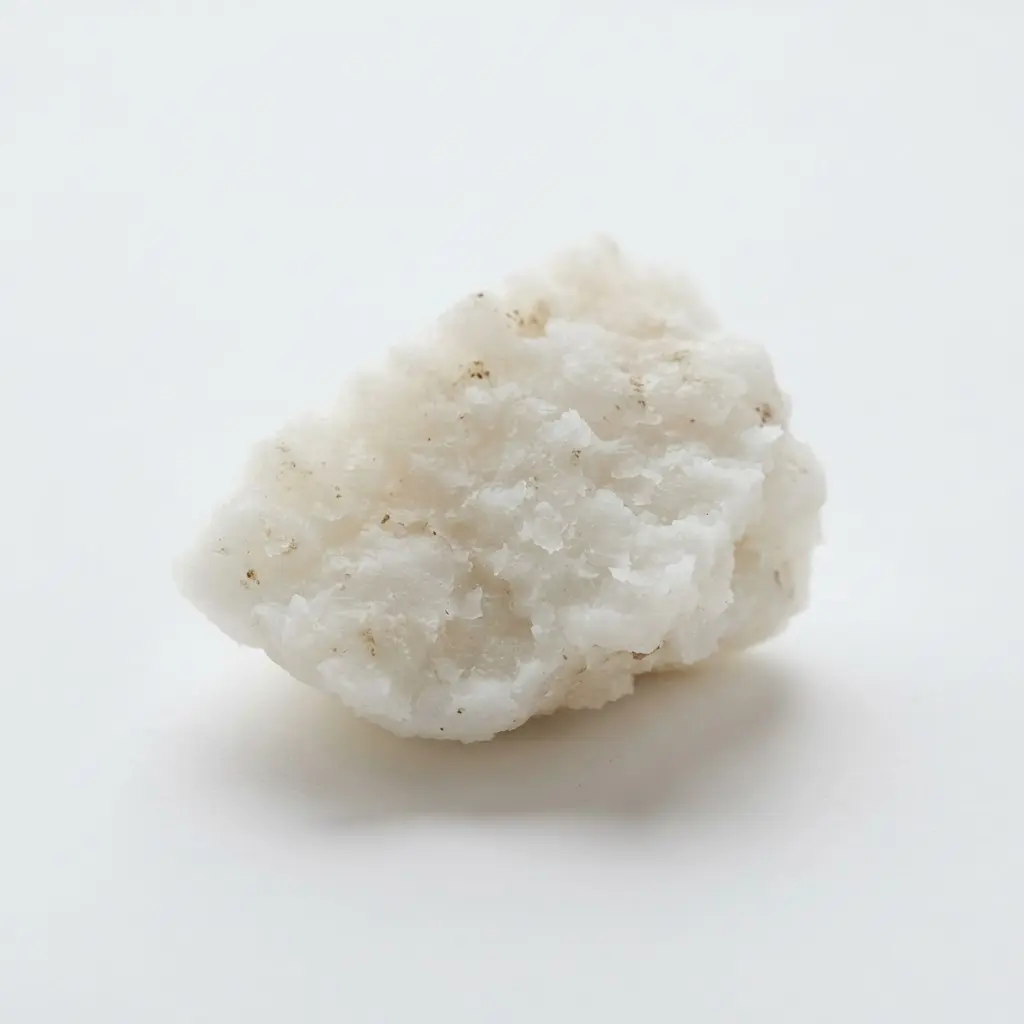
After a morning wash, bleached ends often feel rough and fragile. Apply a pre-wash coconut oil treatment before shampooing, then wash as usual. Coconut oil contains lauric acid, a fat with a small, straight structure. This structure allows the oil to move into the hair shaft instead of staying only on the surface. The health benefits of coconut oil for hair rely on this penetration.
During washing, surfactants and water movement can draw structural proteins from the fiber. Coconut oil reduces this protein loss in undamaged and damaged hair. Use a small amount through the lengths, especially before repeated washing or grooming. Post-wash use as a grooming product also supports the hair’s water-resistant barrier and limits excessive water absorption.
Research findings connect this protection with lower porosity and better resistance to some mechanical stress. Bleached hair may show improved tensile strength, thickness, color retention, and reduced protein leakage. These findings describe existing hair fibers, not hair growth or scalp treatment. Always consult a healthcare professional before making changes to your health routine.
10. Benefits of Oral Oil Pulling: Dental Evidence

Oil pulling is not a proven way to prevent cavities, whiten teeth, or treat gum disease. The practice involves swishing edible oil around the mouth, then spitting it out. Research has examined salivary bacteria, plaque, gingival inflammation, and Streptococcus mutans, a bacterium linked with tooth decay. Edible oil swishing might collect some debris through mechanical movement, but studies do not establish a reliable dental treatment. The health benefits of coconut oil do not cover oral hygiene gaps.
Small studies have produced mixed findings. One randomized trial found sesame oil reduced plaque more than distilled water, especially between teeth, yet gingival scores and microbial results did not change significantly. One meta-analysis found lower salivary bacterial counts, while other reviews found no clear improvement in plaque or gingival index scores. Study methods, oil types, timing, and sample sizes differed, and overall evidence quality is very low. Mechanical cleaning remains the dependable foundation.
Brush twice daily for two minutes and clean between teeth as directed by a dental professional. Keep oil pulling, if used, as an optional adjunct rather than a replacement for brushing, flossing, examinations, or treatment. The American Dental Association does not recommend oil pulling because reliable evidence is lacking. Always consult a healthcare professional before making changes to your health routine. Twice-daily brushing should remain your priority.
11. Culinary Uses in Healthy Cooking: Practical Kitchen Ideas
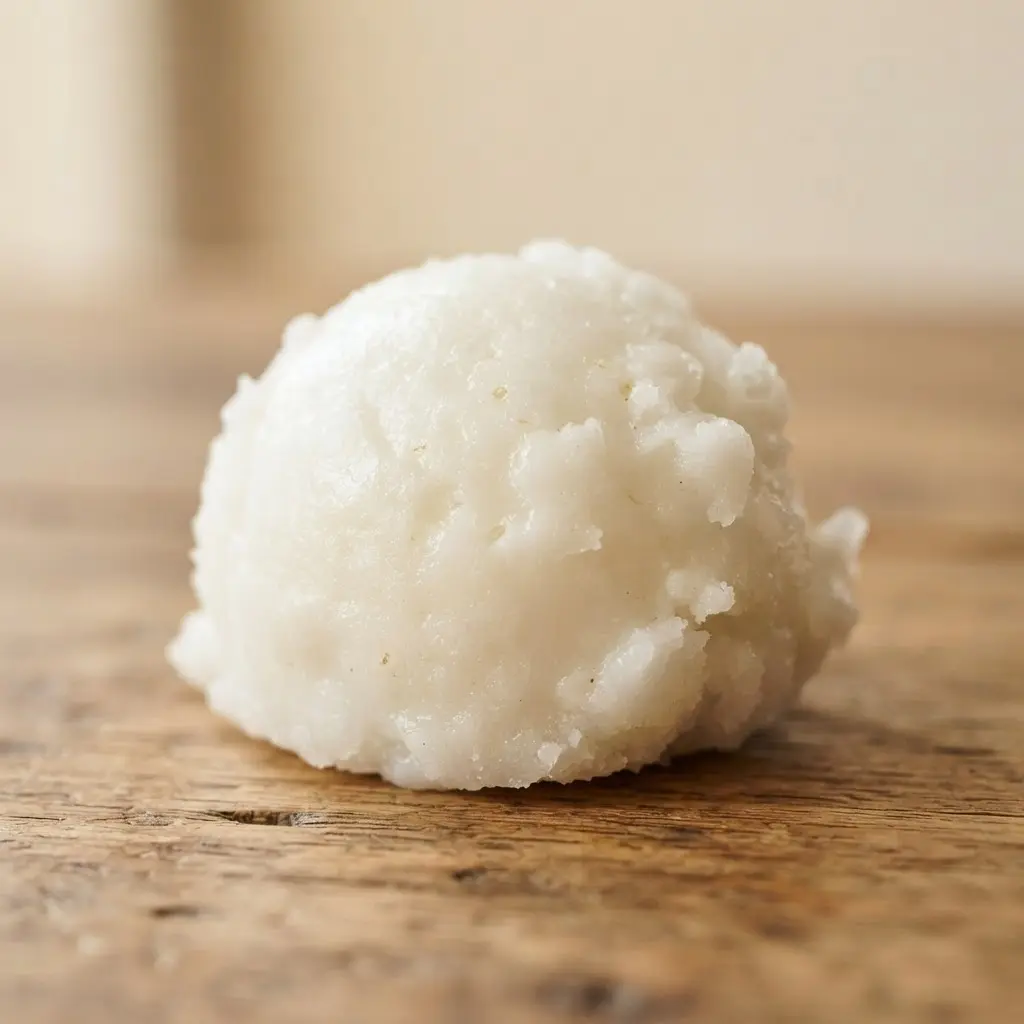
How should coconut oil fit into healthy cooking? Use coconut oil as a measured culinary option, not as proof of superior nutrition. Toss broccoli, Brussels sprouts, or sweet potatoes with a light coating, herbs, garlic powder, salt, and pepper. The health benefits of coconut oil show up most when used sparingly. Roast at 400°F (200°C) until tender and lightly caramelized. Measure oil before adding it to prevent an overly rich dish.
Build quick meals with a large skillet. Stir-fry chicken, tofu, or shrimp with snap peas, carrots, bok choy, or mushrooms. Add ginger, garlic, and low-sodium soy sauce or tamari, then serve the mixture over brown rice or quinoa. Create grain bowls with quinoa, roasted vegetables, beans, lean protein, and a modest sauce. Research on these methods suggests balanced meals become easier to prepare and vary.
Steam broccoli, asparagus, or green beans without added fat. Simmer lentils, chickpeas, tomatoes, carrots, and onions for a filling soup. Use spiralized zucchini or spaghetti squash in place of some pasta. Select coconut oil for flavor and cooking preference, while avoiding claims of a special health advantage over other oils.
12. Comparison to Monounsaturated Fats: Heart Health Context
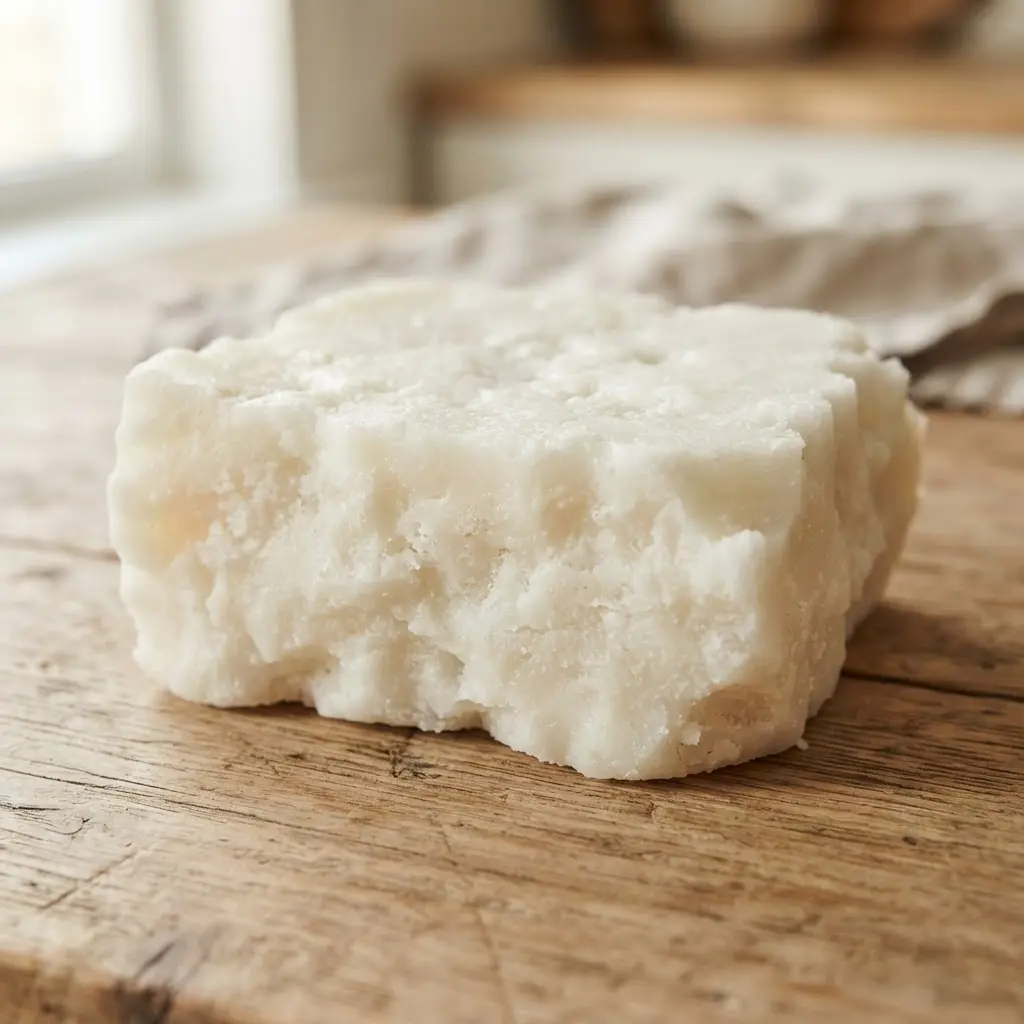
Choose olive oil, avocado, or nuts over coconut oil when replacing saturated fat is the goal. These foods provide monounsaturated fats, which are generally liquid at room temperature and support a heart-conscious eating pattern. Replacing saturated fat with MUFA-rich foods often lowers LDL cholesterol, the form linked with plaque buildup in arteries. Some studies associate MUFA-rich diets with higher HDL, lower blood pressure, improved insulin sensitivity, and less inflammation. These effects depend on the full dietary pattern, not one oil.
Use olive or canola oil for suitable cooking and dressings. Add avocado, almonds, cashews, or seeds to meals. A balanced intake of MUFAs and polyunsaturated fats offers a broader approach than relying on coconut oil alone. Research suggests replacing saturated fat with unsaturated sources improves cardiovascular risk markers.
By contrast, trans fats raise LDL and lower HDL, making them especially harmful for heart health. Compare the replacement fat, not only the ingredient on your plate. Always consult a healthcare professional before making changes to your health routine.
13. Recommended Daily Consumption Limits: Portion Guidance
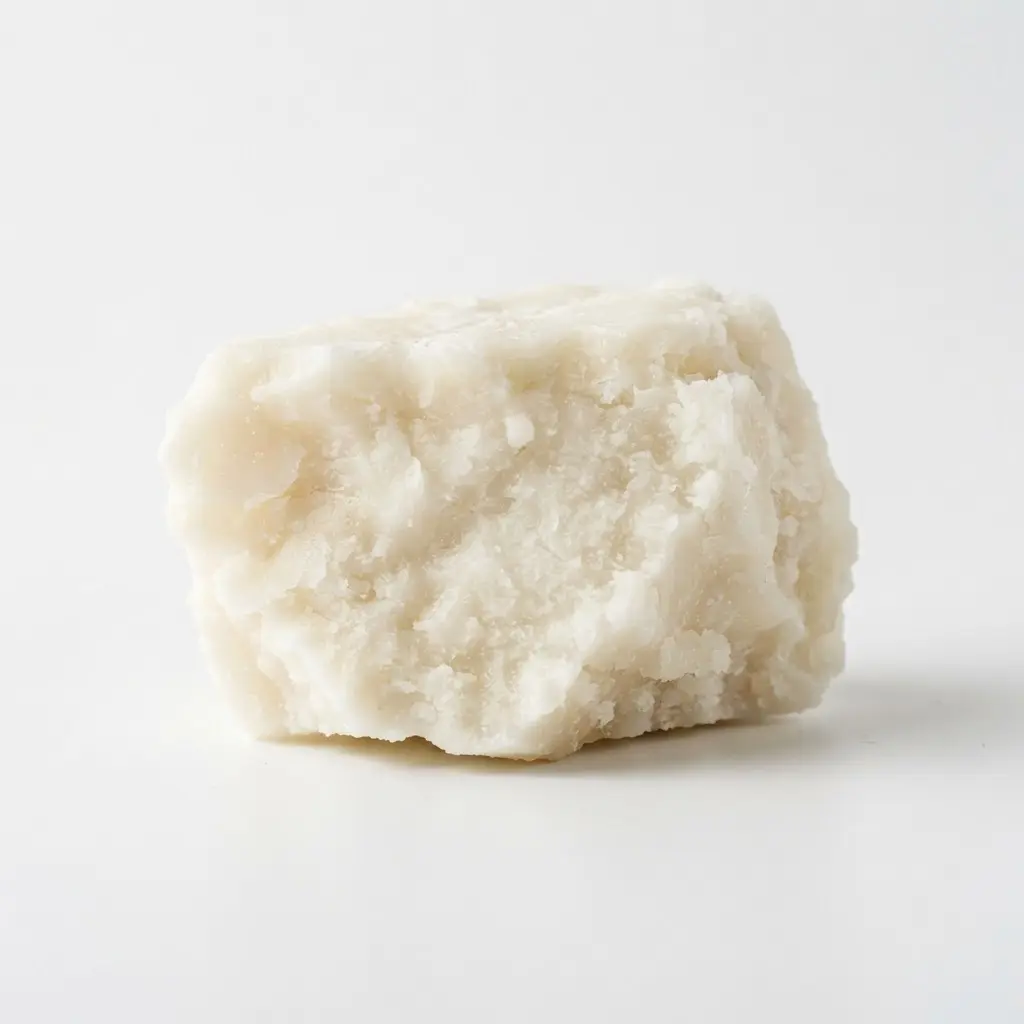
Mistake: treating one teaspoon as a universal daily maximum. A teaspoon is a practical healthy cooking methods for coconut oil, not a personal limit. Daily portions depend on calorie needs, age, sex, height, weight, and activity. Measure each serving with a teaspoon measure rather than pouring from the jar. The health benefits of coconut oil stay accurate with careful measuring.
Start by estimating daily calorie needs. Count coconut oil within total fat intake, alongside oils, butter, spreads, dressings, cooking fats, and fats in packaged foods. General guidance for a 2,000-calorie diet lists about 4 to 4.5 servings of healthy fats per day. Those servings cover total fat sources, not coconut oil alone. Use smaller portions when a meal already includes nuts, cheese, creamy sauces, or other energy-dense foods.
Portion awareness matters because extra spoonfuls raise total energy intake without always feeling substantial. Keep a measuring spoon beside the cooking area for consistent portions. Individual targets might be lower or higher, so use a DRI calculator or seek professional advice for a personalized plan. Always consult a healthcare professional before making changes to your health routine.
Discussing Individual Fat Choices With A Clinician
Ask your clinician to review your LDL cholesterol before adding coconut oil as a daily cooking fat, especially if you have heart disease, diabetes, or high cholesterol. A standard lipid panel measures LDL and HDL, two cholesterol carriers with different roles in risk discussions. Coconut oil often raises HDL, yet it also raises LDL compared with some vegetable oils. A higher HDL number alone does not prove heart protection, so your clinician needs the full panel and medical history. Share your usual portions, cooking habits, and other fat sources during the visit. Medication use, family history, blood pressure, and smoking status also shape heart risk. Ask whether replacing butter, shortening, or coconut oil with olive or canola oil fits your care plan. Keep changes realistic, since an eating pattern matters more than an isolated ingredient.
Conclusion
Choosing a cooking fat often feels personal because food habits connect with family meals, favorite recipes, and daily routines. The health benefits of coconut oil deserve a balanced view rather than a promise of weight loss or disease prevention. Coconut oil fits small amounts in some meals, but unsaturated fats often support a better heart health pattern. For your next step, check the labels on the fats you use most. Keep coconut oil as one option, then use olive, avocado, nut, seed, or other unsaturated oils more often when they suit the recipe.
Pay attention to portion size, since all oils contain many calories in a small amount. If you have cholesterol or blood sugar concerns, bring your usual foods and questions to a qualified health professional. Small changes at the stove can support a steady eating routine without strict rules. Understanding the health benefits of coconut oil helps you build these daily habits safely.
FAQs
Q: Is coconut oil high in saturated fat?
A: Yes. Most of its fat is saturated fat, so it counts toward your daily saturated fat intake. Portion size matters, especially when other foods in the meal also contain saturated fat.
Q: How does coconut oil affect LDL cholesterol?
A: Coconut oil often raises LDL cholesterol compared with unsaturated oils. LDL is linked with heart disease risk, so replacing some coconut oil with unsaturated fats supports a more heart-friendly eating pattern.
Q: Does coconut oil raise HDL cholesterol?
A: Coconut oil often raises HDL cholesterol, along with LDL cholesterol. A higher HDL number does not cancel the possible concern linked with higher LDL levels.
Q: Is coconut oil good for weight loss?
A: Research does not support coconut oil as a weight loss treatment. It contains many calories, so adding it without reducing another food raises total calorie intake.
Q: How much coconut oil should I eat daily?
A: There is no single daily amount for everyone. Use small portions and count coconut oil within your total saturated fat intake. A dietitian or doctor can help with a personal plan.