Do you feel hungry soon after eating? When exploring proven Ways to stay full on a healthy diet without overeating, choose meals with protein, fiber, water, and foods with plenty of volume. Eat slowly, serve sensible portions, and plan regular meals. These steps support stomach stretch, steady energy, and clearer hunger cues.
Managing hunger is not about ignoring your body. Protein takes more work to digest, while fiber and water add bulk to meals. Foods such as vegetables, beans, fruit, oats, eggs, fish, and yogurt help create satisfying plates without excess energy. Healthy fats also support satisfaction, though small portions work best. Busy days can make thoughtful meals harder, so each idea here stays practical. You will find easy ways to build filling meals, time drinks, plan portions, and notice emotional hunger. Let’s make your next meal more satisfying and easier to enjoy.
Appetite Changes That Merit Clinical Advice
Seek advice from a registered dietitian when a sudden appetite change lasts more than a week or comes with weight loss, nausea, pain, or unusual thirst. These signs deserve more than a larger salad or stricter portion plan, since illness, medication effects, anxiety, and sleep problems often alter hunger signals, especially when reviewing practical Ways to stay full on a healthy diet without overeating. People with diabetes, kidney disease, swallowing trouble, inflammatory bowel disease, or a history of disordered eating need food and fluid guidance matched to their care. Call a clinician when hunger feels extreme despite regular meals, or when fullness arrives after only a few bites. Keep a short note of meals, symptoms, thirst, bowel changes, and weight before the visit. This record helps your care team spot patterns without turning eating into a daily test.
Personalizing Meals Around Daily Activity
Match meal size to movement by adding a planned snack on long training days instead of arriving at dinner extremely hungry, a useful step when testing reliable Ways to stay full on a healthy diet without overeating. A protein-rich breakfast with eggs, oats, and berries often gives steadier satiety than a sweet pastry eaten alone. Pair active-day meals with beans, lentils, brown rice, potatoes, or whole-grain bread for fiber and lasting energy. Desk-bound days might call for the same protein while using fewer calorie-dense extras, such as measured oil, nuts, cheese, or nut butter. Soup, fruit, and water-rich vegetables add volume without making every meal heavy. Notice how your energy, hunger, and workout recovery respond across several days, then adjust portions gently rather than following a rigid schedule.
1. High Fiber Food Sources for Longer-Lasting Fullness

A common mistake is treating fiber as something found only in whole-grain bread. Fiber comes from many plant foods, and meals built from plant-based fiber often provide fuller eating without oversized portions. Use high-fiber food sources across meals and snacks, which highlights clear Ways to stay full on a healthy diet without overeating. Split peas provide 16 grams per cooked cup, while lentils provide 15.5 grams. Current guidance places many adults near 25 to 38 grams of fiber each day.
Choose fruit and vegetables throughout the day, matching simple Ways to stay full on a healthy diet without overeating. One cup of raspberries provides 8 grams of fiber. A medium pear provides 5.5 grams, and an apple with its skin provides 4.5 grams. Boiled green peas provide 9 grams per cup, while broccoli and turnip greens provide about 5 grams per cooked cup. Keep edible fruit and vegetable skins on apples and potatoes after washing them. Research links higher fiber intake with longer-lasting fullness and support for healthy cholesterol and blood sugar levels.
Replace refined grains with whole-wheat spaghetti, barley, quinoa, brown rice, or whole-wheat bread, offering steady Ways to stay full on a healthy diet without overeating. Add legumes to soups, salads, grain bowls, and main meals. A cooked cup of black beans provides 15 grams of fiber, while pearled barley provides 6 grams. Chia seeds, almonds, pistachios, and air-popped popcorn offer measured snack options. Combining fruit, vegetables, grains, and legumes spreads fiber across the day instead of placing the full target in one meal.
Increase fiber through a gradual increase over several weeks, aligning with gentle Ways to stay full on a healthy diet without overeating. A sudden change can cause gas, bloating, or cramping. Drink plenty of fluids as fiber intake rises. Use cooked serving sizes when measuring foods such as beans, peas, grains, oatmeal, and lentils.
2. Lean Protein Integration Strategies for Satisfying Meals

Place a protein source at every meal before adding extras, which demonstrates direct Ways to stay full on a healthy diet without overeating. Choose eggs, Greek yogurt, lentils, skinless chicken, fish, tofu, or cottage cheese. Protein adds staying power, while vegetables, fruit, and whole grains add fiber and volume.
Build breakfast around scrambled eggs with spinach, oatmeal topped with nuts and seeds, or Greek yogurt with berries, highlighting effective Ways to stay full on a healthy diet without overeating. At lunch, add grilled chicken or tuna to a whole-wheat sandwich, or choose lentil soup with a side salad. Research suggests meals with protein and fiber support fullness for longer than meals built mainly from refined carbohydrates.
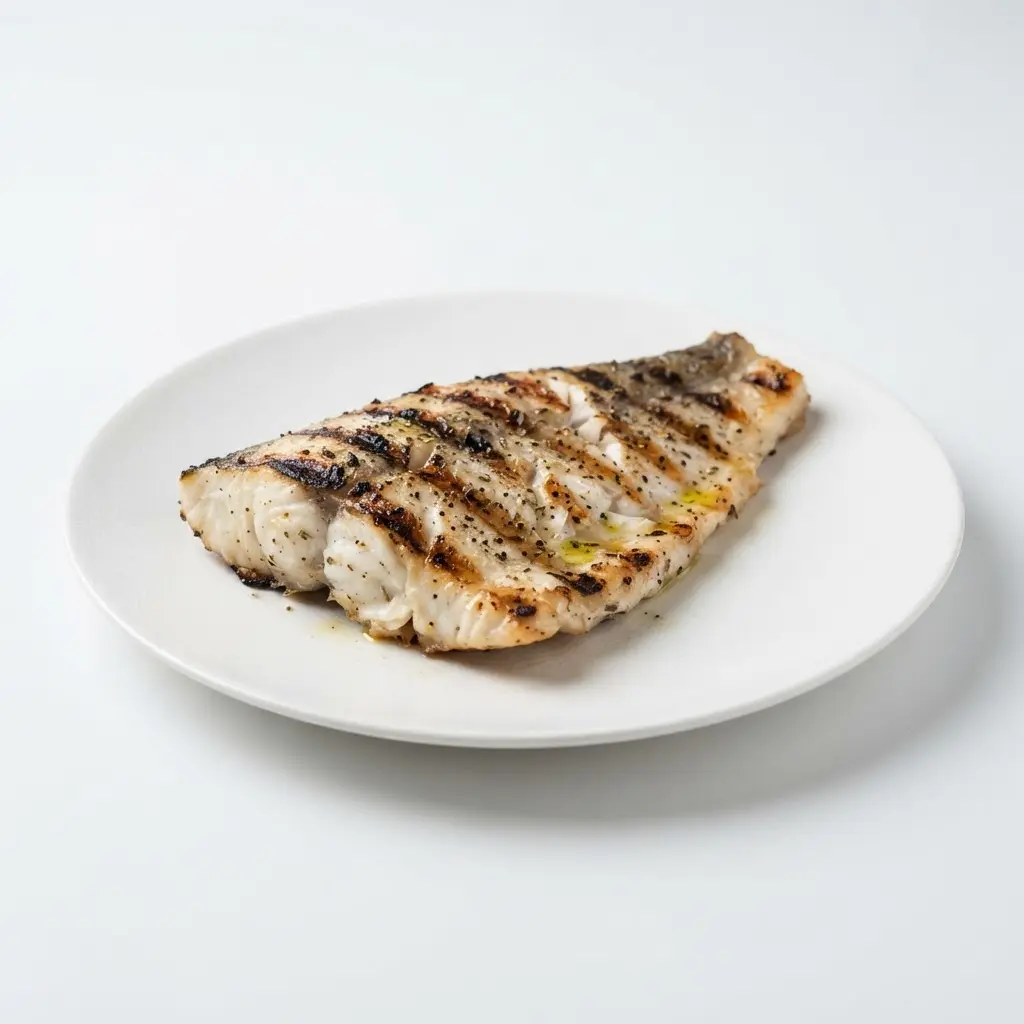
Make dinner protein-centered without making the plate meat-heavy, matching balanced Ways to stay full on a healthy diet without overeating. Serve baked salmon, grilled chicken breast, tofu, or lean beef with broccoli, zucchini, quinoa, or brown rice. Aim for a portion near the size of your palm, then fill the rest of the plate with vegetables and a fiber-rich carbohydrate.
Prepare batch-cooked protein once or twice each week, providing practical Ways to stay full on a healthy diet without overeating. Keep hard-boiled eggs, cooked chicken, edamame, or lentils ready for quick meals and snacks. Use grilling, baking, steaming, broiling, or poaching to limit added fat. Season foods with herbs, spices, citrus, vinegar, or a low-sodium sauce instead of relying on heavy dressings.
Do not treat the palm-size guide as a fixed rule, following safe Ways to stay full on a healthy diet without overeating. Protein needs differ with age, activity, health status, and dietary pattern. People with kidney disease or another condition requiring protein changes should seek individual guidance from a qualified healthcare professional.
3. Healthy Fat Portion Control for Balanced Plates
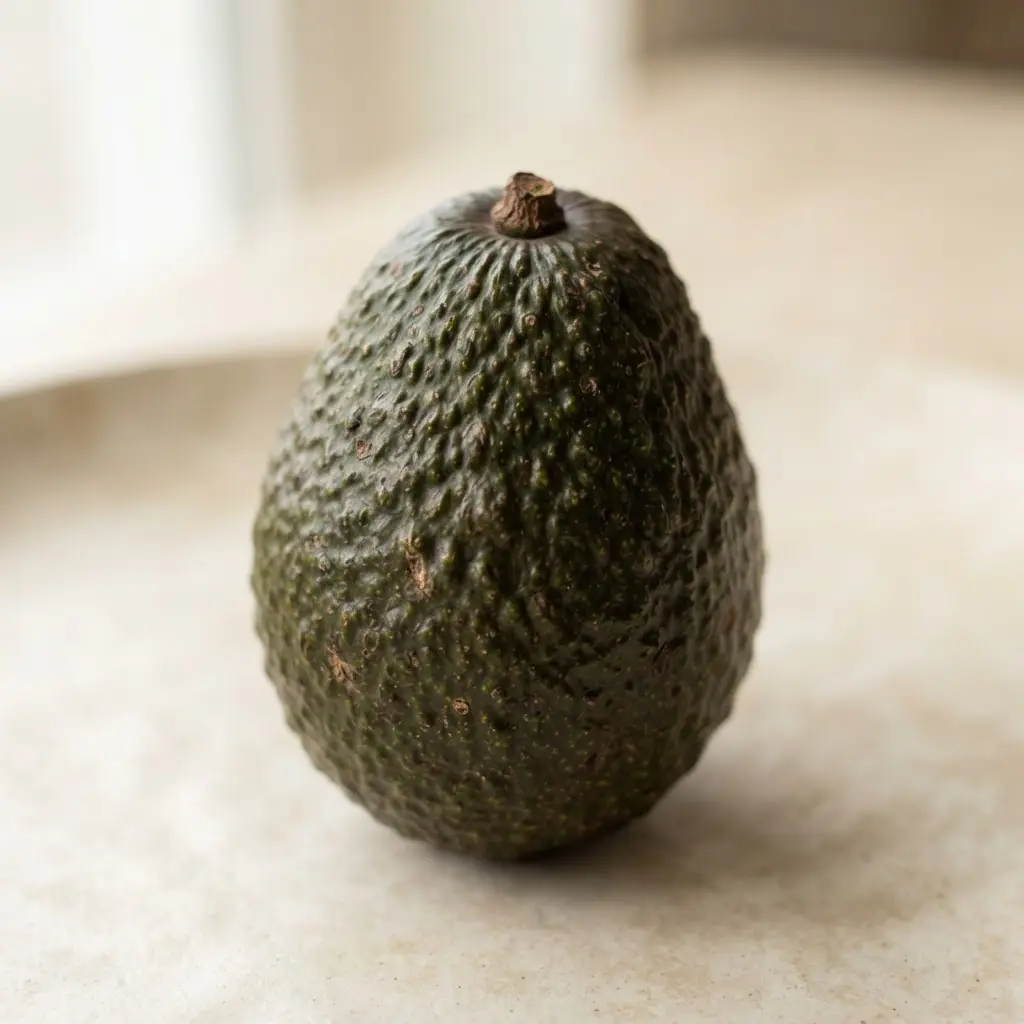
At lunch, a salad with avocado, nuts, dressing, and cheese can become much higher in calories than expected, reinforcing measured Ways to stay full on a healthy diet without overeating. Measure added fats before serving. Use one tablespoon of oil, one to two tablespoons of seeds, or about one ounce of nuts. These portions add flavor and satisfaction without allowing calorie-dense foods to dominate the plate.
Build the meal around balance, alongside mindful Ways to stay full on a healthy diet without overeating. Fill half the plate with non-starchy vegetables, one quarter with lean protein, and one quarter with complex carbohydrates. Add a suitable portion of avocado, olive oil, seeds, or nut butter. Healthy fats support cell structure, hormone production, and absorption of vitamins A, D, E, and K.
Fat supplies about 20–35% of daily calories for many adults. On a 2,000-calorie diet, this equals roughly 44–78 grams per day. Research suggests meals with measured fat portions feel more satisfying than meals built from vegetables or carbohydrates alone, supporting routine Ways to stay full on a healthy diet without overeating. Include fatty fish such as salmon, sardines, or mackerel two to three times weekly, while remembering the fat already present in each serving.
Use a measuring spoon when pouring oil for cooking or dressing, which complements steady Ways to stay full on a healthy diet without overeating. Sauté vegetables with a small amount of oil instead of deep-frying them. Check nuts, spreads, avocado, and seeds before adding more fat to a meal. A food may be nutritious and still require portion awareness. Individual calorie and fat needs vary by health status, activity level, age, and dietary needs. Always consult a healthcare professional before making changes to your health routine.
4. Optimal Hydration Timing Methods Around Meals
Many people believe water must stay away from food to protect digestion. Ordinary water with a meal does not automatically disrupt digestion. Use plain water before meals, illustrating simple Ways to stay full on a healthy diet without overeating, then drink a moderate glass about 30 minutes before practical eating habit upgrades swallowing a large amount immediately before sitting down. Research suggests pre-meal water supports fullness and might reduce food intake for some people. This approach supports mindful portions without turning hydration into a rigid rule.
Choose small sips during meals when food feels dry or dense. Water moistens food in the mouth and makes chewing and swallowing easier. A few sips suit meals with whole grains, lean proteins, or raw vegetables, which often need more chewing. Avoid forcing large amounts with food because a full stomach and excess liquid might create discomfort. Research does not support a universal need to avoid sipping ordinary water during meals.
Resume fluids after eating according to thirst. Waiting 30 to 60 minutes before drinking more water is a commonly suggested routine, not a digestion requirement. Maintain steady intake across the day rather than saving most fluid for meals. Spread intake across waking hours, and adjust fluid needs for exercise, hot weather, overall health, and meal density. Lighter meals often need less fluid during or after eating than heavier, denser meals.
Follow body signals rather than a fixed clock. No universal amount must be consumed before, during, or after every meal. Keep personal fluid guidance in mind when thirst, activity, climate, or health needs change. People with health conditions affecting fluid requirements should follow advice from a qualified healthcare professional. Always consult a healthcare professional before making changes to your health routine.
5. Mindful Eating Behavioral Techniques for Hunger Cues
How do you tell physical hunger from an urge driven by emotion? Pause before eating and assess the sensation. Ask whether your body feels hungry or whether boredom, stress, sadness, or habit is driving the urge. Rate hunger on a 1–10 hunger scale, which shows tested Ways to stay full on a healthy diet without overeating. Begin eating near 3 or 4, before extreme hunger makes careful choices harder.
Eat slowly once you begin. Notice the food’s smell, taste, texture, and appearance. Put your fork down between bites and chew thoroughly. Pause midway through the meal and check for reduced appetite, satisfaction, or slight stomach pressure. Stop near 6 or 7, when you feel satisfied without feeling stuffed.
Remove screens from the eating area. Television, phones, and computer work pull attention away from body signals. Drink a glass of water and wait a few minutes when thirst feels similar to hunger. Use a brief body-scan practice to notice sensations without judging them or reacting at once.
Research suggests mindful eating supports greater awareness of hunger cues, eating pace, and emotional triggers. Plan nourishing meals and snacks before hunger becomes intense. Shop for groceries after eating, rather than while starving, to support more deliberate choices. Keep meals calm and distraction-free when possible. Treat each observation as useful information, not as a reason for self-criticism.
6. Low-Calorie Volume Foods for Larger Portions

A plate built around vegetables offers more food than a plate built around oil, cheese, or refined grains. Build meals around low-calorie volume foods, offering useful Ways to stay full on a healthy diet without overeating, then add a moderate serving of protein and other calorie-dense ingredients. Leafy greens, cucumbers, tomatoes, broccoli, and mushrooms add water, fiber, and physical bulk. Start with a vegetable-rich base before adding the rest of the meal.
Fill half the plate with non-starchy vegetables such as cabbage, cauliflower, green beans, zucchini, or bell peppers. Steam, roast, bake, or cook them in broth instead of frying them. Use herbs, spices, garlic, vinegar, or lemon juice for flavor. Research suggests meals with more water- and fiber-rich foods often support fullness with fewer calories.
Pair vegetables with lean protein from skinless chicken, turkey breast, cod, tilapia, tofu, tempeh, beans, lentils, or chickpeas. Protein adds staying power, while legumes provide both protein and fiber. Add oats, quinoa, brown rice, or barley in a measured portion when the meal needs more energy or texture.
Choose berries, oranges, apples, pears, watermelon, or melon for a high-water fruit option. Keep apple and pear skins when suitable because the skins provide fiber. Broth-based soups also create larger portions, especially when prepared with low-sodium broth and several vegetables. Use a broth-based soup as a meal starter or as the main dish with beans, fish, tofu, or poultry.
Watch added oil, creamy dressings, nuts, fatty fish, sauces, and large grain portions. Nutritious foods still contain calories, so volume eating does not remove the need for portion awareness. Build the largest share of the meal from vegetables, then adjust protein, grains, and fats to match hunger and nutritional needs.
7. Consistent Meal Planning Habits for Steady Eating

Trying to plan every meal, snack, and ingredient in exact detail is a common mistake. Start with a weekly meal plan focused on dinners, then add other meals as the routine becomes easier, highlighting steady Ways to stay full on a healthy diet without overeating. A fixed planning time, such as Sunday afternoon, creates a clear point for checking the week ahead.
Check the pantry, refrigerator, and freezer before writing a grocery list. Use foods nearing their best quality first. Match meals to the schedule. Choose quick dishes for busy evenings, leftover-friendly meals after longer workdays, and make-ahead options before social events. A short list of reliable meals reduces last-minute decisions without making the plan rigid.
Build the grocery list from the meals and group items by store section. Prepare two or three components, such as cooked grains, washed vegetables, or roasted protein foods, during one kitchen session. Keep satiating healthy snacks available for times between meals. Planned options reduce the chance of waiting until intense hunger makes a balanced choice harder.
Review the plan at the end of the week. Note which meals took too long, which ingredients went unused, and which portions suited your schedule. Move meals to different days when plans change. Research suggests structured food routines support more consistent eating, though meal planning does not guarantee hunger control or a specific health outcome. People with medical conditions, prescribed dietary needs, or a history of disordered eating should seek guidance from a qualified healthcare professional or registered dietitian.
Monitoring Energy And Satisfaction Over Time
Rate hunger and fullness before and after meals with a hunger rating scale for one week, using numbers from one to ten. Note energy, mood, digestion, meal timing, and portion size beside each rating. A meal that leaves you satisfied for several hours offers useful information, even when its calorie count is unknown. Watch weekly patterns rather than judging one hungry afternoon or one large dinner. Healthy foods still contain energy, so measure oils, nuts, seeds, dressings, and dried fruit when portions creep upward. Increase fiber slowly if bloating or constipation appears, and seek individualized guidance for fluid limits, digestive illness, pregnancy, or appetite changes linked to medication.
Conclusion
Managing hunger does not mean pushing through every craving or making meals feel small. Your body responds to food volume, protein, fiber, fluids, sleep, and eating pace, providing clear Ways to stay full on a healthy diet without overeating. Small changes often feel easier when you repeat them instead of chasing a perfect plan.
Use these strategies as a starting point. For your next meal, add one protein food, one high-fiber food, and two portions of vegetables. Serve food on a plate, sit down, and take a few slow bites before deciding if you need more. Keep water nearby and notice whether hunger grows slowly or arrives with stress or boredom. If hunger feels intense, frequent, or linked with distress, speak with a qualified health professional. You deserve an eating routine that feels steady, satisfying, and kind to your body. Start with one meal today, then build from there.
FAQs
Q: How much protein helps with fullness at each meal?
A: Include a clear protein food at breakfast, lunch, and dinner. Eggs, fish, chicken, tofu, beans, lentils, and plain yogurt work well.
Q: What foods add fiber without many calories?
A: Vegetables, berries, apples, beans, lentils, oats, and air-popped popcorn add fiber and bulk. Pair them with protein for a more satisfying meal.
Q: Does drinking water before meals reduce hunger?
A: Water before or during a meal supports hydration and adds fluid volume. Sip it through the day rather than relying on one large drink before eating.
Q: How do I tell physical hunger from emotional eating?
A: Physical hunger often grows slowly and accepts several foods. Emotional eating often arrives quickly and feels tied to stress, boredom, or a strong craving for one food.
Q: What portion of healthy fat fits a balanced meal?
A: Use a small serving such as a few nuts, a spoon of seeds, a quarter avocado, or a drizzle of oil. Add fat alongside vegetables and protein rather than using it as the main part of the meal.