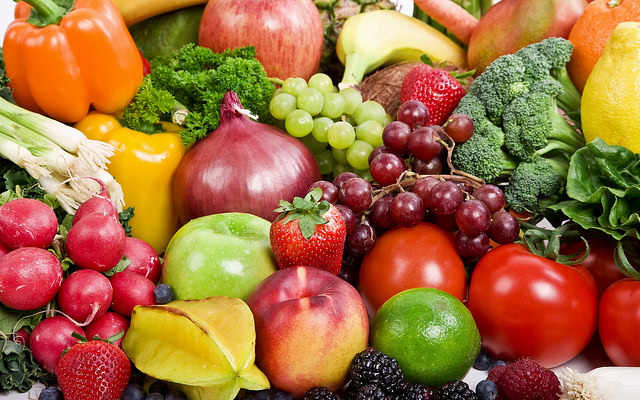
Many people want healthy meals, yet nutrition advice often feels confusing. As you review Mind blowing facts about healthy eating, the mind blowing facts about healthy eating are simpler than diet trends suggest: balanced meals, varied plant foods, enough water, steady meal timing, and sensible portions support daily health. Food quality matters, but one meal never defines your progress.
You might wonder why some meals keep you full while others leave you hungry soon after. The answer often involves fiber, protein, water, food pairings, and meal patterns. Colorful produce also supplies plant compounds linked with everyday wellness. I will walk through seven useful facts in plain language, and noting Mind blowing facts about healthy eating helps keep these ideas clear. Let’s turn these facts into habits you feel good about using each day.
Reading Labels Beyond Low Fat Claims
Check the added sugar and sodium lines before trusting a low-fat label, since removing fat often leaves room for extra sweeteners or starches. Use the Nutrition Facts panel to compare serving size, protein, fiber, added sugar, and sodium across similar foods. When examining Mind blowing facts about healthy eating, you will see that ingredients listed first appear in the greatest amounts, so oats, beans, or nuts near the beginning usually signal more nutrient-dense choices than refined flour or syrup.
Low-fat yogurt still needs a look at added sugar, while full-fat nuts and avocado provide unsaturated fats alongside fiber. Do not judge carbohydrates as one group. Whole-grain bread and brown rice supply more fiber than white bread or sweetened cereal. A short label check helps you weigh food quality and portion size together, and understanding Mind blowing facts about healthy eating makes this process faster, rather than treating one claim as proof of health.
Building A Flexible Weekly Meal Framework
Reserve half of each dinner plate for vegetables and fruit, then divide the remaining space between protein foods and whole grains. Use whole grains such as oats, barley, quinoa, brown rice, or whole-wheat pasta to add fiber without making meals rigid. Keeping Mind blowing facts about healthy eating in mind shows how simple swaps build steady habits. Beans work as both a protein food and a fiber-rich staple, while fish, poultry, eggs, tofu, nuts, and seeds add variety across the week.
Keep frozen vegetables, canned beans with little sodium, and plain yogurt nearby for busy days when fresh cooking feels hard. Plan two or three repeatable breakfasts and lunches, then vary dinner vegetables, protein foods, and grains so shopping stays manageable. Water should handle most drinks, and remembering Mind blowing facts about healthy eating reminds you why sugary beverages deserve less space, because they add sugar without much nourishment.
1. Gut Microbiome Diversity Requirements for Daily Fiber Variety
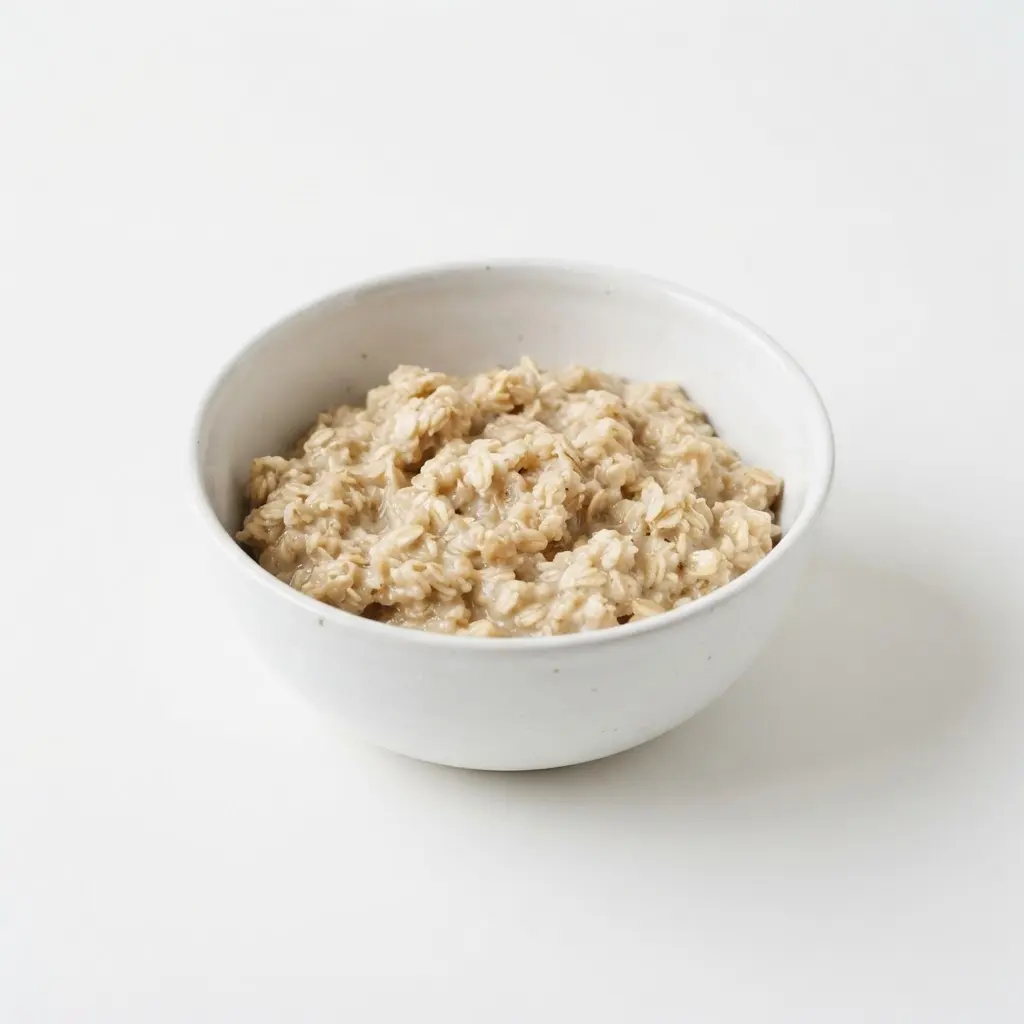
A common mistake is treating a large serving of one food as equal to varied fiber intake. A bowl of oats every morning supplies useful fiber, yet the meal does not expose gut microbes to the same range of plant compounds as a rotating selection. Gut microbiome diversity describes the range and relative amounts of microorganisms living in the digestive tract. Vary your plant foods rather than repeating one source, which aligns with Mind blowing facts about healthy eating.
Different plant foods provide different fibers and fermentable compounds. Gut microorganisms break down some of these compounds during fermentation. Fermentation changes the composition and activity of the microbial community. Research suggests a broader range of dietary sources is associated with greater microbial richness and better resilience. Food diversity scores, based on the number of plant groups eaten, also show a positive association with several measures of gut microbial diversity.
Build each day around diverse fiber-rich foods from several plant categories. Rotate fruits, vegetables, legumes, whole grains, nuts, and seeds instead of repeating the same item at every meal. Rotate fiber sources across the week, then increase the range slowly if a high-fiber eating pattern is new. Breadth matters alongside the total amount of fiber consumed, and reviewing Mind blowing facts about healthy eating supports this flexible approach.
Do not chase an exact daily count of different fiber sources. No universal number suits every person because individual microbiomes differ in their ability to ferment specific fibers. Eating five servings of fruits and vegetables does not guarantee the same microbial response for everyone. Increase variety gradually when sudden changes cause gas, bloating, or discomfort. Always consult a healthcare professional before making changes to your health routine.
2. Nutrient Bioavailability Through Food Pairing With Vitamin C
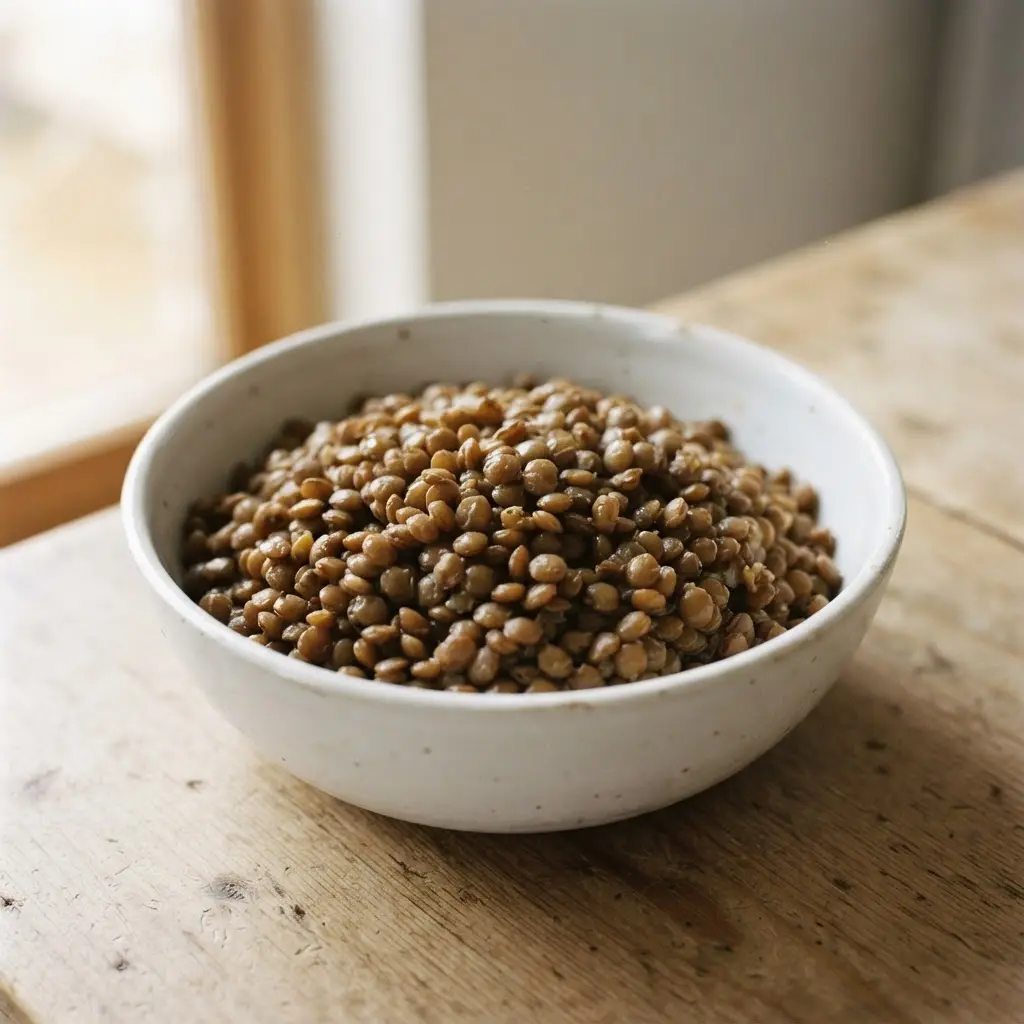
Pair a plant-based iron source with vitamin C at the same meal. Choose lentils, beans, spinach, or fortified cereal, then add citrus, berries, bell peppers, or tomatoes. Vitamin C changes non-heme iron into a form the body absorbs more easily. The vitamin also limits formation of insoluble iron compounds resistant to absorption.
Build the pairing into the meal rather than eating the foods hours apart. Add mandarin oranges to spinach salad, serve hummus with sliced bell peppers, or mix berries into fortified cereal. Lentils with a small glass of orange juice and beans cooked with tomatoes provide other practical combinations. These choices require no change to the main iron-containing food, and seeing Mind blowing facts about healthy eating explains why timing matters.
Research from systematic reviews and randomized trials suggests ascorbate-rich foods with meals support iron status over time, including serum ferritin and hemoglobin levels. Short studies do not always show a clear rise in the percentage of iron absorbed, so results differ among people. Individual absorption depends on many factors, including the overall meal and personal health.
Use this strategy most consistently when plant foods provide most of the meal’s iron. Vitamin C food pairings support nutrient-aware planning, but they do not guarantee correction of iron deficiency. Always consult a healthcare professional before changing your health routine, especially after abnormal ferritin, hemoglobin, or iron results.
3. Impact of Meal Timing Physiology on Daily Energy

At 7 a.m., breakfast often meets a body better prepared to process food than at 11 p.m. The internal clock guides metabolism, appetite, sleep, and energy use across the roughly 24-hour day. Start with an earlier eating schedule when daily routines allow, a habit that highlights Mind blowing facts about healthy eating.
Resting metabolic rate and the thermic effect of food tend to work more efficiently earlier in the day. The thermic effect of food is the energy used to digest, absorb, and process a meal. As biological night approaches, energy use generally falls. A large late-night meal may therefore fit poorly with normal circadian patterns.
Maintain consistent meal times across the week. Choose more of the day’s food during morning and afternoon hours. Limit frequent, substantial meals during the biological night. Repeated schedule changes, including night-shift work, can disturb appetite signals and glucose metabolism. The body partly adjusts after several days of a changed schedule, although adjustment does not make every schedule equally suitable, which reflects Mind blowing facts about healthy eating.
Research suggests earlier time-restricted eating supports energy balance, appetite control, and metabolic health for some people. Sleep also matters. Short or poor sleep is linked with overeating and weight gain, while late meals may affect sleep quality. Use sleep and meal planning together rather than treating meal timing as a stand-alone weight-loss method.
Earlier eating does not guarantee weight loss, and total intake still matters. People with diabetes, eating disorders, pregnancy-related nutrition needs, or night-shift schedules should seek individual guidance. Always consult a healthcare professional before making changes to your health routine.
4. Hidden Fiber Sources in Vegetables for Better Variety

Many people believe vegetable fiber sits only in the soft inner flesh. The truth is different. Edible peels and stems often contain useful fiber, especially insoluble fiber, which adds bulk to stool. Keep clean potato skins, carrot peels, and cucumber skins when the produce is fresh and suitable for eating. Noticing Mind blowing facts about healthy eating changes how you prep vegetables.
Broccoli stems deserve a place on the plate rather than the compost pile. Slice the tough outer layer, then chop the tender center for soups, stir-fries, or roasted trays. A cooked potato provides fiber, while cooling the potato after cooking increases its resistant starch. Wash produce thoroughly before using skins or stems.
Build variety with turnips, okra, peas, Brussels sprouts, asparagus, kale, cauliflower, and mushrooms. Turnips and asparagus provide soluble and insoluble fiber. Green peas and Brussels sprouts offer a stronger fiber contribution than mushrooms, though mushrooms still add useful fiber. Research suggests broader vegetable choices support better overall diet quality because different plants provide different fiber types and textures, a point covered by Mind blowing facts about healthy eating.
Use minimally processed potatoes more often than fries or chips. Fries and chips may contain fiber or resistant starch, but added fat and sodium change their nutritional value. Include white beans in vegetable-focused meals for extra fiber, while recognizing their botanical classification as legumes. Remove damaged portions, keep safe edible parts, and vary preparation methods across the week.
5. Hydration and Cognitive Performance Links During Busy Days

Can a small fluid loss affect mental performance? Yes. Losing less than 1% of body mass through dehydration may affect focus, memory, decision-making, energy, and perceived task difficulty. Maintain regular water intake during long work periods instead of waiting for strong thirst, and understanding Mind blowing facts about healthy eating explains why waiting is risky. Thirst often appears after hydration status has already begun to decline.
Dehydration makes sustained attention harder. Reduced attention can interfere with remembering instructions and choosing between tasks. Long meetings, deadlines, commuting, and demanding work increase the chance of overlooking fluids. Keep a water bottle nearby so drinking stays easy during busy hours.
Research suggests drinking water supports focused attention and memory. Adequately hydrated people may also view tasks as easier. Better hydration supports mental performance, productivity, and workplace safety, especially during extended periods of concentration. Keep water within reach rather than relying on memory alone.
Build a steady drinking pattern across the day. Pay attention to thirst, sustained energy snacks, concentration, and changes in perceived task difficulty. Work duration, physical size, lifestyle, environmental conditions, and access to water all influence hydration needs. Regular water-bottle use is linked with better water balance because convenient access encourages consistent drinking. Individual needs differ, so do not treat general guidance as personal medical advice. Always consult a healthcare professional before making changes to your health routine.
6. Bioactive Compounds in Colorful Produce and Cell Protection

A plate built around one bright food offers less pigment variety than a plate containing several natural colors. Choose a range of colorful produce across meals. Orange, yellow, red, purple, and green foods supply different plant compounds, including carotenoids, flavonoids, betalains, and chlorophylls. Learning Mind blowing facts about healthy eating helps you mix colors naturally.
Carotenoids interact with free radicals and support protection of cell membranes and lipoproteins from oxidative damage. Flavonoids neutralize free radicals and bind certain metal ions involved in oxidative reactions. Some flavonoids also influence antioxidant enzymes, including superoxide dismutase, glutathione peroxidase, and catalase. Citrus polymethoxylated flavones, or PMFs, have access within cell membranes.
Red and yellow produce contain betalains. Betacyanins create red tones, while betaxanthins create yellow tones. Dragon fruit and jaboticaba extracts have been studied in neuronal-like cells for effects involving oxidative stress. Research links colorful plant foods with outcomes involving inflammation, lipid profiles, cardiovascular health, type 2 diabetes, body weight, and cancer risk. Cell-based findings involving tumor growth or neuronal protection do not prove disease prevention in people.
Build meals with several color groups rather than relying on one so-called superfood. Add berries or citrus to breakfast, include leafy greens and orange vegetables at lunch or dinner, and use red or purple produce in snacks. Color signals the presence of plant pigments, but brighter color does not guarantee a specific health outcome. Keep colorful produce within a balanced eating pattern, and remember Mind blowing facts about healthy eating when planning your next plate. Keep colorful produce as part of your routine, not as a replacement for medical care.
7. Natural Hunger Regulation Mechanisms and Portion Awareness

A common mistake is treating normal hunger as a fixed biological schedule and assuming every appetite signal has the same meaning. The available research for this chapter does not establish a verified method for separating physical hunger from habit, stress, thirst, or food-related cues. Use caution with confident appetite claims because no source-supported findings were returned for appetite hormones, automatic portion control, or weight management. Noting Mind blowing facts about healthy eating encourages careful observation instead.
Portion awareness also lacks a verified serving-size rule in the supplied research. A package serving, a restaurant plate, and a home bowl represent different reference points. No evidence from the designated source supports one universal amount for every person, meal, age group, or health condition. Treat fixed portion numbers as general information rather than personal medical guidance.
A neutral food record could list meal time, food amount, eating speed, and physical sensations. Such a record describes behavior. It does not prove why hunger appeared or establish a biological mechanism. Keep observations separate from conclusions, especially when appetite changes occur alongside stress, sleep disruption, illness, or medication use.
Research output does not show whether slowing a meal, changing the eating setting, or choosing particular foods reliably regulates hunger for every reader. These limits matter because appetite patterns differ, and unsourced advice could mislead someone with a health condition or a history of disordered eating. Always consult a healthcare professional before making changes to your health routine.
Adapting Portions To Personal Energy Needs
Start with half a plate of vegetables, then adjust the grain and protein portions to match your energy needs. Use measuring cups for foods such as oils, nut butter, rice, and pasta when portions seem hard to judge by sight. People with higher activity often need more food, while smaller bodies or lower activity levels often need less. Age, pregnancy, breastfeeding, medical conditions, and prescribed diets also change nutrient and energy needs.
Potatoes, bread, rice, and pasta count differently in meals because starch affects fullness and blood sugar in distinct ways. Keep the plate model flexible, and watch hunger, fullness, energy, and weight trends over time instead of chasing a fixed number. A registered dietitian offers guidance when diabetes, kidney disease, food allergies, or an eating disorder affects meal planning. Reviewing Mind blowing facts about healthy eating supports this steady tracking.
Conclusion
Your food choices support more than a number on a scale. They affect energy, focus, fullness, digestion, and the pleasure you get from meals. The mind blowing facts about healthy eating show why small patterns matter more than strict rules. Aim for variety across the week, add a source of protein and fiber to meals, and notice how different foods affect your hunger.
Meal planning does not need to take hours. Start by choosing two simple breakfasts, two lunches, and a few easy dinners. Keep useful ingredients ready so a balanced option feels practical on busy days. Give yourself room for favorite foods too. A healthy routine needs flexibility to last. Pick one fact from this list and use it in your next meal. Then build from there with patience and care. Exploring Mind blowing facts about healthy eating turns these daily choices into lasting habits.
FAQs
Q: What should a balanced meal include?
A: A balanced meal often includes vegetables or fruit, a protein food, a high-fiber carbohydrate, and a source of healthy fat. Portions depend on hunger, food needs, and personal preferences.
Q: How much water should I drink each day?
A: Water needs vary with body size, activity, weather, and food choices. Sip throughout the day and use thirst, urine color, and activity level as helpful guides.
Q: Do food pairings affect nutrient absorption?
A: Some pairings help the body absorb nutrients more easily. Foods rich in vitamin C, such as citrus or peppers, support iron absorption from beans, lentils, and leafy greens.
Q: Does meal timing affect hunger?
A: Regular meals help many people notice hunger before it becomes intense. A steady routine also supports planning and reduces long gaps between meals.
Q: How do I eat more fiber without stomach discomfort?
A: Increase fiber in small steps through beans, oats, vegetables, fruit, nuts, and seeds. Drink enough fluids and give your body time to adjust.