Which foods should not be reheated? Foods that should not be reheated include cooked rice, leafy greens, eggs, poultry, seafood, potatoes, mushrooms, cream sauces, fried foods, and oils. Some bring food safety risks after poor cooling or storage. Others lose quality when heat changes texture, flavor, or nutrients. You must remember these details when planning meals for the week, especially when tracking foods that should not be reheated for family dinners. Leftovers stay safer when you chill them within two hours, use shallow containers, and keep the refrigerator at 40°F or colder. Reheat suitable leftovers to 165°F, checking the center with a food thermometer. Rice deserves extra care because bacteria grow before food smells spoiled. Always check your pantry notes for foods that should not be reheated before warming any dish. Let’s separate foods needing careful handling from foods best served fresh. The guide below explains what to store, how long to keep it, and when fresh cooking is the better choice. This helps reduce waste without treating every leftover as unsafe. Keep a simple chart of foods that should not be reheated in your kitchen drawer for quick reference. Read on before warming your next plate.
Rapid Cooling Before Refrigerated Storage
Move cooked leftovers into shallow containers and refrigerate them within two hours, or within one hour when the room exceeds 90°F. This quick drop limits bacterial growth while food cools. Keep portions no deeper than two inches, since large pots hold heat in the center. Set containers uncovered briefly while steam escapes, then seal them once the food stops steaming heavily. You should also consider how foods that should not be reheated react when packed too densely. Store them at 40°F or below, and avoid stacking warm dishes tightly together. A crowded refrigerator slows cooling and raises nearby temperatures. Rice deserves extra care because Bacillus cereus spores survive cooking, and warm rice supports growth before chilling. Divide rice soon after cooking rather than leaving one deep bowl on the counter, keeping in mind the list of foods that should not be reheated for safe handling.
Separating Safety Risks From Quality Loss
Reheating leftovers to 165°F separates a safety check from texture problems, but it does not repair unsafe storage. A food thermometer checks the coldest spot, since microwaves often leave steaming edges and a cool center. Stir sauces and rotate dishes between short heating periods to reduce uneven temperatures, then let the food stand briefly before checking again. Rice, potatoes, eggs, mushrooms, spinach, poultry, and seafood do not become automatically dangerous after reheating. Their risk depends on contamination, cooling speed, storage time, and heat coverage. You will notice fewer surprises when you mark your calendar with foods that should not be reheated. Rice deserves special care because Bacillus cereus spores survive cooking, while toxins formed during warm storage might resist reheating. Dry chicken, split sauce, softened coating, or discolored greens signal quality loss, not proof of unsafe bacteria. Never rely on smell alone, since harmful germs often leave no odor. Reviewing your notes on foods that should not be reheated keeps kitchen habits safe.
1. Nitrate-Rich Leafy Greens: Fresh Flavor After Gentle Warming
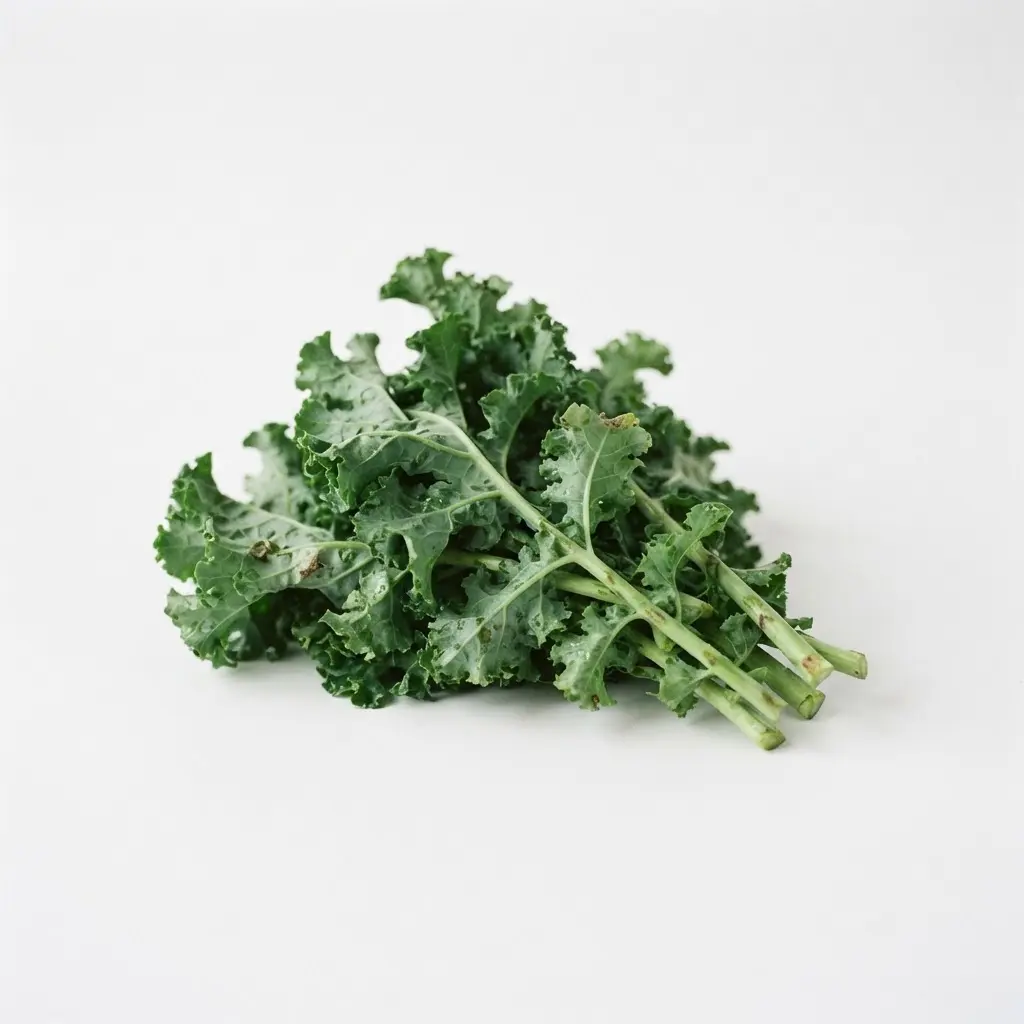
A common mistake is treating every reheating method as equal. Correct the mistake by choosing gentle warming for spinach, Swiss chard, or arugula. These greens contain natural nitrates, and brief sautéing preserves approximately 85–95% of their original vitamin and mineral content. Many home cooks track foods that should not be reheated to keep meals fresh. Add leafy greens to soups or stews near the end of cooking. Water-soluble nutrients move into the broth, so consuming the liquid keeps much of what boiling water would otherwise carry away. Soups and stews still lose about 25% of water-soluble vitamins, including vitamin C and folate, while other nutrients stay near 95–100%. You will find better results when you separate foods that should not be reheated from hearty stew ingredients. Avoid prolonged boiling when vitamin C and folate retention is the priority. Two minutes of boiling removes up to 58% of spinach’s nitrates, while approximately 79% of lutein remains. Research findings show nitrate loss is not automatically harmful, and the best method depends on the nutrient goal. Choose sautéing or add greens to soups and stews rather than reheating them in a large pot of water. Always check your list of foods that should not be reheated before tossing vegetables into boiling water.
2. Cooked Rice Bacterial Risks — Safe Storage Before Reheating

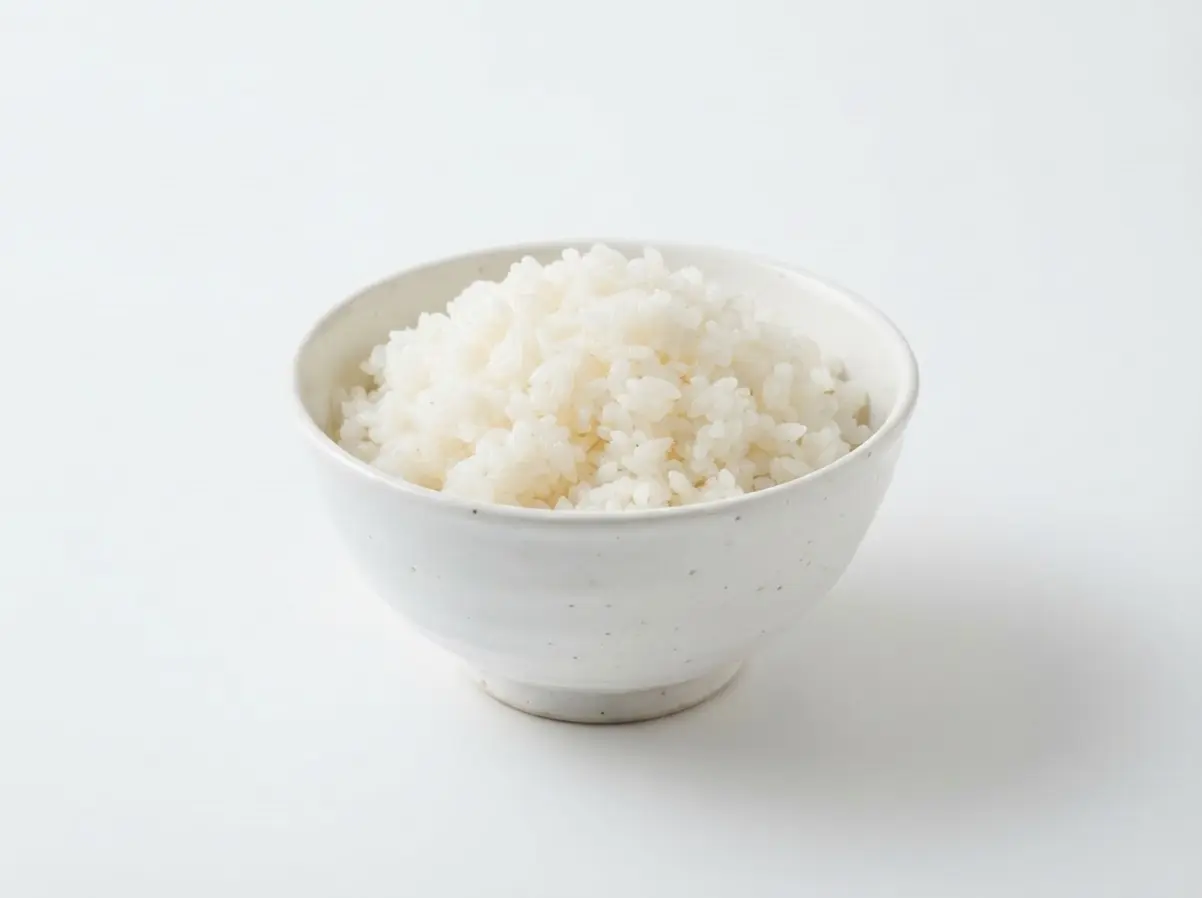
Cool cooked rice quickly after cooking. Divide rice among shallow containers less than 10 cm deep, and keep portions separate. Do not leave cooked rice at room temperature for more than two hours. Bacillus cereus spores may survive cooking, then grow and produce toxins as rice sits warm. Keeping a clear guide on foods that should not be reheated helps prevent bacterial spread. Refrigerate rice within one to two hours in a 5°C refrigerator. Use a sealed, food-grade container once the rice has cooled enough for safe storage. Avoid stacking containers during cooling because trapped heat slows the process. Eat refrigerated rice within three to four days. Freeze portions intended for later use. You must always cross check foods that should not be reheated before packing leftovers away. Reheat only the portion needed, and bring the rice to 75°C (165°F) throughout. Reheat cooked rice once rather than returning the same portion to the refrigerator repeatedly. Reheating does not reliably destroy Bacillus cereus spores or toxins formed during unsafe storage, so careful cooling and refrigeration provide the main protection. Reading about foods that should not be reheated saves you from guesswork in busy kitchens.
3. Protein-Dense Poultry Dishes With Even Heat Distribution

At 7 p.m., a thick chicken breast often feels hot at the edges while the centre stays cool after reheating. Choose dishes with even thickness or surrounding moisture, including casseroles, braises, stews, and poached chicken. Sauce and cooking liquid carry heat toward the middle. Uniform chicken pieces warm more consistently than mixed-size portions. You will avoid uneven cooking when you plan meals around foods that should not be reheated unevenly. Arrange portions in a single layer and leave space between pieces. Cover casseroles and other liquid-based dishes to hold moisture and reduce dry edges. Stir stews halfway through reheating, then check the thickest piece with a meat thermometer. Aim for 165°F (74°C) throughout. Research on poultry safety supports temperature checks over colour or texture, since appearance does not show cold spots reliably. Always double check your notes on foods that should not be reheated before serving poultry to guests. Allow cooked chicken to rest for 5–10 minutes before cutting or serving. Resting lets juices spread through the meat and supports a moist texture. Avoid crowding the pan, and cut portions to similar thickness before cooking or reheating. Chicken thighs tolerate slow, moist heat better than lean breast, while sous vide provides controlled edge-to-centre heating. Use careful temperature checks for every batch. Tracking foods that should not be reheated keeps dinner preparations simple and safe.
4. Hard-Boiled Eggs — Refrigerated Handling And Fresh Serving

Many people believe reheating a hard-boiled egg makes storage less important. The safer practice is to cool cooked eggs quickly and serve them cold, fresh from refrigeration. Run cold water over eggs or place them in an ice bath, then refrigerate them without delay. Avoid stagnant cooling water. Knowing which items belong to foods that should not be reheated prevents texture loss. Keep the refrigerator at 40°F (4°C) or below. Store unpeeled eggs in a loosely covered airtight container or resealable bag. Use unpeeled eggs within one week. Peel only portions for the day, since peeled eggs should be eaten the same day. A damp paper towel limits drying inside a sealed container. Store eggs in the coldest part of the refrigerator, not the door. Write down foods that should not be reheated to remind yourself before snacking. Hard-boiled eggs should not sit at room temperature for more than two hours, or more than one hour above 90°F (32°C). Research and food safety guidance support prompt refrigeration because quick chilling protects safety and texture. Serve refrigerated eggs fresh instead of reheating them repeatedly. Avoid freezing, since frozen whites often become tough and watery. Discard eggs with a slimy or chalky texture or an unmistakable odor. You will keep your breakfast routine smoother when you remember foods that should not be reheated.
5. Cream-Based Sauce Separation: Smooth Serving Quality

Why does a cream sauce turn oily or grainy after reheating? High heat breaks the emulsion, causing cream proteins to curdle and fat to separate. Reheat stored sauce over low heat and whisk constantly. Keep the sauce below a boil, especially after refrigeration. Checking your guide for foods that should not be reheated helps avoid ruined sauces. Use heavy cream for greater stability than half-and-half. Add tomatoes, wine, or lemon juice slowly, since acidity weakens the bond between fat and water. Temper cream before mixing it with hot liquid by whisking in a small amount of the hot liquid first. For extra body, mix cornstarch with cold liquid before adding the slurry. Strain the finished sauce through a fine-mesh sieve when small lumps remain. Many cooks list foods that should not be reheated to protect their delicate recipes. Research on emulsion behavior shows temperature control and gradual mixing protect texture during reheating. If separation begins, whisk in a small amount of fresh cream over low heat. Finish freshly cooked cream-based sauce alternatives cold butter cubes, adding them one at a time while whisking. Smooth serving quality depends on gentle heat, steady movement, and careful handling of acidic ingredients. Always review your notes on foods that should not be reheated before heating the pan again.
6. Fried Foods Texture Degradation With Repeat Heating
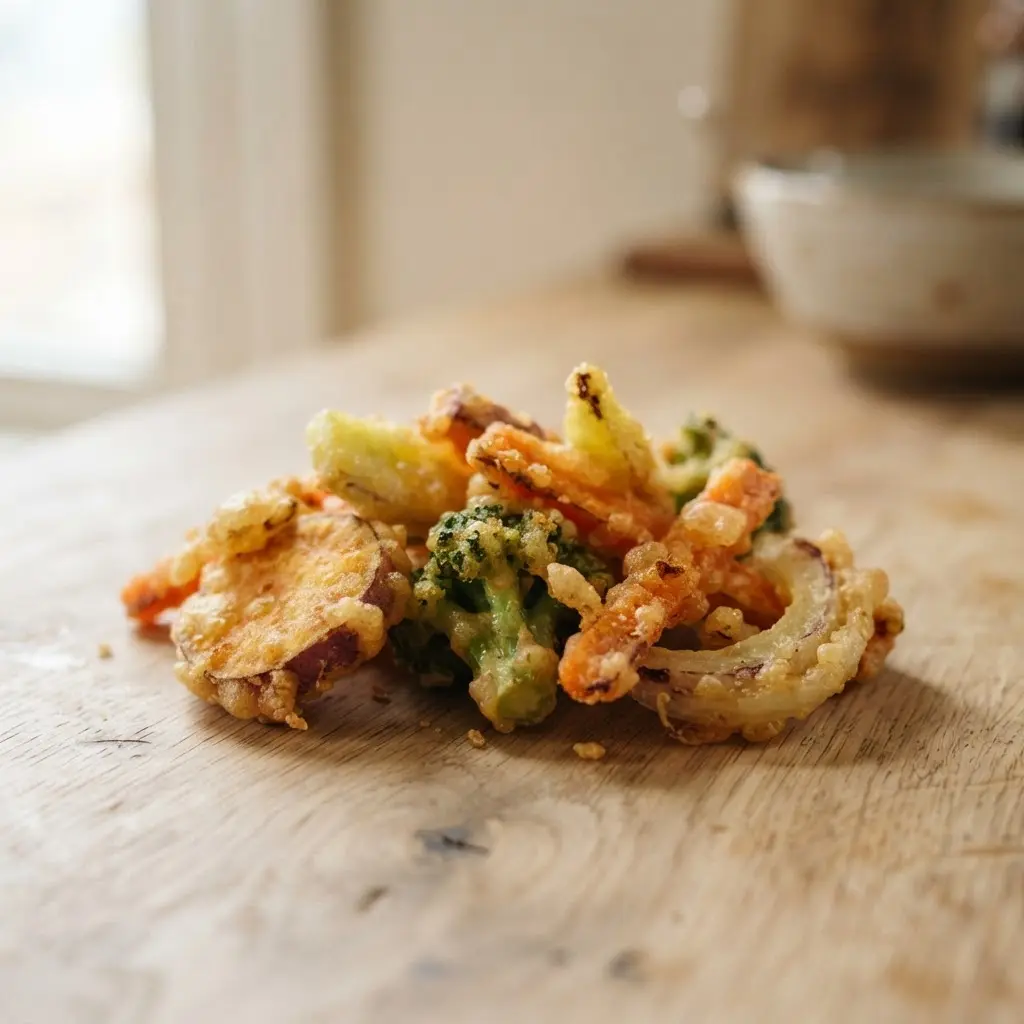
Freshly fried food has a crisper crust and lighter mouthfeel than food heated through several cycles. Choose one reheating cycle whenever possible. Repeated heat breaks down triglycerides and fatty acids in the oil. Degraded oil transfers heat less efficiently, so cooking takes longer and more oil enters the food. You will notice the difference when you track foods that should not be reheated after deep frying. French fries reheated after repeated frying often lose crunchiness and develop a greasy surface. Oil choice affects the result. One study found palm oil preserved French-fry hardness better than sesame oil, while sesame oil showed greater losses in hardness and crunchiness as cycles increased. Atmospheric and pressure frying produce different texture changes. Research also links repeated high-temperature frying of starchy foods with increased acrylamide formation. Treat repeated reheating as one of the risky food habits affecting meal quality. Always check your chart of foods that should not be reheated before turning on the fryer. Check the crust, interior firmness, and surface oil before serving. Rising acidity, peroxide value, and total polar compounds signal oil degradation, even though home cooks do not measure them directly. Once the crust and oil have changed, another heating cycle usually will not restore the original texture. Keeping a short list of foods that should not be reheated stops wasted ingredients and preserves crunch.
7. Seafood Spoilage Characteristics — Freshness And Storage Signs

A common mistake is treating cooking as proof of freshness. Cooking does not reverse spoilage caused by bacteria, enzymes, or rancid fats. Smell seafood before cooking. Fresh seafood has a mild, clean odor. Sour, ammonia-like, rancid, or strongly fishy odors signal deterioration. Always keep a reminder of foods that should not be reheated near your cutting board. Check texture and appearance before preparation. Whole fish should have firm flesh, clear eyes, and red gills. Fillets should spring back after light pressure. Live clams, oysters, and mussels should close when tapped, while cracked shells require disposal. Keep seafood at 40°F (4°C) or below in a refrigerator or on ice. Reviewing foods that should not be reheated helps you catch bad batches early. Freeze seafood within two days when you will not use it sooner. Wrap it tightly in plastic, foil, or moisture-proof paper. Heavy frost, ice crystals, torn packaging, or bendable frozen flesh suggest prolonged storage or thawing and refreezing. Tracking your purchases and foods that should not be reheated keeps your freezer organized. During cooking, fish should turn opaque and separate easily with a fork. Shrimp, scallops, crab, and lobster should become firm. Clams, mussels, and oysters should open. Research on seafood quality shows temperature control slows bacterial growth and protects texture. Discard questionable seafood rather than relying on reheating to correct spoilage. Remembering foods that should not be reheated protects your health and saves you from unpleasant meals.
8. Potato-Based Dish Oxidation And Color Changes
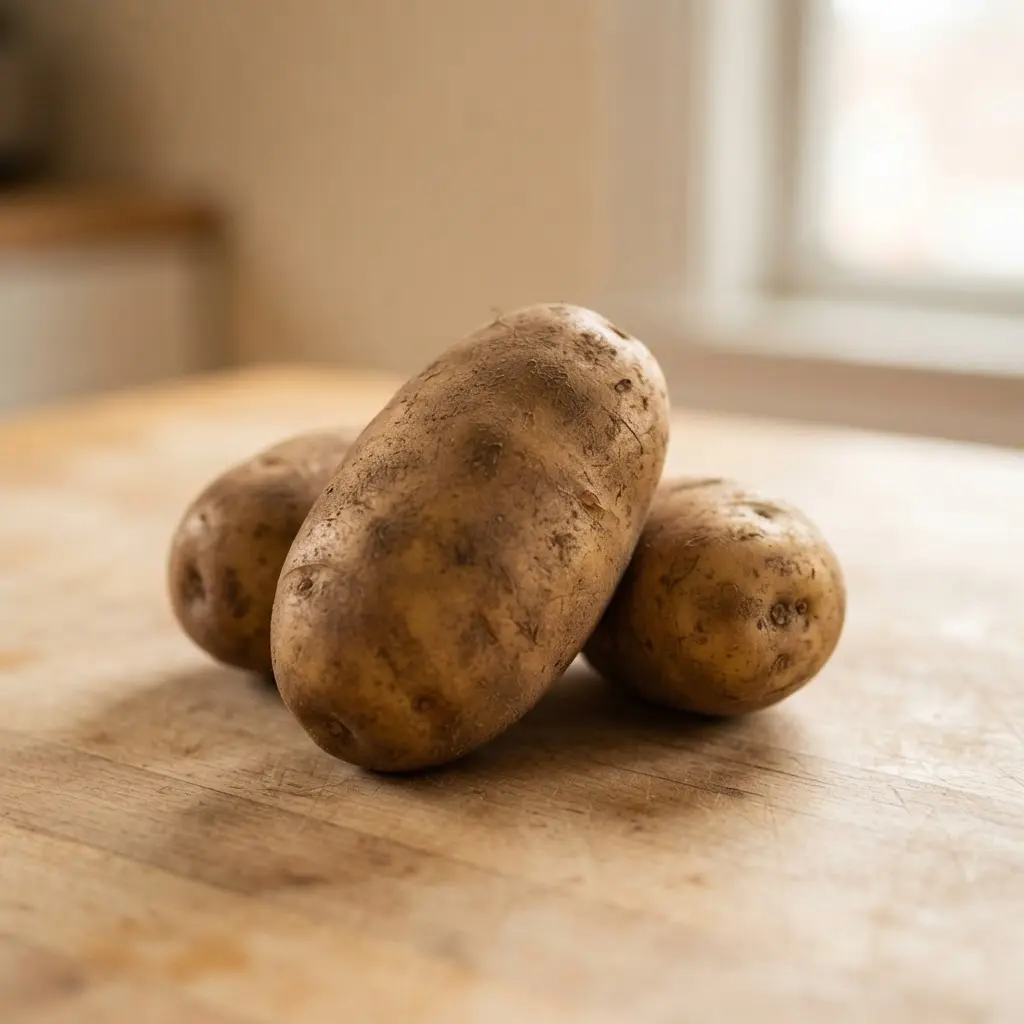
Prepare shredded potatoes immediately before cooking, or place them in acidulated water. Cutting ruptures potato cells, exposing polyphenol oxidase, phenolic compounds, and oxygen. Polyphenol oxidase changes phenolic compounds into quinones, which form pink, rosy, gray, or dark pigments. Knowing how foods that should not be reheated change color helps you adjust prep steps. Rinse shredded potatoes to slow discoloration, then use a brief soak when more time is needed. Add lemon juice or vinegar to the water to limit enzyme activity. Salted water offers another option. Keep soaking near 30 minutes or less, since longer soaking makes potatoes absorb water and lose crispness. Cooking denatures polyphenol oxidase and stops enzymatic oxidation. Check your notes on foods that should not be reheated before adding acid to the bowl. Oxidized potato dishes are generally safe to eat, although gray or pink coloring reduces visual appeal. Research on food oxidation shows appearance changes do not automatically indicate spoilage. Work quickly, limit air exposure, and cook soon after cutting. You will notice better plating results when you separate foods that should not be reheated from quick prep items.
9. Mushroom Protein Structure Changes During Warming

At 7 p.m., leftover mushrooms warm in a covered pan, and their texture begins to shift. Moist heat changes mushroom proteins between 50°C and 70°C. Research on Pleurotus eryngii protein found fewer alpha-helical sections around 50°C to 60°C, while beta-sheet content generally fell. Beta-turn and disordered sections increased. These changes affect firmness and how proteins interact with water, oil, and air. Use gentle moist-heat warming to limit unnecessary quality loss. Always keep track of foods that should not be reheated to avoid rubbery results. Dry heat produces a different pattern. Treatment from 65°C to 125°C increased surface hydrophobicity and oil retention in tested mushroom protein. Moderate heating also improved measured emulsifying capacity and antioxidant activity. Exposure near 125°C encouraged protein polymerization and damaged some functional groups, which reduced selected quality traits. Avoid excessive dry heat when texture and cooking performance matter. Noting which items are foods that should not be reheated guides your pan temperature choices. Protein restructuring mainly affects quality, not proof of spoilage. Storage time, cooling, reheating speed, and microbial control determine food safety. Results from one mushroom species do not describe every mushroom dish. Check storage conditions before reheating, and use moderate heat for a shorter period to protect texture. You will save time and money when you mark foods that should not be reheated on your weekly menu.
10. Cold-Pressed Oil Degradation From Excess Heat
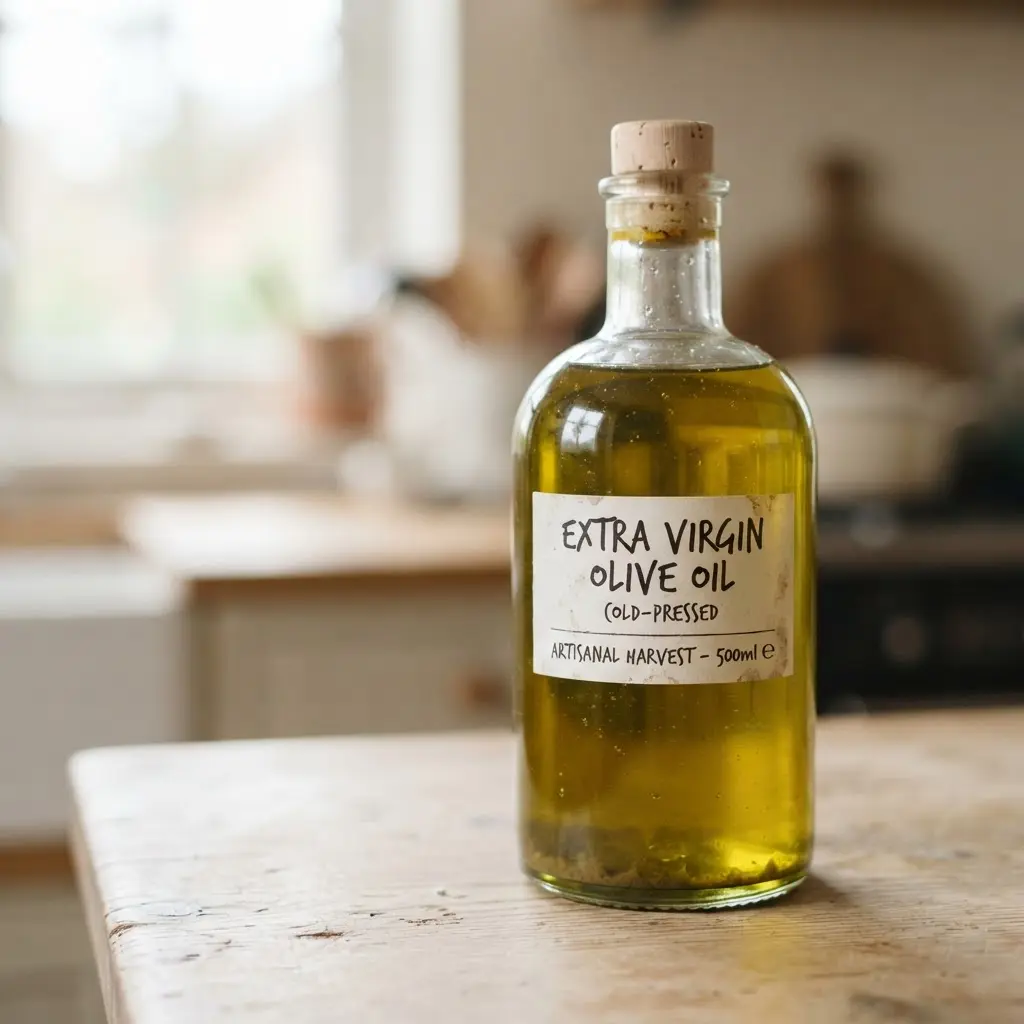
Many cooks believe cold-pressed oil stays unchanged during reheating. High heat changes oil chemistry, especially during repeated use. At 200 °C, degradation is greater than at 170 °C. Keep heat moderate when warming food with these oils. You must review your guide on foods that should not be reheated before pouring specialty oils into hot pans. Heat causes triacylglycerol molecules to join, forming dimers and sometimes trimers. Unsaturated fatty acids, especially PUFAs, oxidize more easily at high temperatures. Polar compounds and oxidized derivatives then build up, signaling greater oil degradation. Checking how foods that should not be reheated react to high heat saves your pantry supplies. Research on oxidative stability shows wide differences between oils. Tocopherols and tocotrienols provide antioxidant activity, yet heat reduces these compounds over time. Oil blends with protective antioxidants sometimes tolerate heating better than expected, while Cornicabra and Picual olive oils have shown strong stability in research. Remember your notes about foods that should not be reheated when planning delicate oil-based meals. Choose a lower heat setting for reheating, and avoid repeatedly heating the same oil. Check the oil’s fatty-acid profile and intended cooking temperature before use. Cold-pressed oils often suit gentle warming better than intense reheating. Keeping foods that should not be reheated top of mind prevents wasted ingredients and off-flavors.
When To Discard Leftovers Instead
Discard leftovers held above 40°F for over two hours, or over one hour above 90°F, even if they smell normal. The two-hour limit applies to cooked poultry, seafood, eggs, rice, casseroles, and other perishable dishes. Throw food away after uncertain storage, repeated warming, or a long power outage, since reheating does not reverse bacterial growth or toxins formed during poor cooling. Mold, slime, leaking packages, and unusual color also support disposal, though a clean appearance never proves safety. Always cross reference foods that should not be reheated before deciding to save a questionable container. Retain leftovers only when you sealed them in shallow containers and chilled them promptly. Mark each container with the cooking date so older portions do not linger behind newer food. When time or temperature seems uncertain, discard the portion rather than taste-testing it. Trusting your notes on foods that should not be reheated keeps your kitchen clean and your family healthy.
Conclusion
Leftovers help stretch meals and save time, yet safe handling matters as much as good flavor. Foods that should not be reheated are not all unsafe. Rice, eggs, poultry, seafood, and leafy greens need careful cooling and storage. Cream sauces, fried foods, mushrooms, potatoes, and cold-pressed oils often suffer mainly from heat-related quality loss. Understanding foods that should not be reheated changes how you plan weekly prep. For your next meal, divide leftovers into shallow containers, chill them within two hours, and mark the storage date. Use a food thermometer for dishes you warm, and check the center reaches 165°F. Keep portions small so food heats evenly, then discard anything left at room temperature too long. Keeping a simple chart of foods that should not be reheated makes daily cooking faster. A few simple habits help you protect your household, reduce waste, and keep meals pleasant. When doubt remains about storage time or food condition, choose a fresh option rather than taking a risk. Start with one leftover in your refrigerator today and give it a safe, careful check before serving. Always double check foods that should not be reheated to enjoy every meal safely.
FAQs
Q: Is reheated rice safe to eat?
A: Yes, when rice was cooled quickly, refrigerated within two hours, and kept cold. Reheat it until steaming hot, with the center reaching 165°F. Some toxins resist high heat, so discard rice left warm for too long. Always remember the list of foods that should not be reheated before serving leftovers.
Q: How long should cooked rice stay in the refrigerator?
A: Use refrigerated rice within three to four days. Keep it in a shallow, airtight container. Throw it away if it sat at room temperature beyond two hours. Tracking foods that should not be reheated helps you manage fridge space.
Q: Should leafy greens be reheated?
A: Reheating leafy greens is usually a quality concern, not an automatic safety problem. Chill them quickly, keep them cold, and heat leftovers until the center reaches 165°F. Serve greens fresh when color and texture matter. Checking notes on foods that should not be reheated prevents mushy vegetables.
Q: Is it safe to reheat chicken or seafood?
A: Yes, when these foods were cooked, chilled, and stored correctly. Heat leftovers to 165°F, checking the thickest part with a food thermometer. Discard food with a sour odor, slimy surface, or unknown storage history. Reviewing your guide for foods that should not be reheated ensures safe meals.
Q: Why do cream sauces split when reheated?
A: High heat separates fat, water, and proteins in cream sauces. Warm the sauce slowly, stir often, and add a small amount of liquid if it thickens. This is a quality issue when storage and temperature control were safe. Keeping foods that should not be reheated in mind saves your dinner recipes.