
Do you often wonder which foods support your health and which ones bring less nourishment? Differences between healthy and unhealthy food usually appear in the ingredients, fiber, vitamins, minerals, added sugar, fats, processing, and portion size. Healthy choices often include vegetables, fruit, beans, whole grains, nuts, seeds, and simple protein foods. Less nutritious choices often contain more added sugar, sodium, refined grains, or saturated fat with fewer helpful nutrients.
Still, food does not need to fit into a strict good or bad group. Processing exists on a broad scale, and portions matter too. This guide compares ten everyday nutrition points in plain language. I will help you read labels, compare drinks, understand grain choices, and pick cooking methods with care. Let’s look at practical ways to add more nourishing foods without giving up enjoyment at mealtimes.
Reading Nutrition Facts Beyond Front Labels
Check the first three ingredients before trusting a package claim, because ingredients appear by weight and reveal the food’s main components. A product labeled “multigrain” might still lead with refined flour, while a sweetened cereal might list sugar, syrup, or honey near the top. The Nutrition Facts panel shows added sugar, sodium, saturated fat, fiber, protein, and serving calories more clearly than front packaging. Reading these details reveals the differences between healthy and unhealthy food with ease.
Look for fiber and protein when you want longer-lasting fullness, then compare sodium and added sugar across similar items. Ingredient names such as partially hydrogenated oil signal industrial trans fat, while olive or canola oil supplies mostly unsaturated fat. Frozen vegetables and canned beans also fit a nutritious pattern when their labels show little added salt or sugar. This simple check highlights the differences between healthy and unhealthy food clearly.
Comparing Similar Foods By Serving Size
Compare equal serving sizes before deciding which food offers better nutrition, since one package often contains several servings. A measuring cup helps you see how a listed portion compares with the amount in your bowl or glass. Check calories alongside fiber, protein, sodium, added sugar, and saturated fat rather than focusing on one number.
A sweetened yogurt might have fewer calories than a pastry but far more added sugar than plain yogurt with fruit. Two breads might look similar until their labels show different amounts of whole grains, fiber, and sodium. Portion size also shapes daily intake, so a nutritious food still needs an amount suited to your hunger, meal, and overall eating pattern.
1. Whole Versus Refined Grains for Daily Energy

A common mistake is treating all grain products as equal. Choose whole grains instead of assuming refined bread, rice, or cereal provides the same value. Whole grains retain fiber, vitamins, minerals, some protein, and carbohydrate. Carbohydrate fuels the brain, heart, muscles, and normal physical activity. Noticing this energy shift shows the differences between healthy and unhealthy food clearly.
Fiber supports fullness between meals and helps regulate appetite. Research suggests whole-grain rice produces a lower post-meal blood glucose response than white rice. Findings for whole-grain wheat and rye are less consistent, so grain types do not all affect blood sugar in the same way. Higher whole-grain intake sometimes reduced energy intake, though effects were modest and depended on portion size.
Choose products containing at least 51% whole grains, and make whole grains at least half of daily grain intake. Check ingredient labels rather than relying on color or words such as multigrain. Whole grains provide energy alongside fiber and micronutrients, while portions and overall eating patterns shape total calorie intake. This label habit points out the differences between healthy and unhealthy food.
2. Natural Versus Added Sugars in Everyday Foods: Label Clarity

Check the Nutrition Facts label before judging a food’s sugar content. Read Total Sugars, then read “Includes Xg Added Sugars” directly below. Added sugars sit within total sugars, not beside them. A serving with 15 grams of total sugars and 7 grams of added sugars contains 8 grams from milk, fruit, or vegetables. This breakdown explains the differences between healthy and unhealthy food.
Use the label first, then apply how to cut added sugar to reduce sweeteners in daily meals. Compare the added-sugar grams with the serving size. Use the % Daily Value for quick guidance: 5% or less is low, while 20% or more is high. The reference value is 50 grams per day on a 2,000-calorie diet.
Check the label footnote for honey and maple syrup, since single-ingredient syrups may show added-sugar details there. Read grams per serving before comparing products. Label information supports food comparisons but does not determine whether a food suits every medical or dietary need. Always consult a healthcare professional before making changes to your health routine.
3. Fresh Versus Processed Proteins for Balanced Meals

At 7 p.m., a quick dinner often starts with opening a package rather than preparing raw ingredients. Choose minimally processed proteins such as fresh fish, lean meat, beans, plain yogurt, or unsalted nuts. These affordable healthy foods more of their natural nutrients and fit easily beside vegetables, whole grains, or fruit. Spotting these fresh choices clarifies the differences between healthy and unhealthy food.
Read the ingredient list and nutrition label before buying packaged protein foods. Check sodium, added sugar, saturated fat, and the overall nutrient content. A plain yogurt differs greatly from a sweetened dessert yogurt, just as fresh chicken differs from a heavily salted breaded product. Home cooking gives you greater control over salt, sugar, and fat. Tracking those changes shows the differences between healthy and unhealthy food.
Research suggests nutrient-dense protein choices make balanced meals easier to build. Combine beans with rice across your diet for complementary amino acids. Do not label every processed food as unhealthy. Judge each product by its ingredients, nutrient content, and degree of processing. Choose products with short ingredient lists and lower amounts of added salt, sugar, and unhealthy fats.
4. Unrefined Versus Hydrogenated Fats — Heart-Smart Fat Choices

Many people assume unrefined fat is always healthier than processed fat. The true measure is the fat type, not processing alone. Unrefined oils retain more natural flavor and suit dressings or lower-heat cooking. Choose unsaturated fats, such as olive, canola, or sunflower oil, more often. This simple swap reveals the differences between healthy and unhealthy food.
Hydrogenation changes vegetable oil into a firmer, shelf-stable fat. Partial hydrogenation produces trans fats. Trans fats raise LDL cholesterol, lower HDL cholesterol, and increase heart disease, heart attack, and stroke risk. Check packaged-food labels for “hydrogenated” or “partially hydrogenated” oils. Read saturated fat amounts too. Limit saturated fat to less than 6–7% of daily calories and avoid trans fats.
Replace butter, shortening, and fatty processed foods with nuts, seeds, fatty fish, or plant oils. These swaps support a healthier cholesterol profile. Use refined oils for higher-heat cooking when suitable, while reserving unrefined oils for cold dishes or gentle heat. Always consult a healthcare professional before making changes to your health routine.
5. Fiber Content and Digestion — Foods Supporting Regularity

Which foods support regular digestion? Whole grains, beans, fruits, vegetables, nuts, and seeds provide fiber for regular bowel movements. Aim for about 30 g of fiber each day. Soluble fiber absorbs water and forms a gel, while insoluble fiber adds bulk and moves waste through the digestive tract. Tracking fiber intake shows the differences between healthy and unhealthy food.
Choose whole plant foods more often than refined grains and highly processed foods. Use the best sources of fiber across meals rather than relying on one food. Research suggests higher-fiber choices support softer stool and easier passage. A varied diet supplies both soluble and insoluble fiber along with other nutrients.
Increase fiber gradually over several weeks. Drink enough water as intake rises because fiber absorbs fluid. A sudden increase may cause gas, bloating, or cramping. Persistent, severe, or unusual digestive symptoms need professional assessment. Always consult a healthcare professional before making changes to your health routine.
6. Ingredient List Length Analysis for Better Shopping
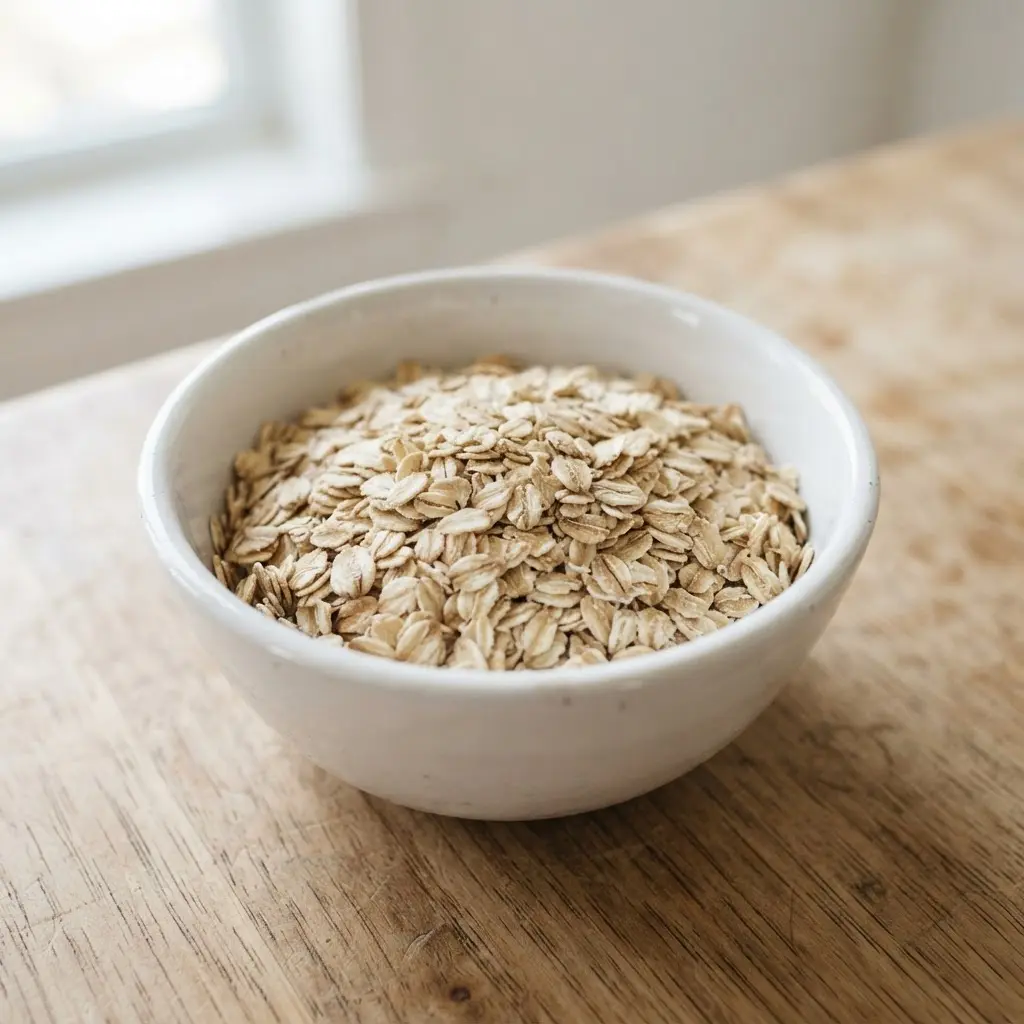
A five-ingredient product is not automatically healthier than a product with fifteen ingredients. Start with the Nutrition Facts label, because a short list still contain high amounts of added sugar, sodium, or saturated fat. A longer list might include whole grains, vitamins, minerals, or preservatives needed for safety and shelf life. Compare the full label instead of judging food by ingredient count alone. This careful review highlights the differences between healthy and unhealthy food.
Read ingredient names alongside serving size and nutrient values. Check whether added sugar, sodium, or saturated fat appears in a large amount per serving. Use the same serving basis when comparing two brands. Ingredient lists generally appear in descending order by weight, but confirm this labeling detail before treating ingredient position as proof of quality.
Build a shopping list around healthy ingredients to buy, then assess each packaged item using the serving size and Nutrition Facts panel. Research does not support ingredient count as a standalone measure of healthfulness. Familiarity with an ingredient name also does not prove safety or poor quality. A complete label review gives a clearer shopping decision.
7. Nutrient Density Per Calorie: More Nourishment Per Bite
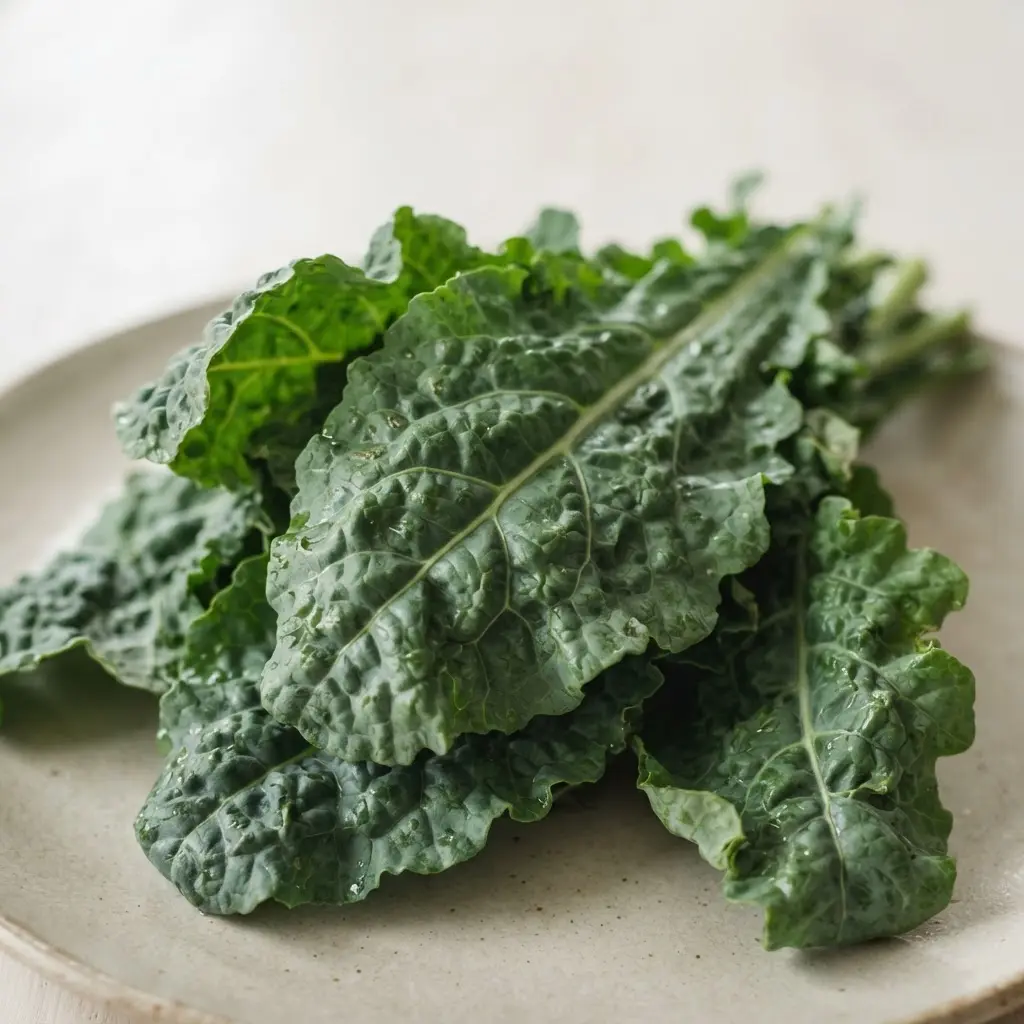
A common mistake is treating every low-calorie food as nutrient-dense. Correct the habit by checking calorie content alongside what each serving supplies. A food with few calories might offer little protein, fiber, vitamins, or minerals. Looking at density reveals the differences between healthy and unhealthy food.
Build meals around nutrient-dense affordable healthy foods such as spinach, broccoli, berries, beans, lentils, oats, salmon, tofu, and brown rice. Water and fiber add volume, while protein supports fullness. For example, pair roasted vegetables with lentils and brown rice instead of relying on a refined snack with similar calories. Compare portion size as well as calorie totals. Avocado, nuts, seeds, and olive oil contain more calories, yet they also provide useful fats and other nutrients. Their place depends on serving size and the full meal pattern.
Research links eating patterns rich in nutrient-dense foods with better intake of essential nutrients and a lower risk of heart disease, type 2 diabetes, and some cancers. These findings show associations, not guaranteed outcomes. Choose weekly variety because each food supplies a different mix of nutrients. Use a simple check: fill much of the plate with vegetables or fruit, add a protein source, and include a whole grain or other nourishing carbohydrate.
8. Artificial Additives and Preservatives in Packaged Foods

Read the full ingredient list before judging a packaged food. Start with the product’s purpose and nutrition facts, then note preservatives, colors, sweeteners, stabilizers, and thickeners. Preservatives slow mold, bacteria, yeast, and spoilage during storage. Antioxidants protect oils from rancidity and slow browning in cut fruit. The word artificial describes production, not automatic harm. This check points out the differences between healthy and unhealthy food.
Choose foods based on the whole formulation, not one additive. Emulsifiers, stabilizers, and thickeners control texture. Flavors, colors, and sweeteners maintain taste and appearance. Added vitamins and minerals support nutritional value in fortified products. The FDA and JECFA assess safety evidence before approval. Approved uses apply to specific foods and permitted levels.
Compare the complete label when choosing between packaged options. Ingredients usually appear in descending order by weight, so several functional additives near the beginning deserve attention. Check declared allergens and personal sensitivity triggers. Research found rising use of colors, flavors, preservatives, and non-nutritive sweeteners in U.S. household purchases between 2001 and 2019. Treat additive presence as one factor, not a complete measure of food quality.
9. Hydration and Beverage Choices — Drinks With Less Added Sugar

At lunch, replace soda or sweet tea with lemon water, plain water, or flavored sparkling water. These drinks provide fluid without the added sugar found in many sweetened beverages. Replacing soda and sweet tea reduces exposure to the risks of sugary beverages. This swap shows the differences between healthy and unhealthy food.
Choose unsweetened tea or coffee instead of sweetened versions. Add lemon, lime, cucumber, mint, or strawberries for flavor. Plain coconut water and low-sodium broth provide electrolytes, while plain kefir supplies protein, calcium, and probiotics. Check serving size, added sweeteners, and sodium on every label.
Choose 100% fruit juice rather than a juice drink with added sweeteners, but keep portions moderate because juice contains natural sugar. Use a lower-sugar electrolyte drink after intense exercise only when electrolyte replacement fits the activity. Everyday hydration usually needs simpler choices. People with medical conditions requiring fluid, sugar, potassium, or sodium limits should seek individualized advice from a qualified healthcare professional. Always consult a healthcare professional before making changes to your health routine.
10. Cooking Methods and Nutrient Loss — Simple Preparation Differences
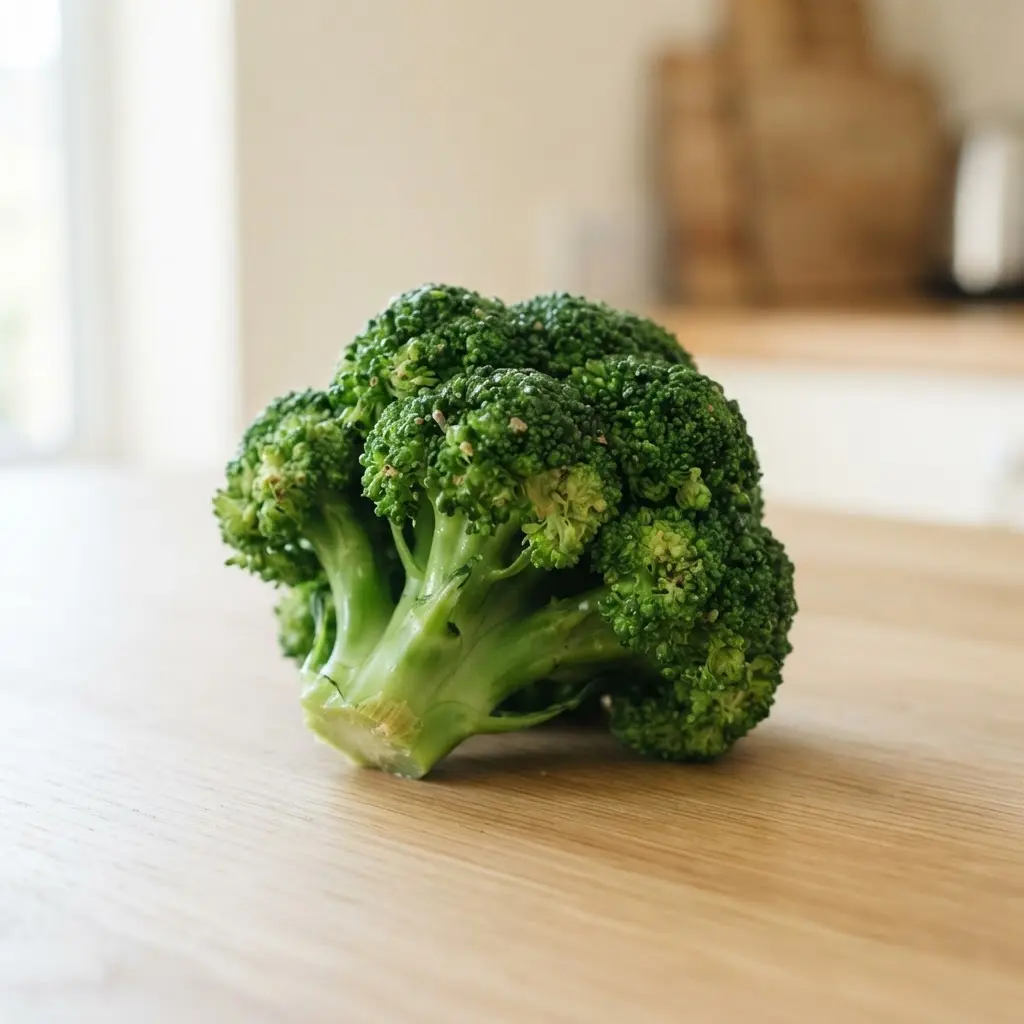
Raw food is not always more nutritious. Cooking changes nutrient levels and access. Boiling vegetables for a long time exposes vitamin C and B vitamins to heat and water. Small pieces release nutrients faster, especially when cooking water is discarded. A five-minute steam uses little water and limits this loss. Watching nutrient retention shows the differences between healthy and unhealthy food.
Microwaving often preserves water-soluble vitamins because cooking is quick and uses little water. Roasting, baking, and grilling avoid water-based leaching, yet high heat affects delicate nutrients such as omega-3s. Cooking some vegetables improves access to beta-carotene and alpha-tocopherol. Raw is not automatically best.
Research comparisons show nutrient retention depends on the food, preparation time, water contact, and nutrient type. Use practical healthy cooking to match the method to the food. Keep cooking juices in soups, sauces, or stews instead of discarding them. Cut vegetables into larger pieces and cook them only until tender. This approach supports balanced meals without treating one method as universally best.
Building Practical Swaps For Everyday Meals
Replace one less nutritious item at a time, such as a sugary drink with water or a refined-grain side with beans, vegetables, or brown rice. Frozen vegetables offer a useful swap when fresh produce costs more or spoils before you eat it, and they often retain key vitamins after freezing. Choose canned beans with no added salt, or rinse regular canned beans to remove some sodium. Pairing carbohydrates with protein or fiber helps meals feel satisfying, while olive oil, nuts, seeds, and avocado provide mostly unsaturated fats. Keep favorite treats in your routine through smaller portions or less frequent servings instead of labeling foods as forbidden. Your weekly pattern matters more than one meal, and budget, allergies, culture, and taste should guide each swap. Tracking these swaps reveals the differences between healthy and unhealthy food over time.
Conclusion
Food choices often reflect busy mornings, family habits, budgets, taste, and comfort. You do not need a perfect eating pattern to support your health. The Differences between healthy and unhealthy food become easier to understand when you look at the full food, not one number on a label. Check the first few ingredients, look for fiber, notice added sugar, and compare similar products by portion size. Add one helpful change at a time, such as choosing whole grains at breakfast or water with lunch. Keep favorite foods in your routine when they bring enjoyment, and pair them with foods rich in protein, fiber, or produce. Small choices repeated across the week matter more than one meal. Start your next shopping trip with one simple goal, then build from tg. Noticing these daily choices highlights the differences between healthy and unhealthy food in real life.
FAQs
Q: What is the main difference between healthy and unhealthy food?
A: More nourishing foods contain useful nutrients such as fiber, vitamins, minerals, and protein. Less nutritious foods often contain more added sugar, sodium, or saturated fat with fewer helpful nutrients.
Q: Are processed foods always unhealthy?
A: No. Frozen vegetables, canned beans, plain yogurt, and whole-grain bread are processed foods with useful nutrients. Check the ingredient list, added sugar, sodium, and fiber before choosing.
Q: How do I spot added sugar on a food label?
A: Look for sugar, syrup, honey, dextrose, maltose, or fruit juice concentrate in the ingredient list. The nutrition panel also lists added sugars under total carbohydrates.
Q: Which food choices help digestion?
A: Beans, lentils, vegetables, fruit, oats, and whole grains bring fiber to meals. Drink enough fluid and raise fiber intake slowly to support comfortable digestion.
Q: Is portion size important when a food is nutritious?
A: Yes. A nutritious food still contributes calories, so serving size matters. Use hunger, fullness, and the food label to guide a comfortable portion.