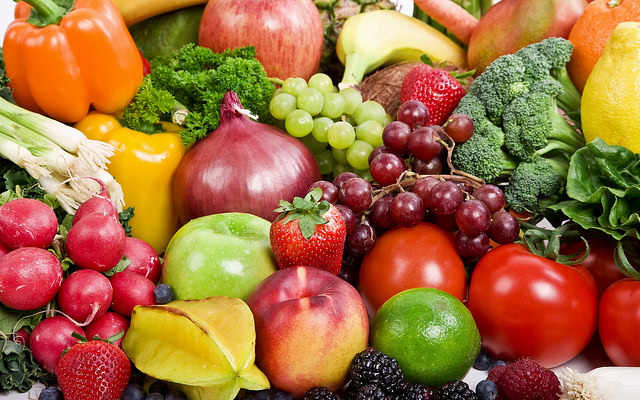
Ways to eliminate sugar from your diet include replacing sweet drinks, choosing plain foods, checking labels, and planning snacks before hunger hits. Start with one change, such as water instead of soda, then lower sweetness over time. Small steps often feel easier to keep than strict rules.
I know sugar shows up in familiar drinks, breakfast foods, sauces, and treats, and I always test practical ways to eliminate sugar from your diet before making big changes. Cutting back does not mean giving up every food you enjoy. It means making room for choices with less added sugar and more filling nutrients.
In this guide, you will find simple label tips, drink swaps, snack ideas, shopping habits, and ways to handle cravings linked to stress or poor sleep. Home cooking also gives you more control over sweetness. Let’s make one small change today, then build from there as you read.
Added Sugar Versus Naturally Occurring Sugar
Fruit, plain milk, and unsweetened yogurt contain natural sugar, while sweetened cereal and soda carry added sugar from manufacturing or serving. Your body still receives fiber, vitamins, and minerals from whole fruit, so removing it often cuts useful nutrition without reducing added sugar.
Added sugar includes sucrose, glucose, dextrose, syrups, and fruit juice concentrates mixed into foods or drinks. Honey and maple syrup also count when you add them to breakfast or tea. Plain dairy has naturally occurring lactose, a milk sugar, and its label total does not mean manufacturers sweetened it.
Compare the ingredient list with the “Added Sugars” line rather than judging a food by sweetness alone, because clear ways to eliminate sugar from your diet start with accurate tracking. This distinction keeps your goal focused and leaves room for nourishing foods you already enjoy.
Reading Nutrition Labels For Hidden Sweeteners
Check the ingredient list for sucrose, glucose, dextrose, corn syrup, and fruit juice concentrate, even when a food tastes savory. The Nutrition Facts panel shows total sugars and added sugars, and the latter gives the clearer number for this goal.
Compare similar cereals, breads, pasta sauces, salad dressings, granola, and flavored yogurt before placing one in your cart. A serving size often covers only part of a package, so two servings double the listed added sugar.
“Unsweetened” means no sugar was added, while “sugar-free” follows a regulated low-sugar claim and does not promise strong nutrition. Check flavored coffee drinks and condiments too, since small amounts across the day often add up, which is why I track ways to eliminate sugar from your diet early on.
1. Hidden Sugar Ingredient Labels: Common Names on Packaged Foods
A common mistake is searching only for the word sugar on a package, yet learning practical ways to eliminate sugar from your diet fixes that habit. Manufacturers also use names such as corn syrup, honey, agave syrup, molasses, fruit juice concentrate, and sweeteners ending in “-ose.” A product with several of these ingredients still contains added sugar.
Start with the ingredient list, which lists ingredients from the greatest amount to the smallest, and you will quickly notice useful ways to eliminate sugar from your diet. Check the first several entries, then scan the full list for brown rice syrup, high-fructose corn syrup, dextrose, fructose, sucrose, maltodextrin, caramel, or evaporated cane juice. Words such as glazed, candied, caramelized, and frosted also signal added sweeteners.
Review the nutrition panel after reading the ingredients, since spotting ways to eliminate sugar from your diet becomes faster with practice. Compare added sugars with total sugars. Total sugars include natural sugars in foods such as milk and fruit.
Added sugars enter during processing. Pay close attention to foods that do not taste like dessert, because testing new ways to eliminate sugar from your diet saves you from hidden spikes. Ketchup, barbecue sauce, salad dressing, pasta sauce, baked beans, granola, flavored yogurt, breakfast cereal, coffee drinks, and flavored plant milks often need careful label checks.
Sugar spread across three or four ingredients might appear lower on the list, while the combined amount still adds sweetness. Research suggests label reading supports more informed choices when reducing added natural sugar alternatives, especially in packaged foods, and this matches proven ways to eliminate sugar from your diet. Do not treat honey, maple syrup, coconut sugar, or agave as sugar-free options.
Check the serving size because the listed values apply to one stated portion. People managing diabetes or another medical condition should discuss carbohydrate and label needs with a qualified healthcare professional.
2. Natural Whole Food Substitutions for Sweeter Everyday Meals

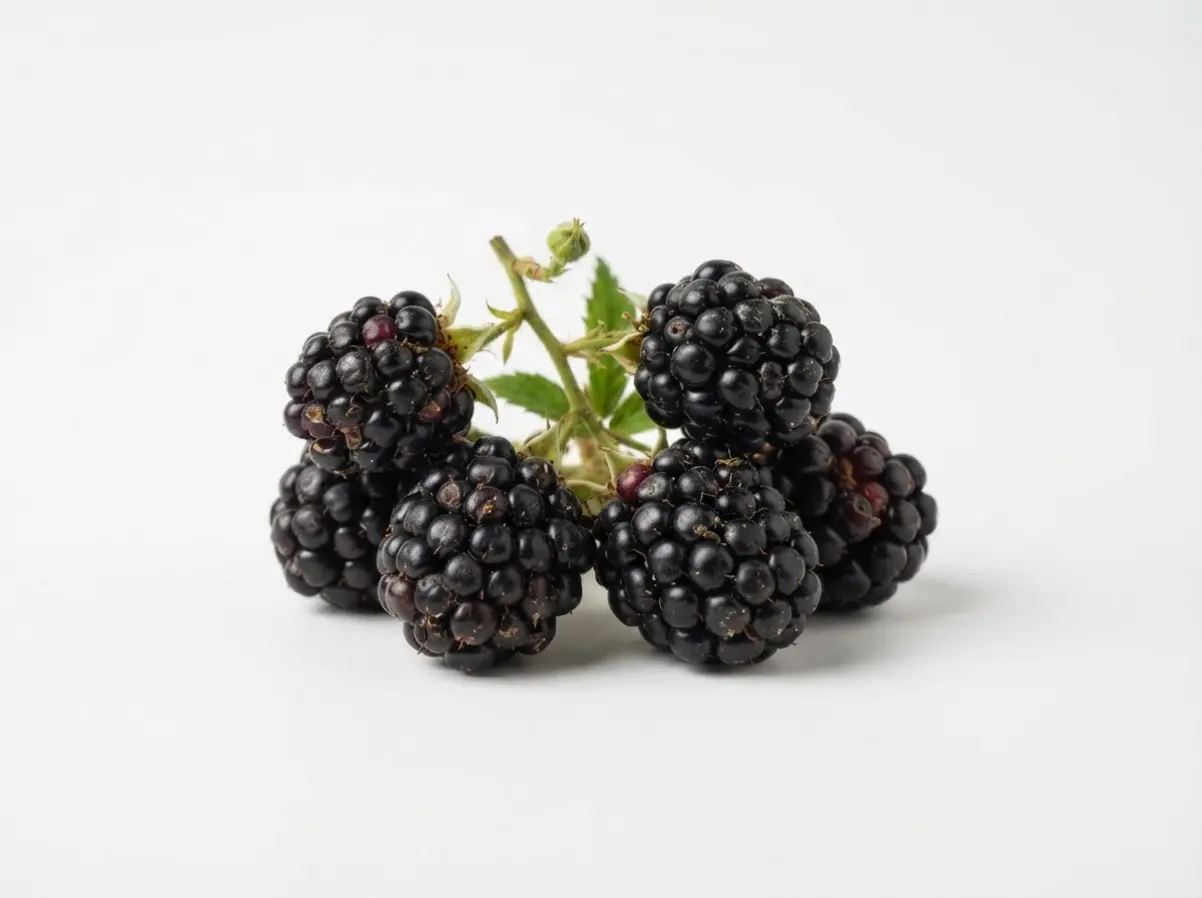
Start by replacing added sugar with whole fruit in one meal each day, and explore flexible ways to eliminate sugar from your diet that fit your taste. Use berries, ripe banana, mango, or chopped dates to add sweetness along with fiber, vitamins, and minerals. Begin with a small portion, then taste before adding more.
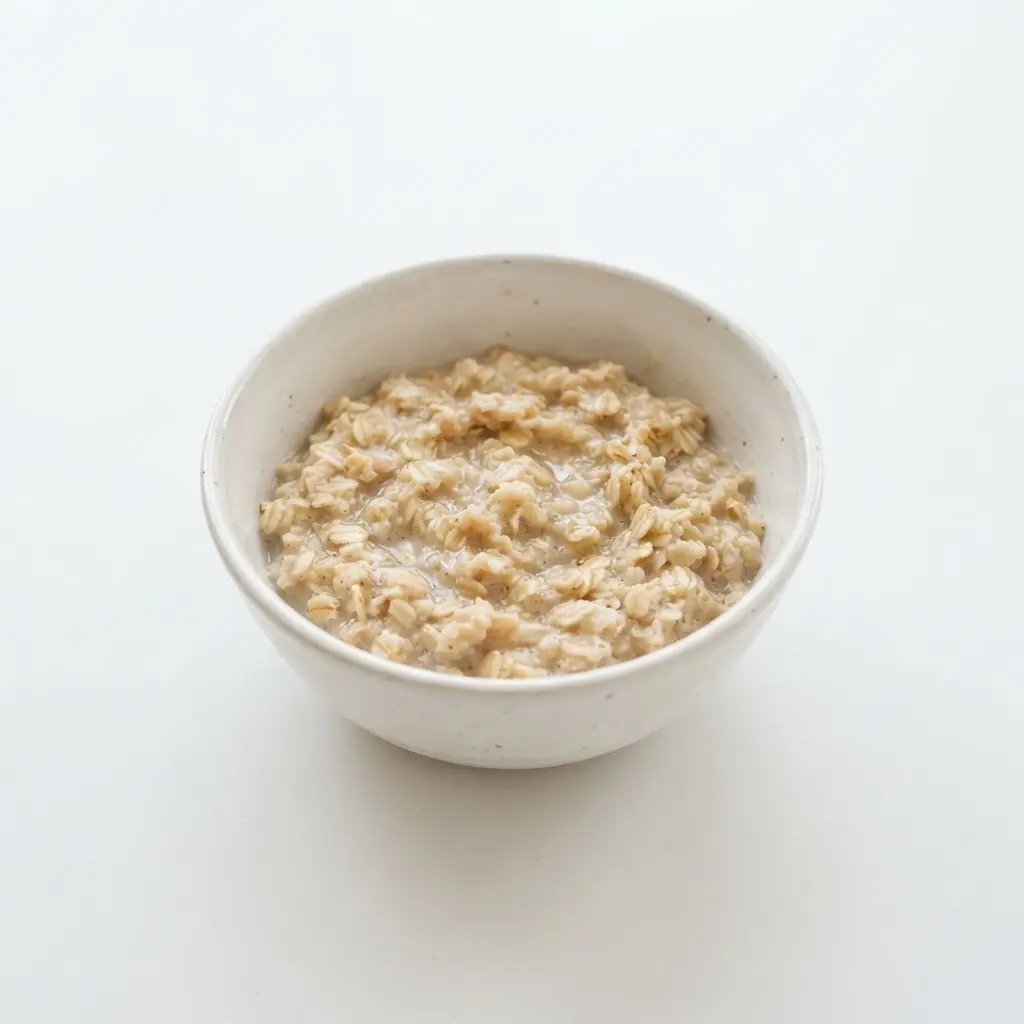
Stir berries, sliced banana, mango, or date paste into yogurt and oatmeal. Add ripe banana, mango, berries, or dates to smoothies for sweetness and body. Frozen banana blends into a creamy dessert without added sugar.
These choices change the flavor and texture of a meal, so match the fruit to the dish. Use unsweetened applesauce or mashed ripe banana in baked goods. Both add moisture, which helps reduce dryness.
Applesauce may replace some sugar and fat, though recipe structure still matters. Adjust liquid or fat slowly, then test the mixture before making a full batch. Blend Medjool dates into sauces or press them into energy balls.
Dates bring a thick texture and caramel-like taste, while berries provide a sharper fruit flavor. Pair each option with ingredients that suit its character, such as cinnamon with banana or plain yogurt with berries. Reserve honey and pure maple syrup for recipes needing concentrated sweetness, and use natural sugar alternatives in small amounts.
Honey and maple syrup still count as sugar. Stevia and monk fruit taste much sweeter than sugar, so measure sparingly. Research supports choosing whole fruit when possible because fiber slows eating and adds nutritional value.
Check labels carefully, especially on applesauce, and choose an unsweetened version.
3. Low Sugar Beverage Alternatives for Daily Hydration
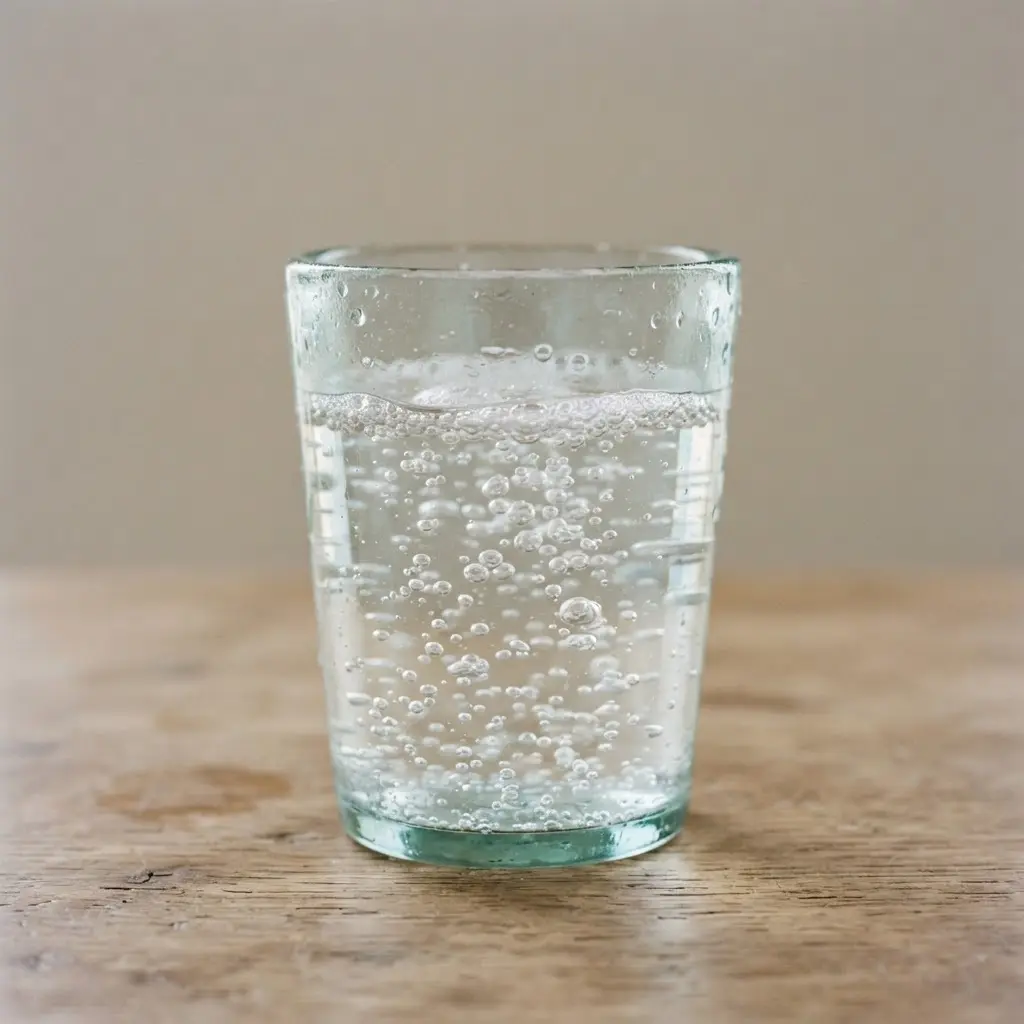
At 8 a.m., replace a sweetened coffee drink or soda with plain water, because finding easy ways to eliminate sugar from your diet starts with that first sip. Add lemon, cucumber, berries, or mint for flavor without added sugar. Keep a filled bottle nearby during work, travel, or errands.
Regular water intake supports hydration without adding calories from sweet drinks. Choose plain sparkling water or seltzer when you want fizz. Brew peppermint, chamomile, hibiscus, or fruit-infused herbal tea, then serve the tea hot or chilled.
Unsweetened green or black tea offers another option, though caffeine matters for people with caffeine sensitivity. Many people find flavored water and iced tea easier to maintain than a sudden switch to water alone. Read the nutrition label before buying flavored drinks.
Check the serving size, total sugar, and added sugar. A single bottle may contain two or more servings, which changes the amount consumed. Select unsweetened beverages whenever possible, and check flavored water for artificial sweeteners if you prefer to avoid them.
Modify higher-sugar choices instead of drinking them undiluted. Mix 100% fruit juice with water or sparkling water to reduce sugar per serving. Check coconut water and kombucha for added sugar, and choose low-sodium vegetable juice when a savory drink suits your routine.
People monitoring caffeine, sugar, or sodium intake should seek individualized advice from a qualified healthcare professional.
4. Mindful Snack Planning Strategies for Busy Days
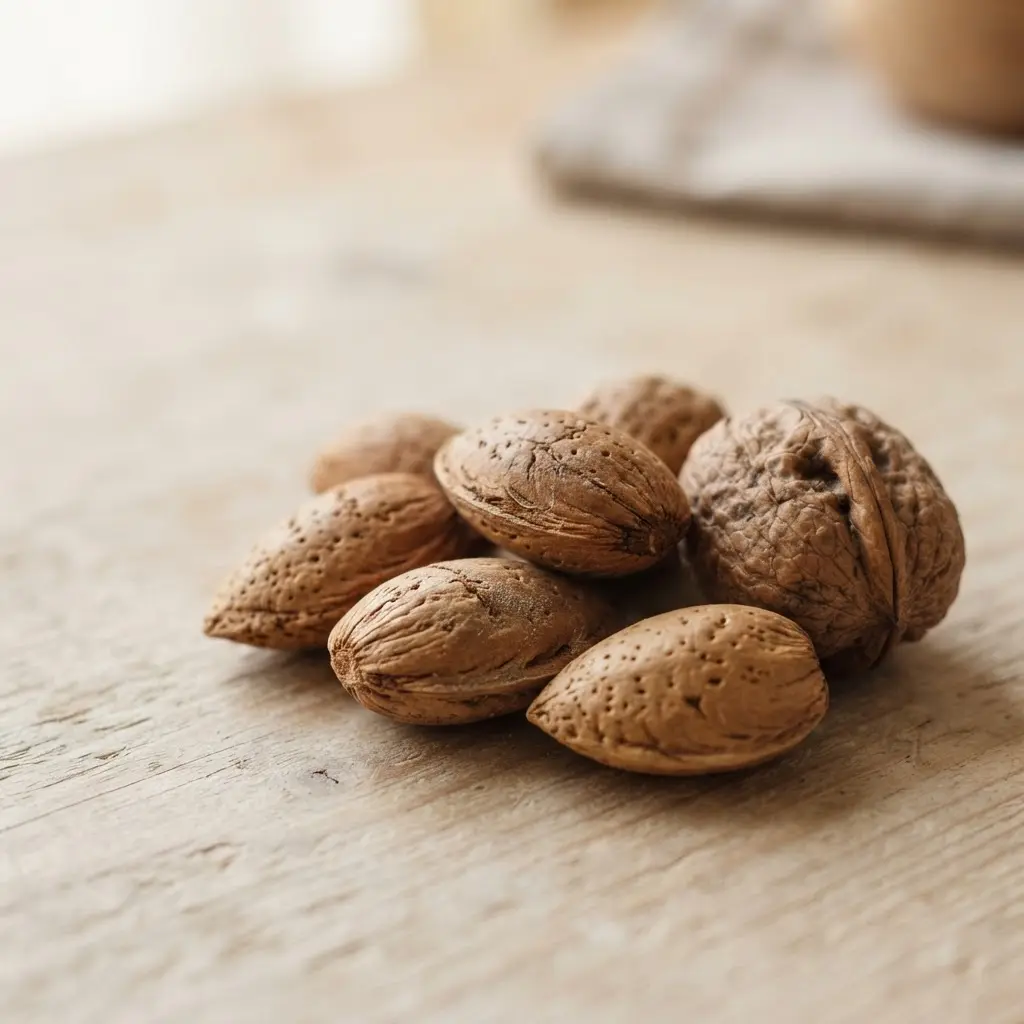
Myth: eliminating sugar means avoiding every snack. The truth is more practical. Set aside 20 minutes twice each week to wash fruit, cut vegetables, boil eggs, and portion nuts into small containers, which creates solid ways to eliminate sugar from your diet on hectic days.
Planned snacks reduce rushed choices and make it easier to skip foods with added sugar. Keep ready-to-eat snacks in the refrigerator, pantry, work bag, or desk drawer. Build each snack from two or three food groups.
Pair an apple with almond butter, Greek yogurt with berries and seeds, or whole-wheat crackers with cheese or hummus. Protein, healthy fats, and complex carbohydrates digest at different rates and provide a more filling option than a sweet drink or packaged treat. Stock healthy junk food swaps for busy afternoons, travel, or long commutes.
Schedule a short snack break before energy drops sharply. Portion food before eating rather than taking a large bag to your desk. A small container gives you a clear serving and limits distracted eating during work.
Research suggests mindful eating supports closer attention to hunger and fullness signals. Pause before reaching for food. Drink water first, then check whether hunger is present or whether boredom, stress, tiredness, or thirst is driving the urge.
Eat away from screens and driving. Notice the snack’s smell, texture, flavor, and pace of chewing. Keep a non-perishable backup, such as unsalted nuts, seeds, or whole-grain crackers, in a dedicated snack bag.
5. Lifestyle Factors Impacting Cravings and Food Choices
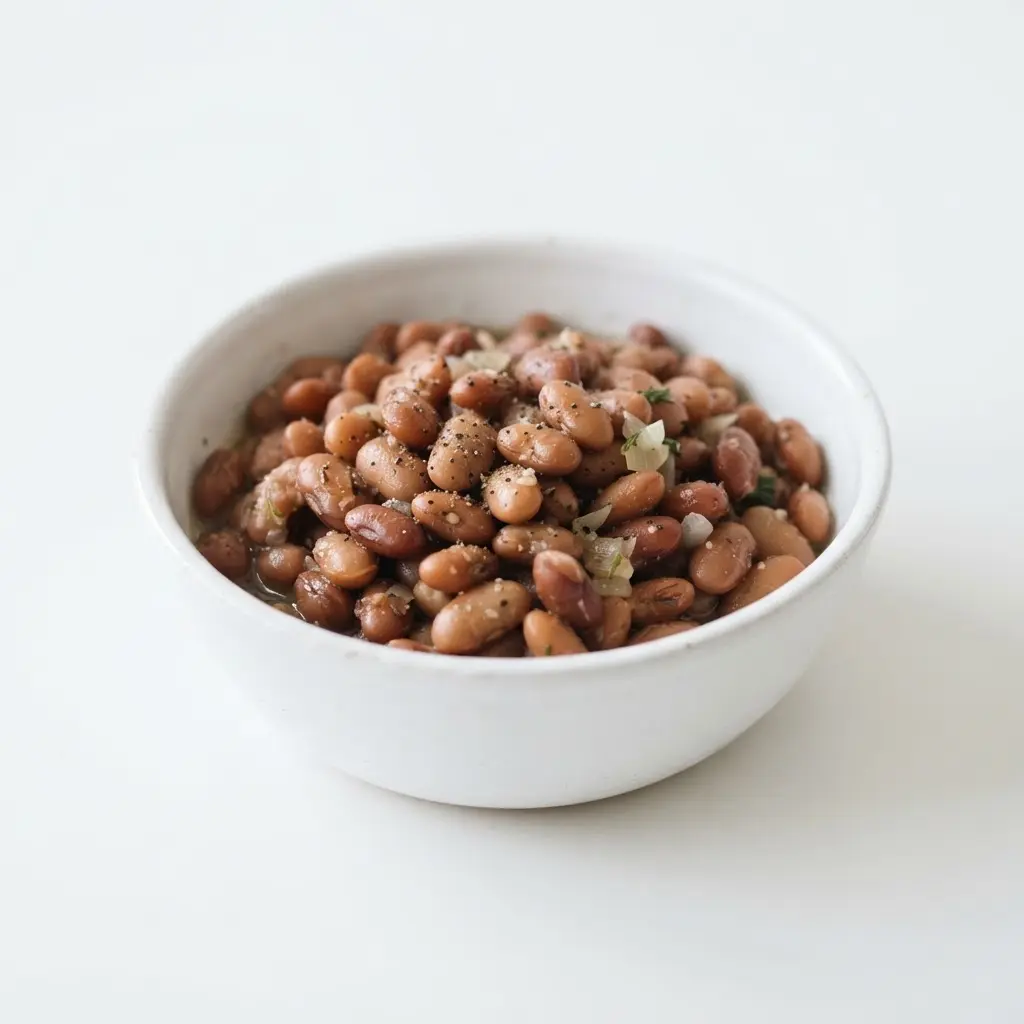
Why do cravings change from one day to the next? Sleep, stress, movement, social settings, and eating patterns all shape food choices. Short sleep often leads to quick-energy choices, while a tense day can trigger sugar cravings or a desire for one specific food.
Maintain a fixed wake time each morning to keep your daily rhythm steady. Leaving long gaps between meals often makes highly sweet or savoury foods seem more appealing. Choose regular meal timing and include filling foods such as vegetables, beans, eggs, yogurt, or whole grains.
Keep planned snacks available during long workdays or travel. This routine reduces decisions made during intense hunger. Stress can direct attention toward familiar comfort foods.
Social settings add another influence, especially when friends or family serve desserts. Schedule a planned movement break during demanding days, such as a ten-minute walk after lunch. Use a clear response when others offer sweets, such as, “No thank you, I am changing my routine.”
Hormonal shifts, psychological cues, and gut microbiome differences are possible influences, but current information does not explain their effects well enough to predict one person’s food choices. Research also differs across groups, including athletes, pregnant individuals, and people with certain health conditions.
Keep a craving log for one week. Record the time, food wanted, sleep quality, stress level, and recent meal. Patterns in the record provide useful context before changing daily habits.
Managing Cravings During Dietary Transitions
Pair a craving with a planned unsweetened option, such as fruit with nuts or plain yogurt with cinnamon, before hunger pushes you toward sweets. Many people find sweet cravings ease after fewer sugary drinks and desserts, though taste changes take time. Keep water, sparkling water, or unsweetened tea within reach, and prepare snacks before hunger makes choices harder.
A meal with protein, fiber, and healthy fat often feels more satisfying than a sweet snack. If you prefer gradual change, reduce syrup or sugar in coffee in small amounts and let your palate adjust. Do not remove whole fruit to control added sugar.
Anyone with diabetes, disordered eating, or medication-related food needs should ask a qualified health professional for personal guidance.
Conclusion
Ways to eliminate sugar from your diet work best when they fit your real routine. You do not need to change every meal at once. Pick one drink, snack, or breakfast food you eat often, then choose a lower-sugar option for the next week. Keep satisfying foods nearby, such as fruit, nuts, plain yogurt, eggs, or oats. Read labels with patience, since sweetness often appears in sauces, cereals, and packaged snacks. Notice how sleep, stress, and long gaps between meals affect your cravings. If a day does not go as planned, return to your next meal without self-criticism. Write down one swap you will make today and place the needed food where you will see it. Small choices add up when you repeat them. Give yourself time, keep meals enjoyable, and let steady habits guide your progress.
FAQs
Q: How do I spot added sugar on a food label?
A: Check the added sugars line under total carbohydrates. Also scan the ingredient list for names such as syrup, cane sugar, honey, molasses, glucose, or fructose.
Q: What drinks are good replacements for sugary beverages?
A: Choose plain water, sparkling water, unsweetened tea, or coffee without added sweeteners. Add lemon, lime, cucumber, or fresh mint for more flavor.
Q: What should I eat when I crave something sweet?
A: Pair fruit with nuts, plain yogurt, or cheese for a more filling snack. A small portion of dark chocolate also fits some eating plans when you enjoy it slowly.
Q: Does eating breakfast help with sugar cravings?
A: A breakfast with protein and fiber helps you stay full for longer. Try eggs with whole grain toast, plain yogurt with berries, or oats with nuts.
Q: How do stress and sleep affect sugar cravings?
A: Stress and poor sleep often make sweet foods feel more appealing. A regular bedtime, a short walk, and a planned snack help support steadier eating habits.