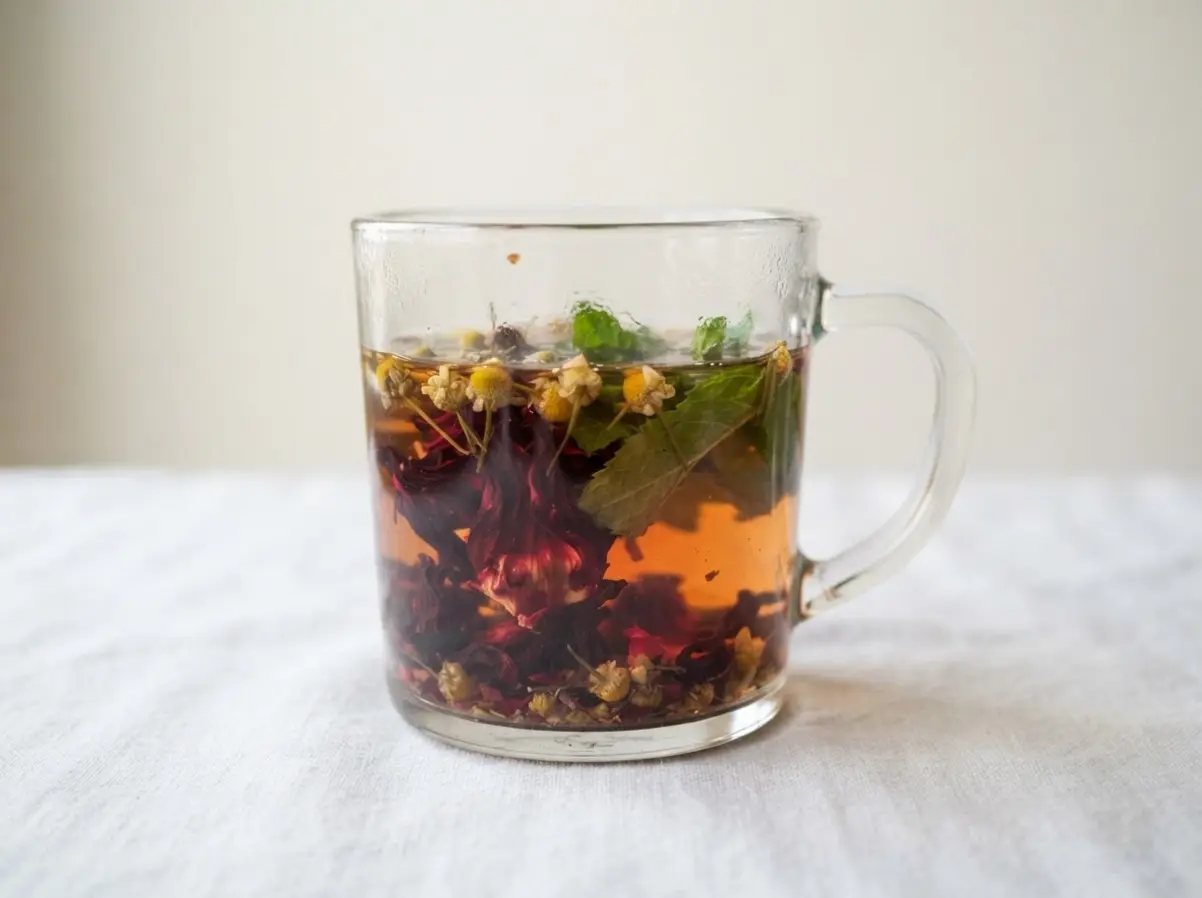
The Healthiest teas include green, black, white, hibiscus, chamomile, ginger, peppermint, and turmeric infusions. Finding a good daily drink feels easier when you know what sits in your cup. Some research connects tea with heart health, blood pressure, sleep, digestion, or focus, though results vary. I’ll explain common uses, key compounds, caffeine levels, and simple brewing tips. We’ll also cover reflux concerns and possible medicine interactions. Let’s find a few choices suited to your routine, then brew one with care.
Understanding True Tea Versus Herbal Infusions
Green, white, oolong, black, and matcha all come from the Camellia sinensis plant, so they count as true teas rather than herbal infusions. Camellia sinensis leaves receive different processing, which changes color, flavor, and extracted compounds. Green and white teas undergo little oxidation, oolong receives partial oxidation, and black tea receives more extensive oxidation. Matcha uses finely ground leaves, so your cup contains the leaf itself instead of only water passing over it, which explains why many people rank it among the Healthiest teas for daily sipping. Herbal infusions use plants such as peppermint, chamomile, ginger, hibiscus, or rooibos, with no true-tea leaf unless a blend adds one.
Their ruby, gold, or brown colors describe plant pigments and processing, not a guaranteed health effect. This distinction helps you compare flavor, caffeine, and common uses without treating every cup as nutritionally identical. You will notice the difference between true leaf brews and herbal mixes right away.
Matching Caffeine Levels To Daily Routines
Choose decaffeinated tea for a late evening routine when caffeine tends to disrupt your sleep. Green and white teas often contain less caffeine than black tea, yet leaf grade, serving size, water temperature, and steeping time change the amount in your cup. Matcha often provides more caffeine per serving than steeped green tea because you consume the powdered leaf, which is why some folks track the Healthiest teas for afternoon energy. Oolong sits between green and black styles in processing, but its caffeine level still varies by preparation.
Herbal infusions such as peppermint, chamomile, rooibos, and ginger typically contain no caffeine when they contain no true-tea leaves. Read blend labels closely, since a tea bag with black, green, or matcha leaves will not suit a caffeine-free routine. Use serving size and steep time as rough guides, not promises of an exact dose. Pay attention to your personal tolerance.
1. Green Tea Catechin Profile for Daily Antioxidant Support
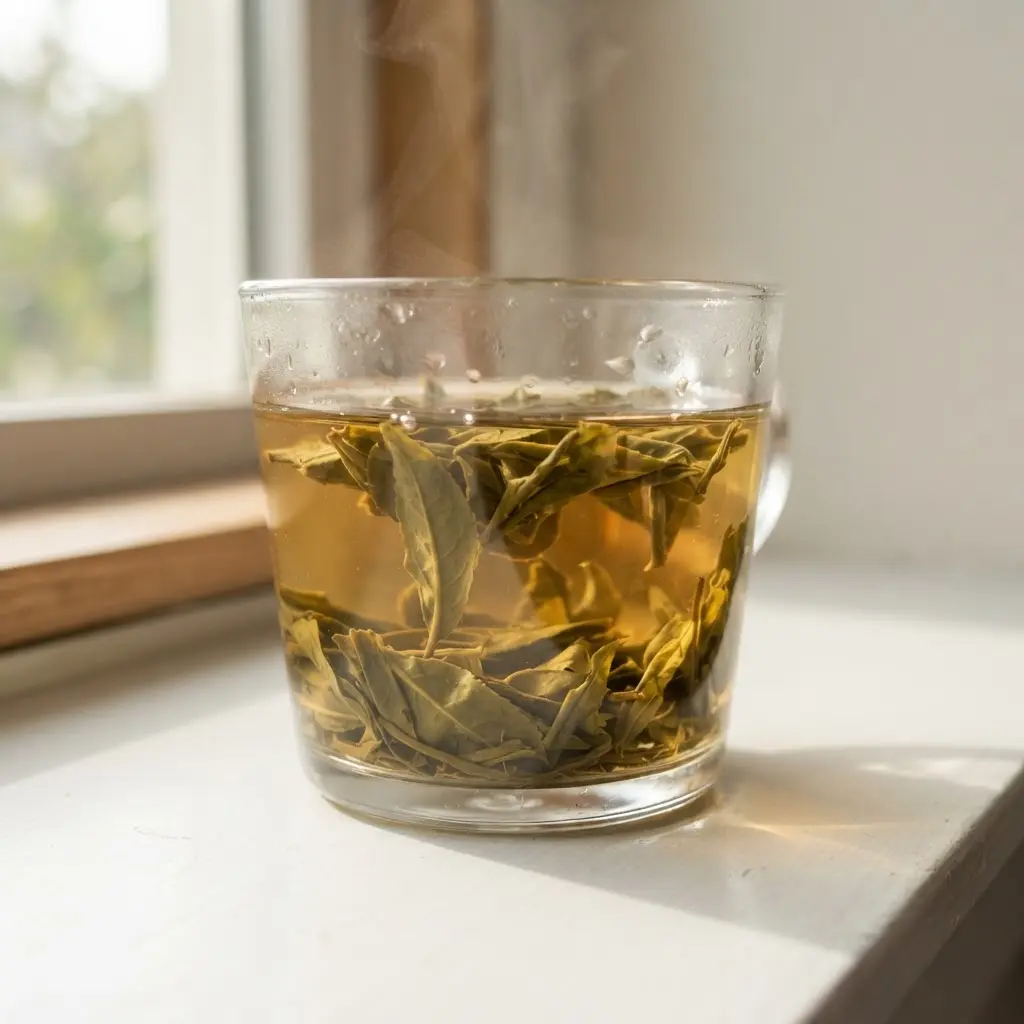
A common mistake is treating EGCG as the only useful antioxidant in green tea. EGCG is the most abundant catechin, yet E-CG and other phenolic compounds contribute to the drink’s total antioxidant activity. Focus on the full catechin profile, not one compound alone, especially when evaluating the Healthiest teas for your pantry. This approach gives a clearer picture of daily benefits.
Green tea catechins act as scavengers of reactive oxygen species in laboratory studies. Human research is less settled. Some studies report modest increases in plasma antioxidant capacity after drinking green tea, while effects on oxidative-stress markers remain under study. Catechin levels vary with growing conditions, processing, tea type, and brewing.
Bagged and gunpowder teas have shown higher phenolic content than some matcha samples, and culinary-grade matcha has sometimes tested higher than ceremonial-grade matcha. Grade alone does not predict strength. Compare the tea type and preparation rather than relying on packaging claims. Research supports green tea as a source of antioxidant-related compounds, not as a guaranteed way to prevent disease or remove oxidative stress.
Brew one product consistently when comparing taste and tolerance, then treat laboratory findings as useful context rather than proof of a health outcome. Keep notes on how each batch tastes.
2. Black Tea Cardiovascular Benefits and Heart-Friendly Habits
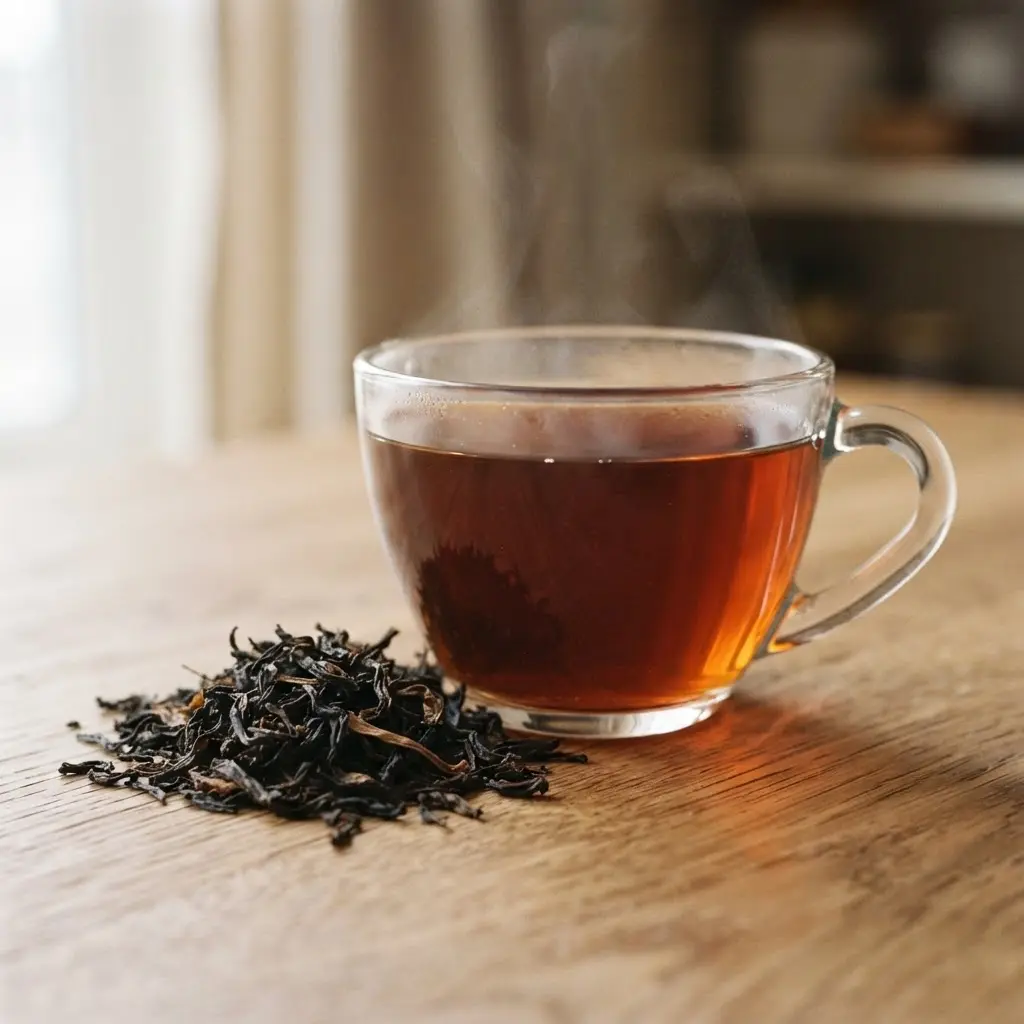
Choose unsweetened black tea and keep daily intake moderate. Black tea is associated with a lower risk of coronary heart disease, although research describes a relationship rather than a guaranteed result. One meta-analysis linked the highest intake with an 11% lower coronary heart disease risk, which places it firmly on any list of the Healthiest teas for circulation support. Always track your own numbers.
Tea flavonoids, including catechins, appear to drive these effects more than caffeine. Clinical trials report better endothelial function, meaning improved performance of the blood-vessel lining. Research has found lower LDL cholesterol and reductions in systolic and diastolic blood pressure. These changes support circulation, but they do not replace prescribed care.
Avoid adding sugar, and choose low-fat milk when needed to limit saturated fat. Intake above roughly 4 to 6 cups daily has been linked with higher coronary artery disease risk in some findings, while another analysis reported a protective association up to 8 cups. No ideal amount has been established. Pair tea with regular activity and a balanced diet.
Always consult a healthcare professional before making changes to your health routine. Keep a simple log of your daily cups.
3. Chamomile Tea Sleep Mechanisms for a Calmer Bedtime
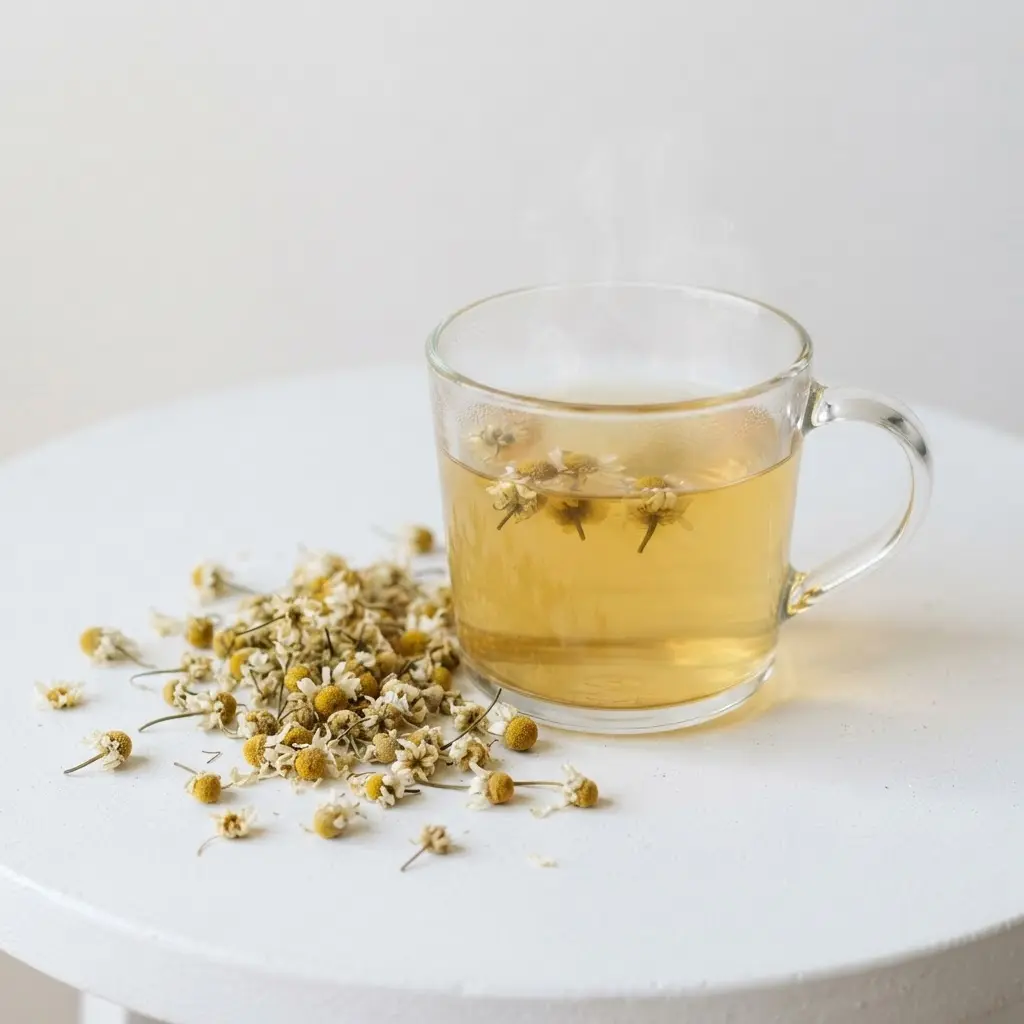
At 10:30 p.m., replace a caffeinated drink with a caffeine-free chamomile infusion as your evening slows. Chamomile contains apigenin, a flavonoid linked to brain receptors involved in calmness and drowsiness. This activity might ease the shift from mental tension to sleep, though the precise mechanism remains unsettled, which is why sleep experts often include it among the Healthiest teas for evening wind-downs. Give your body time to relax.
Research suggests chamomile has a closer link with relaxation and perceived sleep quality than with longer sleep. Some studies report faster sleep onset, fewer nighttime awakenings, or improved Pittsburgh Sleep Quality Index scores. Findings for total sleep time and sleep efficiency are less consistent. A warm cup also creates a repeated bedtime cue, helping separate daily tasks from rest.
Build a quiet bedtime routine by drinking the tea before a regular sleep time and keeping the setting calm. Avoid chamomile if you react to ragweed, daisies, marigolds, or chrysanthemums. Pregnant individuals should consult a qualified healthcare professional before using chamomile medicinally.
Always consult a healthcare professional before making changes to your omega-3 for heart health. Persistent insomnia needs professional evaluation rather than tea alone. Track your sleep hours to spot patterns.
4. Hibiscus Tea Blood Pressure Effects and Serving Notes
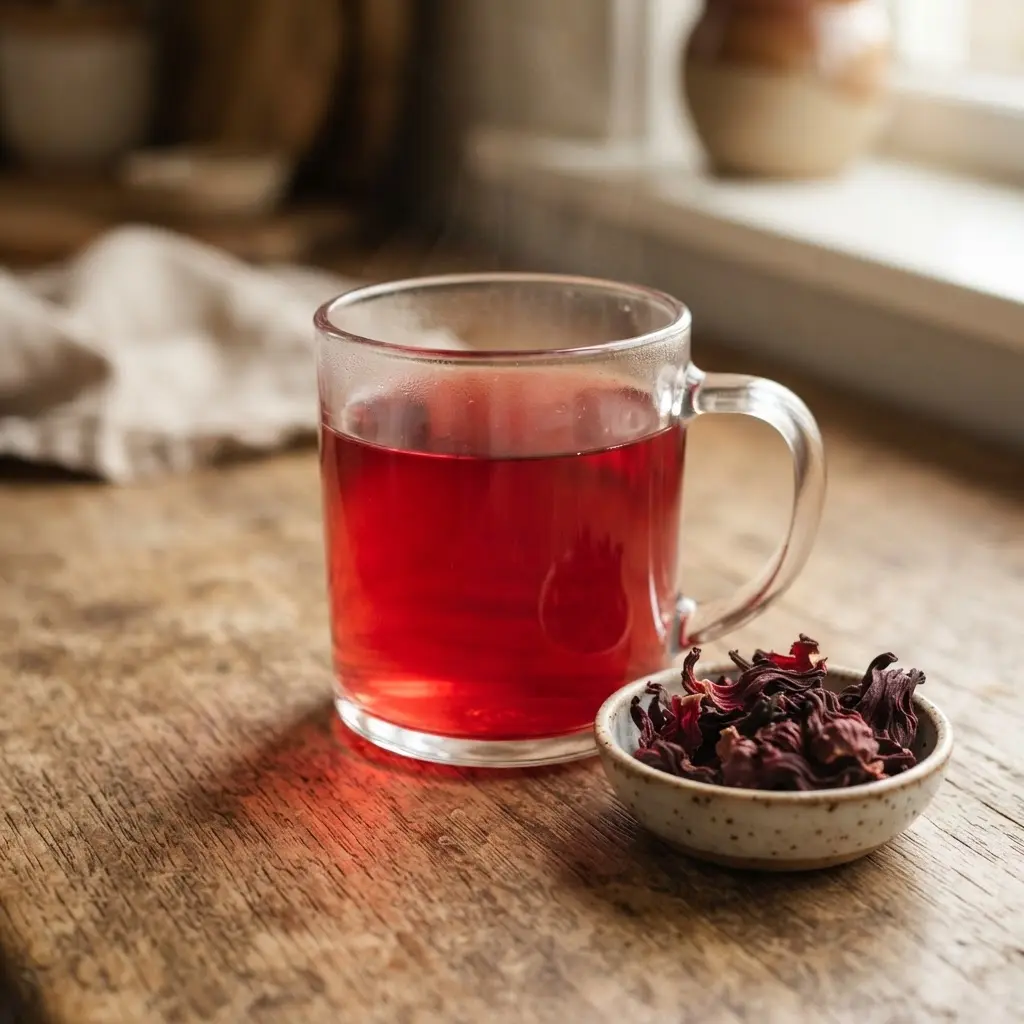
Many people believe hibiscus tea lowers blood pressure after one cup. Research instead focuses on regular intake over several weeks. In one study, adults with elevated readings drank three 240 mL servings each day for six weeks. Average systolic pressure fell by 7.2 mmHg, compared with 1.3 mmHg with placebo, a result that highlights why nutrition guides highlight it in the Healthiest teas for blood pressure tracking. Check your readings weekly.
Diastolic pressure sometimes fell as well, though results were less consistent. One study reported a 3.1 mmHg decrease, compared with 0.5 mmHg for placebo. Prepare a study-style serving with 1.25 grams of hibiscus in 240 mL of boiled water. Steep for six minutes, then serve hot or chilled. Store prepared tea for no longer than 12 hours.
Hibiscus has a naturally tart flavor, so use fruit or a small amount of sweetener rather than heavy sugar. Treat the drink as a possible dietary aid, not a replacement for prescribed treatment. Review medication use before regular consumption, especially with low blood pressure or blood-pressure medicine. Always consult a healthcare professional before making changes to your health routine. Keep a simple journal of your servings.
5. Peppermint Tea Digestive Efficacy and After-Meal Use
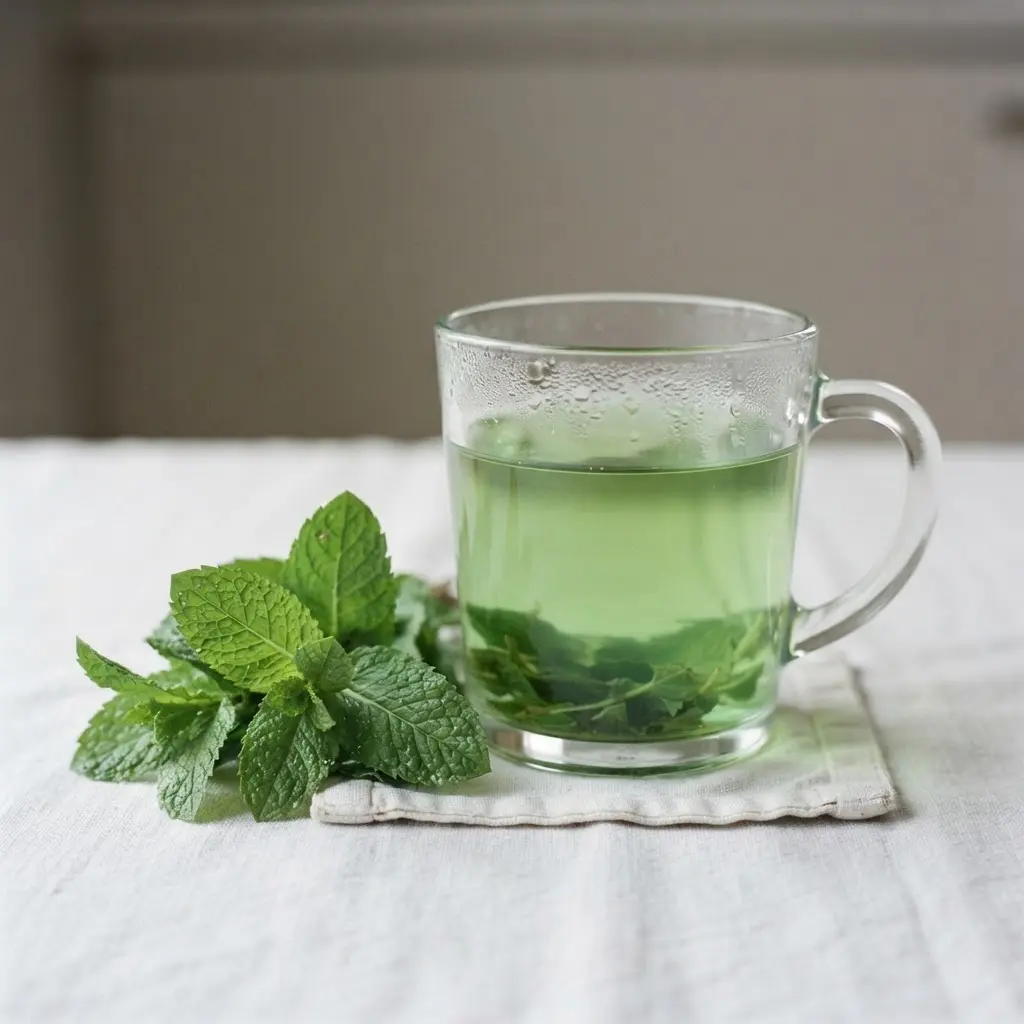
Does peppermint tea speed digestion after a meal? Not reliably. A peppermint leaf infusion provides menthol and menthone, compounds linked with relaxed stomach muscles and changes in intestinal movement. Peppermint also supports bile flow, which assists with dietary fat digestion. Research on gastric emptying gives mixed results, with some studies showing faster early emptying but no change in the overall rate, yet many dietitians still suggest it among the Healthiest teas for gentle after-dinner comfort. Notice how your stomach feels.
Prepare the drink with 1.5 g dried peppermint leaf and 150 ml boiled water. Steep for 5 to 10 minutes, then drink after eating. Traditional guidance describes two to five servings daily, but dried-leaf amounts apply to tea, not concentrated oil. Evidence from peppermint-oil preparations does not transfer directly to an ordinary cup of tea.
Research suggests peppermint tea offers practical digestive support, yet the beverage does not guarantee relief from bloating or other post-meal symptoms. Peppermint relaxes the muscle between the stomach and oesophagus. This relaxation allows acid to move upward, so people with GERD or a hiatal hernia should use caution. Always consult a healthcare professional before making changes to your health routine. Sip slowly to gauge tolerance.
6. Ginger Tea Anti-Inflammatory Properties in Everyday Drinks
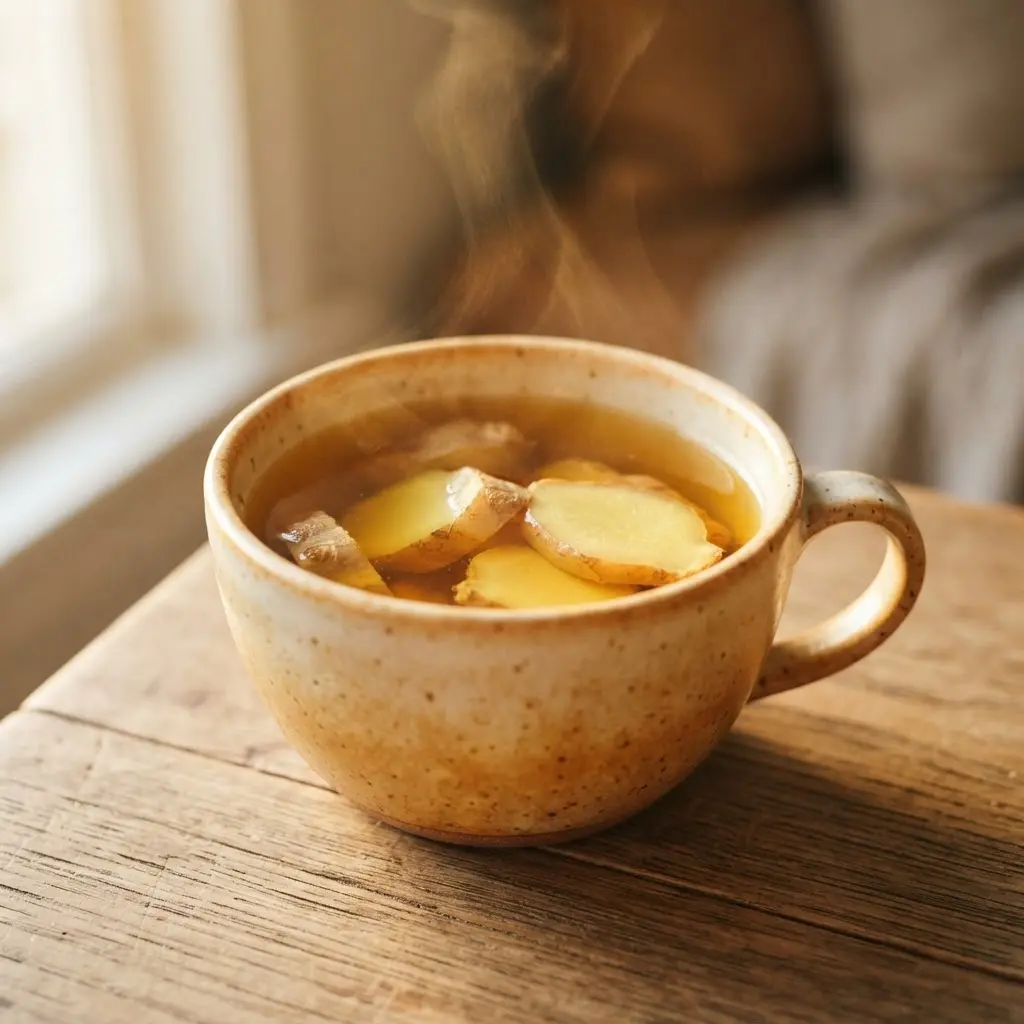
Compared with a sweetened commercial ginger drink, unsweetened ginger tea provides ginger flavor without a large sugar load. Choose fresh ginger slices and steep them in boiling water. Fresh, dried, and ground forms contain related compounds, but processing changes the balance of gingerol and shogaols, which explains why many wellness writers count fresh root blends among the Healthiest teas for daily warmth. Adjust the spice level to your taste.
Gingerol, shogaols, paradol, and zingerone are linked with ginger’s biological activity. Research suggests these compounds influence inflammatory signals, including NF-κB and cytokines such as TNF-α, IL-6, and IL-1β. Ginger also has antioxidant activity linked with free-radical control and the Nrf2 pathway. Studies and meta-analyses have examined markers such as CRP, total antioxidant capacity, and MDA.
Research findings often involve concentrated ginger supplements, so results from those studies do not equal the effects of one ordinary cup. Check labels on bottled drinks for added sugar, and use ginger tea as part of a balanced eating pattern rather than as treatment for inflammatory disease. Always consult a healthcare professional before making changes to your health routine. Keep brewing times consistent for fair comparisons.
7. White Tea Antioxidant Concentration and Gentle Brewing

Assuming hotter water always produces the best white tea is a common mistake. High heat extracts compounds quickly, yet some phenolic compounds degrade or change at higher temperatures. Many beginners learn this rule quickly when exploring the Healthiest teas for morning routines. Start low and adjust as needed.
Use 98°C water and steep the leaves for about 7 minutes for strong polyphenol extraction with a pleasant taste. This method suits drinkers who want efficient hot brewing without an overly harsh cup.
Choose a room-temperature infusion for a gentler approach. Place the leaves in water for about 2 hours, then remove or strain them. Longer contact gives more phenolic compounds and caffeine time to move into the water. Taste test before straining to gauge strength.
Tea format also affects measured antioxidant capacity. Some studies found bagged tea produced nearly double the antioxidant capacity of loose-leaf preparations, although results vary by product. Research suggests brewing temperature, steeping time, tea format, and tea type all shape the final cup.
Measured antioxidant capacity does not guarantee a specific omega-3 for heart health. Adjust the method to suit the tea, your flavor preference, and your caffeine needs. Keep brewing notes in a simple notebook.
8. L-Theanine Cognitive Enhancement Effects in Green Tea
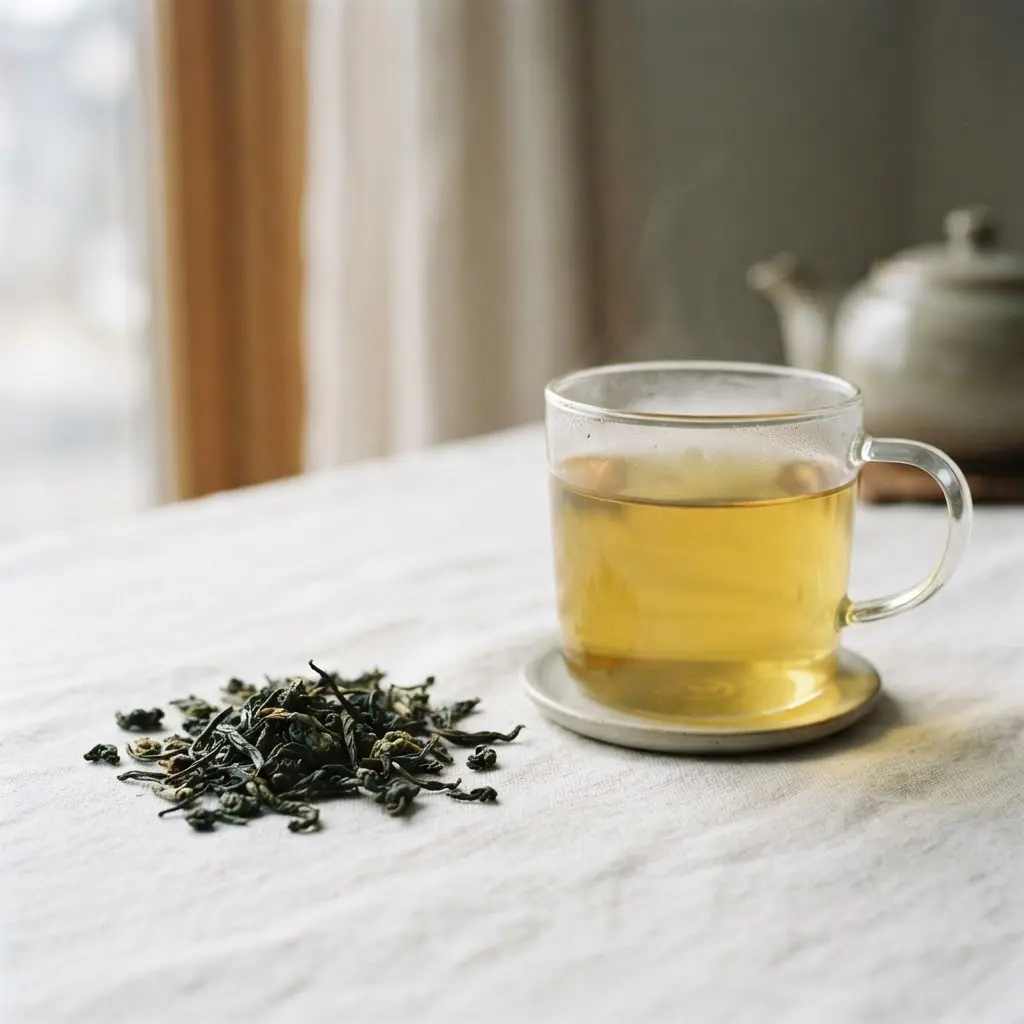
Choose green tea for a moderate caffeine source with L-theanine, an amino acid studied for attention and reaction time. A systematic review of 31 randomized controlled trials found a single 200 mg dose improved choice reaction time in healthy adults. The research dose does not equal the amount in a typical cup, so many focus experts point to specific blends when discussing the Healthiest teas for workday clarity. Test different steeping times to see what works for you.
A separate review of 50 randomized controlled trials reported small-to-moderate improvements in attention tasks and mood, especially when L-theanine was combined with caffeine. Results for working memory, simple reaction time, and Stroop-test performance were less consistent. Research suggests the clearest potential benefit involves focused attention rather than broad gains in memory or intelligence.
Treat 200 mg as a research dose, not a serving target. L-theanine levels vary by tea type and preparation, and studies have not established one ideal timing plan for daily use. Avoid treating L-theanine as therapy for stress, depression, or cognitive impairment. Always consult a healthcare professional before making changes to your health routine. Monitor your afternoon energy levels.
9. Turmeric Tea Wellness Applications and Safety Notes

At 7 p.m., a warm cup of turmeric tea offers a caffeine-free way to include turmeric in the diet. Curcumin, turmeric’s main studied compound, has antioxidant and anti-inflammatory activity. Research has examined turmeric and curcumin for joint pain, digestive discomfort, exercise soreness, blood sugar, cholesterol, and anxiety. Evidence varies, especially because many studies use concentrated supplements rather than tea, yet home cooks still count it among the Healthiest teas for evening meals. Add black pepper if you can tolerate the spice.
Choose food-based amounts instead of high-dose capsules for routine use. Black pepper contains piperine, which increases curcumin absorption. Greater absorption also increases exposure to possible risks, including liver injury linked with some enhanced-absorption products. Stop using a turmeric product and seek medical care for fatigue, nausea, poor appetite, dark urine, or yellowing skin.
Use caution with blood thinners, diabetes or blood-pressure medicine, chemotherapy, immunosuppressants, gallstones, bile-duct blockage, liver disease, or a history of kidney stones. Avoid turmeric supplements during pregnancy unless a healthcare professional approves them. Chemotherapy patients need oncology guidance before using supplements. Always consult a healthcare professional before making changes to your health routine. Track any new symptoms in a daily log.
10. Optimal Tea Steeping Temperatures for Better Flavor

Boiling water is not the best choice for every tea. Use 70–80°C water for green tea, white tea, matcha, and delicate oolong. Lower heat draws out sweeter, lighter notes. Excess heat often pulls out bitter flavors and hides subtle aromas, which is why temperature control matters when searching for the Healthiest teas to sip slowly. Watch the kettle closely.
Reserve 85–90°C water for yellow tea, lighter black tea, and standard oolong. Use boiling water for black tea, pu-erh, chamomile, peppermint, rooibos, and hibiscus. Fuller-bodied leaves and herbal infusions need higher heat for a stronger cup.
A temperature-controlled kettle offers the best accuracy. Add the tea after heating, then follow the recommended steeping time. Remove the leaves with a tea strainer when brewing ends. Longer steeping increases strength, yet prolonged contact often creates harsh flavors, even at a suitable temperature.
Research on brewing quality suggests temperature and steeping time work together. Tieguanyin brewed at 100°C for 127 seconds with 26 milliliters of water per gram offers one balance of flavor and health-related interest. Treat temperature guidance as a flavor tool, not proof of guaranteed health benefits. Keep your brewing times consistent.
Reading Herbal Safety Labels Before Regular Use
Check an herbal safety label for medication warnings before drinking an infusion daily. Peppermint, chamomile, ginger, hibiscus, and rooibos each come from different plants, so a reassuring caffeine-free description does not cover every safety question. Some herbs interact with medicines, affect blood pressure or blood clotting, or create concerns during pregnancy, surgery, or allergy conditions. Ask a pharmacist or clinician about a specific herb when you take prescription medicine or manage a health condition.
Read serving guidance on concentrated extracts, powders, and capsules with extra care, since these forms deliver more plant material than ordinary brewed tea. A brewed cup also differs from a blend containing true-tea leaves, which adds caffeine. Stop regular use and seek professional guidance if a new symptom follows a tea change. Safety labels provide useful boundaries for daily routines.
Conclusion
Tea often becomes part of a morning, work break, or quiet evening. Choosing a cup with a purpose makes the habit feel personal, whether you want less caffeine, a gentle after-meal drink, or a calm bedtime option. The Healthiest teas are not one fixed list for every person. Your best choice depends on flavor, caffeine needs, health history, and any medicines you take. Pick one leaf or blend to start.
Start today with one unsweetened tea. Follow the package directions, or use the suggested temperature and steeping time for the leaf or herb. Notice how your body responds, especially if reflux, allergies, or sleep issues are part of your routine. Check with a pharmacist before adding an herbal tea alongside regular medicine. You do not need a large collection to build a steady habit. Small swaps add up when the drink tastes good enough to repeat. Keep a few varieties at home, and let your next cup support an enjoyable routine. Exploring these options takes time, but patience pays off.
FAQs
Q: What is the healthiest tea to drink every day?
A: Green tea suits many adults who enjoy moderate caffeine and a plant source of polyphenols. Herbal infusions suit people seeking caffeine-free choices.
Q: Do herbal teas count as true tea?
A: Herbal teas are infusions made from flowers, leaves, roots, or spices. True tea comes from the Camellia sinensis plant.
Q: Does steeping time change tea benefits?
A: Longer steeping often draws out more flavor and plant compounds. It also raises bitterness, so follow the guidance for each tea type.
Q: Which teas contain caffeine?
A: Green, black, white, and oolong teas contain caffeine in different amounts. Chamomile, peppermint, hibiscus, and ginger infusions are usually caffeine-free.
Q: Are herbal teas safe with medicines?
A: Some herbs interact with medicines or affect reflux, blood pressure, or bleeding risk. Ask a pharmacist before using a new herbal tea with regular medicine.