I understand why many shoppers feel unsure after paying more for foods with big promises. This guide looks at raw kale, agave syrup, coconut oil, berries, spinach, sea moss, almonds, quinoa, cinnamon, and processed alternatives. You will learn where the praise comes from, which limits matter, and what simple foods fit beside them. Let’s keep nutrition practical, balanced, and free from fear. Read on for clear answers you can use at your next grocery trip.
Separating Nutrient Density From Wellness Marketing
Whole fruit delivers fiber plus water, while fruit juice often keeps much of the sugar and loses much of the chewing and fiber benefit. A “natural” label on a smoothie or snack bar says little about added syrup, serving size, or total calories. Check whether the ingredient list starts with fruit, oats, nuts, or legumes rather than concentrate, added sugar, or refined starch. Whole fruit fits meals better than juice when you want fullness, since its fiber slows eating and supports steadier digestion, which matters for Over praised foods too.
Dried fruit still supplies nutrients, yet its smaller volume makes large portions easy. Treat packaging claims as one clue, then judge the food by its full panel.
Reading Serving Sizes And Ingredient Lists
Use the serving size printed on a package before comparing its calories, protein, or sugar with another food. A cereal pouch might list one cup, while your bowl holds two cups, doubling the listed values without changing the front label. Read the ingredient list by weight, since early placement of sugar, palm oil, or sodium-rich seasoning reveals what fills the food. Words such as organic, gluten-free, plant-based, and high-protein describe one feature, not the whole nutrition profile. Check added sugar, sodium, saturated fat, fiber, and protein together before choosing, especially when evaluating Over praised foods.
A short ingredient list still deserves a panel check, since nuts, dates, and oils raise energy quickly.
1. Oxalate Content in Raw Kale and Meal Balance

A common mistake is treating every dark leafy green as high in oxalates. Raw kale contains approximately 2 mg per cup, while spinach and some other greens contain hundreds of milligrams per cup. Kale therefore fits many low-oxalate meal plans more easily than spinach, a fact to keep in mind for Over praised foods. Choose raw kale when you want a leafy green with a low oxalate load.
Build meals around variety rather than relying on one food. Pair kale with calcium-rich foods, such as yogurt or another suitable calcium source. This simple step matters greatly for Over praised foods. Calcium binds oxalates in the digestive tract and limits absorption.
Drink water regularly because well-diluted urine supports the removal of stone-forming substances. Research suggests overall dietary patterns matter more than judging one food alone. Cooking is not required solely to reduce oxalates in kale because the raw vegetable already contains little. Limit excess sodium, added sugar, and high-dose vitamin C supplements unless a healthcare professional advises them. People with recurrent kidney stones, kidney disease, or a prescribed low-oxalate diet need personal targets for oxalates, calcium, fluids, sodium, and vitamin C. Always consult a healthcare professional before making changes to your health routine.
2. Fructose Levels in Agave Syrup and Sweetness

Treat agave syrup as a concentrated sweetener, not a health food. Check the label and use a small amount because agave syrup often contains 60% or more fructose, with some analyses reporting levels up to 85%. This high concentration is typical for Over praised foods.
Agave plants store carbohydrates mainly as fructans. During production, manufacturers break these larger carbohydrates into simpler sugars through fructose hydrolysis. Incomplete processing leaves some fructans or fructooligosaccharides in the syrup, which mirrors many Over praised foods. Glucose and small amounts of sucrose are present as well, a pattern seen across Over praised foods.
Pure fructose tastes about 1.3 times sweeter than sucrose. This strong sweetness means less syrup might provide the same taste as an equal amount of sugar or corn syrup. Research suggests a low glycemic index, often reported between 10 and 27, partly reflects the syrup’s high fructose content. Do not treat a low glycemic index as proof of better nutrition. Species, processing, and carbohydrate breakdown change the sugar profile. Compare labels and keep portions modest when using agave syrup.
3. Saturated Fat in Coconut Oil and Cooking Choices

At dinner, a spoonful of coconut oil can turn a simple stir-fry into a high-saturated-fat meal. Measure coconut oil rather than pouring freely. One tablespoon provides about 12 grams of saturated fat, and coconut oil is approximately 86% saturated fat. The same amount can add up quickly across several meals, just like many Over praised foods.
Saturated fat can raise LDL cholesterol, which is linked with higher heart-disease risk. Coconut oil also raises HDL cholesterol, but comparisons with other vegetable oils show a significant LDL increase. Research supports judging the whole fat profile rather than focusing on one cholesterol number, which applies to Over praised foods too.
Choose olive or canola oil for regular cooking. These oils contain more unsaturated fat and are generally preferred for heart-conscious meals. Coconut oil has a smoke point near 177°C (351°F), making shallow frying and moderate heat suitable uses. Avoid treating coconut oil as an ideal deep-frying oil, similar to other Over praised foods. Reserve coconut oil for recipes where its flavor matters. Follow a saturated-fat limit of 10% of daily calories, or 6% for people at increased risk of heart disease. Always consult a healthcare professional before making changes to your health routine.
4. Antioxidant Myths of Acai Berries and Wellness Claims

Many people treat acai’s antioxidant label as proof of weight loss and anti-aging benefits. The truth is narrower: acai contains antioxidant compounds, yet laboratory activity does not prove a wellness result in people, a common gap for Over praised foods.
Small human studies report improved antioxidant defenses after acai pulp, while broader findings stay mixed. Research has not confirmed reliable effects for weight loss, athletic performance, high cholesterol, metabolic syndrome, or brain health. Preclinical work points toward possible anti-inflammatory and cognitive effects, but human acai studies for brain health are lacking. Research suggests laboratory findings should not guide strong health promises, especially with Over praised foods.
Choose a product with a clear ingredient label. Some supplements contain little acai or undisclosed ingredients. Guarana adds caffeine and stimulant effects. This hidden addition happens often with Over praised foods. Raw juice carries contamination concerns. Tell the imaging team about acai use before a gastrointestinal MRI. Review concentrated acai products with a healthcare professional before use alongside medicines or diabetes treatment, or during pregnancy and breastfeeding. Always consult a healthcare professional before making changes to your health routine.
5. Mineral Absorption Issues in Spinach and Meal Pairings

Why does spinach provide minerals without delivering all of them to the body? Oxalates bind iron, calcium, and magnesium, while phytates reduce zinc absorption. Spinach contains non-heme iron, which the body absorbs less readily than heme iron from meat, poultry, and fish. Read the nutrient profile of spinach before judging mineral value, because label amounts do not equal absorbed amounts, a key trait of Over praised foods.
Pair spinach with vitamin C-rich foods, such as tomatoes, bell peppers, strawberries, or citrus. Vitamin C improves non-heme iron absorption. Add grilled chicken, lean beef, or fish when a meal needs more readily absorbed iron. Beta-carotene foods, including carrots and sweet potato, provide another useful pairing. Research suggests meal composition influences mineral availability, so spinach alone is a poor measure of iron intake, which reminds us to look closer at Over praised foods.
Use brief boiling and draining to remove more oxalates. Sautéing with a small amount of oil supports absorption of vitamins A, K, and E, but does less to lower oxalates. Keep a high-calcium food in another meal when iron absorption is the main priority. Always consult a healthcare professional before making changes to your health routine.
6. Superfood Marketing of Goji Berries and Value

A modest serving of ordinary dried fruit offers clearer value than a premium label promising broad wellness effects. Goji berries have been used in Chinese medicine for more than 2,000 years, yet Western superfood promotion is only about two decades old. The word “superfood” is a marketing term, not a regulated health designation. Judge the food by its nutrients, serving size, and price, not by the label, particularly for Over praised foods.
Most commercial berries come from China’s Ningxia region and reach international shoppers dried, powdered, or blended into drinks because fresh fruit spoils quickly. Marketing highlights polysaccharides, zeaxanthin, lutein, and flavonoids, linking them with antioxidant support, immunity, and healthy ageing. Research into these bioactive compounds does not prove ordinary servings prevent disease or produce broad health effects. Black berries often cost more because they are rare and marketed as richer in antioxidants, but premium pricing does not establish superior value, much like other Over praised foods.
Compare the ingredient list before buying. Choose plain dried berries over sugary drinks or bars when the goal is a simple food. This rule applies directly to Over praised foods. Check portion size and storage quality. Evidence on cardiovascular, visual, metabolic, and immune effects remains under investigation. Always consult a healthcare professional before using concentrated goji products or supplements, especially alongside medication.
7. Iodine Toxicity Risks in Sea Moss and Supplements

A common mistake is assuming a natural sea moss product provides a small, predictable iodine dose. Sea moss supplements vary by species, growing area, processing method, and batch. Such variation is common among Over praised foods. Choose batch-specific iodine testing when available. Adults need 150 micrograms of iodine daily, while the upper limit is 1,100 micrograms. Total intake includes iodized salt, multivitamins, prenatal vitamins, medicines, and other seaweed products.
The body uses iodine to make thyroid hormones. Excess iodine can disrupt thyroid control and trigger iodine-induced hyperthyroidism, also called the Jod-Basedow phenomenon. People with Graves’ disease or autonomous thyroid nodules face greater risk. Concentrated powders, gels, and capsules make serving amounts harder to judge. Research suggests unpredictable iodine exposure deserves caution in people with existing thyroid problems, a vital note for Over praised foods.
Review the label for the species, geographic source, iodine amount, and current certificate of analysis. Require heavy-metal testing for arsenic, lead, cadmium, and mercury, since sea moss grown in polluted water can accumulate contaminants. This caution applies widely to Over praised foods. People who take levothyroxine, have thyroid disease, or are pregnant or breastfeeding should avoid unsupervised use. Standardized iodine sources, such as iodized salt or a vitamin with a declared amount, are easier to measure. Always consult a healthcare professional before making changes to your health routine.
8. Phytic Acid Concerns in Almonds and Preparation

Soak almonds overnight for 4–12 hours, then drain and rinse them well before eating. Phytic acid, also called phytate, binds minerals such as iron, zinc, calcium, and magnesium, which lowers absorption during digestion. Soaking activates enzymes and reduces some phytic acid, although soaking does not remove the compound completely. This reality is shared by many Over praised foods.
Sprouting often reduces more phytic acid than soaking alone because the almonds germinate for several days. Fermentation offers another option, though the process needs careful control similar to yogurt or sourdough preparation. Use moderate roasting when soaking does not suit your routine. High heat reduces some nutrients. Avoid common food preparation mistakes such as eating soaked almonds without draining and rinsing them. This tip holds true for Over praised foods.
Research suggests the mineral effect matters most when a diet relies heavily on phytate-rich plant foods and includes few other mineral sources. Most people eating a varied diet do not need to fear phytic acid in almonds. Build mineral variety across meals rather than depending on preparation alone. Always consult a healthcare professional before making changes to your health routine.
9. Glycemic Limitations of Quinoa and Balanced Meals

At Tuesday lunch, a large quinoa bowl can look light while delivering a sizable carbohydrate load. Quinoa has a reported glycemic index of 53, yet a half-cup cooked serving provides about 20 grams of carbohydrate. Choose a measured half-cup portion rather than filling the bowl by sight. This guidance works for Over praised foods too.
Build the meal around leafy greens, broccoli, peppers, mushrooms, or tomatoes. Pair quinoa with high-fiber plant protein, eggs, chicken, fish, or tofu. Add avocado or olive oil in a moderate amount. Protein and fat slow digestion, and one reported comparison found eggs lowered the glucose peak by about 6 mg/dL. Research also links meals containing 60 grams or more of carbohydrate with a 28% higher glucose spike than lower-carbohydrate meals. Watch this closely with Over praised foods.
Use a quarter-cup serving for a stricter low-carbohydrate pattern. Avoid sweet dressings and sugary toppings because they raise the meal’s total carbohydrate load. People with diabetes, prediabetes, or glucose-lowering medication should review portions and glucose readings with a qualified healthcare professional. Always consult a healthcare professional before making changes to your health routine.
10. Inconsistent Health Benefits of Cinnamon and Daily Use

Cinnamon is not a dependable blood sugar treatment, despite claims suggesting otherwise. Research findings vary by dose, cinnamon variety, product form, study length, and participant health. Some trials report small changes in fasting glucose or insulin resistance, while other reviews find no meaningful change. Cinnamon supplements have not consistently improved HbA1c in adults with type 2 diabetes. This inconsistency echoes findings on Over praised foods.
Use culinary amounts in normal meals rather than treating cinnamon as medicine. Cassia cinnamon often contains more coumarin, a compound linked with liver harm at high intake or prolonged use. Ceylon cinnamon contains less coumarin and offers a lower-coumarin option. Larger supplemental doses can cause stomach problems or allergic reactions. Topical cinnamon also irritates some skin. Research on cholesterol markers is mixed, with findings differing for triglycerides, HDL cholesterol, and LDL cholesterol. These uncertain results matter because small laboratory changes do not equal dependable disease control. Do not replace prescribed diabetes treatment with cinnamon supplements. Always consult a healthcare professional before making changes to your health routine. Use extra caution with liver disease, pregnancy, breastfeeding, or medicines affecting blood sugar or cholesterol.
11. Nutritional Reality of Processed Alternatives and Labels
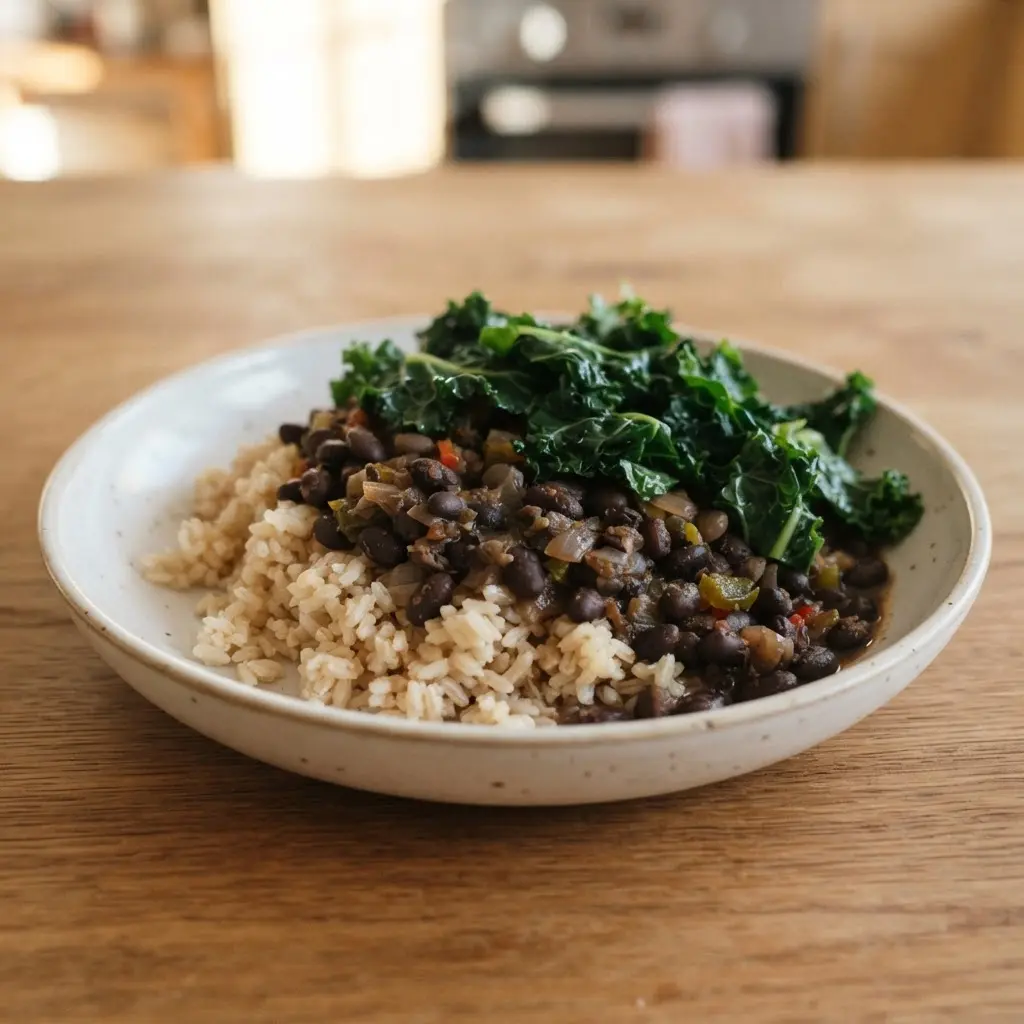
Does a processed alternative match the whole food it replaces? No. Formulation and processing alter calories, added sugars, sodium, fats, protein, fiber, vitamins, and minerals. Start with the serving size, because listed values describe a fixed comparison amount, not a recommended portion. A package with two servings can contain twice the listed nutrients when eaten in full.
Read calories next, then check added sugars, sodium, fat, protein, and fiber. Review vitamins and minerals as part of the product’s nutritional profile. Use % Daily Value to judge how much one serving contributes to a daily diet. Values at 5% or less are generally low, while values at 20% or more are generally high. A low value is not automatically better for every nutrient.
Compare similar products using equal serving amounts. A product marketed as wholesome might contain more sodium or added sugar than another option with a similar appearance. Research indicates labels often show selected nutrients without fully describing processing, micronutrient changes, or phytochemicals. Use measurable label details to guide choices, while recognizing the label does not describe the full nutritional effect of processing.
Building Balanced Meals With Practical Swaps
A lentil-and-vegetable bowl supplies fiber, plant protein, and volume without relying on a sweetened snack bar as lunch. Pair intact grains or potatoes with vegetables and a protein food, then add nuts, seeds, yogurt, or olive oil in a portion suited to your needs. This mix helps one nutrition claim stay in context, since high-protein does not guarantee fiber, and gluten-free does not guarantee low sugar. Swap fruit juice for whole fruit, sweetened granola for plain oats with berries, and plant-based nuggets for beans or tofu when you want less sodium or saturated fat. Keep packaged foods as parts of balanced meals rather than replacements for every meal.
Conclusion
Food choices often come with strong claims, bright labels, and high prices. You deserve clear information before spending money or changing your meals. Over praised foods do not need a place on a forbidden list. Look at the full food, the portion, and what else sits on your plate.
A useful next step is to compare one highly promoted item with a simple alternative during your next shopping trip. Choose plain nuts instead of a sweetened snack mix, fruit instead of a syrup drink, or a varied leafy green mix instead of relying on one vegetable. Keep foods you enjoy, and add more variety around them. Small changes are easier to keep than strict rules. Your meals do not need perfect ingredients to support good nutrition. They need balance, enough variety, and choices that fit your life, especially when balancing Over praised foods.
FAQs
Q: Are foods with a health halo always unhealthy?
A: No. A popular health food still fits a balanced eating pattern. Check its sugar, fat, serving size, and place in your full diet.
Q: Why does nutrient absorption matter?
A: The body does not absorb every nutrient in equal amounts. Food pairing, preparation, and other compounds affect how much the body receives.
Q: Is agave syrup better than table sugar?
A: Agave syrup still adds sugar to meals and drinks. Its fructose content makes portion size worth watching.
Q: Should spinach be avoided because of oxalates?
A: Most people do not need to avoid spinach. Cooking it and eating a range of vegetables helps support dietary variety.
Q: How do I spot misleading food claims?
A: Read the ingredient list and nutrition panel before trusting front-label wording. Be cautious when one food is described as a cure or a complete answer.