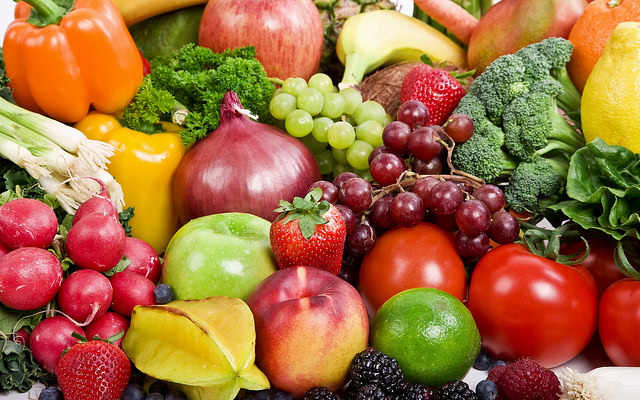
Are familiar meals making a raw eating routine feel hard to start? Tips to get into raw food diet include starting with one raw meal each day, adding fresh produce slowly, and keeping simple foods ready. Drink water, chew well, and track how your body feels.
Build meals around fruits, vegetables, nuts, seeds, and healthy fats instead of changing everything at once. I know a new eating style feels easier when the steps fit real life. Start with foods you already enjoy, such as fruit, cucumber, greens, or soaked nuts.
This guide covers kitchen tools, shopping, meal planning, basic recipes, supplements, and signs your body needs a slower pace. Let’s make your first week simple, colorful, and manageable. Choose one raw meal for tomorrow, gather the ingredients, and begin with confidence.
Setting A Realistic Raw Eating Percentage
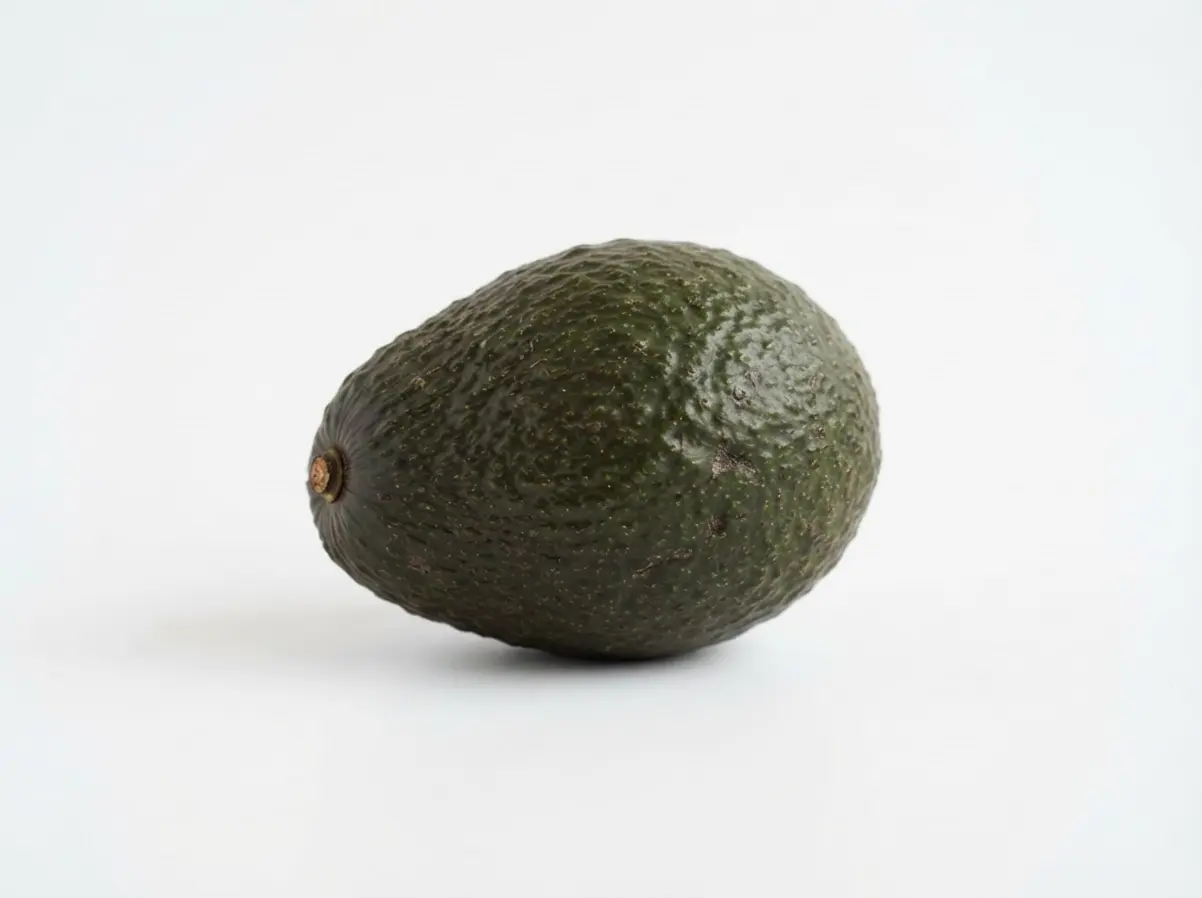
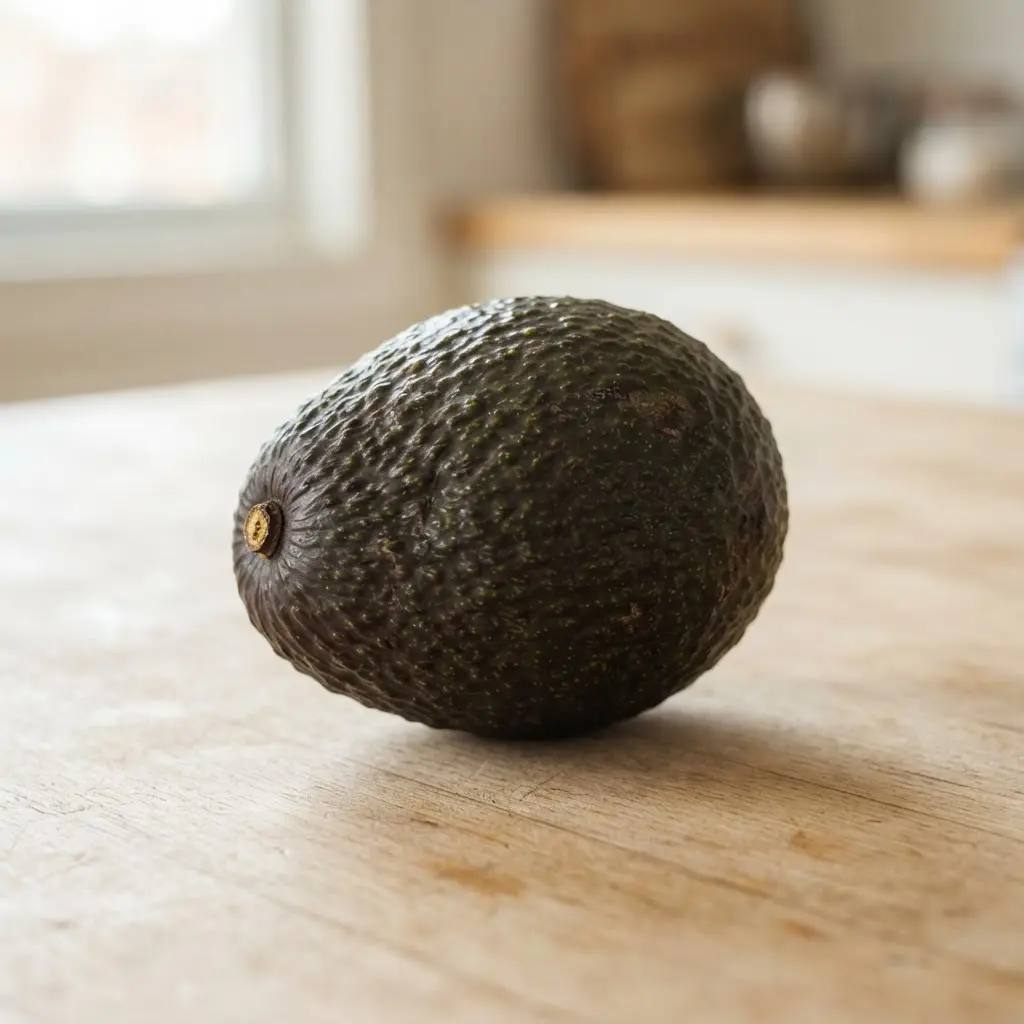
Start with a 25 to 50 percent raw target for your first week instead of changing every meal overnight. Choose one raw breakfast or lunch, then keep a cooked meal for the part of your day when hunger feels strongest. A ripe avocado adds energy and fat to salads, wraps made with collard leaves, or blended sauces.
Include nuts, seeds, beans prepared through sprouting, and plenty of leafy greens rather than relying on fruit alone. Batch-chop vegetables and store portions in sealed containers so busy mornings do not push you toward juice. Following tips to get into raw food diet helps you pace those changes safely.
Increase the raw share only when your energy, fullness, and digestion feel steady for several days. A written meal plan also shows whether your choices contain enough protein and fat, not only bright produce and refreshing flavors. You can track progress alongside tips to get into raw food diet to stay on course.
Checking Nutrient And Food Safety Needs
Check vitamin B12, vitamin D, calcium, iodine, iron, zinc, omega-3 fats, and protein before choosing a fully raw vegan pattern. A vitamin B12 supplement often needs planned attention because plant foods do not reliably supply this nutrient. Many reliable tips to get into raw food diet remind you to check these numbers first.
Use varied greens, seeds, nuts, sea vegetables, and sprouted foods, while asking a qualified healthcare professional about testing and supplement amounts. Wash produce under running water, scrub firm vegetables, and clean knives and cutting boards after use. These tips to get into raw food diet also cover safe cleaning habits.
Treat sprouts with extra care because warm, damp growing conditions support harmful germs. Refrigerate cut produce, blended meals, and fermented vegetables soon after preparation, and keep cold foods chilled during transport.
Pregnancy, breastfeeding, adolescence, and medical conditions call for professional dietary guidance before major changes. Always consult a doctor while reading tips to get into raw food diet to stay safe.
1. Gradual Transition Strategies for Easier Daily Meals
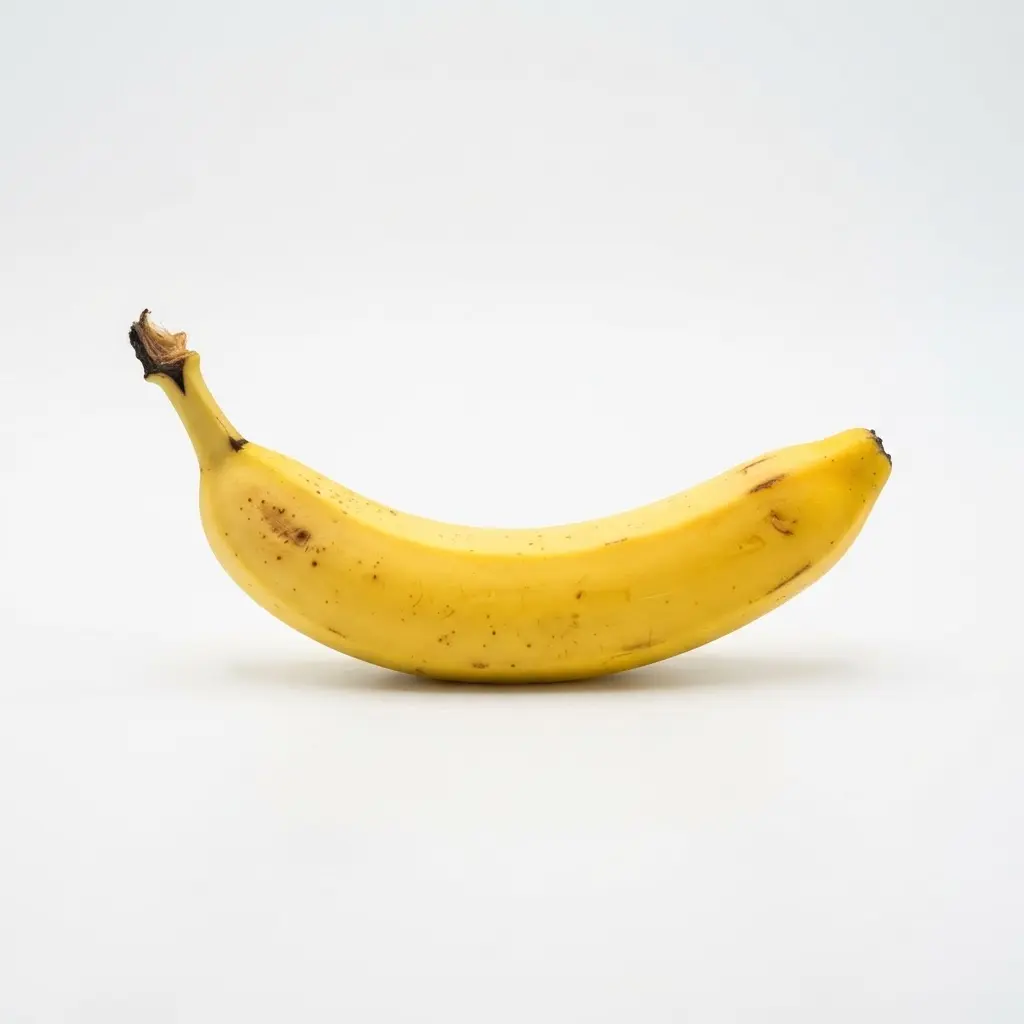
Changing every meal at once is a common mistake, so tips to get into raw food diet suggest a slower pace. Start with one raw ingredient rather than replacing familiar foods on the first day. Choose a fruit or vegetable already close to your usual preferences.
Add a small portion to breakfast, lunch, or a snack, then repeat the serving on another day. Pair new produce with familiar foods or a preferred dip. Serve ingredients sliced, grated, blended, or kept separate on a divided plate.
Different textures and stronger flavors often feel easier to manage when the portion is modest. Acceptance might require 10 to 15 exposures, especially for children, so one rejected tasting does not settle the question. Following these tips to get into raw food diet takes the pressure off quick results.
Use how to eat more raw foods as a practical plan, just as these tips to get into raw food diet recommend. Establish regular meal times and planned snacks. A predictable schedule reduces constant grazing and makes shopping and preparation easier.
Remove phones, tablets, and television during meals so attention stays on eating and conversation. Wash produce and prepare a few ingredients in advance for quick assembly. Involve each person in choosing produce, washing ingredients, stirring mixtures, setting the table, or growing herbs.
Keep the atmosphere low-pressure. Encourage a smell, lick, or small taste without requiring a full serving, and avoid using force or bribes. Research supports gradual food introduction, but no fixed timetable proves suitable for every adult.
Seek advice from a qualified dietitian before making major dietary changes when nutrient deficiencies, medical conditions, or difficulty eating enough are concerns. A doctor review aligns with tips to get into raw food diet for long term health.
2. Essential Kitchen Preparation Tools for Raw Meals
Start with a high-powered blender, a sharp chef’s knife, and a sturdy cutting board. Add a food processor and storage containers before buying specialty equipment. This setup covers smoothies, raw soups, sauces, chopped salads, cauliflower rice, and prepared ingredients for several days.
Choose a knife with a comfortable handle and keep the blade sharp. Use a large cutting board so washed produce stays organized during meal preparation. Applying tips to get into raw food diet means choosing tools that match your cooking style.
Prevent common food preparation mistakes by washing ingredients first and separating ready-to-eat foods from unwashed produce. Match each task with the correct processing tool. Blend liquids and soft mixtures.
Use a food processor for shredding, grating, chopping, and puréeing. Select a peeler or spiralizer for vegetable ribbons and noodle-like strands. A mandoline produces even slices, but use its hand guard to protect your fingers.
Add a salad spinner when leafy greens appear often in your meals. Excess water dilutes dressings and reduces their ability to coat leaves. Keeping your tools clean fits right into tips to get into raw food diet.
Use a nut milk bag or fine-mesh strainer for homemade nut milks, creams, and smooth sauces. A citrus press and zester suit recipes built around fresh lemon or lime. Buy a dehydrator only for foods such as fruit rolls or vegetable chips.
Research suggests that dependable basic equipment makes repeated meal preparation easier by reducing time and effort. Build the kitchen gradually, based on the raw meals you prepare most often. This careful setup matches tips to get into raw food diet for beginners.
3. Raw Ingredient Variety Selection for Balanced Plates
At 7 a.m., a single banana rarely carries a full morning meal. Start with a leafy-green base, such as spinach or kale, then add cucumber, bell pepper, tomato, or carrot. A varied plate brings different colors, textures, and flavors into one meal.
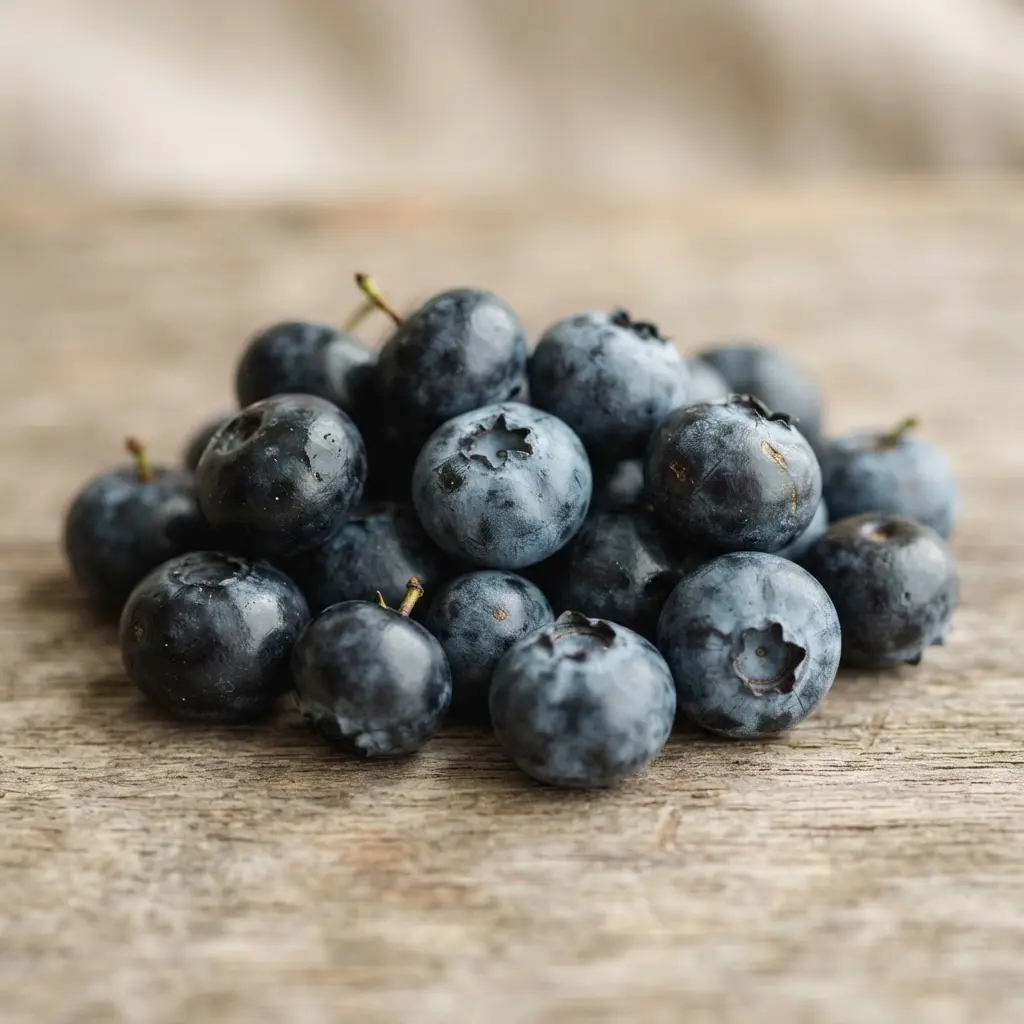
Build the plate with roughly half produce, one-fourth protein, and one-fourth whole grains when these foods fit your raw-food rules. Add avocado, nuts, seeds, or nut butter for healthy fats and a more filling texture. Rotate berries, apples, mangoes, citrus fruits, and bananas through the week.
Research suggests varied food choices support broader nutrient intake than relying on one narrow food group. Check foods best eaten raw before adding unfamiliar produce, then review each ingredient’s preparation needs. Reading tips to get into raw food diet will show you which items pair well.
Beans, lentils, tofu, tempeh, eggs, meat, fish, and many grains usually need cooking or other preparation. Strict raw plans should include only protein and grain choices permitted by your chosen approach. Use herbs, spices, balsamic vinegar, or salt-free seasoning blends to keep flavors distinct.
Shop for several colors each week: green, red, orange, yellow, purple, and pale produce. Keep fresh ingredients ready, and use suitable frozen fruit or vegetables for convenience. Treat the balanced-plate model as general guidance, not a complete clinical plan.
Restricting food groups or eating only uncooked foods may require professional nutrition guidance. Following these tips to get into raw food diet keeps your meals balanced and safe.
4. Basic Raw Food Preparation Techniques for Beginners

Raw food preparation does not mean eating every ingredient whole and untouched. Cutting, blending, soaking, and fermenting change texture and flavor without conventional cooking. Start with basic preparation methods before using more involved equipment.
Simple steps make fresh produce easier to include in daily meals. Choose a sharp knife and cutting board for salads, herbs, and fruit. Cut ingredients into similar sizes so each bite has a steady texture.
Add fruits, vegetables, water, or plant-based milk to a blender for smoothies, soups, sauces, and dips. A food processor works well for thicker mixtures. These tips to get into raw food diet cover the right blending order.
Research suggests practical preparation skills support better consistency with dietary changes. Soak nuts for 2 to 8 hours, seeds for 30 minutes to 2 hours, and dried fruit until soft. Use measured soaking times as part of your tips to get into raw food diet routine.
Different foods need different periods, so rinse sprouts regularly during germination and discard any batch with an unpleasant odor. Begin with salads, smoothies, and dips before trying sprouted beans or grains. Spread sliced fruit or vegetables in a dehydrator set between 105 and 125°F, or 40 and 52°C.
Low heat removes moisture and creates chewy fruit leather or crisp vegetable chips. Use citrus juice, herbs, spices, or tamari in a marinade to add flavor and soften firm vegetables. Store prepared foods in clean containers and refrigerate perishable items.
Approach fermentation with extra care. Wash clean fermentation jars, keep food below the liquid line with a weight, and monitor temperature during the process. Sauerkraut, kimchi, and fermented cashew cheese need sanitation and close observation.
Build skill gradually, then combine methods in balanced raw meals. Mastering these steps completes your tips to get into raw food diet plan.
5. Weekly Meal Planning Frameworks for Simple Routines

How do you plan seven raw-food days without creating seven complicated recipes? Assign each day a meal format. Use a large salad on Monday, leafy wraps on Tuesday, a blended meal on Wednesday, shredded vegetables on Thursday, and a build-your-own bowl on Friday.
Reserve Saturday for leftover components and Sunday for a favourite or flexible meal. Schedule one defined preparation period before shopping or at the start of the week. Wash and chop vegetables, portion fruit for blended meals, prepare dressings, and store toppings in separate containers.
A short session reduces repeated tasks during busy days and supports a steadier routine. Choose ingredients for two different meals. Use chopped cucumber, greens, and carrots in a salad, then place the same ingredients inside lettuce wraps or a bowl.
Carry one dressing across several meals. This approach reduces food waste and limits the number of items on your grocery list. A notebook, whiteboard, or meal-planning app is enough to track the plan.
Keep five to ten dependable raw meals in a favourite-meal rotation. Repeat the list weekly or every two weeks, then change one meal when you want more variety. Research suggests structured planning reduces daily food decisions and makes shopping more predictable.
Check the refrigerator, freezer, and pantry before buying ingredients. Leave one flexible slot for schedule changes instead of assigning every meal rigidly. Raw-best raw food recipes not prove nutritional adequacy.
Seek advice from a qualified healthcare professional or registered dietitian if you have a medical condition, are pregnant, have a history of restrictive eating, or worry about meeting nutrient needs. Always ask questions to protect your daily health.
6. Essential Nutritional Supplementation Needs for Raw Eating

A planned supplement routine is safer than relying on food variety alone. Prioritize vitamin B12 on vegan or near-vegan raw diets because plant foods do not provide a dependable supply. B12 deficiency raises homocysteine levels and can harm nerve health over time.
Choose a supplement labeled for your dietary standards, and follow product directions or professional guidance. Build meals around several protein sources instead of one favorite food. Use sprouted soybeans, nuts, seeds, and a raw vegan protein powder when whole-food intake falls short.
Spread protein across three meals. Check vitamin D and calcium intake as well, especially when fortified foods are excluded from your routine. Support iron absorption by pairing leafy greens, seeds, or other plant iron sources with citrus, berries, or peppers. Plant iron has lower absorption than heme iron from animal foods.
Include iodized salt or suitable seaweed for iodine, while zinc and selenium deserve attention through varied food choices and professional assessment. A daily multivitamin can cover some gaps, but it does not replace enough calories, protein, or food variety.
Read labels carefully because fortified products often undergo heating or other processing. Select raw-specific products only when the label and manufacturing details match your standards. Always consult a healthcare professional before making changes to your health routine.
7. Physical Body Adaptation Monitoring During the Transition

A common mistake is treating every unpleasant symptom as a normal detox effect. Stop and assess symptoms instead. Keep a daily monitoring record during the first several weeks. Write down meals, approximate portions, digestion, bowel habits, energy, sleep, mood, and concentration.
A short entry each day creates a useful pattern without requiring perfect measurements. Measure body weight under similar measurement conditions, such as after waking and using the bathroom. Weight alone does not show hydration, muscle status, or nutrient intake.
Record strength and endurance through ordinary tasks. Note whether a walk, workout, or work shift feels harder than usual. A steady decline in performance deserves attention, even without a large weight change.
Track bowel frequency, stool changes, bloating, cramps, and nausea. Check hydration through thirst, urine color, dry mouth, and dizziness. Record sleep quality, mood, and ability to focus.
Research suggests several measures give a clearer picture of physical well-being than one measure alone. The available body-composition and hormone findings come from gender-affirming hormone therapy research, not raw-food transitions, so do not use those findings as proof of diet-related adaptation. Keep a symptom log for patterns lasting more than a few days.
Review notes once each week and act on persistent changes. Seek medical care for fainting, severe dizziness, dehydration, significant unintended weight loss, lasting fatigue, or marked weakness. People with diabetes, kidney disease, gastrointestinal conditions, eating disorder history, or other health conditions need individualized guidance before a major dietary change.
Always consult a healthcare professional before making changes to your health routine. A registered dietitian can assess food intake when energy, strength, or daily function declines. Choose safety over pushing through symptoms.
Monitoring Energy Digestion And Dietary Balance
Track your energy, bowel habits, hunger, and sleep for two weeks while changing your raw food percentage. A kitchen scale helps show whether fruit, salads, and soups provide enough food, since large produce portions often feel filling without enough calories.
Add calorie-dense nuts, seeds, avocado, and coconut when meals leave you hungry soon afterward. Rotate protein sources, and pair them with cooked foods if raw legumes or sprouts upset your stomach. Loose stools, constipation, dizziness, ongoing fatigue, or unplanned weight loss deserve attention from a qualified healthcare professional.
Keep a simple record of ingredients and symptoms, then adjust one major food change at a time. A balanced routine should support steady energy and comfortable digestion, not strict raw percentages.
Conclusion
A raw eating routine often starts with a personal wish for fresher meals, more home preparation, or a closer connection with everyday food. You do not need a perfect menu on day one. Tips to get into raw food diet work best when you move at a steady pace and pay attention to comfort, energy, and hunger.
For your next step, choose three simple meals for the coming week. Add a source of healthy fat and protein to each one, drink water through the day, and keep a cooked option nearby if your body feels strained. A food journal helps you spot patterns without adding pressure.
If you plan to stay fully raw, speak with a qualified dietitian about B12 and other nutrients. Start small, stay patient, and let your routine grow in a way that feels good to you.
FAQs
Q: How do I start a raw food diet without stomach discomfort?
A: Begin with one raw meal daily and use small portions of high-fiber foods. Add beans, seeds, nuts, and large salads slowly while drinking water through the day. Reduce the pace if bloating or cramps continue.
Q: Which foods belong in a raw food diet?
A: Common choices include fresh fruits, vegetables, leafy greens, nuts, seeds, sprouts, avocado, and cold-pressed oils. Some people also eat soaked grains or legumes after careful preparation. Wash produce well before eating.
Q: Do I need a blender for raw meals?
A: A blender helps with smoothies, soups, sauces, and nut-based dressings. A knife and cutting board cover many basic meals, so begin with those tools if your budget is limited.
Q: How do I get enough protein on a raw food diet?
A: Use nuts, seeds, hemp hearts, pumpkin seeds, sprouts, and soaked legumes when suitable for your eating plan. Include a protein source at meals instead of relying on fruit alone. A dietitian helps review intake during a fully raw plan.
Q: When should I seek help during a raw food diet transition?
A: Seek medical advice for ongoing vomiting, fainting, severe weakness, chest pain, or unexplained weight loss. Speak with a dietitian before a fully raw plan if you have a health condition, take medicine, or have a history of disordered eating.