
Do you feel hungry soon after eating, even when your meals seem filling? Ways to control your appetite include building meals around protein, fiber, water-rich foods, and healthy fats, keeping regular meal times, sleeping well, reducing stress, and limiting food cues. These steps support fuller meals without harsh restriction. Ways to control your appetite guide daily habits.
I know hunger is not a willpower test. Appetite changes with sleep, stress, meal balance, habits, and the food around you. A meal with protein and fiber often feels more satisfying than a meal built mostly from refined foods. Water and regular eating also help you notice true hunger before it feels urgent.
This guide focuses on small changes for home. You will find ideas for plates, portions, meal planning, mindful eating, and emotional triggers. Start with one step today, then build from there. Let’s make eating feel calmer and more manageable. Ways to control your appetite begin with that first step.
Distinguishing Hunger From Appetite Signals
A glass of water followed by a ten-minute pause helps you check whether thirst contributes to a sudden urge to eat. Physical hunger usually builds gradually and accepts several foods, while appetite often appears quickly after a smell, stressful moment, or familiar routine. Notice stomach sensations, energy, mood, and the last time you ate before reaching for food. Ways to control your appetite start with noticing these signals. A hunger and fullness scale from zero to ten gives those cues a simple name, with three or four often signaling a comfortable time to eat and seven or eight suggesting fullness. Stress, boredom, poor sleep, and food advertising often trigger eating without stomach hunger. Water supports hydration, yet it does not replace meals when your body needs energy, protein, and fiber. Ways to control your appetite rely on clear observation.
Planning Satisfying Meals Around Daily Demands
A plate with a clear protein source, fiber-rich carbohydrate, colorful produce, and a small amount of unsaturated fat usually keeps hunger steadier than a snack built mostly from refined starch. Pairing protein and fiber also supports satiety, the comfortable feeling of fullness after eating, so meals fit longer work shifts, commutes, or active afternoons. A protein-rich centerpiece such as eggs, beans, fish, tofu, or plain Greek yogurt gives the meal structure without requiring a large portion. Ways to control your appetite benefit from steady planning. Add oats, brown rice, potatoes with skin, fruit, or vegetables when your schedule calls for lasting energy and regular digestion. People with early meetings often do better with breakfast prepared the night before, while late workers benefit from a planned meal instead of grazing near bedtime. Keep portions flexible, since appetite, activity, cultural foods, and health needs differ from day to day. Ways to control your appetite fit any schedule.
1. High Protein Meal Composition for Fuller Meals

A common mistake is treating protein quantity as the whole answer. Build each meal around a clear protein source, then add fiber-rich foods and enough volume to make the meal satisfying. Eggs, meat, dairy, soy, pea-protein isolate, and textured vegetable protein all fit this pattern. Ways to control your appetite include balancing these sources. Protein type and meal structure shape appetite responses, so one source will not feel identical to another.
Distribute protein across breakfast, lunch, and dinner rather than saving most of it for one meal. A higher-protein breakfast and lunch improved reported daytime fullness in some studies, while evening snacking did not always change. Plant-based choices, including TVP, provide texture and fiber alongside protein. Ways to control your appetite work better with steady meals. Keep practical options available with high protein superfoods.
Research links both plant and animal proteins with satiety hormones such as GLP-1 and PYY compared with a high-carbohydrate, low-protein meal. Treat these findings as guidance, not a promise of lower daily intake or weight loss. Protein needs vary with age, body size, activity, pregnancy, kidney health, and medical conditions. Always consult a healthcare professional before making changes to your health routine.
2. Fiber Rich Dietary Choices for Lasting Fullness
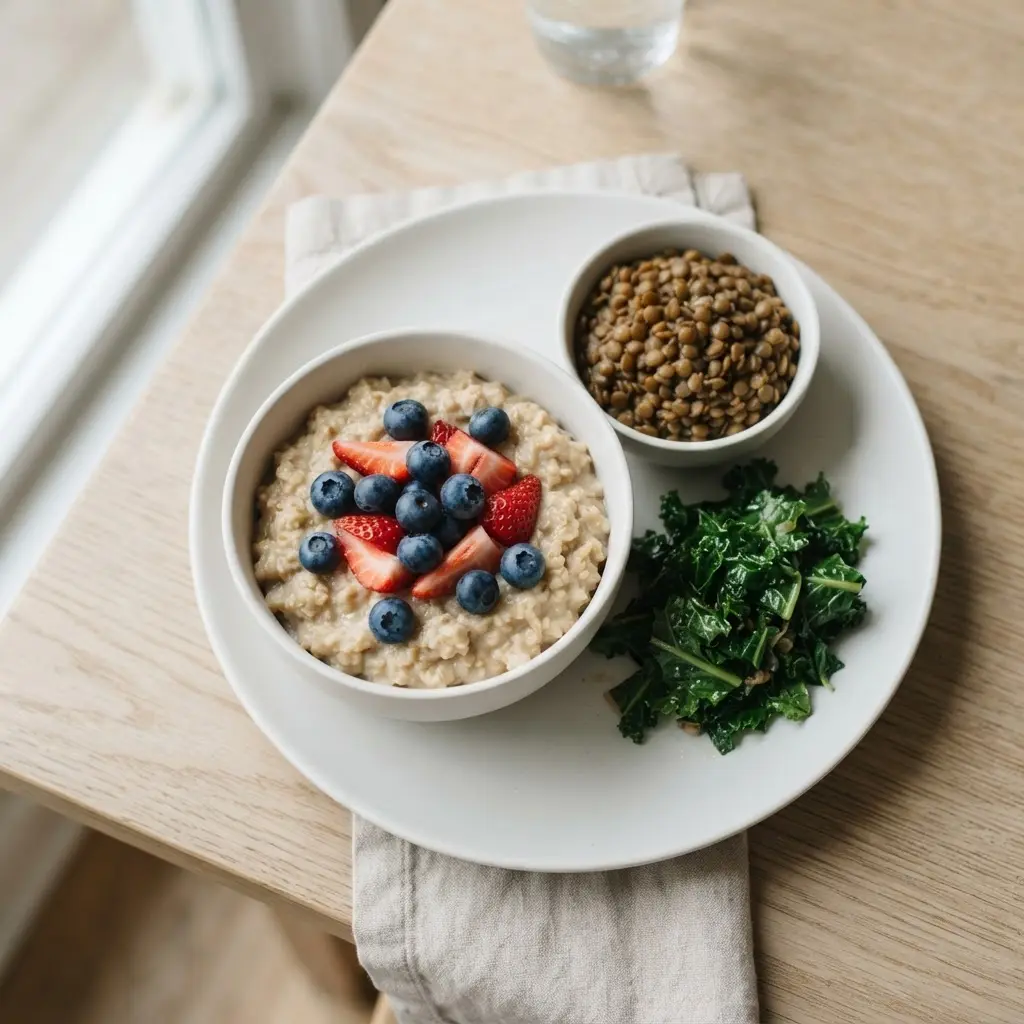
Replace refined grains and processed snacks with whole-grain foods first. Choose oats, barley, brown rice, quinoa, whole-wheat bread, or whole-wheat pasta. Fiber adds bulk to meals and slows digestion. Oats contain soluble fiber, which absorbs liquid and forms a gel-like substance during digestion. Ways to control your appetite rely on steady fiber intake.
Build meals around beans, lentils, chickpeas, vegetables, and fruit with edible skins. Add lentils to soup, beans to a salad, or berries and chia seeds to breakfast. Legumes provide fiber and protein, while nuts, seeds, and avocado add fiber with healthy fats. Research suggests fiber-rich meals support fullness between meals. Ways to control your appetite improve with these choices.
Increase fiber gradually over several days. Drink enough water and other suitable fluids as intake rises, since fiber absorbs water and a sudden increase may cause gas, bloating, or constipation. Check food labels for whole wheat or whole grain as the first ingredient, and choose products with about 3 to 5 grams of fiber per serving. Keep nuts and seeds to moderate portions because they are calorie-dense.
3. Consistent Daily Hydration Habits and Hunger Signals

At 10:30 in the morning, a snack urge can appear after several hours without a drink. Keep a reusable water bottle at your desk and take regular drinks through the day. A visible pitcher in the kitchen provides another reminder. Ways to control your appetite include simple hydration steps.
Connect drinking with fixed routines, such as waking, starting a meal, finishing exercise, and preparing for bed. Use phone reminders for the first few weeks, then keep the routine once drinking feels more automatic. Add fruit or herbs for flavour without relying on sweetened drinks. Ways to control your appetite benefit from daily consistency.
Pause before eating when the signal feels unclear. Check when you last ate and drank, then notice signs such as stomach rumbling, light-headedness, or difficulty focusing. Include water-rich foods among water-rich foods, including watermelon, strawberries, cucumbers, celery, lettuce, and low-sodium soups. Research suggests that separating thirst from hunger supports more deliberate eating decisions.
Use a 1–10 hunger scale. Eat around 3–4, when hunger is moderate, and stop around 5–6, when comfortably satisfied. Eat slowly, put utensils down between bites, and limit distractions. Always consult a healthcare professional before making changes to your health routine. Persistent headaches, faintness, or severe symptoms need professional assessment.
4. Mindful Eating Practice Techniques for Better Awareness

Mindful eating is not a strict diet or a test of willpower. The practice means paying attention to hunger, fullness, emotions, and the sensory details of food without judging your choices. Begin with a raisin exercise: study its shape, smell, weight, texture, flavor, and aftertaste before swallowing. Slowing one small bite trains attention during an ordinary meal. Ways to control your appetite grow through mindful pauses.
Remove screens and eat at a table. Take smaller bites, set your fork down after each one, and chew until the food feels smooth. Use 20 to 30 chews as a practice prompt, not a rigid rule, since foods differ. Notice color, aroma, sound, temperature, taste, and changes in texture. Pause before eating and rate physical hunger from 1 to 10. During the meal, notice signs of comfortable satisfaction. Ways to control your appetite connect to these quiet moments.
Ask whether stress, boredom, or sadness is shaping the urge to eat. Recognising an emotional trigger does not require denying food or criticising yourself. Research suggests mindful eating improves awareness of eating pace and satisfaction, which supports more deliberate appetite decisions. Practise one sense, one bite, or one quiet meal at a time.
5. Healthy Unsaturated Fat Sources in Balanced Meals
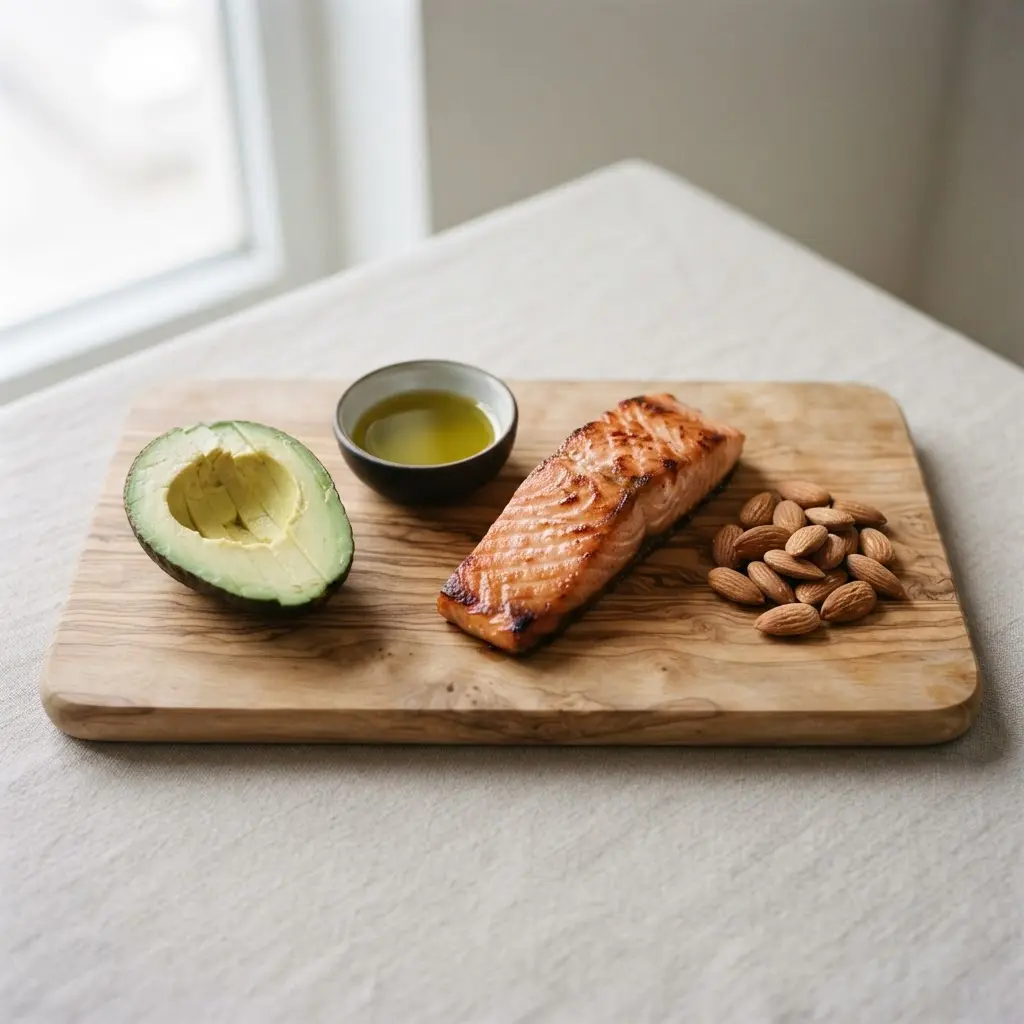
Which fats belong in a satisfying meal? Choose unsaturated fat sources such as avocado, olive oil, nuts, seeds, and fatty fish. Add a moderate portion beside lean protein, whole grains, fruit, or vegetables. Fat slows digestion and adds flavor, texture, and staying power to meals. Ways to control your appetite include choosing balanced fats.
Build a salad with vegetables, chicken, and avocado, or use extra virgin olive oil as a dressing. Top oatmeal or a whole-grain bowl with walnuts, chia seeds, flaxseeds, or sunflower seeds. Spread natural peanut, almond, or cashew butter on whole-grain toast. Select nut butters without added sugar or hydrogenated oils. Research suggests fatty fish such as salmon, mackerel, sardines, and trout support heart and brain health through omega-3 fats.
Include salmon or another fatty fish a couple of times per week within a varied eating pattern. Add edamame or soybeans to grain bowls for plant protein and unsaturated fat. Use olives in salads or vegetable dishes, while keeping portions moderate because unsaturated fats still contain concentrated calories. Pair each source with produce and complex carbohydrates rather than eating fat by itself. Ways to control your appetite rely on steady portions.
6. Adequate Quality Sleep Cycles and Appetite Signals

Good sleep supports appetite control better than relying on willpower after a short night. Maintain regular sleep hours and protect the latter part of the night, when sleep loss appears more likely to affect ghrelin, a hormone linked with hunger. Research has found daily intake rising by more than 250 calories in some sleep-restriction studies. Ways to control your appetite improve with rest.
Sleep loss affects more than hunger hormones. Ghrelin levels may rise, while leptin signals may become less reliable for reflecting energy balance. Food reward also becomes stronger, and decision control may weaken. These changes increase the pull toward extra snacks, especially late in the day. Keep a steady wake time to support circadian rhythm alignment. Ways to control your appetite follow your daily rhythm.
Later sleep schedules often shift eating toward the evening, when appetite and food-reward pressure may be stronger. Track whether a poor night leads to stronger evening hunger or larger portions. Research suggests appetite patterns follow the body clock, even when ordinary routines stay similar. Avoid frequent late-night schedules where possible. Individual responses differ, so sleep advice is not a diagnosis or a guaranteed method for managing body weight. Always consult a healthcare professional before making changes to your health routine.
7. Stress Reduction Methods for Hunger Management

Do not treat every craving as physical hunger. Stress, habit, and emotion often create an urge to eat without a need for food. Pause and rate your hunger before reaching for a snack. Notice stomach sensations, recent meals, and your current mood. Ways to control your appetite begin with this check.
Use slow breathing during a stress-related craving. Inhale through your nose, hold briefly, and exhale slowly through your mouth for several cycles. Follow the pause with mindful eating during meals. Remove screens, slow your pace, and notice fullness as you eat. Research suggests these steps support awareness of emotional eating triggers. Ways to control your appetite rely on calm focus.
Schedule regular movement through walking, yoga, tai chi, or another activity you enjoy. Record stressors, feelings, hunger sensations, and meals in a journal. Outdoor time, hobbies, and social support provide alternatives to eating during difficult moments. Avoid using exercise as punishment for eating.
Protect seven to nine hours of sleep each night. Poor sleep affects ghrelin and leptin, hormones linked with appetite and cravings. Practise one calming habit daily rather than expecting instant change. Seek support from a therapist when stress stays intense or disrupts eating patterns. Always consult a healthcare professional before making changes to your health routine.
8. Consistent Meal Timing Routines for Daily Structure

Start with regular meal windows for breakfast, lunch, and dinner. Choose times close to your usual schedule, then keep them similar from day to day. Eat breakfast within two hours of waking, even if the first meal needs to be modest. Use approximate windows rather than exact clock times, so work, travel, and changing hunger levels do not turn the routine into a rigid rule. Ways to control your appetite thrive on steady routines.
Schedule a balanced snack between meals when long gaps lead to intense hunger. Keep the final meal or snack 2–3 hours before bedtime. This spacing reduces the chance of eating from habit at night and gives the evening a clear stopping point. Drink water regularly between meals, but do not use hydration to ignore genuine hunger. Ways to control your appetite fit these gaps.
Research suggests a predictable eating pattern supports daily structure and helps some people avoid becoming overly hungry. Planned meals reduce last-minute food choices, while regular timing supports coordination between eating and sleep-wake patterns. Appetite still provides useful information, so shift the schedule during illness, unusual activity, or a demanding workday.
Review the routine if it causes discomfort, excessive hunger, or conflicts with sleep, work, medication use, or health needs. Meal timing varies with medical conditions, medicines, activity, and individual hunger patterns.
9. Strategic Portion Size Management Without Strict Restriction
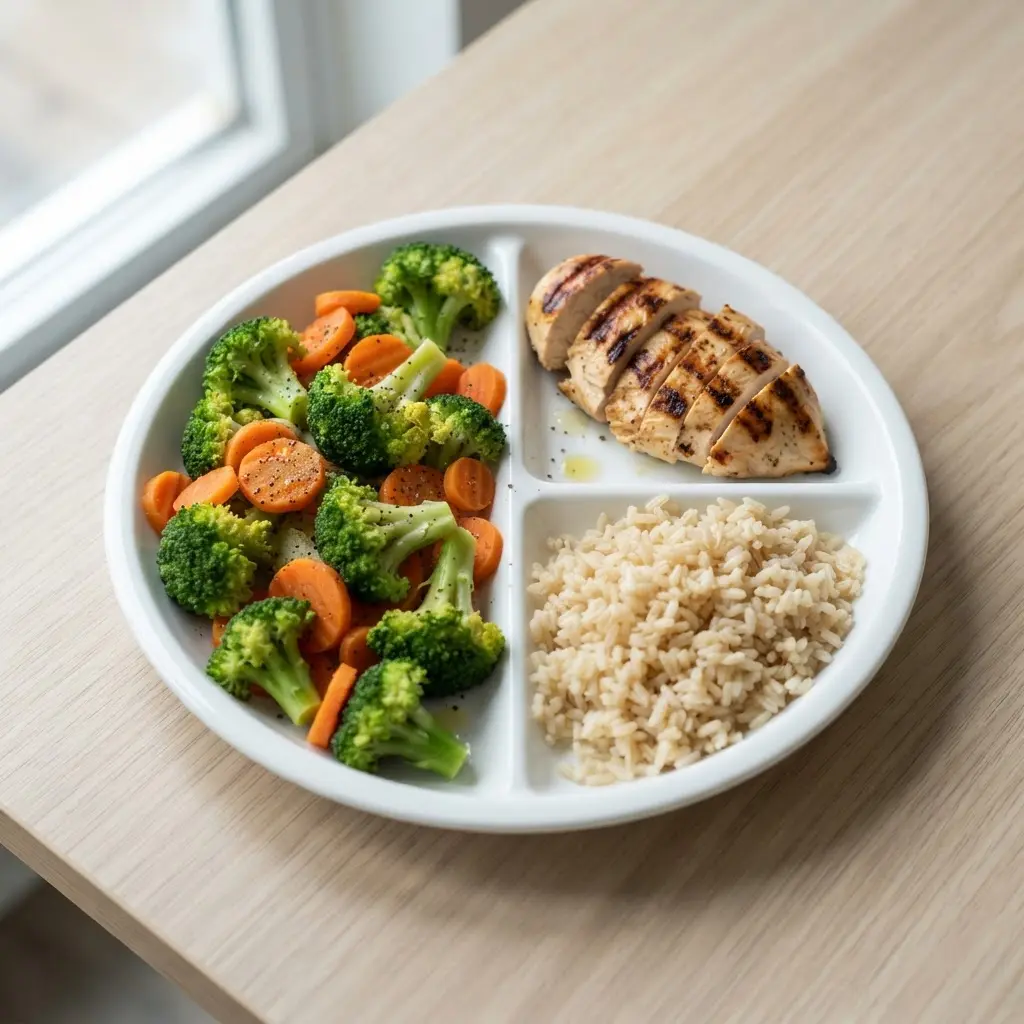
At 7 p.m., serve dinner onto a plate before sitting down, rather than eating from a large container. Start with a deliberate serving and place snacks into a bowl or small container. This gives you a clear view of the amount available. Ways to control your appetite work with visible plates.
Build meals around vegetables, fruit, whole grains, and lean high protein superfoods. Include protein and fiber because both add staying power and help meals feel more filling. Read package labels as guides, not personal requirements. A listed serving size does not dictate how much your body needs. Ways to control your appetite respect your body.
Remove phones and television during meals. Eat slowly, put your fork down between bites, and notice flavor, texture, and fullness. Research suggests slower, attentive eating gives fullness cues more time to register. Pause before taking more and check for physical hunger rather than habit or emotion.
Use pre-portioned snacks and choose water or unsweetened tea more often than sugary drinks. At restaurants, share an entrée or pack part of the meal before eating. Leave food behind once you feel comfortably satisfied. Portion needs vary with health conditions, medicines, activity, age, and personal goals, so seek professional guidance for individualized advice.
10. Processed Food Intake Limits for Everyday Balance

Not all processed foods are unhealthy. Processing includes simple changes such as baking, freezing, or canning. Wholemeal bread, baked beans, frozen vegetables, and low-sugar higher-fiber cereals may fit within balanced meals. Focus limits on ultra-processed choices high in added sugar, sodium, saturated fat, or refined carbohydrates. Ways to control your appetite balance these items.
Read the Nutrition Facts label before buying packaged food. Check serving size, added sugars, sodium, saturated fat, and the ingredients list. Keep sodium below 2,300 milligrams daily and saturated fat below 10% of daily calories. Build meals around vegetables, fruit, whole grains, and suitable protein sources. Aim for five daily portions of fruit and vegetables, plus two to four servings of whole grains within a 2,000-calorie pattern. Replace refined crackers, white bread, and packaged breakfast foods with fiber-rich choices. Choose home-prepared meals more often, while using canned or frozen produce with limited added sugar. Ways to control your appetite guide these swaps.
Research suggests higher-fiber meals with suitable protein support steadier appetite control and reduce reliance on snack foods. Reduce frequency and portion size rather than banning every packaged item. Always consult a healthcare professional before making changes to your health routine, especially with a medical condition, medication use, or a different calorie requirement.
11. Emotional Trigger Identification Tools for Craving Awareness

Why does a craving appear after an ordinary event? A trigger log often reveals the answer by linking the event with emotions, thoughts, memories, and body sensations. Ways to control your appetite include tracking these moments.
Create a personal inventory for seven days. Note what happened, how you felt, what you thought, and any physical signs, such as a tense jaw or empty feeling. Rate each craving by frequency and severity, then place the result on a simple grid. Record whether an episode follows an effort to eliminate sugar from diet, since strict food rules sometimes add emotional pressure. Ways to control your appetite grow from honest notes.
Use the STOP method when an early warning sign appears. Stop, breathe slowly, notice sensations and thoughts, reflect on the trigger, then choose a deliberate response. An ABC worksheet adds structure by separating the activating event, belief, and consequence.
Research on self-monitoring suggests repeated notes improve recognition of recurring patterns. Review entries once each week and look beyond the obvious event. A family meal, for example, might connect with sadness, conflict, or fear of missing out. Awareness does not remove every craving. Seek qualified support when cravings cause distress or involve disordered eating.
12. Scheduled Meal Planning Strategies for Easier Choices

Choosing dinner at 6 p.m. is easier than deciding while hungry at 6:30. Set a weekly meal schedule for three to seven days, using theme nights or familiar recipes. Assign meals and snacks before shopping. Fewer last-minute decisions leave more attention for balanced portions and hunger cues. Ways to control your appetite rely on this advance planning.
Check the pantry and freezer first. Build the grocery list from the plan, then prepare two or three components during a weekend session, such as chopped vegetables, cooked grains, or roasted chicken. Cook extra servings so dinner becomes lunch the next day. Keep eggs, sandwiches, or a frozen meal as a backup option for crowded evenings. Flexible planning prevents one missed meal from disrupting the schedule. Ways to control your appetite stay steady with backup meals.
Research on meal organization describes convenience and fewer decisions, not a direct appetite effect. Familiar choices become easier to follow when ingredients are ready and meals have a clear place on the calendar. Rotate recipes every week or two, and use seasonal produce for variety. Keep the plan practical rather than rigid. A simple template often works better than a schedule filled with elaborate dishes.
When Appetite Changes Need Clinical Evaluation
Unexplained appetite changes lasting more than a few weeks deserve a medical review, especially alongside rapid weight change, intense thirst, fatigue, or distress around eating. Prescription medicines, pregnancy, diabetes, thyroid disorders, depression, and other health conditions all affect hunger signals, so do not assume willpower explains a new pattern. A registered dietitian offers support by reviewing usual meals, symptoms, medications, and goals while protecting adequate nourishment. Ask a doctor or dietitian for help when eating feels out of control, restriction feels frightening, or guilt shapes most meals. Anyone with binge eating, purging, severe restriction, or fear of food needs compassionate care from an eating-disorder-informed professional rather than appetite suppression advice. Bring a brief record of hunger, meals, sleep, symptoms, and medication changes to make the appointment more useful. Ways to control your appetite require medical input when patterns shift suddenly.
Conclusion
Your hunger has a purpose, and caring for it does not mean giving up foods you enjoy. Ways to control your appetite work best when they fit your normal life. Start with one meal today. Add a clear protein source, a fiber-rich food, and water, then eat without a screen if possible. Notice how your body feels before and after eating, without judging yourself. Ways to control your appetite guide that first step.
Keep regular sleep and meal times when your schedule allows. If stress or emotions often lead to eating, write down what happened and what you needed in that moment. Small notes help you spot patterns. Persistent appetite changes, intense hunger, or eating concerns deserve support from a healthcare professional. Progress does not need perfection to matter. Choose one gentle step for today, and give yourself time to build a routine that feels steady and kind.
FAQs
Q: What foods help me feel full longer?
A: Meals with protein, fiber, and a small amount of unsaturated fat often feel more satisfying. Eggs, beans, lentils, oats, vegetables, fruit, fish, nuts, and seeds fit these needs.
Q: Is drinking water helpful for appetite?
A: Regular water intake supports normal body function and helps separate thirst from hunger. Keep water nearby and drink with meals and between them.
Q: How much protein should I eat for appetite support?
A: Protein needs differ based on age, health, body size, and activity. Include a protein food at meals and ask a healthcare professional for personal guidance.
Q: Why do I feel hungry at night?
A: Night hunger often follows skipped meals, light meals, poor sleep, stress, or strong food cues. Check your meal pattern and sleep routine before judging yourself.
Q: When should I seek help for appetite changes?
A: Speak with a healthcare professional when hunger changes persist, feel intense, or connect with distress around eating. Sudden changes with other symptoms also deserve prompt medical attention.