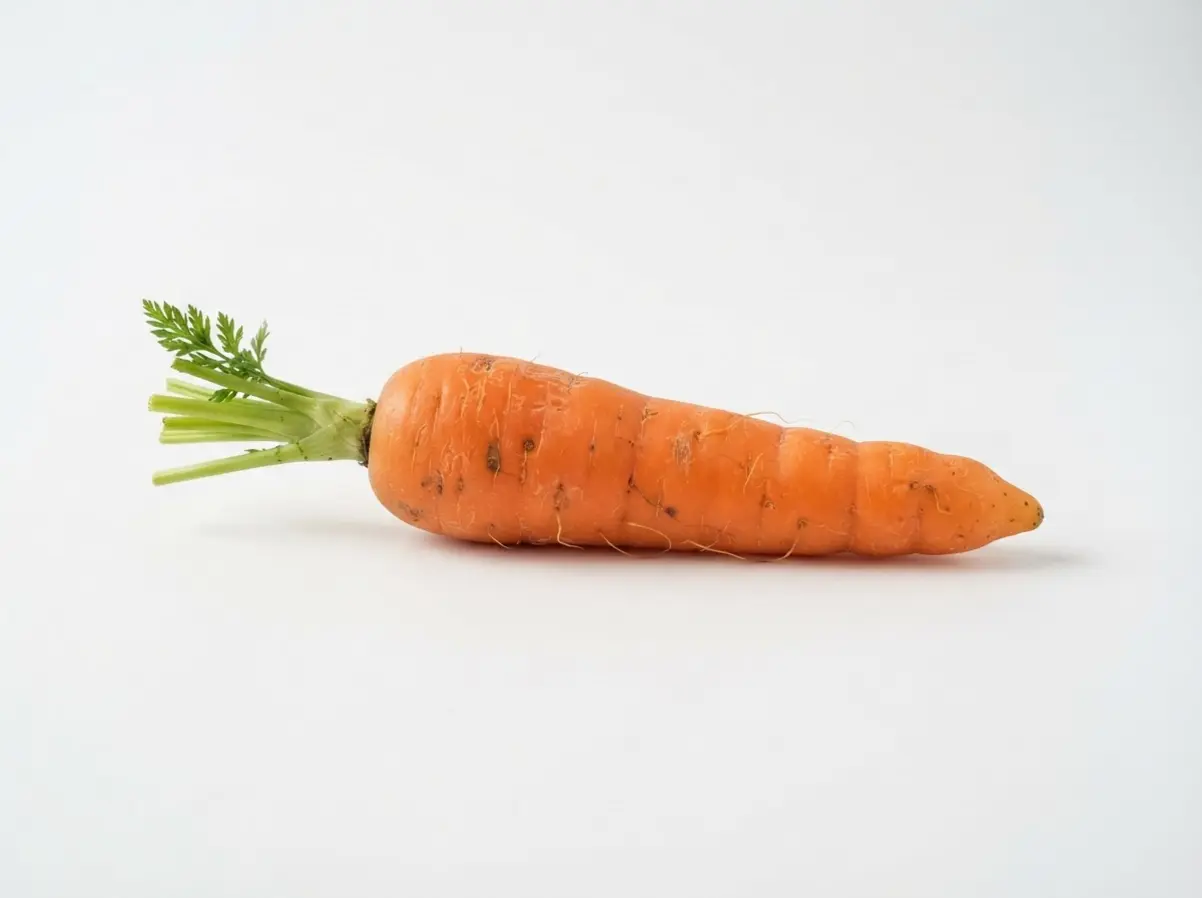
Are your vegetables limp, bland, or uneven after cooking? The main mistakes to avoid when preparing vegetables include skipping a thorough wash, using a dull knife, cutting uneven pieces, crowding the pan, storing produce beside ethylene-producing foods, and leaving the wrong items at room temperature. Small changes improve flavor, texture, freshness, and food safety. Remember the Mistakes to avoid when preparing vegetables before you turn on the stove.
Good prep starts before the pan heats. Rinse produce under running water, dry it well, and use a stable cutting board. A sharp knife supports clean cuts, while even pieces cook at a similar rate. Roomy pans also help vegetables brown instead of steam. Knowing the Mistakes to avoid when preparing vegetables saves you time and energy.
Storage matters too. Some produce belongs in the refrigerator, while other items keep better in a cool, dry spot. Let’s walk through six common errors and the simple habits that fix them. Put one tip into practice with your next meal and enjoy better vegetables from the start.
Selecting Undamaged Produce At Purchase
Skip bruised, slimy, or mold-marked vegetables at purchase because damaged areas spoil faster and raise food-safety concerns. Fresh firm produce should feel heavy for its size, with crisp stems, tight leaves, and unbroken skin. Avoid cut surfaces with dark edges, deep cracks, or wet patches, since these spots invite decay during storage.
For leafy greens, look for clean color and sturdy leaves rather than wilted edges. Roots should feel solid, not rubbery, while pods need a crisp snap and little browning. Checking the Mistakes to avoid when preparing vegetables helps you pick better items.
Pick florets with compact heads and even color, avoiding yellowing or loose sections. Smaller bruises on dense vegetables deserve prompt use after trimming, but mold, strong odors, or widespread softness call for discarding the item. A careful purchase reduces waste and keeps preparation safer.
Matching Preparation Order To Serving Time
Place dense vegetables in the pan before tender greens when one dish must finish together. Carrots, winter squash, and potato pieces need smaller cuts or extra cooking time, while spinach, peas, and sliced zucchini soften quickly. A wide skillet keeps pieces in contact with heat instead of trapping them in a crowded pile.
Match cut size across each group so one piece does not turn soft while another stays firm. Hold delicate herbs and leafy tops for the final moments, since early heat dulls their color and texture. Tracking the Mistakes to avoid when preparing vegetables keeps your dinner schedule on time.
If dinner timing shifts, keep prepared vegetables chilled in separate clean containers rather than leaving them on the counter. This separation also prevents moisture from tender greens from making firmer pieces soggy. Plan the pan by density, cut size, and serving time.
1. Inadequate Vegetable Washing Techniques for Cleaner Meals
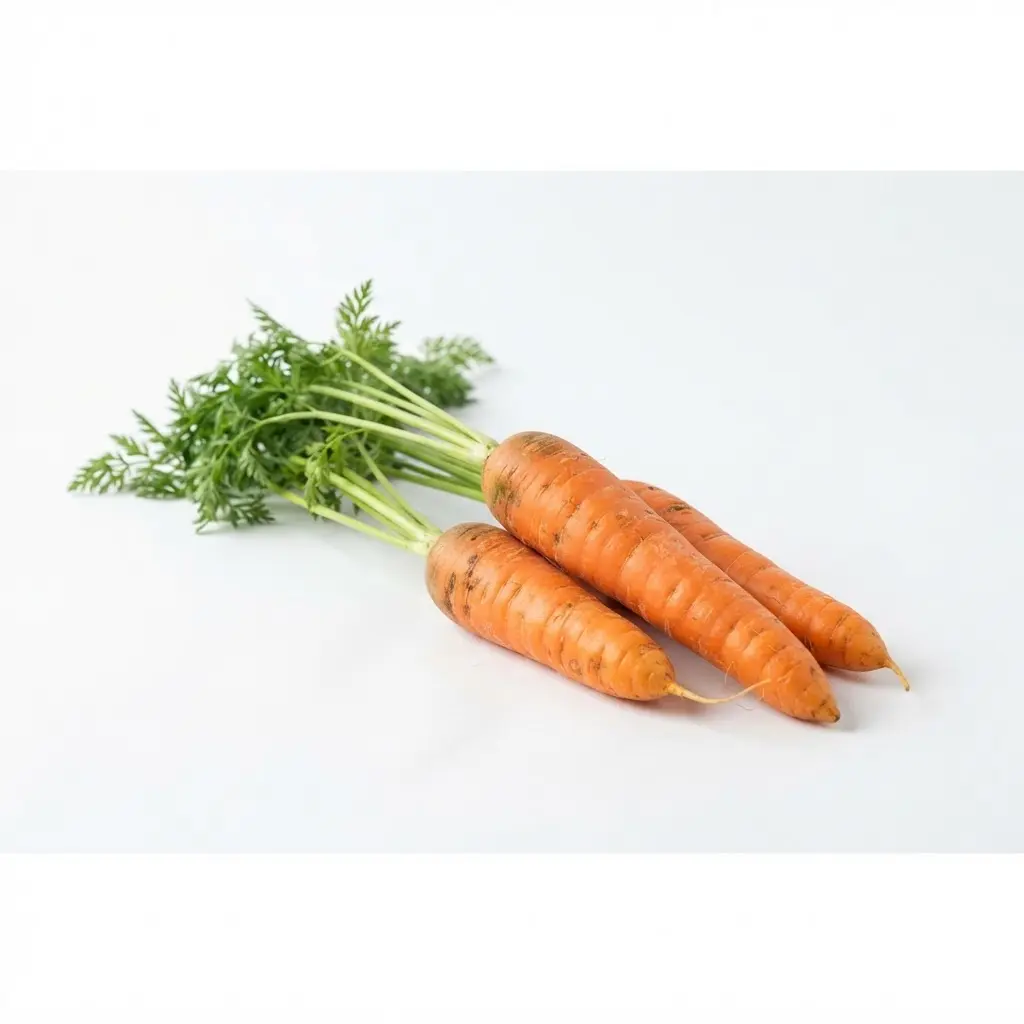
Rinsing only vegetables with visible dirt leaves unseen soil and microorganisms on the surface. Correct this mistake by washing every vegetable under running tap water. Avoiding the Mistakes to avoid when preparing vegetables keeps meals clean. Rub each surface gently.
Wash hands with warm water and soap for 20 seconds before and after handling produce. Clean the sink, colander, knife, and work surface before preparation. Wash firm vegetables before peeling. A contaminated skin or knife can transfer microorganisms to the inner flesh during cutting.
Scrub potatoes, cucumbers, and melons with a clean vegetable brush under running water. Remove bruised or damaged sections before eating or cooking. Keep leafy greens from staying packed together during washing.
Separate lettuce leaves, discard damaged leaves, and rinse each leaf individually. A clean bowl offers a safer soaking space than a sink basin. Brief soaking loosens soil, while rinsing removes loosened particles. Many cooks review the Mistakes to avoid when preparing vegetables to stay safe. Research supports washing produce under running water as a way to reduce surface contamination, though washing does not make vegetables sterile.
Do not use soap, bleach, detergent, or other chemicals on vegetables. Produce may absorb these substances, creating another health risk. Vinegar water might reduce some bacteria, yet the method does not replace a thorough rinse and might change taste or texture. Saltwater has not shown reliable cleaning benefits. Finish with a clean towel or salad spinner to remove excess moisture before storage or serving.
2. Dull Knife Blade Hazards and Safer Kitchen Prep
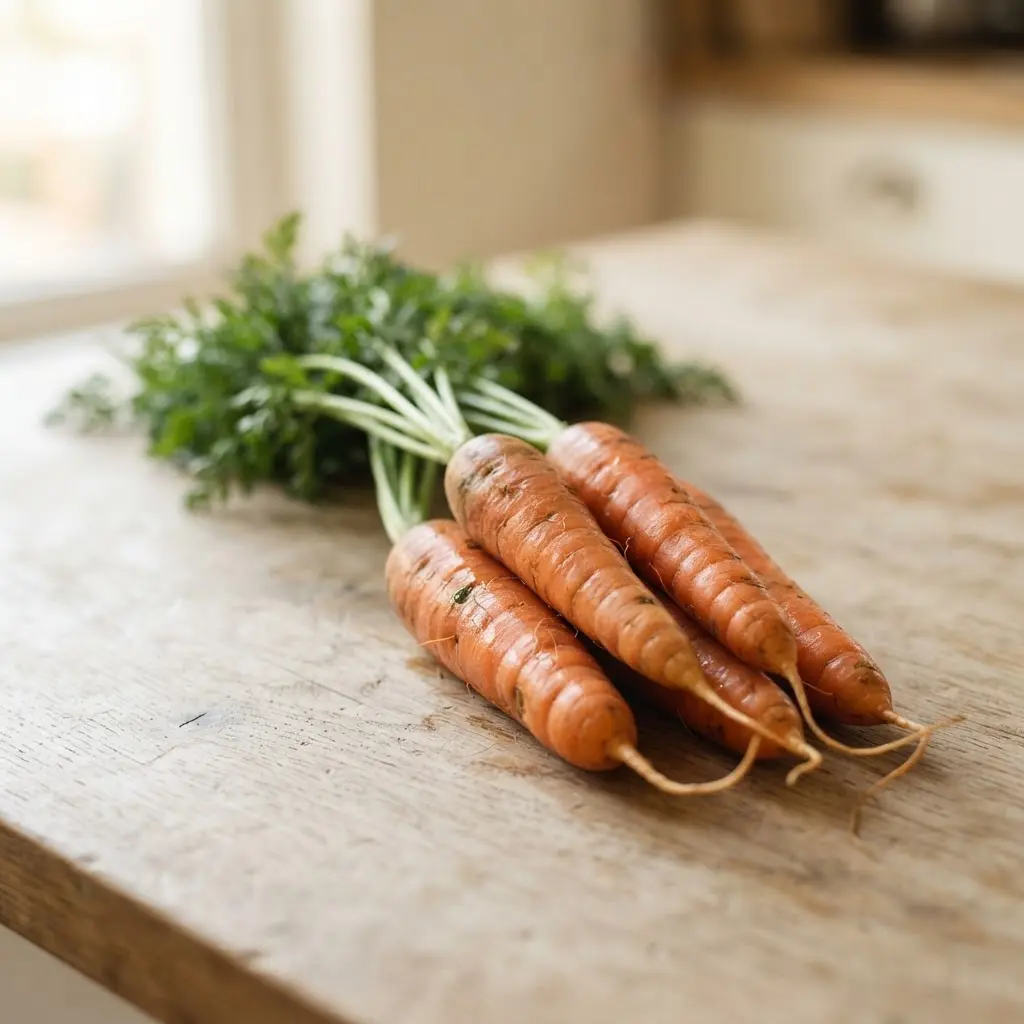
Start with a sharp knife before cutting vegetables. A dull blade does not grip the food surface well. The extra pressure needed to slice an onion or carrot increases the chance of a sudden slip. Watching the Mistakes to avoid when preparing vegetables keeps your hands safe. Sharp does not mean risk-free, so keep each cut slow and controlled.
Choose the right knife for the task. Use a chef’s knife for slicing and dicing, a paring knife for peeling, and a serrated knife for foods with tough surfaces. Place the blade on a stable wood or plastic board. Metal, plates, and countertops can dull the edge and make cutting less controlled.
Stabilize round vegetables before cutting. Halve an onion or tomato, then place the flat side against the board. Curl the fingers holding the food into a claw grip. Keep fingertips behind the knuckles, using the knuckles to guide the knife.
This position reduces direct exposure to the blade during repeated cuts. Reviewing the Mistakes to avoid when preparing vegetables builds kitchen confidence. Maintain the edge with a sharpening steel, and arrange professional sharpening when honing no longer restores cutting performance.
Hand wash knives with mild soap and hot water, then dry them from the handle toward the blade. Store each knife in a block, cabinet, or magnetic strip rather than loose in a drawer. Research suggests controlled movements and reduced force support safer food preparation, while distractions increase the chance of injury.
3. Inconsistent Cutting Size Methods for Even Cooking
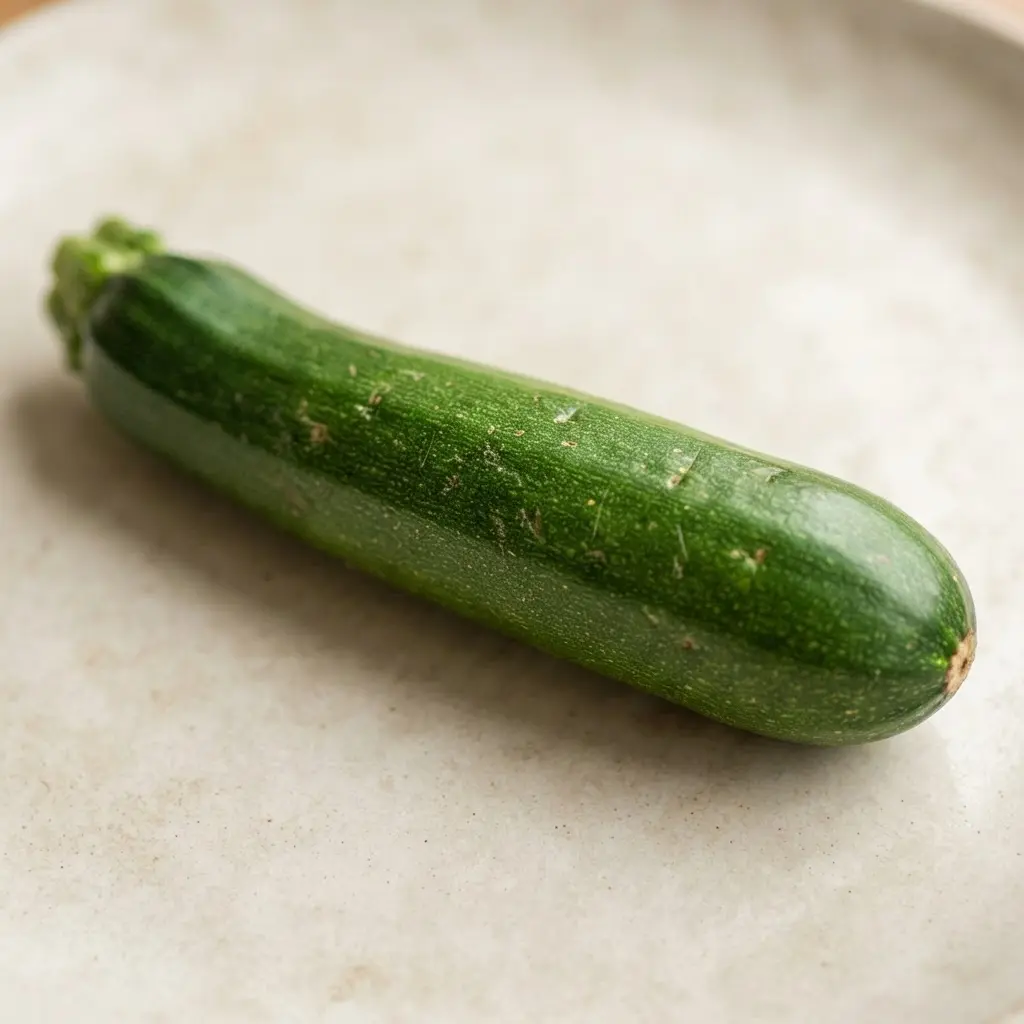
At dinner time, a tray of roasted vegetables often reveals uneven cuts first. Thin carrot pieces darken while thick pieces stay firm. Avoid this problem by choosing one target size before cutting. Noting the Mistakes to avoid when preparing vegetables makes dinner look better. A ½-inch dice suits stews, while a ¼-inch dice suits quick stir-fries.
Cut one reference piece and compare each new piece against it. Check the size during preparation so the pieces do not gradually drift larger or smaller. Match the cut to the practical healthy cooking advice. Small pieces suit fast, high-heat cooking. Larger pieces suit slow cooking, such as braising.
Prepare a stable cutting surface before you begin. Place a damp towel beneath the board to reduce movement. Cut one flat side from round vegetables so they rest securely. Use a sharp knife, a pinch grip, and a claw-like guiding hand. Remembering the Mistakes to avoid when preparing vegetables improves your technique. Dry vegetables and the blade first because moisture encourages slipping and ragged cuts.
Build cubes in stages with even planks and sticks. Slice planks first, cut those planks into sticks, then divide the sticks into cubes. Root vegetables often need smaller pieces than onions or peppers when all ingredients cook together. Adding slower vegetables earlier offers another way to balance cooking times.
Research on heat transfer shows why uniform pieces cook more evenly. Smaller pieces heat through faster, while larger pieces take longer to become tender. Many cooks find inconsistent sizes produce soft, overcooked pieces beside firm, undercooked ones. Precision is less important for stock, where a rough chop works well. Keep the cut size consistent whenever vegetables share one pan or pot for the same cooking time.
4. Pan Overcrowding During Sautéing and Better Browning
A full pan does not save time because vegetables shrink during cooking. Crowding traps the moisture released at the start. Steam replaces the dry heat needed for browning, leaving pieces pale, soft, and watery. The biggest Mistakes to avoid when preparing vegetables often involve a full pan. Arrange vegetables in a single layer with visible space between pieces.
Heat a wide skillet before adding oil and vegetables. Pat washed produce dry first, especially mushrooms or pieces from an un-drained can. Extra water creates steam and increases oil splatter. Keep the heat at medium-high or high, then lower the setting if the cut surfaces begin to scorch before the centers soften.
Research on cooking chemistry identifies the Maillard reaction as a key source of deeper color and savory flavor. Excess moisture slows this reaction, so many people find crowded vegetables less flavorful and less firm. Understanding the Mistakes to avoid when preparing vegetables explains why browning fails. Use cooking in batches whenever the pan cannot hold the vegetables comfortably.
Let the pan regain heat between batches, then transfer each browned portion to a clean plate. Do not stir constantly. Leave the vegetables still for a short period so each cut side stays against the hot surface long enough to develop color. Turn them occasionally to expose new sides, rather than moving every piece without pause.
Maintain undisturbed contact during the first stage of cooking. A little extra time gives each batch a browned exterior and more even texture.
5. Improper Ethylene Gas Management for Longer Freshness
One of the common Mistakes to avoid when preparing vegetables involves storage gases. Why do leafy greens wilt soon after storage? Ethylene exposure speeds ripening and quality loss. Apples, bananas, avocados, tomatoes, melons, pears, peaches, and other ripe stone fruits release this gas. Keep these foods away from leafy greens, broccoli, carrots, cucumbers, and berries.
Use separate crisper drawers when refrigerator space allows. Place ethylene-producing foods in one drawer and sensitive vegetables in another. Match each drawer to the needed humidity level, since separation alone does not protect produce from excess moisture. Avoid packing drawers tightly. Restricted airflow traps gas and moisture around food.
Skip airtight packaging for ethylene-producing produce. Concentrated gas speeds deterioration around the item. Choose perforated bags when suitable, and use paper towels around leafy greens to absorb excess moisture. Refrigeration slows respiration and ethylene production, but tomatoes and bananas often keep better flavor and texture when they ripen at room temperature first.
Inspect stored food every day or two. Remove overripe, moldy, or damaged items before they affect nearby vegetables. Commercial ethylene absorbers often contain activated carbon or potassium permanganate. Follow package directions, and keep each absorber away from direct food contact. Research on food storage supports separation, ventilation, and regular checks as practical ways to preserve quality and reduce food waste.
6. Incorrect Room Temperature Storage for Better Produce Quality
A cool, suitable storage spot preserves produce better than leaving every item on the counter. Use produce-specific storage because warm conditions increase respiration, speed ripening, and remove moisture. Leafy greens and many vegetables lose crispness quickly in warm, dry air. Keep items requiring cooler conditions away from heat sources and direct sunlight.
Match humidity to the food, not to the room. Many fruits and vegetables hold quality best at roughly 90–95% relative humidity, while onions and garlic need closer to 65–75%. High heat combined with low humidity causes dehydration, shriveling, and soft texture. Store onions and garlic in a dry, airy place rather than beside damp produce.
Colder storage is not always safer. Temperatures below 32°F cause freezing injury, leading to softening, water-soaked areas, and browning. Produce needing warmer conditions, often around 40–55°F, may develop chilling injury near freezing. Pitting, discoloration, decay, and surface scald sometimes appear only after the food returns to a warmer setting. Protect temperature-sensitive foods with stable storage temperatures.
Separate ethylene-producing foods from sensitive produce. Ethylene speeds ripening and quality loss, while onions and peppers may transfer off-flavors to apples and potatoes. Check stored foods often and remove damaged pieces before decay spreads. Postharvest science links proper temperature, humidity, and ethylene control with longer usable life, better texture, and less household waste. Treat room temperature as one storage option, not a universal rule.
Creating A Repeatable Vegetable Prep Routine
Keep cut vegetables in a clean refrigerator container and chill them before moisture, warmth, and time weaken their quality. Set out one clean cutting board for produce, wash your hands, and scrub firm skins under running water.
Do not use soap or detergent, since residues stay on porous surfaces and offer no safe cleaning benefit. Dry leafy greens well before storage, because excess water speeds wilting and spoilage. Keep damaged pieces apart from sound vegetables, and discard moldy items rather than trimming only the visible spot.
Use consistent cuts for cooking, then record which pieces needed more heat or less water. This small note helps you repeat successful results. Keeping the Mistakes to avoid when preparing vegetables in mind wraps up the process neatly.
Clean knives, sinks, and counters finish the routine and reduce cross-contamination during future preparation.
Conclusion
Fresh vegetables make everyday meals feel easier and more satisfying. When you wash, cut, cook, and store them with care, their color, flavor, and texture have a better chance to shine. Mastering the Mistakes to avoid when preparing vegetables makes every plate taste better.
Start with one simple change today. Wash produce before cutting, keep your knife sharp, and cut pieces close in size. Then give vegetables enough room in the pan and store each type in the spot it prefers.
These habits take little extra time once they become part of your routine. Your next meal is a good place to practice. Choose one vegetable, follow the steps with care, and notice the difference in the finished dish. Small kitchen habits add up to meals you feel proud to serve.
FAQs
Q: Should vegetables be washed before cutting?
A: Rinse whole vegetables under cool running water before cutting. Dry them with a clean towel to reduce excess moisture during cooking.
Q: Why does a sharp knife matter for vegetable preparation?
A: A sharp blade makes cleaner cuts and gives better control. It also reduces the force needed during slicing.
Q: How much space should vegetables have in a pan?
A: Leave a little space between pieces during sautéing. A crowded pan traps steam and limits browning.
Q: Which produce should stay away from bananas?
A: Broccoli, leafy greens, cucumbers, and other sensitive produce benefit from distance from ripe bananas. Bananas release ethylene gas, which speeds ripening in nearby items.
Q: Which vegetables belong in the refrigerator?
A: Most cut vegetables, leafy greens, carrots, and broccoli belong in the refrigerator. Potatoes, onions, and garlic prefer a cool, dry, dark spot.