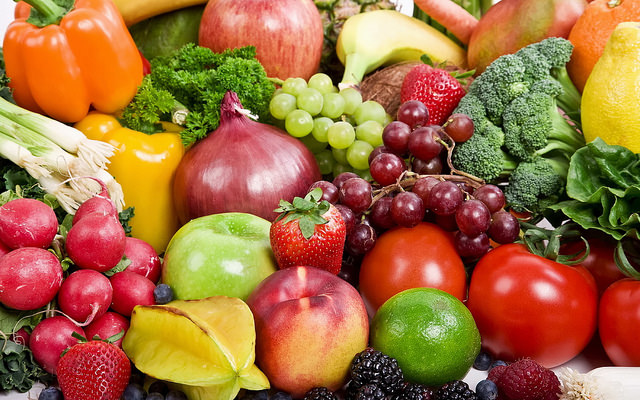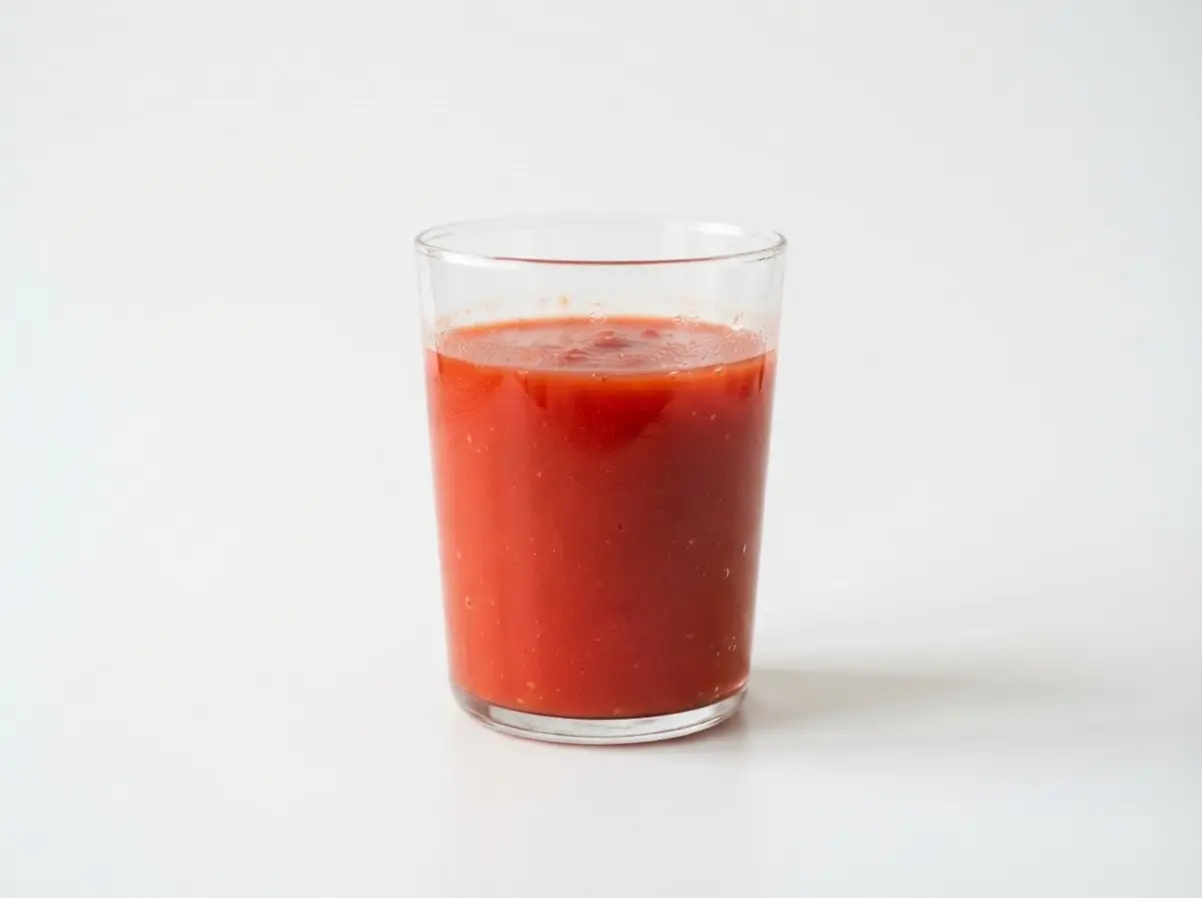
Wondering whether tomato juice deserves a place in your routine? Health benefits of tomato juice include lycopene, vitamin C, vitamin A, and potassium. These nutrients support normal cell protection, immune function, vision, and heart health. Processing tomatoes also helps your body absorb lycopene.
Choose a low-sodium juice for a better everyday option. I know juice labels often feel confusing, especially when salt and added ingredients appear near the top, and understanding the Health benefits of tomato juice clarifies your daily choices. This guide breaks down the nutrients in tomato juice, explains how lycopene works, and covers possible heart and cell benefits. You will also find simple ideas for soups, smoothies, marinades, and daily servings.
Reading Sodium Values Across Juice Labels
Check the Nutrition Facts label for sodium before choosing tomato juice, since a 240-milliliter serving often varies widely between brands. Tracking sodium helps you fully appreciate the Health benefits of tomato juice without excess salt. A lower-sodium version near 140 milligrams per serving suits people limiting salt, while regular versions sometimes approach a large share of the daily value. The phrase “100% tomato juice” describes juice content, not a low sodium level.
Compare serving sizes carefully, since one bottle might contain two servings. Ingredients such as tomato concentrate, water, salt, and seasonings reveal why two red juices taste different, which directly impacts the Health benefits of tomato juice you expect. Choose unsalted juice when you want control, then add lemon, pepper, celery, or herbs at home. People with high blood pressure or kidney concerns should ask a healthcare professional about personal sodium needs.
Pairing Lycopene With Dietary Fat
Pair tomato juice with a small amount of olive oil or avocado to support absorption of its fat-soluble lycopene, which maximizes the Health benefits of tomato juice. Lycopene is a carotenoid, a plant pigment linked with tomato’s red color and antioxidant activity. Heating tomatoes during processing also breaks down plant tissue, which helps release lycopene from the fruit. You do not need a large amount of fat, so a spoonful of olive oil in a savory drink or a few avocado slices beside lunch fits easily into a balanced meal.
Nuts, seeds, eggs, and plain yogurt provide other fat sources for the same purpose. Keep portions reasonable, because added ingredients change the drink’s calories, yet the core Health benefits of tomato juice still apply. This pairing supports nutrient absorption, but it does not prove a specific disease benefit.
1. Lycopene and Antioxidant Power in Tomato Juice
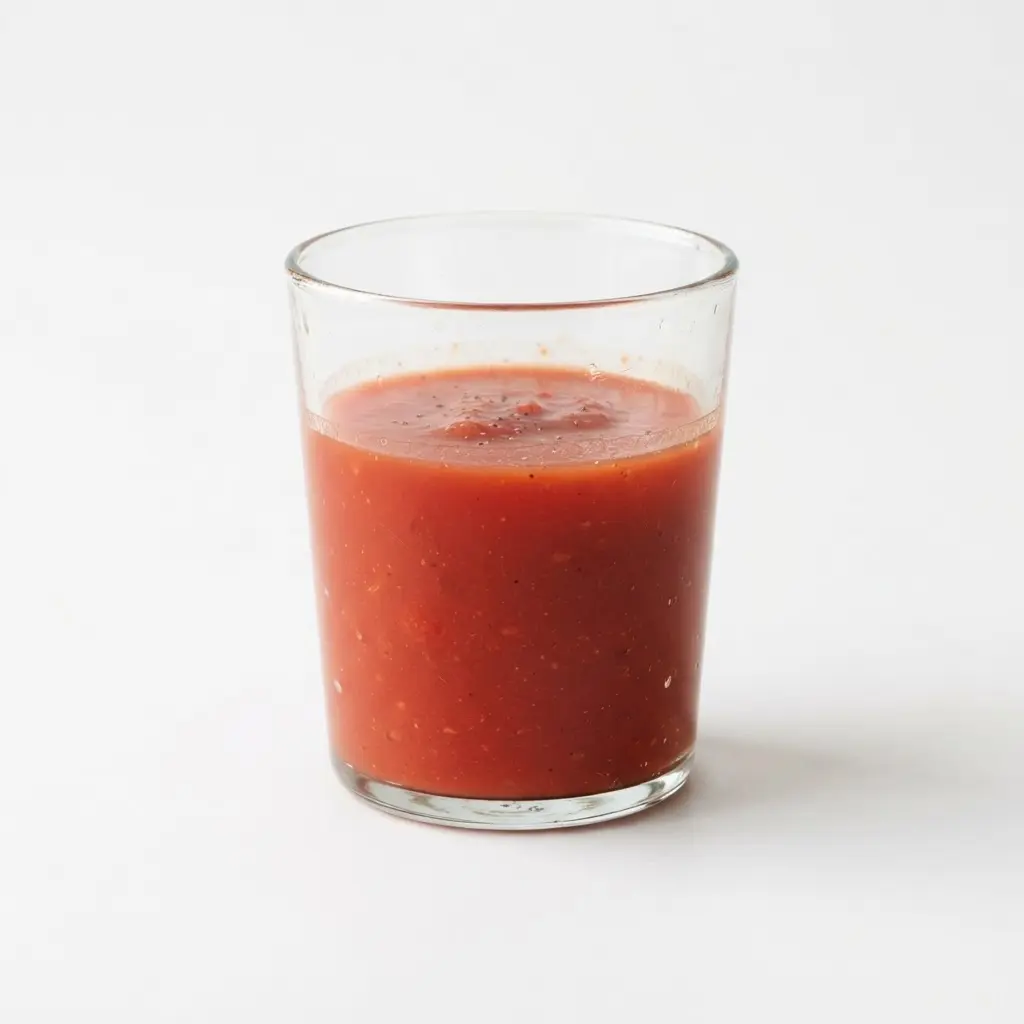
A common mistake is treating lycopene as the only useful compound in tomato juice. Lycopene is a red antioxidant pigment, but vitamin C, phenolic compounds, and other tomato nutrients add to the drink’s overall antioxidant activity, supporting the Health benefits of tomato juice. Heating tomatoes changes the form of lycopene and sometimes makes absorption easier.
In one processing setting, heating at about 72°C for 15 seconds supported lycopene content and colour. Pair tomato juice with a meal containing some dietary fat, since fat supports lycopene absorption. Intensive heat treatment can lower vitamin C, so more heating is not always better. Research has reported reductions in markers linked with oxidative stress and inflammation.
These markers include total cholesterol, C-reactive protein, and TBARS, and tracking them highlights the Health benefits of tomato juice. Vitamin C-fortified juice showed greater antioxidant capacity in some research. These findings do not prove disease prevention or guaranteed changes in cholesterol, CRP, or oxidative stress. Choose a processed tomato juice and review the label for added sodium and vitamin C.
2. Essential Vitamin and Mineral Profile

Check a USDA food-composition database before counting tomato juice toward daily vitamin or mineral intake. The research supplied for this section does not verify a nutrient table for this drink, though the Health benefits of tomato juice rely on accurate tracking. A database entry gives values for a stated serving, often 1 cup, while packaged products may use a different serving size.
Read the full label before choosing a bottle. Processing affects the final profile, and added salt can raise sodium above the level found in a low-sodium product, which changes the Health benefits of tomato juice you experience. Fortified juice might contain added nutrients absent from a standard product. Compare serving size, sodium, vitamin listings, and mineral listings rather than treating every bottle or carton as equal.
This check matters because research-based guidance depends on measured amounts, not assumptions about color or flavor. A verified label shows the listed amounts for nutrients named on the package, while avoiding claims about guaranteed outcomes, so you truly grasp the Health benefits of tomato juice. Choose an unsalted or lower-sodium option when sodium intake is a concern, and record the serving size used for any diet review. Always consult a healthcare professional before making changes to your health routine.
3. Cardiovascular and Heart Health Benefits

At 7 a.m., you pour a glass of tomato juice beside breakfast and wonder whether the drink supports your heart. Current research does not establish direct cardiovascular benefits from tomato juice, though the Health benefits of tomato juice remain a popular topic. The available evidence focuses on regular physical activity, not this beverage, its sodium level, or its serving size. Treat the drink as part of your diet, not as a replacement for exercise or medical care.
Schedule at least 150 minutes of moderate aerobic activity each week, or 75 minutes of vigorous activity. Add muscle-strengthening sessions on two days, as movement supports the Health benefits of tomato juice when paired with exercise. Regular movement lowers resting and ambulatory blood pressure. It also supports higher HDL cholesterol, lower triglycerides, healthier blood sugar control, and weight management.
These changes relate to lower cardiovascular disease and heart attack risk. Regular physical activity has stronger support than a beverage alone, yet you still value the Health benefits of tomato juice for daily routines. Research suggests these habits also reduce C-reactive protein, an inflammation marker linked with heart disease. People with an existing heart condition need medical guidance before starting or changing an exercise routine. Always consult a healthcare professional before making changes to your health routine. Choose tomato juice according to your wider dietary needs, while treating exercise as the proven heart-health measure described by the research.
4. Anti-Inflammatory Properties and Oxidative Stress

A common belief says antioxidant drinks treat inflammation. The truth is narrower: tomato juice supplies plant compounds linked with antioxidant activity, which ties into the Health benefits of tomato juice, while human evidence does not confirm prevention or treatment of chronic inflammatory disease. Oxidative stress develops when reactive oxygen species outpace the body’s ability to neutralize them. Excess reactive oxygen species damage cell parts and support inflammation-related processes.
Oxidative stress describes this imbalance. Polyphenols and other compounds act through several possible pathways. They scavenge reactive oxygen species, support glutathione balance, and influence enzymes such as COX and LOX, which connects to the Health benefits of tomato juice you read about. These enzymes help produce inflammatory messengers.
Polyphenols also influence signaling proteins, including NF-κB and AP-1, which regulate inflammatory gene activity. Laboratory findings often come from purified extracts rather than an ordinary serving of tomato juice, but you still notice the Health benefits of tomato juice over time. Antioxidant defenses work within a wider biological system. Studies measure ROS, lipid peroxidation, glutathione ratios, nitric oxide, or markers such as C-reactive protein.
Research suggests antioxidant-containing drinks fit within a balanced eating pattern, not a treatment plan. Choose tomato juice with limited added sugar and keep portions consistent with your dietary needs, recognizing the Health benefits of tomato juice in moderation. Always consult a healthcare professional before making changes to your health routine. Balanced diet remains the practical foundation.
5. Cellular Protection and DNA Health
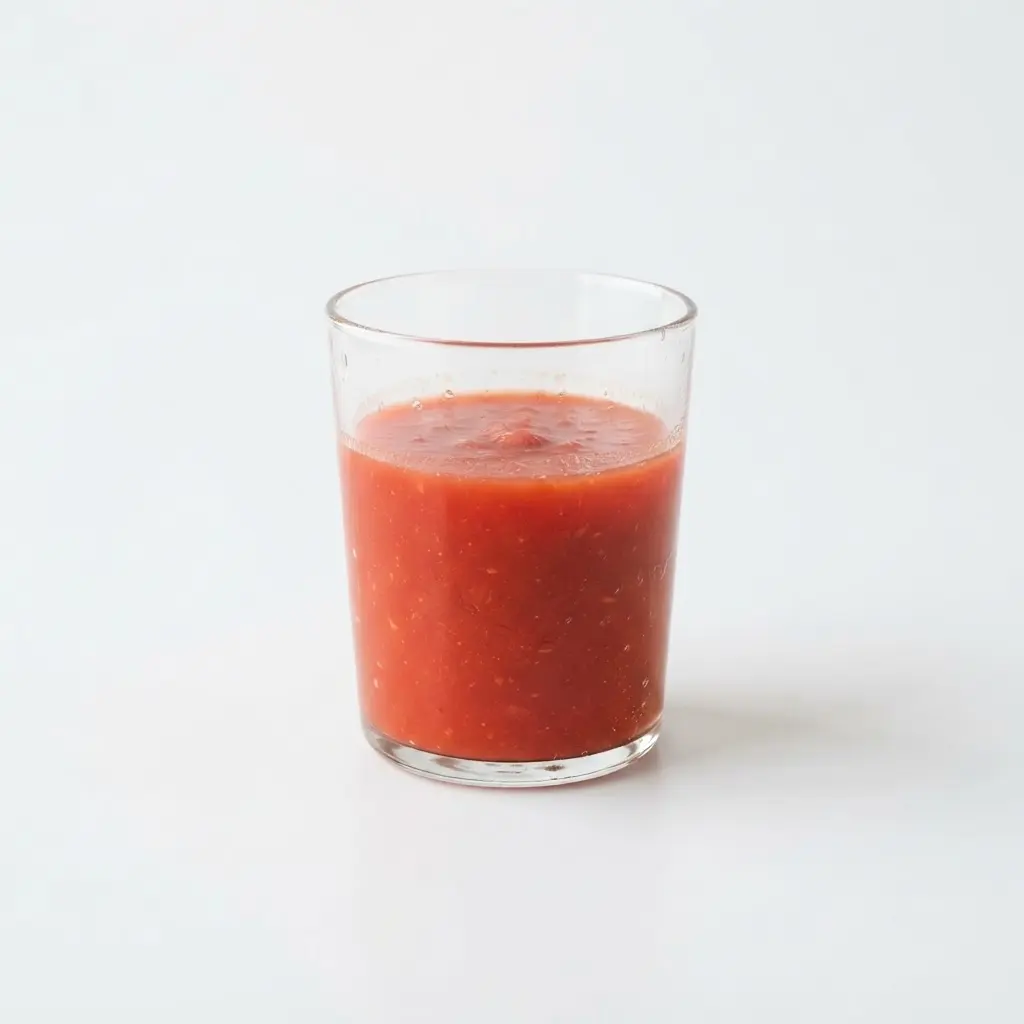
Does tomato juice protect DNA? Not by itself. Its main relevant compound, lycopene, supports the body’s antioxidant defenses, aligning with known Health benefits of tomato juice. Oxidative stress occurs when free radicals outnumber the body’s defenses, and this imbalance damages DNA. Tomato juice supplies lycopene, but it does not replace the cell systems that repair damage.
Cells maintain genomic stability through several DNA repair pathways. Base excision repair corrects certain damaged DNA bases. Nucleotide excision repair removes damaged sections, while mismatch repair corrects copying errors. These pathways work continuously, rather than after a single serving of juice, so the Health benefits of tomato juice act as gentle support. Vitamins C and E, folate, B12, selenium, and zinc also contribute to DNA metabolism and cell maintenance.
Research suggests a varied diet supplies broader support than one beverage. Choose tomato juice as one source of lycopene, and pair it with vegetables, beans, nuts, whole grains, and other nutrient-rich foods. Do not treat antioxidant content as proof of cancer prevention, slower ageing, DNA repair, or protection from degenerative disease. Evidence for these claims remains insufficient, which keeps the Health benefits of tomato juice grounded in reality.
6. Sodium Content and Label Awareness
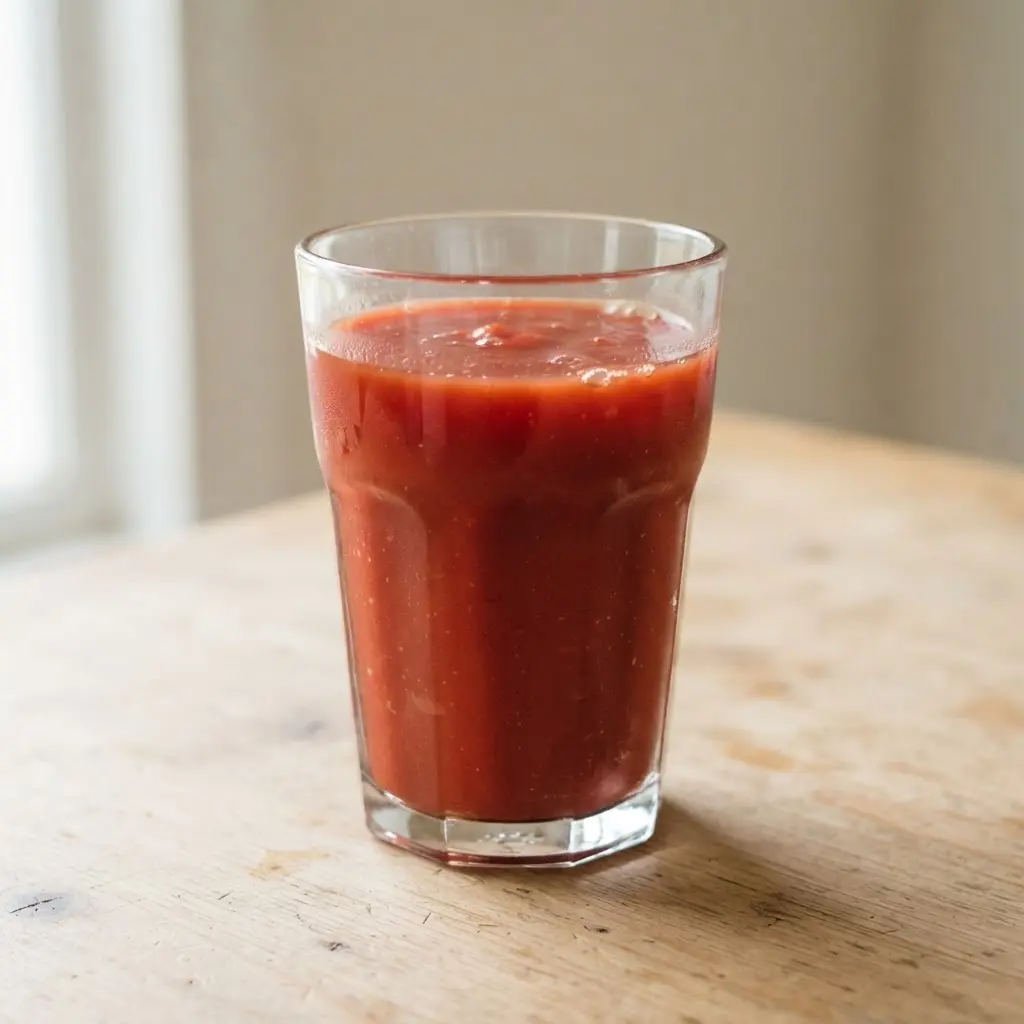
Regular tomato juice deserves a closer label check than an unsalted or reduced-sodium version, because products vary in formulation. Start with the Nutrition Facts panel. Read the sodium amount beside the serving size, then check how many servings the bottle contains. A single container often holds more than one serving, so drinking the full bottle changes the total sodium consumed, altering the Health benefits of tomato juice.
Compare products using the same serving size. Do not compare one label per cup with another label for a smaller portion. Look for terms such as reduced-sodium, low-sodium, or no-salt-added, then confirm the actual number on the panel. These phrases describe product formulation, but they do not replace reading the label, especially when tracking the Health benefits of tomato juice.
Sodium needs differ among people, especially those following advice for blood pressure or kidney health. Research links excess sodium intake with health concerns, so label checks support a more informed choice. Choose the lower-sodium option when comparable products meet your taste and nutrition needs. Track the amount poured into a glass rather than relying on the bottle size, keeping the serving information visible until the comparison is complete. This simple habit prevents a common error: treating the whole container as one serving or assuming a reduced-sodium claim means sodium-free. Always consult a healthcare professional before making changes to your health routine.
7. Culinary Uses for Tomato Juice in Soup Bases

A common mistake is treating tomato juice like neutral stock. Correct that approach by using tomato juice as the base only when a pronounced tomato flavor suits the dish. The juice brings tang, slight sweetness, color, and savory depth, which enhances the Health benefits of tomato juice through better meal variety. Mix the juice with vegetable broth for a gentler flavor and a lighter balance.
For homemade tomato soup, replace crushed tomatoes and part of the broth with tomato paste for deeper flavor. Use a roux or cream for a thicker texture. Simmer the soup for about 20 minutes so the flavors blend and the liquid develops more body. Tomato juice serves as a useful liquid for bean soups, vegetable stews, and braised chicken, beef, or tofu. Natural acidity adds brightness while gentle cooking softens the overall taste. Culinary practice shows why this matters: one ingredient supplies liquid, tomato flavor, and acidity in a single step, making the Health benefits of tomato juice easier to include in cooking.
Prepare gazpacho with cucumber, bell pepper, red onion, garlic, vinegar, and olive oil. Freeze leftover juice in ice cube trays, then add the cubes to future soups or stews without introducing much extra liquid. This approach reduces waste and keeps a ready tomato flavor available for later cooking.
8. Tomato Juice in Nutrient Smoothies

Start with 8 ounces of tomato juice as the liquid base for a nutrient smoothie. Choose a reduced-sodium or low-sodium product first, since sodium levels differ widely among brands, which protects the Health benefits of tomato juice from excess salt. Pour the juice into the blender before adding vegetables, fruit, or other ingredients. The sweet-tangy flavor suits savory blends with cucumber, celery, leafy greens, or herbs.
An 8-ounce serving provides about 22,400 micrograms of lycopene, 124 milligrams of vitamin C, 491 milligrams of potassium, and 0.99 grams of fiber. Tomato juice also supplies small amounts of several B vitamins and minerals. Research indicates its lycopene form is absorbed more easily than lycopene from whole tomatoes, boosting the Health benefits of tomato juice in blended drinks. Add a source of dietary fat, such as avocado or plain yogurt, to support lycopene absorption.
The other ingredients determine much of the smoothie’s added fiber and nutrient content. Research associates lycopene intake with antioxidant activity and possible links to lower inflammation and heart disease risk, but these outcomes are not guaranteed. Treat tomato juice as one part of a varied diet, not as a replacement for whole vegetables. Always consult a healthcare professional before making changes to your health routine.
9. Preparation for Savory Marinades
At 6 p.m., prepare a tomato-juice marinade before placing dinner in the refrigerator. Combine three parts oil with about one part acidic liquid, then add salt, garlic, herbs, and spices. Use a mixing bowl to distribute the seasonings evenly. This kitchen step aligns with the Health benefits of tomato juice by adding flavor without heavy sauces.
Increase surface area by slicing meat into thin strips, pounding cutlets, or scoring the surface about 1/8 inch deep. Coat every side, then seal the food in an airtight container or resealable bag. Keep the container refrigerated for at least 60 minutes. Fish needs much less time than meat, while excessive exposure to a highly acidic mixture may create a soft, mushy exterior.
Research on marinades shows their strongest effect occurs at the surface, so thorough coating matters more than expecting deep penetration. Dab off extra liquid before open-flame grilling to reduce burning. Treat raw-contact marinade as unsafe for direct use as a sauce. Boil it for at least 30 seconds before serving. This preparation adds savory flavor, not a guaranteed health benefit from the juice itself, but you still enjoy the Health benefits of tomato juice in your meals.
10. Strategies for Balanced Daily Consumption

A glass of tomato juice does not count as a complete meal. Balanced intake means fitting the drink into a varied eating pattern, not using it to replace foods from other groups, which helps maintain the Health benefits of tomato juice long-term. Build meals around dietary variety, including whole grains, vegetables, fruit, protein foods, and healthy fats.
Plan tomato juice with a meal or snack instead of drinking it automatically while distracted. Drink slowly, then check hunger and fullness before taking more. Pair the beverage with foods such as eggs and whole-grain toast, lentils with avocado, or tofu with vegetables and rice. Many people find regular meals reduce extreme hunger and rushed food choices.
Review the label before buying packaged juice. Check sodium, added sugars, and fats, since products differ, which protects the Health benefits of tomato juice from hidden ingredients. Keep water in your daily fluid routine, especially during activity or warm weather. No universal daily serving suits every person.
Adjust intake one or two changes at a time. A registered dietitian can match portions and food choices to your health needs, medicines, activity, and nutrition goals. Always consult a healthcare professional before making changes to your health routine.
Pairing Juice With Whole Vegetable Foods
Pair one small glass of tomato juice with whole tomatoes or another vegetable serving to bring fiber back into the meal. Juicing removes much of the tomato’s natural fiber, while chewing intact vegetables slows eating and adds texture, complementing the Health benefits of tomato juice perfectly. A breakfast plate with eggs, sliced tomatoes, and unsalted juice offers lycopene, vitamin C, and potassium without relying on the drink alone. At lunch, add cucumber, leafy greens, or roasted peppers beside a modest glass. Check the juice label for added salt, then let the rest of the meal supply flavor through herbs, citrus, or vinegar. This pattern supports a vegetable-rich diet and keeps juice in a sensible portion. Whole produce also requires chewing, which helps your meal feel more filling than juice alone.
Conclusion
Tomato juice fits well into a balanced eating pattern when you choose a simple recipe and keep serving size in mind. The Health benefits of tomato juice come from nutrients such as lycopene, vitamin C, vitamin A, and potassium, and they work best alongside everyday movement and rest. These nutrients support everyday body functions, while a low-sodium choice helps limit extra salt.
Start with the label. Look for tomato juice with little or no added salt, and compare serving sizes before pouring a glass. Homemade juice gives you more control over ingredients, though store-bought low-sodium options also fit many routines. Pair your drink with eggs, beans, whole-grain toast, or a fresh meal for better balance. If you have a health condition linked to sodium or potassium, ask a qualified health professional which option suits your needs. A small, thoughtful choice at your next grocery trip is a simple step toward a more nourishing routine.
FAQs
Q: Is tomato juice good for everyday drinking?
A: Tomato juice fits an everyday routine when portions and sodium levels suit your needs. Choose a low-sodium variety and pair it with balanced meals rather than relying on juice as a main food.
Q: Does tomato juice contain a lot of sodium?
A: Some packaged tomato juices contain a high amount of sodium. Read the nutrition label, compare brands, and select a low-sodium or no-salt-added option when appropriate.
Q: Does cooking increase lycopene absorption from tomatoes?
A: Heating and processing tomatoes often improve lycopene absorption. Drinking tomato juice with a meal containing a small amount of healthy fat also supports absorption.
Q: Is tomato juice useful after exercise?
A: Tomato juice contains fluid and potassium, along with other nutrients. It lacks the full mix of carbohydrate, protein, and fluid often needed after longer or harder exercise, so pair it with a balanced snack.
Q: Who should limit tomato juice?
A: People following a sodium-restricted or potassium-restricted eating plan need extra care with tomato juice. Ask a qualified health professional about a suitable type and serving size.