Have you ever wondered why two Indian meals with similar spices taste so different? Things you might not know about indian food include its regional variety, trade-shaped ingredients, scientific spice pairings, and cooking customs tied to family and faith. Naan has Central Asian roots, tikka masala has a Scottish restaurant story, and sugar processing began in ancient South Asia.
If you know Indian food mainly through restaurant menus, you have seen only a small part of its story. When exploring things you might not know about indian food, you will notice how ingredients arrived through trade. Ingredients arrived through trade, local crops shaped regional meals, and cooking methods grew from climate, religion, and family life.
South Indian rice meals differ from Kashmiri feasts, while Persian influence helped shape saffron traditions. These facts add context without taking away the pleasure of eating. Let’s look at 11 details worth knowing, then bring one new idea to your next meal.
Reading Indian Cuisine Through Regional Identity
Kerala’s use of coconut, tamarind, and fermented rice batter shows why geography matters more than a single national label. The humid coast supports coconut palms, fishing communities, and foods with sour, fresh flavors. As you study things you might not know about indian food, notice these local patterns.
Inland Rajasthan faces a drier climate, so cooks have long relied on millet, beans, dairy, and preserved ingredients. Punjab’s wheat-based breads reflect farming patterns unlike Bengal’s rice and fish traditions. Religion and community practice also shape everyday meals, including vegetarian cooking, fasting foods, and festival dishes.
Even the word spice needs context because cumin might add earthiness, while cardamom adds fragrance and chilies bring heat. Reading menus by region helps you connect ingredients with place, history, and household custom. Regional food traditions give each dish a clearer meaning beyond broad labels.
Recognizing Local Names Beyond Restaurant Menus
A menu label such as curry tells you far less than a local name like sambar, korma, or avial. Sambar usually refers to a lentil and tamarind preparation from South India, while avial combines vegetables with coconut and yogurt in Kerala cuisine. Regional cooks shape each korma with different spices, textures, and cooking fats.
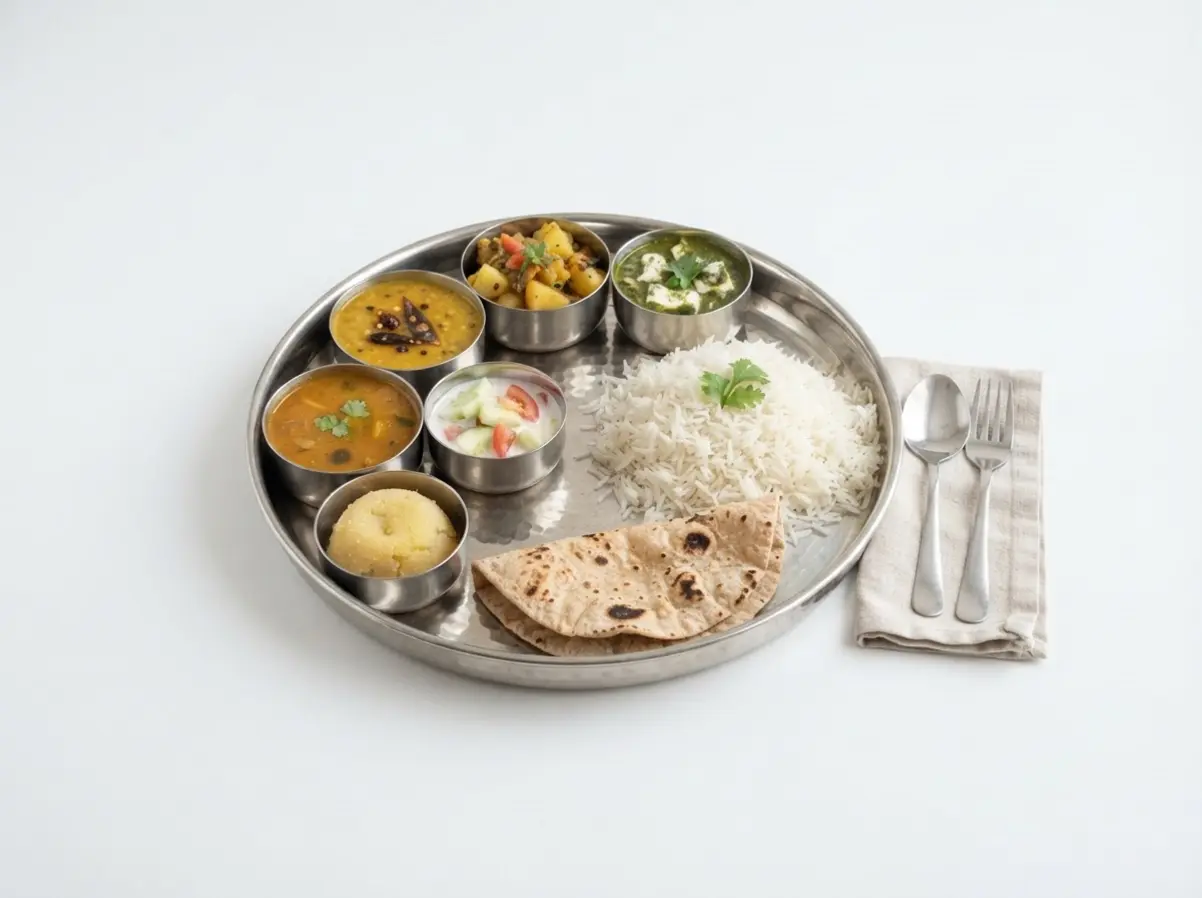
Names also preserve useful clues. Dal signals pulses, appam identifies a fermented rice pancake, and thali describes a meal served with several portions rather than one recipe. Reviewing things you might not know about indian food clarifies those menu differences.
Restaurant menus sometimes group unrelated dishes under familiar English headings, so asking for the local name gives you better cultural and culinary context. Local dish names help separate a specific preparation from a broad menu category.
1. Non-Native Ingredient Introductions in Indian Cooking
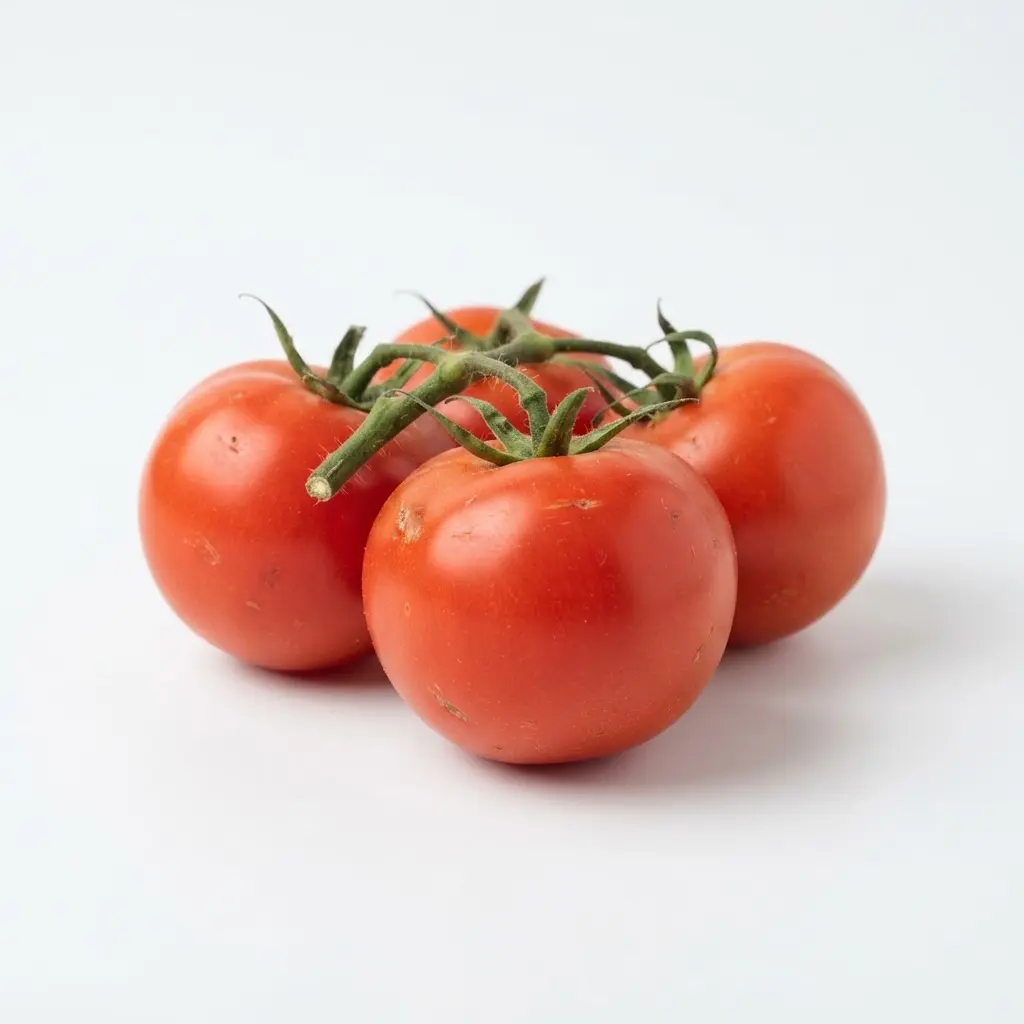
A common mistake is assuming every familiar Indian ingredient began in India. Chilies arrived from Mexico, potatoes and tomatoes from South America, and Portuguese trade helped bring several New World foods during the 16th century. Food origins do not determine cultural belonging. Exploring things you might not know about indian food reveals this trade history.
Over generations, Indian cooks paired these ingredients with established spices, frying, simmering, pickling, and gravy-making. Potatoes became useful in vegetable dishes, tomatoes added acidity and body to gravies, and chilies supplied pungency.
Peanuts, cashews, maize, papaya, guava, pineapple, and custard apples also entered local foodways. British rule later influenced the spread of oranges, spinach, cabbage, and other vegetables. Local cooking methods changed imported ingredients into regional foods rather than copies of foreign dishes.
Research suggests food traditions develop through trade, cultivation, and repeated household use, not through isolation. Spread was uneven, since climate, farming, availability, and taste shaped adoption. This history separates documented food origins from common cooking myths debunked. Treat potatoes, tomatoes, and chilies as relatively recent additions to a much older cuisine.
2. Scientific Principles of Spice Pairing in Indian Cuisine

Start with contrasting spices rather than matching similar aromas. Food pairing studies examine shared and contrasting flavor compounds, and Indian cuisine is often associated with negative food pairing. When tracking things you might not know about indian food, watch these compound patterns.
A dish might bring together coriander, tamarind, ginger, and clove, allowing fresh, sour, pungent, and warm notes to form one structure. Ingredient frequency shapes these patterns. Cooks repeat recipes, then make small changes, such as adjusting cinnamon or replacing cayenne. Combinations suited to local supply, cost, flavor, and versatility are more likely to continue.
Over generations, this copy-mutate process produces familiar spice relationships. Research suggests this history explains why replacing a major spice changes the whole dish rather than one isolated note. The data on things you might not know about indian food supports this blend logic.
Test one substitution at a time when developing a blend. Spices have supported preservation, antimicrobial activity, antioxidant activity, and medicinal practices described in Ayurvedic texts, so taste was not the only force guiding their use. Studying things you might not know about indian food makes this testing easier.
Track each spice by heat, acidity, sweetness, warmth, and aroma. This method keeps the blend balanced while showing how each change affects the final flavor.
3. Central Asian Origin of Naan and Tandoor Traditions

At a late evening meal in a Central Asian home, fresh non arrives warm from a vertical clay oven. Naan is linked to Persian and Central Asian food traditions, not to one country alone. The Persian word for bread traveled into South Asia through trade, migration, religious communities, and royal courts. Exploring things you might not know about indian food shows how breads moved.
During the 13th to 16th centuries, Sultans ruled parts of South Asia and helped widen these culinary exchanges. A cook shapes dough into a round or oval, then presses it against the hot inner wall of a tandoor. The dough sticks to the clay, bakes in intense heat, and develops browned patches and small blisters.
Checking things you might not know about indian food clarifies this baking process. Historical accounts mention naan-e-tanuri, meaning naan baked in a tandoor. The poet Amir Khusrau described several naan varieties eaten by Muslim nobles during the 1300s.
Research into food history shows how bread traditions moved across regions, from the Fertile Crescent through Central Asia and into South Asia. Reading things you might not know about indian food connects these border crossings.
In Uzbekistan and Turkmenistan, non often carries ceremonial meaning, with customs such as keeping bread off the ground. Treat naan as part of a broad cultural history, rather than as an isolated invention.
4. Scottish Roots of Tikka Masala in Restaurant History
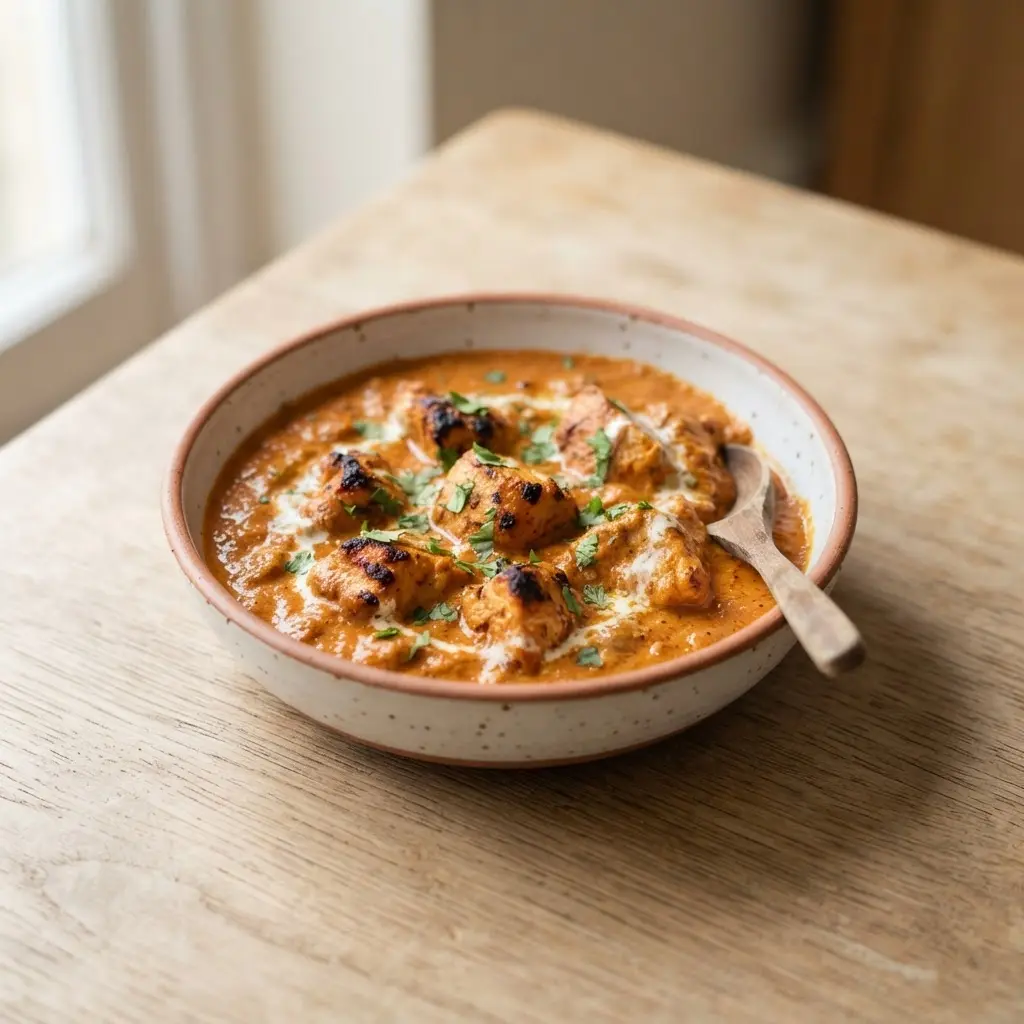
A common belief treats chicken tikka masala as an unchanged traditional Indian dish. The better-supported description is a British Indian restaurant adaptation, with origins still debated. One prominent account places its creation in Glasgow during the 1970s, at the Shish Mahal, owned by Bangladeshi chef Ali Ahmed Aslam. This account links the dish to restaurant adaptation, not one settled regional tradition. Listing things you might not know about indian food includes this Glasgow story.
According to the Glasgow story, a diner complained about dry chicken tikka. Aslam responded by adding condensed tomato soup to the dish. The soup supplied moisture and helped form a creamy, tomato-based sauce around the seasoned chicken. Noting things you might not know about indian food explains that sauce change.
The result suited British diners who wanted a saucier meal while keeping familiar Indian-style flavors. Food history research suggests customer feedback often shapes restaurant dishes, especially in diaspora restaurants serving new audiences. Tracking things you might not know about indian food highlights this menu shift.
Chicken tikka masala later became a major part of British Indian cuisine and gained popularity in many countries. Treat the Glasgow account as a disputed origin story, while recognizing its clear role in restaurant history.
5. Ancient Sugarcane Processing Origins in South Asia
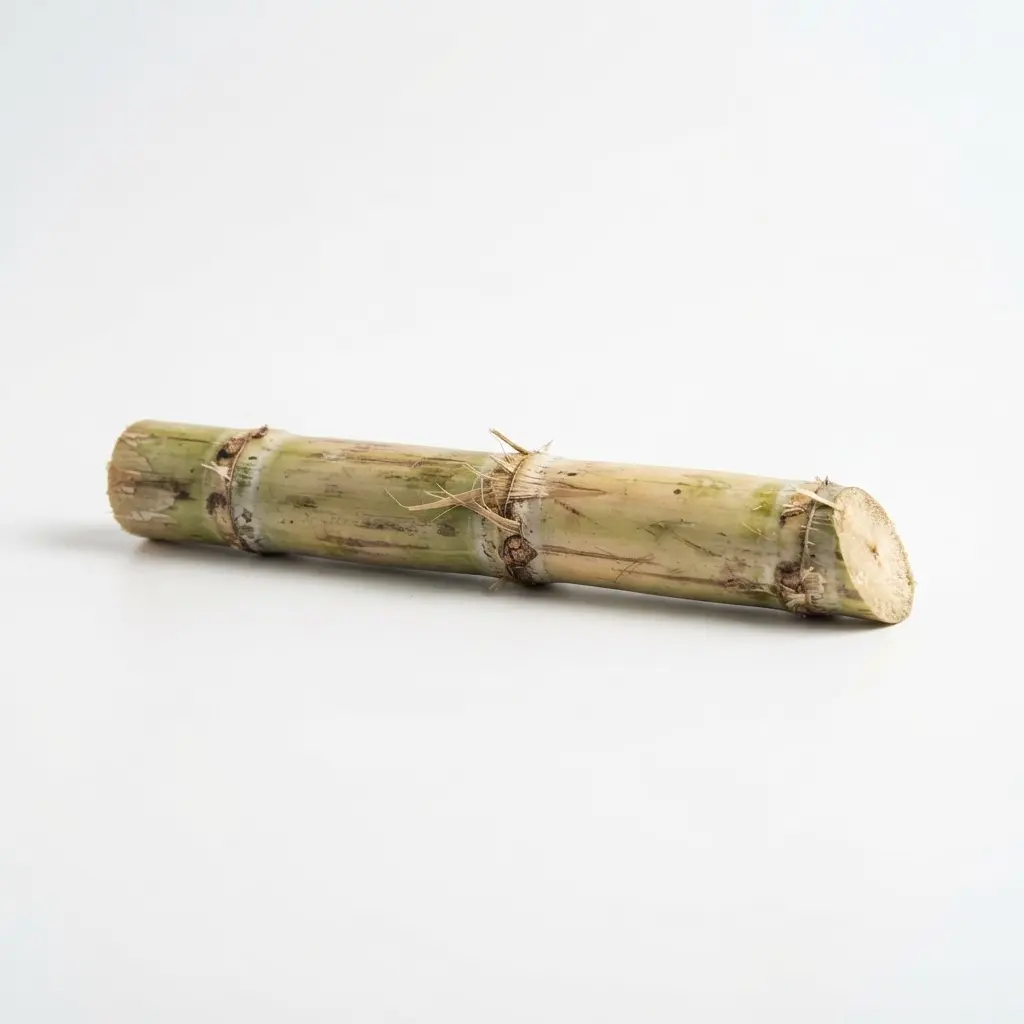
Did sugar production begin with modern factories? No. South Asian communities processed sugarcane long before industrial equipment appeared. Finding things you might not know about indian food starts with this plant history.
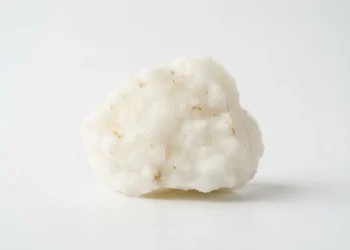
Workers extracted juice from harvested cane, then heated and thickened it into forms such as gur and guda. By the eighth century B.C., India had methods for making sugar from cane juice. The Sanskrit word for sugarcane was Ikshu. Ancient texts, including the Atharvaveda and several Samhitas, show early knowledge of the plant.
Reviewing things you might not know about indian food reveals these early texts. Medical works linked to Caraka and Susruta describe progressive refinement from guda toward matsyandika, khanda, and sarkara. These terms point to several levels of processing rather than one identical form of modern white sugar.
Research suggests South Asian sugar-processing knowledge spread to China by the first century B.C., then reached the Middle East and Europe. India’s first factories appeared in the early seventeenth century, while jaggery production was much older. Checking things you might not know about indian food shows these trade routes.
The domestication story stays debated, with evidence pointing to both New Guinea and India at different stages. Treat ancient cane products as varied sweeteners shaped by time, method, and place.
6. Kashmiri Wazwan Cooking Techniques and Shared Feasts
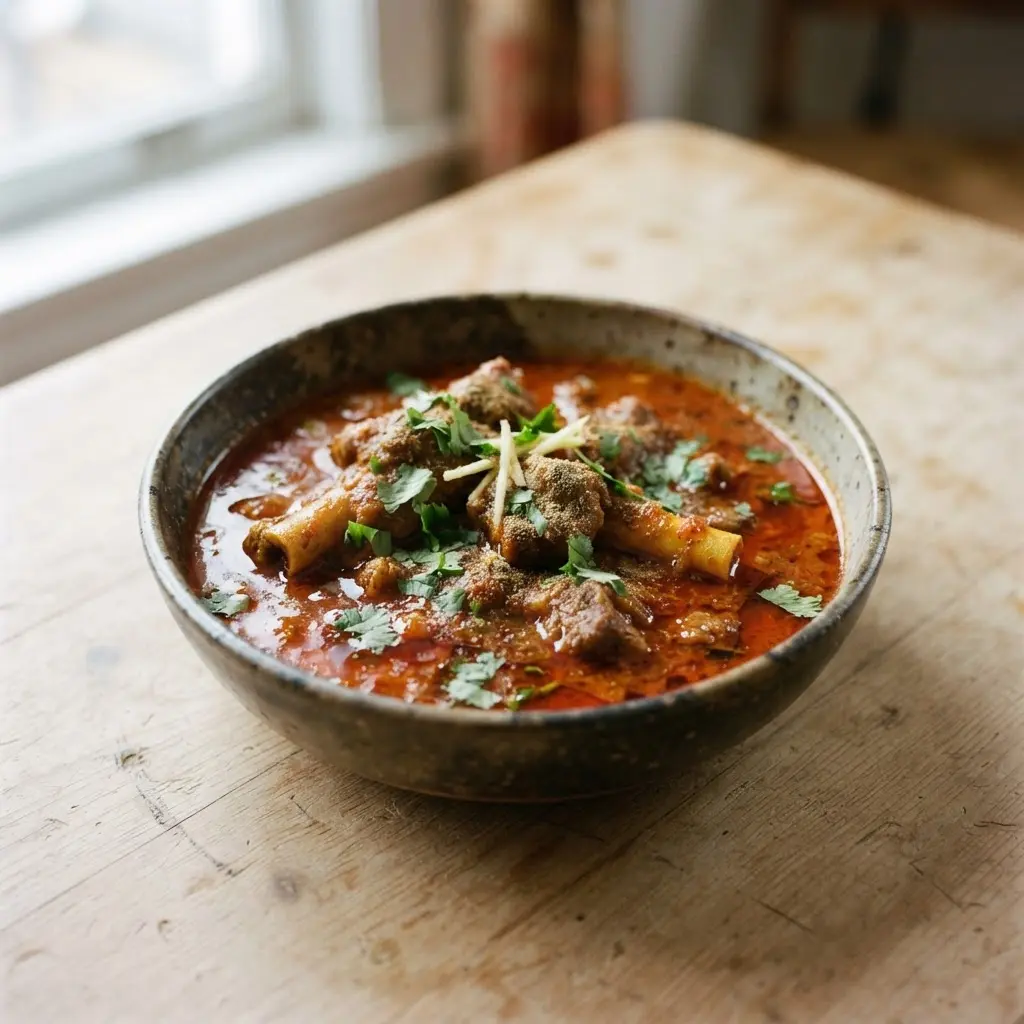
Unlike a plated meal served course by course, Wazwan centers on shared dishes and coordinated cooking. Follow the communal service model: prepare food with care, then place dishes where several diners share them. The meal values cooperation as much as the finished flavors. Exploring things you might not know about indian food highlights this group style.
At a Kashmiri feast, diners traditionally gather around a common serving platter rather than receive separate plates. Cooks build flavor through patient heat, careful spice use, and close attention to texture. Rice, meat, and gravies reach the table in an ordered flow, so timing matters. Seeing things you might not know about indian food makes this pacing clearer.
Use slow cooking for firm cuts and check tenderness before serving. This approach gives each dish a clear role within the wider meal. Research on communal eating suggests shared serving supports social connection and encourages diners to pay attention to one another. Learning things you might not know about indian food values that gathering space.
Preserve the tradition by serving food from a shared vessel, offering manageable portions, and allowing time for the group to eat together. A shared table is central to the feast, not a decorative detail.
7. South Indian Shraadha Meal Traditions and Food Customs
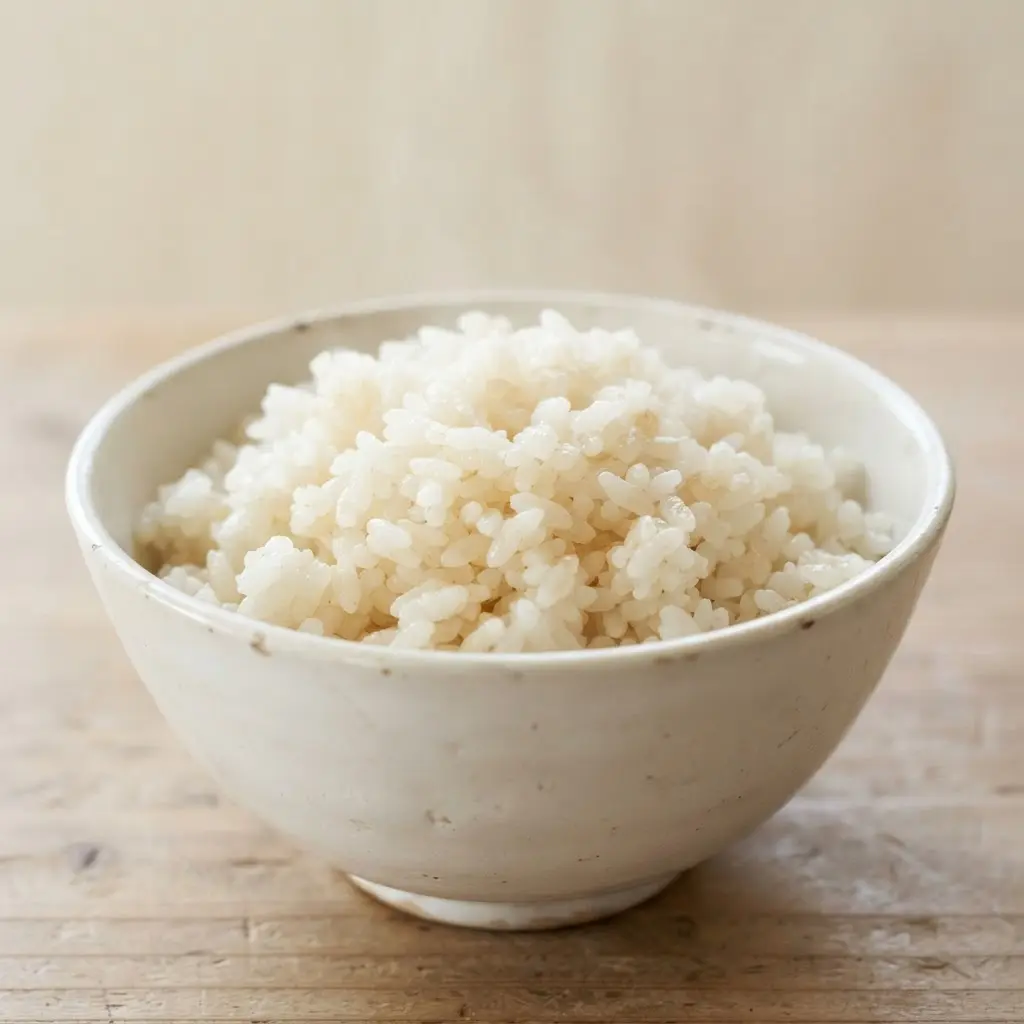
A common mistake is treating a South Indian Shraadha meal as an ordinary vegetarian lunch. The ritual meal follows family and regional rules, with sattvic ingredients chosen for purity and balance. Studying things you might not know about indian food respects this meal type.
Meat, onions, and garlic are generally left out, while fresh rice, lentils, vegetables, yogurt, and a sweet dish form the menu. Prepare the cooking space carefully, then cook dishes such as sambar, rasam, poriyal, kootu, payasam, and curd rice. Checking things you might not know about indian food guides this preparation.
On the ancestor’s death anniversary, follow the appropriate tithi, or lunar day. In some households, a portion first goes to Vishnu or Shiva before the ancestral offering. Reading things you might not know about indian food honors these family steps.
Serve the food on a fresh banana leaf, sometimes without spoons, as a direct presentation. Food-culture research shows how ritual meals connect nourishment with family lineage and shared memory. After the offering, immediate family members and close relatives usually eat together. Finish the meal rather than storing leftovers, where family practice follows this custom. Menus and serving steps differ across South Indian regions, so follow the guidance of the household or local tradition.
8. Historical Spice Trade Influence on Regional Cuisine
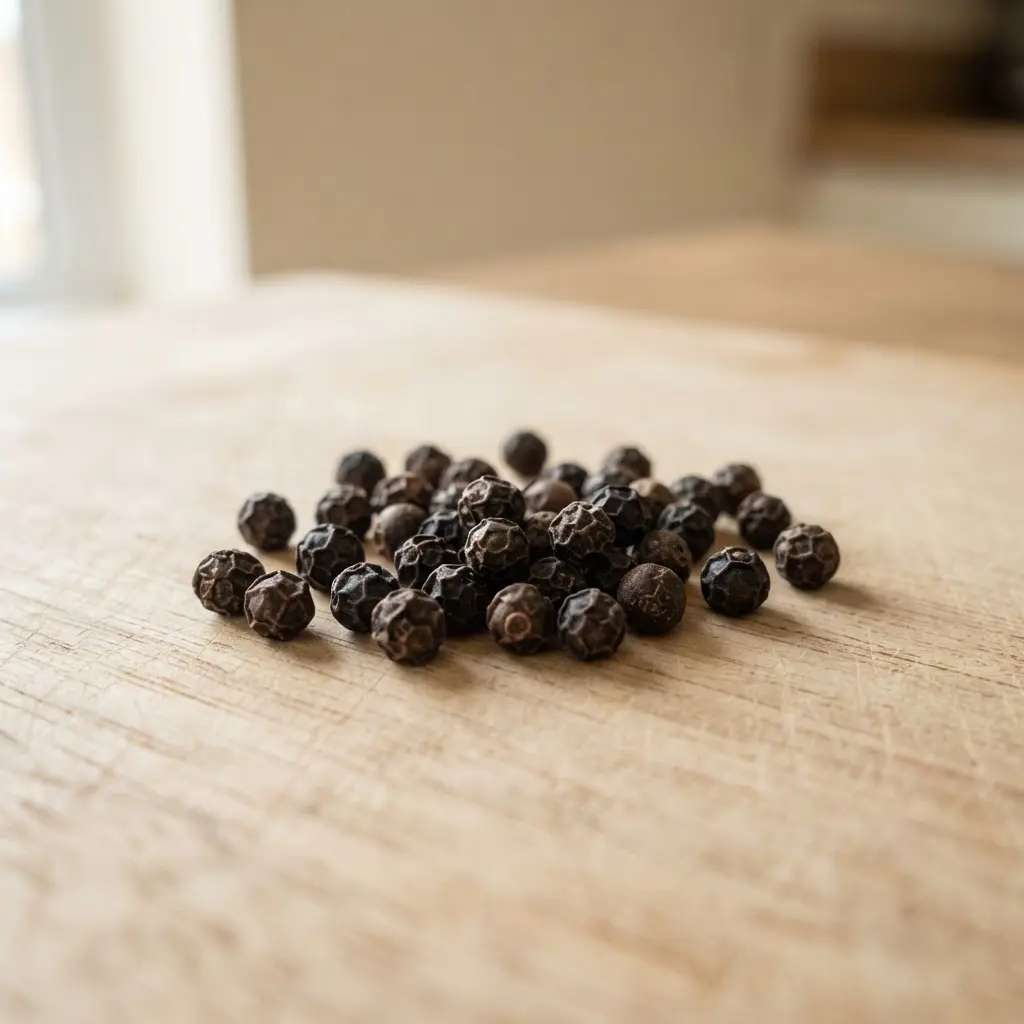
Start by comparing regional spice blends before judging Indian food as one uniform tradition. The Silk Road and Indian Ocean routes moved pepper, cinnamon, cardamom, ginger, and saffron across Asia, Africa, Europe, and the Middle East. Mapping things you might not know about indian food traces these merchant paths.
Merchants, migrants, and rulers carried ingredients into new kitchens. Local cooks matched them with native grains, vegetables, oils, and cooking methods. Track chili peppers separately. These peppers originated in the Americas and reached Asia after global exchange, later shaping many spicy curries, pickles, and sauces. Tracking things you might not know about indian food explains this gradual change.
Trade also supported preservation practices. Cloves and cinnamon added strong aroma to foods prepared before refrigeration, while expensive spices signaled wealth at feasts. New ingredients did not instantly change every regional diet. Availability, price, local farming, and cultural acceptance shaped their use.
Research on food history shows why Indian regional cuisines use different combinations of cumin, coriander, turmeric, cardamom, and chili. Cooking also connected with religious rituals and Ayurveda, though traditional associations are not proof of modern medical benefits. Read spice history as a record of adaptation: trade supplied ingredients, while local communities formed distinctive dishes and flavor systems.
9. Persian Influence on Saffron Usage in Indian Dishes
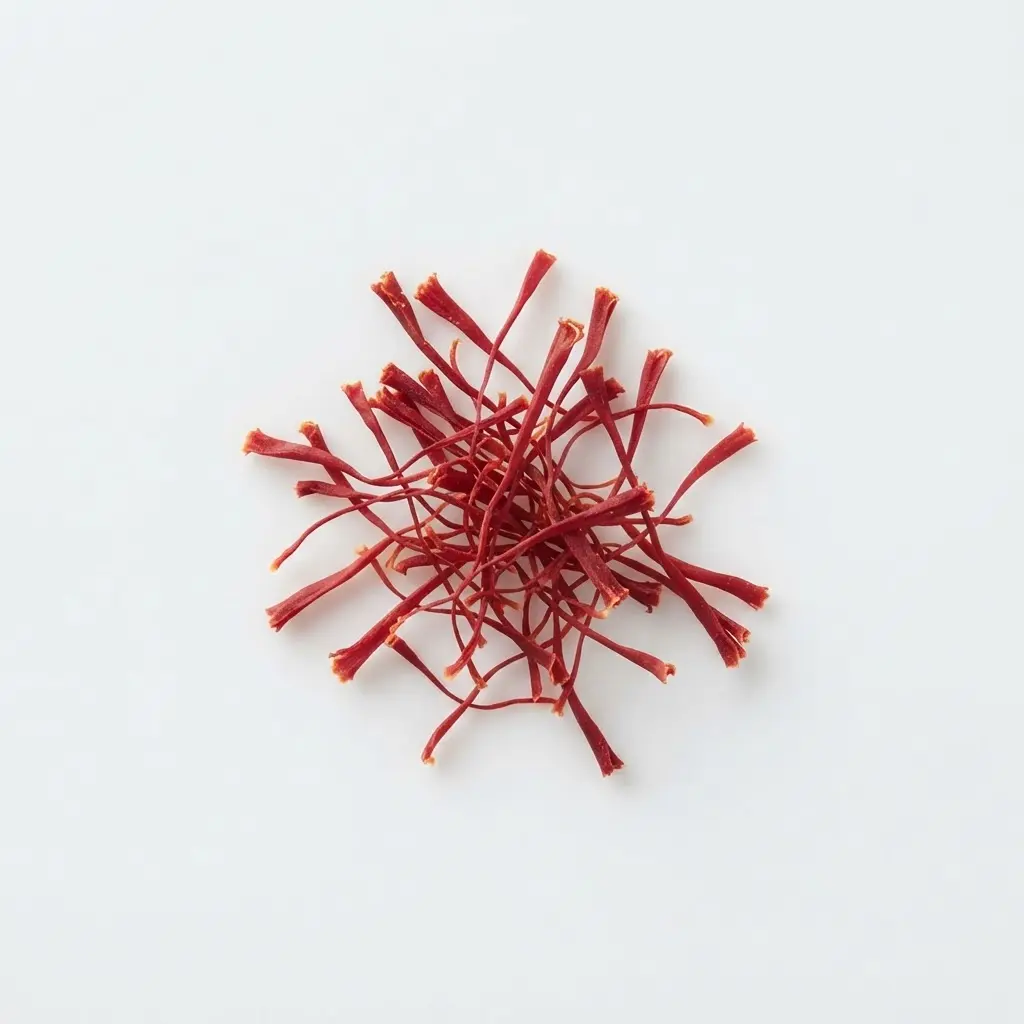
At a Mughal-era feast, cooks used saffron threads to give rice a warm fragrance and golden color. Persian court culture treated saffron as a prized spice, and Mughal kitchens brought this ingredient into Indian royal cooking. Its delicate flavor, distinct aroma, and bright hue marked food prepared for ceremonies and important guests.
Persian pilaf methods blended with Indian rice, spices, and cooking practices. This exchange shaped dishes such as biryani and pulao, while saffron later appeared in korma, milk sweets, kahwa, and falooda. Use a small pinch because a little saffron provides strong fragrance and visible color. Steeping the threads in warm liquid before adding them spreads their flavor through rice or desserts.
Historical accounts connect saffron with Persian trade routes and Mughal influence, while Kashmir might have developed cultivation alongside those routes. Research on culinary history presents these origins with caution rather than assigning one certain path. This matters because saffron shows how Indian food grew through Persian, Turkic, and Indian exchange. Treat saffron as more than a coloring spice: its fragrance and flavor carry equal importance.
10. Regional Culinary Diversity Patterns Across India
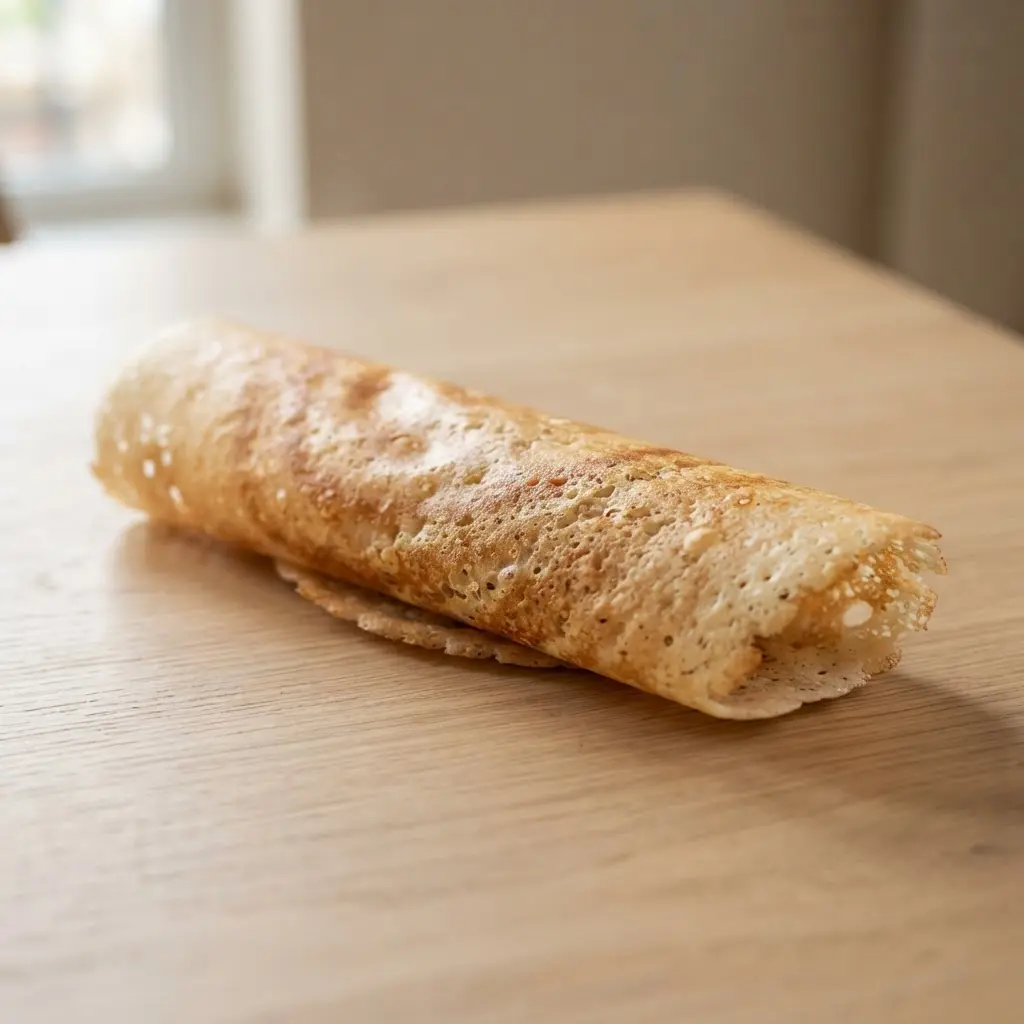
Many people treat Indian food as one uniform tradition. The truth is that regional cuisines differ in staples, cooking methods, and flavor. Coastal areas often use seafood, while mountain communities rely more on hardy vegetables and preserved meats. North Indian cooking often includes ghee, dairy, meat, and Mughal-influenced methods.
Local ingredients shape each food culture. Rice anchors many eastern and southern meals, while wheat, dairy, and local grains hold greater importance elsewhere. Bengali practical healthy cooking methods and fish with mustard oil. Gujarati meals center on vegetarian dishes such as roti, dal, rice, and vegetables, with sweet and spicy notes. Kerala cooking uses coconut, black pepper, and cardamom, alongside Arab, Syrian, and Portuguese influences.
Northeastern cuisines often use steaming, boiling, local herbs, and fermented foods instead of heavy spice blends. Cooking methods reflect climate, resources, and inherited practice. Research suggests regional food traditions offer a clearer view of India’s history and daily life than a single national flavor profile. Sample regional meals to notice how geography, religion, trade, and migration continue shaping the food on each plate.
11. Evolution of Traditional Cooking Methods in Indian Homes
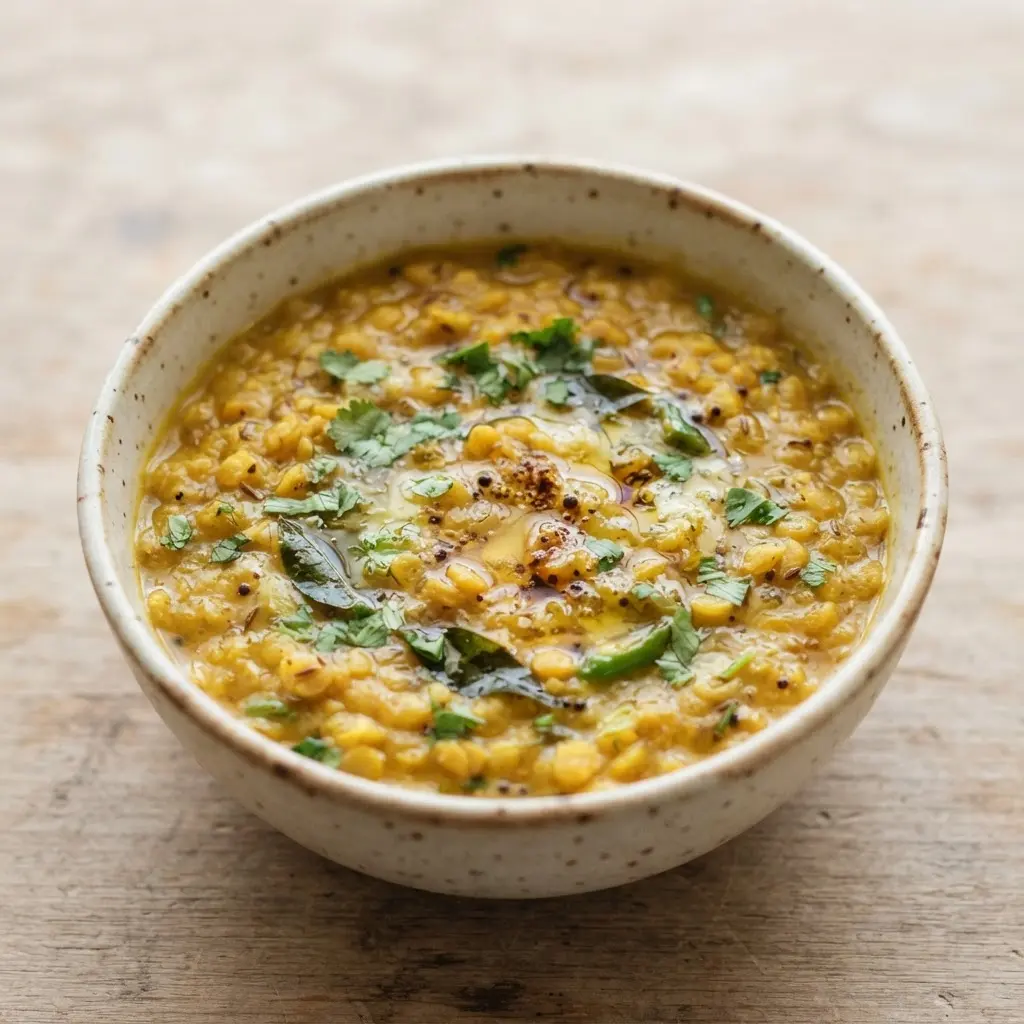
Why did Indian homes move from smoky fires to gas and electric tools? Fuel supplies, kitchen space, and daily schedules changed the answer. Early cooks used a clay chulha fueled by wood, cow-dung cakes, or coal. Slow heat gave food a smoky taste, though solid fuels produced more smoke and needed regular tending. Urban households later adopted the portable angeethi, a coal brazier used for cooking and winter warmth.
Kerosene stoves became popular in the late 1960s. Wick and pressure models offered a smaller cooking setup. LPG stoves brought a clean blue flame and quick heat control for boiling, frying, and tempering. The pressure cooker shortened cooking time and reduced fuel use. Cooks kept familiar methods while adjusting them to each new stove.
Electric appliances changed food preparation and storage. Induction cooktops provide controlled heat, food processors speed chopping and grinding, and air fryers support newer cooking habits. A refrigerator allows households to store ingredients and prepare meals ahead. Research on household energy use links efficient appliances with lower cooking effort, though traditional methods still matter for slow textures and smoky flavour.
Comparing Traditional Dishes With Diaspora Adaptations
Restaurant butter chicken in diaspora settings often tastes sweeter and creamier than versions served in Delhi. Local ingredient access, customer expectations, and restaurant economics influence those changes, just as British Indian tikka masala developed within a diaspora setting rather than representing every Indian gravy.
South Indian restaurants abroad might replace fresh curry leaves with dried leaves or adjust chili levels for diners unfamiliar with heat. These choices do not make a dish false, but they mark a different food history. Compare the dish’s local name, core ingredients, cooking fat, and texture before calling two versions identical. Diaspora menu adaptations show how Indian cuisine changes while retaining recognizable techniques and flavors.
Conclusion
Food often becomes more meaningful when you know who prepared it, where its ingredients came from, and why a meal follows a certain order. Indian food carries family customs, regional memory, trade connections, and years of careful kitchen practice. The phrase Things you might not know about indian food points to more than surprising facts. It invites you to pay attention to the details on your plate.
For your next meal, choose one dish from a region you have not tried before. Ask about its main ingredients, cooking method, and place in the meal. Notice how those details change your understanding of each bite. Keep a small note of the dishes you enjoy and the stories behind them. A curious question at the table is a simple next step, and it gives every meal more context.
FAQs
Q: Is Indian food always spicy?
A: No. Indian cooking includes mild, sweet, sour, earthy, and hot dishes. Heat levels differ by region, recipe, and household taste.
Q: Why do Indian dishes use several spices together?
A: Spices add different tastes, aromas, and layers of warmth. Cooks often toast or grind them in specific ways for a balanced flavor.
Q: Which ingredients came to India through trade?
A: Chilies, tomatoes, and potatoes arrived from the Americas after European trade expanded. Older local ingredients include rice, lentils, sesame, coconut, and sugarcane.
Q: What is the difference between North and South Indian food?
A: Northern cooking often features wheat breads, dairy, and tandoor dishes. Southern cooking often highlights rice, coconut, tamarind, curry leaves, and fermented batters.
Q: Why is food served on a banana leaf in parts of India?
A: Banana leaves suit hot meals and support a neat serving order. In some traditions, the leaf also forms part of the meal setting and customs.