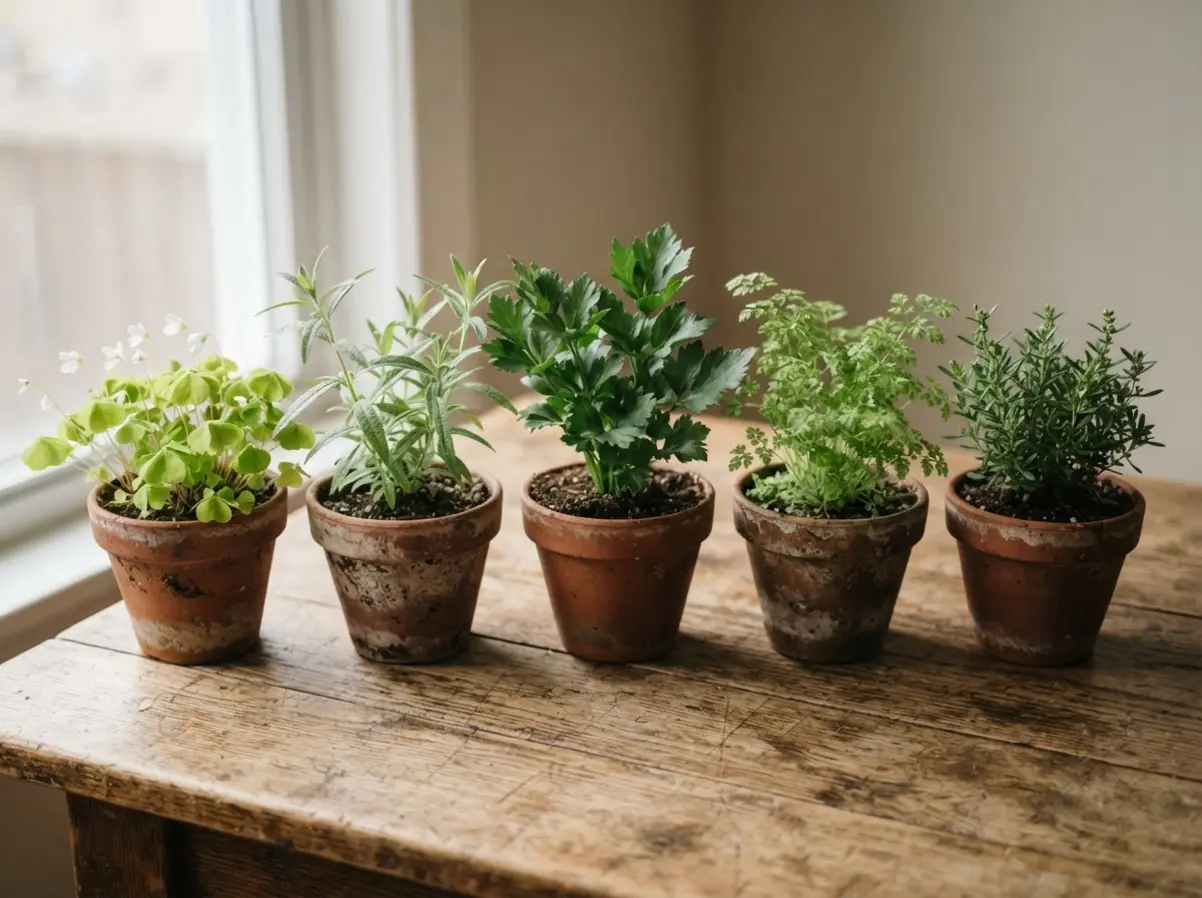
Finding fresh flavors for everyday meals gets harder when the same few herbs fill your kitchen shelf. I now keep Fresh herbs you never knew you need, and they include wood sorrel, lemon verbena, lovage, chervil, and summer savory. Each brings a clear flavor, from bright lemon to gentle celery and warm pepper. You will also learn which herbs suit soups, salads, drinks, beans, and simple vegetable dishes. Small-space gardeners will find notes on light, soil, containers, sourcing, and storage after harvest. I love herbs that make one familiar meal taste new without adding extra work. Let’s look at five useful plants, then choose one for your next pot or garden bed. Start with the herb whose flavor fits meals you already cook, and keep a small note of pairings you enjoy. Read on and pick your first new herb today.
Matching Strong Flavors With Familiar Foods
Use lovage as a celery substitute in small amounts, and notice how Fresh herbs you never knew you need quickly flavor potatoes, carrots, tomatoes, chicken, fish, and beans. A teaspoon of finely chopped leaves often seasons a family-sized dish without masking other ingredients. Mitsuba offers a gentler choice for tofu, mushrooms, eggs, and clear broths, with a fresh parsley-celery note. Green shiso brings mint, basil, cumin, and pepper-like hints, while purple shiso adds color alongside grilled fish, rice, or pickled vegetables. Bronze fennel needs only a few feathery leaves over roasted fish, salads, or creamy soups because its anise taste grows stronger during cooking. Start with familiar foods, then compare each herb’s raw flavor before adding more. This approach keeps unfamiliar herbs useful rather than overwhelming.
Planning Sun And Shade Growing Spaces
Mitsuba grows best in partial shade with evenly moist soil, while shiso and bronze fennel prefer brighter spaces and good drainage. Gardeners find Fresh herbs you never knew you need thrive in these spots. Give a partial-shade space to mitsuba beneath taller plants or beside a north-facing wall, where harsh afternoon light will not scorch its tender leaves. Shiso grows as an annual in warm weather and needs room for branching, while bronze fennel returns each year and forms a tall, airy clump. Lovage also returns yearly, but its mature height deserves a back corner rather than a crowded pot. Check each plant’s spread before planting, since vigorous herbs often self-seed around their original spot. Containers help control lovage and fennel, while garden beds suit herbs needing steady moisture. Group plants by light and water needs, not by name alone.
1. Perennial Wood Sorrel Varieties for Tangy Everyday Meals
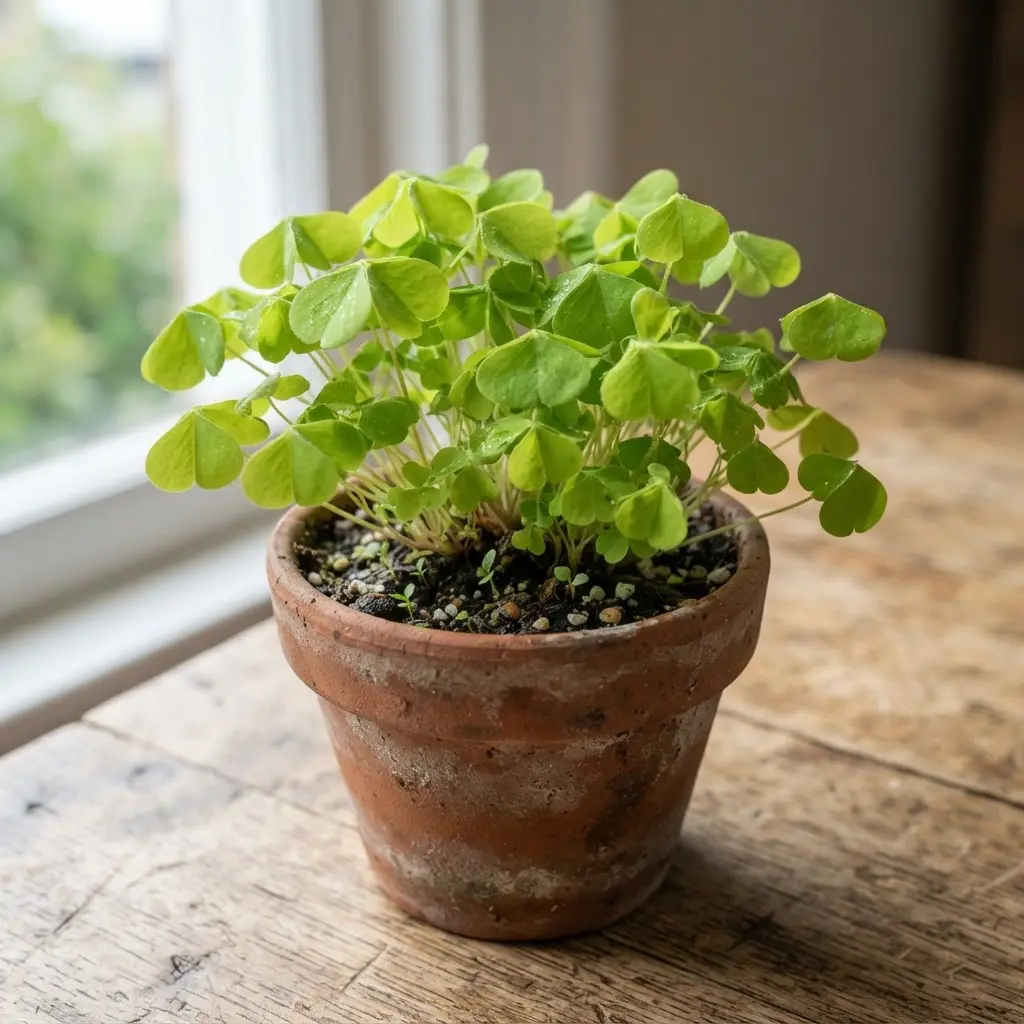
A common mistake is treating wood sorrel like spinach. I use Fresh herbs you never knew you need with care, so I apply small portions as a tart accent. Long-lived Oxalis varieties contain oxalic acid, which creates their lemon-like flavor. A few fresh leaves work better than a large handful in a salad or cooked dish.
Purple Shamrock, Oxalis triangularis, has purple leaves and a sharp taste. False Shamrock, a purple-leaved form of the same species, offers a similar use. Yellow Wood Sorrel, Oxalis dillenii, and Pink Wood Sorrel, Oxalis debilis, add edible foliage and flowers to a garden. Creeping Woodsorrel, Oxalis corniculata, supplies sour leaves and edible flowers for small garnishes.
Use Common Wood Sorrel, Oxalis acetosella, in salads, soups, teas, or lemon-flavored drinks. Many Fresh herbs you never knew you need work well here. American Wood-sorrel, Oxalis montana, suits salads, teas, and similar drinks in limited amounts. Add raw leaves near serving time, or apply gentle cooking when preparing soup or a potherb. Blanching or cooking reduces some oxalic acid, while the flavor becomes softer. Evidence on oxalic acid supports moderation, especially for people who need to limit oxalate-rich foods. Identify every plant correctly before harvesting from outdoors or an ornamental pot. Use wood sorrel as a bright garnish, not a bulk green. Always consult a healthcare professional before making changes to your health routine.
2. Hardy Lemon Verbena Benefits for Drinks and Desserts
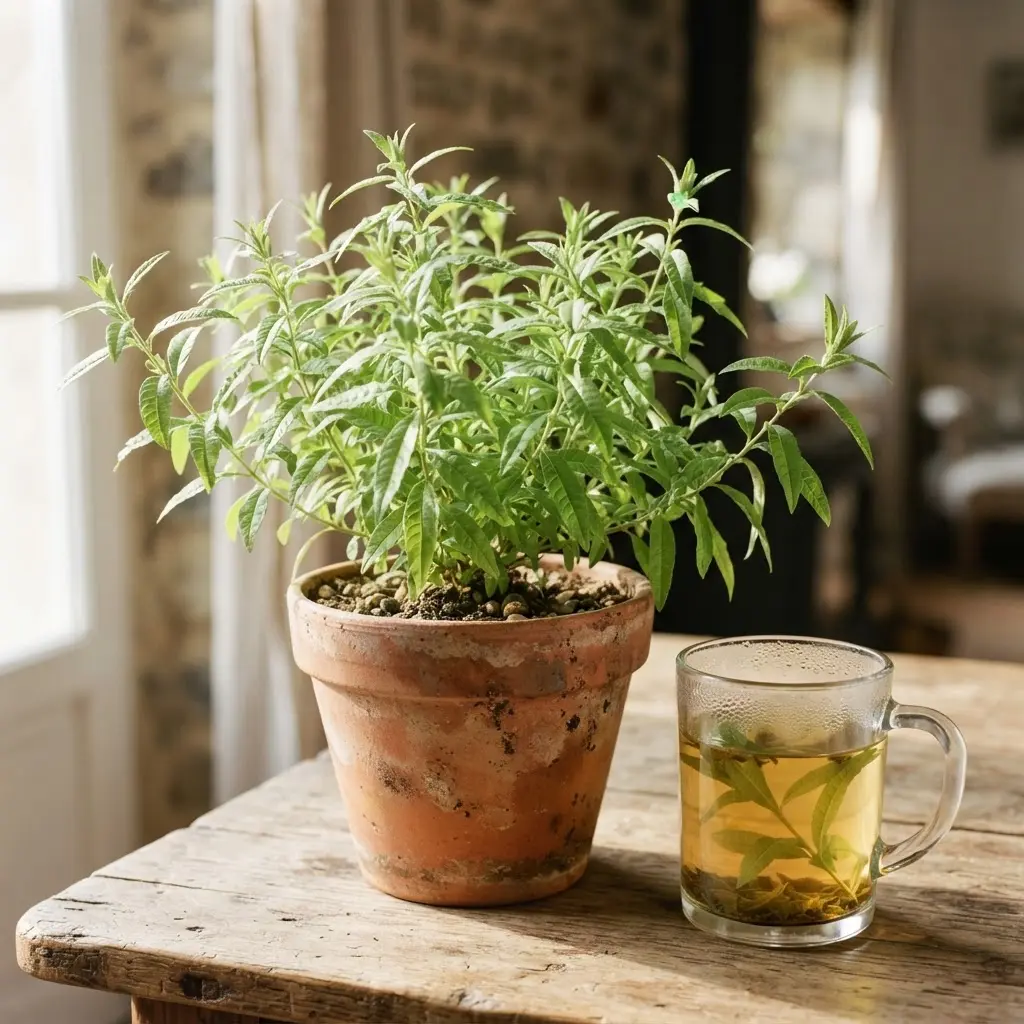
Start with a leaf infusion instead of eating mature leaves whole. Preparing Fresh herbs you never knew you need often means steeping fresh or dried lemon verbena in hot water, cream, syrup, or spirits, then strain the liquid. This method transfers the herb’s strong lemon scent and floral flavor while removing its fibrous texture. Lemon verbena tastes like lemon drops without the sourness of lemon juice.
Use fresh young leaves for delicate drinks, finely minced baked goods, and sparkling water. Choose dried leaves for tea and other infusions because their flavor is more concentrated. For a cold drink, infuse the leaves into iced tea, a cocktail, a mocktail, or a herb-flavored syrup. Lemon verbena is famously used as a flavoring in Inca Kola.
Steep the leaves in cream for ice cream, panna cotta, or custard, then strain before finishing the dessert. Finely grind dried leaves or mince young fresh leaves before adding them to cookies, cakes, shortbread, doughs, or batters. Add leaves during cooking for jams, compotes, poached fruit, and sweet sauces. Apricot, peach, and strawberry pair especially well with the herb.
Many people find lemon verbena useful when a recipe needs citrus fragrance without extra acidity. Add lemon zest or juice separately when tartness matters. Mature leaves often feel unpleasant when chewed, so reserve them for infusions. Grow lemon verbena outdoors as a perennial in USDA Zones 8 through 11, or keep a potted plant indoors in cooler areas. Keep the herb away from cats and dogs because the plant is toxic to both.
3. Culinary Uses for Lovage in Soups and Salads
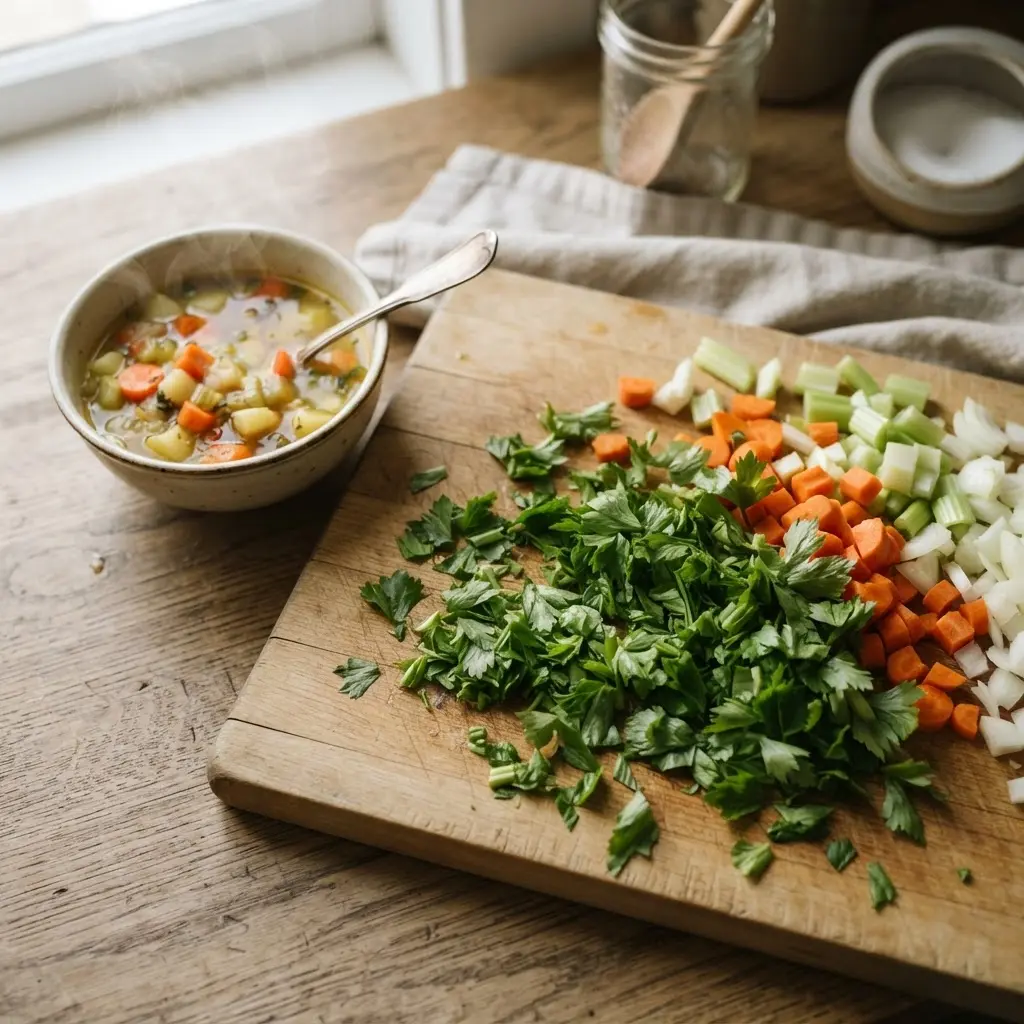
At midday, a flavoring plain yogurt naturally often needs more depth before it reaches the table, so I reach for Fresh herbs you never knew you need. Start with one or two chopped leaves of lovage, then taste before adding more. The herb combines parsley and celery flavors with a light anise note, so a small amount goes a long way.
For soup, finely shred mature leaves and stir them into broth, stew, or stock. Sauté lovage with onions and garlic before adding liquid for a fuller flavor. Use the herb in vegetable or chicken soup, or make lovage soup with potatoes, carrots, and stock. Add the leaves near the end if you prefer a fresher taste.
Young leaves suit salads because their texture is tender. Toss them into potato salad with a modest amount of dressing, or mix them with lettuce, cucumber, and radish. Crush a few leaves and rub them around the rim of the bowl before serving. This method leaves a gentle herbal note without placing lovage at the center of every bite.
Many cooks find lovage useful in everyday dishes because the celery-like flavor adds depth without extra salt. Use shredded leaves in stuffing, mashed vegetables, scrambled eggs, or as a garnish for pork, poultry, and strongly flavored fish. Pickle the stems, and use the roots fresh or dried. Treat lovage as a seasoning, not a leafy base. Taste after each addition, since a large handful can cover the other flavors.
4. Unique Flavor Profile of Chervil in Light Dishes
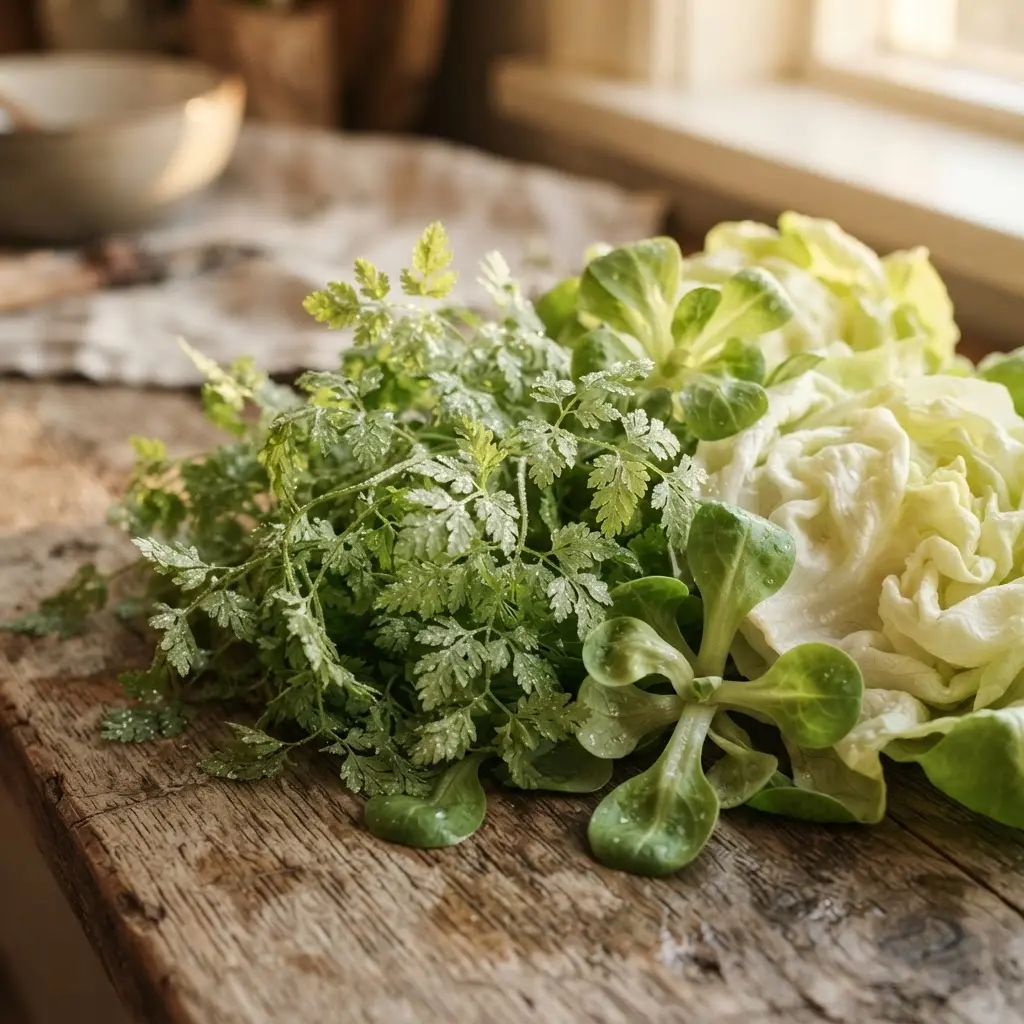
A common belief is that chervil tastes strongly of licorice. My experience with Fresh herbs you never knew you need shows a softer side. Fresh chervil has a mild, sweet flavor with soft parsley notes and a faint anise scent. Its low pungency leaves eggs, vegetables, fish, and poultry in focus. Use fresh chervil leaves when a dish needs gentle benefits of herbal teas heavy seasoning.
Wash the sprigs and dry them carefully. Chop or tear the leaves shortly before serving, since their green aroma fades soon after cutting. Stir chervil into an omelet after removing the pan from heat, or scatter it over steamed asparagus and new potatoes. Add chervil at the end of cooking to protect its fragile flavor.
Chervil suits spring soups, mild white fish, shellfish, fresh salads, and light butter sauces. Pair the herb with restrained ingredients, and notice how Fresh herbs you never knew you need shine. Strong garlic, chili, and rich sauces will mask its delicate character. In a vinaigrette, a small handful of leaves adds freshness without making the dressing taste sharply seasoned. Culinary practice shows why chervil remains useful in light dishes: the herb adds subtle complexity while allowing the main ingredients to stay noticeable.
Avoid prolonged cooking, frying, and early chopping. Dried chervil does not reproduce the airy quality of fresh leaves. Use a parsley and tarragon blend when fresh chervil is unavailable, though the substitute will taste more pronounced. Keep the quantity moderate, and add the final herb garnish immediately before serving.
5. Distinctive Savory Summer Savory for Beans and Vegetables
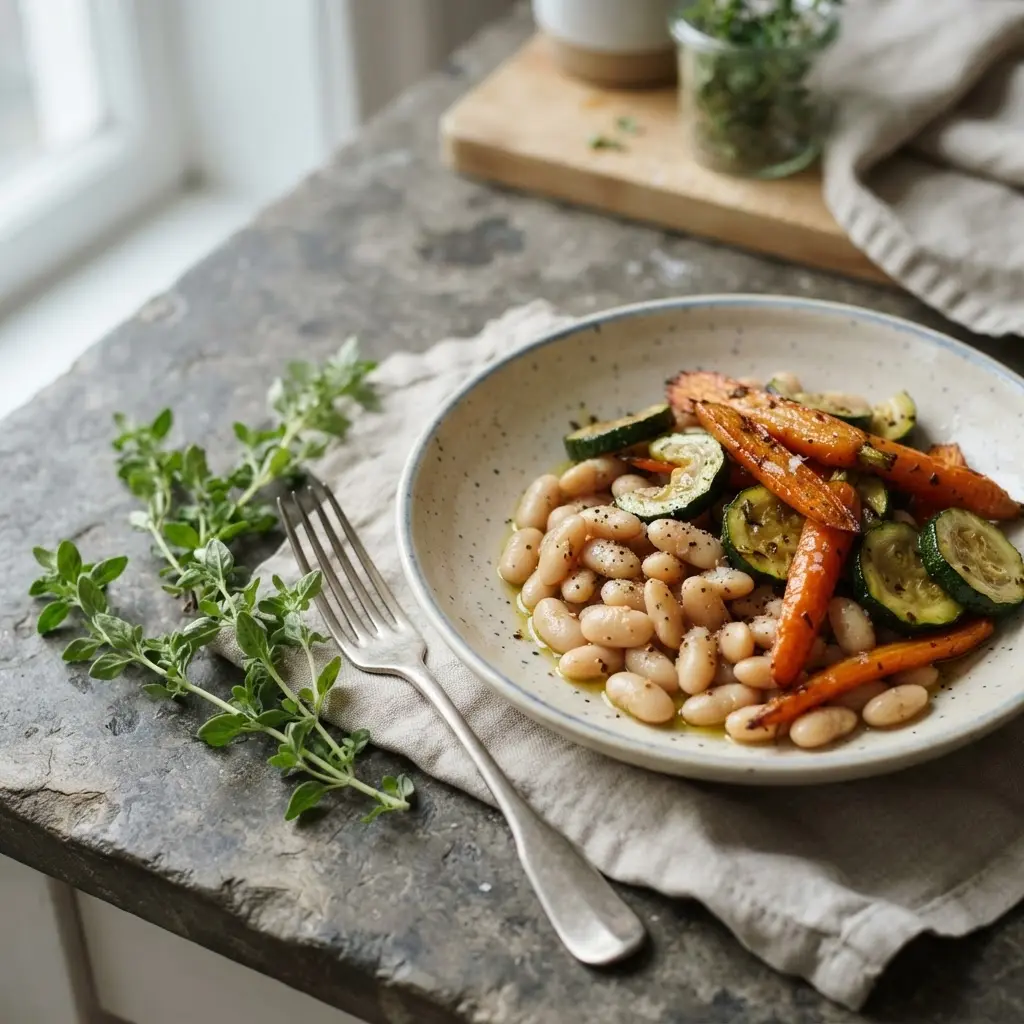
What makes summer savory useful for everyday meals? Summer savory adds a mild peppery flavor with hints of thyme and mint, proving why Fresh herbs you never knew you need belong in the kitchen. The herb carries woody, citrus, pine, and green notes. Carvacrol adds a distinct thyme-like nuance. Cooks often call summer savory “the bean herb” because the flavor suits both fresh and dried beans.
Add bean cooking liquid while navy beans, cannellini beans, chickpeas, or other legumes simmer. Heat draws the herb’s flavor into the dish and softens its sharper notes. Summer savory suits vegetable soups, stews, stuffings, dressings, and marinades. Add the herb during cooking rather than relying only on a final garnish.
Use a small amount in fresh bean salads, where delicate vegetables need a lighter touch. Gardeners who grow Fresh herbs you never knew you need often combine the herb with lemon, mint, thyme, or other green flavors. Sprinkle it over roasted or grilled vegetables before serving, or stir it into a dressing. Summer savory also appears in Herbes de Provence, so its flavor fits a range of vegetable-focused dishes.
Choose summer savory over winter savory for quick-cooked meals and lighter summer plates. Winter savory has a stronger, more pungent taste and suits hearty, slow-cooked foods. Research suggests that herb choice influences how strongly cooks perceive familiar ingredients, which makes this milder variety useful for changing the flavor of routine bean dishes. Start with a modest amount, then adjust after tasting.
Building A Small Culinary Herb Collection
Begin with one tender herb, one hardy perennial, and one shade plant so your kitchen gets variety without a crowded garden. Adding Fresh herbs you never knew you need requires little time. A practical starter group pairs shiso for rice and grilled foods, lovage for potato or bean dishes, and mitsuba for eggs or clear broth. Add bronze fennel when you have room for a tall perennial and enjoy anise flavor. Keep tender herbs near the kitchen for frequent cutting, while hardy plants fit permanent beds or large containers. Herb vinegar gives extra leaves a useful purpose and carries fresh flavor into dressings, beans, and roasted vegetables. Label each plant with its strongest food pairing, expected height, and light needs. This small record helps you choose the right leaf quickly and prevents intense herbs from sitting unused.
Conclusion
Trying new plants gives your regular meals more choice and helps your garden feel personal. Fresh herbs you never knew you need do not require a large yard or a long list of tools. Begin with one plant suited to your light and space. Wood sorrel fits bright, tangy dishes, while lovage suits soups and salads. Lemon verbena works well in drinks and fruit, and summer savory brings warmth to beans and vegetables. Chervil adds a mild herbal note to eggs and soft greens. Buy a healthy plant from a local nursery or seed seller, then check its care label before planting. Harvest only what you plan to use, and store tender leaves in a cool, lightly damp towel. Choose one herb this week, pair it with a meal you already enjoy, and write down how the flavor changes your dish.
FAQs
Q: Are lesser-known fresh herbs safe to eat?
A: Most culinary herbs are safe when sold for eating and washed well. Check plant labels carefully because ornamental plants and edible herbs sometimes look alike.
Q: How do I store fresh herbs after cutting them?
A: Wrap tender leaves in a lightly damp towel and place them in a container in the refrigerator. Keep woody stems in a glass with a little water and cover them loosely.
Q: Which new herb is easiest for a small container garden?
A: Lemon verbena grows well in a sunny container with good drainage. Lovage also suits containers, though it needs room for its taller growth.
Q: How do I use wood sorrel in meals?
A: Use a small amount of washed wood sorrel in salads, sauces, or finished soups. Its sharp lemon flavor pairs well with potatoes, fish, eggs, and soft cheeses.
Q: Which herbs hold up best during cooking?
A: Lovage and summer savory handle longer cooking better than chervil or lemon verbena. Add delicate leaves near serving time so their flavor stays fresh.