
Psychological Foundations for Positive Change
The best way to start a diet without feeling miserable is to ditch the all-or-nothing mindset. We all know that one slip-up can make us feel like total failures, which spikes our stress hormones and makes it harder to stick with our plan.
The good news is, you can build psychological resilience by focusing on the process itself. This shift in focus reduces the cortisol spike from diet stress, which research suggests can actually help your metabolism. Finding out how to be a happy dieter begins with this mental adjustment. The key is to celebrate small wins, like choosing a healthy snack or drinking more water, because these non-scale victories reinforce your new habits and keep you moving forward.
Identifying Your True Motivation Beyond Appearance
Your diet will fall apart if you are only doing it to look a certain way for someone else. Extrinsic motivation like that is fragile and leads straight to burnout. The trick is to connect your food choices to your personal values, like having more energy to play with your kids or feeling strong enough for your favorite hobbies. This creates a much more powerful and lasting drive.
You want to avoid the common trap of setting goals based solely on societal appearance standards. Instead, ask yourself what you truly want from your health, whether it is longevity, mental clarity, or physical vitality. Figuring out how to be a happy dieter means aligning your nutrition with these core values. Aligning your habits with your values transforms eating well from a punishment into a form of self-care you actually want to maintain.
1. Adopt a Growth Mindset for Lasting Change

The most common mistake is believing a single dietary slip means you have failed. This is a fixed mindset. It assumes your abilities are static. Instead, view that slip as data.
Ask what you can learn from it to adjust your plan for next time. This practice means embracing the effort itself as the path to mastery. Your goal is not a perfect week of eating. Research suggests this focus on progress, not perfection, builds the resilience needed for long-term weight management. Seeing progress clearly proves how to be a happy dieter. Your goal is consistent learning and small improvements over months. Anchor your efforts in essential healthy eating guidance to build a solid foundation.
When you hear an inner voice say “I can’t do this,” add the word “yet.” This simple reframe shifts your focus from a permanent limitation to a temporary challenge you can overcome. Mastering this reframe shows you exactly how to be a happy dieter.
2. Listen to Your Body’s Natural Hunger Signals
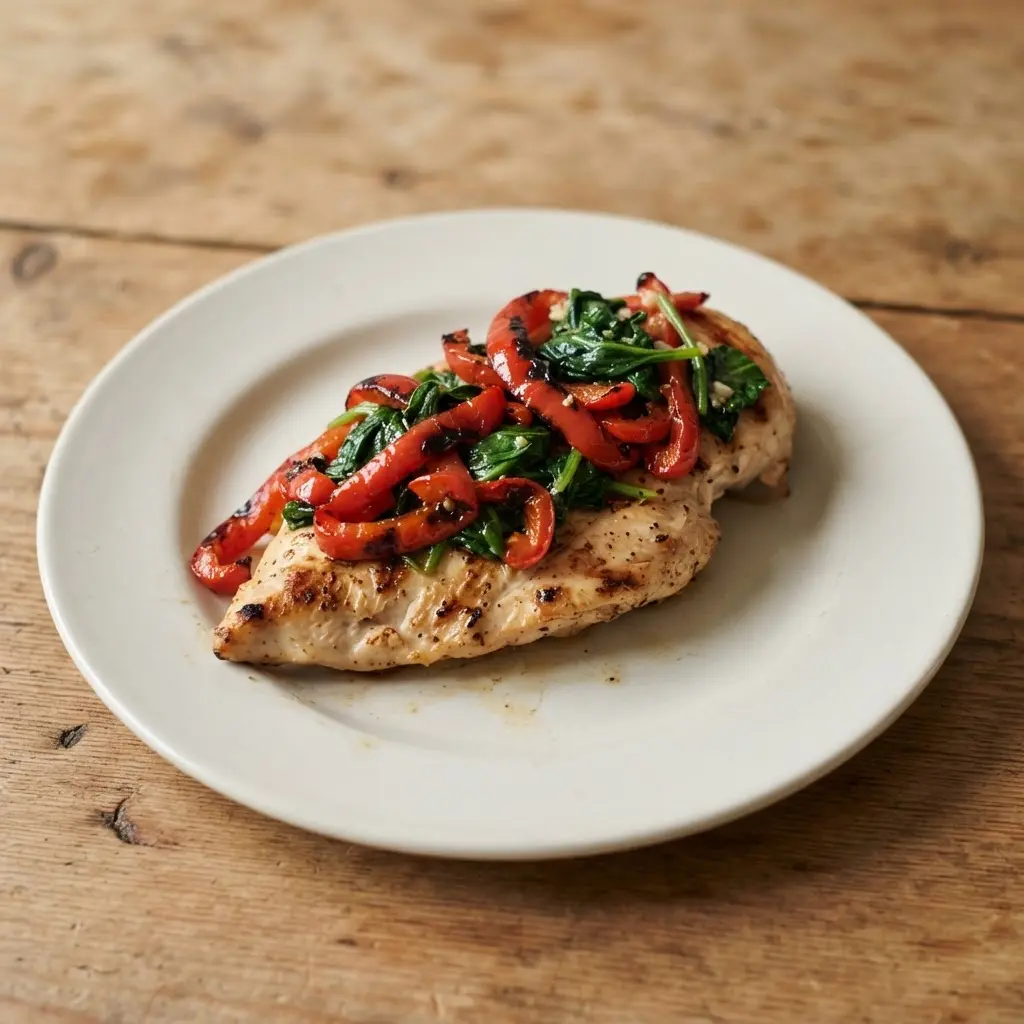
Start by using a hunger-fullness scale to check in with your body before and during meals. Aim to begin eating when you feel a 3 or 4, which are signs of moderate hunger like a rumbling stomach or lightheadedness. Stop eating when you reach a 6 or 7, which is a point of comfortable satisfaction.
This practice helps you distinguish physical hunger from emotional or habitual eating cues. It prevents the common cycle of ignoring hunger until you are ravenous and then overeating. Tuning into your internal cues reveals how to be a happy dieter. Many people find that learning to improve your daily eating habits begins with this fundamental awareness.
Listening to these signals promotes natural weight regulation and a more peaceful relationship with food. You will notice how to be a happy dieter when meals become about nourishment instead of restriction.
3. Build Sustainable Habits One Step at a Time

Picture this: you decide to start your day with a brisk walk, but the thought of 30 minutes feels exhausting before you even lace up your shoes. The solution is to shrink the goal. Commit to putting on your walking shoes and stepping outside for just two minutes.
This is the Two‑Minute Rule in action. It makes starting so easy that consistency becomes automatic, not a chore. Focus on the process, not the outcome. Stack your new habit onto an existing one, like doing five squats after you brush your teeth. Making tiny changes daily shows how to be a happy dieter. Make the habit obvious by preparing your environment. Place a bowl of fruit on the counter and keep less healthy snacks out of sight. The goal is to build momentum with small, repeated actions. This approach prevents the burnout that comes from trying to overhaul your entire routine at once.
Before planning a full week of meals, learn how to enjoy healthy and tasty meals with simple ingredient swaps. Research shows that tiny, consistent behaviors are far more effective for long‑term change than large, sporadic efforts. Keep these small steps steady and you will see how to be a happy dieter. Celebrate each day you complete your tiny habit.
4. Get Creative with Colorful Whole Foods
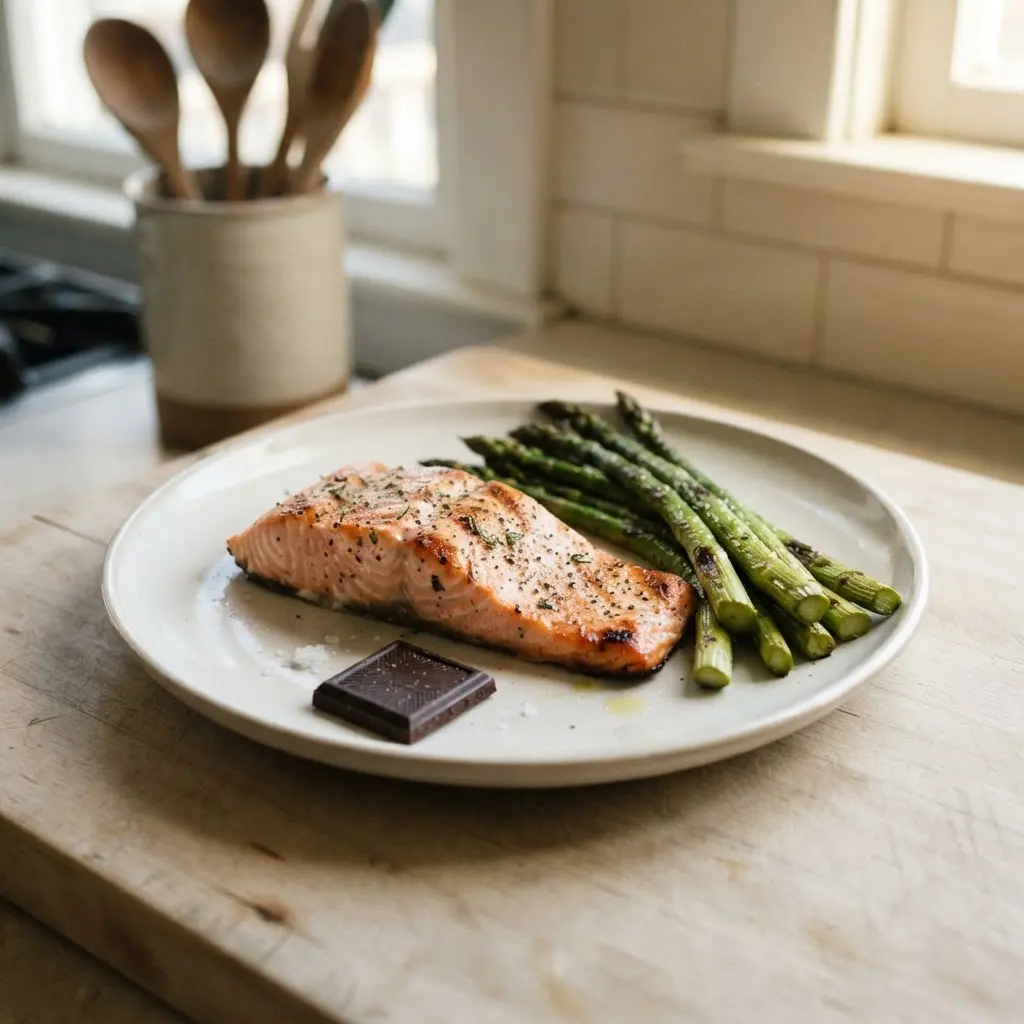
It is a mistake to think vegetables are just a necessary side dish. They are the main event. Aim to include items from every color group each day. Adding bright foods easily teaches how to be a happy dieter. A stir-fry with red peppers, orange carrots, green broccoli, and purple cabbage covers the spectrum in one meal.
This variety ensures you receive a broad range of phytonutrients. These compounds support everything from heart health to brain function. For example, the anthocyanins in blueberries are linked to cognitive benefits. Making your plate colorful naturally increases nutrient density while reducing processed food intake.
This approach aligns well with a flexible mindset like the one described in our guide to understanding the 80/20 diet rule. Focusing on whole, colorful meals demonstrates how to be a happy dieter without counting every calorie.
5. Practice Mindful and Flexible Portion Control
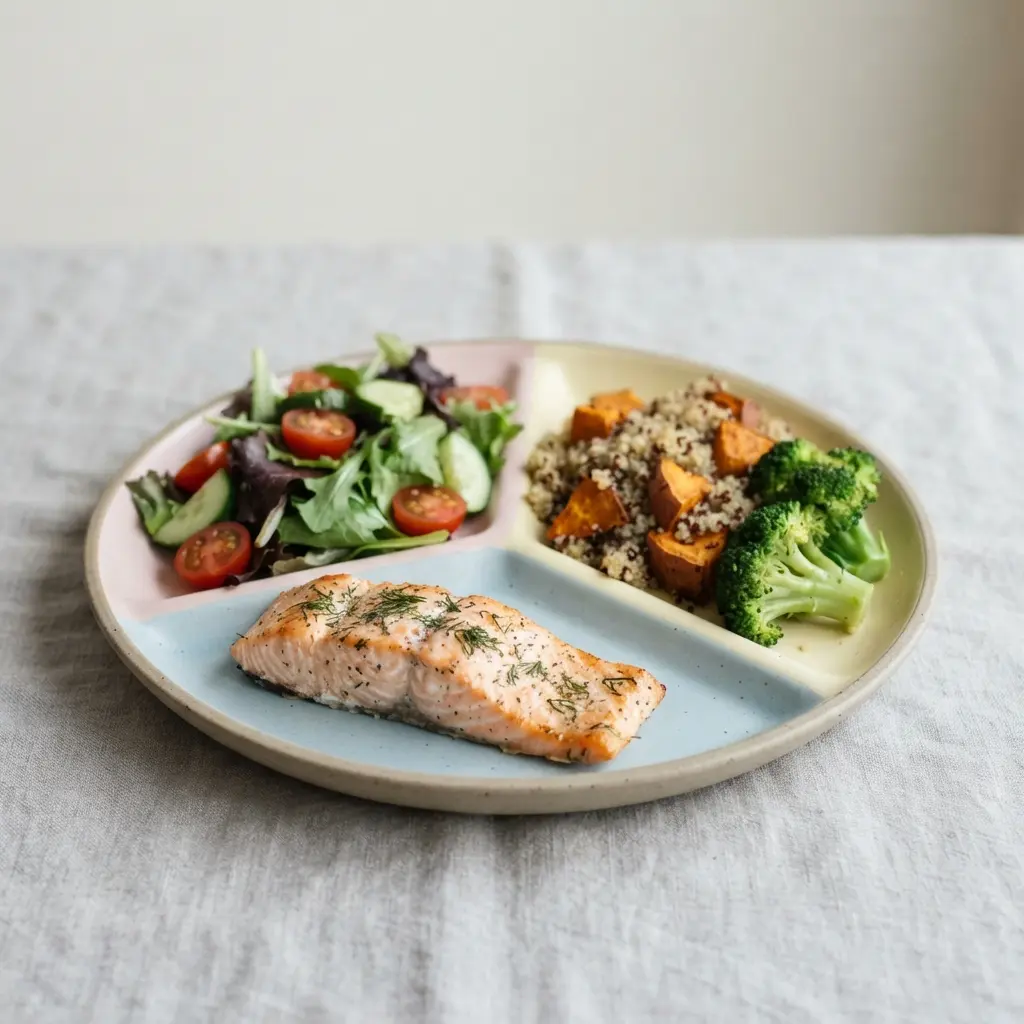
Do you ever finish a meal and realize you were not fully paying attention to what or how much you ate? Mindful portion control is about being present during meals. It starts with tuning into your body’s signals. Eat when you are moderately hungry, not starving.
Stop when you feel comfortably satisfied, not stuffed. It takes your brain about 15 to 20 minutes to register fullness signals, so eating slowly is essential. Watching portion sizes naturally reveals how to be a happy dieter. This practice helps prevent overeating by aligning your intake with your actual needs.
Flexible portion control means your serving sizes adapt to your day. Use smaller plates to make portions appear more substantial. Visualize standard sizes with hand analogies: a deck of cards for meat, a cupped hand for grains. This method moves you away from rigid restriction and toward a more intuitive approach. For a deeper understanding of adaptable eating, read about the flexible rules for dieting success. Many people find this reduces food waste and increases meal satisfaction.
Do not confuse physical hunger with emotional cravings. One is gradual and satisfied by any food. The other is sudden and craves specific comfort foods. Learning this difference explains how to be a happy dieter. Learning this distinction is a key part of mindful eating.
6. Navigate Social Meals with Confidence and Ease

Think of social meals not as a test of willpower but as a chance to connect with others. Preparation is your key to success. Before any event, clarify your dietary needs to yourself. Then, communicate them politely to your host a few days in advance. Knowing how to be a happy dieter means communicating clearly ahead of time. Offer to bring a safe dish to share. This proactive step eliminates guesswork and anxiety.
During the meal, focus on the company and conversation rather than the food. If the menu does not align with your plan, simply choose the best available option without comment. You can always fill up on vegetables or lean protein. Research suggests that planning for social events reduces stress and increases adherence to dietary goals.
Remember, your commitment to your health journey is the priority, and learning why to avoid fad diets helps build sustainable habits that are easier to maintain in any social setting. Enjoying meals with others clearly shows how to be a happy dieter.
7. Master Efficient Weekly Meal Preparation
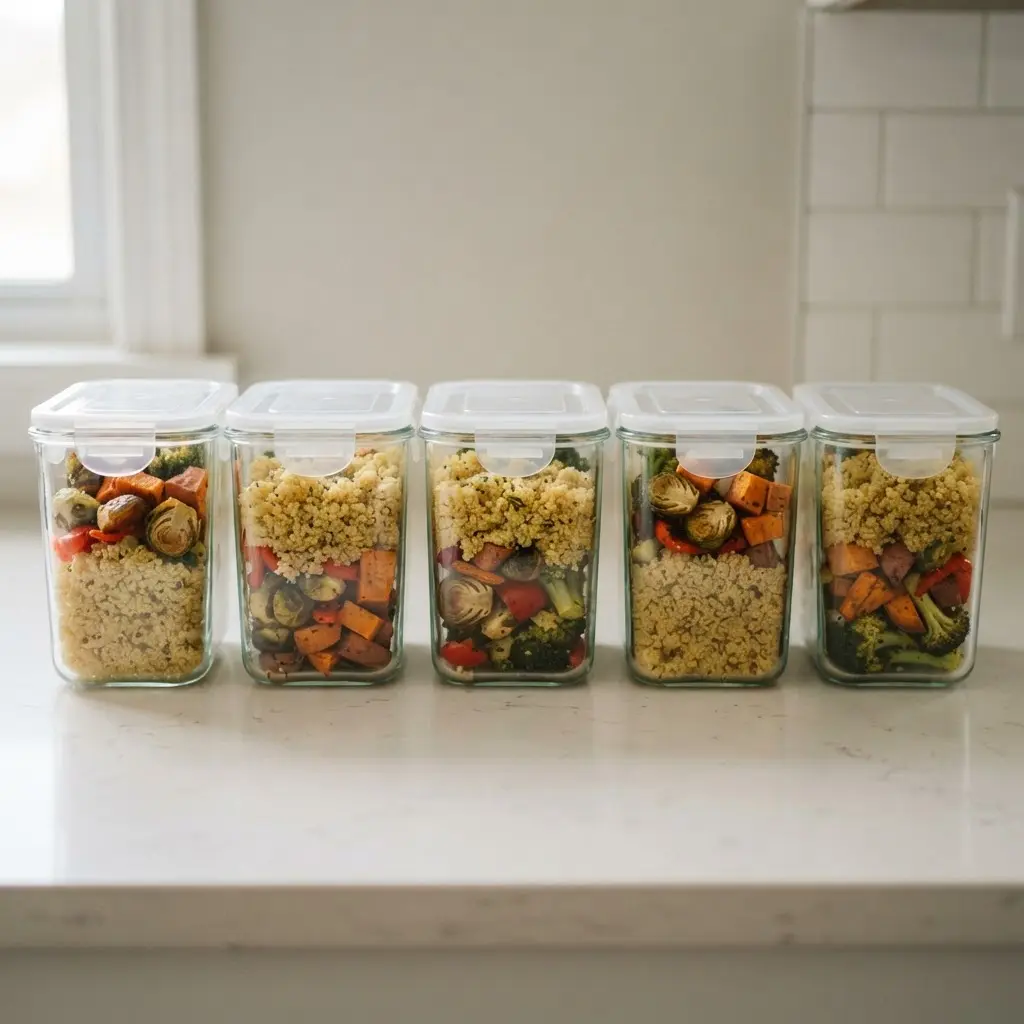
The common mistake is to approach meal prep as a large, daunting Sunday chore. This leads to burnout. Instead, treat it as a streamlined, batch-cooking system you can spread across a few days. Establishing this system shows exactly how to be a happy dieter.
Designate one day for washing and chopping vegetables. Use another day to cook your lean protein sources in bulk. Assemble individual meal containers on a third day. This spaced-out approach takes about 90 minutes of active work total, not a single marathon session. Keeping prep manageable proves how to be a happy dieter. It prevents decision fatigue and keeps your food fresh.
Research suggests this method significantly increases dietary adherence. A key part of maintaining this routine is prioritizing workouts over starvation to ensure your meal plan fuels an active lifestyle, not just a calorie deficit. Fueling your body properly confirms how to be a happy dieter. Store your prepared meals in clear containers at the front of the refrigerator.
8. Show Yourself Kindness After a Setback

Begin by directly naming your feeling of disappointment or frustration without judgment. This act of mindful acknowledgment creates space between you and the negative thought, preventing a downward spiral. Treating yourself well reveals how to be a happy dieter. Treat yourself with the same warmth you would offer a close friend, recognizing that setbacks are a shared human experience. Research suggests this self-compassion reduces stress, which is a common trigger for emotional eating.
Give yourself a specific break, like a 20-minute walk or listening to a favorite album, to reset mentally. Then, reframe the event as a learning opportunity. This approach builds the resilience needed to continue your diet plan effectively, and understanding the fundamental keys for healthy weight loss provides a stable framework to return to. Moving forward gently teaches you how to be a happy dieter.
9. Find Your Personal Reasons for Healthy Eating

Picture yourself choosing a snack on a busy afternoon. You could grab a quick, sugary option, or you could reach for something more nourishing. Connecting food to your goals illustrates how to be a happy dieter. The choice feels easier when you connect it to your personal goals, like having the energy to play with your children after work or staying focused during an important project.
This process of connection is called intrinsic motivation. Begin by asking yourself a series of why questions. For example, if you want to lose weight, ask why that matters. You might discover the deeper goal is feeling confident at a family event or keeping up with friends on a hiking trip. This internal reason provides a stronger anchor than external pressure.
Research suggests this self-reflection leads to more sustainable habits. A clear personal reason helps you navigate challenges and view healthy choices as empowering steps toward your life goals, not as restrictive rules. Following your own motivation explains how to be a happy dieter. For a practical application, learn about making smart healthy food replacements that align with your specific energy or wellness targets.
10. Plan for Balanced Nutrient Intake Every Day

A common mistake is to focus only on calories. A healthy diet is about nourishment, not just restriction. Balanced nutrient intake provides your body with the right proportions of carbohydrates, proteins, and fats to function optimally.
Structure each meal around a lean protein source, a complex carbohydrate like brown rice, and a variety of colorful vegetables. This method ensures you get a wide range of vitamins and minerals. Do not eliminate entire food groups, as this can lead to cravings and low energy.
This approach supports sustained energy and a positive mindset. For long-term motivation, focus on these real reasons to manage weight beyond the scale.
Navigating Dietary Plateaus and Mental Resiliency
You will hit a point where the scale stops moving, and that is exactly when you need to measure your progress in other ways. Trust me, this is the moment most people quit. Instead of getting discouraged, look at your habit consistency. Are you drinking your water every day? Are you choosing vegetables more often? These are real wins. Plateaus are a normal part of the process, and focusing on your improved emotional state or physical stamina gives you the proof you need to keep going. Recognizing non-scale wins proves how to be a happy dieter. This multidimensional feedback loop rewards your effort, not just a temporary result, which builds the mental toughness you need. This approach ensures you stay on track for the long haul.
Conclusion
Your journey with food is deeply personal. It is about more than numbers on a scale. It is about feeling good in your body and enjoying your meals without stress. Embracing this mindset fully demonstrates how to be a happy dieter. The goal is to build a lifestyle that supports your well-being and brings you happiness. Remember, progress is not always a straight line. Be patient with yourself and celebrate the small wins. Keep these strategies close, especially the one about showing yourself kindness. When you focus on nourishment and joy, you truly learn how to be a happy dieter.
FAQs
Q: How can I stop feeling deprived on a diet?
A: Focus on adding nourishing foods you enjoy, rather than taking things away. Allow yourself flexibility and mindful portions of your favorite foods so you do not feel restricted.
Q: What should I do if I overeat or have a bad day?
A: Be kind to yourself. One meal or one day does not define your progress. Simply return to your healthy habits at the next meal without guilt or punishment.
Q: How do I stay motivated when results are slow?
A: Look for non-scale victories like having more energy, sleeping better, or your clothes fitting differently. These signs of progress can keep you motivated.
Q: Is it okay to eat out with friends while dieting?
A: Yes. Plan ahead by checking the menu, choose balanced options, and focus on the social experience. Enjoy your meal mindfully without stress.
Q: How do I handle strong food cravings?
A: First, drink water. Sometimes thirst feels like hunger. If the craving persists, have a small portion of what you want mindfully, or choose a healthier alternative that satisfies you.