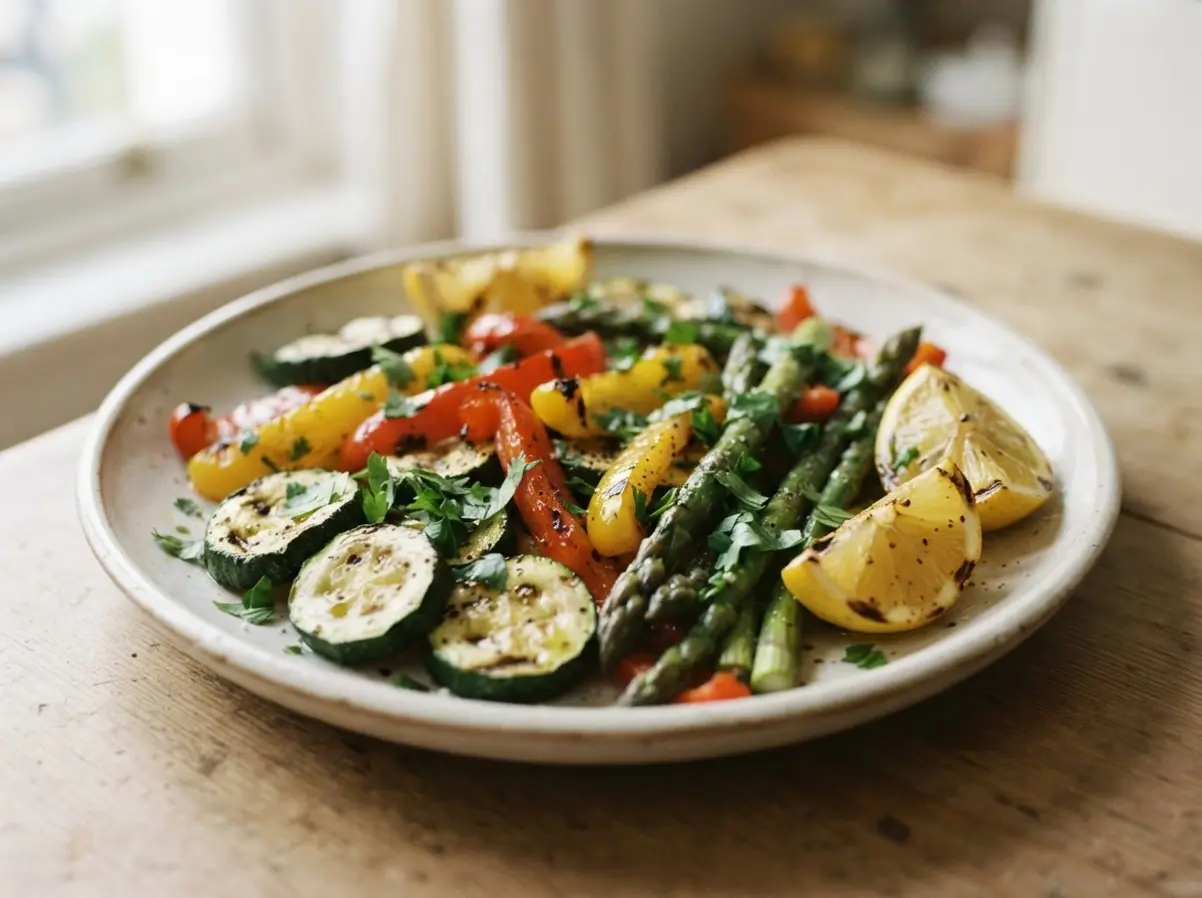
Cook larger pieces over direct heat, then move them to a cooler spot when the outside browns too fast, following basic methods. A basket helps with small vegetables. You do not need heavy sauce for good flavor. This guide shares tips for choosing oils, cutting produce, setting heat zones, and preventing sticking, and Tips for summer veggies grilling make every step clear.
You will also find simple marinades, dry seasonings, cooking times, and fresh finishing ideas, which support steady meal planning. I like to keep the vegetables colorful and firm enough for a platter, while still giving them dark grill marks. Let’s make the process easy for a weeknight meal or a relaxed weekend cookout. Gather your favorite summer produce, heat the grill, and start with zucchini.
Grill Basket Setup For Small Vegetables
A perforated grill basket over a 400 to 450°F grill keeps small vegetables from dropping through the grates. Choose a stainless steel grill basket with holes large enough for heat to reach mushrooms, sliced zucchini, cherry tomatoes, and asparagus tips. Coat the vegetables lightly with avocado or grapeseed oil so browning develops without greasy pooling, just like standard Tips for summer veggies grilling suggest.
Leave space around each piece rather than filling the basket to the rim, since crowded vegetables steam and soften. A long-handled spatula helps turn the contents without piercing tender pieces. Toss the basket contents every few minutes for even color, then move quick-cooking vegetables away from direct heat if their edges darken early. Wash the basket after each use, especially after handling raw vegetables alongside meat.
Balanced Plant-Based Plate Pairings
Pair grilled vegetables with a protein and a whole grain so the plate feels filling without relying on heavy sauces. Add whole-grain couscous beside peppers, onions, eggplant, or zucchini, then spoon on lemon-herb dressing at the table. Chickpeas, lentils, tofu, or grilled tempeh supply protein, while avocado or a small handful of pumpkin seeds adds unsaturated fat.
Keep delicate greens separate until serving, since hot vegetables wilt them quickly. A cool bean salad brings contrast to smoky corn and mushrooms, while plain yogurt with cucumber suits chili-seasoned vegetables, matching the core of reliable Tips for summer veggies grilling. Use fresh parsley, basil, or cilantro to connect the side dishes with the grill flavors. Portion leftovers into separate components so grains stay firm and vegetables do not soak the dressing.
1. Essential High-Heat Oils for Clean Vegetable Grilling
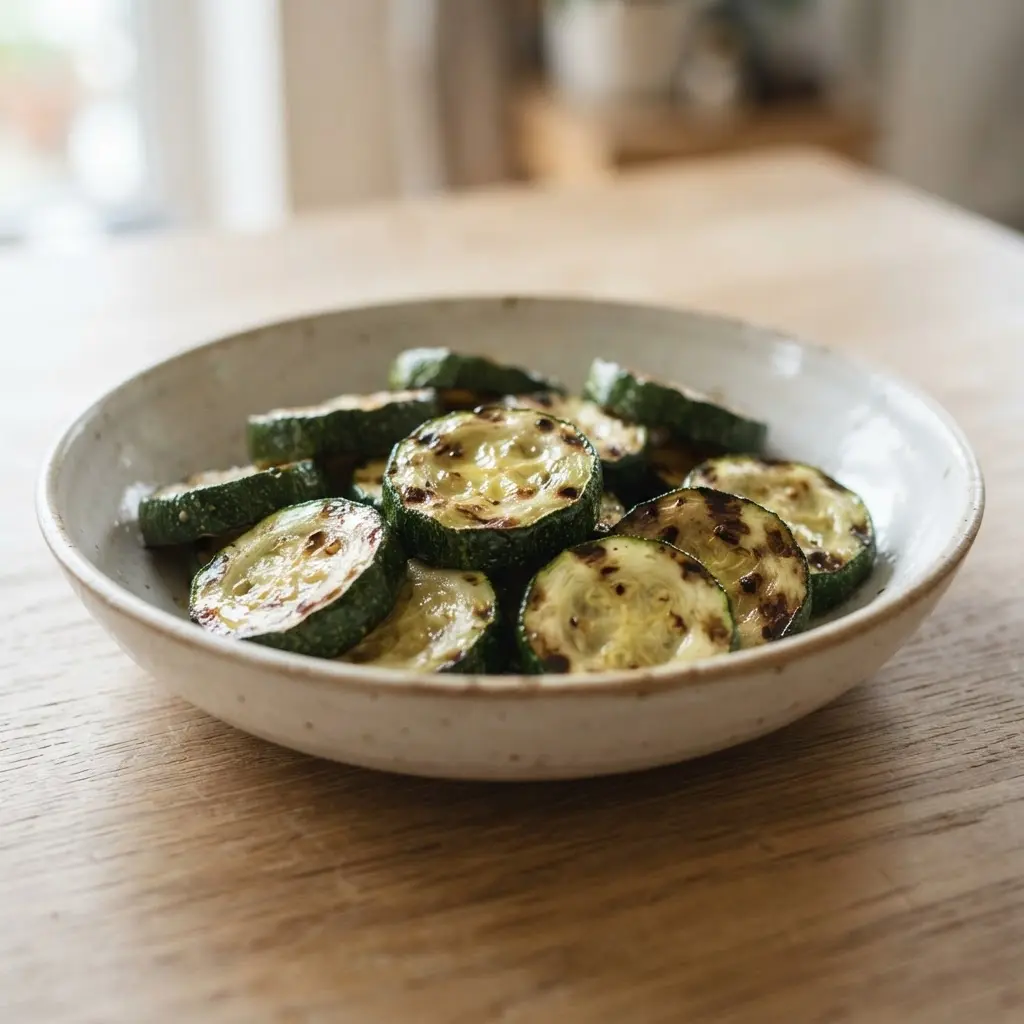
Using any oil on a hot grill is a common mistake. Choose a refined oil with a smoke point suited to high heat, a key detail in proven Tips for summer veggies grilling for oil selection. Refined avocado oil exceeds 500°F (271°C) and has a neutral taste. Canola oil and vegetable oil offer affordable options near 400°F (204°C). Grapeseed oil reaches about 420°F (216°C) and supports clean browning without adding much flavor.
Start with a clean grate. Place a small amount of oil on a folded paper towel, then hold the towel with long-handled tongs. Lightly coat the hot grates immediately before adding prepared vegetables, and follow these steady Tips for summer veggies grilling for safe preparation. Avoid spraying cooking oil directly onto the grate. Aerosolized oil raises the risk of flare-ups. Reapply sparingly rather than soaking the vegetables or grate.
Use refined sesame oil for grilling, but reserve toasted sesame oil for finishing because toasted oil has a stronger flavor and lower heat tolerance. A thin oil coating reduces sticking and supports even grill marks. Research on cooking oils shows smoke point affects smoking and burning, so match the oil to the grill temperature as recommended by reliable Tips for summer veggies grilling.
2. Vegetable Uniformity and Cutting for Even Cooking
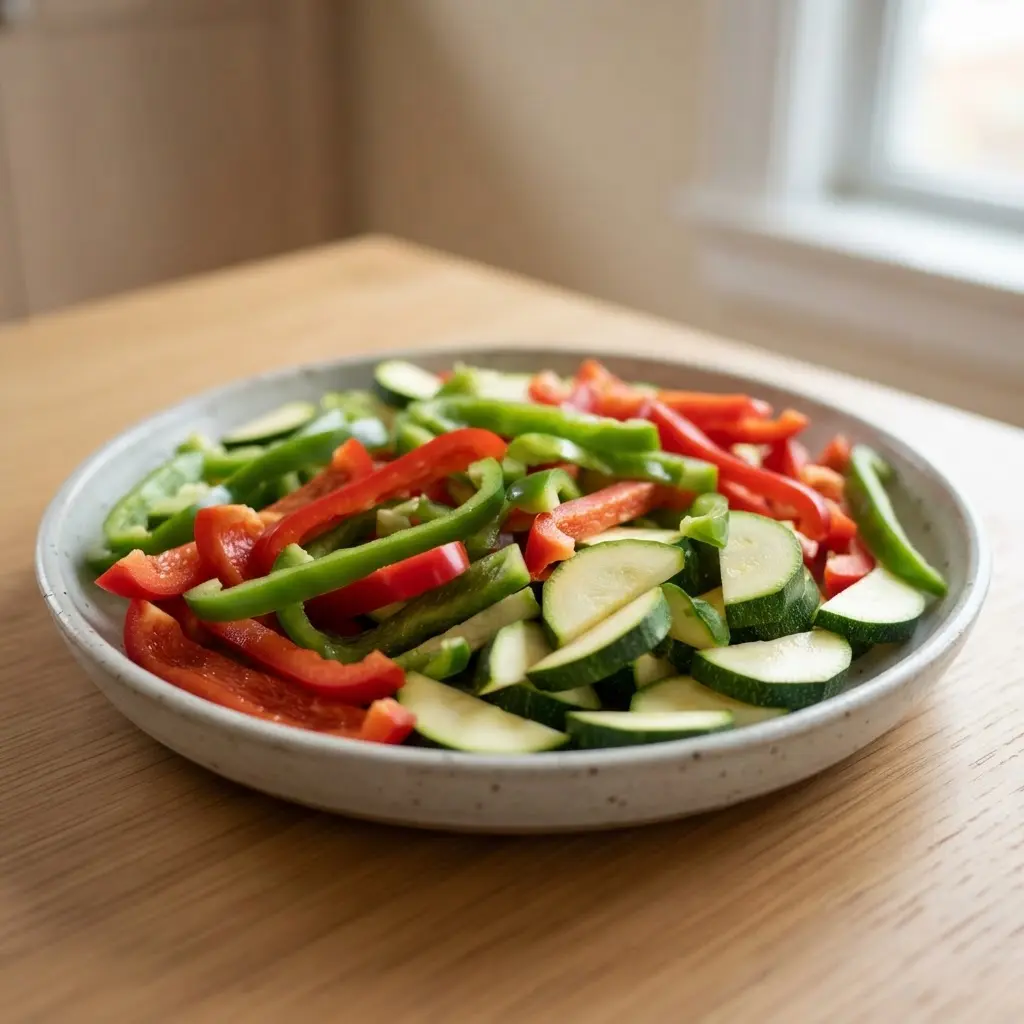
Cut every vegetable into matching pieces before heating the grill. Start with a flat cutting base for round zucchini, onions, or potatoes, since precise prep forms the foundation of steady Tips for summer veggies grilling. Slice one thin side away, then rest the flat side on the board. Keep pieces close to the same thickness, since a 1/4-inch baton cooks faster than a thick wedge. Use a sharp chef knife and curled fingers for control.
Choose medium or large dice for bite-sized pieces, batons for firm carrots, and thin slices when speed matters. Separate dense carrots and beets from squash and mushrooms. Water-rich vegetables soften faster, even when pieces look similar, which aligns with practical Tips for summer veggies grilling for timing. Arrange vegetables in a single layer without crowding. Turn each piece halfway through cooking so multiple sides meet the heat. This reduces uneven browning and soft centers.
Uniform cuts produce steadier texture and cleaner presentation. Prepare all cuts before cooking, then group vegetables by density and size. Check the thickest piece before serving. A browned outside does not confirm a tender center, so always verify doneness using the best Tips for summer veggies grilling.
3. Direct Versus Indirect Grilling Heat Zones
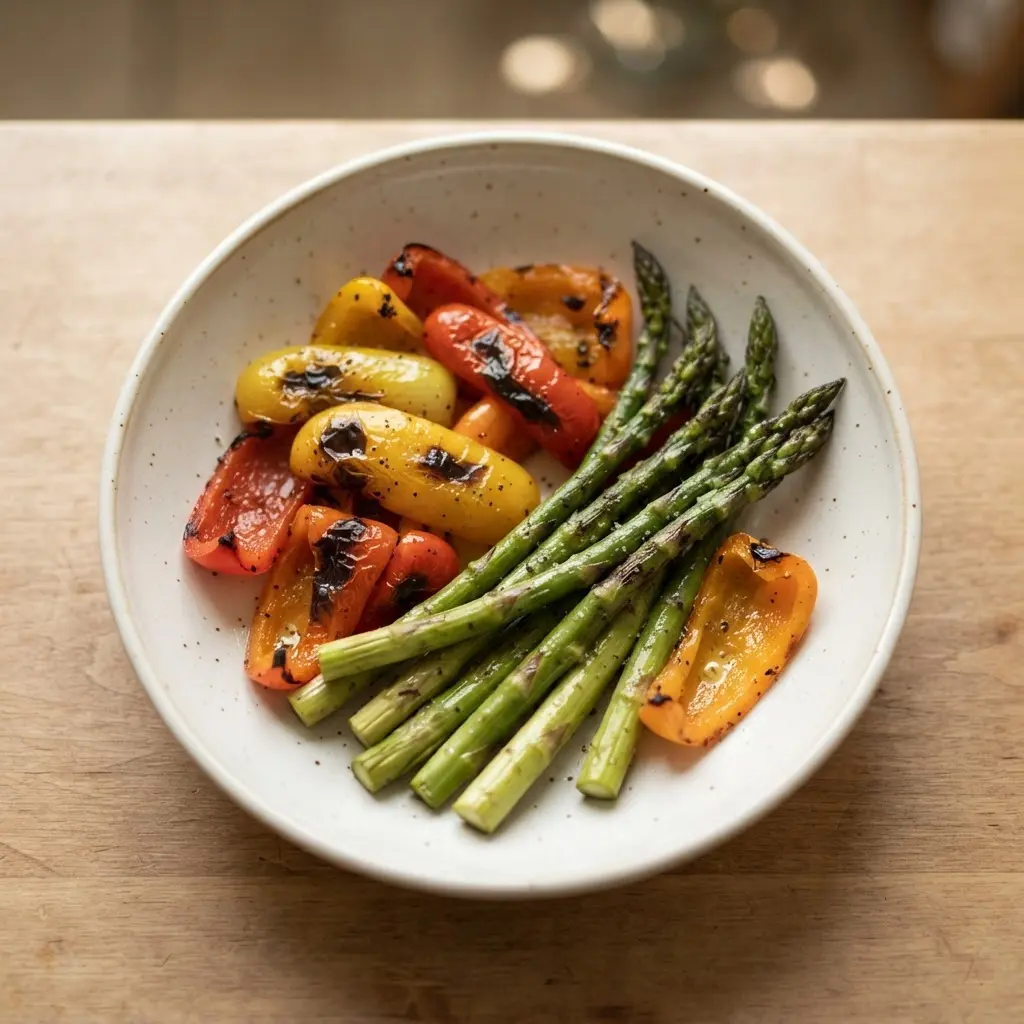
At 6 p.m., thick zucchini rounds may brown quickly while the centers stay firm. Set up two grilling heat zones before cooking, which defines successful Tips for summer veggies grilling for temperature control. Place one area directly over the flame for fast browning and light char. Keep a second area beside the flame for slower, gentler cooking.
Arrange vegetables needing quick color over direct medium-high heat, about 450–500°F. Move thicker pieces, such as eggplant halves or large peppers, to the indirect zone when their surfaces darken too fast. On a gas grill, light one burner and leave the other off. With three burners, light the outer burners and leave the center unlit, a setup recommended in proven Tips for summer veggies grilling for steady results.
Close the lid during indirect cooking. Heat circulates around the vegetables, much like an oven, while the cooler position limits surface scorching. Research suggests controlled heat exposure supports more even cooking and better texture. Avoid frequent lid lifting because each opening releases heat and extends cooking time, just as careful Tips for summer veggies grilling always advise. Use direct heat for color, then finish vegetables over indirect heat when the centers need more time.
4. Grill Basket Usage Benefits for Small Pieces
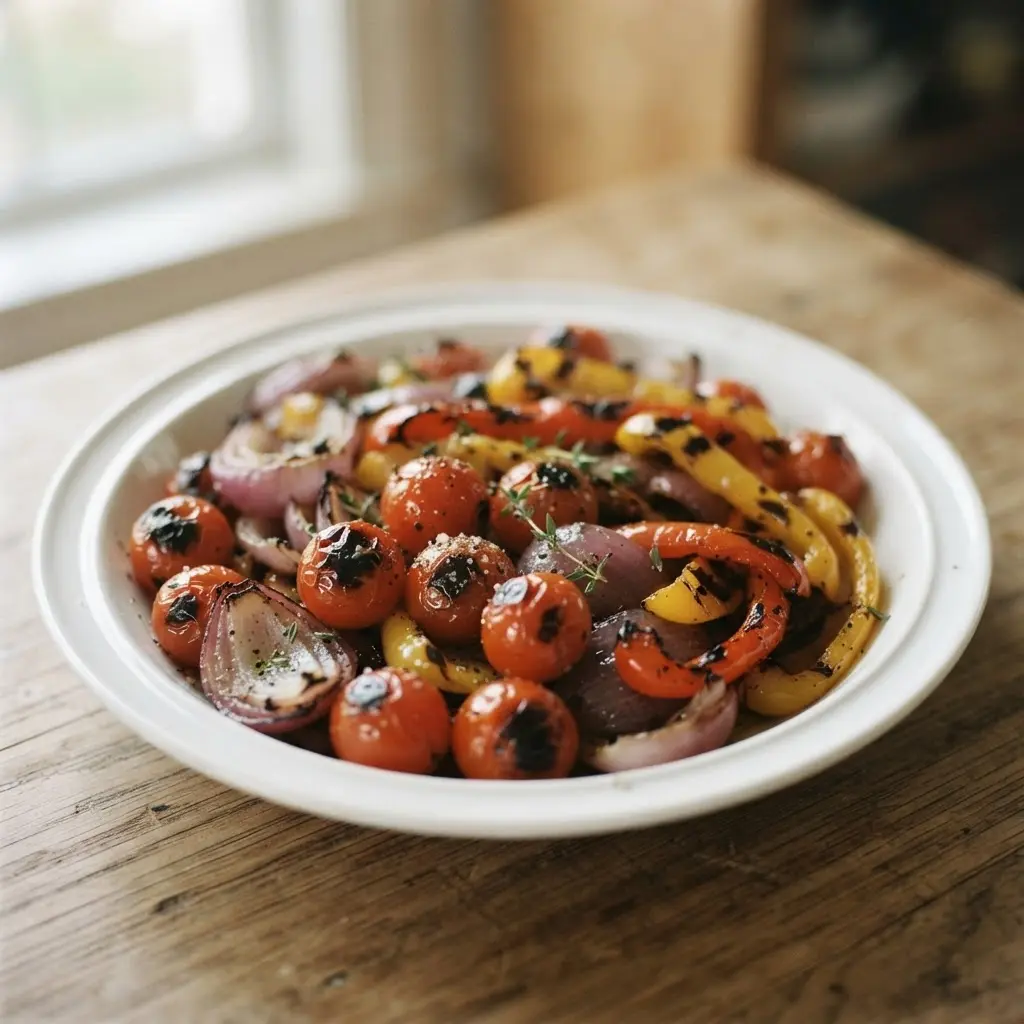
Some cooks think a grill basket blocks smoky flavor. A perforated grill basket keeps small summer vegetables above the grates while heat and smoke reach their surfaces, a setup backed by useful Tips for summer veggies grilling for small foods. The basket is useful for sliced peppers, onion chunks, mushrooms, cherry tomatoes, or other pieces small enough to drop through the gaps. Use the basket when handling each piece separately would be awkward.
Place the prepared vegetables in the basket, then set it on a preheated grill. Turn or shake the basket during cooking rather than leaving the food still. This movement exposes more surfaces to heat, reduces sticking, and lowers the chance of burning. A basket also gives delicate vegetables a steady cooking surface, so you spend less time chasing pieces around the grill, which fits neatly into reliable Tips for summer veggies grilling. Keep the layer fairly even to support consistent cooking.
Research on grilling methods supports the basic practical benefit: containing small foods reduces food loss and makes turning easier. Many people find this especially useful during a busy cookout, when several foods need attention at once. Choose a basket with openings suited to the food size, and use heat-safe tools when turning it.
5. Flavorful Marinade Principles for Moist Browned Vegetables
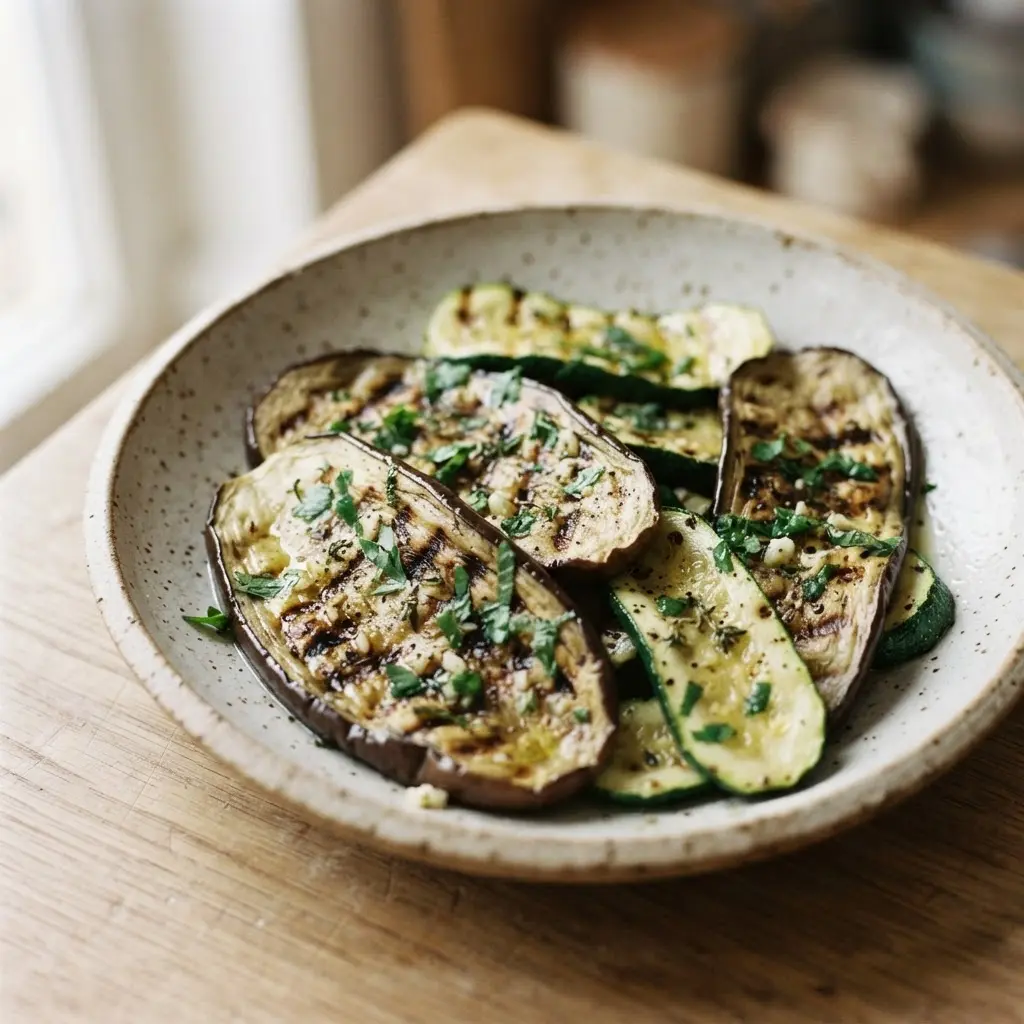
How do grilled vegetables stay moist while browning? Build the marinade around acid and fat, then add savory depth and aromatics, following core Tips for summer veggies grilling for moisture retention. Use lemon juice, vinegar, yogurt, or buttermilk for brightness and tenderness. Add olive or avocado oil to coat exposed surfaces, carry flavor, and limit drying over heat.
Layer in an umami ingredient such as soy sauce, miso, tomato paste, or nutritional yeast. Add garlic, thyme, paprika, black pepper, or a small amount of maple syrup. Sweetness supports browning, while savory and acidic notes keep the flavor balanced, matching the balance highlighted in steady Tips for summer veggies grilling. Coat each piece evenly before placing vegetables on the grill. Research on cooking methods suggests balanced seasoning supports fuller flavor and more appealing browning.
Match marination time to texture. Soak carrots, potatoes, cauliflower, broccoli, or Brussels sprouts for 30 minutes to several hours. Limit zucchini, bell peppers, and asparagus to 15–30 minutes because softer vegetables break down faster, a crucial detail among effective Tips for summer veggies grilling. Drain excess marinade before grilling to reduce flare-ups, especially when using oil or sweeteners. A balanced coating gives dense vegetables time to absorb flavor without leaving delicate pieces mushy.
6. Natural Seasoning Blends for Fresh Summer Produce
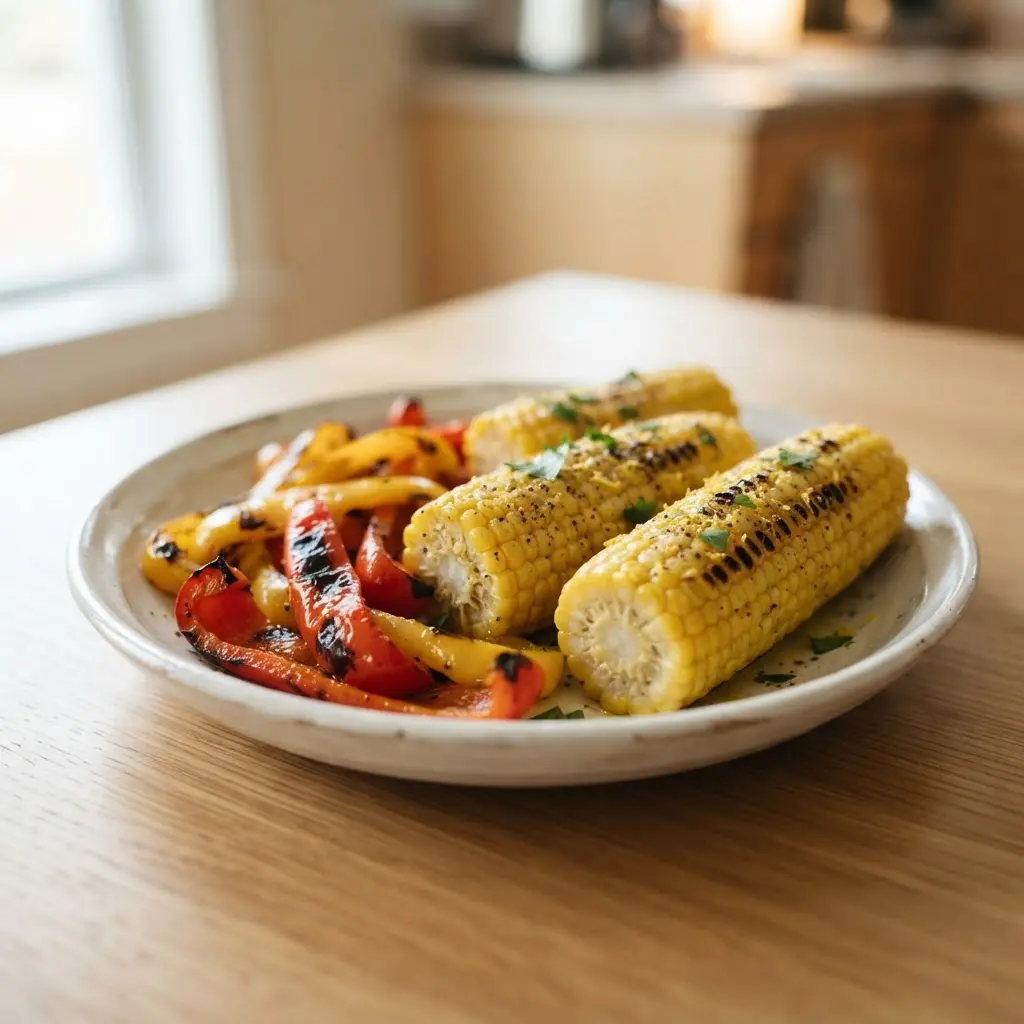
A bottled sauce gives grilled vegetables one fixed flavor, while a small herb blend keeps each ingredient distinct. Choose a Summertime Sprinkle with basil, parsley, dill, garlic, and lemon zest for zucchini, corn, tomatoes, or a fresh salad, as basic Tips for summer veggies grilling suggest for fresh toppings. Toss the blend with vegetables before cooking, or sprinkle it over warm pieces so the herbs adhere.
Match stronger blends to hearty dishes. Combine garlic and onion with black pepper for grilled peppers, asparagus, broccoli, or potato wedges. Use basil, oregano, thyme, marjoram, rosemary, and sea salt for roasted vegetables, beans, pasta, or soup. Add tomato, chili, and lemon zest to a tomato salad for savory heat and brightness. Mix seasoning thoroughly through oil or dressing so each bite receives a similar amount, a habit supported by practical Tips for summer veggies grilling.
Research suggests diets rich in varied plant foods benefit from making vegetables easier to serve often. Natural seasonings add variety without lengthy preparation or a heavy sauce. Start with a small amount of salt, taste after cooking, and adjust while the vegetables are warm. Store dried blends in an airtight jar and use within a few months for fresher flavor.
7. Grill Surface Preparation Techniques for Less Sticking
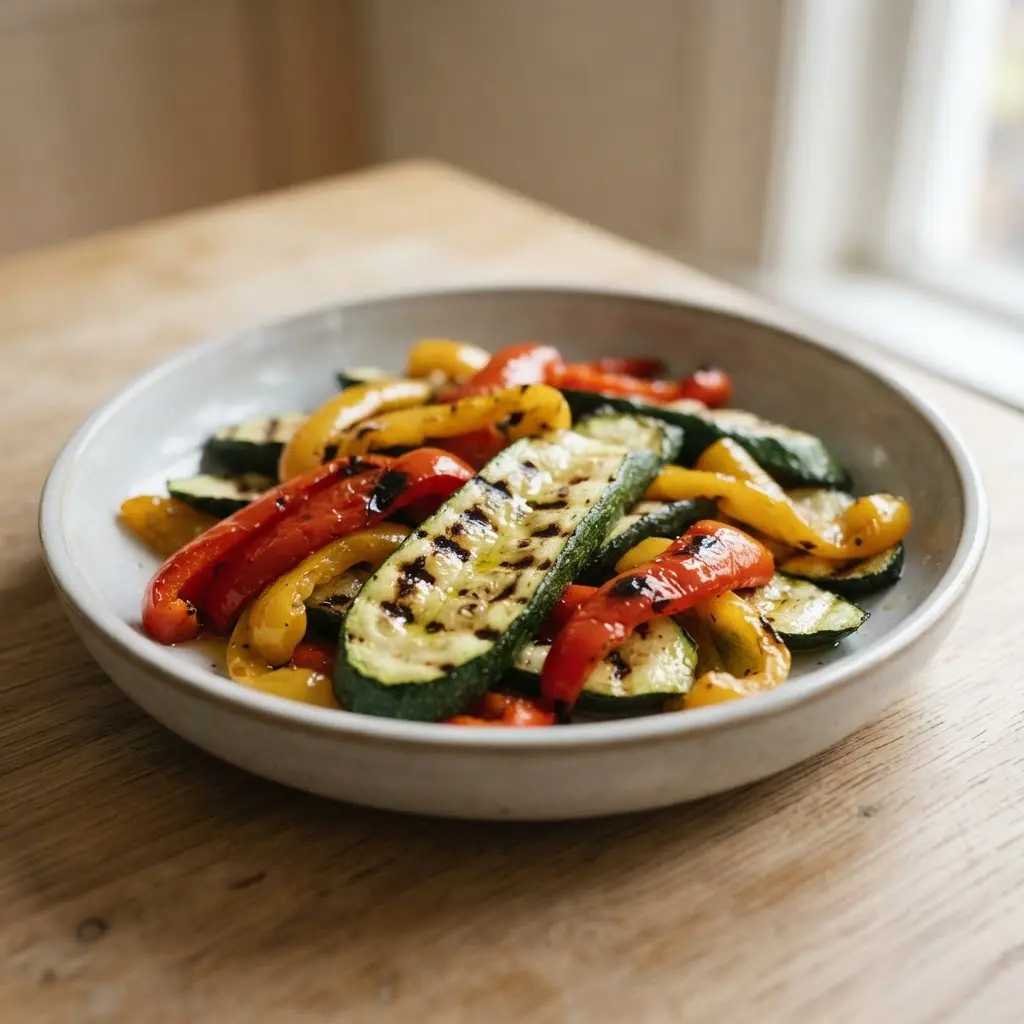
Oiling cold grates before heating is a common mistake. Oil burns away during preheating and leaves residue behind, which contradicts safe Tips for summer veggies grilling for grate prep. Scrub the grates while warm, not scorching, using a grill brush. Remove stuck-on food and carbonized bits. Preheat the grill until the surface reaches full cooking heat. A clean, heated grate gives summer vegetables a firmer searing surface and fewer torn pieces.
Choose a high-smoke-point oil such as canola, grapeseed, avocado, or peanut oil. Dip a folded paper towel in the oil, grip the towel with long tongs, and wipe the hot grates quickly. Make one or two light passes rather than soaking the surface. Keep excess oil away from open flames to reduce flare-ups. Evidence on cooking-surface preparation shows proper cleaning, heating, and light oiling improve food release and browning, matching the best Tips for summer veggies grilling for clean results.
Leave space between vegetable pieces so heat stays steady. Then allow each piece to sear before moving it. A crust often supports natural release from the grate, while an early flip tears soft food. Apply sugary marinades or sauces near the end because sugar burns and forms sticky residue. Cast iron needs seasoning, stainless steel needs careful preheating, and chipped porcelain coating needs replacement.
8. Vegetable-Specific Cooking Times for Popular Summer Produce
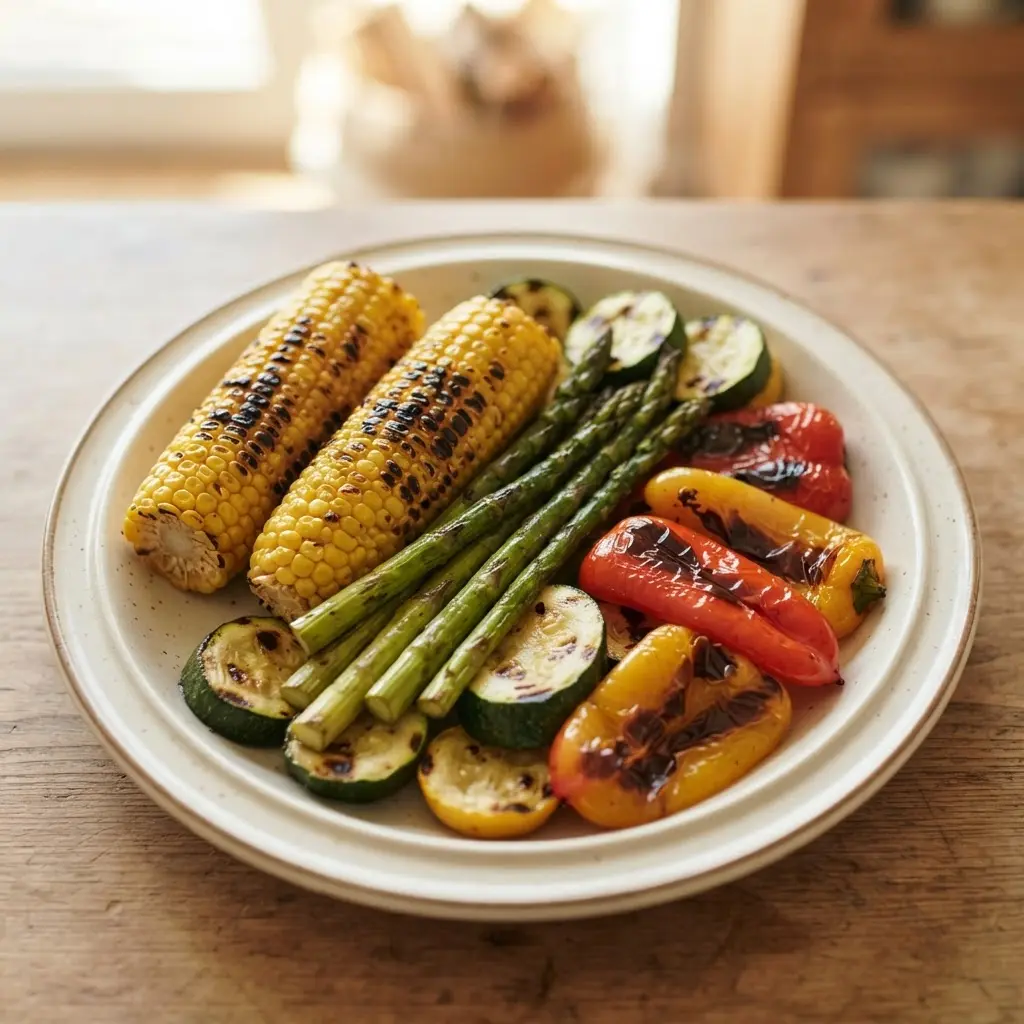
Match each vegetable to its cooking method before setting a timer, a step highlighted in proven Tips for summer veggies grilling for timing accuracy. Boil spinach for 1–3 minutes, while potatoes need 15–20 minutes. Broccoli takes 4–6 minutes in boiling water but 10–12 minutes with steam, so never transfer one method’s timing to another.
Use the vegetable and portion size as your starting point. Roast whole asparagus spears for 10–12 minutes and carrots for 25–30 minutes. Bell peppers need 15–20 minutes when roasted, while sautéed peppers finish in 3–5 minutes, which follows standard Tips for summer veggies grilling for pacing. Eggplant and summer squash usually need 5–10 minutes when boiled or sautéed.
Check quantity closely during microwave cooking. Microwave one ear of corn for 2–3 minutes and two ears for 3–4 minutes. Whole potatoes take 4–6 minutes for one or two potatoes, then 8–12 minutes for three or four. Pierce whole potatoes before cooking and check tenderness near the center.
Research suggests vegetable-specific timing supports more even results because produce differs in water content, size, and firmness. Use a fork to test dense vegetables, and remove quick-cooking vegetables as soon as they reach the desired texture.
9. Post-Grilling Finishing Touches With Citrus and Cheese
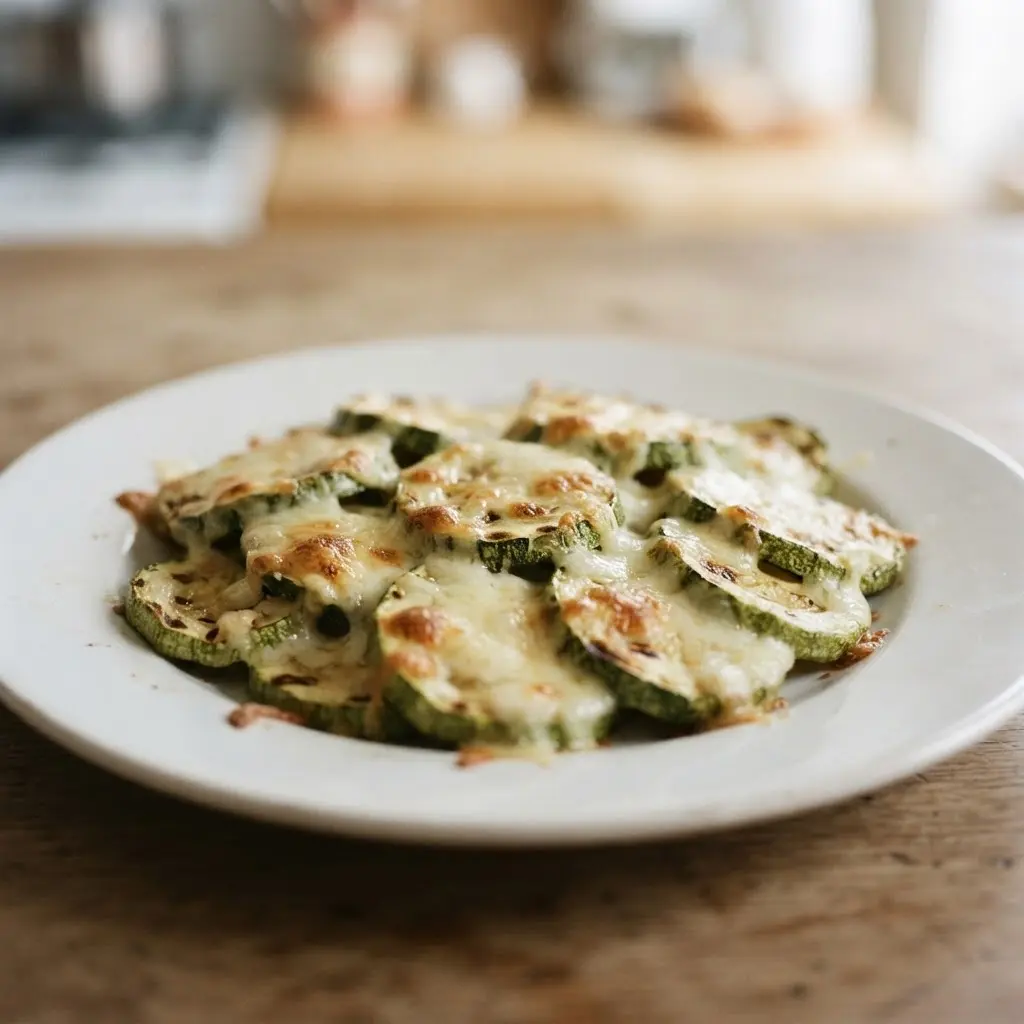
At dinner, vegetables often come off the grill with deep, smoky flavor but need brightness before serving. Halve a lemon, lime, orange, or grapefruit and place the cut side down over direct heat, a simple finish recommended in steady Tips for summer veggies grilling. Grill for about 3 to 5 minutes, until the surface is warm and lightly caramelized. Squeeze the juice over the vegetables while they are still hot. Use a grilled citrus half for fresh acidity and a mild smoky sweetness.
Choose cheese based on the texture you want. Grill halloumi or queso fresco in slices until lightly browned, then place the warm pieces over the vegetables. Heat Brie whole until the center is barely melting, and remove it before the cheese loses its shape. Add lemon aioli or chili-infused citrus honey after grilling so delicate flavors stay clear.
Research suggests acidity improves balance in rich, smoky dishes, while cheese adds protein and savory depth. Serve leftover grilled vegetables in summer salad pairings for another meal. Keep the finish simple when the vegetables already have strong char, following the best Tips for summer veggies grilling for final touches.
10. Fresh Herb Flavor Pairings for Grilled Vegetables
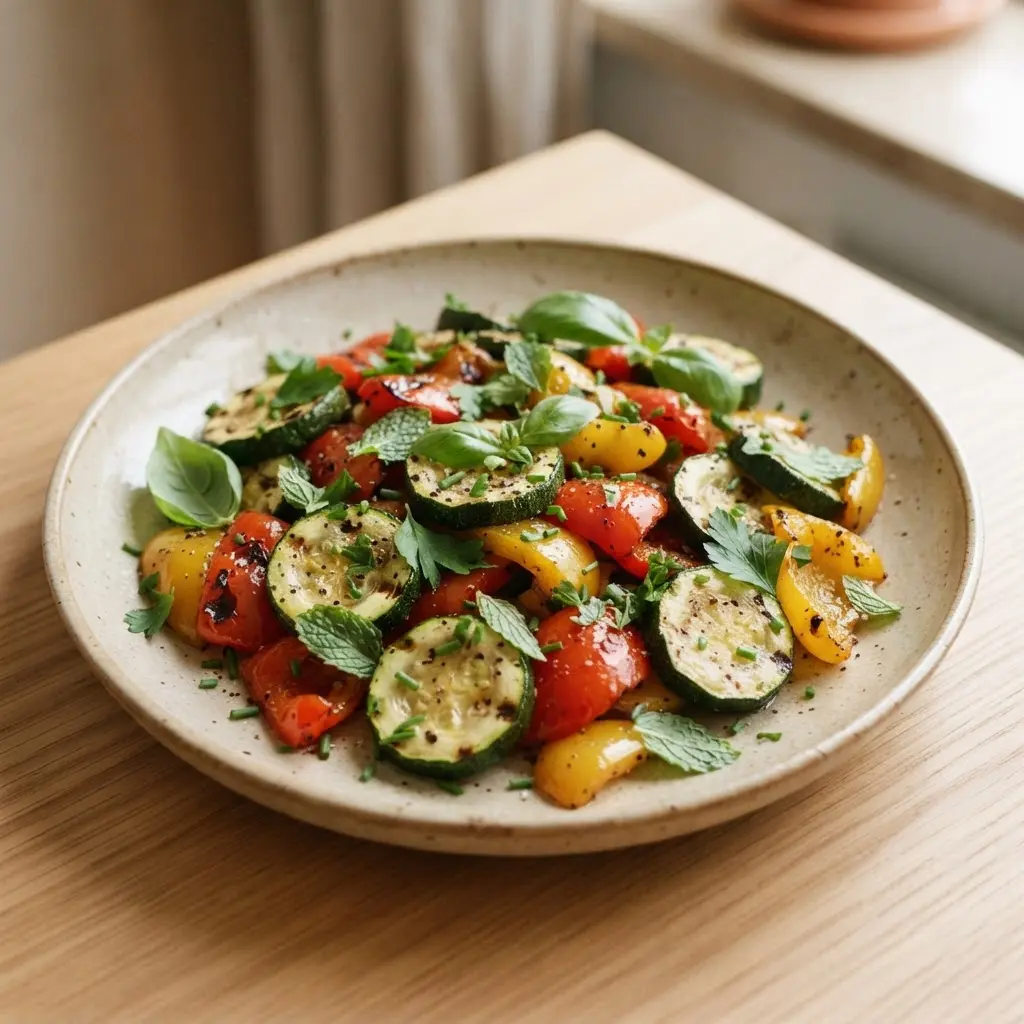
A common belief says fresh herbs belong only on vegetables after grilling. The truth is broader: fresh herb pairings work before, during, and after cooking, a flexible approach backed by proven Tips for summer veggies grilling for seasoning. Toss tomatoes with basil, oregano, or thyme. Pair zucchini with mint, parsley, dill, or thyme. Choose oregano, rosemary, or cilantro for bell peppers.
Build a marinade with olive oil and lemon juice, garlic, salt, pepper, and chopped herbs. Let the vegetables rest for at least 30 minutes before grilling. Add cilantro to corn, rosemary to asparagus, or sage to onions and mushrooms. Tie rosemary or thyme into a small bundle, then place the bundle near the vegetables for a gentle smoky herb flavor.
Many cooks find different pairings give familiar vegetables distinct flavor profiles without relying on one seasoning blend. Fresh herbs also add color, while acidity keeps an oil-based marinade balanced. Finish grilled eggplant with basil or mint, and scatter chopped parsley over broccoli or broccolini immediately before serving. Keep delicate herbs away from intense direct heat, then add them fresh at the end.
Refrigerated Leftover Vegetable Storage
Refrigerate grilled vegetables in a shallow glass container within two hours of cooking, or within one hour when outdoor heat reaches 90°F. Spread the pieces in a thin layer so they cool faster, then cover the container once steam subsides. Keep the refrigerator at 40°F or below and eat the vegetables within three to four days for best quality.
Store dressing, fresh herbs, and crisp greens apart from the cooked vegetables, since moisture softens their texture. Reheat dense pieces such as potatoes and corn in a skillet, while zucchini, tomatoes, and mushrooms often taste better cold or at room temperature. Use clean utensils for serving, and discard leftovers with a sour smell, slimy surface, or unusual color, following safe Tips for summer veggies grilling for food storage.
Conclusion
Fresh vegetables often bring color, flavor, and a sense of care to a shared meal. Choosing produce you already enjoy makes grilling feel relaxed instead of like another task. Tips for summer veggies grilling work best when you keep the prep simple and watch each vegetable closely.
Start with two vegetables, cut them into even pieces, and season them lightly. Place thicker pieces over stronger heat first, then shift them when the outside browns. Finish with lemon juice, chopped herbs, or a small amount of crumbled cheese. Taste before adding more salt, since charred vegetables often have plenty of flavor on their own, and these final steps align perfectly with steady Tips for summer veggies grilling.
Set aside one short cooking session this week and test a new pairing, such as peppers with zucchini or corn with scallions. Write down the cooking time you prefer. Your next platter will feel easier, fresher, and more personal.
FAQs
Q: What vegetables hold up best on a grill?
A: Zucchini, bell peppers, corn, eggplant, onions, and asparagus hold their shape well. Cut softer vegetables into thicker pieces so they stay tender without falling apart.
Q: How do I stop vegetables from sticking to the grill?
A: Start with clean grates and rub them with a thin layer of oil. Pat wet vegetables dry before seasoning, then turn them after clear grill marks form.
Q: Should vegetables go directly over high heat?
A: Thin slices and quick-cooking produce suit direct heat. Thick pieces and delicate vegetables benefit from a cooler zone after the outside browns.
Q: How long should summer vegetables cook on the grill?
A: Zucchini and asparagus often finish within several minutes per side. Corn, onions, and eggplant need more time, so check tenderness with a fork during cooking.
Q: What should I add after grilling vegetables?
A: Lemon juice, fresh herbs, garlic, toasted seeds, or a small amount of cheese add flavor without heavy sauce. Add delicate ingredients after cooking to keep their taste fresh.