Garlic Storage And Clove Quality Checks
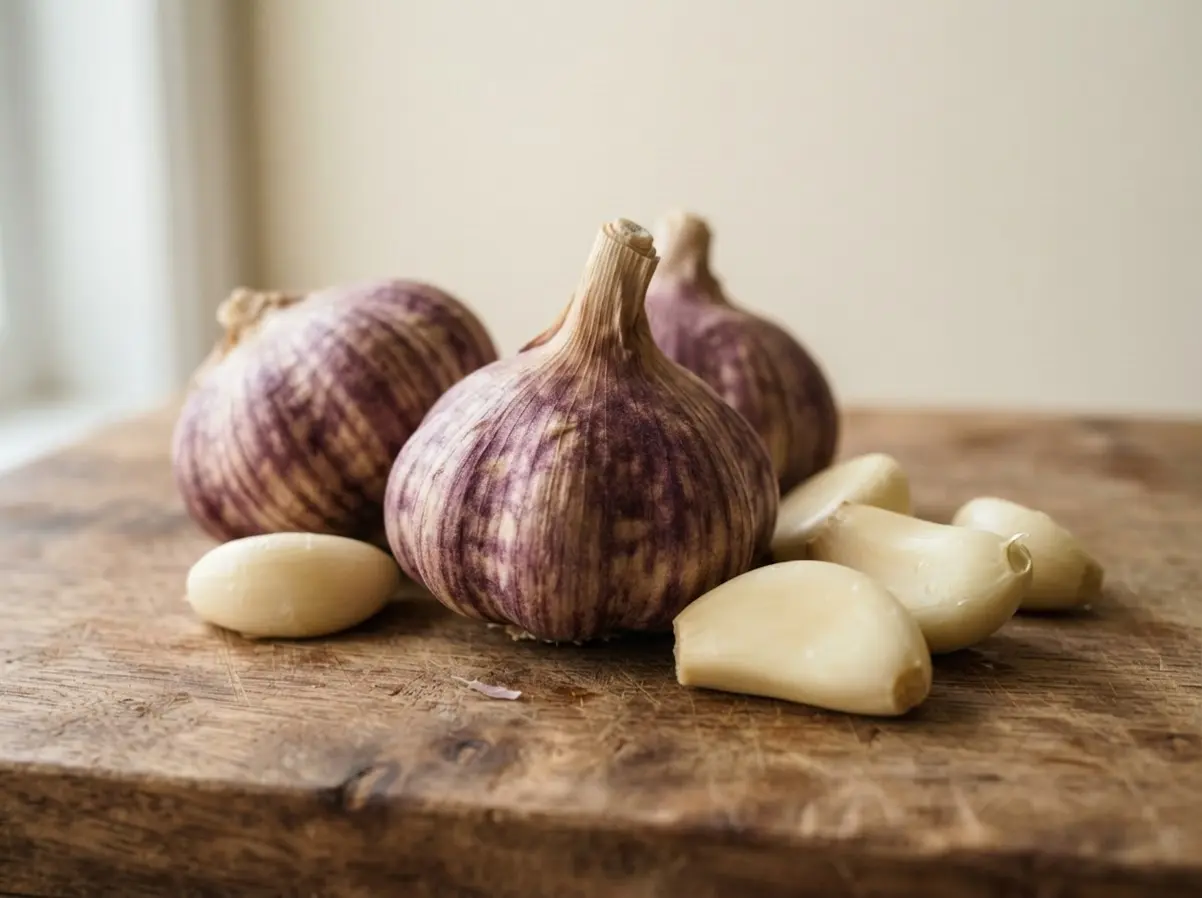
Keep unpeeled bulbs in a cool, dry, dark cupboard with airflow, not in a sealed plastic bag. Choose firm heads with tight, papery skin and no soft spots, moisture, mold, or sprouting. Separate cloves only when you plan to use them, since intact bulbs hold quality longer. A ventilated ceramic keeper helps reduce trapped humidity, while refrigeration often makes cloves sprout and develop a rubbery texture.
Fresh cloves should feel dense and smell clean, not sour. Small green shoots signal age, yet they do not automatically make garlic unsafe. The health benefits of garlic stay better when you trim the shoot if its bitter taste bothers you. Store peeled cloves in the refrigerator inside a covered container and use them quickly. Never keep raw garlic in oil at room temperature, because botulism bacteria grow in oxygen-free oil.
Medication Interactions And Bleeding Precautions
Ask a pharmacist before taking concentrated garlic supplements with warfarin, aspirin, clopidogrel, or another blood thinner. Garlic supplements might increase bleeding risk, especially when combined with anticoagulant or antiplatelet drugs. The health benefits of garlic work best with food, so note your daily intake carefully. Food amounts in ordinary meals usually raise fewer concerns, though tell your clinician about regular high intake. Stop the supplement and seek medical advice for unusual bruising, nosebleeds, blood in urine, black stools, or bleeding lasting beyond a few minutes.
Tell your surgeon or dentist about garlic products before a procedure, since they often request a pause beforehand. Garlic also interacts with some medicines the liver processes, so bring the supplement label to a medication review. Do not replace prescribed treatment with cloves or capsules. Standardized extracts deserve more caution than seasoning because dose and compound levels differ.
1. Cardiovascular Health Improvements Through Blood Pressure Support

A common mistake is treating garlic as a replacement for blood-pressure medicine. Garlic is a food-based addition to heart care, not a cure for hypertension. Use prescribed blood-pressure medicine as directed, even when garlic is part of your meals or supplement routine. Many folks track the health benefits of garlic alongside their routine heart care steps.
Garlic shows promise as a complementary way to support blood pressure, especially alongside regular exercise. Garlic compounds may improve nitric oxide availability, which supports blood vessel relaxation. Garlic may also reduce oxidative stress and affect the renin–angiotensin–aldosterone system, a hormone system involved in blood pressure control. Aim for 150 minutes of moderate exercise weekly, such as brisk walking, or 75 minutes of vigorous activity.
Build blood-pressure support around a diet rich in fruits and vegetables and low in sodium. Maintain a healthy body weight. Use home blood-pressure monitoring when a healthcare professional advises it, and share readings during appointments. Research reports an approximately 10% reduction in major cardiovascular disease for each 5 mmHg drop in systolic blood pressure.
Choose garlic as one part of a broader routine rather than relying on a specific dose or supplement form. The available research does not establish one effective preparation for everyone. Pharmacists, doctors, and other care team members can review possible supplement concerns and treatment needs. Always consult a healthcare professional before making changes to your health routine.
2. Immune System Support Mechanisms From Garlic Compounds
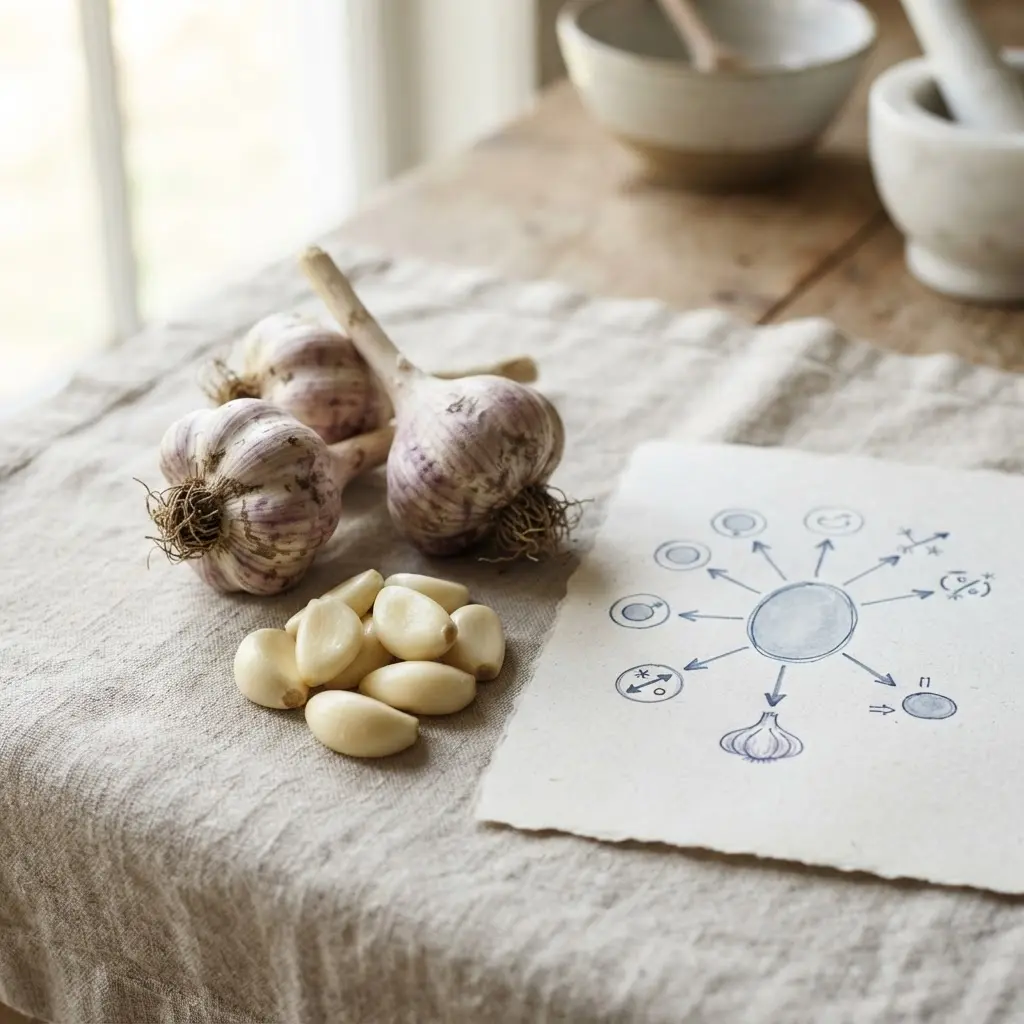
Start with ordinary food portions of garlic first, rather than treating concentrated extracts as a guaranteed shield against illness. Crushing a clove changes its sulphur compounds and forms allicin. These substances interact with immune cells and inflammation pathways in laboratory and early research. A typical meal does not provide a proven equivalent dose for any specific immune effect. Many people notice the health benefits of garlic in their weekly meals.
Garlic compounds influence immune-cell activity involving macrophages, natural killer cells, lymphocytes, dendritic cells, and T cells. Macrophages engulf particles through phagocytosis. Dendritic cells present antigens to help start adaptive immune responses. Garlic protein fractions have increased natural killer cell activity and lymphocyte growth in experimental systems. Such findings do not prove prevention or treatment of infections in people.
Focus on NF-κB signalling when explaining the inflammation link. NF-κB helps switch on genes involved in cytokine production. DATS and DAS have reduced NF-κB activity in experimental models. DADS has lowered nitric oxide and some pro-inflammatory cytokines in similar research. Garlic compounds also affect TNF-α, IL-6, IL-1β, IL-12, IFN-γ, and IL-10. The response changes with the compound, amount, and test system.
Include the gut when considering garlic fructooligosaccharides. These fructans act as prebiotic fibre for beneficial intestinal bacteria. Gut bacteria interact with immune regulation, so this route offers an indirect connection between garlic and immune function. Preparation changes the amount and availability of active sulphur compounds. Always consult a healthcare professional before making changes to your health routine.
3. Allicin Compound Benefits in Fresh Garlic
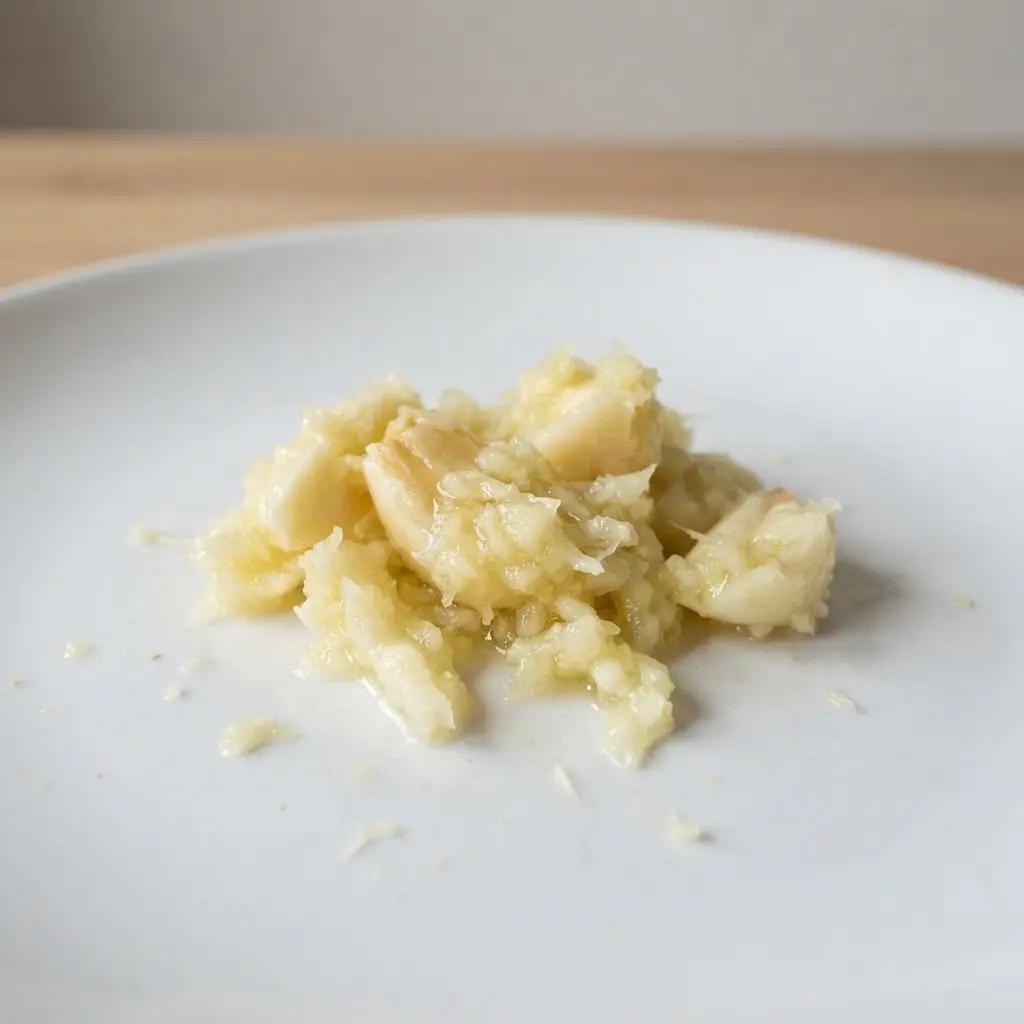
During meal preparation, a knife breaks the cells inside a fresh garlic clove. Crushing fresh garlic releases alliinase, an enzyme that acts on alliin and forms allicin within moments. Allicin creates much of garlic’s sharp odor and does not exist in large amounts inside an intact clove. Cooks who prep food at home often see the health benefits of garlic right at the counter.
Allicin reacts quickly with cellular molecules, including glutathione, an antioxidant used by cells. The compound also connects with the Nrf2 pathway, which regulates enzymes involved in antioxidant and detoxifying activity. Research suggests these reactions contribute to some of the biological effects linked with fresh garlic.
Studies have examined allicin and its breakdown products in relation to oxidative stress, inflammation, nitric oxide production, and blood-vessel function. Research suggests possible effects on blood pressure and cholesterol, while laboratory studies show dose-dependent antimicrobial activity. These findings do not prove that eating garlic treats infections or guarantees cardiovascular protection.
Use finely chopped garlic in meals when you want to support allicin formation before cooking. Allicin is chemically unstable, so storage, heat, digestion, and metabolism change the amount available. Fresh cloves, aged preparations, extracts, and supplements also differ in their allicin-forming potential. Always consult a healthcare professional before making changes to your health routine.
4. Antioxidant Defense Systems and Cellular Protection
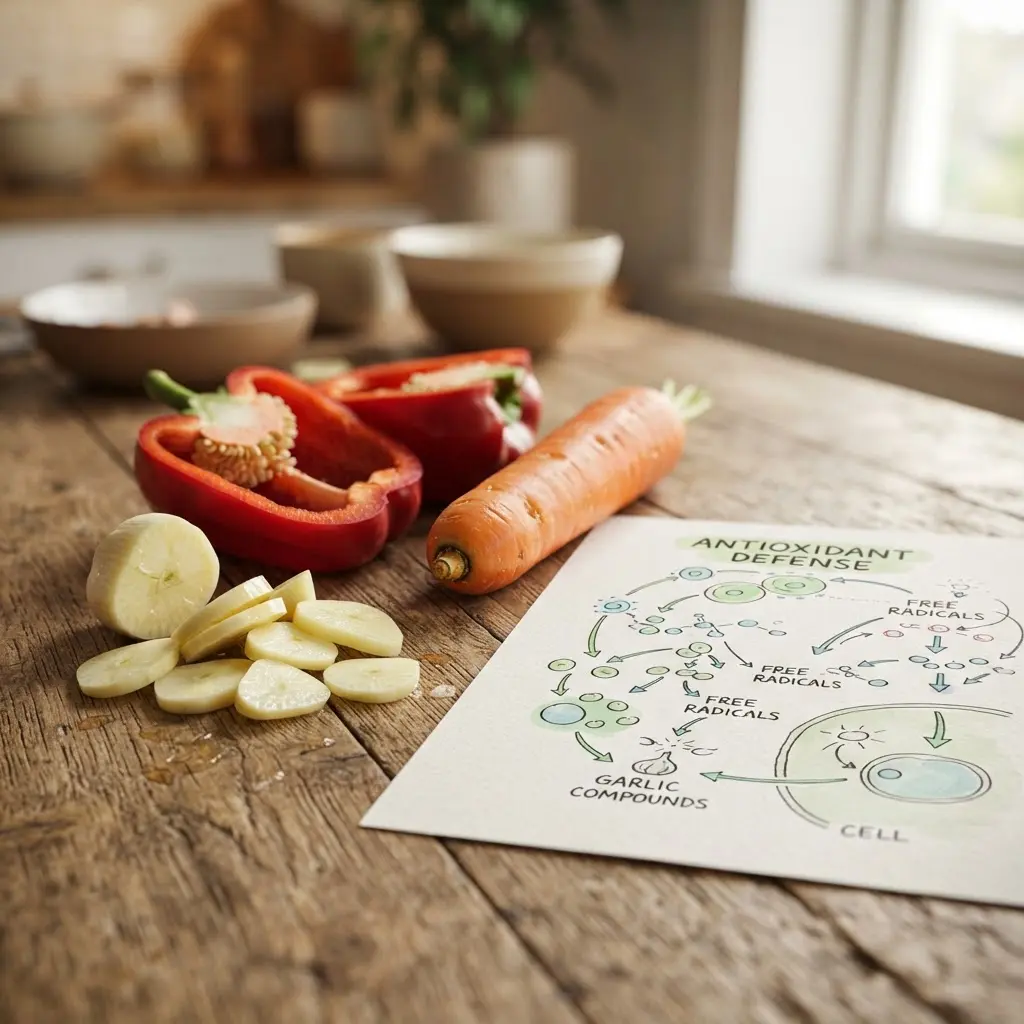
A common myth says eating one antioxidant-rich food gives cells complete protection. The body does not rely on one food. It uses an antioxidant defense system made of enzymes and other molecules working in different cell areas. You will notice the health benefits of garlic when cells handle daily stress better.
Reactive oxygen species form during normal cell activity and during illness. Superoxide dismutase changes superoxide into oxygen and hydrogen peroxide. Catalase and glutathione peroxidase then process hydrogen peroxide. Glutathione recycling keeps reduced glutathione available for repeated reactions through the work of glutathione reductase.
Other defenses include thioredoxins, peroxiredoxins, glutaredoxins, and heme oxygenase-1. The Nrf2-Keap1 pathway regulates many genes involved in antioxidant and detoxification responses. Water-soluble antioxidants, including glutathione, work mainly in fluid areas of cells. Fat-soluble antioxidants, including vitamin E and ubiquinone, work in fatty cell structures.
Research on garlic compounds does not establish a specific cellular protection outcome from general antioxidant mechanisms alone. The health benefits of garlic should therefore be described with care, without treating antioxidant activity as proof of disease prevention or treatment. Use garlic as food within a varied eating pattern, rather than as a replacement for medical care or a balanced diet. Always consult a healthcare professional before making changes to your health routine.
5. Heavy Metal Detoxification Processes and Garlic Intake
Does garlic remove lead, mercury, or cadmium from the body? No. Garlic is not a proven human detoxification treatment. Research on compounds such as allicin and ajoene has shown possible effects on metal levels in the liver, kidneys, bones, and testes. The health benefits of garlic do not clear toxins quickly on their own.
Garlic appears to act through several connected processes. Certain compounds bind with proteins called metallothioneins, which normally hold metal ions inside cells. This interaction could change how toxic metals such as cadmium, lead, and mercury are stored. Experimental work has also linked garlic intake with greater metal excretion, especially cadmium removal through feces. Effects vary by metal, dose, timing, and tissue.
Some studies examined garlic after exposure rather than before exposure. Lead research linked allicin with movement of lead away from tissues and lower oxidative stress. Garlic extracts also showed liver-protective effects during heavy-metal exposure in laboratory models. These results explain the interest in garlic, but they do not prove reliable detoxification for people. The evidence level remains limited because animal studies provide most of the available data.
Use garlic as a food, not as emergency care or a replacement for chelation treatment. Suspected exposure requires testing, removal from the exposure source, and professional medical assessment. Do not rely on supplements to manage poisoning, and do not change a prescribed treatment plan without medical guidance. Always consult a healthcare professional before making changes to your health routine.
6. Raw Versus Cooked Preparation for Better Allicin

Raw, rested garlic preserves more allicin than garlic exposed to prolonged high heat. For the strongest allicin formation, use freshly crushed garlic rather than whole cloves. Crushing breaks garlic cells and brings its sulfur compounds together, starting the process linked with allicin production. The health benefits of garlic show up best when you prep it right.
Let crushed or chopped garlic stand for about 10 minutes before eating or adding it to food. This brief pause gives allicin time to form before heat affects the mixture. Eat the garlic raw when practical, or stir it into a dish during the final minutes of cooking.
High heat changes the result. Allicin is unstable and breaks down during cooking, so garlic added at the start of a hot recipe usually provides less allicin than raw garlic. Keep temperatures near 140°F (60°C) where possible to retain more beneficial compounds. Stir-frying still creates other bioactive compounds and may improve the extraction of bound phenolics, so cooked garlic is not nutritionally inferior in every respect.
Use late-stage garlic as a practical middle ground when raw garlic feels too strong. Add it near the end of soups, sauces, vegetables, or grains. Cooking water can carry away some compounds, so use the liquid in the dish when suitable. Allicin content does not guarantee a specific health outcome, and garlic does not replace medical care.
7. Daily Dosage Recommendations for Food-Based Use
Mistake: treating Daily Value numbers as a garlic dose. Daily Values describe nutrients listed on food and supplement labels. They do not state how many cloves a person should eat each day. Use garlic as a culinary ingredient in meals rather than treating ordinary food use as an official supplement dose.
Choose an amount suited to the dish, such as garlic added to one meal, and adjust for taste and tolerance. No specific daily amount is established here for fresh cloves, cooked garlic, or crushed garlic. Preparation changes the amount and form of garlic compounds consumed, so a serving of fresh garlic does not equal a measured amount from a capsule or concentrated extract.
Keep nutrient values separate from bioactive guidance. Protein, vitamin C, potassium, and dietary fibre values describe nutrient intake. They do not create a garlic serving recommendation. A bioactive recommendation would need a measured daily amount, a clear form such as food or supplement, a target health outcome, a defined population, and evidence for safety and benefit.
This distinction matters because food-based use and concentrated supplements differ in amount, composition, and exposure. Proposed maximum doses for other novel foods also do not establish a dose for garlic. Follow garlic-specific guidance from a recognised health authority when a precise amount is needed for a defined purpose. The health benefits of garlic work best when you follow clear food rules.
Always consult a healthcare professional before making changes to your health routine. Keep culinary use separate from treatment claims, especially during pregnancy, before surgery, or alongside medicines that affect bleeding.
8. Potential Drug Interactions With Blood-Thinning Medicines
Tell your doctor or pharmacist about garlic supplements before starting them with a blood thinner. This step gives your care team a chance to review bleeding risks and decide whether extra monitoring is needed.
Anticoagulants such as warfarin, heparin, and direct oral anticoagulants reduce clot formation. Antiplatelet medicines such as aspirin and clopidogrel reduce platelet activity. Research has not established a specific garlic and blood thinner interaction or shown how often one occurs. Concentrated garlic products deserve more caution than ordinary amounts used in cooking. The health benefits of garlic stay safe when you share a full medication list.
List every new medicine, including short-term antibiotics, antifungals, pain relievers, and antidepressants. Aspirin, clopidogrel, and nonsteroidal anti-inflammatory drugs increase bleeding risk when combined with anticoagulants. Antibiotics and antifungals also alter warfarin activity through changes in gut bacteria or liver enzymes.
Arrange closer INR monitoring after starting, stopping, or changing a supplement or medicine while taking warfarin. INR testing measures how long blood takes to clot. A changed result signals a need for medical review, not a reason to adjust the dose independently. Direct oral anticoagulants have separate interaction pathways involving P-glycoprotein and CYP3A4.
Watch for unusual bruising, prolonged bleeding, black stools, blood in urine, or severe headache, and seek urgent medical care for serious or unexplained bleeding. Research supports disclosing herbal products because their effects on clotting medicine are not always predictable. Always consult a healthcare professional before making changes to your health routine. Never stop a prescribed blood thinner without medical advice.
Signs Of Excess Intake And Tolerability
Stop a garlic supplement and seek medical advice if you develop facial swelling, wheezing, faintness, or widespread hives. These signs suggest a serious allergy, not ordinary food intolerance. Raw cloves often cause heartburn, stomach pain, gas, nausea, or loose stools, especially after large servings. Cooking usually softens garlic’s sharpness and often improves comfort, though sensitive people still need smaller portions.
Persistent mouth burning, rash after skin contact, or worsening digestive symptoms deserves clinical guidance. Garlic breath and body odor come from sulfur compounds, and brushing, tongue cleaning, water, or milk might lessen them without removing the cause. Keep a note of dose and symptoms when testing a supplement. Stop self-treatment if symptoms continue, and never use garlic in place of prescribed care. The health benefits of garlic fade quickly when you push your stomach too far.
Conclusion
Garlic is easy to keep in the kitchen, and its strong flavor helps simple meals taste satisfying. The health benefits of garlic matter most when it joins a balanced eating pattern, not when it replaces medical care or a varied diet. Start with a small amount of cooked garlic in soup, beans, vegetables, eggs, or whole-grain dishes. If raw garlic bothers your stomach, choose cooked cloves and increase slowly. Crushing a clove before cooking gives you time to form allicin, while gentle heat helps protect flavor and some useful compounds. If you take blood-thinning medicine or have a planned procedure, ask your health professional about garlic supplements and large amounts. Pick one meal today and add a small serving. This simple step lets you enjoy garlic often while paying attention to how your body responds.
FAQs
Q: Is garlic good for heart health?
A: Garlic fits a heart-friendly eating pattern. Research links regular intake with modest support for blood pressure and cholesterol in some people.
Q: Does raw garlic work better than cooked garlic?
A: Crushed raw garlic forms more allicin than garlic cooked right away. Gentle cooking keeps much of the flavor and helps reduce stomach irritation.
Q: How much garlic should I eat each day?
A: Food amounts vary by taste, meal, and stomach comfort. Start with one small clove in a meal and adjust based on how you feel.
Q: Is garlic safe with blood-thinning medicine?
A: Garlic supplements and large amounts of garlic might affect bleeding. Ask your health professional before using supplements or before a planned procedure.
Q: Why does garlic upset my stomach?
A: Raw garlic often causes gas, heartburn, or stomach pain in sensitive people. Smaller portions, cooked garlic, and eating it with food often feel easier.