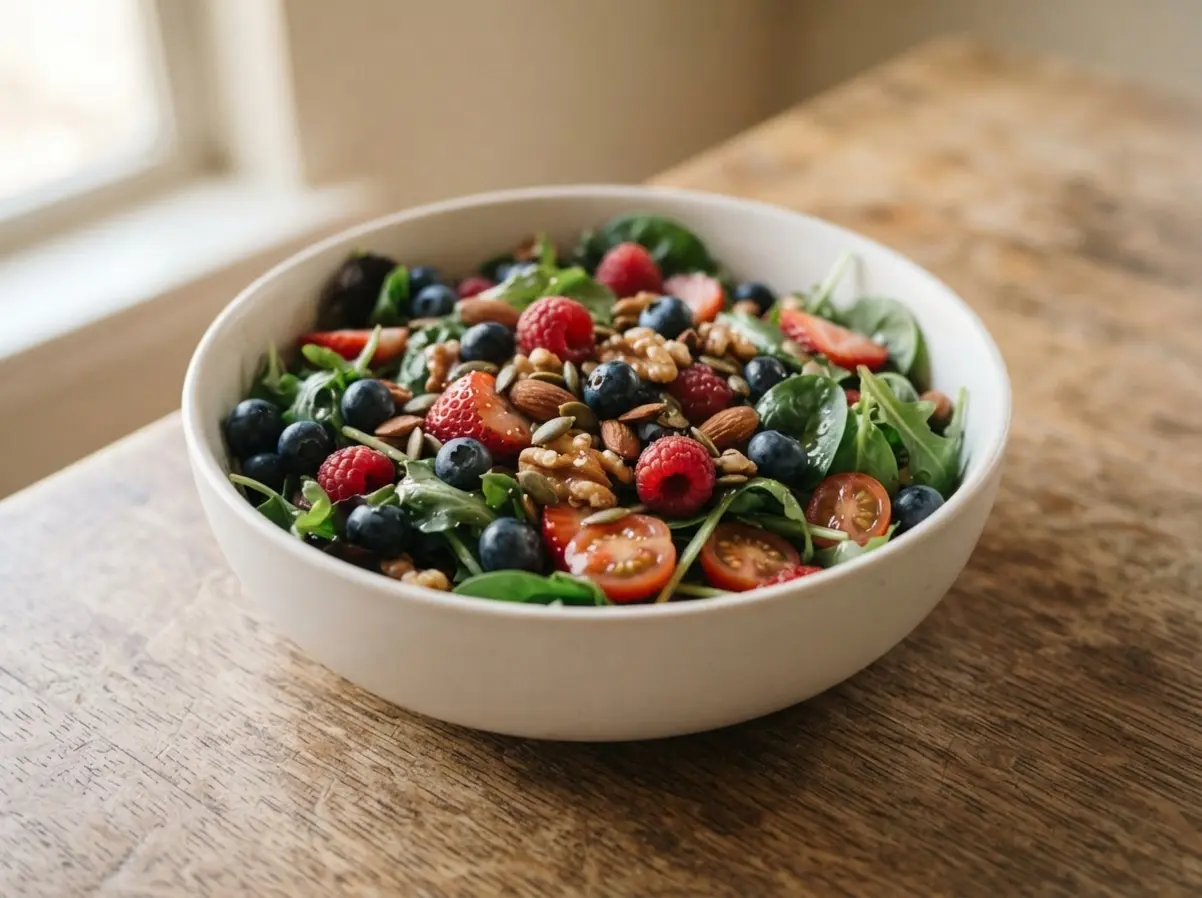
These foods are full of vitamins, minerals, and other good things your body needs. They help your heart, give you steady energy, and support your brain. This list breaks down seven foundational groups that make eating well easy and effective. Let us look at how to fill your plate with foods that truly work for you.
Defining Nutrient Density for Daily Health
The single best metric for choosing your daily foods is their nutrient density, which is the amount of vitamins, minerals, and fiber you get per calorie. Think of it as getting the biggest nutritional bang for your buck.
When identifying the best foods you should eat everyday, this concept moves you past trendy superfood labels and toward foundational choices like leafy greens and whole grains. These everyday items deliver a steady stream of essential micronutrients that support your metabolic function.
Their long-term benefits prevent chronic diseases, making them essential for lasting wellness. The good news is, focusing on this density principle naturally guides you to a balanced, sustainable diet rather than a restrictive one. You build a plate that works for your body every single day.
Biological Principles of Bioavailability in Nutrition
Your body cannot use the iron in spinach as well as the iron in beef without a little help from vitamin C. This is the core idea of bioavailability, which is how much of a nutrient your system can actually absorb and use.
It is a crucial detail that changes how you pair foods you should eat everyday. For example, adding bell peppers or tomatoes to a lentil salad boosts iron uptake.
This principle applies to many nutrients. Understanding it helps you maximize the benefits from your daily meals. You ensure the good stuff on your plate makes it into your cells where it does the work.
1. Deeply Pigmented Leafy Greens — A Daily Vitamin Powerhouse

A common mistake is to treat these greens as a mere side dish. They are a foundational example of foods you should eat everyday for their dense concentration of nutrients.
These vegetables provide high levels of Vitamin K for bone health, Vitamin A for vision, and Vitamin C for immune function, making them a top tier choice among foods you should eat everyday. They also contain essential minerals like iron and calcium.
The deep pigmentation signals a high presence of protective carotenoids, such as lutein and zeaxanthin, which specifically support eye health. For instance, regular consumption of spinach or kale directly contributes to your daily intake of these critical compounds.
Research suggests this daily intake supports long-term cellular protection and reduces inflammation. Always consult a healthcare professional before making changes to your health routine. For a practical approach to including these and other essential items, learn about affordable healthy daily food choices.
2. Antioxidant-Rich Fresh Berries for Cellular Health
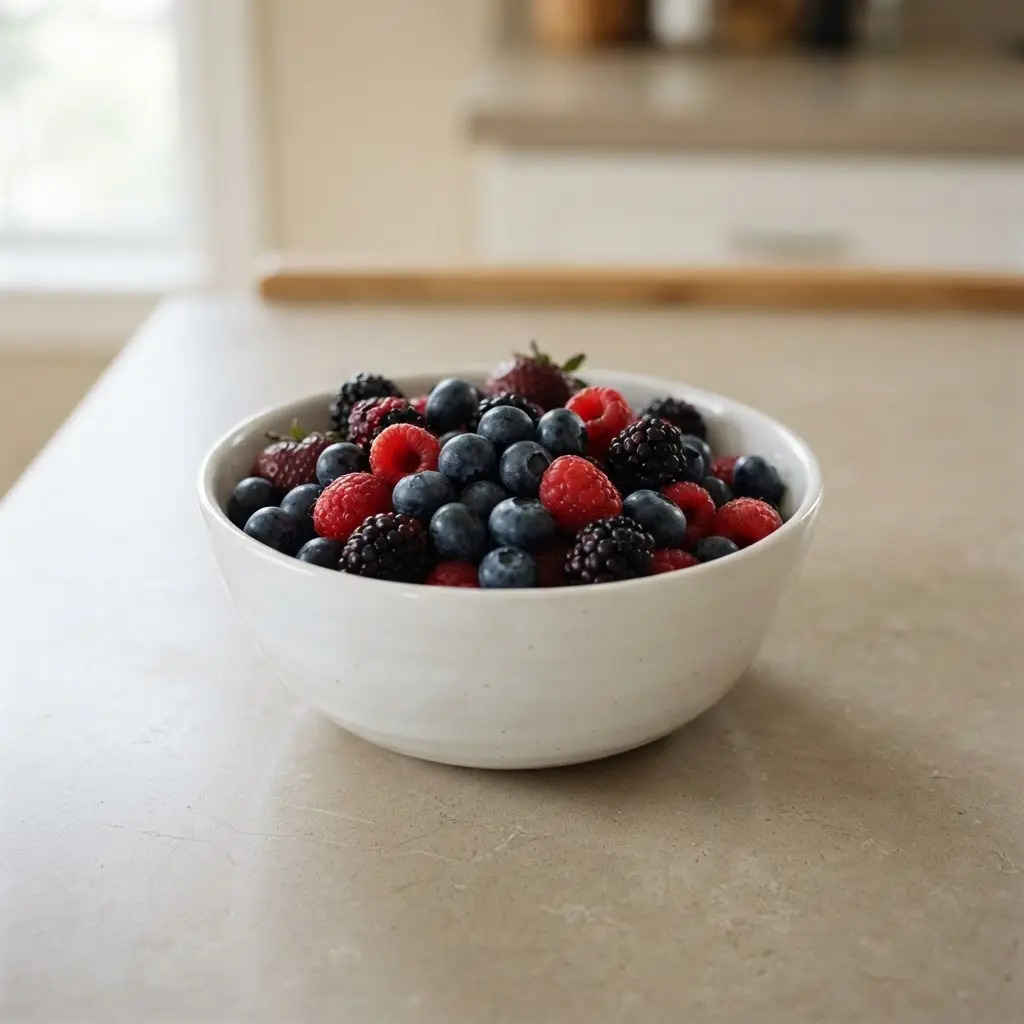
Eat a handful of fresh berries every day. As one of the foods you should eat everyday, these fruits deliver a powerful dose of antioxidants directly to your cells.
Antioxidants neutralize unstable molecules called free radicals. Free radicals are produced by normal metabolism and can damage cellular components like DNA and proteins. This damage is linked to aging and many chronic diseases.
Different berries provide different protective compounds, which is exactly why berries rank high on the list of foods you should eat everyday. Blueberries and blackberries are rich in anthocyanins. These pigments protect brain cells and blood vessels.
Strawberries and raspberries provide significant amounts of vitamin C and ellagic acid. These nutrients support immune function and help reduce inflammation. Research suggests this consistent protection helps reduce the risk of long-term health issues.
For a comprehensive approach to wellness, ensure you also incorporate high-protein superfoods into your regular meals. Rotate between berry types to get a broad spectrum of these protective compounds.
3. Complex Whole Grains and Seeds for Sustained Energy
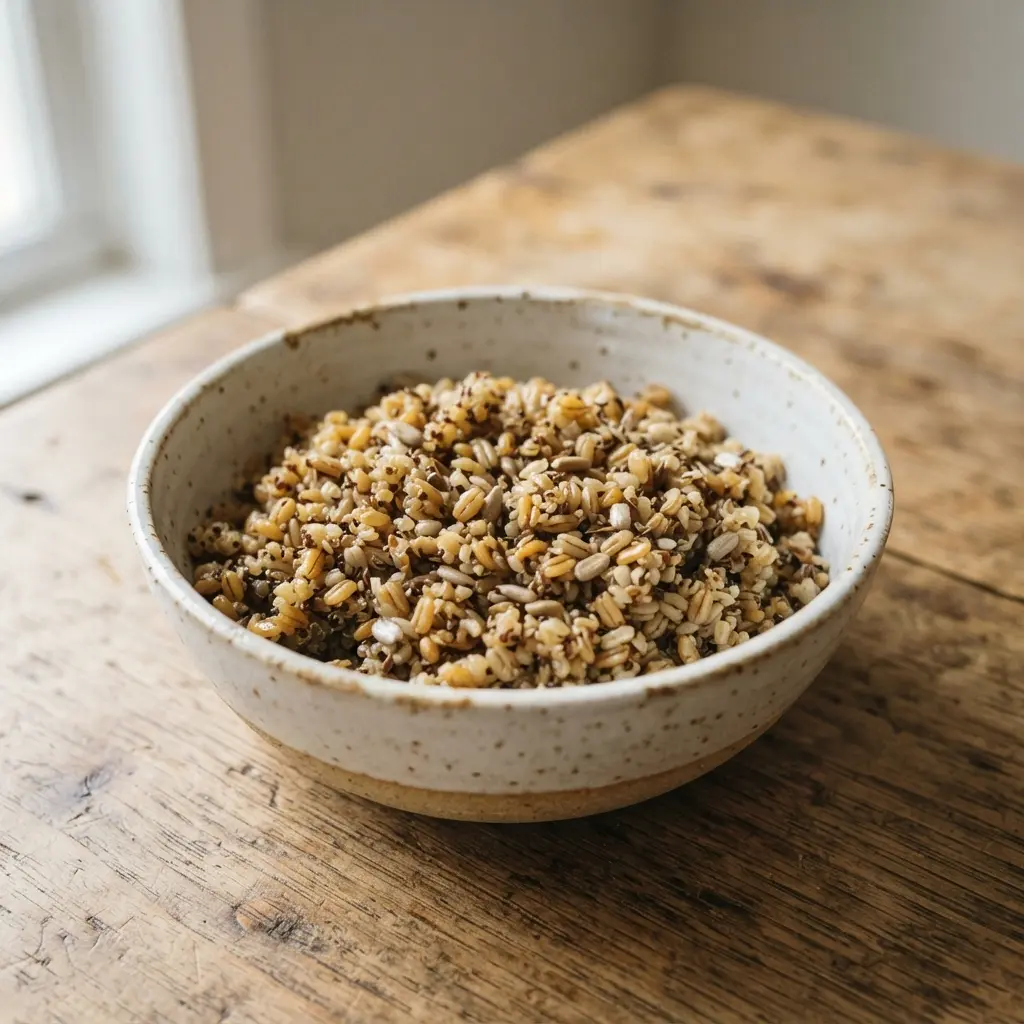
Picture your energy plummeting a few hours after a sugary breakfast or a refined snack. You feel foggy and tired again. Complex whole grains and seeds prevent this cycle, which is why they belong in your rotation of foods you should eat everyday.
They provide a steady stream of fuel that lasts for hours. This is due to their unique structure of complex carbohydrates and high fiber, which digest slowly.
This stable release of glucose keeps your blood sugar balanced and your mind sharp, a major reason nutritionists recommend these foods you should eat everyday. It also supports heart health and digestive regularity.
Many people find a morning bowl of oatmeal or a sprinkle of flaxseed keeps them satisfied until lunch. For long-term energy, choose foods that promote fullness and health like quinoa or brown rice.
4. Omega-Three Fatty Fish Sources for Heart and Brain
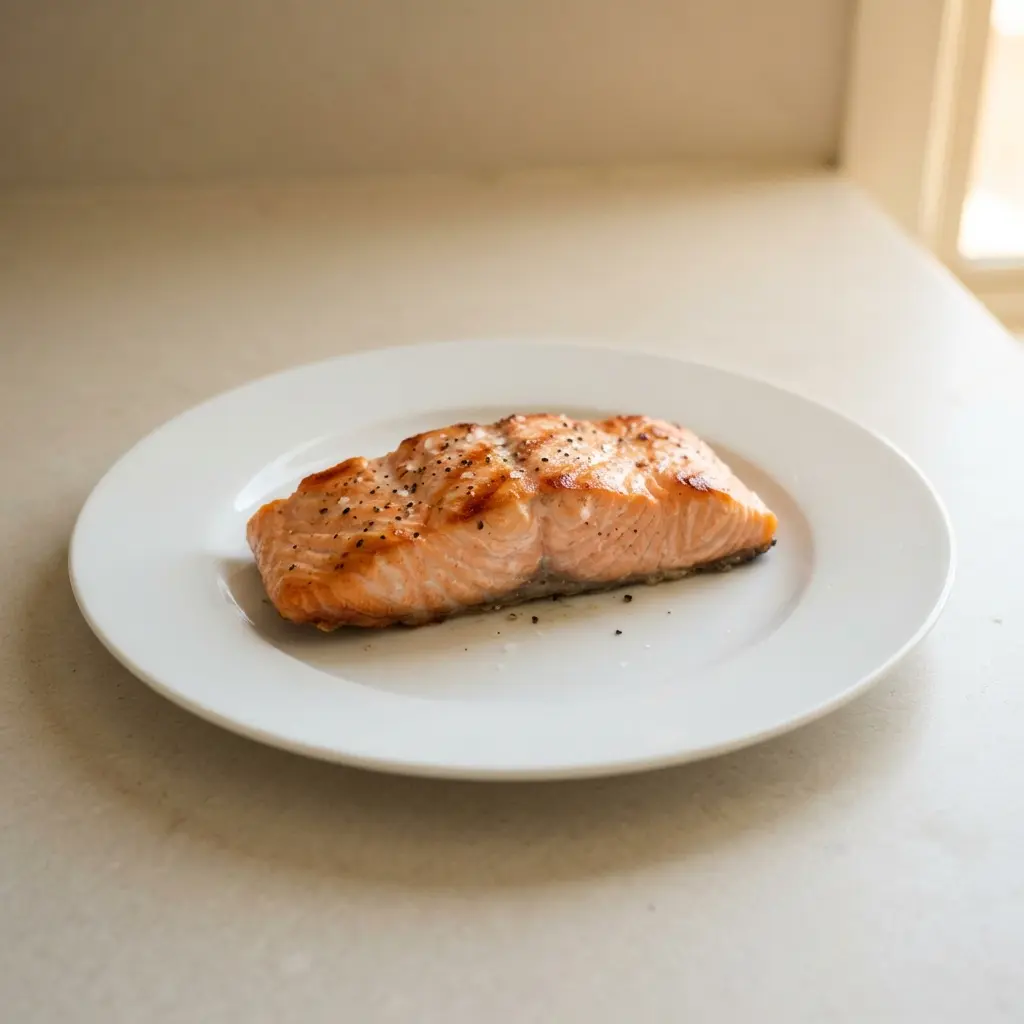
A common belief is that all omega-3s are equal, but this is not true when evaluating the seafood foods you should eat everyday. The plant-based form, ALA, converts poorly to the more active EPA and DHA forms your body needs most.
Consuming fatty fish provides these essential nutrients directly, making it a staple choice for the foods you should eat everyday. A single 3.5-ounce serving of wild salmon delivers between 1,000 and 2,000 milligrams of EPA and DHA.
These fatty acids lower triglycerides, reduce inflammation, and are a major structural component of brain cells. Research suggests regular intake supports long-term cardiovascular health and cognitive function.
Include a serving of fatty fish like salmon or mackerel in your meals several times per week. For broader guidance on incorporating nutrient-dense foods into a balanced diet, read up on general healthy eating advice. Always consult a healthcare professional before making changes to your health routine.
5. Plant-Based Legume Proteins for Fiber and Fullness
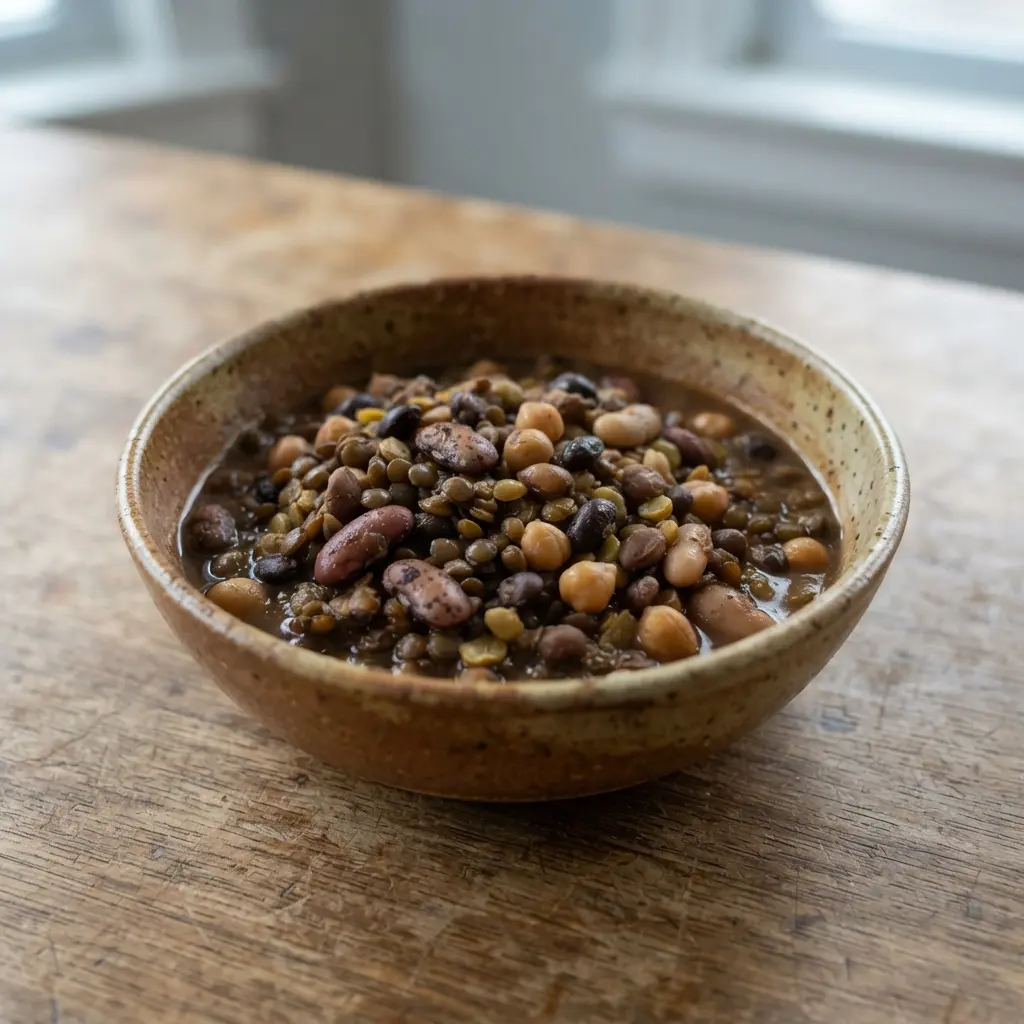
How can you feel full and satisfied without overeating? The answer lies in the powerful combination of plant-based protein and dietary fiber found in legumes, which are essential foods you should eat everyday.
Plant protein triggers the release of hormones that signal fullness to your brain. The high fiber content adds bulk to your meal and slows digestion.
This one-two punch promotes sustained satiety for hours, which naturally helps regulate calorie intake and proves why these foods you should eat everyday matter so much. Research consistently links regular legume consumption with better appetite control and weight management.
For a practical start, aim to add a half-cup serving of beans or lentils to your meals a few times each week. You can easily incorporate them into soups, salads, and stews. To build a balanced daily eating plan that includes these foods, read about how to discover delicious and healthy foods. Gradually increase your intake to allow your digestive system to adjust comfortably.
6. Monounsaturated Healthy Fat Sources Like Avocado and Nuts
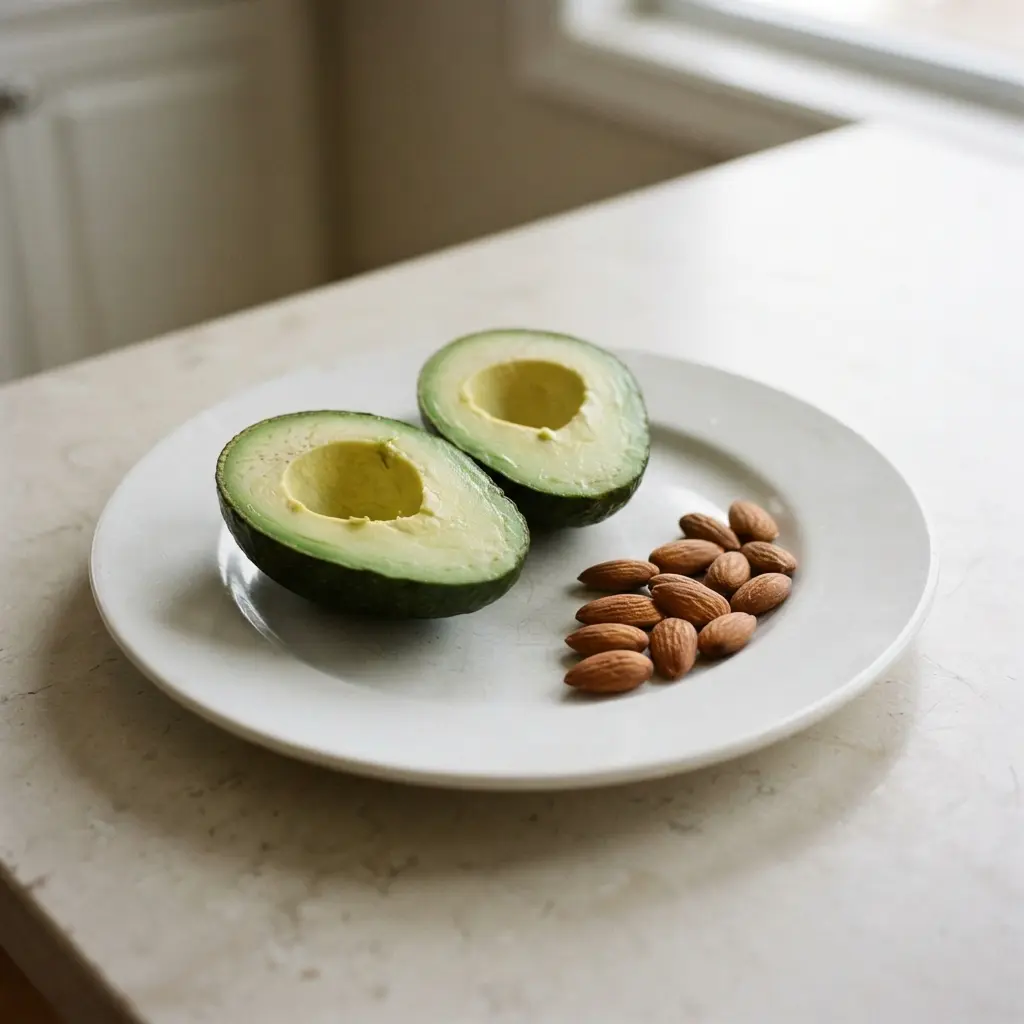
Unlike processed trans fats, which you should avoid, monounsaturated fats are a vital component of a healthy daily diet and one of the key foods you should eat everyday. These fats are liquid at room temperature and solid when chilled, a trait that contributes to their stability.
They work by lowering LDL cholesterol and raising HDL cholesterol, directly supporting heart health. A medium avocado provides 15 to 17 grams of these beneficial fats.
Monounsaturated fats also improve insulin sensitivity and reduce inflammation, making them valuable foods you should eat everyday for sustained wellness. They aid in the absorption of fat-soluble vitamins like Vitamin E.
For weight management, their calorie density promotes satiety, which can help control overall calorie intake. Portioned consumption is key to gaining these benefits without overeating. Research suggests a regular intake supports long-term wellness and blood sugar control.
For a balanced approach to your daily meals, incorporate these fats alongside other energy-boosting foods for daily life.
7. Hydration and Probiotic Dairy for Gut Health

A common mistake is waiting until you feel thirsty to drink water. Thirst is a signal that dehydration has already begun. Instead, maintain consistent water intake throughout your day, which pairs perfectly with the solid foods you should eat everyday.
Water aids digestion and nutrient absorption. It also softens stool to prevent constipation. Many people find drinking about two liters daily supports gut motility and a healthy microbiome.
You will notice improved energy when you pair hydration with the right foods you should eat everyday. For probiotic support, include a daily serving of a fermented dairy product like yogurt or kefir. These foods introduce live beneficial bacteria to your gut.
This practice strengthens your intestinal lining and helps produce vital short-chain fatty acids. It is a reliable way to support your digestive system long-term.
Integrating Habit Based Whole Food Consumption
The fastest way to make healthy eating stick is to anchor a new, simple food habit to an existing part of your daily routine. Trust me on this. You could decide to add a handful of berries to your morning oatmeal or mix chopped spinach into your lunchtime eggs.
The goal is consistency with variety, not perfection. Over time, these small, repeated actions build a diverse and resilient gut microbiome. This habit-based approach, focused on whole foods you enjoy, creates lasting change far more effectively than any short-term, restrictive diet ever could.
You build health for the long run by sticking to simple routines. Every mindful choice compounds into better energy and sharper focus. Trust the process and enjoy the results.
Conclusion
Building a healthier life starts with the simple choices you make at each meal. The foods you should eat everyday are not about strict rules, but about giving your body the reliable fuel it deserves.
Start by picking one or two groups from this list to focus on this week. Maybe add a handful of spinach to your eggs or snack on a few almonds. Small, consistent steps add up to big changes in how you feel. Your energy, your focus, and your long-term health will thank you for these nourishing habits.
FAQs
Q: Do I need to eat all seven of these foods every single day?
A: No. This list is a guide for your overall weekly eating pattern. Aim to include most of these food groups regularly throughout your week for balanced nutrition.
Q: What if I do not like fish?
A: You can get omega-3 fats from other sources. Try flaxseeds, chia seeds, or walnuts. Some people also use algae-based supplements after talking with a doctor.
Q: Are canned beans as good as dried beans?
A: Yes, canned beans are a convenient and nutritious option. Rinse them under water to reduce added sodium before using them in your meals.
Q: How much water should I drink daily?
A: A common recommendation is about eight glasses a day, but needs vary. Listen to your body. Your urine should be light yellow. Include water-rich foods like fruits and vegetables.
Q: Can I eat fruit instead of berries?
A: Absolutely. All fruits are beneficial. Berries are highlighted for their high antioxidant content, but apples, oranges, and bananas are also great daily choices for vitamins and fiber.