I know a tight budget often makes fresh, nutritious meals feel out of reach. You do not need costly powders, special products, or complex recipes. A short list of pantry and freezer staples gives you many meal choices. This approach focuses on cheap and healthy foods you can eat every day without extra stress. Let’s make your next grocery trip easier and more nourishing. Start with one or two items, then build from there.
Balancing Portions Across Food Groups
Pairing half your plate with vegetables and a quarter with protein keeps a low-cost meal more balanced than relying on one cheap staple. Fill the remaining quarter with oats, brown rice, potatoes, or another starchy food for steady energy. Beans and lentils cover both protein and fiber, while eggs, plain yogurt, and canned fish add protein in modest portions. A measuring cup helps you learn serving sizes without weighing every ingredient. Frozen vegetables, cabbage, and carrots add color, vitamins, and volume for little money. Add a small amount of olive oil, peanut butter, or seeds when your budget allows, since healthy fats help meals satisfy you. Adjust portions for age, activity, health needs, and advice from your clinician.
Reading Labels For Added Ingredients
Choose plain oats and unsweetened yogurt first, since flavored versions often add several teaspoons of sugar before breakfast begins. On a food label, compare serving size with the amount you expect to eat, then check sodium, added sugars, and saturated fat. Look for short ingredient lists built around oats, beans, fish, vegetables, or whole grains rather than refined flour and sweeteners. A Nutrition Facts panel helps you spot added ingredients quickly. Canned beans and fish still fit a healthy budget, yet salt levels vary widely between brands. Rinsing canned beans lowers some surface sodium, while rinsing fish might affect texture and flavor. Choose frozen vegetables without sauces when fresh produce costs more. Plain staples usually offer more control over flavor and price.
1. Versatile Dried Legumes for Low-Cost Protein
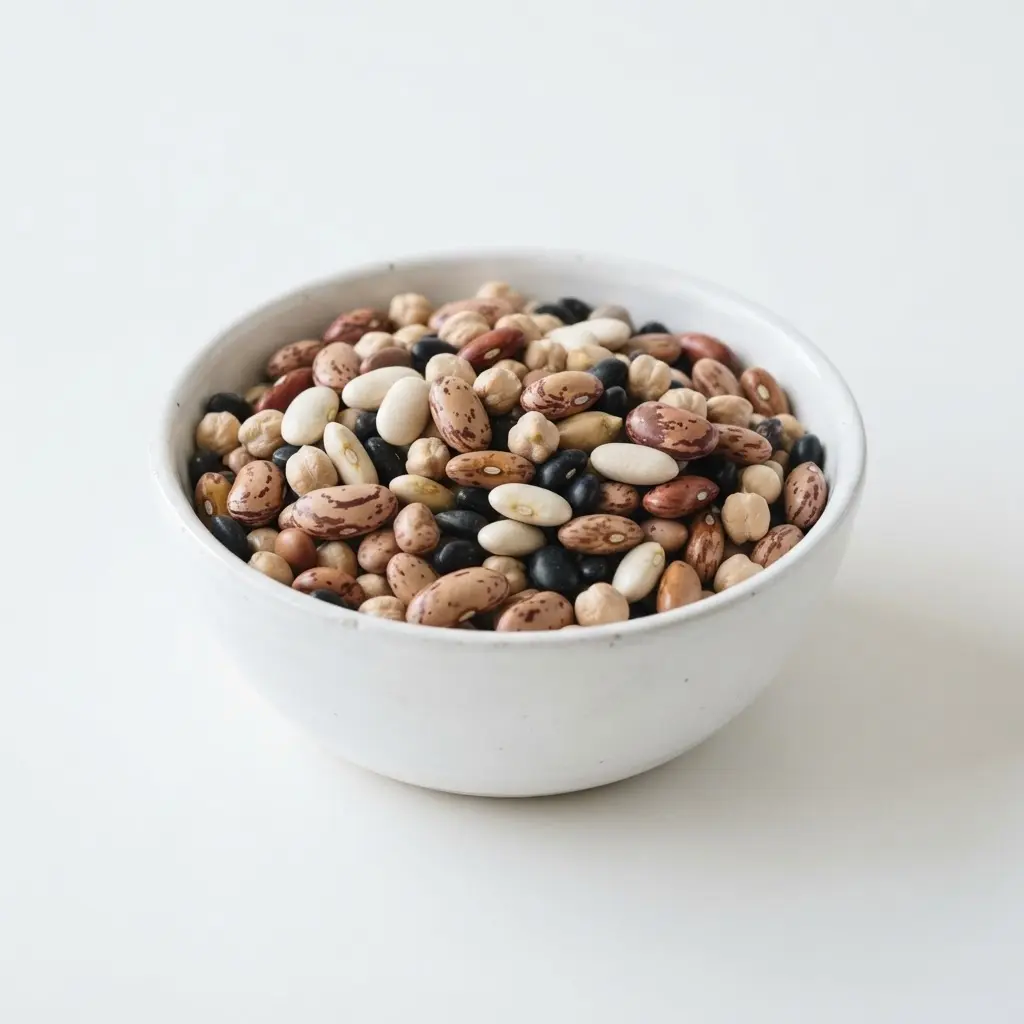
A common mistake is treating all dried legumes as slow-cooking foods. Choose lentils when time is limited. Lentils need no soaking and usually soften in 15 to 30 minutes. Red lentils break down into soups and dals, while brown and green lentils keep a firmer shape for salads and grain bowls. Planning ahead around cheap and healthy foods you can eat every day saves time on busy weeknights.
Buy dried beans and chickpeas in bulk for the lowest price. Sort and rinse them, soak them, drain the soaking water, then simmer fresh water for about one to two hours. A half-cup serving of cooked beans provides about 7 to 8 grams of protein. One cooked cup of lentils provides about 18 grams of protein and 15 grams of fiber. This matches your daily needs when you stock cheap and healthy foods you can eat every day.
Use batch-cooked legumes in chili, burritos, grain bowls, soups, dips, and meat-free burgers. Chickpeas suit hummus and roasted snacks. Soybeans provide more than 30 grams of protein per cooked cup and also appear in tofu and tempeh. Research suggests fiber-rich meals support digestive health and fit eating plans focused on cholesterol, blood sugar, and weight management. Adding cheap and healthy foods you can eat every day keeps your routine simple.
Canned beans and chickpeas save preparation time, but they cost more per cooked cup, often about 70 cents to $1.30 compared with roughly 25 to 50 cents for dried legumes. Rinse canned legumes before heating to remove some added sodium. Keep cooked portions refrigerated for several days or freeze them in meal-sized containers.
2. Whole Grain Pantry Staples for Daily Fiber
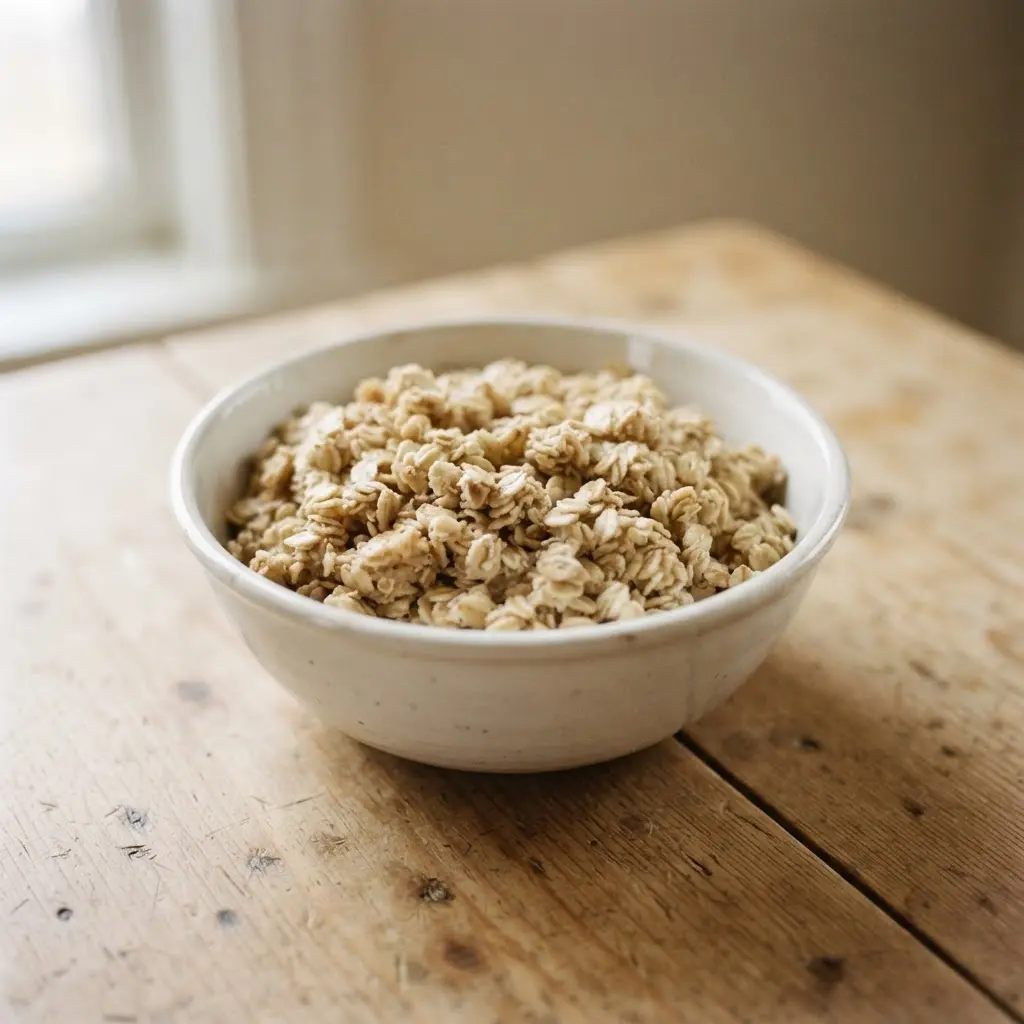
Replace one refined grain with a whole grain at your next meal. Swap white rice for brown rice, choose whole wheat pasta, or serve oats instead of a sweet packaged breakfast. Brown rice keeps the bran and germ removed during white rice processing, so the grain provides more fiber and nutrients. This swap works well when you plan cheap and healthy foods you can eat every day.
Keep rolled oats ready for breakfast, baking, or a savory bowl. Add barley to soup, use quinoa in a salad, and serve farro with roasted vegetables. Quinoa cooks quickly, while barley and farro bring a chewy texture. Research suggests soluble fiber in oats supports healthy cholesterol levels. You will notice better energy when cheap and healthy foods you can eat every day become your pantry staples.
Check bread and pasta labels before buying. Choose products marked 100% whole wheat or whole grain, since brown-colored bread is not proof of whole-grain content. Buckwheat groats, also called kasha, offer another gluten-free choice. Air-popped popcorn provides a low-cost snack without turning to refined grain foods. These staples are excellent fiber sources for regular meals.
Cook grains in batches once or twice each week, then chill portions for bowls, soups, or side dishes. Store dry oats, rice, barley, farro, and popcorn kernels in sealed containers. Add beans, lentils, or peas beside grains for extra protein and fiber. Legumes are not grains, but they fit the same affordable pantry routine and work in chili, salads, dips, and soups. This method makes cheap and healthy foods you can eat every day much easier to prepare.
3. Nutrient Dense Root Vegetables for Filling Meals
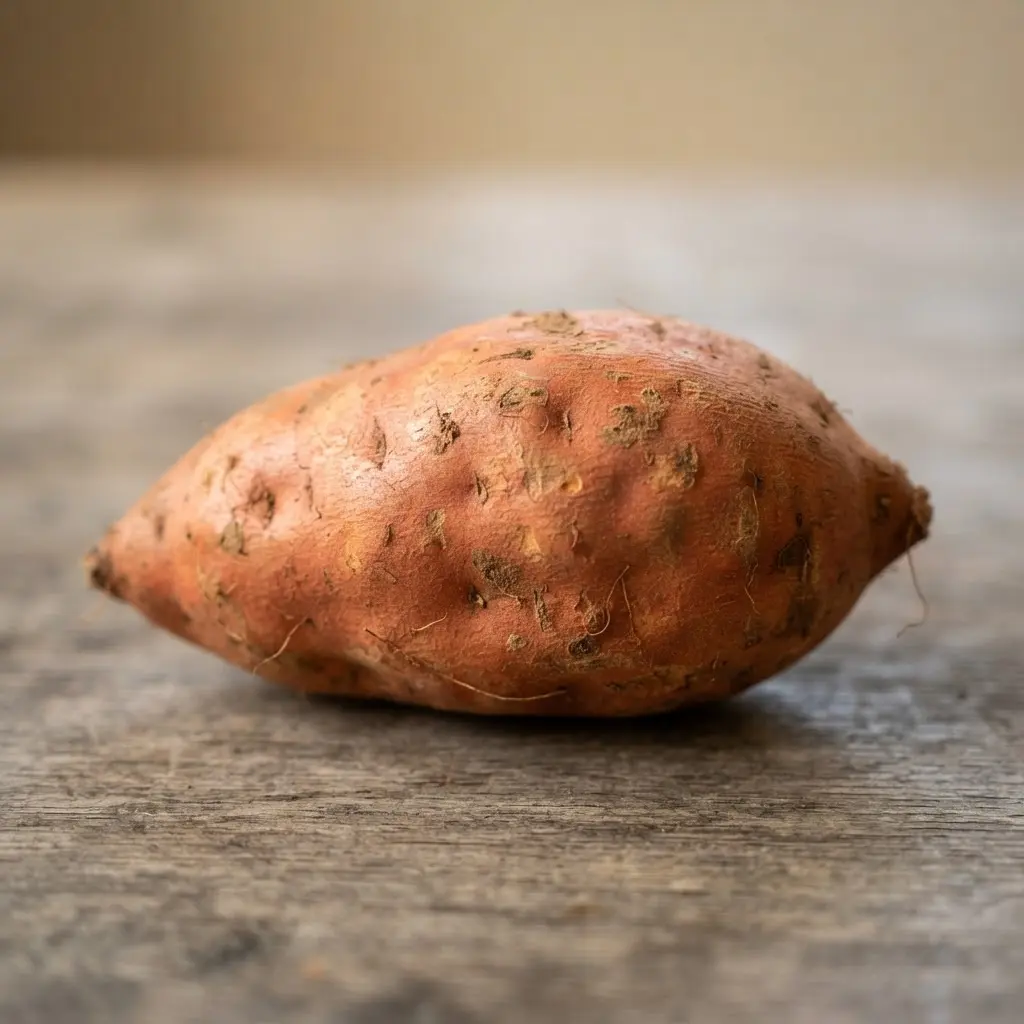
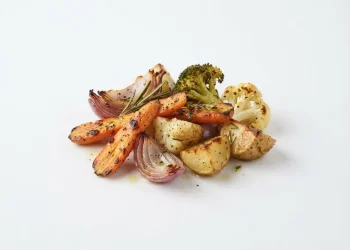
At dinner after a long workday, a tray of roasted roots offers a filling meal without costly ingredients. Choose sweet potatoes, carrots, parsnips, or rutabagas for natural sweetness, fiber, and complex carbohydrates. Cut dense vegetables into similar pieces so they cook evenly in about 30 to 40 minutes. Root vegetables are classic examples of cheap and healthy foods you can eat every day.
Build soups and stews with potatoes, carrots, and turnips. Add beets to a salad, or pickle them for a sharp flavor and bright color. Mash potatoes, celeriac, rutabagas, or turnips for a soft side dish. Keep potato skins on after thorough washing when the skin is clean and suitable for eating. The skin adds fiber, while the potato supplies potassium, vitamin C, and complex carbohydrates.
Research on dietary fiber suggests fiber-rich foods contribute to fullness, which helps meals feel more substantial between eating times. Root vegetables provide varied textures and flavors, from the earthy taste of beets to the peppery bite of turnips and the mild celery flavor of celeriac. You will save money when you rely on cheap and healthy foods you can eat every day.
Roasting brings out natural sugars instead of frying potatoes when you want a lighter preparation. Pair a baked potato or mashed sweet potato with beans, eggs, lentils, or another protein-rich food. Store cooked roots safely and reheat them thoroughly before serving. Use several varieties across the week so affordable meals do not rely on one flavor or texture.
4. Economical Frozen Produce Options for Year-Round Nutrition
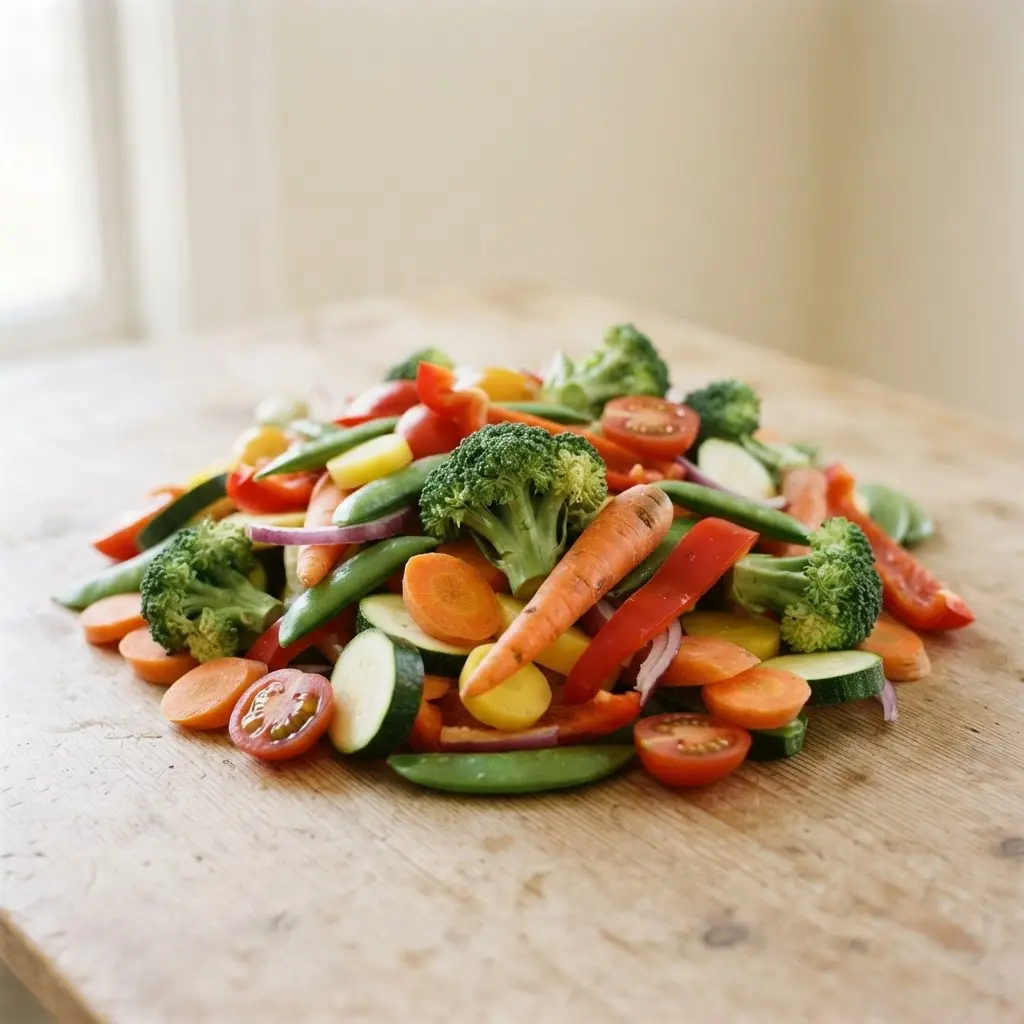
“Fresh produce is always cheaper and more nutritious than frozen produce” is a common belief. Frozen berries, spinach, kale, broccoli, cauliflower, peas, and corn often cost less, especially outside the growing season. Freezing soon after harvest preserves much of the flavor and nutrient content. This makes a freezer a practical place for affordable daily produce. Frozen packs prove that cheap and healthy foods you can eat every day stay accessible all year.
Store-brand frozen produce works well when quality and ingredients match a name brand. Compare prices per ounce instead of comparing package prices alone. Select plain berries, fruit chunks, or vegetables without added sugar, sauces, or seasoning. Use frozen spinach and kale in smoothies, soups, or sautés. Keep berries ready for breakfast bowls or blended drinks.
Build quick meals around mixed vegetable blends. Stir broccoli, cauliflower, peas, corn, and other vegetables into soups, casseroles, rice dishes, or stir-fries. Cook a serving as a side dish alongside eggs, beans, fish, or poultry. Frozen mango and pineapple add sweetness to smoothies and desserts, while suitable fruit pieces work as a cold snack. Research indicates freezing preserves many nutrients in leafy greens and cruciferous vegetables. You will notice how cheap and healthy foods you can eat every day cut waste.
Larger freezer bags make sense when the price per ounce is lower. Check weekly sales and compare several package sizes before buying. Seal opened bags tightly to protect texture and flavor. Label bags with the opening date, then place older packages near the front. Frozen produce offers steady access to fruits and vegetables when fresh choices cost more or spoil before use.
5. Affordable High Protein Eggs for Simple Meals
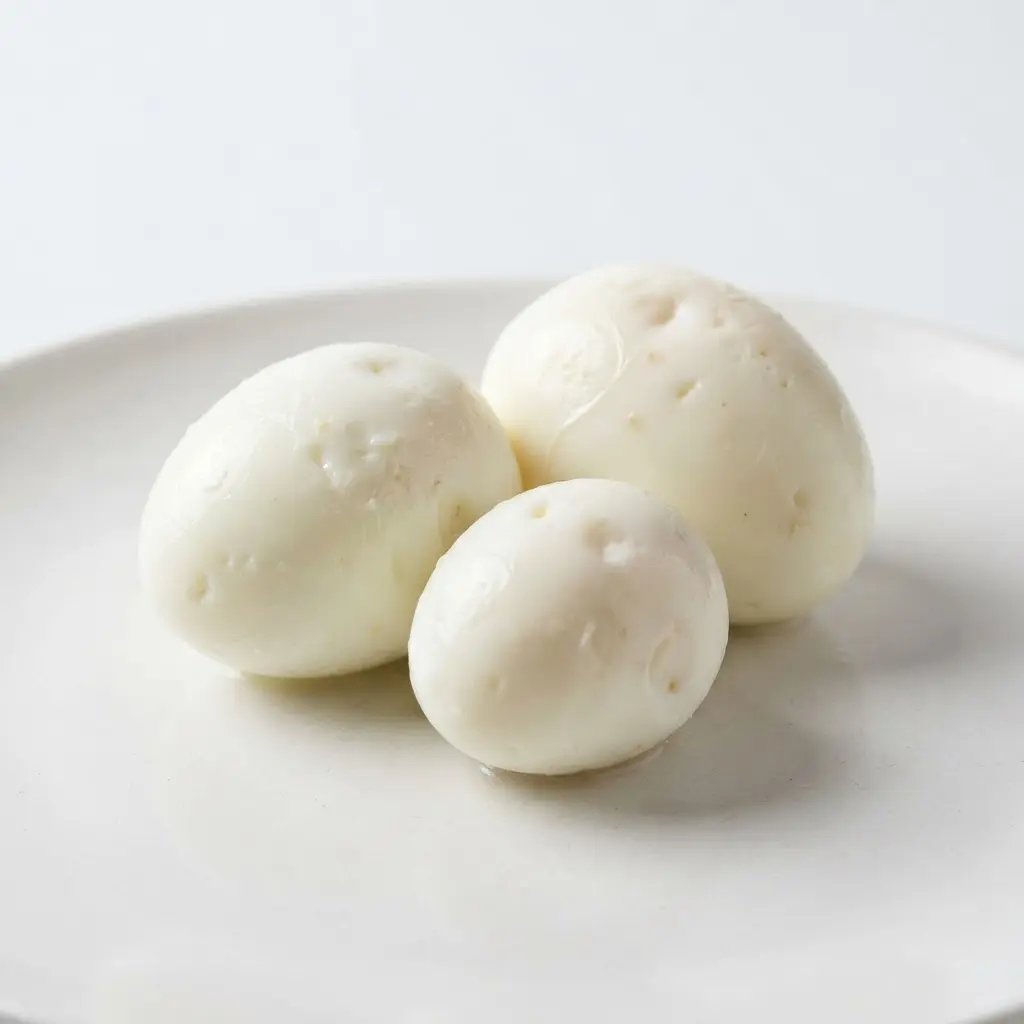
Need an affordable protein source for daily meals? Choose eggs. A fresh egg supplies about 6 to 7 grams of protein, depending on the product. Great Value Large White Eggs are reported at about $2.17 for an 18-count carton, though prices vary by store and location. Research suggests eggs offer a practical way to add protein without complex meal planning. Adding eggs covers your quota for cheap and healthy foods you can eat every day.
Prepare boiled eggs for a portable breakfast or snack. Scramble beaten eggs in a pan, or fry one until the yolk reaches your preferred firmness. Serve eggs with toast, rice, beans, or leftover vegetables for a simple meal. Egg-based dishes also fit naturally into quick healthy breakfasts.
Compare the price per egg instead of judging value by carton size alone. An 18-count carton suits smaller households, while family-size cartons such as a 60-count pack suit frequent cooking and baking. Check the protein listed on the package because fresh eggs often provide 6 to 7 grams each, while products differ in size and nutrition. This comparison shows why cheap and healthy foods you can eat every day remain practical.
Freeze-dried scramble provides 12 grams of protein per serving and stores without refrigeration until prepared according to its instructions. Choose this format for camping, emergency storage, or rushed mornings. Fresh eggs and shelf-stable egg products serve different purposes, so compare convenience, storage needs, serving size, and price before buying.
6. Cost Effective Canned Fish for Lean Protein
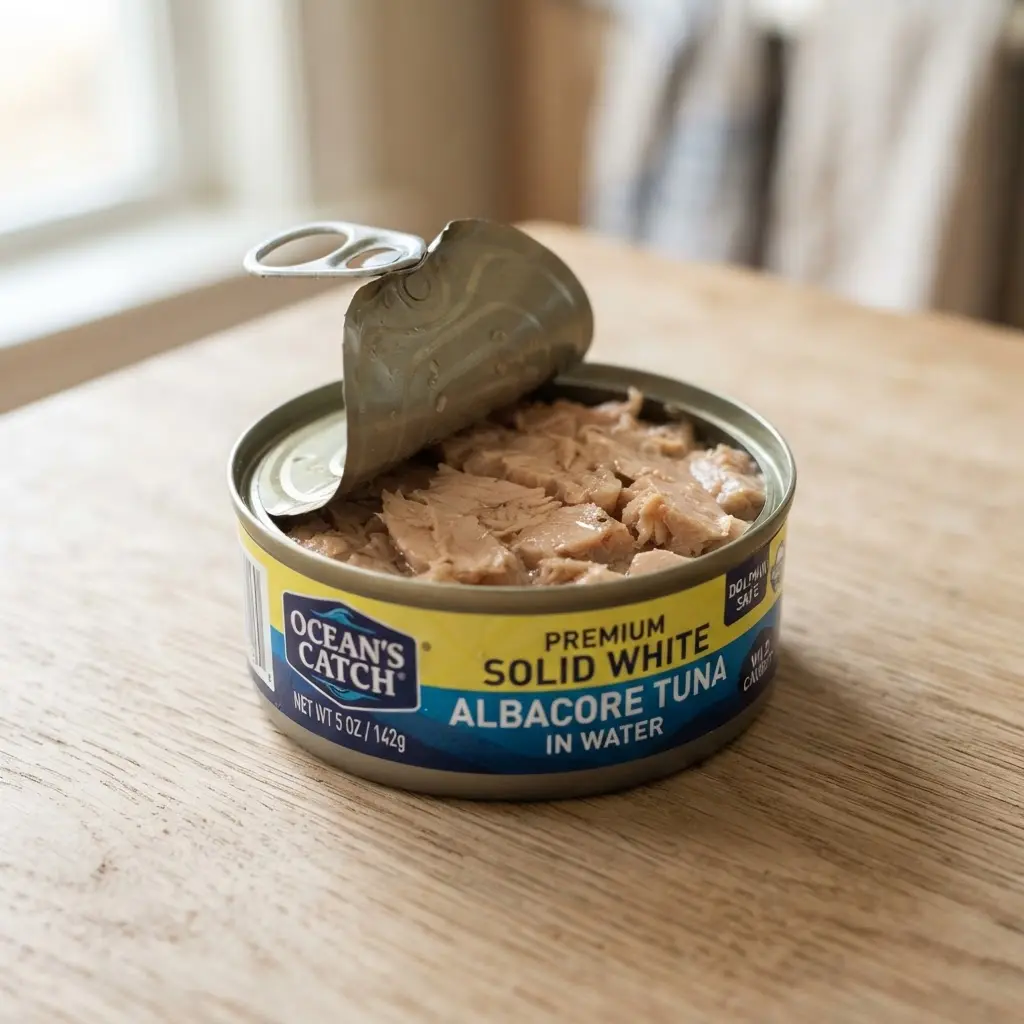
Fresh fish often costs more and needs quick preparation, while canned sardines stay ready in the cupboard. Sardines provide about 22 grams of protein per can, along with omega-3 fats. Sardines are also low in mercury. Use them in salads, toast, grain bowls, or pasta when time and money are limited. Canned fish proves cheap and healthy foods you can eat every day do not require a seafood counter.
Choose light tuna packed in water for a lean option with more than 30 grams of protein per can. Light tuna also provides selenium, iron, and vitamin B12. Select light or chunk light tuna, often made from skipjack, rather than eating albacore or yellowfin tuna regularly. Canned wild salmon offers about 23 grams of protein per 3-ounce serving and supplies omega-3 fats. This variety keeps meals interesting while you stick to cheap and healthy foods you can eat every day.
Read the label before buying. Check the fish species, serving size, packing liquid, and sodium level. Select lower-sodium labels for sardines and anchovies, since salty products can use a large share of your daily sodium limit. Choose Atlantic mackerel or Pacific chub mackerel, and avoid king mackerel because king mackerel contains high mercury levels.
Drain the fish when excess liquid or sodium is a concern. Use olive-oil-packed fish for added flavor, or choose water-packed fish for a lighter meal. Keep portions near 3 to 4 ounces, especially with anchovies. Research supports fish as a useful source of protein and omega-3 fats, while product labels guide safer choices. Follow current health authority guidance during pregnancy, for children, or with a sodium-restricted diet.
7. Budget Friendly Seasonal Fruits for Everyday Snacks
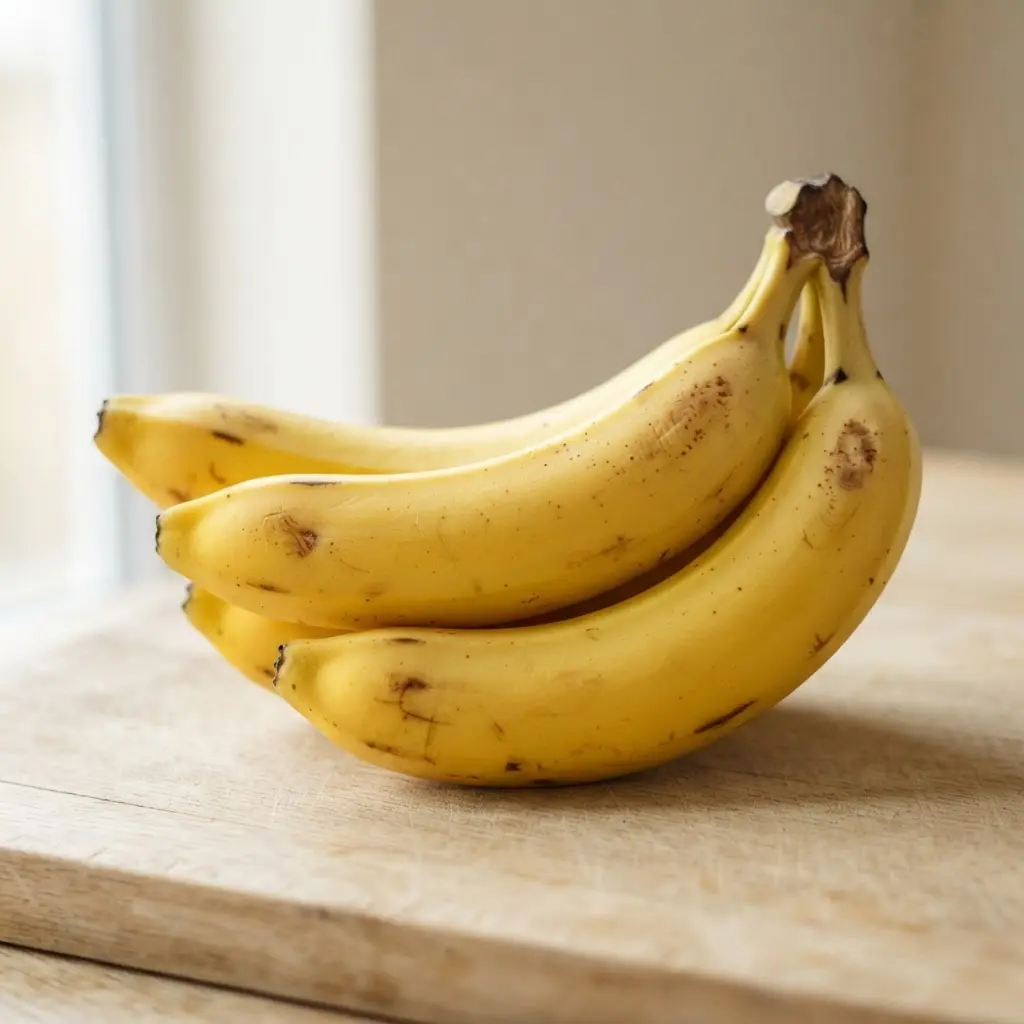
Buying the same fruit year-round is a common mistake. Correct the habit by choosing in-season fruit first. Peak-season produce often costs less and offers better flavor. Start with strawberries and raspberries in spring, melons and peaches in summer, apples and pears in fall, then oranges and grapefruits in winter. This seasonal shift naturally brings cheap and healthy foods you can eat every day to your cart.
Compare prices before filling your basket. Check grocery-store flyers, farmers’ markets, and larger produce sections. Watermelon, cantaloupe, apples, pears, grapes, and citrus fruit often provide economical choices for everyday snacks. Cherries, blueberries, kiwifruit, and pomegranates often need a sale price to fit a tight budget. Many shoppers find price comparisons useful because costs differ between stores during the same week.
Buy only the amount you will eat before spoilage. Choose apples, pears, grapes, and oranges for longer storage. Eat berries and cut melon sooner, or freeze them for smoothies and baking. Frozen fruit offers a practical option during winter or during weeks when fresh prices rise. Pairing fruit with yogurt, oats, or nuts creates ready-to-eat snack portions with little preparation. Following this pattern ensures cheap and healthy foods you can eat every day stay fresh.
Research suggests seasonal purchasing supports better produce variety while helping households manage food costs. Follow one simple rule: buy the fruit in peak supply, check the price per pound, and match the quantity to your storage space. A small basket of fresh fruit often serves better than a large bargain bag left to spoil.
8. Heart Healthy Peanut Butter for Easy Energy
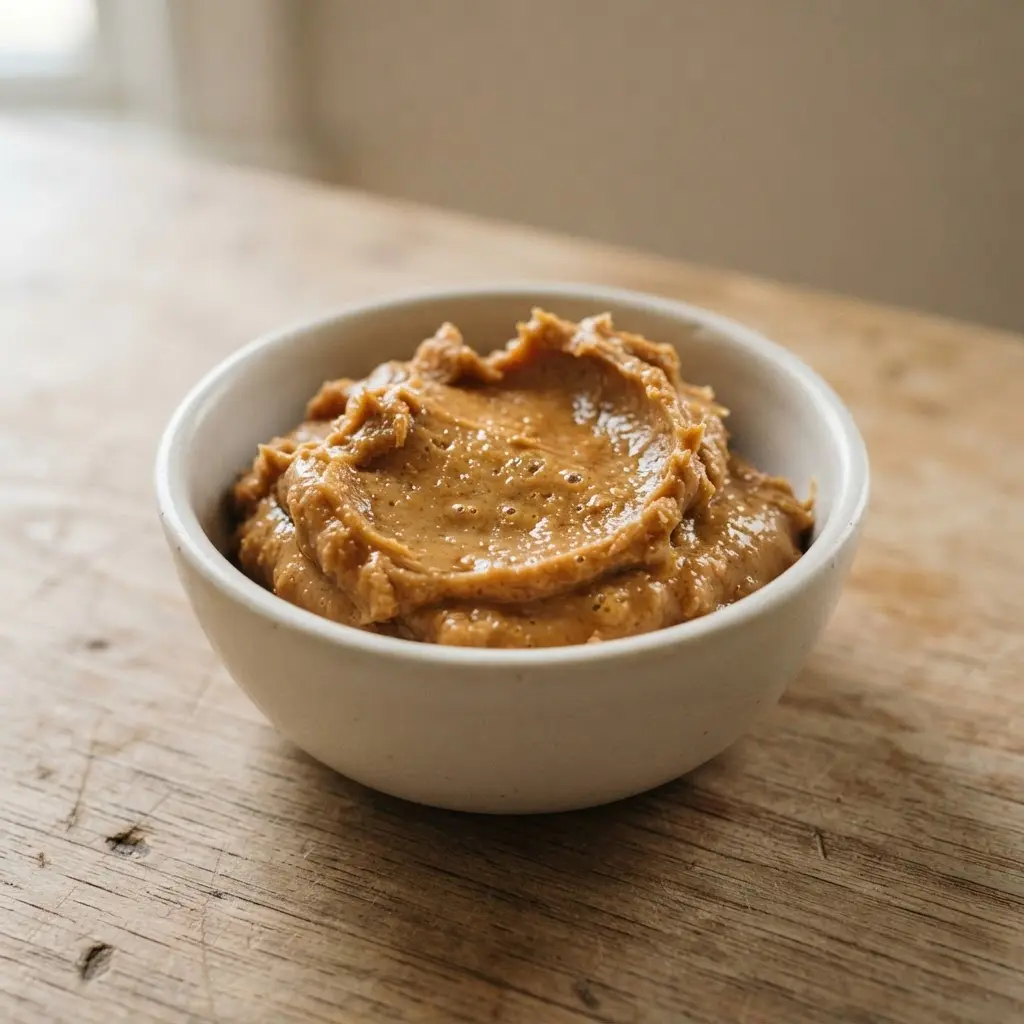
Choose peanut butter only after checking the label. Product formulas differ, so avoid treating every jar as heart healthy. A simple formula often lists peanuts and salt, while other products include added sugar, extra sodium, or partially hydrogenated oils. Those details matter when you eat the food often. This careful check applies to cheap and healthy foods you can eat every day.
Use peanut butter as a convenient source of energy, not as proof of a cardiovascular benefit. Spread a measured amount on toast, stir it into oats, or pair it with fruit for a quick snack. These options fit busy mornings and packed lunches. The research supplied for this chapter does not verify a specific serving size or confirm a direct heart benefit.
Read the ingredient list and nutrition panel before buying. Look for added sugar, sodium, and partially hydrogenated oils. Compare two jars from the same shelf because similar labels can hide different formulas. A lower price does not make a product a better choice, and a natural-sounding label does not confirm a health claim.
Research guidance remains limited here, so keep claims modest. Many people use peanut butter for sustained energy foods, but the linked idea does not establish cardiovascular protection. Choose a product with ingredients that match your needs, then fit the food into a varied eating pattern. Always consult a healthcare professional before making changes to your health routine.
9. Bulk Purchase Seed Varieties for Added Nutrition
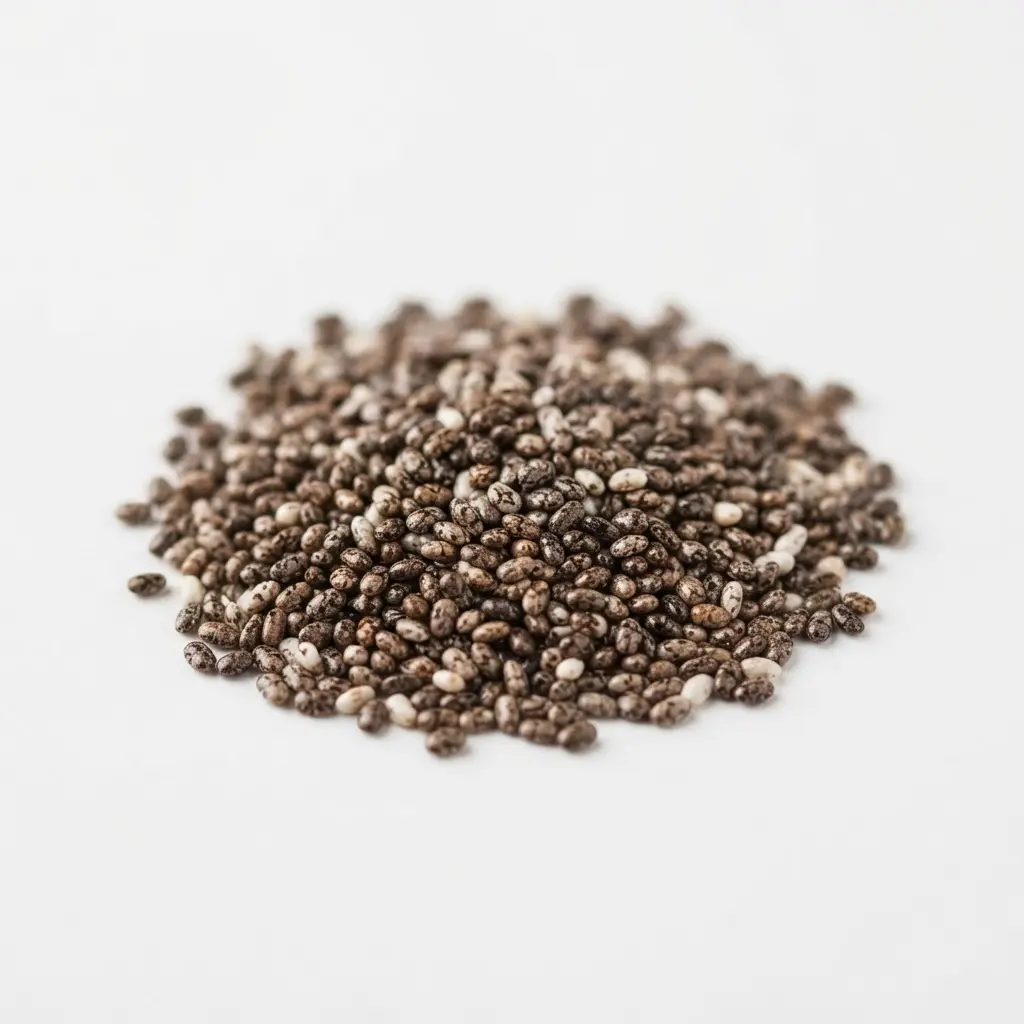
At 7 a.m., add a spoonful of chia seeds to oats or yogurt before leaving for work. Chia supplies fiber, plant protein, and omega-3 fatty acids. Ground flax offers a similar source of fiber and omega-3 fats, while hemp seeds provide plant protein and essential fatty acids. Seeds round out your list of cheap and healthy foods you can eat every day.
Choose varieties according to your meal plans and nutrition priorities. Use chia or milled flax in breakfast foods and smoothies. Sprinkle sunflower or pumpkin kernels over salads, soups, or rice dishes for protein and other nutrients. Quinoa comes in white, red, black, and tricolor varieties. The gluten-free food is described as providing all nine essential amino acids.
Compare the price per unit before selecting a bag. A 25-pound box suits frequent household use, while a smaller package fits occasional cooking. Check whether products are raw, powdered, milled, or sold as kernels. Review organic, non-GMO, gluten-free, and pesticide-free claims on the specific product rather than assuming bulk status covers them. This step keeps your spending steady while buying cheap and healthy foods you can eat every day.
Store larger quantities in sealed containers away from heat, light, and moisture. Refrigerate or freeze milled flax because the ground form is more exposed to air. Rotate several varieties instead of relying on one seed, since nutritional profiles differ. Research suggests these foods provide useful nutrients, but bulk seed consumption has not been shown to prevent or treat disease. Select a quantity your household will use before quality declines.
Rotating Staples For Dietary Variety
Rotate beans, lentils, eggs, yogurt, and fish across the week instead of eating one item every day. A frozen vegetable mix gives you changing colors, textures, and nutrient patterns without depending on seasonal prices. Pairing rice with beans, potatoes with eggs, or oats with yogurt also spreads protein sources across meals. A frozen vegetable mix stores for months, reduces spoilage, and suits quick portions when fresh produce looks costly. Keep cooked rice, potatoes, eggs, and lentils chilled in covered containers, then use them within safe storage times. Swap ingredients around allergies, cultural foods, medical needs, or dietary patterns, with guidance from a registered dietitian when necessary. Variety does not require expensive specialty foods. Cabbage, carrots, bananas, and plain staples provide affordable changes in taste and color.
Conclusion
Eating well on a budget starts with foods you recognize and meals you will enjoy making. Cheap and healthy foods you can eat every day do not need to fill your cart all at once. Pick two pantry staples, one protein, and one fruit or vegetable for your next shop. Oats with peanut butter, beans with rice, eggs with potatoes, and frozen vegetables with lentils are simple starting points.
Check prices by weight, compare store brands, and store dry foods in sealed containers. Use older produce first, while frozen foods help reduce waste when fresh choices cost more. Keep portions flexible and add variety across the week. If you have a health condition or special nutrition need, ask a qualified health professional for personal guidance. Small changes count when they fit your budget and routine. Choose one meal for tomorrow, write down its ingredients, and add those items to your shopping list today. Sticking with cheap and healthy foods you can eat every day makes the process feel manageable.
FAQs
Q: Are cheap foods still nutritious?
A: Yes. Beans, oats, eggs, potatoes, frozen vegetables, and seasonal fruit give you useful nutrients at a lower price. Choose foods with little added sugar and salt when possible.
Q: How do I eat well with a small grocery budget?
A: Plan a few meals before shopping and check prices by weight. Build meals around beans, grains, eggs, frozen vegetables, and fruit. Store leftovers safely to reduce waste.
Q: Are frozen vegetables as healthy as fresh ones?
A: Frozen vegetables often retain many nutrients because they are packed soon after harvest. Choose plain vegetables without creamy sauces or added salt. Cook only the amount needed for each meal.
Q: How often is it healthy to eat eggs?
A: Eggs fit into many balanced eating patterns and bring protein along with several nutrients. Pair them with vegetables, whole grains, or fruit. Personal needs differ, especially with certain health conditions.
Q: What affordable foods help me feel full longer?
A: Meals with protein and fiber tend to keep hunger away longer. Pair beans, lentils, eggs, or fish with oats, brown rice, potatoes, or vegetables. Add fruit or seeds for extra fiber.