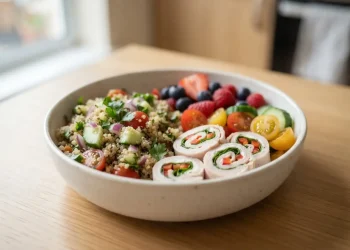
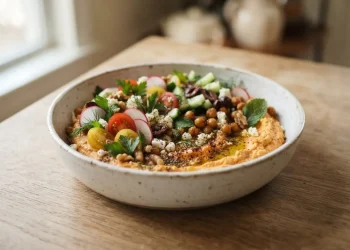
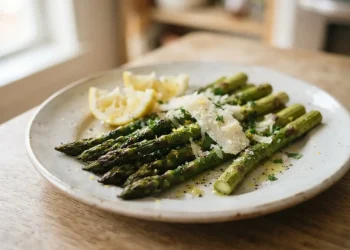
Want snack swaps with real flavor and better staying power? Fresh and healthy munchies to replace your junk snacks include roasted chickpeas, sliced vegetables with hummus, fruit with nut butter, yogurt with berries, and nuts with seeds. These choices bring crunch, salt, sweetness, protein, healthy fats, and fiber, so a small snack feels more satisfying.
Balancing Protein Fiber And Satiety
Pairing fruit or vegetables with Greek yogurt helps a snack satisfy hunger longer than produce alone, and fresh and healthy munchies to replace your junk snacks can make that pairing even easier. Fiber from apples, berries, carrots, and snap peas slows digestion and adds volume without making the snack heavy.
Greek yogurt brings protein, while hummus, edamame, eggs, nuts, and seeds offer other filling choices. A crisp apple with yogurt feels more complete than a handful of grapes because it combines chew, moisture, fiber, and protein. Keep nut butter near one tablespoon, since small servings contain many calories.
Choose plain yogurt when possible, then add fruit for sweetness instead of relying on sweetened toppings. This balance also supports salty cravings when you pair sliced peppers with hummus or roasted chickpeas with cucumber.
Preparing Produce For Safe Snacking
Dry washed produce with a salad spinner or clean towel before storing it, since trapped moisture speeds spoilage. Rinse firm fruits and vegetables under running water, then remove bruised sections before cutting.
Keep sliced apples from browning with a little lemon juice, and store cut produce in sealed containers in the refrigerator. Chilled grapes, cucumber rounds, and carrot sticks offer crisp textures without packaged coatings. Separate juicy foods from dry snacks so nuts and roasted chickpeas stay crunchy.
Perishable items such as cut melon, berries, boiled eggs, and hummus need cold storage rather than room-temperature storage, so check produce each day for soft spots, leaking juice, or an unpleasant smell. Discard anything showing spoilage instead of mixing it with fresh pieces.
1. Salty and Savory Protein Snacks for Lasting Fullness
A common mistake is choosing any snack labeled high protein and ignoring the rest of the label, so try fresh and healthy munchies to replace your junk snacks while checking the full nutrition panel. Check serving size, sodium, added sugar, and fiber before buying.
A protein snack supports fullness best when the portion matches your needs and the ingredients fit your diet. Protein often slows digestion and supports appetite signals, which helps you stay focused during busy afternoons.
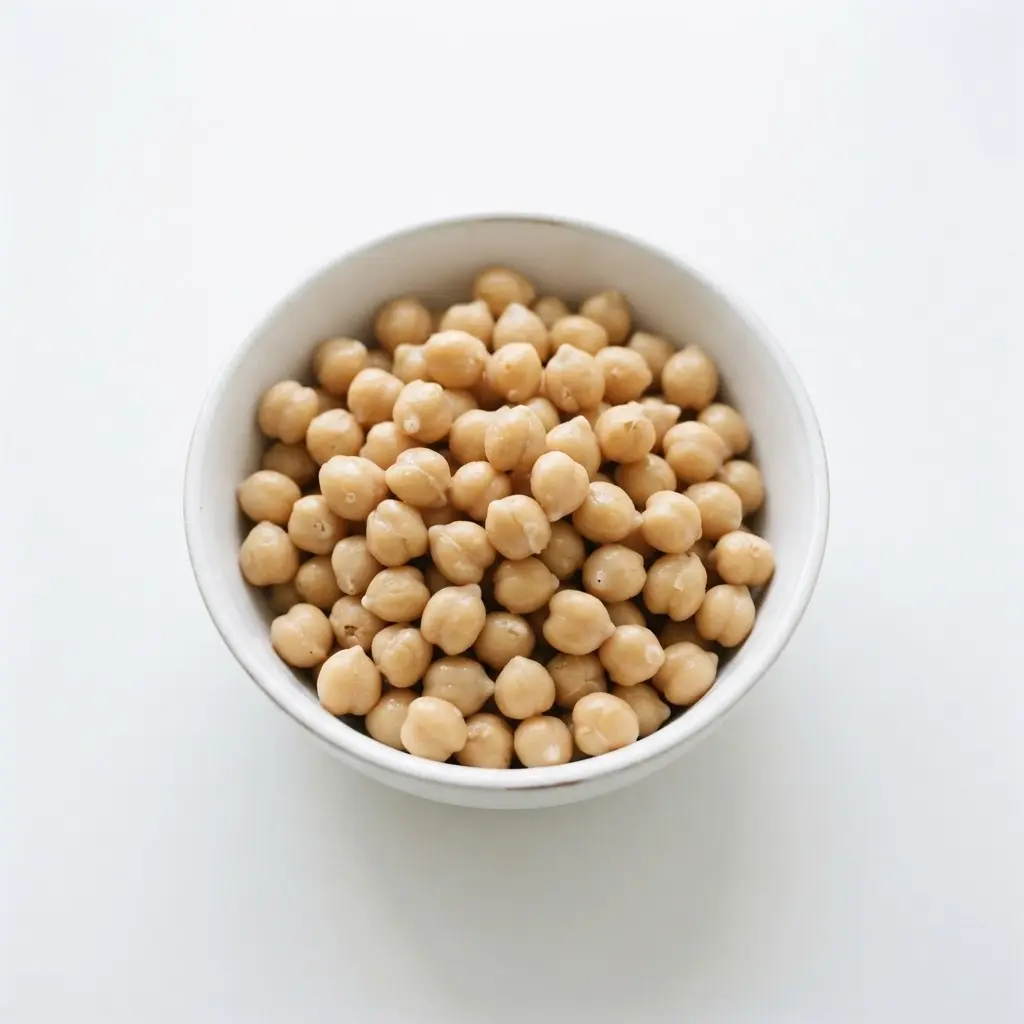
Add fiber for stronger staying power. Half a cup of cooked chickpeas provides about 7 grams of protein and 6 grams of fiber. A bag of roasted edamame in one cited example provides 11 grams of protein and 5 grams of fiber.
Product figures vary, so read the package. Choose roasted edamame or chickpeas for crunch without relying on refined snack foods.
Select Greek yogurt for a refrigerated option, with one cited container providing about 16 grams of protein. Hard-boiled eggs provide about 6 grams each. Tuna, canned salmon, jerky, and protein shakes suit busy days.
Match the snack to the setting. Pack jerky or roasted edamame for travel. Keep eggs, yogurt, or tuna chilled.
Pair lower-fiber choices, such as eggs or jerky, with fruit, vegetables, or whole-grain crackers. Drink water alongside the snack, especially after eating salty foods.
Use food replacement hacks to swap chips for seasoned protein chips or roasted chickpeas while preserving the salty, crisp texture. Research suggests protein and fiber together support fullness more reliably than snacks built mainly from refined carbohydrates.
Compare sodium carefully, and seek professional advice before increasing protein if kidney disease, food allergies, or prescribed sodium limits apply, since balanced nutrition matters most for long-term wellness.
2. Crunchy Vegetable Based Alternatives for Busy Days

Wash and portion vegetables before your busy day begins, and you will notice how fresh and healthy munchies to replace your junk snacks stay crisp longer. Cut carrots, celery, bell peppers, cucumbers, and jicama into sticks or slices.
Divide the pieces into small containers, then store them where you will see them during work or travel. Ready-to-eat portions remove the preparation step during a rushed afternoon.
Choose vegetables according to the texture and flavor you want. Jicama, radishes, raw broccoli, and cauliflower provide a firm crunch. Bell peppers, snap peas, and sugar snap peas offer a sweeter bite.
Cucumber slices feel light and refreshing, while cherry tomatoes provide a soft, juicy burst rather than a hard crunch, just like when you seek fresh and healthy munchies to replace your junk snacks for afternoon meetings. Keep edible pods intact for easy handling.
Prepare steamed edamame pods for a more filling snack option. Steam the pods, let them cool, and add a light sprinkle of salt.
Eating the beans from their pods slows the pace of snacking and creates a simple, hands-on routine. Keep cooled edamame chilled until you are ready to eat.
Pair carrot or celery sticks with hummus or nut butter when plain vegetables do not satisfy you. Research suggests people often follow eating routines more consistently when healthy choices are convenient and ready to grab.
Combine firm vegetables with cucumber or cherry tomatoes for varied textures across the day. Store cut produce in sealed containers and use clean utensils when adding dips.
3. Naturally Sweet Whole Food Options With Fiber
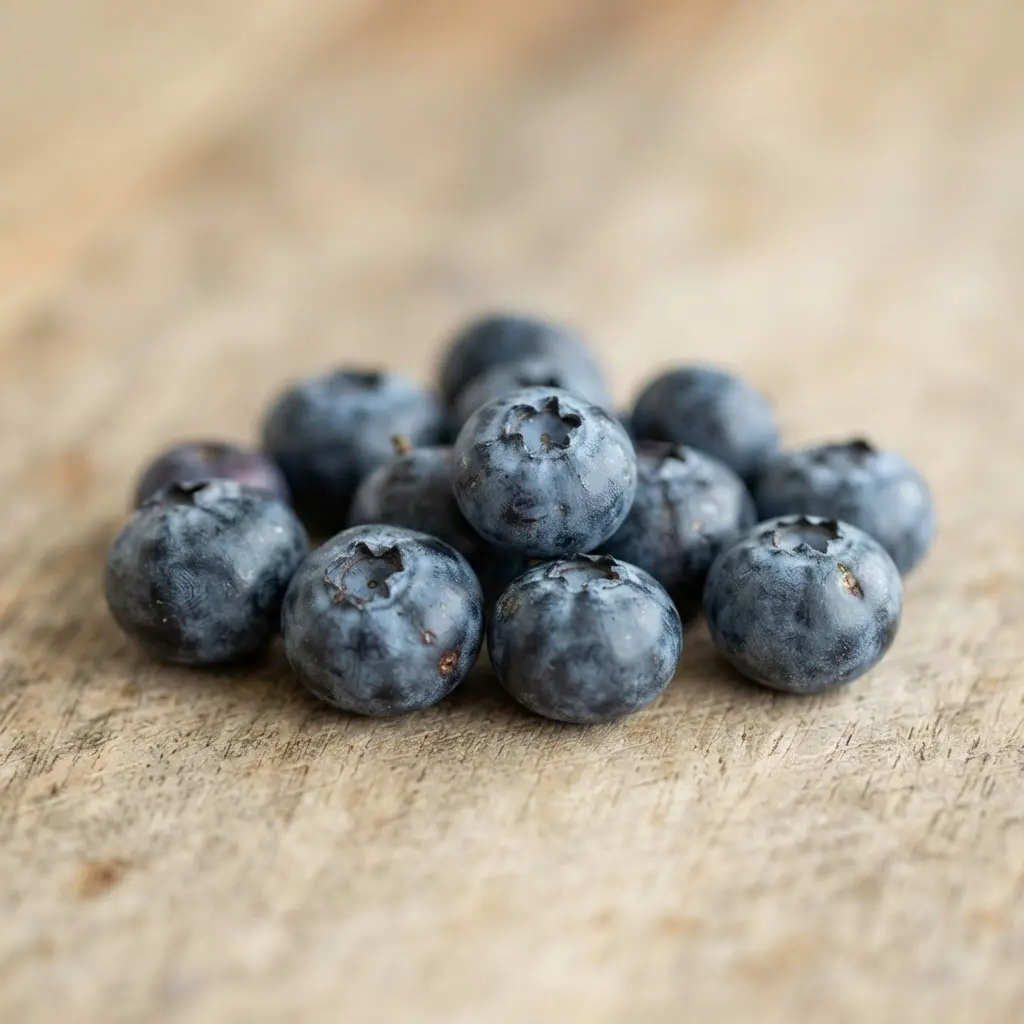
At 3 p.m., reach for a bowl of berries or a sliced apple before opening a packet of cookies, since fresh and healthy munchies to replace your junk snacks keep energy steady. Choose whole fruit for natural sweetness and fiber.
Strawberries, raspberries, blueberries, apples, and pears provide different flavors and textures. Apples and pears contain soluble fiber, including pectin, while berries are often less sweet than dates, ripe bananas, mangoes, or papayas.
Pair fruit with a small serving of almonds, chia seeds, flaxseeds, or pumpkin seeds. Add berries to rolled oats, or mash a banana into oats for sweetness without relying only on refined sugar.
Dates also work in oat-based snacks as a concentrated sweetener. A little goes a long way because dates are much sweeter than most fresh fruit, making them perfect for fresh and healthy munchies to replace your junk snacks. Use natural sugar replacements when preparing homemade snack mixtures.
Choose sweet vegetables when you need a more filling snack. Roasted sweet potato, yams, carrots, and beets provide natural sweetness alongside fiber and other nutrients.
Fresh or frozen peas offer a mild sweet flavor and work in a small bowl with chickpeas or lentils. Beans, lentils, and chickpeas are not dessert-like, yet their mild flavor fits sweet and savory snack combinations.
Research suggests fiber-rich foods support fullness, which makes whole-food snacks more satisfying than many refined sweets. Build a snack with one sweet base and one fiber-rich partner.
Try pear with almonds, berries with oats, or roasted sweet potato with pumpkin seeds. Keep dried figs and dates in smaller portions because drying concentrates their sweetness.
4. Healthy Fat and Fiber Blends for Steady Energy

Fat does not make every snack unhealthy, and you will notice this balance clearly when packing fresh and healthy munchies to replace your junk snacks for long trips. The full combination matters. Pair avocado with whole-grain toast, or pair an apple with almonds.
Fiber slows digestion, while unsaturated fat and protein extend fullness. A snack built this way often suits the midafternoon gap better than a refined snack eaten alone.
Build the base with rolled oats, whole-grain toast, fruit, vegetables, quinoa, or chickpeas. Add almond butter, walnuts, chia seeds, tahini, avocado, or salmon.
Mix oatmeal with about one tablespoon of nut butter and a spoonful of chia or hemp seeds. Use energy-boosting snacks as a planning reference for busy mornings or long gaps between meals.
Research suggests that combining fat, fiber, and protein slows the movement of food through digestion and steadies the release of sugar into the bloodstream, which makes fresh and healthy munchies to replace your junk snacks highly effective. Make a yogurt bowl with full-fat Greek yogurt, berries, and a small amount of nuts.
Prepare hummus plates with carrot, celery, or bell pepper sticks and a small whole-wheat pita. These choices address creamy, crunchy, sweet, and savory cravings in one sitting.
Keep portions practical. Nuts, seeds, nut butter, avocado, and full-fat yogurt contain useful nutrients, yet they are energy-dense. Pack nuts in a small container instead of eating from a large bag.
Adapt ingredients for allergies, dietary restrictions, blood-sugar conditions, or other health needs. Always consult a healthcare professional before making changes to your health routine.
5. Smart Snack Planning for Easy Daily Choices
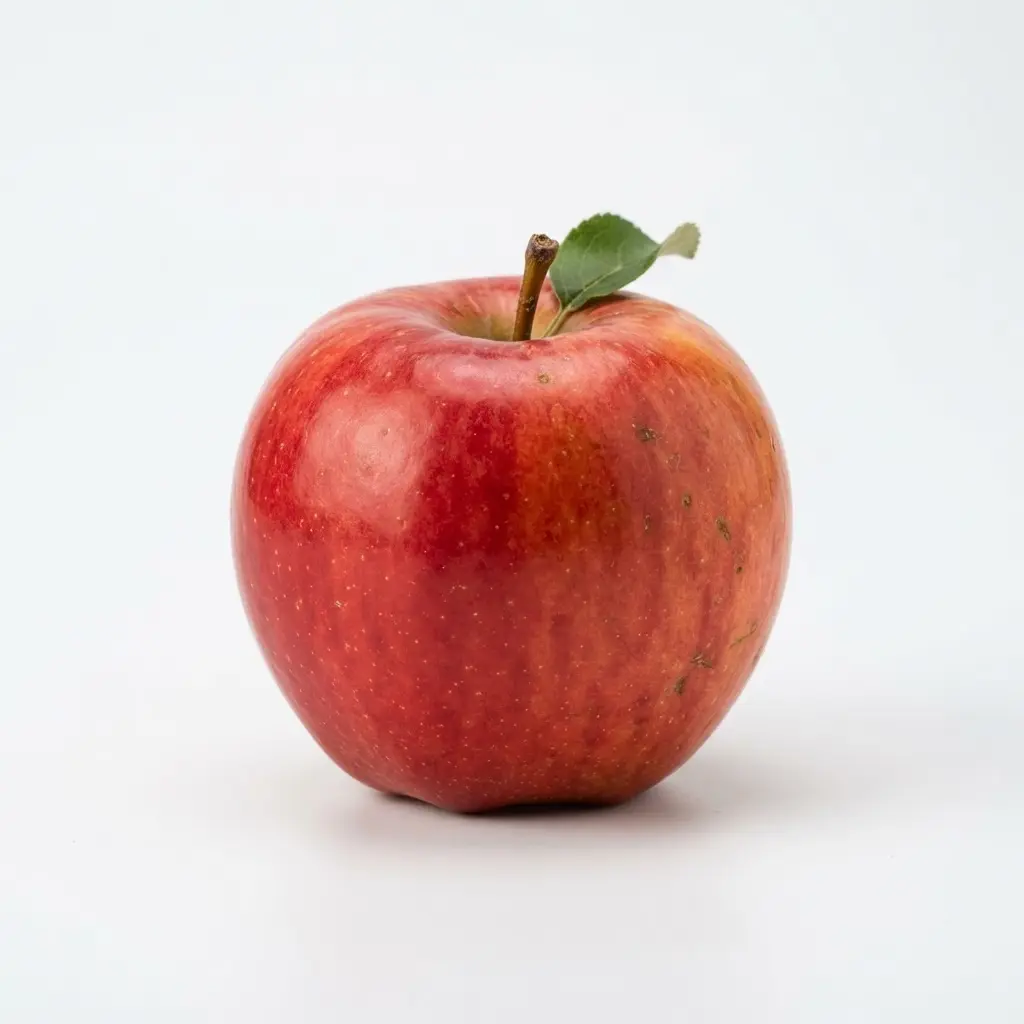
How do you make better snack choices during a busy day? Plan them before hunger arrives, and focus on fresh and healthy munchies to replace your junk snacks to avoid rushed decisions.
Set a snack routine by choosing one or two times for eating between meals. Write those times on a daily schedule, then prepare options before work, school, or errands begin.
A clear plan reduces last-minute choices from vending machines or takeaway counters. Build a shopping list around affordable healthy foods, then assign each item a purpose, remembering that fresh and healthy munchies to replace your junk snacks keep your budget steady.
Pair a fruit with plain yogurt, or place cut vegetables beside a bean spread. Keep several choices available so the same snack does not become tiring after a few days, and Use small food containers to separate portions and keep ready-to-eat items easy to find.
Prepare only what fits your schedule and storage space. Wash produce, cut suitable vegetables, and place dry foods in sealed containers. Mark prepared foods with the date so older items receive attention first.
Follow package storage directions for foods with specific handling needs. Keep a visible snack list on the refrigerator or pantry door, and update the list after each shopping trip.
Review the plan once each week. Note which foods were eaten, ignored, or difficult to carry. Replace unwanted options with simple choices suited to your routine.
Research did not provide verified standards for snack schedules, portion sizes, or storage times, so treat this process as an organization tool rather than a medical rule. Keep the plan practical, repeatable, and easy to adjust.
Portioning Snacks For Everyday Cravings
A half-cup serving of roasted chickpeas or popcorn gives you a clear starting point for a salty craving, and you can always add fresh and healthy munchies to replace your junk snacks when hunger grows. Use reusable snack cups to separate one serving before hunger makes oversized portions tempting.
Nuts, seeds, trail mix, and nut butter need extra care because small amounts pack plenty of calories. Keep fruit portions generous when sweetness drives the craving, then add yogurt or a boiled egg for staying power.
Prepare two or three chilled snack portions at once, so convenience does not push you toward highly processed foods. Read labels on packaged nuts, hummus, and popcorn for sodium, added sugars, and allergens, then store each portion where you will see it while keeping perishable snacks cold until you eat them.
Conclusion
Better snacking does not mean giving up the flavors you enjoy. Salty, sweet, and crunchy foods still have a place in your routine when you choose ingredients with more protein, fiber, and healthy fats. Fresh and healthy munchies to replace your junk snacks work best when they feel easy and satisfying, not like a strict food rule.
Start with one craving. If you want crunch, portion roasted chickpeas or sliced vegetables. If you want sweetness, pair fruit with yogurt or nut butter. Prepare two choices at the start of the week and place them where you will see them first. Keep portions ready for work, errands, or quiet evenings at home. Small changes become easier when your preferred snack is already prepared. Choose one option from this list today, set it within reach, and let your next snack support the way you want to feel.
FAQs
Q: Are these snacks suitable for daily eating?
A: Yes. Rotate different foods across the week for variety. Include a source of protein or healthy fat when hunger lasts between meals.
Q: Which snacks help with salty cravings?
A: Roasted chickpeas, lightly salted nuts, pumpkin seeds, and air-popped popcorn fit a salty craving. Add paprika, garlic powder, or nutritional yeast for more flavor.
Q: How do I keep healthy snacks convenient?
A: Wash and cut produce after shopping. Store small portions in containers so they are ready for work, errands, or home.
Q: Do protein snacks help with hunger?
A: Protein paired with fiber or healthy fat often keeps a snack satisfying for longer. Eggs, yogurt, chickpeas, nuts, and seeds are simple choices.
Q: What portion should I pack for a snack?
A: Start with a small bowl or single container. Add more food if hunger continues, and pair a fruit or vegetable with protein for better balance.