Reasons why healthy eating is so important include steadier energy, clearer thinking, stronger immune defenses, easier weight care, and a lower risk of some chronic diseases. Nutritious meals also help you get fiber, protein, vitamins, and minerals your body needs each day. These benefits support daily wellness without strict food rules.
If meals often leave you tired or hungry soon after, your food choices might need more balance. I know healthy eating sometimes sounds like a long list of rules. It does not have to be. Small changes, such as adding vegetables, choosing whole grains, or pairing fruit with protein, fit real routines. This guide explains five clear reasons to eat well and links each one to everyday life. You will see how balanced choices support energy, focus, immune health, weight goals, and long-term wellness. Let’s look at simple steps you feel ready to use, starting with the benefit you notice first. When you track your daily habits, Reasons why healthy eating is so important become clear.
Recognizing Nutrient Density Beyond Calorie Counts
Compare a food’s fiber, protein, and vitamin content before judging it by calories alone. Foods with high nutrient density give your body more vitamins, minerals, fiber, or protein for their energy content. Vegetables, fruit, beans, whole grains, eggs, fish, and plain yogurt each add useful nutrients, while highly processed snacks often provide fewer. A plate with colorful produce, a protein food, and a high-fiber carbohydrate supports balanced nourishment better than a meal built around refined starch alone. Dietary fiber from plants supports regular bowel movements and often helps you feel full longer. Calories still matter, since larger portions raise energy intake even when foods offer valuable nutrients. Compare foods within the same category, such as plain oats with sweetened cereal, for less added sugar and more fiber. As you weigh food options, Reasons why healthy eating is so important guide smarter swaps.
Adapting Food Choices To Personal Circumstances
Your first nutrition change should fit your budget, culture, allergies, and daily energy needs. Nutrition labels show serving size, added sugar, sodium, fiber, and protein, so comparisons become clearer than front package claims. A person with diabetes, kidney disease, food allergies, or a history of disordered eating needs advice from a qualified professional before major changes. Frozen vegetables, canned beans, eggs, oats, and brown rice often cost less than frequent takeaway meals and still supply useful nutrients. Traditional dishes often need portion balance or an added vegetable, not total replacement. People with high activity levels need more food, while smaller appetites might suit compact meals with protein and fiber. Access matters too, since a nearby market, freezer, or community pantry shapes realistic choices. While adjusting your kitchen, Reasons why healthy eating is so important shape practical grocery trips.
1. Stable Daily Energy Levels From Balanced Meals
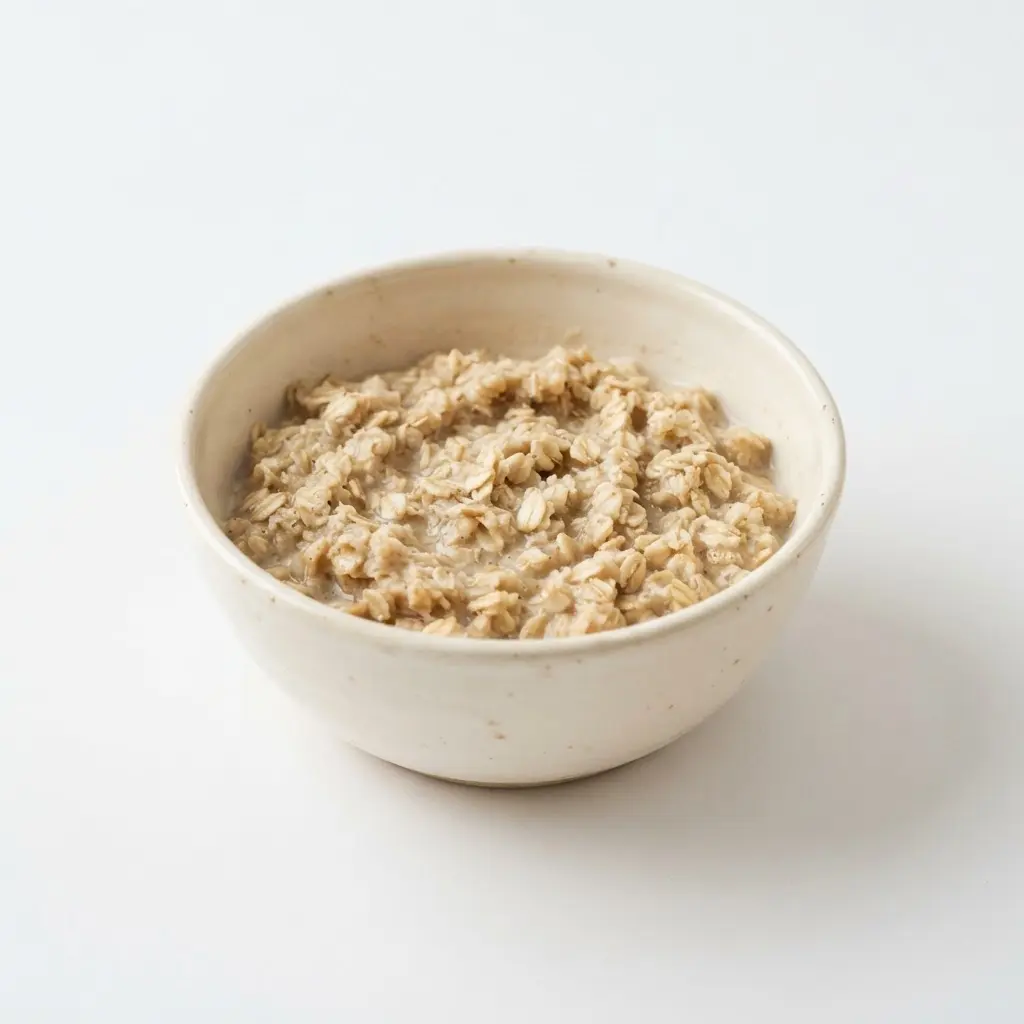
Relying on sugary snacks for daily fuel is a common mistake. Choose balanced meals instead.
Oats, brown rice, quinoa, beans, sweet potatoes, and squash digest more slowly than refined carbohydrates. Protein takes longer to digest and supports fullness. When you plan lunch, Reasons why healthy eating is so important highlight balanced macros. Unsaturated fat provides energy and supports nutrient absorption.
Build meals from foods for steady energy by pairing a complex carbohydrate with protein and unsaturated fat. Brown rice with beans and avocado supplies all three groups.
Meat, fish, dairy, nuts, seeds, olive oil, salmon, and mackerel provide useful protein or fat choices. Keep portions suited to your hunger and daily needs. As you combine food groups, Reasons why healthy eating is so important support steady fuel.
Follow a regular eating pattern to reduce long gaps between meals. Schedule three small-to-moderate meals and add one or two nutritious snacks when needed.
Space meals and snacks about three to four hours apart. Drink water regularly because inadequate fluid intake may contribute to fatigue. When scheduling snacks, Reasons why healthy eating is so important prevent heavy crashes. Limit snacks dominated by sugar, white bread, or white pasta.
Research suggests balanced meals support steadier fullness and energy than meals based mainly on quickly digested refined carbohydrates. Individual energy needs differ, and no single food guarantees lasting energy or higher energy expenditure.
Persistent or severe fatigue needs medical evaluation rather than a diet change alone. Always consult a healthcare professional before making changes to your health routine.
2. Enhanced Cognitive Functioning Through Nourishing Food Choices

Choose balanced meals built from vegetables or fruit, whole grains, protein, and healthy fats. Start with brain-boosting food choices at breakfast, such as eggs with spinach and whole-grain toast. These foods supply steady energy for attention and daily mental tasks. As you select morning foods, Reasons why healthy eating is so important improve morning focus.
Include fatty fish, walnuts, chia seeds, or flaxseeds during the week. Omega-3 fatty acids form part of brain cell structure and support normal brain activity. Eggs, legumes, leafy greens, and seafood supply choline and B vitamins, which help maintain nervous-system function and energy metabolism. When adding omega foods, Reasons why healthy eating is so important support clearer thinking.
Fill at least part of each meal with colourful produce. Berries, citrus fruit, broccoli, dark leafy greens, and grapes contain antioxidants and plant compounds linked with protection from cell damage.
Tea and coffee may provide a short-term concentration lift through caffeine, while green tea also contains L-theanine. Mediterranean and MIND-style eating patterns bring these foods together. Research associates these patterns with better cognitive outcomes and a lower risk of cognitive decline, although no single food guarantees stronger memory or prevents disease.
Use olive oil, whole grains, nuts, seeds, fish, eggs, and vegetables as regular meal ingredients rather than relying on one supplement. Seek advice from a qualified healthcare professional for persistent cognitive changes or suspected nutrient deficiencies.
3. Immune System Support Through Nutrient-Rich Foods

At lunchtime during a busy workday, choose a meal with several colors instead of relying on a pastry or crisps. A varied plate gives the body protein, vitamins, minerals, and fiber in one sitting. While building a workday lunch, Reasons why healthy eating is so important boost afternoon stamina. These nutrients support the cells and tissues involved in immune defense.
Build meals around vegetables, fruit, beans, whole grains, eggs, fish, poultry, nuts, or seeds. Vitamin C from citrus fruit, peppers, and broccoli supports normal immune function.
Zinc from beans, meat, dairy foods, and seeds supports cell growth and repair. Protein supplies amino acids for making antibodies and other immune proteins. When choosing weekly staples, Reasons why healthy eating is so important strengthen natural defenses. A balanced diet also supports the gut, where a large part of immune activity takes place.
Research on nutrition and immune health shows why regular food quality matters more than a single meal or short-lived eating plan. Choose fiber-rich foods each day to feed helpful gut bacteria.
Gut bacteria produce compounds involved in the gut barrier and immune signaling. Include several plant foods across the week rather than repeating the same two choices. During cold and flu season, keep easy options ready, such as washed fruit, unsalted nuts, plain yogurt, and prepared vegetables.
Avoid treating one food as a cure or relying on supplements without professional advice. A steady pattern of nutrient-rich meals gives immune defenses the supplies needed for normal work.
4. Improved Long-Term Weight Management With Balanced Meals

Severe restriction does not guarantee lasting weight control. The truth is simpler, and Reasons why healthy eating is so important guide lasting choices. foods for steady energy depends on an eating pattern you can follow over time.
Build meals with vegetables, fruit, protein foods, healthy fats, and measured portions of other calorie-containing foods. A balanced plate supports fullness while keeping total energy intake within a practical range. Choose foods with lower energy density to keep meal volume satisfying without adding as many calories.
Add vegetables, beans, fruit, broth-based soups, or other foods with high water and fibre content. Measure calorie-dense ingredients such as oils, dressings, nuts, and cheese. Small changes to ingredients and cooking methods reduce energy intake without making meals feel unusually small.
Use consistent portions and repeat a meal pattern suited to your preferences. Protein supports a satisfying meal, while healthy fats provide nutrition in measured amounts.
Plan for maintenance after weight loss because energy expenditure often changes during weight reduction. Research suggests weight regain can develop across 36 months, so regular attention to portions and home food choices matters.
Meal replacements provide structure for selected meals, yet they are not required for everyone. Avoid extreme plans without professional oversight. Very-low-calorie diets need medical supervision in appropriate cases.
Always consult a healthcare professional before making changes to your health routine. Set up meals you can repeat, adjust, and maintain.
5. Reduced Risk of Chronic Disease Through Healthy Eating
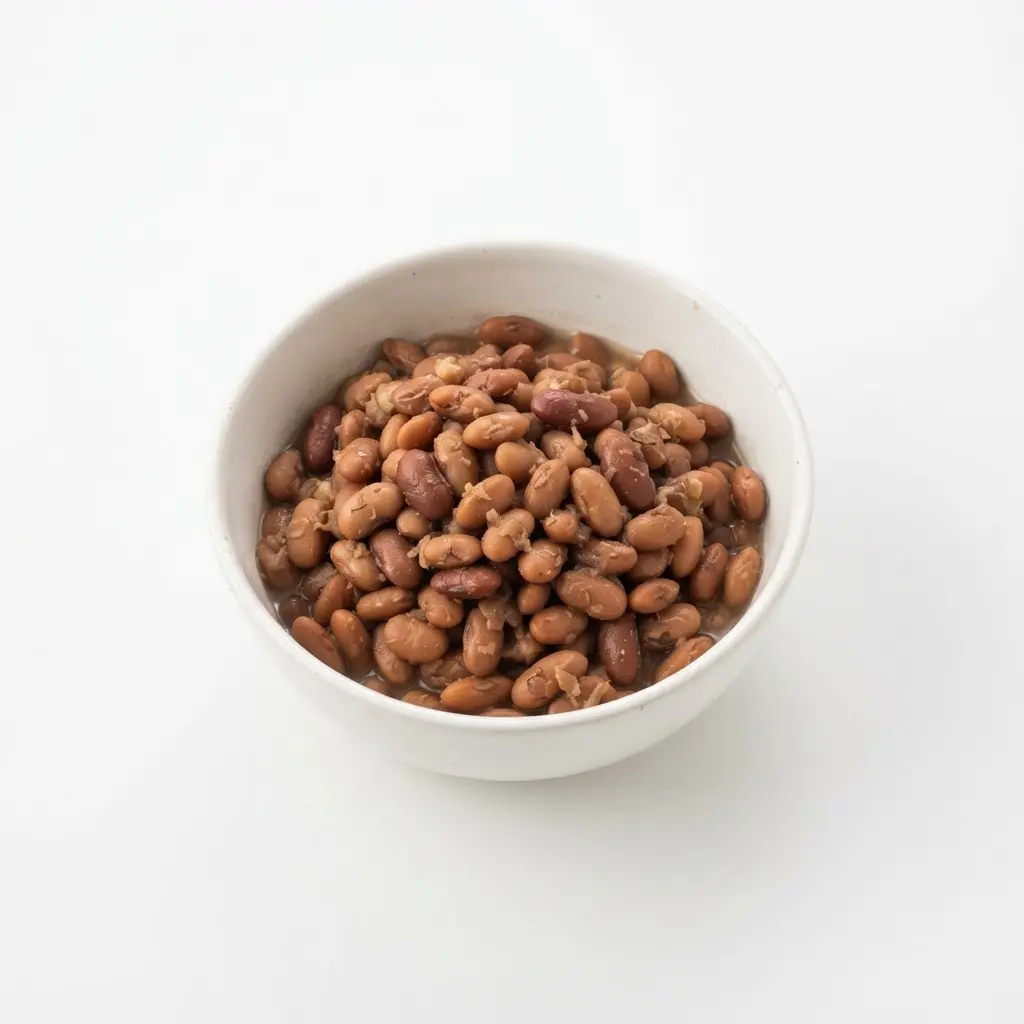
Does one healthy meal prevent chronic disease? No. Consistent eating habits support lower risk over time by supplying vegetables, fruits, whole grains, legumes, nuts, fish, and other nutrient-dense foods.
When tracking long-term health, Reasons why healthy eating is so important become daily priorities. These choices support heart health and help manage blood pressure and blood sugar.
Build meals around produce to gain the benefits of eating more vegetables. Choose fish, beans, lentils, nuts, or lean meat more often than red meat. Select dairy without added sugars, and replace saturated fats with unsaturated fats. Healthier protein sources make these changes practical at breakfast, lunch, and dinner.
Limit added sugars, highly processed foods, industrially produced trans fats, and excess sodium. Keep salt below 5 grams per day to support healthy blood pressure.
Lower sodium intake matters because excess salt increases the body’s fluid load, which places more pressure on blood vessels. Research links Mediterranean-style eating and other plant-forward patterns with lower risk of cardiovascular disease, stroke, type 2 diabetes, and certain cancers.
Pair nutritious meals with at least 150 minutes of moderate activity each week and muscle-strengthening exercise twice weekly. Research suggests the overall pattern matters more than any single food.
Use gradual changes rather than chasing a perfect diet. Add vegetables to one meal, replace refined grains with whole grains, and check food labels for sodium and added sugars. Always consult a healthcare professional before making changes to your health routine.
A balanced diet lowers risk, but genetics, existing conditions, activity, and other factors still affect personal health.
Turning Nutrition Knowledge Into Sustainable Meal Routines
Writing three simple meals into your week gives healthy eating a repeatable shape. Meal planning reduces last-minute reliance on highly processed foods, while flexible portions help match hunger and energy needs.
Keep water nearby and include fluid-rich foods such as soups, oranges, cucumbers, and yogurt. Hydration supports normal body functions, while thirst sometimes feels like hunger. Gradual changes, such as adding one vegetable or swapping refined grains for whole grains, often fit daily life better than strict rules.
Repeating balanced meals builds consistency without requiring perfect choices. Check your routine each week and adjust portions, meal timing, or ingredients when work hours, activity, or appetite changes. A registered dietitian offers personal guidance for medical conditions or complex dietary needs.
Conclusion
Food choices often connect with how you feel during work, family time, exercise, and rest. A balanced plate is not a test of willpower. It is a practical way to give your body steady nourishment. Reasons why healthy eating is so important become clearer when you notice better energy, smoother meal routines, and more confidence in your choices.
Start with one meal this week. Add a vegetable, choose a whole-grain side, or include a source of protein and fiber. Keep the change small enough to repeat. If a meal does not go as planned, return to your next balanced choice without guilt. Over time, these ordinary decisions support lasting health more than strict rules. Pick one step from this guide, write it on your grocery list, and use it at your next meal. Your routine grows through choices you feel ready to make again.
FAQs
Q: What does a balanced meal include?
A: A balanced meal usually includes vegetables or fruit, a source of protein, whole grains or another high-fiber food, and a small amount of healthy fat. Portion needs vary with age, activity, health needs, and personal preference.
Q: How does healthy eating support energy?
A: Meals with whole grains, protein, fruit, and vegetables support steadier energy between meals. Regular meal timing and enough water also support daily focus and comfort.
Q: Does healthy food help with weight management?
A: Regular meals with fiber and protein support fullness and steady eating habits. Weight goals also relate to activity, sleep, stress, health needs, and portion sizes.
Q: Which foods support immune health?
A: A varied eating pattern with fruits, vegetables, beans, whole grains, nuts, seeds, and protein foods supports normal immune function. No single food replaces a balanced pattern or medical care.
Q: How do I start eating better without a strict diet?
A: Start with one small change, such as adding a vegetable to one meal each day. Keep familiar foods, plan simple options, and build habits at a comfortable pace.