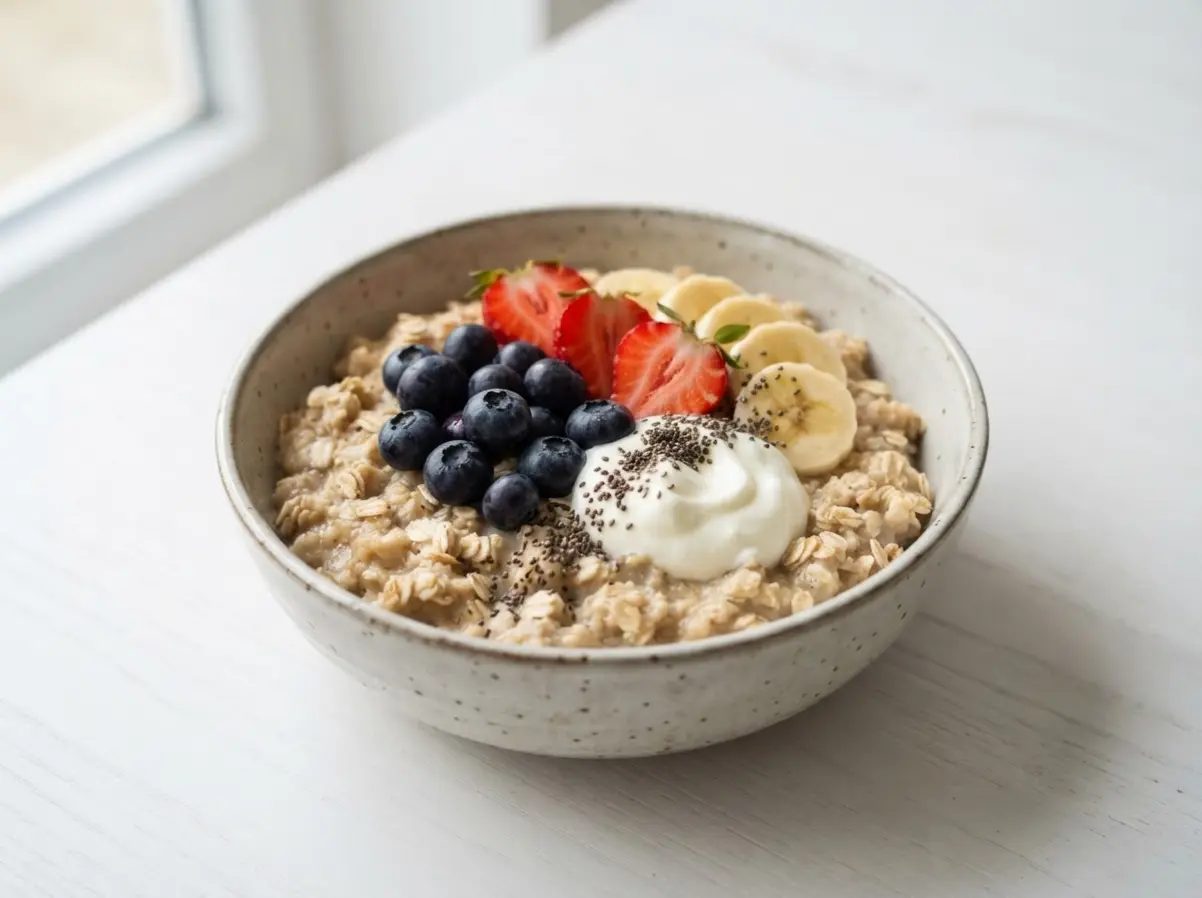
Want easier digestion after meals? Tips to improve your digestion include eating more fiber-rich foods, drinking fluids through the day, slowing down at meals, and moving your body often. Small changes in meal timing, sleep, and stress care also support regular bowel habits and a more settled stomach. Start with one or two habits, then build from there.
Digestive discomfort often affects your mood, energy, and daily plans. Your needs are personal, so notice which foods and routines help you feel your best. This guide covers fiber sources, hydration, fermented foods, mindful eating, gentle movement, stress care, sleep, and less processed food.
I’ll keep each idea simple and practical, so healthy changes feel easier to fit into real life. Let’s get started with a habit you feel ready to try today, and remember that small steps lead to lasting comfort.
Evaluating Detox Claims Before Changing Routines
Detox teas do not remove digestive waste or repair the gut, and some contain stimulant herbs capable of triggering cramps or diarrhea. Your liver and kidneys already process waste while harsh cleanses often reduce food intake and fluid levels. A sudden drop in fluids makes constipation worse, especially when fiber intake rises without enough water. Health professionals share practical tips to improve your digestion that avoid harsh cleansing blends entirely. The detox tea labels also hide ingredients such as senna, a laxative herb known for loose stools and belly cramps. Instead of chasing a short cleanse, track bloating, stool changes, and meal patterns for several days. A steady routine with oats, beans, fruit, vegetables, water, sleep, and gentle movement gives your digestive system more reliable support. Ask a clinician or pharmacist before taking any cleansing blend if you use medicines or have kidney, liver, or bowel disease.
Checking Food Changes Against Medical Conditions
People with celiac disease need medical guidance before removing gluten, since testing works best before a gluten-free diet begins. Those with diabetes should match higher-fiber foods with their meal plan because beans, oats, and fruit affect blood sugar. Past bowel surgery, inflammatory bowel disease, kidney disease, and swallowing trouble also change which foods and fluids fit safely. Use a food symptom diary to record meals, portions, pain, stool changes, and timing for one to two weeks. Bring the record to a doctor or dietitian rather than cutting dairy, wheat, or several food groups at once. A suspected intolerance needs a careful trial with professional support, while hives, wheezing, or throat swelling after food needs urgent medical care. You will find that following verified tips to improve your digestion protects your specific health requirements.
1. High Fiber Food Sources for Comfortable Digestion
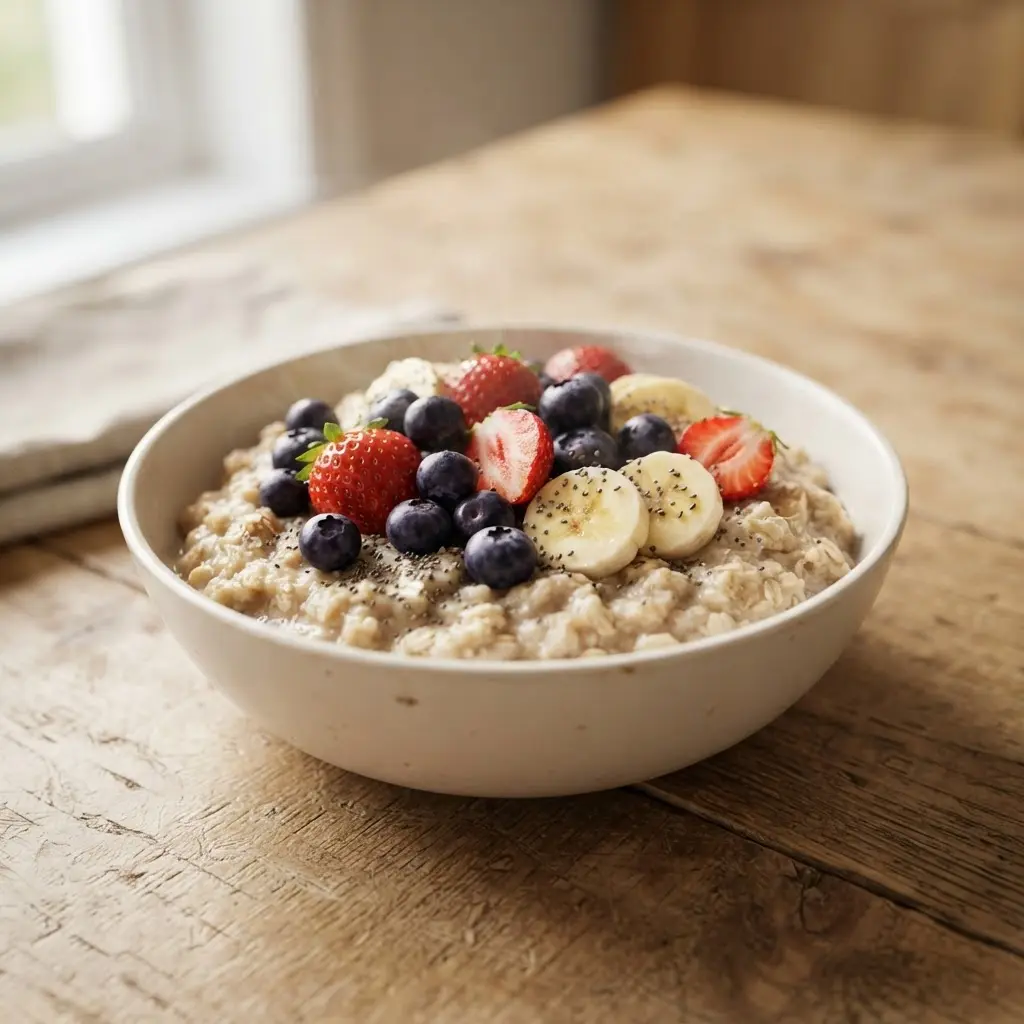
A common mistake is raising fiber sharply after eating little of it. Increase fiber gradually over several days. Fiber adds bulk to stool and supports smoother bowel movements. A general guideline is 14 grams per 1,000 calories. Children aged 12 to 23 months need 19 grams per day. You can easily apply these tips to improve your digestion when planning your next grocery trip.
Build meals from several plant-food groups. Add raspberries to oatmeal and top the bowl with almonds. One cup of raspberries provides 8 grams of fiber, while one cup of cooked oatmeal provides 4 grams. Find more best fiber sources when planning varied meals. Lentils, split peas, black beans, pears, apples with skin, broccoli, barley, and brown rice offer other useful choices.
These plant foods align with proven tips to improve your digestion when paired with regular hydration. Drink adequate fluids as fiber intake rises. Fiber absorbs water. Fluids support softer stool and smoother passage through the digestive tract. Research shows a gradual increase with adequate fluids may reduce gas, bloating, and cramping during dietary changes.
Choose whole-wheat bread, whole-wheat spaghetti, potatoes with skin, unsweetened high-fiber cereal, chia seeds, ground flaxseed, or nuts according to serving size and preparation. Fiber amounts differ between cooked, boiled, chopped, and ready-to-eat foods, so compare portions carefully. Always consult a healthcare professional before making changes to your health routine. Persistent or severe digestive symptoms require professional guidance. You can share these practical tips to improve your digestion with your doctor during routine checkups.
2. Daily Hydration Strategies for Regular Bowel Habits

Drink a glass of water after waking to replace fluid lost during sleep. Morning hydration supports normal body functions and may stimulate bowel activity for some people. Keep water beside your bed or near the kettle so the first drink requires no extra effort. This morning habit matches foundational tips to improve your digestion for daily wellness.
Sip water throughout the day instead of waiting for thirst. Carry a reusable bottle at work, during travel, or while running errands. Thirst, dry mouth, and reduced urine output signal possible dehydration. Research suggests consistent fluid intake supports softer stools and regular bowel habits, especially alongside enough fiber. Experts frequently recommend this steady approach as one of the clearest tips to improve your digestion.
Increase fluids during exercise, sweating, or hot weather. Add water-rich foods such as watermelon, cucumber, oranges, and celery to meals and snacks. Moderate coffee or tea suits some people, while excess caffeine, alcohol, and sugary drinks provide less suitable primary hydration. Warm water, herbal tea, or warm prune juice offers another option for people who prefer warm drinks. Try these simple tips to improve your digestion before considering stronger remedies.
Match fluid intake to age, activity level, climate, and health needs rather than following one fixed target. Keep water available at home and work, then drink steadily across the day. Persistent changes in bowel habits need medical advice rather than hydration alone. Always consult a healthcare professional before making changes to your health routine.
3. Probiotic Rich Foods for Gut Support

At breakfast, replace a sweet pastry with plain yogurt topped with fruit and oats. Choose live and active cultures on the label, or look for named probiotic strains. Kefir offers another dairy option and often contains more probiotic cultures than yogurt. Traditional cultured buttermilk provides a further fermented choice. Nutritionists regularly include these fermented choices among helpful tips to improve your digestion.
Build fermented vegetables into lunch or dinner in small portions. Select refrigerated, unpasteurized sauerkraut when available, since heat treatment reduces live cultures. Kimchi and naturally fermented pickles offer different flavors and textures. Check pickle labels for a salt-and-water brine rather than vinegar, because vinegar pickles are not the same as naturally fermented foods. Knowing how to read labels provides useful tips to improve your digestion during grocery shopping.
Use fermented soy foods in regular meals. Stir miso into warm broth after removing the pot from high heat. Add tempeh to a grain bowl or vegetable dish. Fermentation changes soybeans and creates foods with distinct textures and flavors. These choices suit people who prefer savory foods over dairy or sweet drinks. You will quickly notice how these savory options deliver effective tips to improve your digestion.
Review kombucha labels before buying a bottle. Commercial varieties differ in sugar content, so compare products and choose a lower-sugar option when appropriate. Research suggests fermented foods with live cultures support a varied gut environment, but probiotic foods are supportive dietary choices rather than guaranteed treatments or cures for digestive conditions. Start with a small serving and track how your body responds. Always consult a healthcare professional before making changes to your health routine.
4. Mindful Eating Practices for Easier Meals

Mindful eating is not a strict diet, and 20 minutes is not a test you must pass. The practice means paying attention to food, eating speed, physical hunger, comfortable fullness, and emotions without judgment. Start with one attentive meal each day. Turn off the television, put away your phone, and step away from the computer. Fewer distractions leave more attention for the meal and your digestive comfort. Practicing calm focus ranks among the most reliable tips to improve your digestion.
Engage each sense during a few bites. Notice the food’s color, aroma, texture, temperature, flavor, and weight. Listen for crunching or sizzling. Chew slowly and observe how the food changes in your mouth. Aim for a meal lasting about 20 minutes when your schedule allows, but treat this timeframe as guidance rather than a rule. Research suggests mindful eating supports awareness of eating patterns, including stress eating and rushed meals.
Check hunger and fullness cues before, during, and after eating. Identify physical hunger, boredom, stress, or another emotion behind the urge to eat. Notice stress or boredom early, then pause to apply gentle tips to improve your digestion before eating past comfort. Notice stress or boredom early, then pause to avoid overeating triggers before eating past comfort. Self-compassion matters after an uncomfortable meal. Acknowledge what happened and return to awareness at the next bite.
Use meal planning to reduce last-minute choices and mealtime stress. A brief moment of gratitude for the food, its preparation, or your ability to nourish yourself can establish a steady routine. People with digestive symptoms, eating disorders, diabetes, or medical nutrition requirements should adapt these practices with professional guidance. Always consult a healthcare professional before making changes to your health routine.
5. Physical Activity Benefits After Everyday Meals

Light walking works well after meals. Start a light walk soon after finishing an everyday meal. Aim for about 10 minutes, extending the walk to 10–15 minutes when practical. A comfortable pace is enough. Strenuous exercise immediately after eating is not required. Many fitness guides highlight this habit as one of the safest tips to improve your digestion.
Working muscles use glucose from the bloodstream. This action helps lower the rise in blood glucose after food. Gentle movement also supports intestinal activity, which may help food move through the digestive tract. Some people experience less bloating, gas, or burping with regular post-meal walking, though relief is not guaranteed.
Research suggests activity soon after eating supports smoother post-meal blood-glucose control more effectively than waiting for a longer delay. Repeated short walks also add calorie expenditure and support regular daily movement. Build short walks into a diet and movement plan rather than relying on one long workout. Consistent movement schedules deliver steady tips to improve your digestion throughout the week.
Schedule a brief walk after several meals when your routine allows. Choose indoor pacing, a quiet street, or another safe route. Stop for chest pain, severe breathlessness, dizziness, or unusual weakness. People with diabetes, glucose-regulation problems, cardiovascular disease, or exercise-related symptoms should discuss post-meal activity with a qualified healthcare professional. Always consult a healthcare professional before making changes to your health routine.
6. Stress Management Techniques for Digestive Comfort

A few minutes of calm breathing often serves digestion better than pushing through a stressful day. Begin with daily mindfulness for three to five minutes. Focus attention on the breath, body sensations, and nearby sounds. Regular practice may calm nervous system activity linked with digestive discomfort. Therapists recommend this quiet routine as one of the most effective tips to improve your digestion during busy weeks.
Use diaphragmatic breathing during tense moments. Breathe in slowly as the abdomen rises, then breathe out at a relaxed pace. The 4-7-8 method offers another structured option. Stop any breathing exercise if dizziness or discomfort develops. Research suggests relaxation practices support calmer stress responses for some people.
Choose steady movement over exhausting workouts. A 20-minute walk, gentle yoga session, or tai chi routine provides physical activity alongside controlled breathing. Protect consistent sleep by keeping a fixed wake time and allowing enough time for rest. Poor sleep often increases stress and digestive difficulties.
Reduce daily pressure through realistic prioritisation. Write down stressful situations, separate urgent tasks from less urgent tasks, and set clear personal boundaries. Schedule time for reading, music, hobbies, nature, or supportive conversations. CBT with a qualified therapist offers structured help for unhelpful thoughts and ongoing stress. Organized daily boundaries provide clear tips to improve your digestion while lowering mental strain.
Build one small practice into each day rather than waiting for a crisis. Stress management complements other digestive-wellness habits and does not treat every cause of persistent discomfort. Always consult a healthcare professional before making changes to your health routine.
7. Sleep Hygiene Habits for Daily Wellness

A common mistake is changing bedtime and wake time sharply on weekends. Maintain a consistent wake time every morning, including days off. A steady schedule supports the body’s internal clock and gives meals, movement, and rest a more predictable rhythm. Research suggests regular sleep habits reduce common disruptions linked with late stimulation and poorly timed naps. Experts confirm stable sleep patterns offer essential tips to improve your digestion overnight.
Establish a calm hour before bed. Dim household lights, limit screens, and choose quiet activities such as reading, journaling, gentle stretching, meditation, or a warm bath. Keep work tasks outside this period. A predictable wind-down routine lowers stimulation and gives the mind a clear shift toward rest. Racing thoughts often settle more easily after writing concerns in a notebook.
Arrange the bedroom for sleep rather than work or entertainment. Keep the space quiet, dark, and cool, with a commonly recommended temperature near 60–67°F (15–19°C). Use supportive pillows and a comfortable mattress. Avoid large meals, caffeine, alcohol, and heavy fluid intake during the three hours before bed. Choose a light snack when hunger would otherwise disturb sleep.
Exercise regularly, but finish intense workouts one to two hours before bedtime when evening activity feels stimulating. Keep naps near 10–20 minutes and schedule them early in the afternoon. Leave the bed for a quiet activity after roughly 20 minutes of wakefulness, then return when sleepiness returns. Track patterns with a sleep diary for several weeks. Always consult a healthcare professional before making changes to your health routine. Persistent sleep difficulties need professional assessment.
8. Processed Food Limitations for Balanced Eating
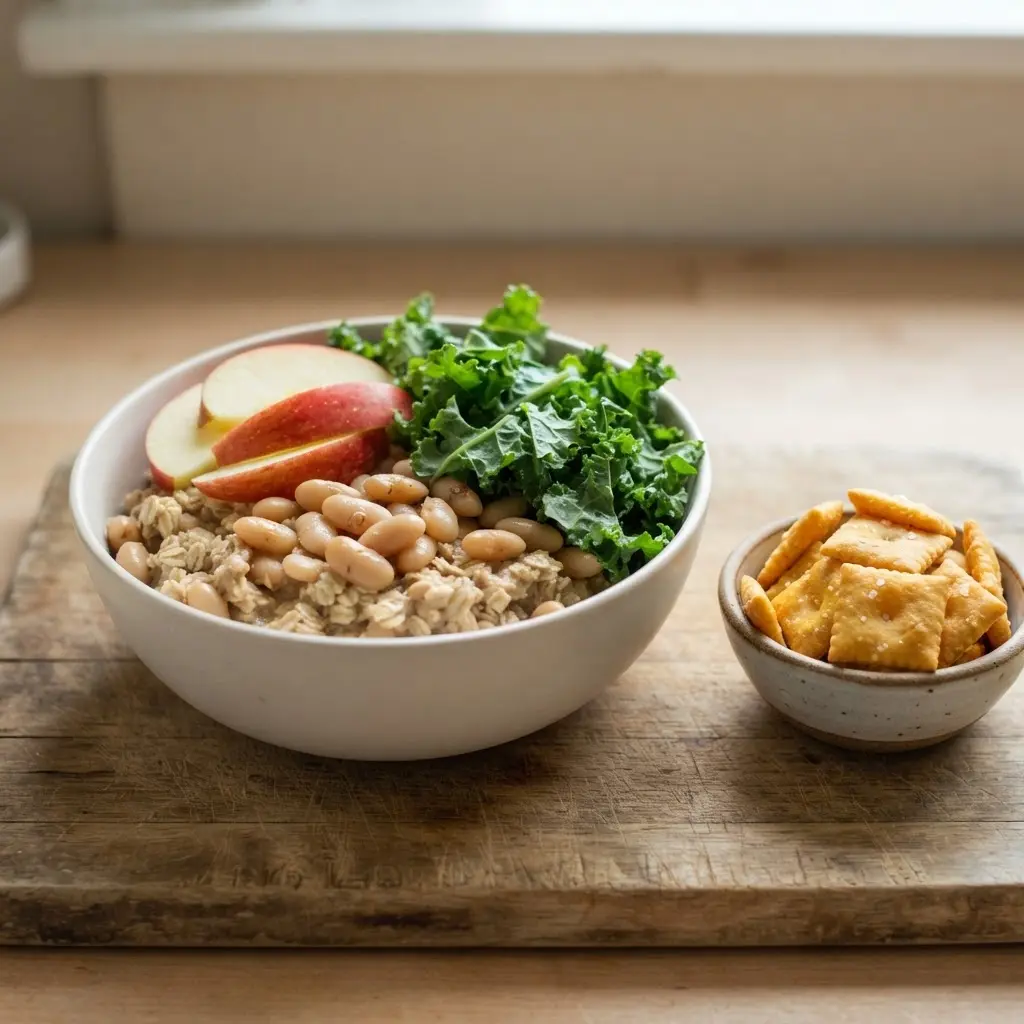
Limit highly processed foods high in sodium, added sugar, or saturated fat. Start by checking the Nutrition Facts label on drinks, packaged meals, sauces, and snacks. Compare similar products and choose the option with lower amounts per serving. This approach focuses on nutrition quality rather than treating every processed food as unhealthy. Dietitians often recommend this label-checking habit among straightforward tips to improve your digestion.
Choose frozen vegetables, frozen fruit, plain yogurt, whole-grain bread, beans, and lean proteins more often. Select canned vegetables, beans, or fruit without added salt or sugar when available. Plain yogurt with fresh fruit gives you more control over added sugar than heavily sweetened yogurt. Keep frozen produce at home so less-processed choices stay convenient on busy days.
Replace sugary drinks with water, and ask for sauces or dressings on the side at restaurants. Use reduce junk food intake as a practical goal rather than trying to remove every packaged food. Cooking more meals at home makes portions, ingredients, and cooking methods easier to manage. Home cooking habits deliver natural tips to improve your digestion without extra costs.
Research suggests a diet high in ultra-processed foods can increase intake of salt, added sugar, and unhealthy fats while leaving less room for nutrient-rich foods. Restaurant and commercially prepared foods provide about 70% of sodium in the typical United States diet. Limit processed meats, which often contain high sodium and saturated fat and are associated with higher colorectal cancer risk. This association does not guarantee cancer in any individual. Seek guidance from a qualified healthcare professional for personal dietary concerns.
Digestive Symptoms Requiring Medical Evaluation
Blood in the stool, unexplained weight loss, ongoing vomiting, or severe belly pain requires prompt medical evaluation. Seek urgent care for black stools, vomiting blood, yellow skin, fainting, or pain with a hard or swollen abdomen. Persistent diarrhea, constipation, trouble swallowing, or a lasting bowel habit change deserves a clinician’s review, even when symptoms seem mild. Keep a brief symptom record with dates, stool changes, fever, meals, medicines, and weight changes before the visit. Those details help a clinician judge whether infection, inflammation, bleeding, blockage, or a medicine reaction needs testing. Do not rely on fiber powders, cleansing drinks, or fermented foods while a serious symptom continues, since they risk delaying care. Doctors stress that professional care must always take priority over general wellness tips. Call emergency services for fainting, heavy bleeding, severe dehydration, or sudden intense pain.
Conclusion
Your digestion responds to the small choices you make throughout the day. A fiber-rich breakfast, a glass of water, a slower meal, or a short walk after eating might fit your routine better than a long list of rules. You will find that following simple tips to improve your digestion works best when you choose habits you enjoy and repeat them often.
Start with one change this week. Add a serving of beans, oats, fruit, or vegetables, then give your body time to adjust. Keep a simple note about meals, comfort, and bowel habits if you want to spot patterns. If symptoms continue, worsen, or affect daily life, speak with a healthcare professional for personal guidance. Choose one small step today, and give it a fair chance to become part of your routine.
FAQs
Q: How much fiber should I eat each day?
A: Many adults benefit from a gradual increase toward the general daily fiber target for adults. Add beans, oats, fruit, vegetables, nuts, and seeds in small steps, along with enough fluids.
Q: What drinks support healthy digestion?
A: Water is a helpful everyday choice. Warm water and unsweetened drinks also fit many routines, while large amounts of alcohol and sugary drinks often bring less comfort.
Q: Which foods contain probiotics?
A: Yogurt with live cultures, kefir, sauerkraut, kimchi, and other fermented foods contain probiotics. Check labels for live cultures and choose products with less added sugar when possible.
Q: When should I speak with a healthcare professional about digestion?
A: Seek medical guidance for ongoing pain, repeated vomiting, blood in stool, unexplained weight loss, fever, or lasting changes in bowel habits. New or worsening symptoms deserve prompt attention.
Q: How do meal habits affect digestion?
A: Eating slowly, chewing well, and sitting upright during meals support comfortable eating. Smaller portions and regular meal times also help some people notice better comfort.