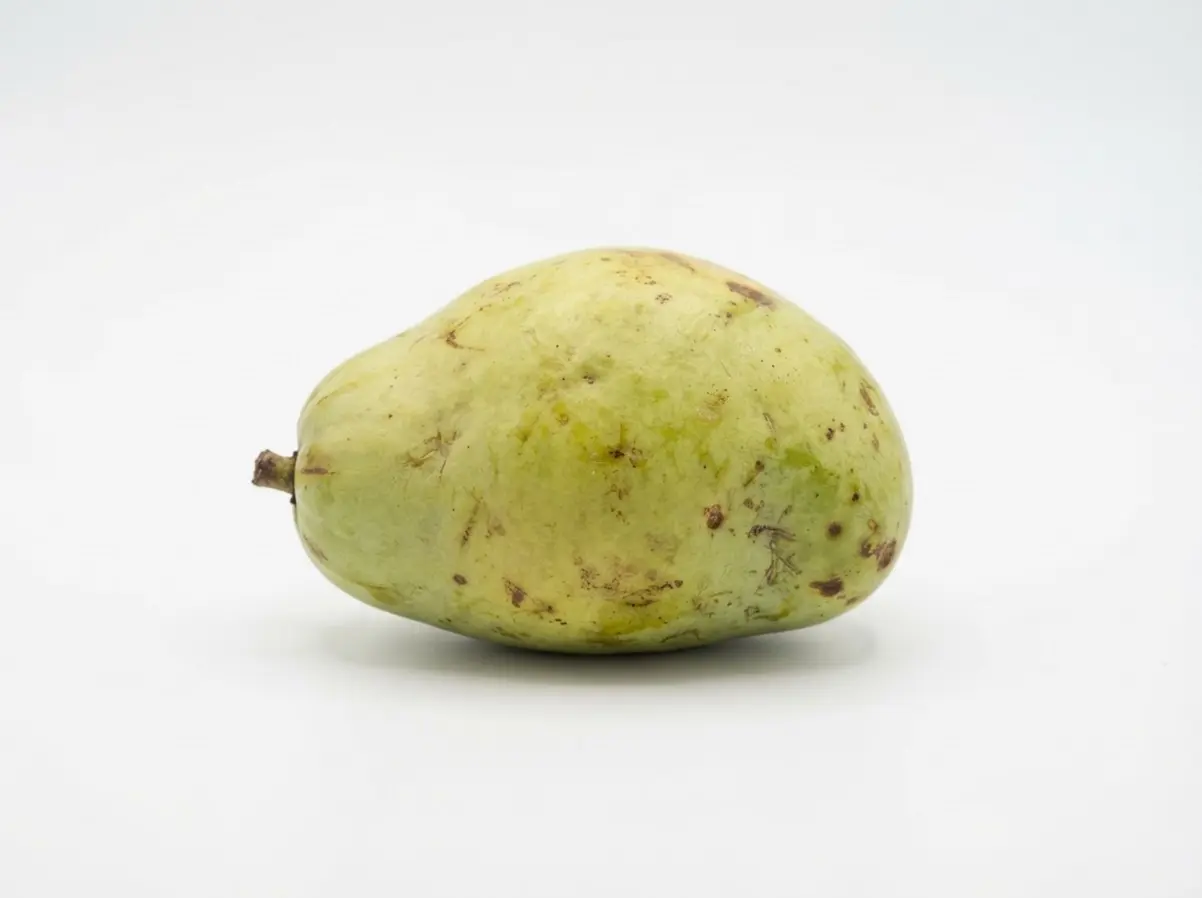
Finding nutritious fruit beyond the usual apples and bananas gets easier with a short, well-chosen list. The Healthiest fruits you didn’t know about include pawpaw, blackcurrant, papaya, pomegranate, and kiwifruit. They bring fiber, vitamin C, potassium, folate, and plant compounds to everyday meals. Each fruit has a distinct taste and a simple use, from sliced snacks to breakfast bowls.
I picked these options because good nutrition should feel practical, not difficult. Some are seasonal or harder to find, so I explain what to look for and how to serve them without extra fuss. You will also learn how papain, anthocyanins, and polyphenols fit into general wellness. I keep the language clear and the claims grounded in food science. Let’s make room for one new fruit at a time. Read on, choose one option, and add it to your next meal.
Interpreting Nutrient And Antioxidant Evidence
Deep-purple açaí and juçara pulp owe much of their color to anthocyanins, plant pigments studied for antioxidant activity. Human nutrition evidence supports fiber, vitamin C, and potassium as established nutrients, and exploring the Healthiest fruits you didn’t know about helps clarify early clues about phenolic compounds and inflammation. Those findings do not prove a fruit treats disease, so compare the nutrient fact with the strength of the research. Mamey supplies carotenoids, pigments linked with orange and yellow color, while dabai provides unsaturated fats uncommon in many fruits. Jackfruit contributes dietary fiber and vitamin C, though its overall profile differs from açaí. A food label still matters because serving size, pulp concentration, and added sugar change the nutrition you receive from smoothies or desserts.
Fresh, Frozen, Dried, And Sweetened Formats
Frozen pulp often gives shoppers the most practical access to açaí, juçara, and other fruits sold far from their growing regions, making it simpler to stock the Healthiest fruits you didn’t know about at home. Choose unsweetened frozen pulp when possible, then check the ingredient panel for syrups, juice concentrates, or added sugar. Dried fruit travels well but loses water, so a small handful contains more sugar and calories per bite than fresh segments. Jarred jackfruit suits savory dishes, yet brine and sweet syrup create distinct meals. Fresh mamey and dabai need careful handling because tough skins or inedible seeds vary by fruit and region. Keep frozen portions cold until use, and treat smoothies, baked goods, and desserts as serving formats rather than proof of superior nutrition. Ordinary portions help you compare formats fairly.
1. Pawpaw Tropical Nutrient Density With Fiber And Vitamin C

A common mistake is treating nutrient-dense fruit as high in every nutrient, and reviewing the Healthiest fruits you didn’t know about clarifies which values matter most. Pawpaw offers a broad mix instead of leading every category. A 120-gram serving provides about 102 calories, 5.4 grams of fiber, 28.6 grams of carbohydrates, and 5.9 milligrams of vitamin C.
Use fresh pawpaw pulp as the edible portion after removing the inedible parts, while tracking the Healthiest fruits you didn’t know about highlights useful fiber sources. A 100-gram serving supplies about 4.5 grams of dietary fiber, giving pawpaw a useful place among rich fiber sources. Fiber contributes to the fruit’s overall nutritional value and adds substance to a meal or snack.
Pawpaw also supplies potassium, magnesium, iron, calcium, phosphorus, zinc, riboflavin, and niacin. Its protein and fat levels are higher than those in bananas, apples, and oranges, although the amounts stay modest. Antioxidant compounds add to the fruit’s nutritional profile, with amounts comparable to strawberries and oranges and higher levels than those found in bananas and apples.
Research suggests pawpaw matters because one serving combines fiber, carbohydrates, vitamin C, minerals, and antioxidant compounds rather than focusing on one nutrient alone. Choose ripe fruit for fresh eating, and treat nutrition figures as estimates because fruit size, cultivar, ripeness, and preparation affect the final values. Pawpaw contains vitamin C, but its amount is lower than the vitamin C found in some fruits, including bananas and mangoes.
2. Blackcurrant Antioxidant Profile Benefits From Anthocyanins

Choose fresh or frozen blackcurrants first when adding more deeply coloured fruit to your meals, especially when studying the Healthiest fruits you didn’t know about. The dark purple-red tissue contains anthocyanins, a group of flavonoid pigments linked with much of the fruit’s antioxidant activity. Research reports these pigments account for more than 70% of blackcurrants’ antioxidant activity.
Blackcurrants provide several distinct anthocyanins rather than one isolated compound. The main four are delphinidin-3-O-rutinoside, cyanidin-3-O-rutinoside, delphinidin-3-O-glucoside, and cyanidin-3-O-glucoside. Delphinidin-3-O-rutinoside appears most abundant, followed by cyanidin-3-O-rutinoside, delphinidin-3-O-glucoside, and cyanidin-3-O-glucoside.
Research suggests these pigments influence cellular defence through the NRF2 pathway. NRF2 controls genes involved in the body’s antioxidant response. Anthocyanins have also been studied for effects on NF-κB, a pathway linked with inflammatory and immune signals. Studies are examining possible links with cardiovascular function, eye health, glucose regulation, metabolic health, and cognitive function.
These findings explain why blackcurrants attract interest as a functional-food ingredient, but antioxidant activity does not guarantee disease prevention or treatment. Research suggests possible support for endothelial function, arterial stiffness, LDL-cholesterol levels, vision, glucose tolerance, and cognitive health, yet clinical outcomes vary. Treat blackcurrants as a nutrient-rich food, not a replacement for prescribed care. Always consult a healthcare professional before making changes to your health routine.
3. Papaya Digestive Enzyme Properties — Papain And Everyday Uses

At breakfast, a bowl of ripe papaya offers more than a sweet, soft texture, which reminds us the Healthiest fruits you didn’t know about rely on natural enzymes. Papaya contains papain, a cysteine protease enzyme that breaks proteins into smaller peptides and amino acids. During digestion, this protein-splitting action creates components the body can process and absorb.
Papain occurs in higher amounts in unripe papaya. Ripe fruit is generally considered safe as a food, while commercial preparations contain a more concentrated form. Use a commercial meat tenderizer when cooking tough cuts, because the small amount of enzyme in a serving of ripe fruit is not equal to a concentrated tenderizing product. Papain breaks down tough protein fibers and produces softer meat. Research suggests papaya itself should not be treated as a guaranteed remedy for bloating, constipation, or other digestive symptoms.
Manufacturers add papain to some digestive products, toothpastes, mints, and dental gels, showing how the Healthiest fruits you didn’t know about reach beyond the kitchen counter. Papain-based dental products might provide a small whitening effect at low concentrations. Medical preparations also use papain for enzymatic debridement, which removes dead tissue from chronic wounds. Wound products and caries-removal gels require trained clinical care rather than casual home use.
Choose ripe fruit for ordinary eating and avoid large amounts of unripe papaya during pregnancy unless a qualified clinician approves them. Concentrated papain products may cause stomach irritation, nausea, diarrhea, or mouth and throat irritation. Papaya and latex allergies raise the risk of allergic reactions, including skin blisters. Papain has the potential to affect blood sugar and bleeding, so people with diabetes, hypoglycemia, bleeding disorders, or blood-thinning medicine need medical advice before using concentrated papain. Always consult a healthcare professional before making changes to your health routine.
4. Pomegranate Polyphenol Health Advantages In Daily Meals

A common belief says pomegranate prevents heart disease and other serious conditions, yet comparing the Healthiest fruits you didn’t know about shows a measured truth. Punicalagins and ellagic acid are polyphenols linked with antioxidant and anti-inflammatory activity in research.
Use whole pomegranate arils at breakfast or lunch, remembering that the Healthiest fruits you didn’t know about shine in simple recipes. Sprinkle them over yogurt, oatmeal, or a green salad. The arils provide fiber, which juice generally lacks, and their tart flavor adds contrast without relying on a sweetened topping. Ellagitannins also receive study for possible effects on inflammation and the gut microbiome.
Choose unsweetened 100% pomegranate juice when whole arils are unavailable. Research suggests possible support for blood pressure and blood-sugar control in some people with type 2 diabetes. Juice is easy to drink quickly, so pair a small serving with a meal containing protein or fiber. This approach slows the meal and supports steadier blood-sugar patterns.
Research also examines pomegranate polyphenols in relation to cholesterol changes, artery health, kidney-stone chemistry, and brain inflammation. These findings describe possible biological effects, not proven treatment or prevention. Always consult a healthcare professional before making changes to your health routine. Use arils in salads, grain dishes, or savory meals, and treat juice as a moderate beverage rather than a health remedy.
5. Kiwifruit Micronutrient Powerhouse Status With Vitamin C
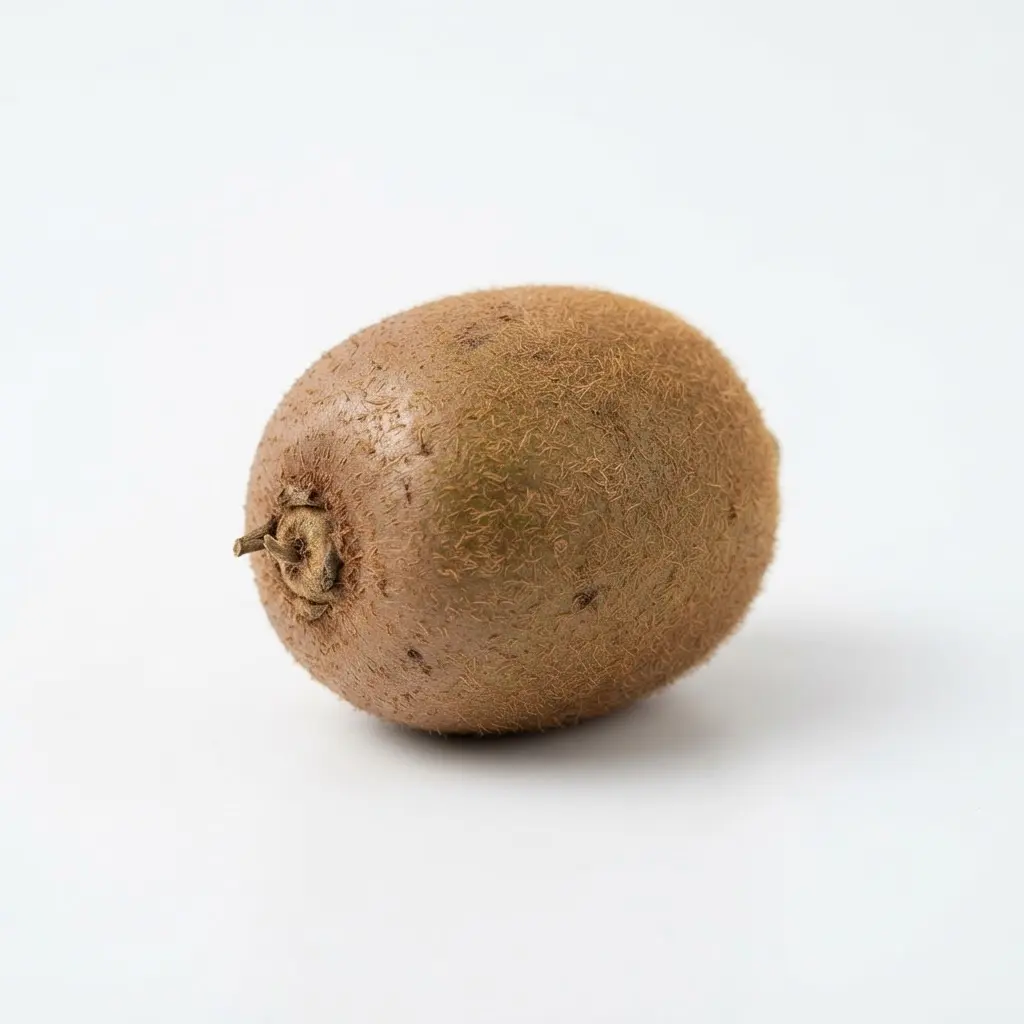
Does kiwifruit offer an unusually high amount of vitamin C benefits? Yes. The amount depends on the variety, flesh color, and serving size, matching guides to the Healthiest fruits you didn’t know about. Red and SunGold kiwifruits provide especially high levels, while Green kiwifruit adds notable fiber alongside vitamin C and potassium. Choose the specific variety when checking nutrition details and vitamin C content.
Two Red kiwifruits weighing 134 grams provide 243 milligrams of vitamin C, listed as 632% of the reference daily intake. The same serving supplies 2.1 milligrams of vitamin E, 9.1 micrograms of vitamin K, 92 micrograms of folate, 453 milligrams of potassium, and 2.4 grams of dietary fiber. These figures describe nutrient amounts, not guaranteed health outcomes.
The variety comparison becomes clearer when all values use the same basis. Per 100 grams, SunGold provides 161.3 milligrams of vitamin C, while Green provides 85.1 milligrams. Green kiwifruit supplies 3 grams of dietary fiber and 300 milligrams of potassium per 100 grams. SunGold provides 315 milligrams of potassium per 100 grams. Use a 100-gram comparison before judging one variety against another.
Kiwifruit also contains vitamin B1, carotenoids, chlorophylls, anthocyanins, phenolic acids, flavonoids, minerals, and organic acids. Research on fruit nutrient profiles supports viewing kiwifruit as a varied source of micronutrients rather than focusing on one number. Select Red or SunGold for a higher listed vitamin C amount, or choose Green when fiber is a priority. Always consult a healthcare professional before making changes to your health routine.
Building Balanced Meals With Unfamiliar Produce
Pairing an unfamiliar fruit with plain yogurt and oats gives breakfast fiber, protein, and steady texture instead of relying on sweetened juice, which is why the Healthiest fruits you didn’t know about deserve a daily spot. Plain yogurt works with tart açaí or jackfruit, while nuts and seeds add unsaturated fats to meals built around fruit. Add fresh segments to a grain bowl with beans or fish when a savory option suits you, or serve mamey beside whole-grain toast. Keep portions ordinary while you learn how a new fruit affects fullness and digestion. People with pollen, latex, or fruit allergies should ask a clinician about cross-reactions before trying unfamiliar produce. Wash fresh skins, remove tough peel and inedible seeds as appropriate, and check regional preparation guidance. Variety matters more than naming one fruit healthiest.
Conclusion
Trying a new fruit gives your regular meals more variety without changing your whole routine. The Healthiest fruits you didn’t know about show how much nutrition sits beyond the usual produce aisle. Pawpaw brings a soft, custard-like bite, while blackcurrant adds a tart note. Papaya, pomegranate, and kiwifruit each fit different meals and tastes.
Start with one fruit you feel curious about. Check the produce section, a farmers market, or the frozen aisle, then choose a simple serving idea. Slice kiwifruit over oats, stir blackcurrants into yogurt, or add pomegranate arils to a salad. If a fruit is new to you, begin with a small portion and note how you enjoy it. Keep fresh fruit chilled, and follow package guidance for frozen or prepared items. Small food choices support steady eating habits. Pick one option for your next grocery trip and build a wider, more nourishing menu.
FAQs
Q: Which of these fruits has the most vitamin C?
A: Kiwifruit and papaya are strong food sources of vitamin C. Serving size and ripeness affect the amount, so check nutrition details on package labels when available.
Q: Is pawpaw the same as papaya?
A: No. Pawpaw and papaya are different fruits, although both have soft flesh and tropical flavor. Pawpaw is also called North American pawpaw in some regions.
Q: How should I eat blackcurrants?
A: Fresh blackcurrants suit yogurt, oats, salads, and sauces. Their tart taste pairs well with sweeter fruit, and frozen berries work in smoothies or cooked dishes.
Q: Do pomegranate seeds provide fiber?
A: Yes. The edible arils contain fiber along with polyphenols and potassium. Eat the juicy seed and flesh together for the fruit’s full texture.
Q: Are these fruits safe for everyone?
A: Food allergies, digestive conditions, and medication needs differ from person to person. Anyone with a known concern should ask a qualified health professional before adding an unfamiliar fruit.