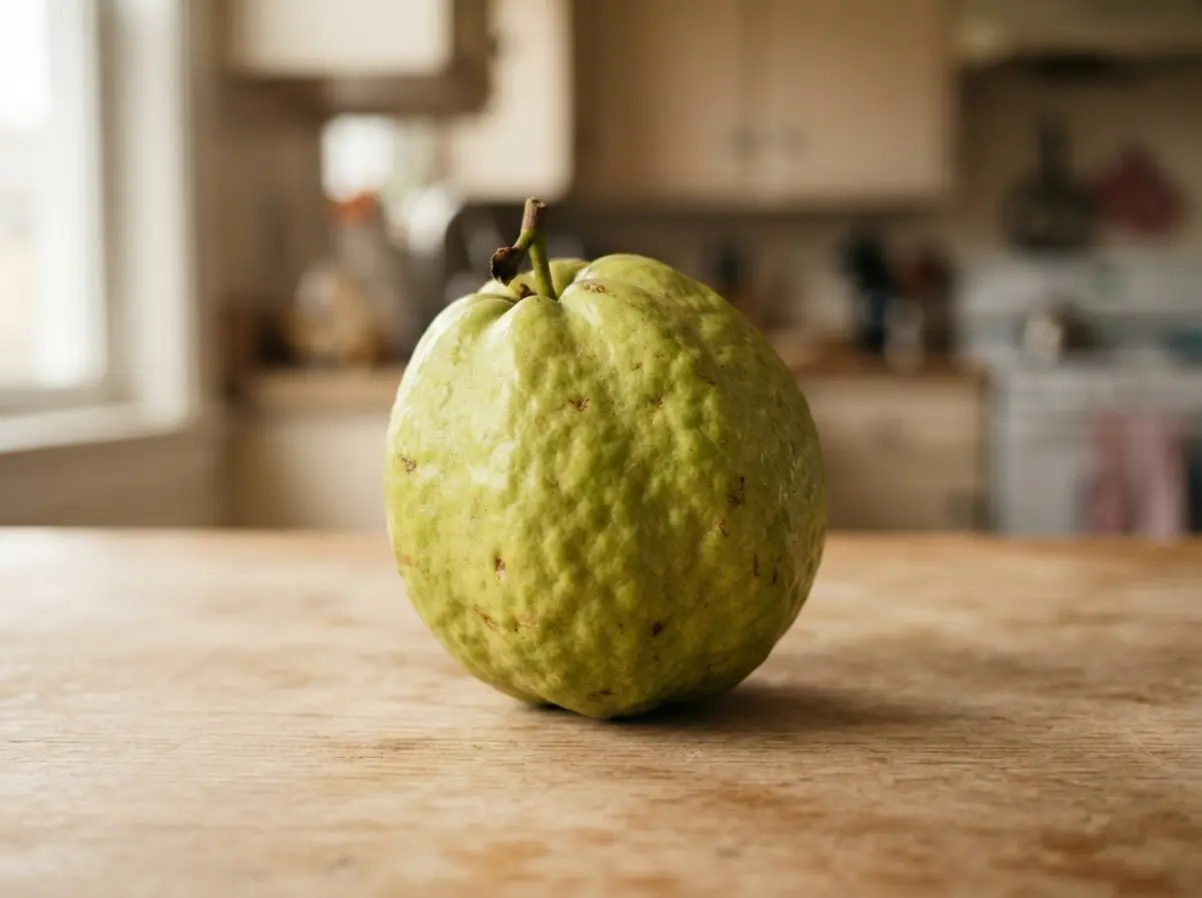
Wondering why vitamin C deserves more attention than a glass of orange juice? Things you didn’t know about vitamin c include its role in plant-iron absorption, collagen production, wound repair, and antioxidant recycling. Your body does not make this vitamin, so regular food intake matters. Guava, bell peppers, kiwi, broccoli, and strawberries often add plenty to meals. Heat and water lower some vitamin C during cooking, while high supplement doses often upset the stomach.
If you have linked vitamin C only with colds or oranges, this guide adds useful context without food rules or fear. I will explain how this nutrient works, where to find it, and why pairing it with beans or lentils helps with iron. You will also see practical intake guidance, cooking ideas, deficiency signs, and common supplement mistakes. A balanced plate often covers daily needs. Lets get started with five clear facts for your next meal.
Water Solubility And Limited Body Storage
Large supplemental doses do not create a storage reserve, because your body removes much of the extra vitamin C through urine. This nutrient dissolves in water, so regular intake from food supports steadier availability than occasional megadoses. The kidneys help control levels, while small doses often absorb more efficiently than one oversized tablet.
Among the things you didn’t know about vitamin c, your body clears out extra amounts quickly instead of saving them. Taking more than 2,000 milligrams daily often brings diarrhea, nausea, or stomach cramps for adults, according to the upper intake limit. Food portions rarely reach this amount, especially when meals include peppers, kiwi, strawberries, broccoli, or potatoes.
Smoking raises vitamin C needs, so smokers benefit from discussing intake with a clinician rather than guessing with supplements. A balanced diet supplies water-soluble nutrient alongside fiber and other nutrients your body needs.
Separating Cold Prevention From Cure Claims
Taking vitamin C after cold symptoms begin does not reliably shorten an illness for most people. Regular intake before illness might slightly reduce cold duration in some groups, especially people under heavy physical stress, but research does not support routine high-dose pills for prevention in the general public. Vitamin C supports immune cells, yet it does not kill cold viruses or replace sleep, fluids, or medical care.
A vitamin C supplement provides no cure for an active infection. Another of the things you didn’t know about vitamin c is that large doses also upset digestion and offer no guarantee against future colds. People with low dietary intake might face more risk from deficiency than well-fed adults, so food quality matters more than megadose claims. Seek medical advice for severe symptoms or symptoms lasting beyond expected illness.
1. Non-Citrus Vitamin C Food Sources Beyond Oranges

A common mistake is treating oranges as the only meaningful vitamin C source. Red bell peppers provide more vitamin C than oranges, so sliced peppers offer a useful choice in a salad or sandwich. Tomatoes count too, even though cooking often labels them vegetables. When learning things you didn’t know about vitamin c, choose a range of produce across meals instead of relying on one fruit.
Kiwifruit, strawberries, papaya, and cantaloupe provide fruit-based options for breakfast or snacks. Add sliced kiwifruit to breakfast, serve strawberries with a meal, or use papaya and cantaloupe in a fruit bowl. Pineapple supplies another tropical choice with a moderate amount of vitamin C. Understanding things you didn’t know about vitamin c broadens your options without requiring oranges at every meal.
Vegetables supply vitamin C as well. Broccoli, kale, and Brussels sprouts fit into lunches and dinners as side dishes, salad ingredients, or additions to mixed meals. Research supports eating a varied selection of fruits and vegetables because different choices contribute different nutrients. Use tomatoes and red bell peppers in sandwiches or salads, then add broccoli, kale, or Brussels sprouts to a later meal. This approach broadens vitamin C sources without requiring oranges at every meal. A varied plate offers practical whole-food nutrient sources for people who dislike citrus or want more produce variety.
2. Role in Iron Absorption Efficiency With Plant Foods
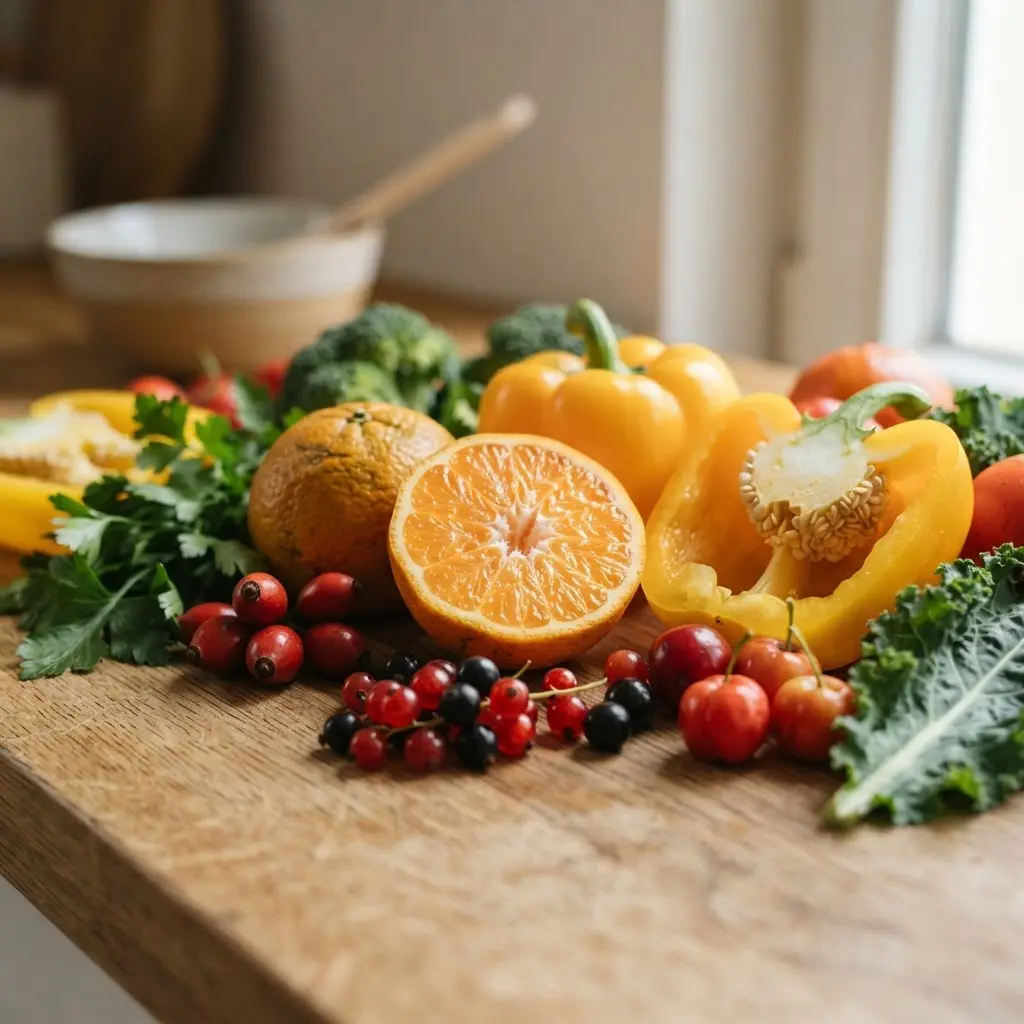
Pair plant-based iron foods with a vitamin C-rich food during the same meal. Lentils with citrus fruit, iron-rich grains with bell peppers, and beans with tomatoes are practical combinations. Plant foods mainly provide non-heme iron, which enters the bloodstream less readily than heme iron from animal foods. Things you didn’t know about vitamin c also show it helps bind iron and supports conversion into ferrous iron, a form the intestine absorbs more easily.
This action may offset some effects of phytates in cereals, legumes, nuts, and seeds. Polyphenols in tea, coffee, and red wine also hinder non-heme iron uptake. Research on meal composition shows why the iron listed on a nutrition label does not equal the amount absorbed.
Keep tea and coffee away from iron-focused meals when improving absorption is the goal. As one of the things you didn’t know about vitamin c, eating these drinks between meals rather than alongside beans helps absorption. Milk also deserves separate timing because calcium and other meal factors may reduce iron uptake. Eat these drinks between meals rather than alongside beans, lentils, grains, or seeds.
Choose fermented grains when practical. Sourdough preparation produces lactic acid and reduces phytate content, potentially making iron more available. Meat, fish, and poultry also contain the MFP factor, which supports non-heme iron absorption when paired with plant foods. People concerned about iron deficiency or at risk of deficiency should seek advice from a qualified healthcare professional rather than relying solely on meal combinations. Always consult a healthcare professional before making changes to your health routine.
3. Collagen Synthesis and Skin Repair Support

At 8 a.m., vitamin C from breakfast is already supporting a task beneath the skin. Discovering things you didn’t know about vitamin c reveals how it helps the body form collagen, a protein that gives skin structure and supports tissue repair. Fibroblasts use vitamin C during collagen production. These cells also help rebuild the surrounding tissue after injury.
Collagen peptides and hydrolyzed collagen have received attention in skin research. Studies have reported possible changes in hydration, elasticity, dermal density, water loss, and wrinkle depth after several weeks or months of use. These findings apply to specific formulations, not every supplement on the shelf. Product composition, dose, and study length affect results.
Wound repair involves more than producing new collagen. MMP and TIMP balance helps control how old tissue breaks down and how new tissue forms. Signaling pathways such as PI3K/Akt, TGF-β, JAK/STAT, and PPARβ/δ also influence collagen metabolism. Research on some collagen peptides describes support for fibroblast growth, cell movement, hyaluronic acid production, and a lower-inflammatory wound setting. Hydrated skin does not prove faster wound healing.
Choose vitamin C-rich foods as part of a balanced eating pattern, and assess collagen supplements by their exact formulation rather than broad marketing claims. Remember the things you didn’t know about vitamin c when evaluating product labels for exact content. Professional wound care is necessary for wounds that are deep, infected, slow to close, or caused by a serious injury. Evidence for skin hydration and elasticity is more developed than evidence for faster clinical wound healing. Always consult a healthcare professional before making changes to your health routine.
4. Daily Intake and Absorption Limits for Adults

A common belief says more vitamin C always provides better protection. The research supplied for this chapter does not verify such a claim. Things you didn’t know about vitamin c suggest avoiding treating a large supplement serving as automatically useful. No source-verified adult intake value, absorption limit, or upper safety threshold was returned.
Check the evidence source before following advice about a daily amount. Reliable guidance should state the adult group covered, the serving size, the form of vitamin C, and the reason for use. A food serving and a concentrated supplement do not provide the same intake pattern. Without those details, a precise recommendation would be unsupported.
Absorption also needs careful wording. The available material does not explain whether absorption changes with a specific dose, meal pattern, timing, or supplement form. Do not assume the body absorbs every amount in a capsule. Do not use an unverified absorption claim to justify repeated servings during one day.
Choose food sources first when planning a normal diet, then review supplement use with a qualified clinician. Fresh produce, fortified foods, and supplements differ in vitamin C content, so product labels require close attention. Evidence quality matters because unsupported intake advice can lead to unnecessary supplementation or confusion about safe limits. Keep these things you didn’t know about vitamin c in mind when comparing daily serving sizes across different product types. Always consult a healthcare professional before making changes to your health routine. Ask for guidance suited to your age, diet, medicines, kidney health, and reason for taking vitamin C. Until source-verified measurements are available, avoid presenting a single adult intake or absorption limit as established fact.
5. Antioxidant Regeneration in the Body Explained

Does vitamin C stop working after one reaction? No. Vitamin C regeneration allows oxidized ascorbate to receive electrons from glutathione and return to an active form. This exchange forms part of the glutathione–ascorbate cycle. When reviewing things you didn’t know about vitamin c, note that a single vitamin C molecule therefore participates in a wider redox system rather than acting as a one-use shield. Redox means electron transfer between molecules.
Glutathione recycling keeps this system supplied. Active glutathione, called GSH, becomes oxidized glutathione, or GSSG, after donating electrons. The body converts GSSG back into GSH through linked reactions. Superoxide dismutase changes superoxide into hydrogen peroxide. Catalase and glutathione peroxidases then break hydrogen peroxide down. These steps limit the buildup of reactive oxygen species.
Vitamin E works in a different setting. This fat-soluble antioxidant sits in cell membranes and lipoproteins, where it interrupts lipid peroxidation. Vitamin E protection involves donating an electron to a lipid peroxyl radical. Glutathione and other antioxidants support the return of oxidized vitamin E to a usable state. Water-soluble vitamin C and fat-soluble vitamin E therefore cover different parts of the cell.
Research on redox biology shows why antioxidant activity depends on the surrounding network, not on one whole food nutrient sources. Choose a varied diet to supply vitamin C, vitamin E, and nutrients needed for normal enzyme activity. Do not treat antioxidant regeneration as a guaranteed treatment or prevention method for disease. Balanced antioxidant defenses support control of reactive compounds while preserving normal oxidation processes.
When Persistent Symptoms Need Medical Evaluation
Bleeding gums, slow wound healing, easy bruising, or severe fatigue deserve medical evaluation rather than self-treatment with high-dose tablets. These signs sometimes point to scurvy, a serious vitamin C deficiency caused by prolonged low intake. People facing food insecurity, severely restricted diets, alcohol dependence, smoking, dialysis, or poor nutrient absorption face higher risk.
A clinician often reviews diet, medicines, health conditions, and symptom timing before choosing a blood test or other assessment. Similar symptoms also occur with anemia, thyroid disorders, gum disease, medication effects, or other illnesses, so high-dose supplements might delay the right care. Prompt evaluation matters when wounds heal slowly, bruises appear without clear injury, or fatigue continues despite adequate sleep. Treatment depends on the cause, not on vitamin C alone.
Conclusion
Vitamin C often gets linked with oranges and cold season, yet its daily value reaches much further. Things you didn’t know about vitamin c include its help with plant-iron absorption, collagen production, and the body’s antioxidant system. Your body does not store large amounts, so regular food choices matter more than one large dose.
Start today by adding guava, bell pepper, kiwi, broccoli, or strawberries to a meal. Pair beans, lentils, or tofu with one of these foods to help your body take in more plant iron. Use gentle cooking methods and limit high-dose supplements unless a health professional suggests them. A varied plate gives you more than one nutrient at a time, which keeps eating simple and enjoyable. Pick one food from this list for your next meal, then build from there with steady, comfortable choices.
FAQs
Q: Which foods contain more vitamin C than oranges?
A: Guava, red and yellow bell peppers, kiwi, broccoli, and strawberries often contain more vitamin C per serving than oranges. Adding several of these foods gives meals more variety.
Q: Does cooking lower vitamin C?
A: Heat and water reduce some vitamin C during cooking. Steaming, microwaving, or eating produce raw helps retain more of it than long boiling.
Q: How does vitamin C help iron absorption?
A: Vitamin C helps the body absorb non-heme iron from beans, lentils, tofu, nuts, seeds, and leafy greens. Add a vitamin C food to the same meal for better use of plant iron.
Q: What are common signs of vitamin C deficiency?
A: Low intake over time is linked with tiredness, gum problems, easy bruising, slow wound healing, and joint discomfort. These signs have many possible causes, so a health professional should review ongoing symptoms.
Q: Is too much vitamin C harmful?
A: High supplement intake often causes stomach cramps, nausea, or diarrhea. Adults have an upper limit of 2,000 milligrams per day from food and supplements combined.