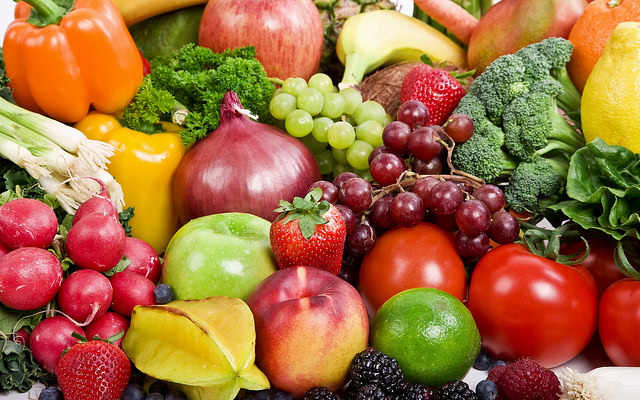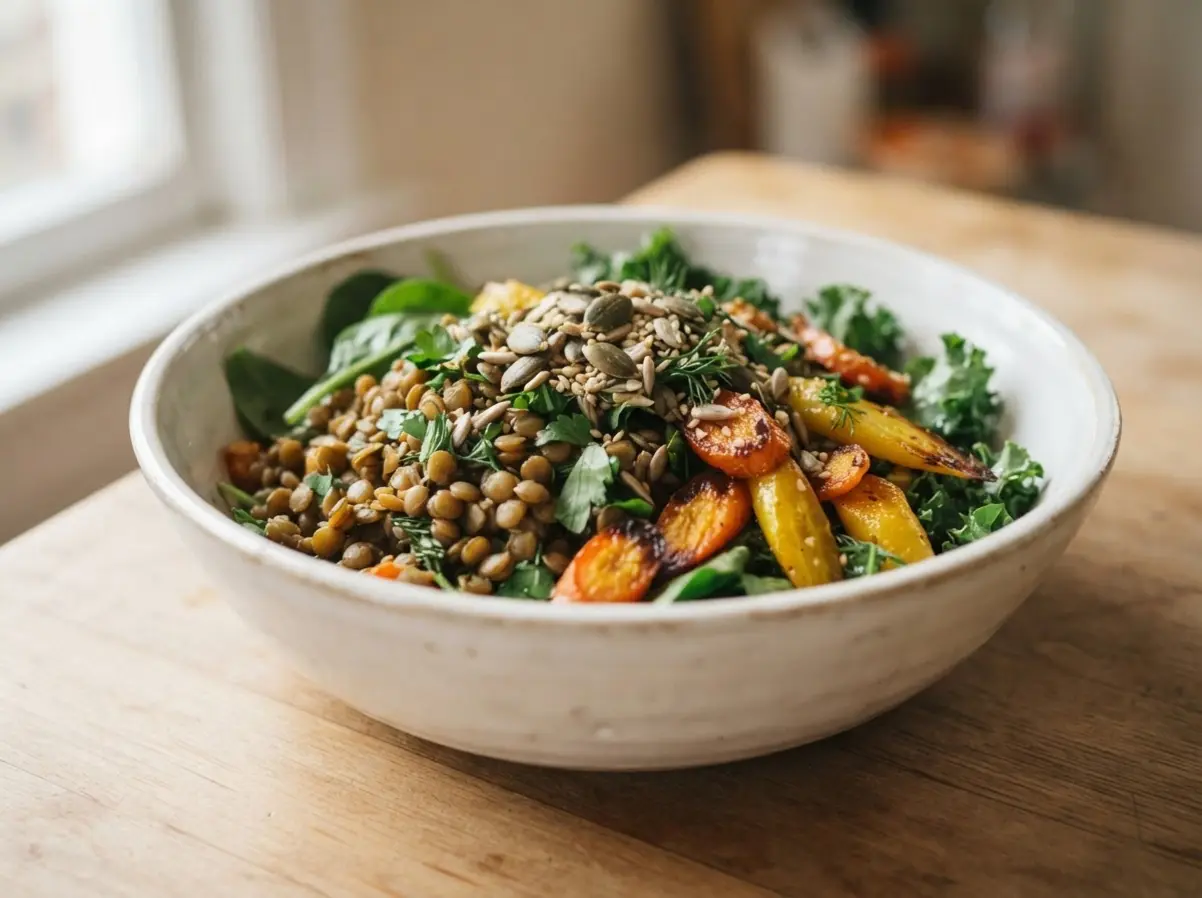
Finding a food style that fits your values and daily life takes clear information. Research links well-planned vegan eating with higher intake of fiber, fruits, vegetables, beans, and whole grains. A vegan lifestyle also invites questions about protein, vitamin B12, meal planning, and food access. Ethical beliefs, climate concerns, and personal health goals often overlap.
I’ll walk through five common motivations in plain language, with balanced context for curious beginners, and I will share key Reasons why people go vegan. Let’s look at each reason and see which ones feel meaningful to you. Start with the motivation that feels closest to your own life.
Distinguishing Veganism From Plant-Based Eating
Veganism extends beyond food, so check your choices in clothing, cosmetics, and entertainment before calling your lifestyle vegan. A plant-based diet focuses on meals without animal foods, while veganism also rejects products and activities involving animal exploitation. Someone might eat plant-based meals for health or taste yet still wear leather or use cosmetics tested on animals.
Ethical vegans connect daily choices with animal welfare, so they often seek plant-based alternatives across several parts of life. Personal values still vary, and financial limits, culture, allergies, and access shape practical decisions, showing many Reasons why people go vegan. Start with a definition matching your reasons, then describe your choices honestly.
This distinction helps you understand why a vegan diet and a vegan lifestyle overlap without meaning the same thing. Choosing vegan cosmetics expresses those values.
Planning Nutrient Adequacy Without Animal Products
Vitamin B12 deserves a dependable place in a vegan eating pattern because unfortified plant foods provide little of this nutrient. Choose a vitamin B12 supplement or regular fortified foods, then follow the label or advice from a qualified health professional, especially since Reasons why people go vegan often involve nutrient tracking. Build meals around beans, lentils, chickpeas, tofu, tempeh, whole grains, nuts, and seeds so protein arrives with fiber and minerals.
Fortified plant milk often supplies calcium and vitamin D, while iodized salt supports iodine intake in modest amounts. Iron-rich beans pair well with fruit or vegetables containing vitamin C, which helps iron absorption. Your needs change with age, pregnancy, health conditions, and medicines, so personal advice matters.
A varied diet supports better nutrition than relying mainly on refined vegan snacks or meat substitutes.
1. Animal Rights and Ethics in Everyday Food Choices
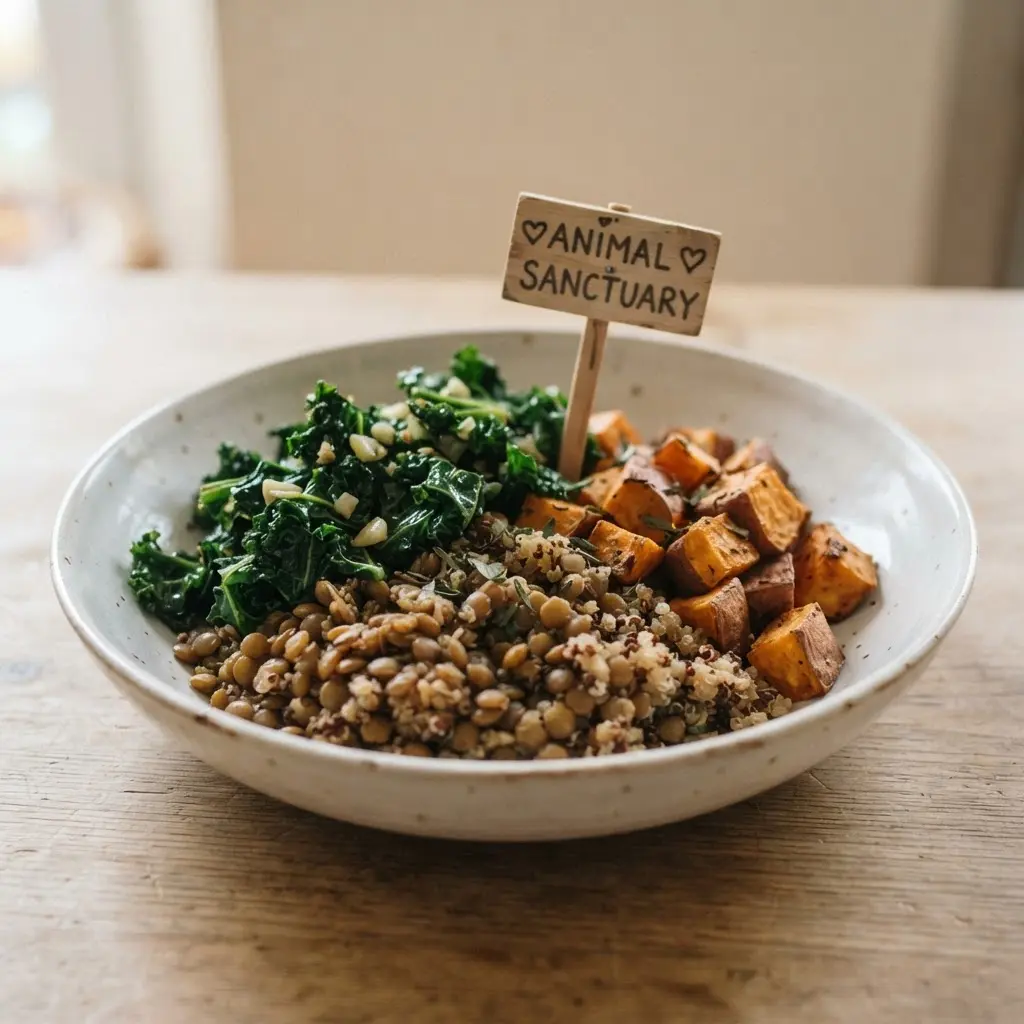
A common mistake is treating ethical eating as a simple test of whether a meal contains an animal product, which overlooks real Reasons why people go vegan. Ethical choices also include pollution, wildlife loss, worker safety, food access, and personal health. Assess the wider food system rather than judging one item in isolation.
Animal ethics often begins with a duty to avoid unnecessary suffering. Consequences matter too. Food production affects animals, nature, producers, and consumers. Four broad types of harm help clarify these effects: keeping animals, deliberate harm, direct unintended harm, and indirect ecological harm. Raising livestock may involve slaughter, while crop farming may affect wildlife through land clearing, pesticides, or vehicle use, which shapes many Reasons why people go vegan.
Use plant-based foods to reduce direct harm linked with livestock production. Check product labels for higher animal-welfare standards when buying animal products. Review the effects of farming on deforestation, greenhouse-gas emissions, pollution, and wildlife.
Compare the full production system rather than relying on a single label or ingredient, since Reasons why people go vegan include broader supply chain facts. Research in food ethics suggests no single rule resolves every decision. Lower prices may conflict with better animal welfare. High harvests may conflict with climate sustainability. Producers need fair wages and safe conditions, while consumers need affordable food and freedom to follow personal values.
Start with product labels, then identify the values guiding your choices. Some people prioritise animal welfare. Others focus on ecological health, producer conditions, health, or compassion.
Ethical benefits of seasonal eating require claiming one food is perfect. It requires honest attention to the harms and benefits connected with daily meals.
2. Environmental Sustainability Goals and Lower Food Impact
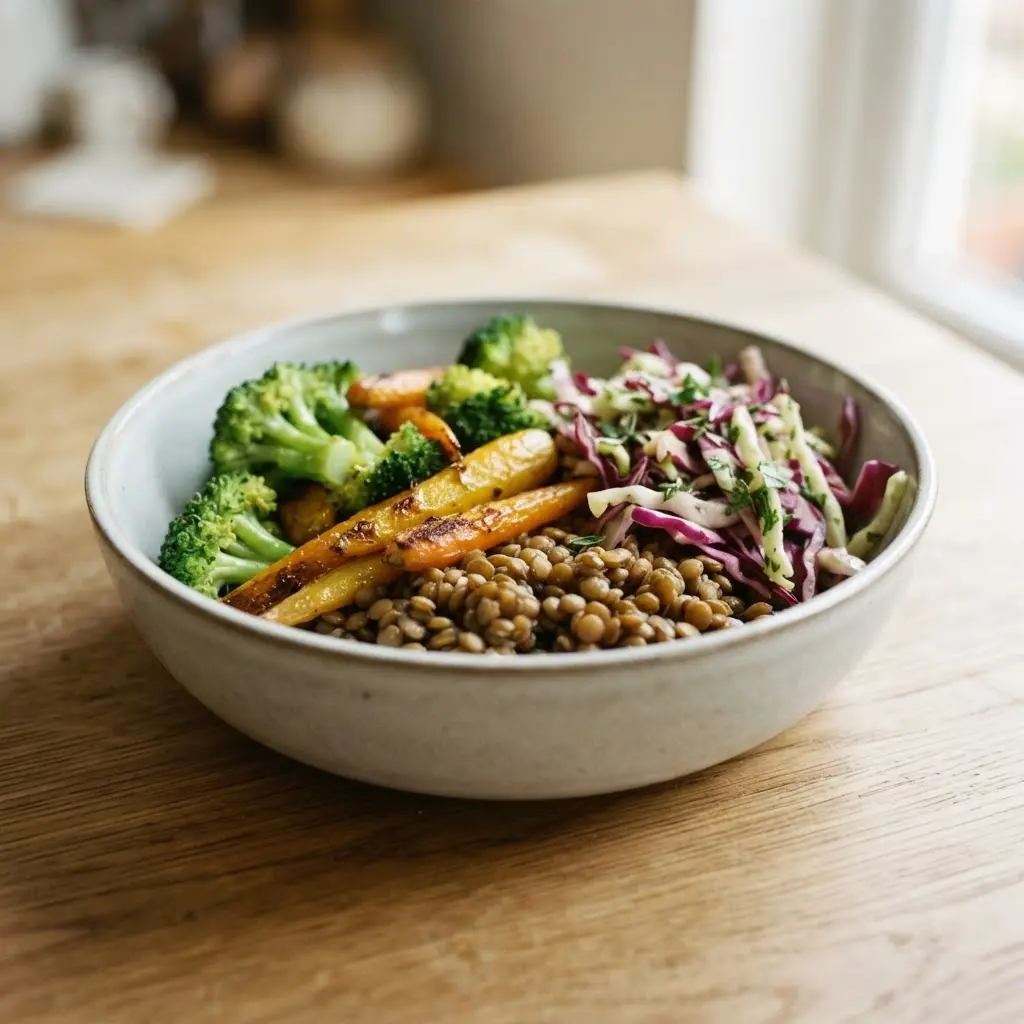
Start by choosing more plant-based meals before changing your entire diet, keeping in mind various Reasons why people go vegan. Begin with one meal each day, such as oatmeal with fruit, lentil soup, or a bean-based bowl. This approach gives you a clear starting point and lets you assess taste, cost, preparation time, and nutrition without making rushed changes.
Environmental goals often guide people toward foods linked with lower food impact, matching common Reasons why people go vegan. A essential vegan diet tips animal products and places more attention on grains, beans, lentils, vegetables, fruit, nuts, and seeds. These choices connect personal eating habits with wider concerns about greenhouse-gas emissions, land use, water use, and food production systems. The exact effect depends on farming methods, processing, transport, storage, and food waste.
Build meals around basic ingredients rather than relying on heavily packaged substitutes. Buy only the amount you expect to use within a reasonable timeframe. Store fresh foods correctly, freeze extra portions, and use leftovers in soups, salads, or grain bowls. These steps address supply-chain concerns while reducing avoidable household waste.
Set a practical goal, such as preparing three lower-impact meals each week. Track which foods fit your budget and schedule. Choose seasonal produce when available, since harvest timing and local supply can affect freshness, transport needs, and storage. Evidence for specific environmental outcomes varies by food and production method, so avoid treating every vegan product as equally low impact. Focus on consistent choices, simple meals, and less waste.
3. Chronic Disease Risk Reduction Through Plant-Based Eating
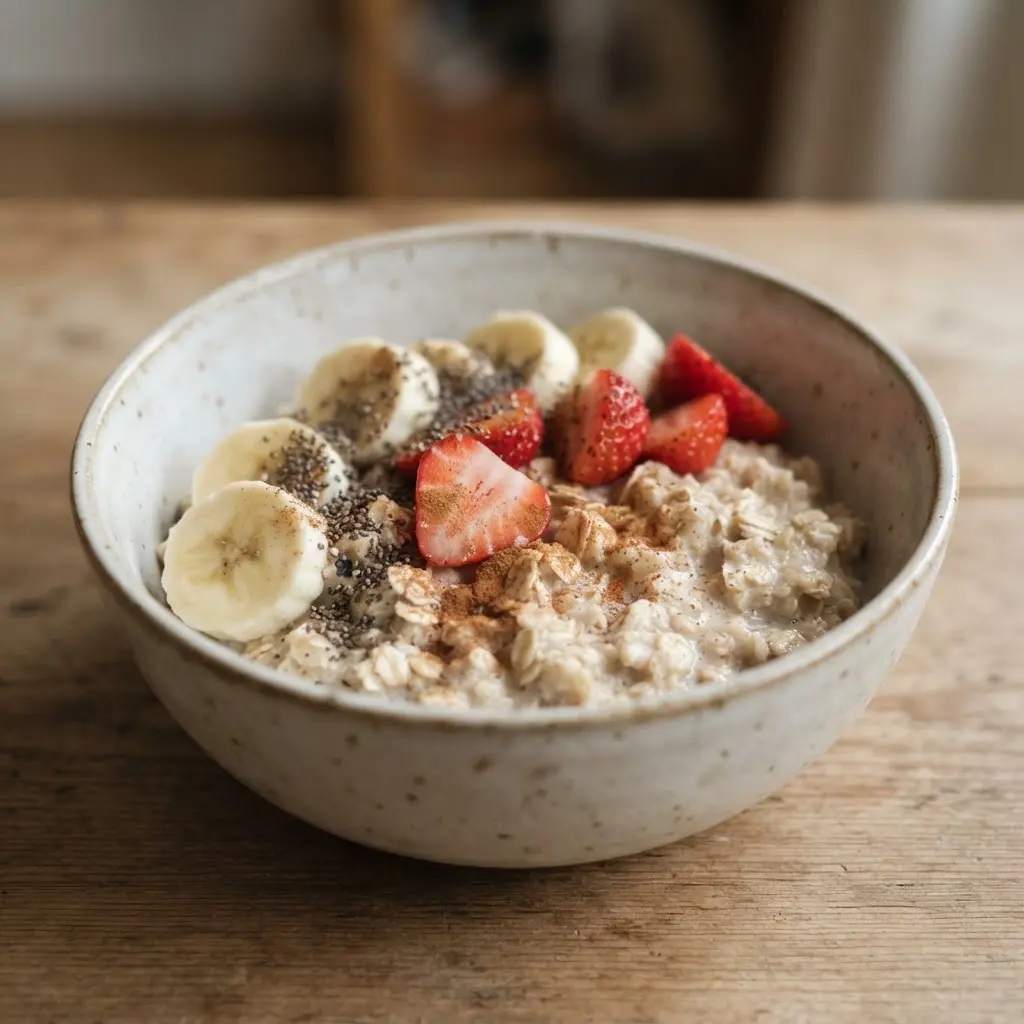
At 7 a.m., replace a pastry breakfast with oats, berries, walnuts, and ground flaxseed, which fits many Reasons why people go vegan. Build meals around minimally processed plant foods, including vegetables, legumes, whole grains, fruits, nuts, and seeds. Foods in this pattern provide fiber and a broad range of nutrients.
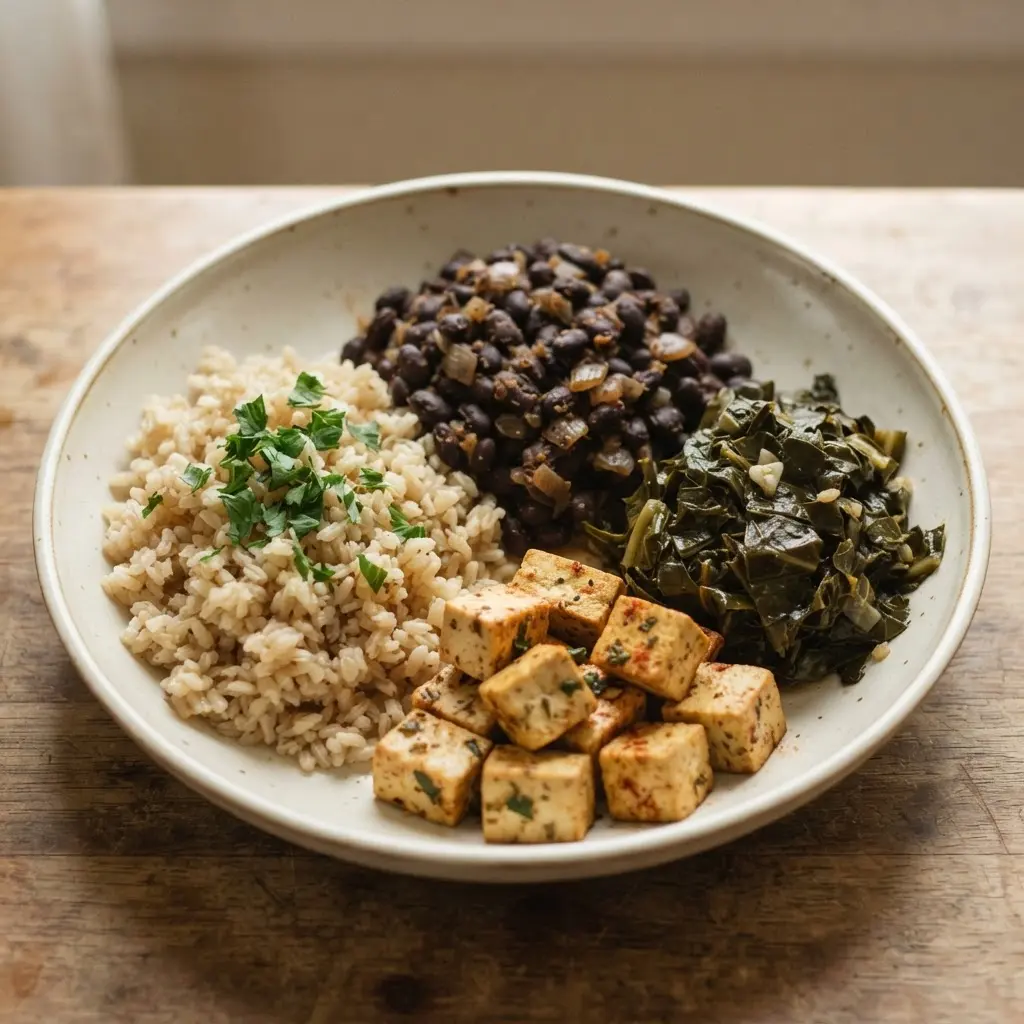
Build meals around foods that promote healing, while keeping the overall diet balanced. Choose beans, lentils, chickpeas, brown rice, and leafy vegetables more often than refined grains or heavily processed meat substitutes. Healthy plant-based eating works through repeated food choices over months and years, not through one special ingredient. Research associates stronger adherence with lower risk of type 2 diabetes and cardiovascular disease.
Replace foods high in saturated fat and refined starch with nutrient-dense plant foods. This pattern supports heart health and has been linked with lower risk of coronary heart disease, certain cancers, and death from cardiovascular disease or cancer. Studies also associate healthy plant-based diets with lower all-cause mortality and less multimorbidity, meaning several chronic diseases occurring together.
Check the quality of every meal rather than relying on a vegan label. Chips, sweets, refined cereals, and highly processed meat alternatives remain plant-based, yet they do not offer the same nutritional value as whole foods. Use diet quality as the guide. Research shows associations, not guarantees of prevention or treatment. Discuss major dietary changes with a qualified healthcare professional or registered dietitian when you have an existing condition, high disease risk, or specific nutrition needs.
4. Global Resource Efficiency and Food System Choices
A common belief says essential vegan diet tips uses fewer resources. The truth is more precise: resource use depends on the crop, region, farming method, processing, and waste. Use resource accounting rather than a broad label when comparing food choices.
Measure food-system efficiency by linking inputs to a clear output, such as calories, protein, or total food, since tracking Reasons why people go vegan requires careful study. Track land and water use alongside energy use, emissions, and food loss. A comparison per kilogram of food may differ from one per calorie or gram of protein. State the chosen measure before drawing a conclusion.
Include direct and indirect demands. Animal foods often involve feed crops before food reaches a plate, while plant foods still require land, irrigation, fuel, processing, packaging, refrigeration, and transport. Record feed-crop demand when studying animal products. Examine the growing region and production system because a dry area, a heated greenhouse, and a rain-fed field create different resource patterns.
Research-based comparisons give readers a firmer basis for food choices than broad claims about sustainability. A vegan diet might reduce pressure on some resources, yet every plant-based food does not share one profile. Lentils, oats, fresh produce, and packaged meat substitutes involve different growing and processing steps. Review defined comparison boundaries before accepting a headline result.
Choose foods with attention to production, distance, packaging, and waste. Prioritize minimally processed plant foods when they fit your nutrition needs and budget. Keep the comparison tied to a stated goal, such as land, water, protein, or calories. Personal food choices involve more than one resource measure.
5. Personal Health and Wellness Through Vegan Meals
Do vegan meals support personal health? Yes, when meals center on varied plant foods, which connects to Reasons why people go vegan, rather than highly processed substitutes. Build each plate around vegetables, fruit, whole grains, or legumes. Add tofu, tempeh, beans, lentils, nuts, or seeds for protein and fiber. This pattern supplies nutrients linked with heart health, steady digestion, and healthy weight management.
Research suggests well-planned plant-based diets are associated with lower risks of cardiovascular disease, type 2 diabetes, and certain cancers. Food quality drives these benefits. A vegan meal built from lentils, brown rice, greens, and fruit offers a different nutrient profile from a meal based on refined snacks and sugary drinks.
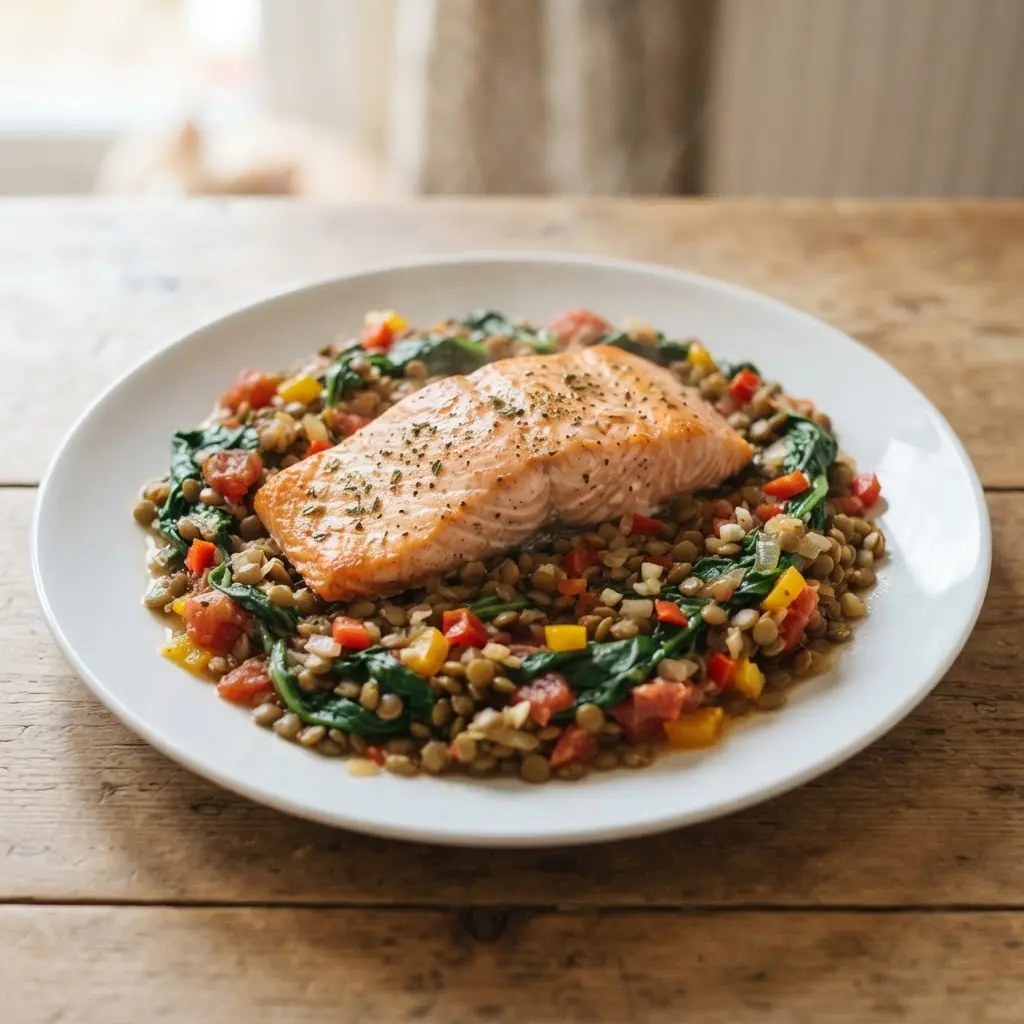
Choose a reliable protein source at every main meal. Include iron-rich foods such as spinach and edamame, then pair them with vitamin C-rich foods such as peppers, oranges, or tomatoes to support iron absorption. Include calcium from fortified plant milk, fortified tofu, beans, leafy greens, nuts, and seeds. Give vitamin B12 deliberate attention because vegan diets do not naturally provide dependable amounts.
People with diabetes must track carbohydrates in affordable healthy foods beans, lentils, and some meat-free products. People with kidney disease or other medical conditions need individual guidance because nutrient needs vary with health status, medicines, age, and activity. Always consult a healthcare professional before making changes to your health routine. Choose mostly whole or minimally processed foods, read nutrition labels, and ask a dietitian to review major dietary changes.
Reading Labels For Hidden Animal Ingredients
Read every ingredient label for milk, whey, casein, egg, gelatin, honey, shellac, and animal-derived coloring before buying packaged food. Familiar words often hide animal sources, especially in baked goods, sauces, sweets, and flavored drinks.
Food additives also create confusion because names such as mono- and diglycerides or vitamin D3 need source checks when a label lacks clear vegan wording. Bread, margarine, pesto, and some wines often deserve extra attention. Restaurant dishes require similar care, since butter, fish sauce, egg, or dairy-based dressings might not appear in a short menu description. A vegan certification mark offers useful guidance, though recipes and suppliers still change. Keep a small list of terms in your phone so label checks take less time during regular shopping.
Conclusion
Your food choices often reflect what matters to you, from kindness toward animals to care for the planet and your own health, and exploring Reasons why people go vegan helps you decide. Some people start with one meal, while others change their whole routine over time. Reasons why people go vegan differ, and no single explanation fits everyone.
Choose one reason to explore first. If health is your focus, build meals around beans, lentils, tofu, vegetables, fruit, whole grains, nuts, and fortified foods. If ethics or the environment guide you, read reliable sources and keep your choices practical for your budget and schedule. Pay attention to vitamin B12 and other nutrients as you plan. A gradual start still counts as progress. Give yourself room to learn, adjust, and find meals you enjoy. Your next step could be one plant-based breakfast or dinner this week, followed by a note about how it felt.
FAQs
Q: Why do people go vegan for ethical reasons?
A: Many people avoid animal products because they oppose using animals for food, clothing, or testing. Their choices reflect personal beliefs about animal care and harm.
Q: Does vegan eating help the environment?
A: Plant foods often use fewer land and water resources than many animal foods. The environmental effect varies with farming methods, transport, food waste, and local conditions.
Q: How do vegans get enough protein?
A: Beans, lentils, tofu, tempeh, peas, nuts, seeds, and fortified plant milks supply protein. Eating different protein foods across the day supports a balanced intake.
Q: Is a vegan diet healthy?
A: A well-planned vegan diet includes vegetables, fruit, beans, whole grains, nuts, seeds, and fortified foods. Vitamin B12 needs special attention, along with iron, calcium, iodine, vitamin D, and omega-3 fats.
Q: What nutrients need attention on a vegan diet?
A: Vitamin B12 needs a reliable fortified food or supplement source. Iron, calcium, iodine, vitamin D, zinc, and omega-3 fats also deserve regular attention during meal planning.