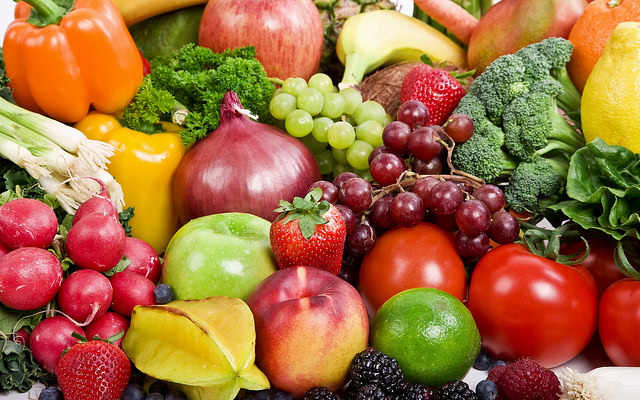
Foods you should avoid if you want to stay fit include sugary drinks, heavily processed snacks, deep-fried meals, refined flour foods, processed meats, and oversized sweet treats. These choices often pack many calories while giving little fullness. Swap them for water, whole grains, lean proteins, fruit, vegetables, and plain dairy.
I know busy days make quick food choices feel easier, especially when you are figuring out which foods you should avoid if you want to stay fit. You do not need a strict diet or a perfect pantry to support your goals. Small changes, such as choosing nuts over chips or oats over sugary cereal, add more nutrients and help meals feel satisfying. This guide breaks down 13 common foods and explains why they often work against fitness goals. Each section includes a simple alternative for your next meal or grocery trip. Let’s make your everyday choices easier, more filling, and more balanced. Start with one swap today and keep going!
Reading Labels For Added Sugar And Sodium
Use the Nutrition Facts panel to compare added sugar and sodium before choosing a packaged food. Check serving size first, since a bag or bottle often holds two or more servings. Added sugar appears separately from total sugar, while whole fruit brings natural sugar alongside fiber and vitamins. For sodium, compare similar foods by milligrams per serving, especially when tracking foods you should avoid if you want to stay fit. Soups, sauces, deli meats, and frozen meals deserve close attention. A high number does not make one food forbidden, yet frequent large portions can crowd out lower-sodium choices.
Fiber and protein also deserve attention because they often signal greater staying power than refined snack foods. When labels show high calories, added sugar, and sodium with little fiber, choose a smaller portion or a less processed alternative.
Using Protein And Fiber For Fullness
Choose a snack with at least a modest protein and fiber pairing when hunger tends to return soon after eating. Plain Greek yogurt with berries, roasted chickpeas, or whole-grain toast with eggs offers more staying power than a low-fiber pastry. Protein supports muscle repair and helps meals feel satisfying. Fiber slows digestion and adds food volume. Vegetables, beans, lentils, oats, and fruit provide fiber without the concentrated calories, which helps you skip foods you should avoid if you want to stay fit.
Read labels for grams of protein and fiber rather than trusting front-package claims. A food with extra protein still deserves portion awareness if it also contains much added sugar or saturated fat. Training volume affects needs, so active days might call for larger portions than rest days.
1. Sugary Beverages and Energy Drinks for Fitness Nutrition

Assuming every workout needs a sports drink is a common mistake. Choose water for routine hydration instead. If you review foods you should avoid if you want to stay fit, most ordinary sessions do not require liquid carbohydrates, and sugary drinks add calories without much fullness.
Reserve sports drinks for prolonged, high-intensity exercise, especially sessions lasting more than one hour. Their carbohydrates support fuel replacement, while electrolytes replace some minerals lost through sweat. Energy drinks serve a different purpose because caffeine drives most of their performance effects.
Read the nutrition label before drinking. Checking sugar, carbohydrate, caffeine, added stimulants, and the number of servings per container matters. Reading about foods you should avoid if you want to stay fit helps you compare drinks accurately. A drink with a 6–8% carbohydrate concentration suits some endurance settings, while more than 200 milligrams of caffeine or about 3 milligrams per kilogram of body weight produces stronger effects for some people. Research links frequent high-sugar beverage intake with weight gain and higher risks of type 2 diabetes, cardiovascular disease, and gout, as explained in this dangers of sugary drinks resource.
Avoid combining energy drinks with coffee or pre-workout products. Adolescents, pregnant or breastfeeding women, people sensitive to caffeine, and those with relevant health conditions need particular caution. Always consult a healthcare professional before making changes to your health routine.
2. Ultra-Processed Snack Foods and Better Filling Choices
Replace chips, candy, and sugary drinks with fiber-rich snacks first. Start swapping out foods you should avoid if you want to stay fit with fruit, raw vegetables with hummus, roasted chickpeas, or edamame. These foods provide fiber, protein, or water, so hunger often returns less quickly. Drink water, unsweetened tea, or sparkling water instead of soda. Sugary drinks add calories without the fullness of solid food.
Check added sugar, saturated fat, sodium, protein, and fiber on packaged foods. Choose plain or low-sugar yogurt, unsalted nuts, whole-wheat bread, and frozen or canned produce with simple ingredient lists. Choosing foods you should avoid if you want to stay fit less often means selecting bars with recognizable ingredients, lower added sugar, and moderate calories. Protein bars need extra care because some contain high sugar and calorie levels despite their protein claims.
Prepare portion-controlled trail mix with unsalted nuts, seeds, and dried fruit. Research suggests diets high in ultra-processed foods encourage earlier hunger and higher calorie intake. When you replace foods you should avoid if you want to stay fit with minimally processed snacks, daily balance improves. Keep convenient minimally processed foods ready for busy days.
3. Deep-Fried Restaurant Items and Lighter Meal Options

At a Friday evening dinner, a basket of onion rings, fried chicken, and fries can arrive before the main course. Choose grilled preparation instead. Deep-frying adds fat, which is why it ranks among foods you should avoid if you want to stay fit. Restaurant portions often make these foods easy to eat past fullness.
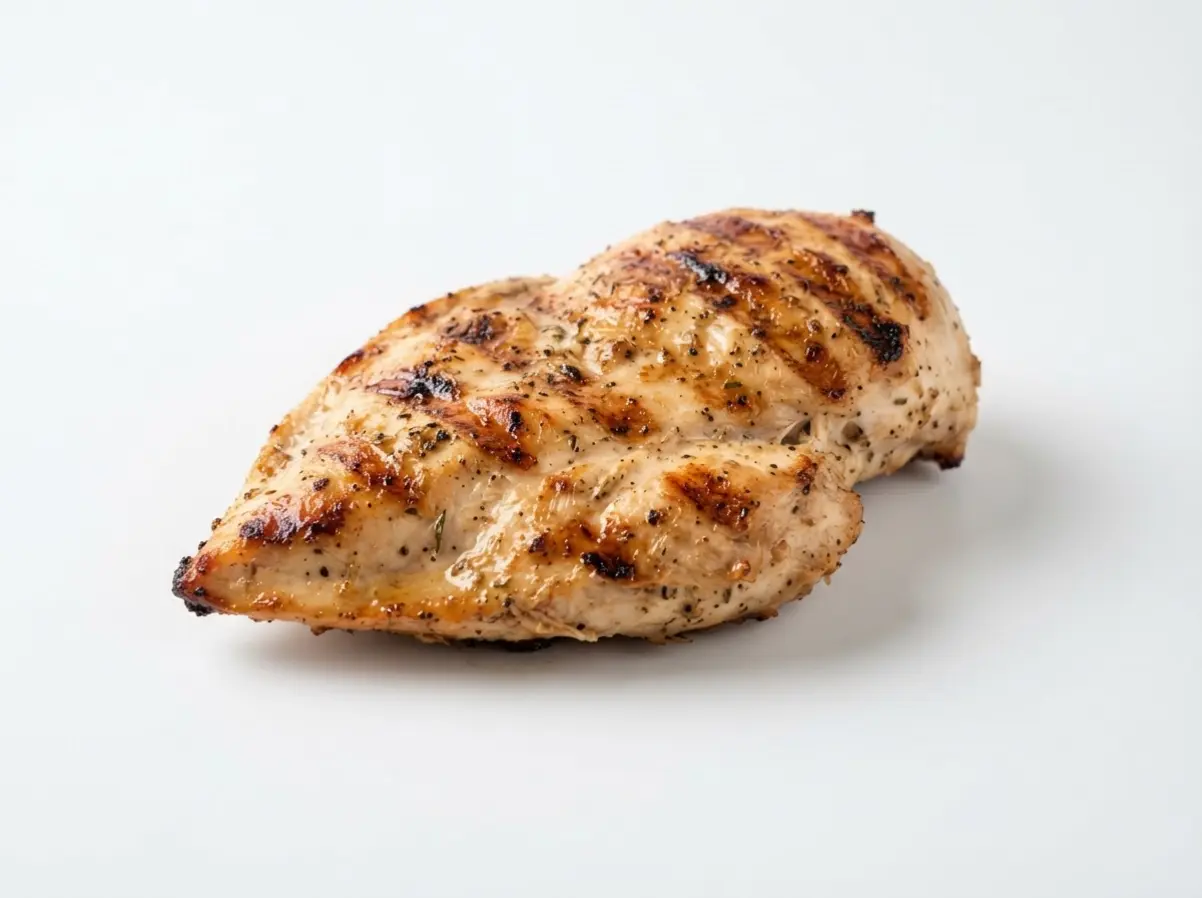
Build the plate around grilled chicken, baked salmon, grilled shrimp, tofu, or lean steak. Add steamed vegetables, roasted vegetables, or a vegetable soup. Knowing which foods you should avoid if you want to stay fit guides better plate choices. Select brown rice, quinoa, or whole-wheat pasta for a filling side. Research suggests meals centered on lean protein, vegetables, and whole grains offer a more balanced choice than fried appetizers and heavily coated entrées.
Request sauces on the side, since creamy dressings remind you of foods you should avoid if you want to stay fit. Rich toppings add extra calories and sodium. Replace fried sides with vegetables, choose water instead of a sugary drink, and order a smaller portion or share a large dish. Read the preparation details carefully, because grilled foods still become heavy with oversized servings or rich sauces.
4. Refined White Flour Products and Whole-Grain Alternatives
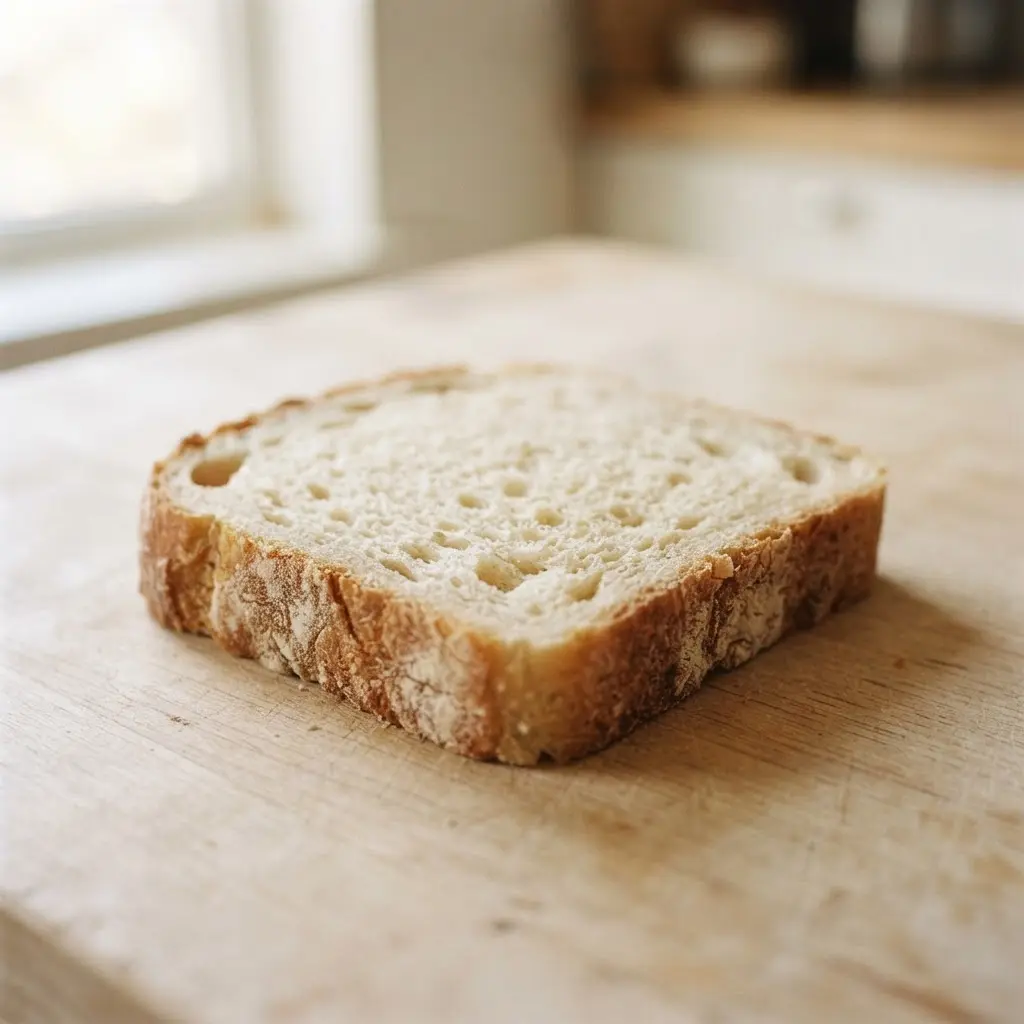
Many people believe all flour products undermine fitness. Refined white flour is one of the foods you should avoid if you want to stay fit when overused, but milling removes the bran and germ, leaving mostly the starchy endosperm. This process reduces naturally occurring fiber, protein, vitamins, and minerals.
White bread, pastries, cakes, cookies, crackers, and packaged snacks become easier to overeat when they contain added sugar, saturated fat, or sodium. Tracking foods you should avoid if you want to stay fit supports higher-fiber choices that provide greater fullness. Research suggests higher-fiber choices often support steadier meal planning.
Replace part of the refined flour in a recipe with whole-wheat flour or white whole-wheat flour. White whole-wheat flour keeps all three grain parts while offering a lighter color and milder flavor. Dietary guidance recommends making at least half of total grain intake whole grain. This naturally limits foods you should avoid if you want to stay fit.
Match alternative flours to the recipe. Oat flour suits a partial substitution of up to 20 percent. Knowing which foods you should avoid if you want to stay fit guides your pantry swaps. Quinoa flour adds moisture, while brown rice flour works well in cookies and cupcakes. Almond, buckwheat, and coconut flours serve different baking needs and require recipe-specific adjustments. Check the ingredient list, since a whole-grain label does not guarantee low sugar, saturated fat, or sodium.
5. Cured and Processed Meats With Lower-Sodium Protein Choices
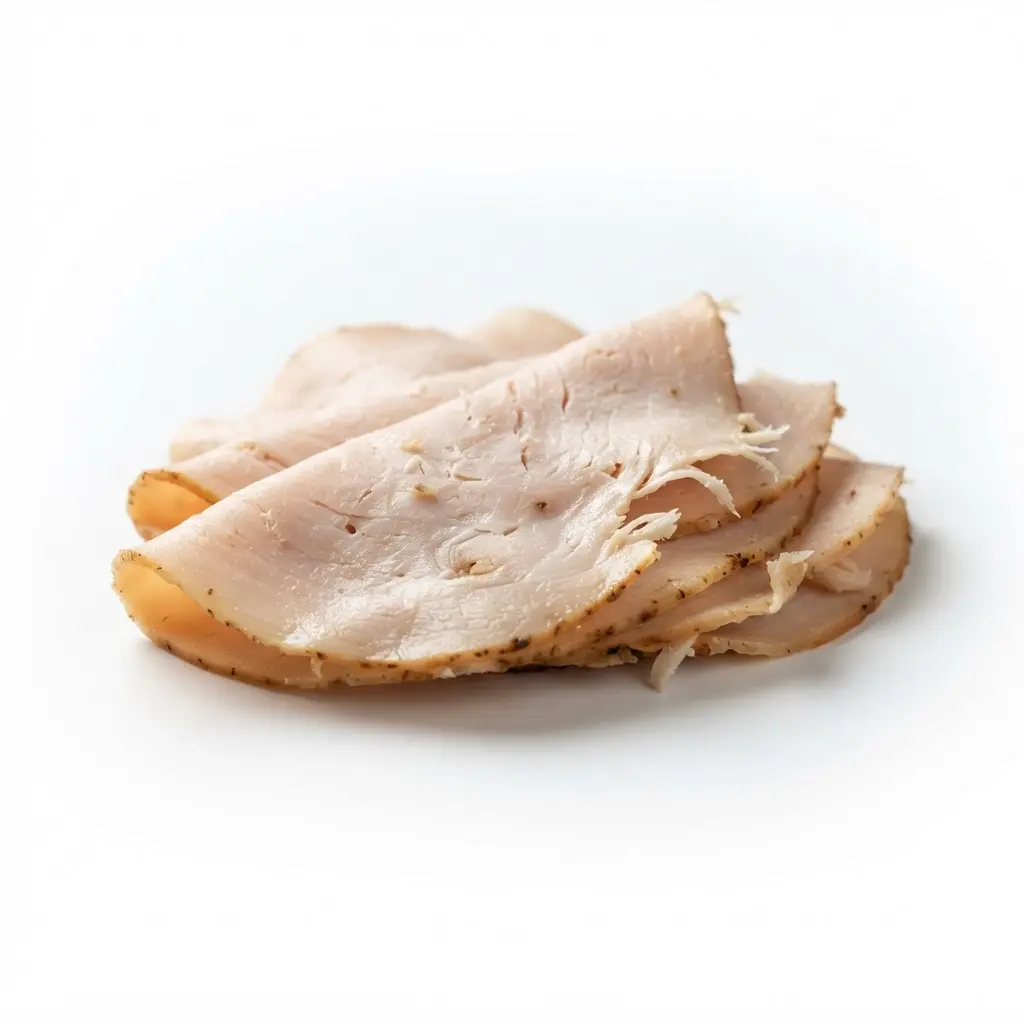
Which processed meats deserve caution? Products with added salt often deliver more sodium than expected. Cured meats often rank among foods you should avoid if you want to stay fit because serving sizes can appear small while several slices quickly add up. Cured meats often rank among deceptively unhealthy food choices because serving sizes can appear small while several slices quickly add up.
Choose low-sodium roasted poultry when possible. Plain turkey or chicken breast prepared at home gives you control over salt and ingredients. Comparing sodium levels helps you sidestep foods you should avoid if you want to stay fit. Compare sodium per serving across brands, then check the serving size before choosing. Labels such as “low sodium” or “no salt added” offer useful guidance, but verify the nutrition panel.
Use prosciutto in a small portion for flavor rather than as the main protein. Select lower-sodium smoked salmon, ham, or bacon to skip foods you should avoid if you want to stay fit. “Uncured” does not mean sodium-free. Rinse canned meats under running water to remove some surface sodium.
Research suggests that controlling sodium intake supports better overall dietary balance. Season roasted meats with garlic, onion, herbs, spices, and pepper instead of relying mainly on salt. Keep portions moderate to stay clear of foods you should avoid if you want to stay fit.
6. High-Sugar Breakfast Cereals and Fiber-Rich Morning Meals
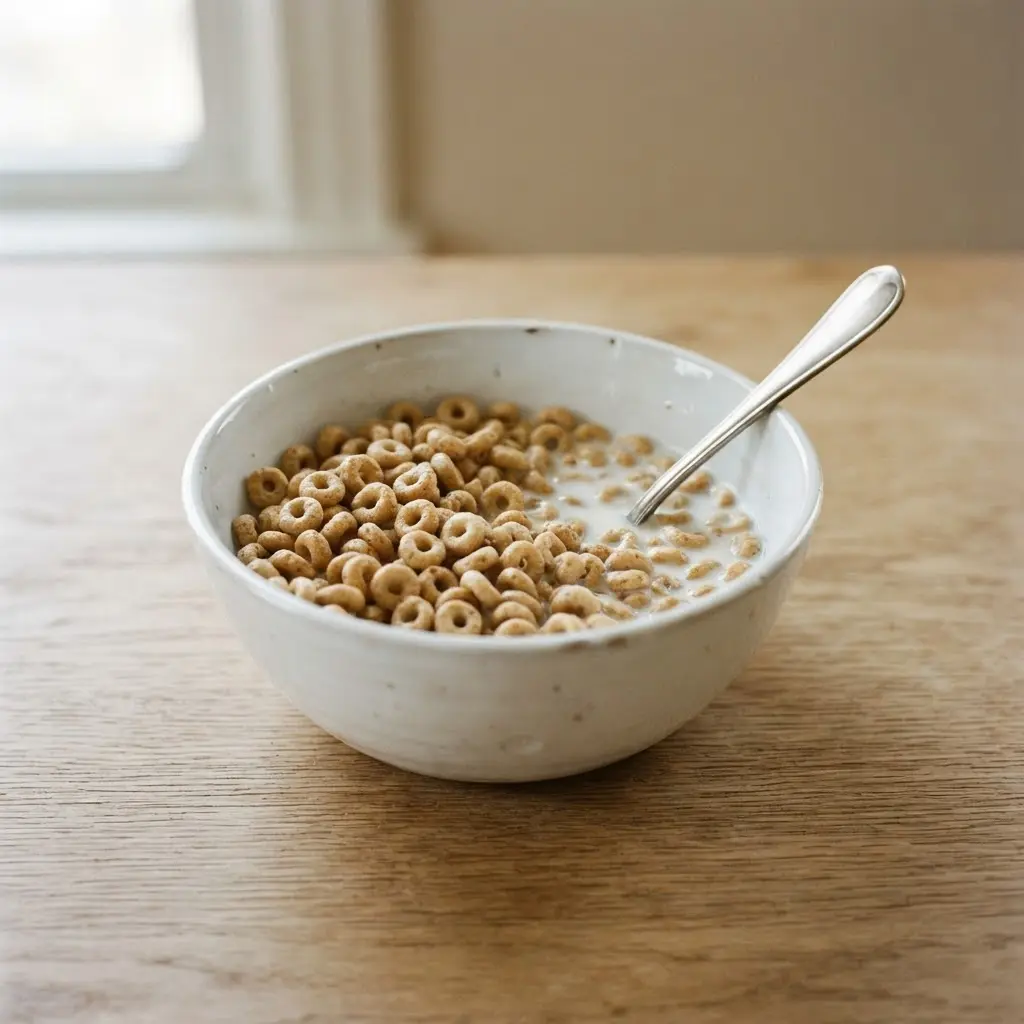
Choose a plain, whole-grain cereal instead of a brightly marketed option loaded with sugar. Spotting foods you should avoid if you want to stay fit means checking fiber content early. High-sugar breakfast cereals often provide little protein or fiber, even when front labels highlight whole grains or added fiber. Some also contain excess sodium and calories.
Check the Nutrition Facts panel before pouring. Reading foods you should avoid if you want to stay fit guides your bowl choices. Select a cereal with a whole grain as the first ingredient, at least 2.5 grams of fiber per serving, and less than 9 grams of sugar. A target of 5 grams of fiber is stronger. Prefer 150 calories or fewer and low sodium.
Fiber slows digestion and carbohydrate absorption. Avoiding foods you should avoid if you want to stay fit extends your fullness. This produces a more gradual rise in blood sugar and extends fullness. Compare the labeled serving size with the portion you usually pour, since bowls often hold more than one serving.
Research from 2010 to 2023 found rising fat, sodium, and sugar alongside falling protein and fiber in new or reformulated cereals marketed to children. Research also links some whole-grain cereals with healthier eating patterns, though associations do not prove cereal prevents or treats hypertension or type 2 diabetes. Build a steadier morning meal around energy-boosting breakfast choices. Always consult a healthcare professional before making changes to your health routine.
7. Sweetened Dairy-Based Desserts and Plain Yogurt Options
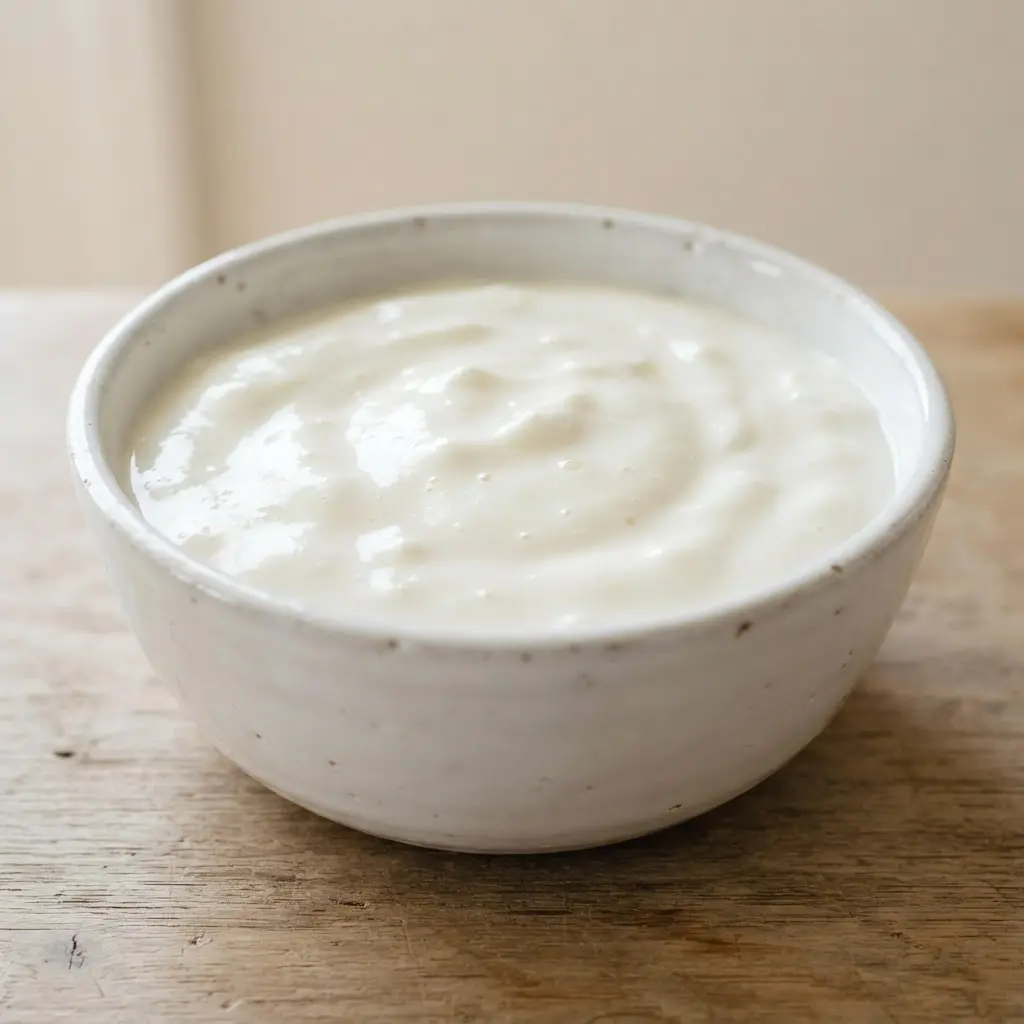
Do not treat all dairy foods as equal. Listing foods you should avoid if you want to stay fit helps you skip heavy desserts. Sweetened frozen dairy desserts contain 234 calories and 25.5 grams of sugar per 100 grams. Plain yogurt contains 64.7 calories and 4.1 grams of sugar over the same amount. The difference exceeds 160 calories and 20 grams of sugar.
Choose plain yogurt when reducing sugar or managing daily calories. Picking foods you should avoid if you want to stay fit less often means checking nutrition panels per 100 grams. Unsweetened yogurt also lets you control sweetness with fruit, cinnamon, or another addition. Compare nutrition panels per 100 grams, since serving sizes differ between products. Check calories, sugar, and protein before choosing a snack.
Plain nonfat Greek yogurt supplies 10.6 grams of protein per 100 grams, compared with 2.1 grams in the sweetened dessert. Sweetened desserts provide extra energy, which suits deliberate higher-calorie eating, but the added sugar reminds you of foods you should avoid if you want to stay fit. Research comparisons support using Greek yogurt as a more protein-rich option for a filling snack or sustained energy. Sweetened desserts provide extra energy, which suits deliberate higher-calorie eating around demanding workouts, but the added sugar still deserves attention. Keep sweetened desserts occasional, and use plain yogurt as the regular base.
8. Trans Fat-Laden Baked Goods and Heart-Smart Snack Swaps

Avoid cookies, doughnuts, pastries, and similar baked goods made with partially hydrogenated oils. Checking foods you should avoid if you want to stay fit means looking at full ingredient lists. Check the ingredient list, even when the front label looks appealing. Choose products marked "0g trans fat," then review the serving size because zero trans fat does not make a snack low in calories.
Replace the craving, not only the food. Start with the serving size and servings per container. Reviewing foods you should avoid if you want to stay fit requires reading past the main nutrition panel. Choose fresh fruit for sweetness, vegetables with hummus for crunch, or plain Greek yogurt with fruit for a filling option. Nuts, seeds, avocado, cheese, and nut butter provide useful nutrients, yet each needs a measured portion. Build snack options around affordable healthy staples such as fruit, vegetables, and plain yogurt.
Air-popped popcorn, edamame, hard-boiled eggs, and whole-grain crackers with avocado add variety. Research suggests label reading helps separate a low-sugar product from one that is also low in calories or carbohydrates. Some people experience digestive upset after consuming artificial additives. Compare each formula with your nutrition goals and personal tolerance. Choose unsalted nuts and seeds, lightly seasoned popcorn, and packaged foods with limited added sugar and sodium. Drink water between meals because thirst sometimes feels like hunger. Research on dietary patterns links replacing heavily processed snacks with foods higher in fiber or protein to better overall diet quality.
9. Commercially Prepared Salad Dressings and Balanced Toppings
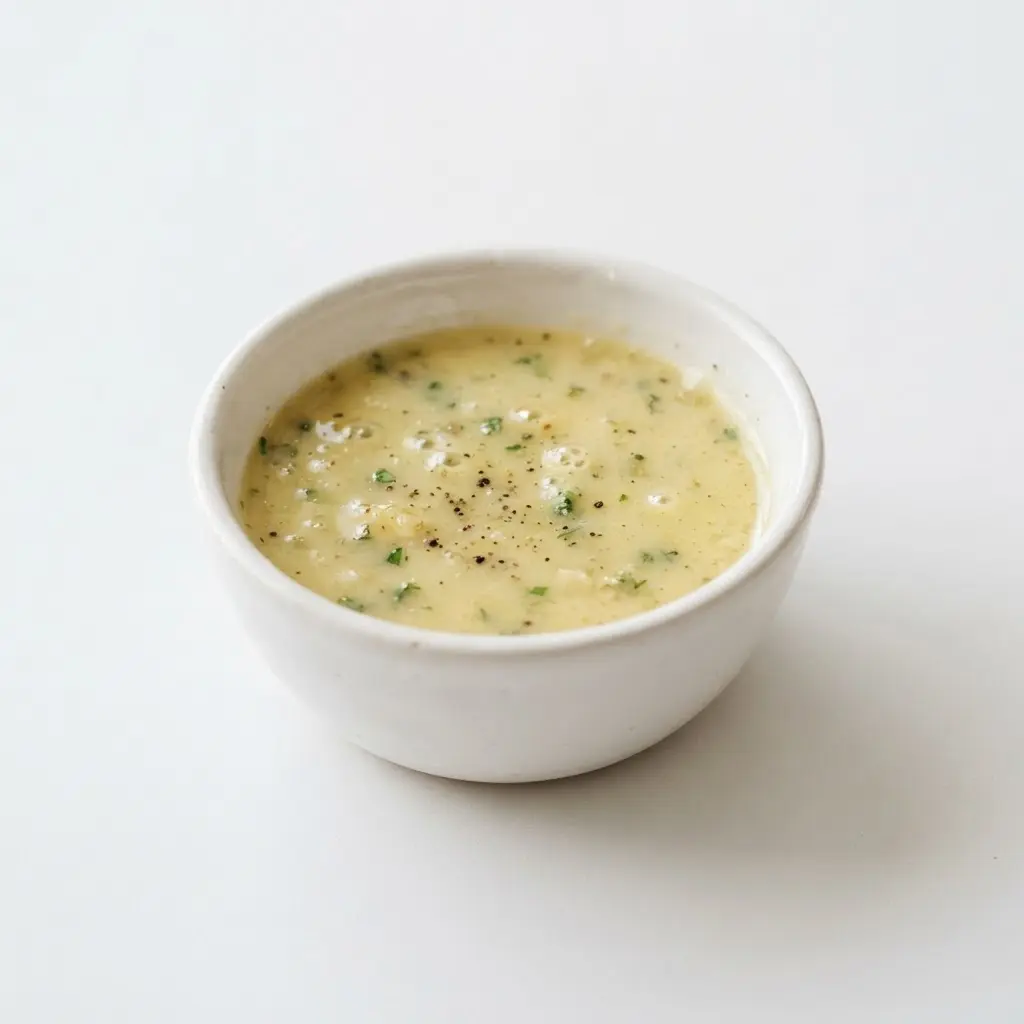
At lunch, a large bowl of greens can turn heavy after several unmeasured pours from a creamy bottle. Swapping foods you should avoid if you want to stay fit keeps meals balanced. Start with a measured dressing portion, then add more only when the salad needs it. Check the nutrition label for sodium, added sugars, serving size, and the type of oil. A lighter vinaigrette often suits leafy greens, while a thicker dressing works better as a dip or spread.
Choose dressings made with unsaturated oils, such as olive, canola, avocado, or vegetable oil. Tracking foods you should avoid if you want to stay fit supports fiber intake. Greek yogurt provides a creamy base without relying only on mayonnaise. Read the ingredient list before purchase. Prefer meals built from recognizable whole foods with few flavorings, emulsifiers, or thickeners. Add crunchy toppings in small portions because seeds, cheese, crisp rice, and seasoned mixtures add flavor along with concentrated calories. Measure crunchy toppings with a spoon instead of pouring directly from the package. Research suggests portion awareness supports a more balanced meal by limiting excess energy from calorie-dense additions.
Use prepared dressing beyond leafy salads as a marinade, sandwich spread, or ingredient in bean, potato, and pasta salads. Homemade versions offer closer control over oil, acidity, salt, and sweeteners. For fresh ideas using vegetables and controlled portions, prepare balanced homemade salads with dressing added gradually.
10. Artificially Sweetened Fitness Supplements and Ingredient Labels
“No Added Sugar” does not mean sugar-free, and “clean” does not mean additive-free. Fitness supplements often use artificial sweeteners such as sucralose, acesulfame potassium, aspartame, saccharin, or neotame to improve flavor without adding much sugar. Spotting foods you should avoid if you want to stay fit includes checking oil processing methods. These ingredients are FDA-approved, while research continues to examine their broader health effects. Check the full label instead of relying on front-panel claims.
Do not treat every hydrogenated oil as identical. Fully hydrogenated oils do not provide the same artificial trans-fat source. Knowing foods you should avoid if you want to stay fit helps pick modern fat sources. Food makers now use methods such as interesterification and plant-wax oleogels to create a firm texture. Oleogels use waxes from sunflower, rice bran, candelilla, or beeswax, though this approach is still emerging.
Check the nutrition label for total saturated fat, trans fat, and the main oil sources. Margarine often contains less saturated fat than butter, yet each formula differs. Choose options built around olive oil or other unsaturated fats, and limit ultra-processed foods overall. Research suggests the food source of saturated fat also matters, so judge the whole eating pattern rather than the word margarine alone.
11. Frozen Convenience Meal Options and Balanced Freezer Staples
Do frozen convenience meals fit a fitness-focused eating plan? Yes, choose a meal with recognizable ingredients, vegetables or beans, and enough fiber. Check the nutrition label for at least 6 grams of fiber, less than 6 grams of saturated fat, and about 700 milligrams of sodium or less. Keep added sugar near 2 grams or less.
Read the ingredient list before purchase. Prefer meals built from recognizable whole foods with few flavorings, emulsifiers, or thickeners. Tracking foods you should avoid if you want to stay fit supports daily consistency. Research suggests meals with fiber and produce support fullness and steadier meal planning.
Build quick meals from frozen vegetables, fish, chicken, shrimp, brown rice, pasta, berries, and beans. Add spinach, arugula, kimchi, salsa, or avocado after heating. Keep broth, tomato sauce, peanut butter, and bread available for fast combinations. Choose sides based on what the meal lacks, such as fruit for freshness or extra protein for a light entrée. Freezer staples reduce reliance on highly processed choices during busy days.
12. Hydrogenated Vegetable Oil Spreads and Healthier Fats

Choose a spread rich in unsaturated fats over butter or an older stick margarine made with partially hydrogenated oils. These oils made liquid vegetable oils firmer and more stable, yet they supplied artificial trans fats linked with higher heart disease and stroke risk. The FDA set January 1, 2020, as the compliance date for removing PHOs from processed foods in distribution.
Do not treat every hydrogenated oil as identical. Fully hydrogenated oils do not provide the same artificial trans-fat source. Knowing foods you should avoid if you want to stay fit helps pick modern fat sources. Food makers now use methods such as interesterification and plant-wax oleogels to create a firm texture. Oleogels use waxes from sunflower, rice bran, candelilla, or beeswax, though this approach is still emerging.
Check the nutrition label for total saturated fat, trans fat, and the main oil sources. Margarine often contains less saturated fat than butter, yet each formula differs. Choose options built around olive oil or other unsaturated fats, and limit ultra-processed foods overall. Research suggests the food source of saturated fat also matters, so judge the whole eating pattern rather than the word margarine alone.
13. High-Sodium Canned Soups and Homemade Soup Alternatives
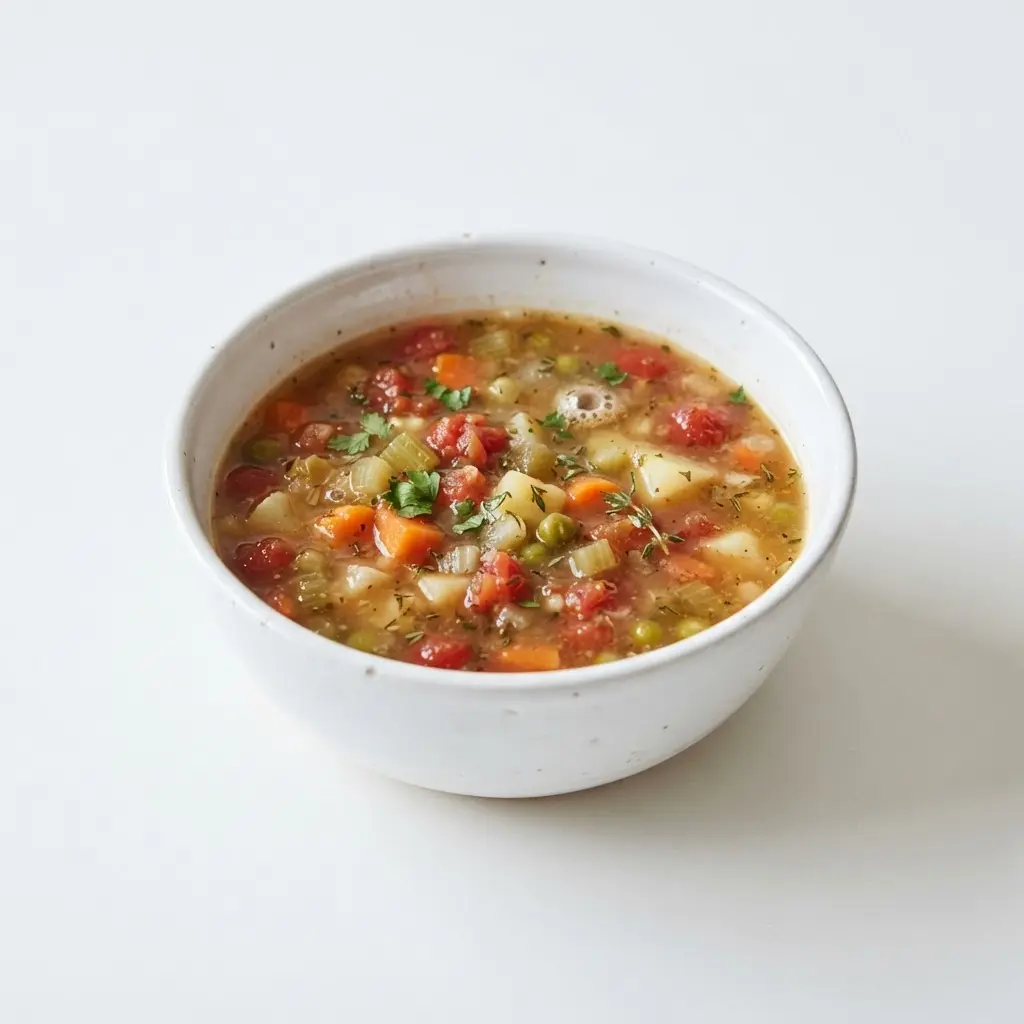
Count servings before eating. Many packaged soups list two servings. Eating the full container may deliver 1,400 to 1,600 mg of sodium when each serving contains 700 to 800 mg. Reduced-sodium soup is not always low in sodium, with some varieties providing about 1,000 mg per container.
Prepare homemade soup with chicken, onion, garlic, carrots, celery, turnip, bay leaf, and black pepper. Add lemon juice at the end for brightness without extra salt. Check every broth label closely. Some products marketed as low sodium contain up to 500 mg per cup, while regular broth often contains about 800 mg. Choose sodium-free bouillon or a broth with a much lower amount when available.
Research suggests that controlling broth, vegetables, seasonings, and portion size makes sodium management easier while keeping soup filling. Rinse canned vegetables before adding them, and limit salted meats or bouillon cubes. Sodium needs differ with hypertension, kidney disease, or heart failure. Always consult a healthcare professional before making changes to your health routine.
Building Flexible Swaps For Long-Term Consistency
Keep a few easy swaps ready so less supportive foods do not become your default during busy hours. Replace sugary drinks with water, sparkling water, or unsweetened tea, and keep fruit visible for a quick sweet option. Plain yogurt, hummus with vegetables, nuts in a small portion, and air-popped popcorn offer more fiber or protein than many packaged sweets. Use small bowls or portion containers for calorie-dense foods such as trail mix, chips, and creamy dips. You still have room for favorite pastries, fried foods, or restaurant meals when portions fit your overall pattern.
A flexible approach supports training, social meals, and personal taste better than strict rules. Adjust swaps around allergies, medical needs, dietary preferences, and your weekly activity.
Conclusion
Fitness nutrition works best when it fits your real life. You do not need to label every favorite food as bad or give up meals you enjoy. Pay attention to foods with lots of added sugar, refined starch, salt, or fat and little protein or fiber. Foods you should avoid if you want to stay fit are often easy to overeat, so portion size and frequency matter too.
For your next grocery trip, choose one swap from this guide. Pick sparkling water instead of a sweet drink, plain oats instead of sugary cereal, or beans instead of processed meat. Keep nourishing foods visible and ready for busy days. A steady pattern matters more than one meal. Start with the choice that feels easiest today, then build from there. Picking foods you should avoid if you want to stay fit less often supports your energy and enjoyment of food.
FAQs
Q: What foods should I limit first when trying to stay fit?
A: Start with sugary drinks, fried foods, ultra-processed snacks, and foods with little protein or fiber. Replacing one item at a time makes the change easier to maintain.
Q: Are processed foods always bad for fitness?
A: No. Some processed foods, such as frozen vegetables, canned beans, and plain yogurt, fit well in a balanced eating pattern. Focus on the food’s nutrients, added sugar, sodium, and portion size.
Q: Should I stop eating bread and rice to stay fit?
A: Bread and rice fit into many fitness-focused meal plans. Choose whole-grain versions more often and pair them with protein, vegetables, or beans for better fullness.
Q: What is a healthier replacement for sugary drinks?
A: Water, unsweetened sparkling water, and plain tea are simple choices. Add citrus slices or berries for flavor without a large amount of added sugar.
Q: How often should I eat treats while working toward fitness goals?
A: Treats fit better when portions are planned and enjoyed without guilt. Keep them occasional, eat slowly, and return to your usual balanced meals afterward.