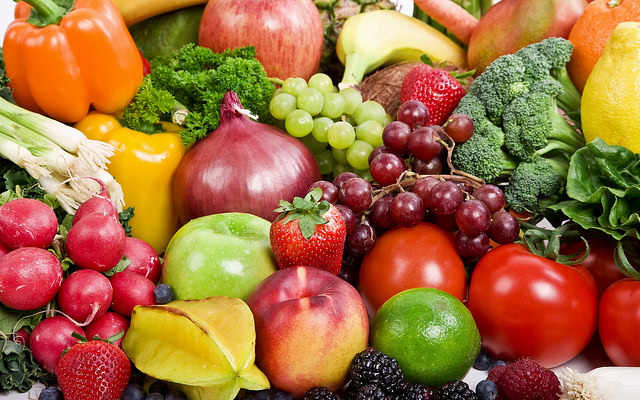
Could your daily meals affect how you feel? Ways nutrition affects anxiety and depression include steadier energy, nutrients used in brain signaling, lower inflammation, gut support, and healthy fats. Food does not replace mental health care, but balanced eating gives supportive steps alongside help from a qualified professional, especially since Ways nutrition affects anxiety and depression shape daily habits.
Stress, low mood, poor sleep, and appetite changes often affect eating habits too, while Ways nutrition affects anxiety and depression influence routine choices. This link works both ways, so shame is not useful. Research in nutritional psychiatry looks at whole eating patterns, specific nutrients, and the gut-brain connection. It also shows why food-first steps need realistic expectations, noting Ways nutrition affects anxiety and depression along the way.
A single meal will not fix a hard week, and one treat does not undo healthy habits. If meals feel difficult, start with regular timing and simple foods you already enjoy. Let’s look at seven evidence-based ways nutrition relates to mental well-being, plus the limits of nutrition support. Use these ideas to build questions for your care team and choose one small step to try today, remembering Ways nutrition affects anxiety and depression guides these steps.
Separating Dietary Support From Mental Health Treatment
Persistent anxiety or depression symptoms lasting two weeks warrant qualified mental health care, even when meals look balanced. Food choices support brain function, energy regulation, and medication tolerance, but they do not replace psychotherapy, prescribed treatment, or urgent help during a crisis. Research links Mediterranean-style eating patterns with better mental health outcomes, keeping in mind Ways nutrition affects anxiety and depression while planning care.
Diets high in sugary drinks, refined carbohydrates, fast food, and heavily processed snacks show poorer outcomes. These findings show association, not proof that food directly causes symptoms. Nutrient gaps involving folate, vitamin B12, iron, vitamin D, magnesium, zinc, protein, or omega-3 fats deserve assessment rather than guesswork. A registered dietitian or clinician reviews your eating pattern, symptoms, medicines, and health history before suggesting supplements or major dietary changes.
Building A Balanced Meal Framework
A balanced plate pairing protein, fiber-rich carbohydrates, vegetables or fruit, and unsaturated fat helps steady energy between meals. Beans, lentils, eggs, yogurt, fish, nuts, seeds, and poultry provide protein for normal brain and body functions. Choosing whole grains such as oats, brown rice, and whole-wheat bread adds fiber, which supports digestion and influences the gut microbiome, and observing Ways nutrition affects anxiety and depression makes planning easier.
Fruits and vegetables supply folate, vitamin C, potassium, and other nutrients linked with normal body processes. Regular meals help some people avoid hunger-related irritability and sharp energy changes. A Mediterranean-style eating pattern brings these foods together without requiring strict rules. Caffeine, alcohol, and personal food sensitivities deserve separate attention because their effects differ across people.
1. Neurotransmitter Synthesis and B Vitamins for Mood Support

A common mistake is assuming more is not better with B vitamins. These nutrients support enzyme activity, but extra intake does not guarantee higher serotonin, dopamine, or GABA production. Vitamin B6 supports aromatic L-amino acid decarboxylase, which helps convert 5-HTP into serotonin and supports steps involved in dopamine and GABA production, showing Ways nutrition affects anxiety and depression in practice.
Vitamin B6 works as a cofactor in these reactions. Low B6 status may disrupt neurotransmitter synthesis and affect mood, sleep, or behaviour. Meet needs through foods such as poultry, fish, potatoes, chickpeas, and fortified cereals unless a clinician identifies a specific need for supplementation.
Folate and vitamin B12 support related pathways. Active folate, called 5-methyl-THF, helps regenerate BH4, a cofactor needed for the first major step in serotonin production. Folate also supports S-adenosylmethionine, which takes part in methylation reactions, illustrating Ways nutrition affects anxiety and depression through cellular processes.
Vitamin B12 works closely with folate in one-carbon metabolism, DNA synthesis, and neuronal maintenance. A B12 deficiency can create a functional folate deficiency even when folate intake appears adequate.
Research suggests low B-vitamin status is associated with depression in some groups, while supplementation does not consistently relieve anxiety or depression symptoms. Correcting a confirmed deficiency supports normal brain and nerve function, but supplements are not standalone treatment, since Ways nutrition affects anxiety and depression require full care. Do not assume low mood proves a deficiency. Arrange professional assessment when symptoms persist, and discuss medication interactions before starting a supplement. Always consult a healthcare professional before making changes to your health routine.
2. Systemic Inflammation and Antioxidant Intake in Daily Meals

Build each main meal around vegetables, fruit, whole grains, nuts, and an omega-3 source. Start with a plant-rich meal pattern before adding treats or supplements. These foods supply fiber and natural antioxidants. They support a lower-inflammatory diet and provide nutrients linked with general physical health, noting Ways nutrition affects anxiety and depression as you adjust plates.
Replace some refined starches, sugary foods, and unhealthy fats with fiber-rich foods. Refined foods may raise immune activity when they dominate the diet. Fiber supports a varied diet and pairs with antioxidants from berries, leafy greens, beans, and whole grains. Use this bulb in savory meals because garlic’s anti-inflammatory properties fit a broader lower-inflammatory eating pattern.
Choose a Mediterranean-style or DASH-style pattern across the week. Both patterns feature plant foods, whole grains, nuts, and other sources of natural antioxidants. Antioxidants contribute to total antioxidant capacity, which reflects the combined effect of foods rather than one isolated nutrient, and Ways nutrition affects anxiety and depression appear in long-term trends. Dark chocolate fits in small portions, but research on antioxidant intake does not establish guaranteed mood benefits.
Research suggests higher dietary antioxidant capacity is associated with lower hs-CRP, a blood marker linked with systemic inflammation. Studies involving fruit, berry, and vegetable smoothies, nuts, and dark chocolate found improved antioxidant capacity and changes in some inflammatory markers.
The findings did not change every oxidative-stress marker, so one food should not be treated as a cure for anxiety or depression. Track the overall pattern rather than a single ingredient. Inflammatory markers do not diagnose anxiety, depression, or a specific disease. Always consult a healthcare professional before making changes to your health routine.
3. Gut Microbiome and Mental Health Connections

At 7 a.m., a person with stomach discomfort may notice anxious thoughts rising before work. The gut microbiome is the community of microorganisms living in the digestive tract. The microbiota-gut-brain axis links gut microbes with digestion, immune activity, and brain signaling. Research has found different microbial patterns in some people with depression, anxiety, post-traumatic stress disorder, and schizophrenia, revealing Ways nutrition affects anxiety and depression.
Gut bacteria produce short-chain fatty acids, including butyrate. These compounds influence immune activity and brain function. Some studies have found lower butyrate levels in people with depression or anxiety. Gut microbes also communicate through the vagus nerve and the enteric nervous system, a network of nerves in the digestive tract, highlighting Ways nutrition affects anxiety and depression.
A weakened intestinal barrier allows microbial parts such as lipopolysaccharide to enter the bloodstream. This exposure can promote inflammation. Inflammatory signals may affect the brain and the blood-brain barrier. Research has linked lower levels of bacteria such as Faecalibacterium and Coprococcus with some mental health conditions, while higher levels of Eggerthella and Escherichia/Shigella have appeared in some studies, showing Ways nutrition affects anxiety and depression through microbial shifts.
Choose a varied eating pattern with fiber-rich foods to support normal microbial activity. Probiotics, prebiotics, dietary changes, and fecal microbiota transplantation are under study, but no standard microbiome treatment exists for anxiety or depression. Always consult a healthcare professional before making changes to your health routine. Association does not prove one bacterial change caused a mental health condition.
4. Omega-3 Fatty Acid Benefits for Emotional Well-Being

A common belief is that omega-3 supplements replace treatment for depression. The evidence supports a narrower role. Use omega-3s as adjunctive treatment, not as a substitute for antidepressants or professional care, understanding Ways nutrition affects anxiety and depression requires patience.
Omega-3 fatty acids include EPA and DHA. Research has found fewer depressive symptoms in some adults with major depressive disorder, especially when supplements are combined with an antidepressant. Benefits appear more consistent in moderate-to-severe depression and among people whose symptoms remain after standard treatment. EPA appears more closely linked with these results than DHA in several studies.
Research often examines about 1 to 2 grams of net EPA daily. Choose a product with a higher EPA ratio, since formulations with more than two parts EPA to one part DHA are commonly studied for depressive symptoms. Choose dietary sources, including omega-3s in salmon, when building meals around overall nutritional support, which clarifies Ways nutrition affects anxiety and depression. Read the supplement label carefully because total fish oil weight does not equal net EPA.
Studies have examined omega-3s for anxiety and stress as well as depression. Some report improvements in anxiety symptoms, mood, concentration, or fatigue, especially with EPA, though responses differ between people. Mild stomach upset is one of the most common side effects. Always consult a healthcare professional before making changes to your health routine.
5. Micronutrient Deficiencies in Mental Health and Mood

Does a vitamin or mineral shortage affect mood? Yes. Micronutrient deficiencies can disrupt normal brain and nervous-system function. Folate and vitamin B12 support chemical reactions involved in making neurotransmitters, proteins, fats, and genetic material, demonstrating Ways nutrition affects anxiety and depression clearly.
Low iron, vitamin B12, folate, or vitamin D levels deserve clinical attention when low mood appears alongside fatigue, weakness, or changes in appetite. Folate and vitamin B12 support neurotransmitter metabolism. Iron helps carry oxygen to brain tissue. Magnesium and zinc support nerve signaling and other cellular processes.
Research shows a relatively strong link between low zinc status and depression risk, while findings for magnesium and selenium are less settled. Nutrient status also interacts with inflammation, oxidative stress, and the body’s stress response. Choose varied meals built around vegetables, fruit, whole grains, beans, nuts, fish, lean protein, and low-fat dairy, seeing Ways nutrition affects anxiety and depression across choices.
Regular meals provide several nutrients at once. Ask a qualified healthcare professional about blood testing when deficiency is suspected, especially for iron, vitamin B12, folate, or vitamin D. Avoid taking several supplements without professional guidance, since high doses can cause harm or interact with medicines.
Do not treat one nutrient as a guaranteed answer for depression or anxiety. A deficiency can exist alongside many biological, psychological, and social factors. Omega-3 fatty acids and protein support brain health, but omega-3s are fats and protein is a macronutrient, not a micronutrient. Always consult a healthcare professional before making changes to your health routine.
6. Mediterranean Diet Impact on Mood and Daily Well-Being

A varied Mediterranean-style plate offers a broader approach than relying on one supplement for mood. Choose a plant-forward eating pattern built around fruits, vegetables, beans, whole grains, nuts, seeds, fish, and olive oil, while tracking Ways nutrition affects anxiety and depression. Limit heavily processed foods while keeping meals regular and balanced.
Fruits and vegetables provide antioxidants. Antioxidants support the body’s defenses against oxidative stress. The diet’s overall mix also supports lower inflammatory activity. Plant foods and fiber feed gut microorganisms, which are being studied for their links with emotional well-being. These changes work alongside other healthy daily habits.
Research links stronger adherence with lower depressive symptoms, anxiety symptoms, perceived stress, and improved quality of life. A meta-analysis of randomized controlled trials found reduced depressive symptoms among adults with major or mild depression who followed Mediterranean diet interventions.
Findings are not uniform, and observational studies cannot prove the diet alone caused better mood. Build meals with consistent fruit and vegetable intake instead of chasing one special food. Add vegetables to lunch and dinner, choose fruit for snacks, and replace some refined grains with whole grains. Keep the focus on the pattern over time, not perfection in one meal. Always consult a healthcare professional before making changes to your health routine.
7. Clinical Limitations of Nutritional Intervention and Care

Common mistake: treating a nutrition study like a medication trial. Dietary studies rarely hide the assigned treatment from participants or researchers. Expectations can influence symptom reports and clinical judgment. Diet records also contain errors, so reported improvements in eating patterns might not reflect usual intake, which complicates Ways nutrition affects anxiety and depression tracking.
Adherence creates another challenge. Cost, taste, emotional strain, motivation, and daily routines affect whether a person follows a new eating plan. Oral nutritional supplements often become difficult to continue because repeated flavors cause sensory-specific satiety. A study lasting several months or years also faces missed visits and dropouts, especially when researchers measure outcomes linked to long-term conditions.
Nutrients do not act in identical ways. Different forms of one nutrient have different biological activity, and absorption changes with other foods, medicines, and health conditions. Nutrient bioavailability describes the portion the body absorbs and uses, rather than the amount listed on a label, reflecting Ways nutrition affects anxiety and depression. A supplement therefore does not always produce the same result as ordinary dietary changes. Nutrition counselling also requires staff time, training, follow-up, and suitable clinical resources.
Research suggests dietary benefits often reflect several changes at once, including improved meal patterns, increased clinical attention, and behavior support. A reported improvement does not prove one nutrient caused the result or show whether the plan suits every person with anxiety or depression.
Use nutrition as supportive care, not as a substitute for assessment or indicated treatment. Always consult a healthcare professional before making changes to your health routine, especially when symptoms are severe, persistent, or worsening.
When Nutrition Changes Need Clinical Guidance
New supplements or major diet changes deserve clinician review when you take psychiatric medicine, have kidney disease, or face a possible nutrient deficiency. Laboratory testing helps identify low iron, vitamin B12, vitamin D, or folate levels before treatment begins. A clinician also checks supplement doses, medication interactions, digestive symptoms, and relevant health conditions.
Sudden caffeine withdrawal might worsen headaches or tiredness, while heavy alcohol use often worsens sleep and mood. Food sensitivities deserve careful evaluation rather than broad food restriction, since removing major food groups might reduce nutrient intake. Seek urgent mental health support for thoughts of self-harm, severe functional changes, or rapidly worsening symptoms. Nutrition support works best alongside qualified care when anxiety or depression persists.
Conclusion
Food choices often carry personal feelings, routines, family habits, and budget limits. Your meals do not need to be perfect to support your mental well-being. The ways nutrition affects anxiety and depression become easier to understand when you look at patterns over time, rather than one food or one difficult day.
Start with one small step today. Add a source of protein, a fruit or vegetable, and a whole grain to one meal. Drink water and note how your energy, sleep, and mood feel over the next few days. Keep the record simple, without judging yourself. If low mood, worry, appetite changes, or sleep problems persist, share your notes with a health professional, remembering Ways nutrition affects anxiety and depression guides recovery. Nutrition works best as one part of wider care. A steady, kind approach gives you room to learn what supports you, while qualified help guides concerns food alone does not address. Begin with the next balanced meal, not a perfect plan.
FAQs
Q: Does diet affect anxiety and depression?
A: Food choices affect energy, sleep, and nutrient intake, all of which relate to mental well-being. Diet changes do not replace care from a licensed mental health professional.
Q: Which foods support a steady mood?
A: Meals with beans, eggs, fish, whole grains, fruit, vegetables, nuts, and seeds support regular nourishment. Pairing protein with fiber helps meals feel more satisfying.
Q: Does gut health relate to mood?
A: The gut and brain communicate through nerve, immune, and chemical signals. Fiber-rich foods and fermented foods support a varied gut community as part of a balanced eating pattern.
Q: Should I take vitamins for anxiety or depression?
A: Supplements need a clear reason and professional guidance. A food-first approach is a safer starting point when meals are varied and regular.
Q: When should I seek help for anxiety or depression?
A: Seek help when symptoms persist, disrupt sleep, affect eating, or make daily tasks hard. Urgent safety concerns need immediate local emergency help or a crisis service.