I know familiar meals feel easier when time is short, so each idea here uses clear ingredients and simple steps. You will also see options for sweet, savory, plant-based, and high-protein preferences. Let’s make your first meal more varied while keeping it filling and balanced, which is exactly why we explore Most uncommon and healthy breakfast ideas. Choose one idea that suits your morning, gather the ingredients, and give a new breakfast a place in your weekly routine.
Balancing Protein Fiber And Produce
Give every bowl a clear protein source, a fiber-rich carbohydrate, colorful produce, and a measured fat source so breakfast keeps you full longer, and exploring Most uncommon and healthy breakfast ideas means balancing these groups well. Plain Greek yogurt supplies protein beside soaked chia, berries, and pumpkin seeds, while eggs pair well with beans, roasted tomatoes, and avocado. Whole grains such as oats, brown rice, or quinoa bring slow-digesting carbohydrates and extra fiber to less familiar combinations, and most cooks find that Most uncommon and healthy breakfast ideas rely on this exact balance. Keep three to five recognizable components on the plate, since too many toppings hide the main flavors and make preparation feel harder. A saucepan handles grains and poached eggs, while a skillet suits sautéed greens or mushrooms. Use unsweetened yogurt and fruit for sweetness before adding maple syrup, honey, or dates, a simple rule that guides Most uncommon and healthy breakfast ideas well.
Safe Handling Of Eggs And Leftovers
Cook eggs until both the whites and yolks reach 160°F (71°C) when a food thermometer checks the thickest part, a safety step that fits perfectly with Most uncommon and healthy breakfast ideas. This matters most for poached or soft eggs, where the center stays runny. Wash hands, knives, boards, and fresh produce before assembly, and keep raw eggs away from ready-to-eat fruit. Refrigerate cooked rice dishes and other leftovers within two hours, using shallow containers so heat leaves quickly. Eat refrigerated leftovers within three to four days, then reheat them until steaming throughout, keeping in mind that Most uncommon and healthy breakfast ideas require proper storage. Chia pudding needs several hours of soaking, yet it belongs in the refrigerator during this time. Smoked fish and miso bring savory depth, so taste before adding salt.
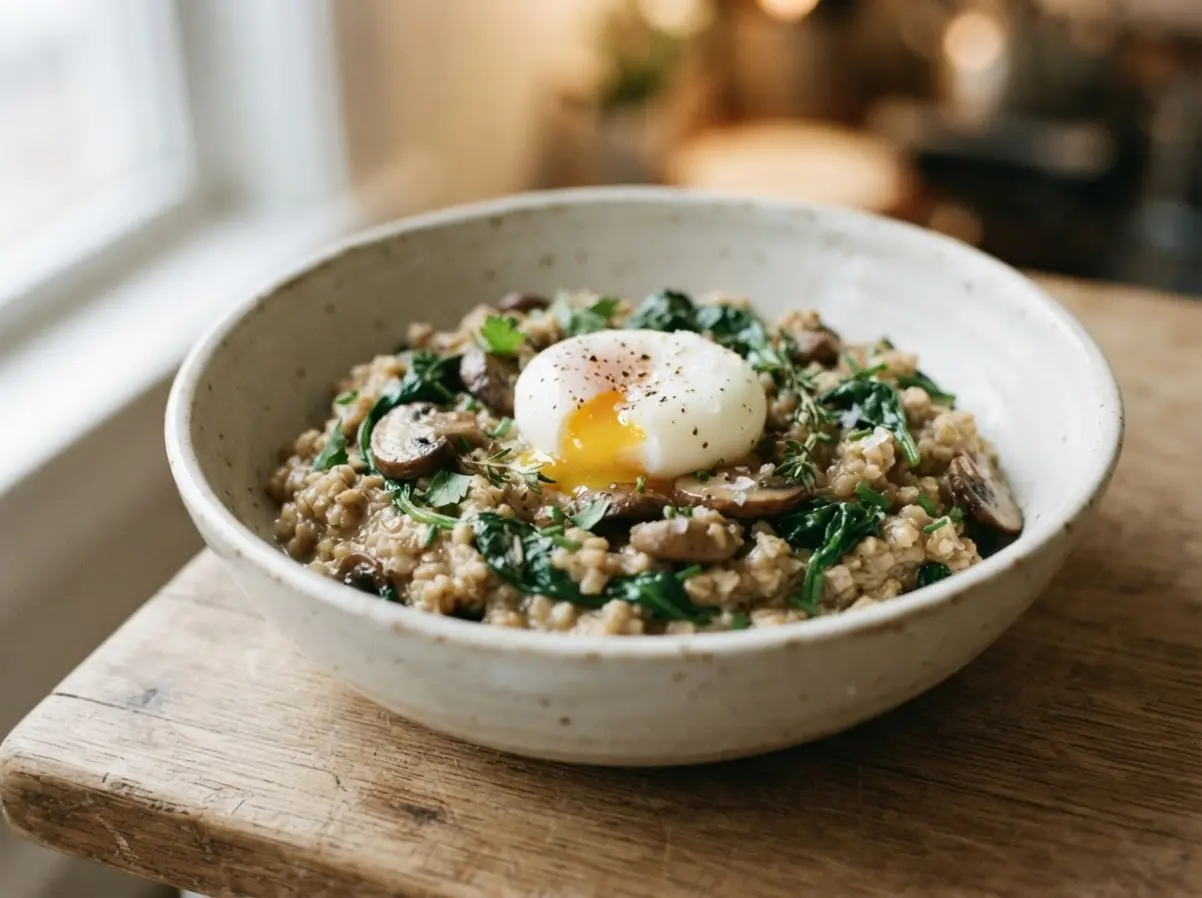
1. Savory Mushroom Spinach Steel-Cut Oats With Herbs
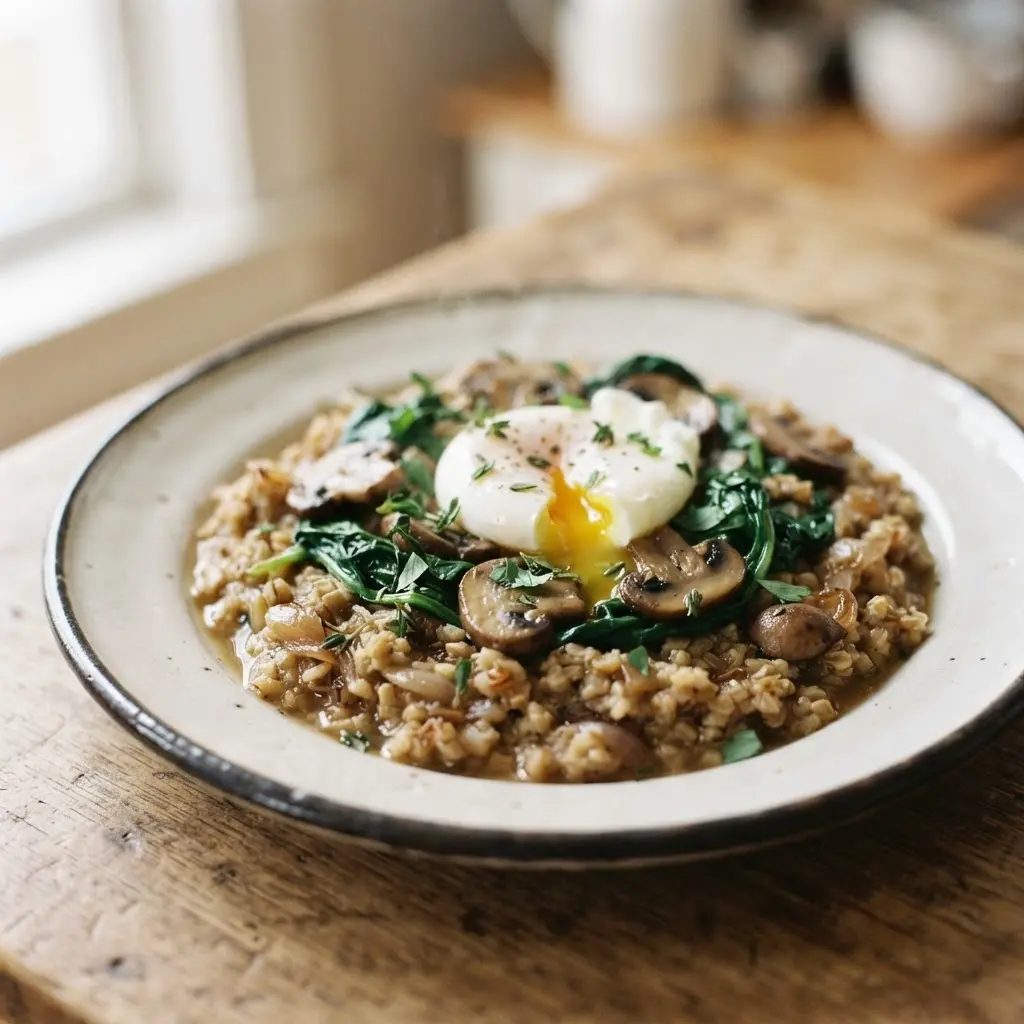
A common mistake is cooking mushrooms beside wet oats from the start. Crowded mushrooms steam instead of browning. Cook the sliced mushrooms in a hot skillet after softening the onion and garlic, because Most uncommon and healthy breakfast ideas require proper heat control. Let their moisture evaporate before adding spinach.
Simmer steel-cut oats in water or broth for about 10 to 20 minutes, stirring until the grains become tender and creamy, a method central to Most uncommon and healthy breakfast ideas. Vegetable broth gives the bowl a deeper savory taste than water. Stir in wilted baby spinach and fresh parsley, thyme, or rosemary near the end. Early herbs lose some of their fresh flavor.
Fold in baby leaves for the nutritional power of spinach. Research suggests meals combining whole grains and vegetables provide fiber from more than one plant source, supporting a varied breakfast pattern, which matches Most uncommon and healthy breakfast ideas perfectly.
Season after combining the oats and vegetables, since Most uncommon and healthy breakfast ideas rely on careful timing. Add black pepper, a small amount of Parmesan, or an egg for extra richness. Use certified gluten-free oats when gluten avoidance is required, and keep the liquid amount suited to the cooking method.
2. Poached Egg Spiced Tomato Shakshuka Base
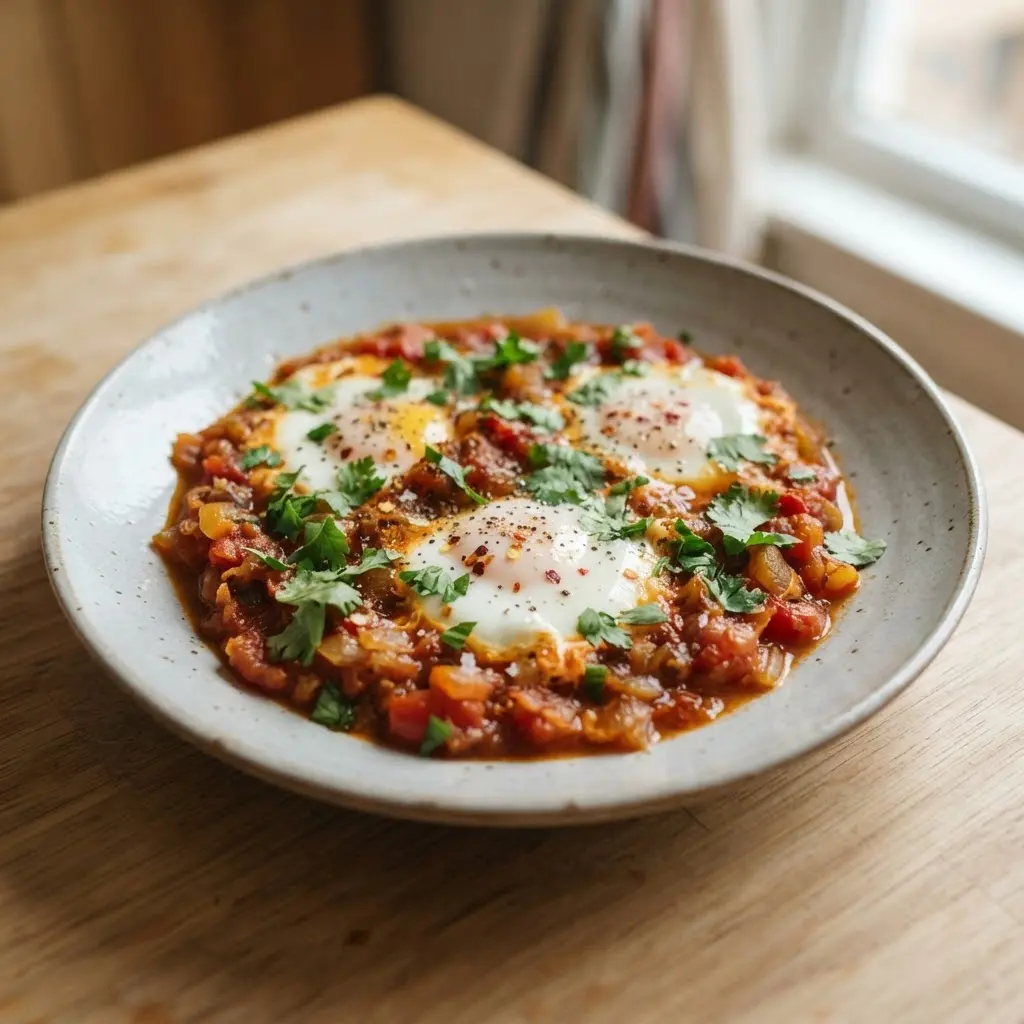
Start with a spiced tomato base, then poach the eggs directly in the sauce, following one of Most uncommon and healthy breakfast ideas. Cook chopped onion and garlic in a little olive oil until soft. Add crushed tomatoes, cumin, paprika, and optional chili flakes. Simmer for 15 minutes, allowing the sauce to thicken before adding the eggs.
Make shallow wells in the sauce with a spoon. Crack one egg into each well, cover the pan, and cook for 5 to 8 minutes. The whites should set while the yolks stay soft, just like Most uncommon and healthy breakfast ideas suggest. Choose fresh herbs, such as parsley or cilantro, for a clean finish. Adjust the chili to suit your taste and keep the dish vegetarian with vegetables as the main base.
Research suggests breakfast meals containing protein often support fullness, while tomatoes add flavor and useful plant nutrients. Keep the heat low after adding the eggs, as Most uncommon and healthy breakfast ideas need gentle simmering. High heat sets the yolks too quickly and risks scorching the sauce. Serve the shakshuka hot from the pan, with whole-grain bread for dipping.
3. Sweet Potato Toast With Almond Butter And Seeds
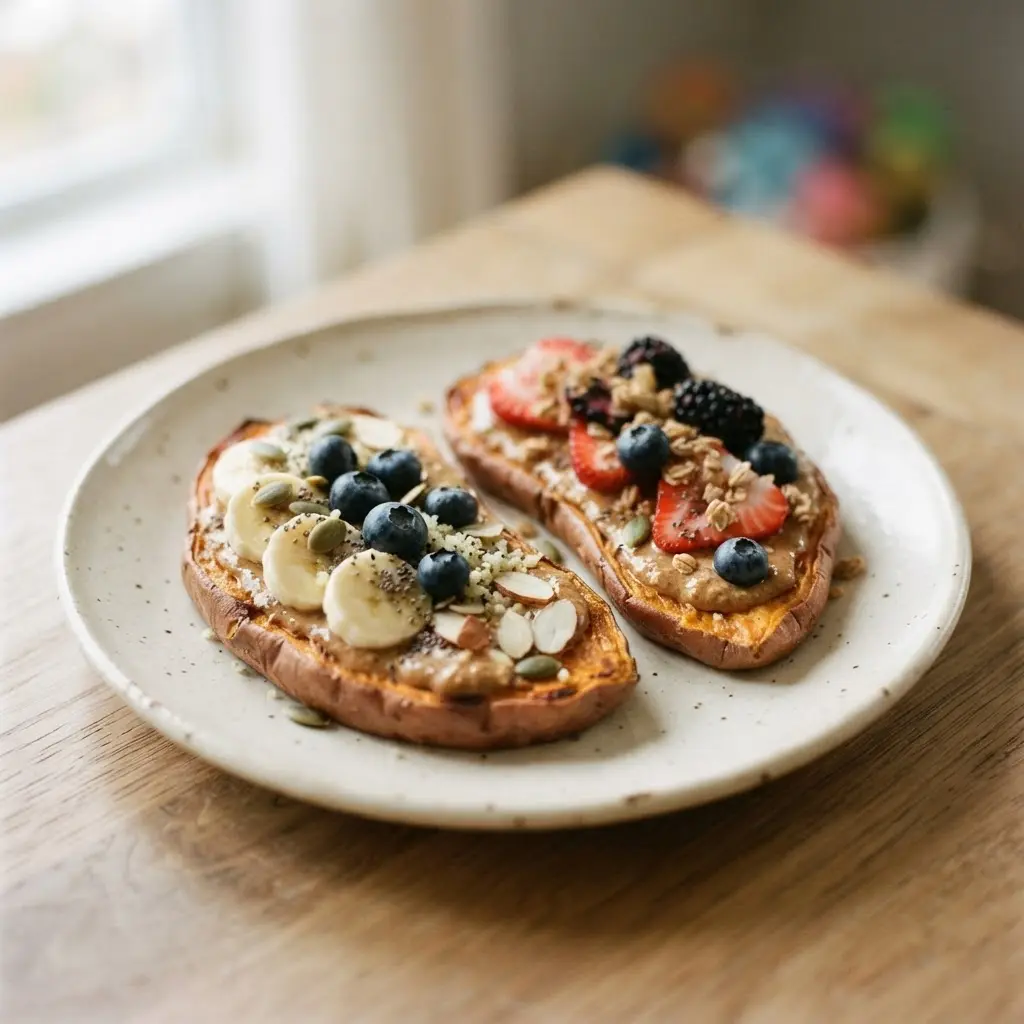
At 7 a.m., slice one sweet potato into even pieces before work or school, matching Most uncommon and healthy breakfast ideas perfectly. Aim for slices about 1 centimeter thick so the centers cook at a similar rate. Use a sharp knife to create steady, toast-sized pieces.
Toast the slices until the centers feel tender, not merely warm, because Most uncommon and healthy breakfast ideas demand thorough cooking. Depending on the appliance, this often takes several rounds of toasting. Spread a moderate layer of almond butter over each warm slice, then add chia, flax, or pumpkin seeds for crunch. Sweet potato brings fiber and vitamins, while almond butter provides protein and unsaturated fat.
Research suggests that combining fiber-rich foods with protein and fat supports a more filling breakfast than relying on a refined starch alone, and this logic backs Most uncommon and healthy breakfast ideas. Choose evenly sized slices and add toppings only after cooking. The orange-gold slices offer a gluten-free alternative to bread, with a soft center and lightly toasted surface.
4. Breakfast Garden Salad With Soft Egg
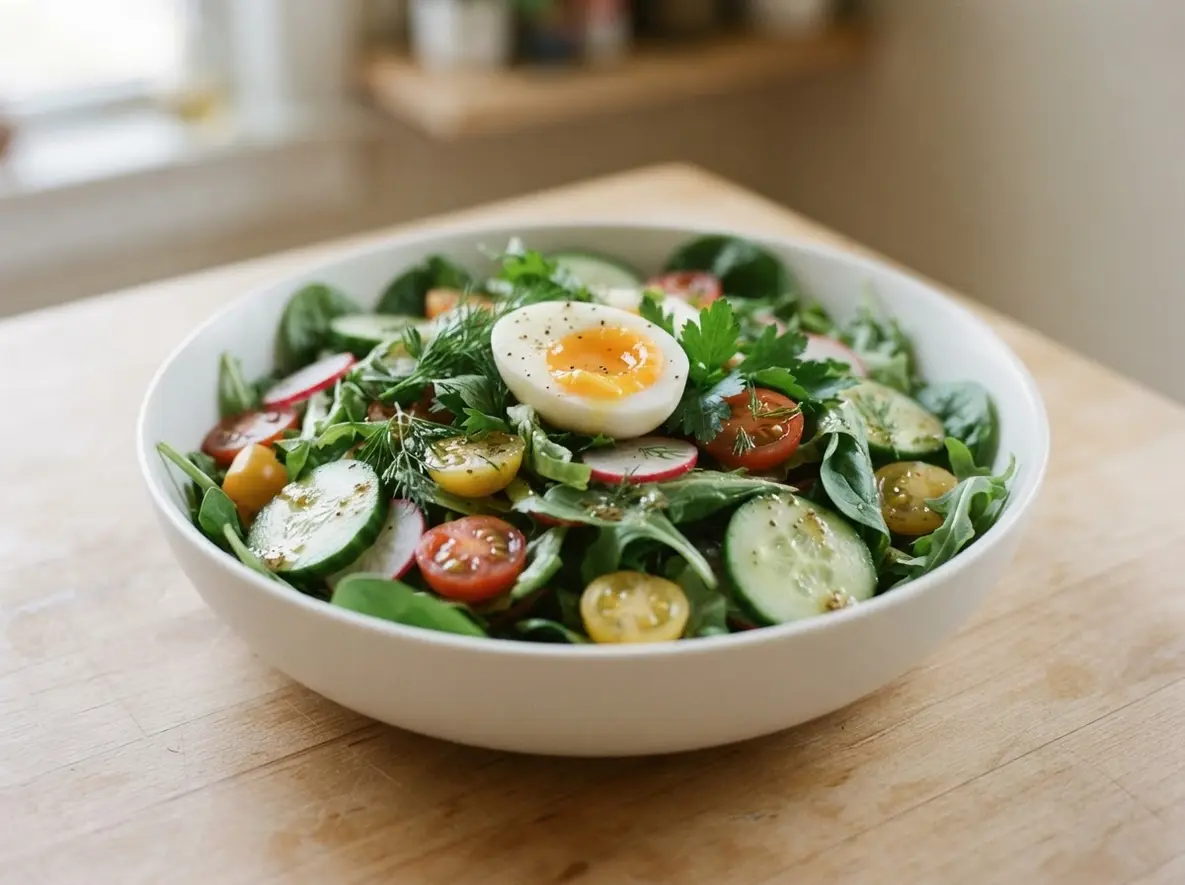
Many people think salad belongs at lunch, not breakfast. A garden salad with a soft egg offers a balanced morning meal with crisp greens, tender potatoes, and a creamy yolk, fitting right into Most uncommon and healthy breakfast ideas. Build the bowl with mixed greens, cherry tomatoes, avocado, red onion, feta, chives, and dill. Boil halved baby potatoes until fork-tender, then toss warm potatoes with a light vinaigrette. This lets the dressing coat the potatoes without soaking the greens.
Cook eggs for about six minutes for a soft yolk or six and a half to seven minutes for a jammy center. Transfer them to an ice bath at once, a cooling step that keeps Most uncommon and healthy breakfast ideas crisp, then peel and halve them gently. Add the eggs last, so the yolks stay intact. Research on balanced meals supports combining protein, unsaturated fats, fiber-rich vegetables, and carbohydrates for lasting fullness.
Dress greens shortly before serving. Start with a small amount of vinaigrette, since avocado and soft potatoes become heavy under excess oil, and this rule guides Most uncommon and healthy breakfast ideas well. The finished bowl delivers varied texture and color without relying on toast.
5. Warm Quinoa Porridge With Fresh Berries And Seeds
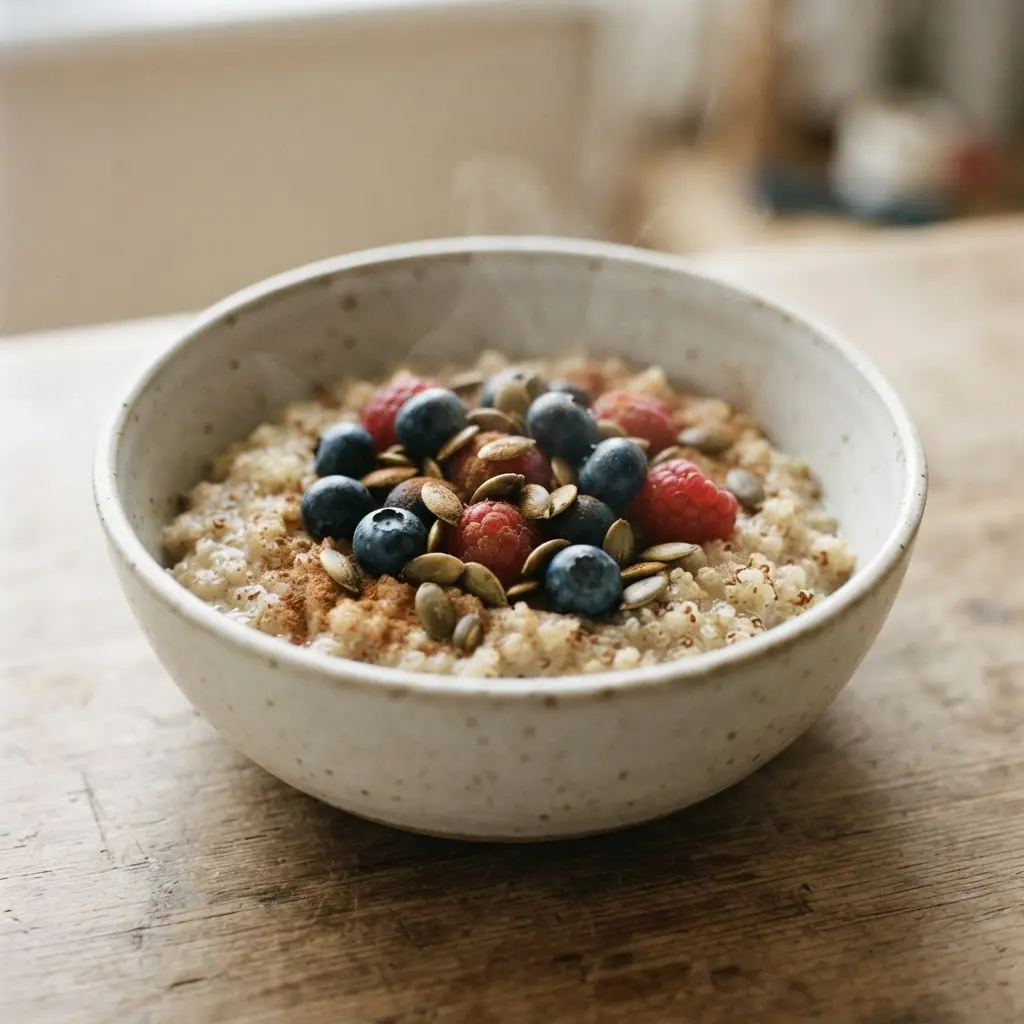
What makes quinoa porridge different from oatmeal? Quinoa offers a soft, creamy bowl with small grains, fresh berries, and seeds for varied texture, showcasing one of Most uncommon and healthy breakfast ideas. Rinse ½ cup quinoa under cool water before cooking to remove its bitter-tasting natural coating.
Combine the rinsed quinoa with 1 cup milk, ½ cup water, 1 tablespoon chia seeds, and 1 tablespoon flax seeds in a medium saucepan. Bring the mixture to a boil, then cover and simmer gently for 15 to 20 minutes, a simple process that makes Most uncommon and healthy breakfast ideas easy to try. Stir occasionally so the grains and seeds do not stick.
Fresh strawberries, blueberries, raspberries, or blackberries add color and a juicy contrast. Add a fresh berry topping after cooking, along with chopped nuts or pumpkin seeds, completing Most uncommon and healthy breakfast ideas nicely. Cinnamon, yogurt, or 1 to 2 teaspoons maple syrup adds flavor without making the bowl overly sweet. Research supports fiber-rich breakfasts as part of a balanced eating pattern.
Keep leftovers refrigerated for 3 to 4 days, since Most uncommon and healthy breakfast ideas store well. Reheat with a splash of milk, then add fresh toppings. Choose pumpkin or sunflower seeds for a nut-free bowl.
6. Smoked Salmon Avocado Whole-Grain Toast With Dill
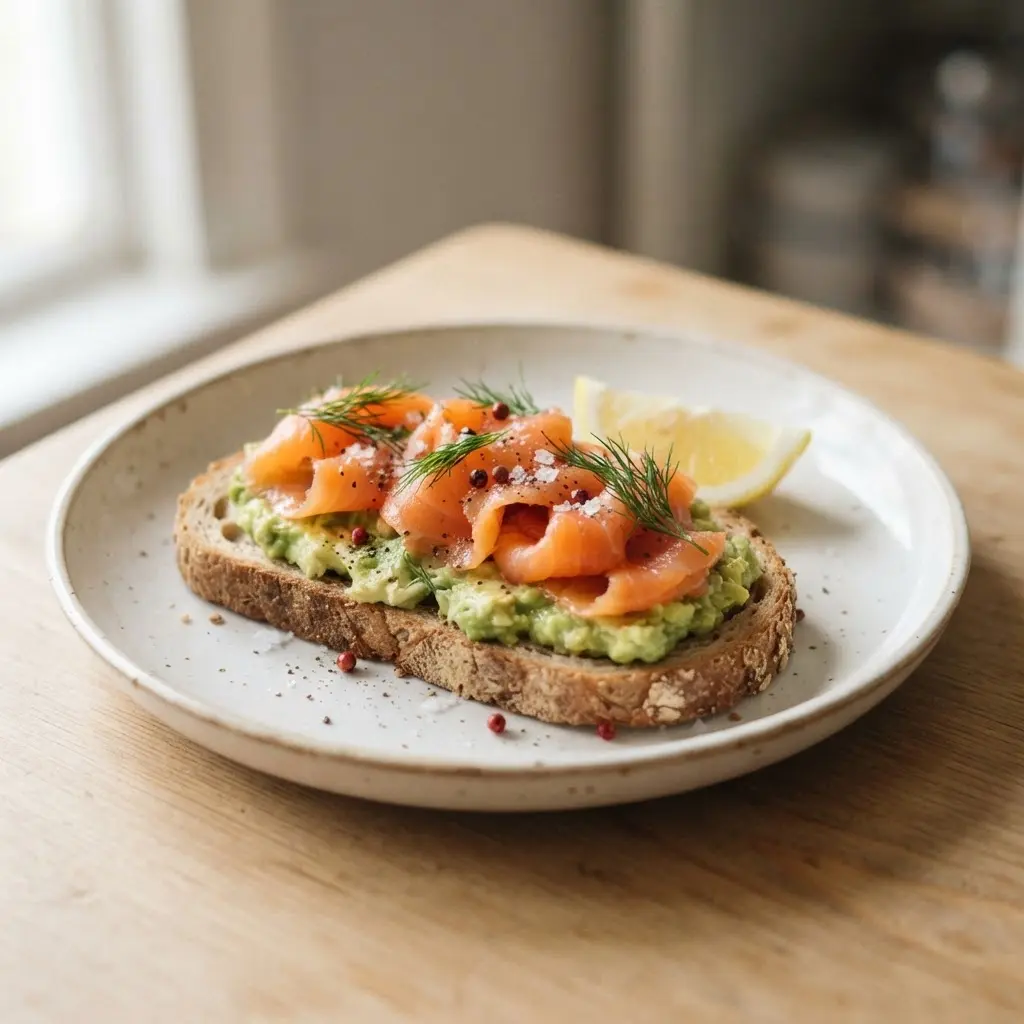
Compared with a sweet breakfast pastry, whole-grain toast offers a crisp base, more fiber, and a savory flavor, which explains why Most uncommon and healthy breakfast ideas favor grains. Choose seeded whole wheat, rye, or pumpernickel, then toast one slice until firm enough to support soft toppings.
Mash one ripe avocado with a fork. Stir in a small squeeze of lemon or lime juice, plus a light sprinkle of pepper, because Most uncommon and healthy breakfast ideas need bright flavors. Spread the avocado across the warm toast, then arrange cold-smoked salmon over the surface. Citrus adds brightness and slows browning.
Smoked salmon supplies protein, while avocado contributes unsaturated fat. Whole grains add fiber, supporting a more balanced breakfast. Research suggests fiber-rich meals support digestive health and help maintain fullness between meals. Smoked salmon also contains considerable sodium, so season the avocado lightly.
Finish with fresh dill rather than dried dill for a clean herb flavor. Prepare the toast shortly before serving so the bread stays crisp and the avocado keeps its fresh color.
7. Chia Seed Pudding With Toasted Walnuts And Fruit
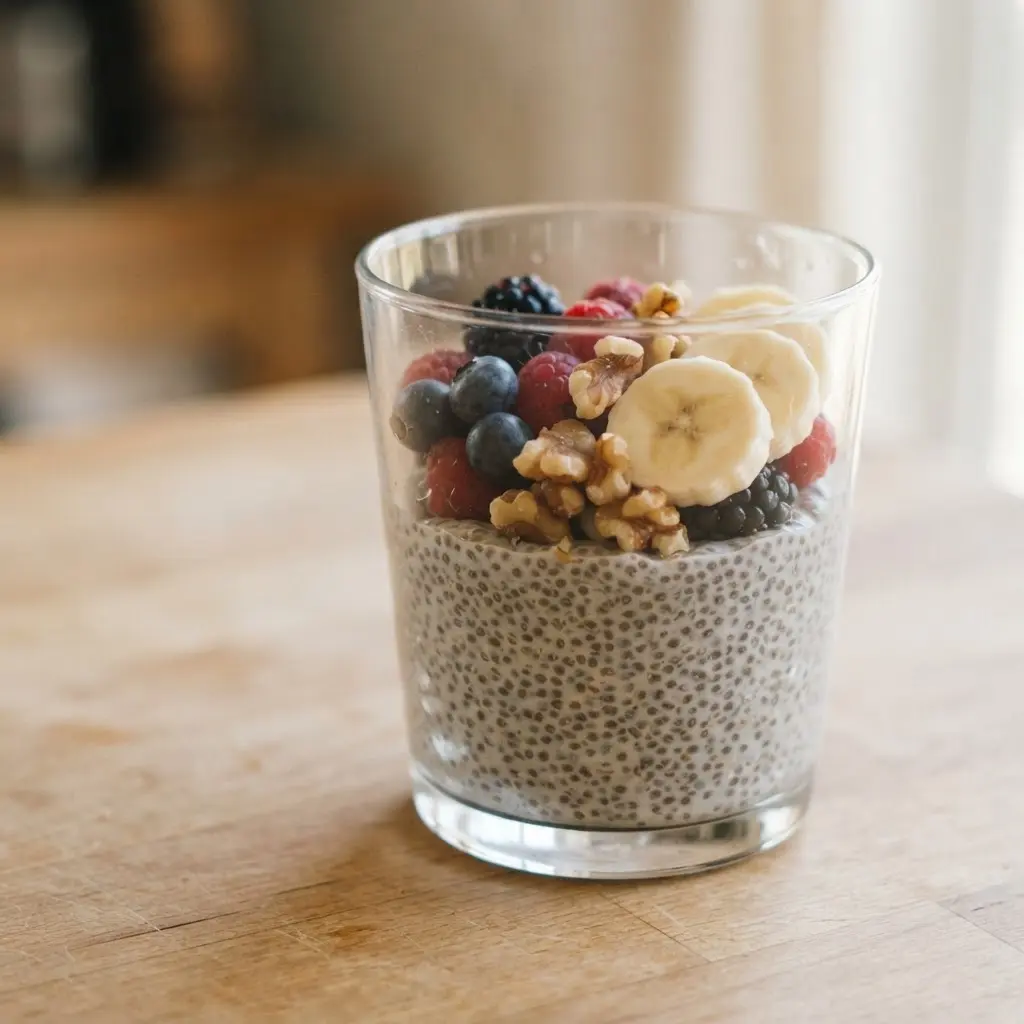
A common mistake is serving chia pudding before the seeds fully absorb the milk. Chill the mixture overnight for a thick, spoonable texture. Whisk ¼ cup chia seeds with 1 cup dairy or non-dairy milk, 1–2 teaspoons sweetener, and vanilla if desired. Whisk again after 5–10 minutes to break up clumps.
Toast roughly chopped walnuts in a dry skillet over medium-low heat for 3–5 minutes, stirring often. Cool the pieces before adding them to the cold pudding. Top each portion with berries, banana, mango, citrus, or stone fruit. Add cinnamon or a small maple syrup drizzle when the fruit needs more sweetness. Keep walnuts separate until serving to preserve their crunch.
Research suggests chia seeds provide fiber, while walnuts supply unsaturated fat and plant protein. Fresh fruit adds water, color, and natural sweetness without making the bowl heavy. Layer the pudding, fruit, and walnuts in a clear glass for a practical make-ahead breakfast with contrasting textures. Store covered portions in the refrigerator and use them within a few days.
8. Buckwheat Pancakes With Seasonal Fruit Compote
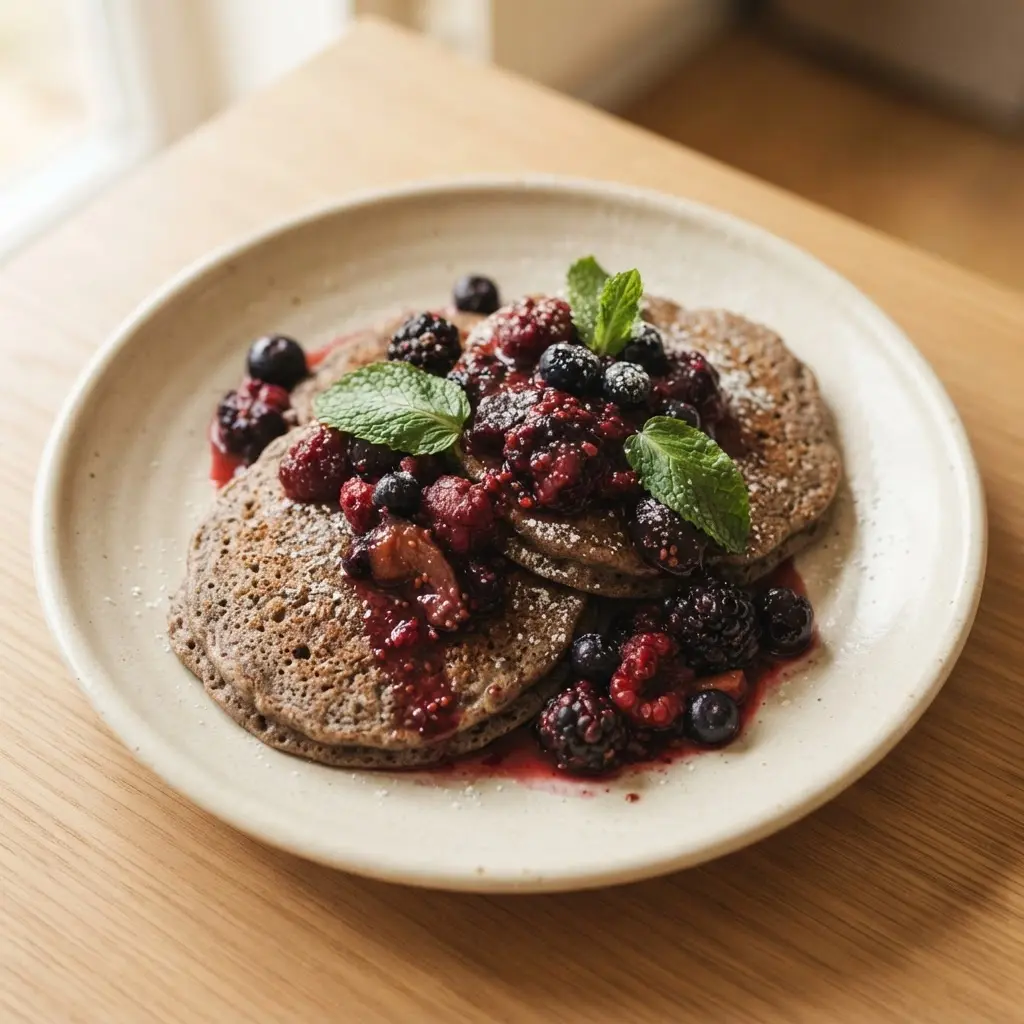
Start with the fruit compote, then cook the pancakes while the topping cools slightly. Simmer peaches, cherries, berries, plums, or apples with a small amount of water and maple syrup. Add cinnamon or ginger, then cook until the fruit softens and the mixture turns thick and jammy. Keep the heat moderate to prevent drying.
Whisk buckwheat flour with baking powder, baking soda, and salt. Mix milk, eggs, melted butter, and vanilla in a separate bowl. Stir the wet mixture into the dry ingredients only until combined. Overmixing makes pancakes dense. Cook each portion on a lightly oiled skillet until golden on both sides.
Choose light buckwheat flour for a softer texture, or blend buckwheat with all-purpose flour for a heartier result. Research suggests whole-grain foods support a balanced breakfast pattern, while fruit adds color, flavor, and moisture without relying on heavy toppings. Refrigerate prepared compote for up to one week. Serve with yogurt, almond butter, toasted nuts, or fresh fruit.
9. Greek Yogurt Parfait With Seeded Granola And Fruit
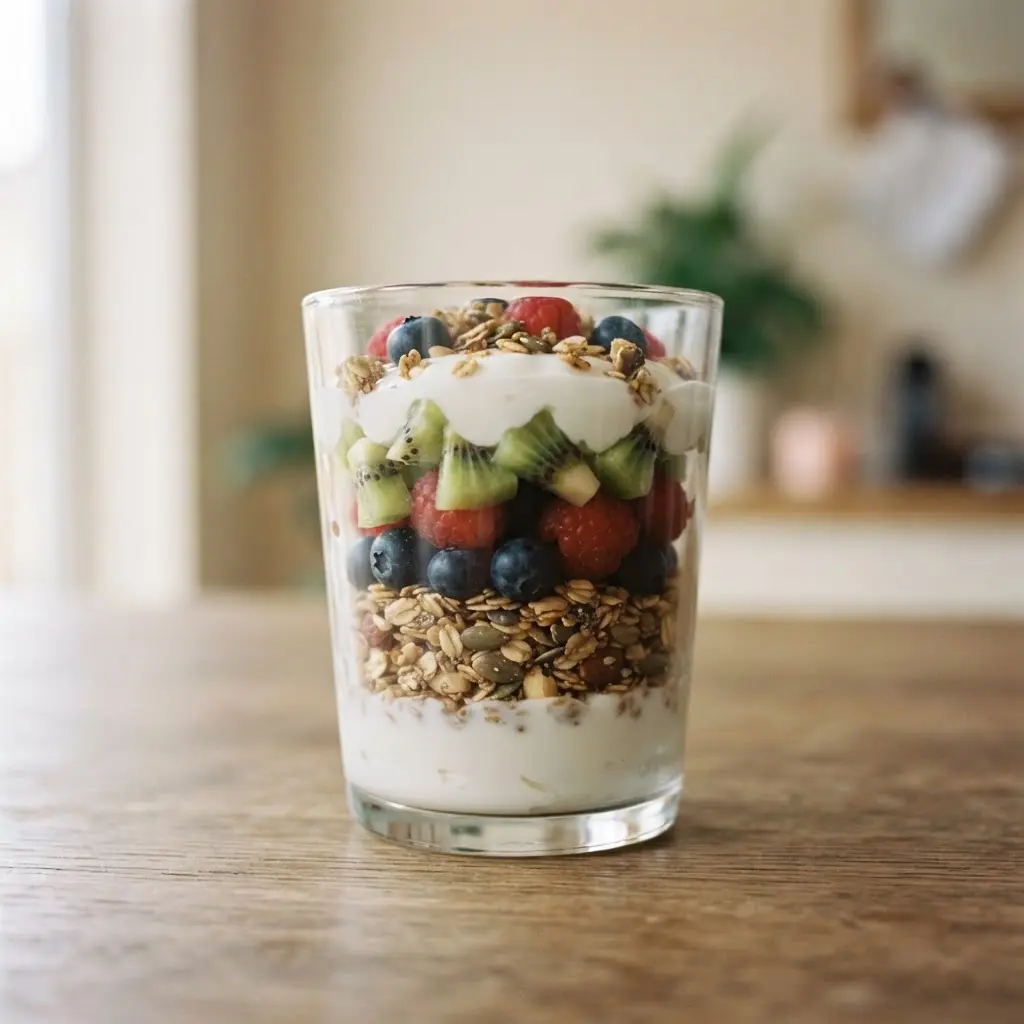
At 7 a.m., assemble this parfait in a clear glass when a quick plant-based breakfast inspiration texture than a bowl of cereal. Thick Greek yogurt holds clean layers beside seeded granola and berries, giving each spoonful creaminess, crunch, and fresh flavor.
Use modest layers: about ⅓ cup yogurt, 2 to 3 tablespoons granola, and ¼ cup fruit per layer. Add strawberries, blueberries, raspberries, or banana. Slice banana shortly before eating because the cut surface darkens with time.
Research links protein-rich foods and fiber-rich foods with greater fullness, so this combination offers more nutritional balance than fruit or granola alone. Keep the granola separate until serving if preparing the yogurt and fruit ahead. Moisture softens the grains and seeds.
Cool homemade granola fully before assembly, then store it in an airtight container. Finish the parfait with fruit, mint, cinnamon, or a light drizzle of honey. Assemble shortly before eating for the firmest texture.
10. Miso Glazed Tofu And Roasted Vegetables Bowl
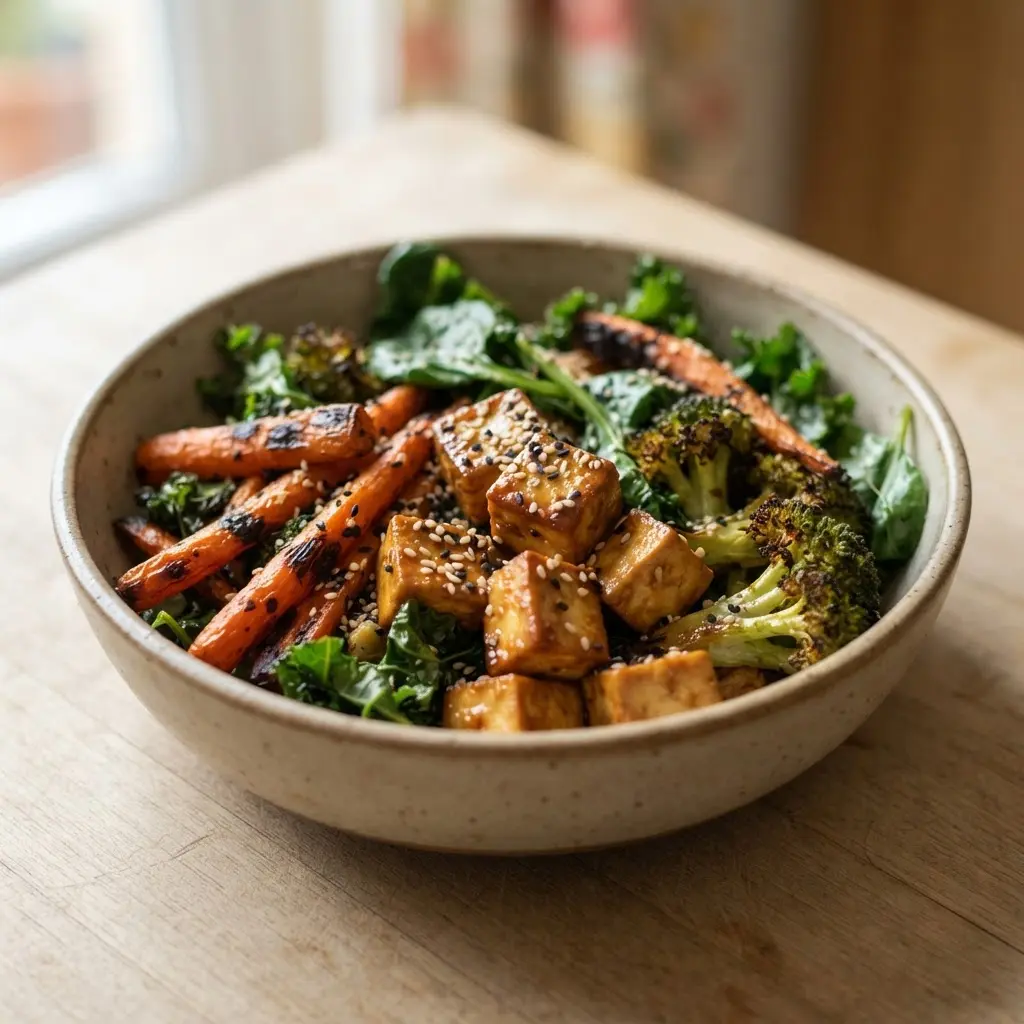
Many people believe a healthy breakfast must be sweet. Savory food offers a valid alternative. Build this bowl around miso-glazed tofu, roasted vegetables, and a grain or leafy base. The combination suits mornings when you prefer a warm, filling meal over cereal or toast.
Keep the glaze simple with miso mixed into a small amount of water or another suitable liquid, then coat the tofu near the end of cooking. Add roasted vegetables after they soften and develop browned edges. Choose vegetables such as carrots, broccoli, mushrooms, or squash according to season and preference. Prepare the components ahead, then assemble one bowl in the morning. A five-minute reheating period keeps the meal practical on busy days.
Research supplied for this chapter confirms no specific nutritional or health benefit for this dish, so present the bowl as a wholesome meal idea rather than a treatment or guaranteed result. Check the miso label for ingredients and salt content, especially when following a sodium-restricted eating plan. Adjust the seasoning after tasting, since miso varies in saltiness. Keep portions aligned with your own hunger and dietary needs.
Adapting Global Flavors To Dietary Needs
Use corn tortillas as a gluten-free base for eggs, beans, roasted vegetables, or savory yogurt, then adjust toppings to suit the eater. Tofu supplies plant protein in place of eggs, while lentils or black beans add fiber to bowls inspired by shakshuka and other bean-forward breakfasts. Coconut or soy yogurt works for dairy-free servings, though soy yogurt often supplies more protein. Replace smoked fish with mashed white beans or avocado when someone limits sodium or animal foods. Miso, kimchi, olives, and hot sauces carry strong flavor, so small amounts help control salt. Check labels for gluten, dairy, and added sugar, especially in tortillas, broths, sauces, and flavored yogurts. Keep the color contrast with herbs, fruit, seeds, or roasted vegetables.
Conclusion
Breakfast does not need to follow a fixed menu. A bowl of oats with mushrooms, a warm salad with egg, or tofu with roasted vegetables brings more choice to your routine. Most uncommon and healthy breakfast ideas also make it easier to use ingredients you already enjoy in new ways. Start with one meal, not a full weekly plan.
Pick a recipe with a few familiar ingredients, then add one new item such as quinoa, buckwheat, miso, or chia. Keep portions comfortable and adjust flavors to suit your taste. If a recipe feels too involved on a busy day, save it for a slower morning and choose a simpler option.
A varied breakfast routine grows through small changes. Write down the two ideas you want to try first, shop for those ingredients, and set aside time for one this week.
FAQs
Q: Are unusual breakfast foods healthy for everyday eating?
A: Yes, many unusual breakfast foods fit a balanced routine. Pair a protein source with fiber-rich foods, fruit or vegetables, and a source of healthy fat.
Q: How do I add more protein to a creative breakfast?
A: Use eggs, Greek yogurt, tofu, beans, seeds, nuts, or smoked fish. Pairing two protein foods in one meal often creates a more filling breakfast.
Q: Are legumes suitable for breakfast?
A: Yes, beans, lentils, and chickpeas work well in savory morning meals. They add fiber and plant protein to bowls, salads, toast, and egg dishes.
Q: What breakfast ideas work for a plant-based diet?
A: Choose tofu, chia seeds, quinoa, nuts, seeds, beans, and plant-based yogurt. Check ingredient labels on packaged foods for milk or egg ingredients.
Q: How do I keep healthy breakfast ideas quick on busy mornings?
A: Prepare grains, roasted vegetables, chia pudding, or boiled eggs ahead of time. Store portions in the refrigerator, then add fresh toppings before eating.