Looking for omega-3 foods without fish? Many shoppers also study the Best non-fish sources of omega-3 fatty acids. The best non-fish sources of omega-3 fatty acids include ground flaxseeds, chia seeds, walnuts, hemp seeds, perilla oil, algal oil, and fortified foods. Most plant foods supply ALA, while algal oil supplies direct EPA and DHA, the longer-chain fats linked with brain, eye, and heart health.
Choosing a non-fish source means looking beyond one ingredient. ALA is useful for heart health, but your body changes only a small amount into EPA and DHA. Algal oil supplies these longer-chain fats directly. Many people also track the Best non-fish sources of omega-3 fatty acids. Fortified foods add another practical option when you check labels. I will explain what each food brings, how to use it in meals, and where plant sources differ from fish oil. Let’s build a simple routine using seeds, nuts, oils, and everyday foods. Small changes at breakfast or lunch help you reach a steady intake without changing the way you eat. Start with the section closest to your kitchen.
Protecting Ground Flaxseed From Oxidation
Store ground flaxseed in an airtight, opaque container in the refrigerator or freezer to slow oxidation. Its delicate oil reacts with oxygen, light, and heat, so clear jars and warm cupboards offer less protection. Always compare the Best non-fish sources of omega-3 fatty acids when buying seeds. Whole flaxseeds keep longer because their intact outer layer shields the oil. Grind only an amount you expect to use within several days. A stale, paint-like, or bitter smell signals rancidity, and the seeds belong in the compost rather than your oatmeal. Divide larger quantities into small portions before chilling them, which limits repeated exposure to room air. Bring one portion out when needed, keeping the rest cold and tightly sealed. These habits protect the ALA content and preserve the mild flavor needed for yogurt, smoothies, or baked foods.
Reading ALA, EPA, And DHA Labels
Read the Nutrition Facts panel for the specific omega-3 form and amount, not only the phrase omega-3. ALA usually appears beside total fat or polyunsaturated fat, while EPA and DHA receive separate entries when a food or supplement supplies them directly. Review the Best non-fish sources of omega-3 fatty acids to match your goals. Fortified eggs, yogurt, juice, and milk often list the added amount per serving in micrograms or milligrams. Check whether the stated amount applies to one egg, one cup, or a larger serving, since serving sizes differ. Plant oils and seeds generally show ALA, not DHA or EPA, so a long omega-3 claim does not prove direct delivery of either marine-type form. A label listing omega-3 without naming its form gives too little information for comparing foods. Look for the exact form and serving amount before choosing.
1. Ground Flaxseeds for ALA: Easy Daily Nutrition
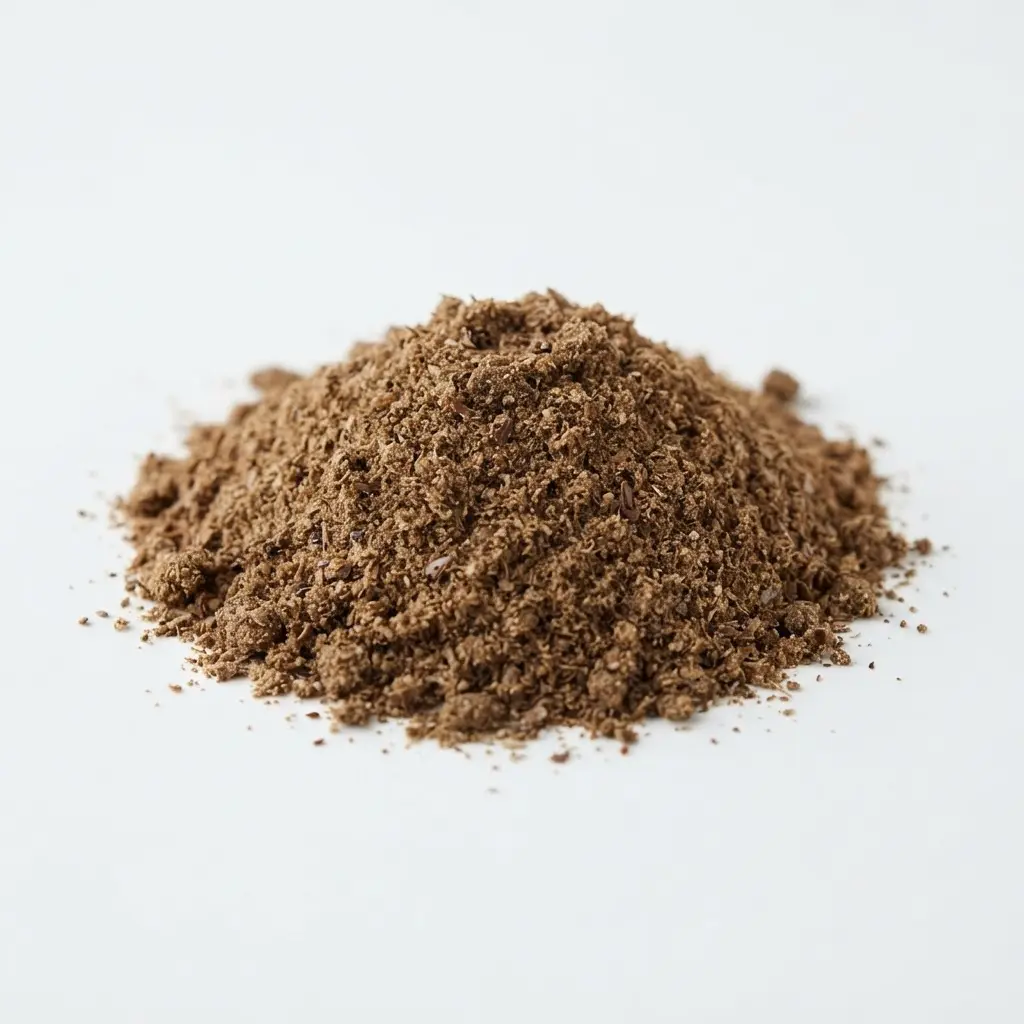
Using whole flaxseeds and expecting full nutrient release is a common mistake. Choose ground flaxseed instead. Milling breaks the seed into a meal that is easier to digest and makes its nutrients more available. You will see the Best non-fish sources of omega-3 fatty acids listed in nutrition guides. Two tablespoons, or about 16 grams, provide roughly 70 calories, 5 grams of fat, 4 grams of fiber, and 3 grams of protein. The serving also supplies a significant amount of alpha-linolenic acid, or ALA.
Stir the meal into oatmeal, yogurt, cottage cheese, smoothies, soups, sauces, or salad dressing. Add it to muffin or bread batter for a mild, nutty flavor. Begin with 1 teaspoon daily, then increase slowly toward 2 tablespoons. Gradual increases give the digestive system time to adjust to the added fiber.
Many health sites discuss the Best non-fish sources of omega-3 fatty acids for daily use. Research suggests the combination of ALA, fiber, and lignans may support cardiovascular health. Flaxseed intake also may help lower total cholesterol and LDL cholesterol, though results differ among individuals. Fiber supports regular bowel movements, but fluid intake matters. Drink plenty of water with each serving.
Store ground flaxseed in an airtight container in the refrigerator or freezer because the oils spoil faster after grinding. Buy an amount you will use before the expiration date. Avoid taking flaxseed at the same time as oral medications, and ask a healthcare professional about suitable timing. Always consult a healthcare professional before making changes to your health routine.
2. Chia Seeds and Fiber Profiles: A Filling Choice
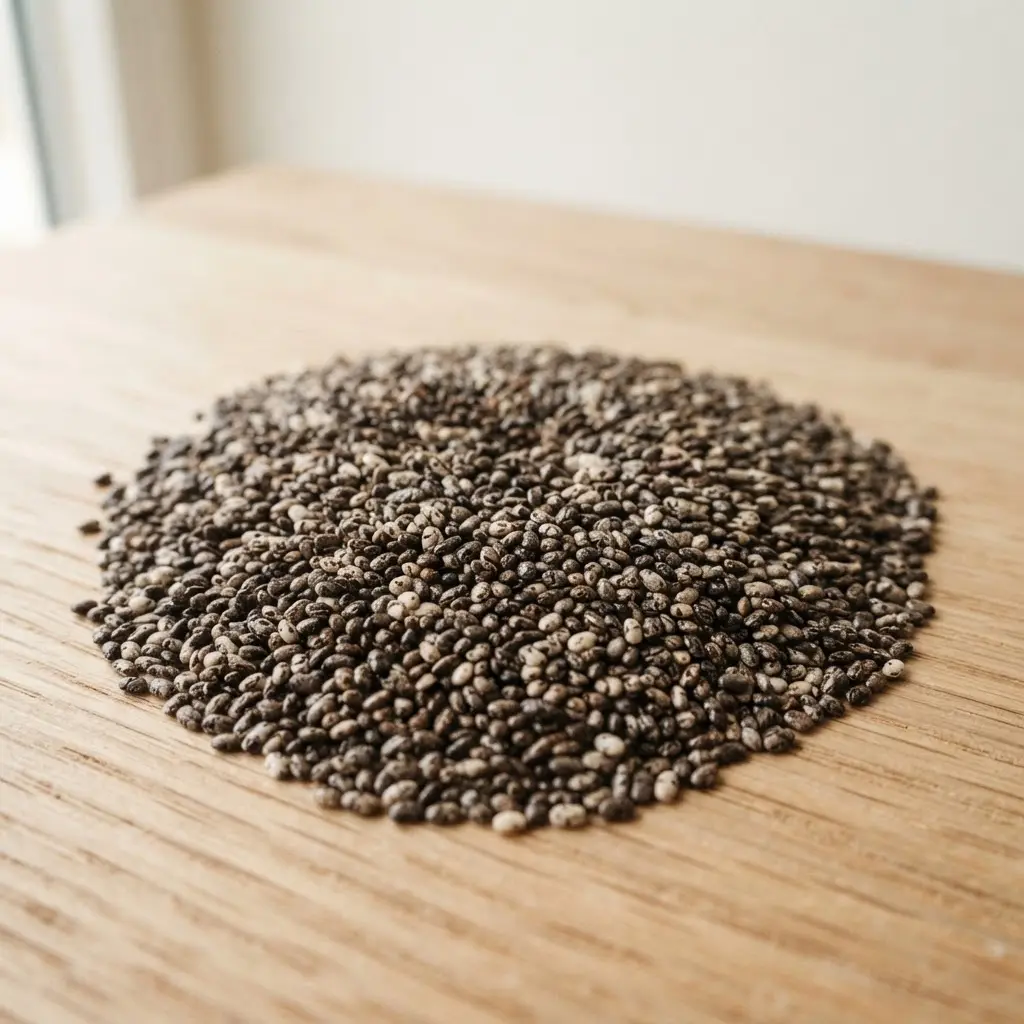
Start with hydrated chia seeds when adding plant-based omega-3 fatty acids to a meal. Chia seeds supply alpha-linolenic acid, or ALA, along with about 34 to 40 grams of dietary fiber per 100 grams. The seeds absorb water and form a gel-like texture. You can find the Best non-fish sources of omega-3 fatty acids at most grocery stores. This adds bulk to oatmeal, yogurt, smoothies, and puddings.
Use a small amount in a liquid-based food and allow time for the seeds to soften. Soaking time and liquid volume shape the final texture. Research suggests high-fiber foods with water-absorbing properties make meals feel more filling for many people. Chia seeds bring protein, calcium, phosphorus, potassium, magnesium, and healthy fats to the same serving.
Do not assume all chia fiber is soluble. About 85 to 93 percent is insoluble fiber, while soluble fiber accounts for about 7 to 15 percent. This balance supports the seeds’ bulk-forming quality. Add fiber gradually and maintain adequate fluid intake, since a sudden increase might cause discomfort for some people.
Many meal prep guides mention the Best non-fish sources of omega-3 fatty acids. Stir chia into breakfast bowls, blend it into smoothies, or prepare a pudding with milk or a fortified plant beverage. Dry seeds work as an ingredient, though liquid foods allow hydration before eating. Always consult a healthcare professional before making changes to your health routine.
3. Walnuts for Plant-Based Fats: A Simple Snack
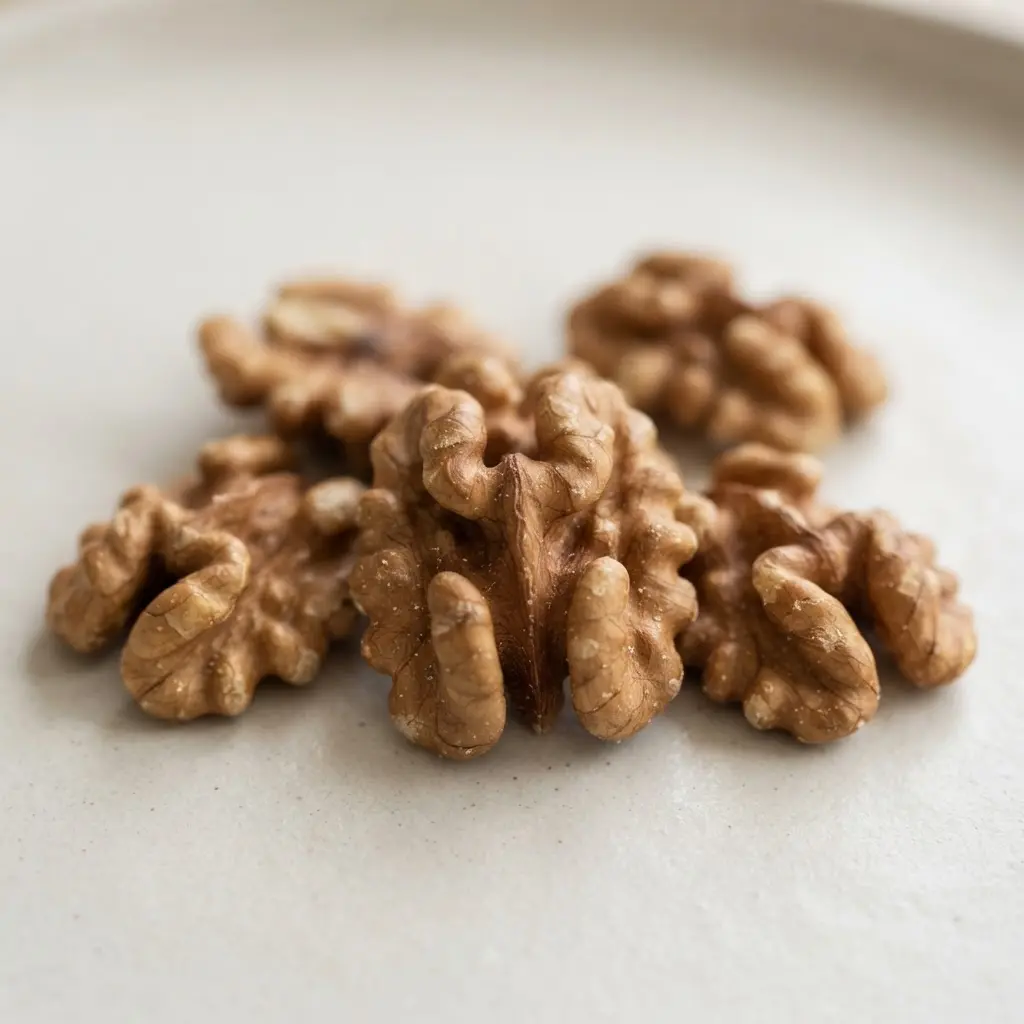
At 3 p.m., reach for raw, unsalted walnuts instead of a snack with added salt. Experts often recommend checking the Best non-fish sources of omega-3 fatty acids for snacks. One ounce equals about 12 to 14 walnut halves and supplies alpha-linolenic acid, or ALA, the plant-based omega-3 fatty acid. Walnuts provide more ALA than any other nut.
A one-ounce portion contains about 185 calories, 18 grams of fat, 2 grams of fiber, 4 grams of protein, and 4 grams of carbohydrates. Most of the fat is unsaturated. Research links walnut intake with heart health and brain function, though these general nutrition findings do not promise a specific outcome.
Add chopped walnuts to oatmeal or salads for crunch and plant-based fats. Mix them with other nuts and dried fruit for trail mix. A no-cook protein box with walnuts, hummus, chickpeas, carrots, and bell peppers creates a balanced snack. Ground walnuts mixed with legumes or mushrooms and spices form a savory filling for tacos, pasta sauce, or pizza toppings.
Many cooks prefer the Best non-fish sources of omega-3 fatty acids for quick recipes. Use whole, chopped, toasted, or blended walnuts in sweet and savory dishes. Blend them into a beverage such as horchata or plant-based milk. Keep portions measured because walnuts are calorie-dense. A small bowl or food scale supports consistent serving sizes, especially when eating them directly from a large container.
4. Hemp Seed Nutritional Benefits: Protein and ALA
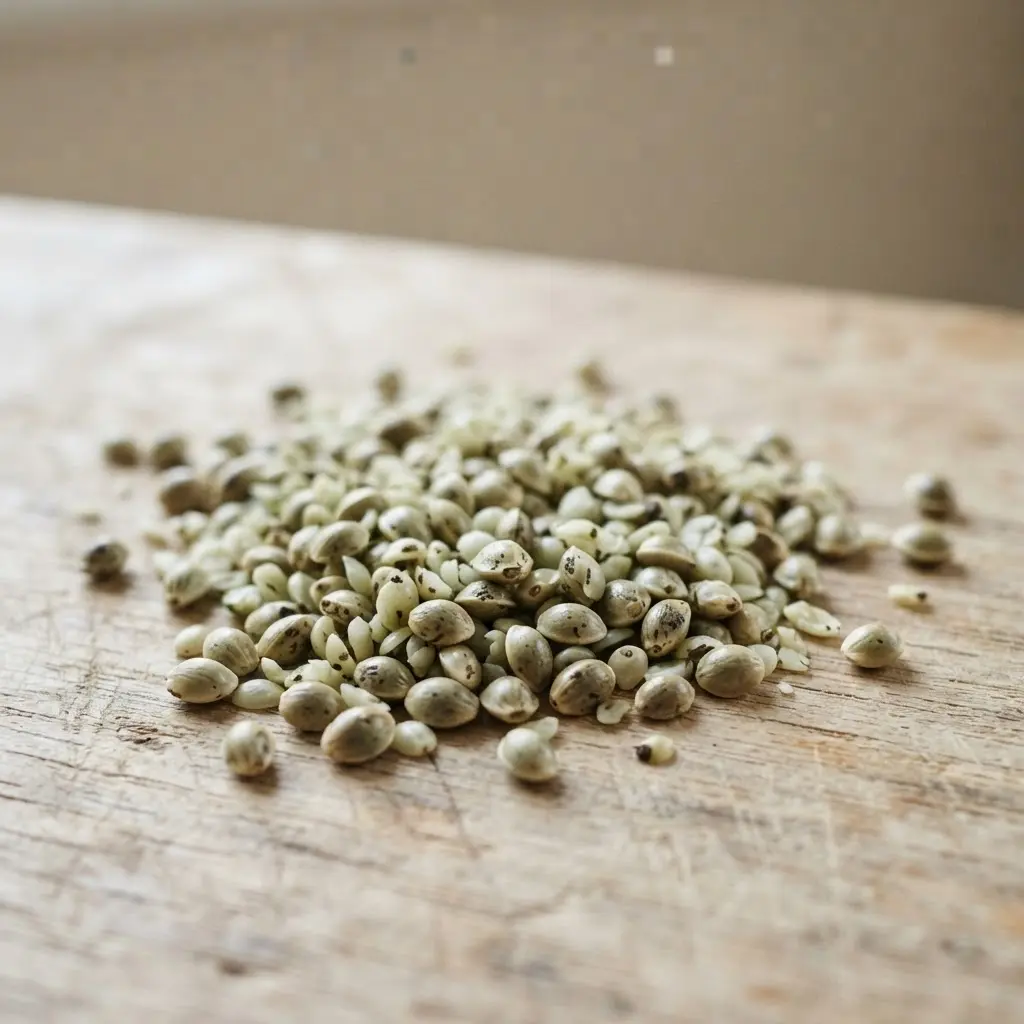
A common myth says hemp seeds are useful only for protein. The truth is that they provide both protein and ALA, making them a brain-boosting plant nutrients-based option for people avoiding fish. Hemp seeds contain about 32% protein, and their protein includes all nine essential amino acids. Shoppers often look up the Best non-fish sources of omega-3 fatty acids for complete proteins. The body must obtain these amino acids through food.
Hemp-seed protein includes edestin and albumin. These proteins supply amino acids for normal protein-related functions. Hemp seeds provide alpha-linolenic acid, or ALA, which is an essential omega-3 fatty acid. The body does not produce ALA, so food must supply it.
Do not describe ALA as EPA or DHA. ALA is a separate fatty acid and serves as a precursor to these longer-chain omega-3 fats. Many diet plans highlight the Best non-fish sources of omega-3 fatty acids for balanced intake. These fats have roles in cardiovascular health, brain function, and inflammation regulation. Research suggests the conversion pathway does not make hemp seeds a direct source of EPA or DHA.
Choose hemp seed oil when the goal is to add fatty acids rather than protein. Hemp seed oil contains both linoleic acid, an omega-6 fat, and ALA. Reported omega-6-to-omega-3 ratios range from 2.5:1 to 5.5:1, so do not present one fixed ratio. Use whole hemp seeds in meals when you want protein and ALA together, and treat the seeds and oil as different foods nutritionally.
5. Perilla Oil Dietary Applications: A Flavorful Option
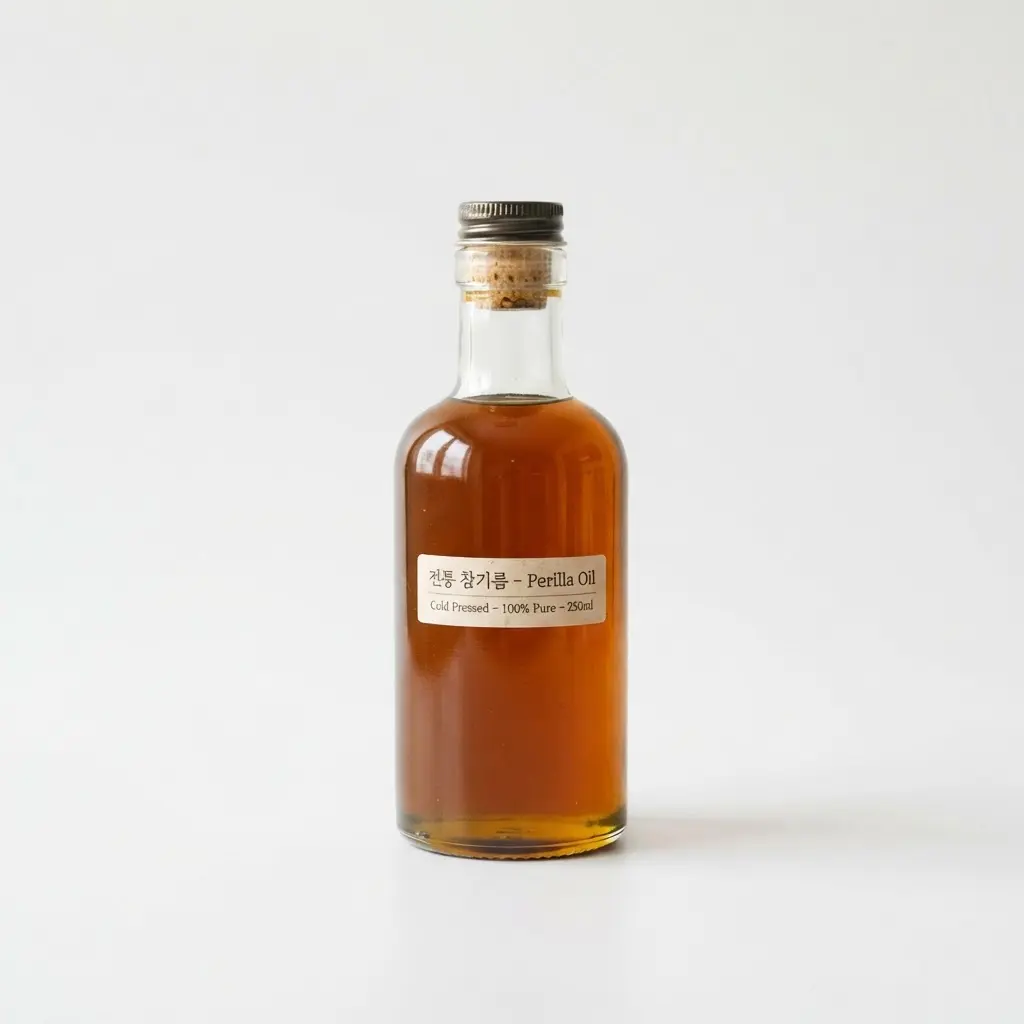
How should perilla oil be used in meals? Food writers often suggest trying the Best non-fish sources of omega-3 fatty acids first. Use perilla oil as a finishing oil for salads, soups, grain bowls, sauces, and dips. Untoasted oil has a mild flavor, while toasted oil brings a deeper nutty taste with a subtle licorice finish. A small amount often adds enough aroma without covering the other ingredients.
Choose moderate heat for cooked dishes. Lightly sauté mushrooms or spinach, then remove the pan from heat before adding more oil. High heat can create bitterness and speed oxidation of the oil’s unsaturated fats. Keep perilla oil away from prolonged heat during cooking.
Combine untoasted perilla oil with yuzu, tamari, or honey for a dressing or marinade. Add toasted oil to a dip or sauce when a stronger flavor suits the dish. Research suggests perilla oil offers a useful plant-based source of omega-3 fatty acids, though nutritional potential does not guarantee specific cardiovascular, immune, or anti-inflammatory outcomes.
Protect perilla oil from heat and light during storage. Close the container after each use and follow the label’s storage guidance. Many home cooks compare the Best non-fish sources of omega-3 fatty acids for cold dishes. Food research has examined perilla oil in yogurt, baked goods, meat products, and surimi gels, while emulsions and microcapsules are being studied to improve stability. Use the oil for flavor and dietary variety, not as a substitute for individualized medical advice.
6. Algal Oil for Direct EPA and DHA: Marine-Free Nutrition
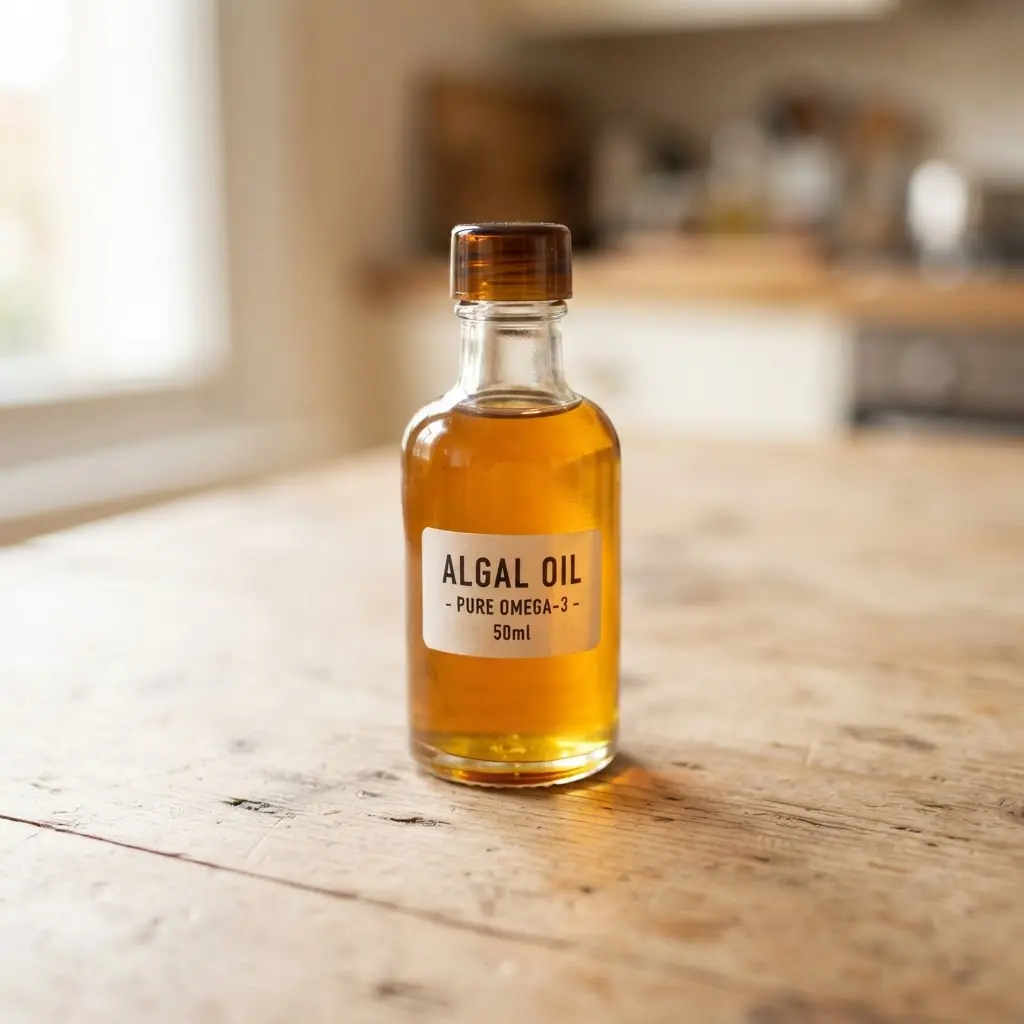
Unlike flaxseed and chia, which supply a precursor fat, algal oil provides EPA and DHA directly. Fish obtain these omega-3 fats by consuming algae, so microalgae sit at the start of the marine food chain. Choose algal oil when you want marine-type omega-3s without eating fish.
Researchers test the Best non-fish sources of omega-3 fatty acids regularly. Microalgae are grown and processed into oil for supplements, functional foods, and other nutrition products. Formulas differ, with some providing DHA alone, some providing EPA alone, and others combining both fats. Research suggests EPA and DHA from algal oil raise body levels comparably to fish oil.
Read the supplement label carefully. Check the EPA and DHA per serving, rather than judging value by total oil weight. Compare the EPA-to-DHA ratio, serving size, price, and testing details. Cultivated microalgae offer a controlled supply, with less exposure to seasonal changes affecting fish-based production.
Algal oil suits vegans, vegetarians, people avoiding fish, and consumers seeking a marine-free option. Many buyers prefer the Best non-fish sources of omega-3 fatty acids for ethical reasons. Research suggests this source supports direct intake of marine-type omega-3s while reducing reliance on fish harvests. Vegan sourcing does not guarantee product quality, so choose a product with clear ingredient amounts and credible quality testing. Algal oil often costs more than fish oil, making EPA and DHA content the fairest basis for comparison. Always consult a healthcare professional before making changes to your health routine.
7. Omega-3 Fortified Food Products: Convenient Dietary Options
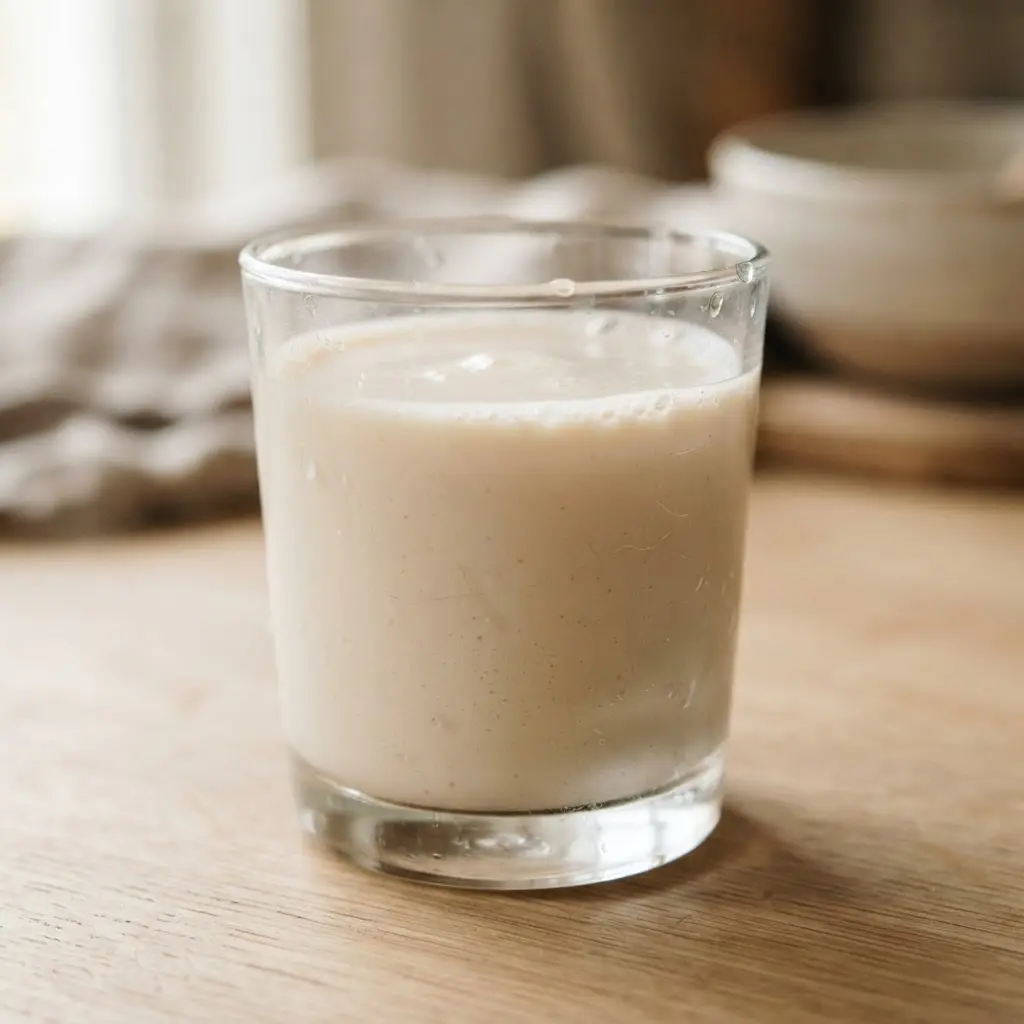
A common mistake is assuming every food marked omega-3 is free from fish. Check the ingredient list because manufacturers use fish oil, algal oil, or flaxseed oil. Fish oil does not suit people avoiding fish, while algal oil often fits vegetarian or vegan eating plans.
Fortified foods include omega-3 eggs, cow’s milk, soya milk, oat milk, almond milk, yogurt, bread, cereals, spreads, oils, pasta, crackers, fruit drinks, and protein bars. Hens receive omega-3-rich feed, which changes the fatty acid content of their eggs. Manufacturers add oils during production of other foods. Flaxseed oil often supplies ALA, while fish oil and algal oil often supply EPA or DHA.
Read the nutrition panel before choosing a product. Shoppers often evaluate the Best non-fish sources of omega-3 fatty acids by label. Confirm the omega-3 type and the amount per serving. A package might contain several servings, so the listed amount does not apply to the entire pack. Research suggests fortified foods offer a convenient way to add omega-3 fatty acids to familiar meals, though the available evidence does not show prevention or treatment of a specific health condition.
Choose products with a clear source and a stated amount. Compare similar items, since levels vary widely between fortified eggs, milk alternatives, cereals, spreads, and snacks. Use these foods to complement a varied diet rather than treat them as interchangeable with every other omega-3 source. Check allergen information when fish oil, dairy, soy, or other ingredients raise dietary concerns.
Discussing Algae Supplements With A Healthcare Professional
Ask a healthcare professional before taking an algae-based supplement if you use blood-thinning medicine, have surgery scheduled, or are pregnant. Algae oil supplies preformed DHA, and some formulas provide EPA, unlike seeds and vegetable oils, which mainly supply ALA. Your clinician reviews the dose alongside medicines, health conditions, and other supplements. Share the product label, serving size, and full ingredient list during the discussion. A pharmacist also helps check possible interactions and duplicate nutrients in multivitamins. Ask whether food sources meet your needs or whether a supplement fits your diet. Third-party testing details also deserve review, since purity standards differ among brands. Stop and seek medical advice if the supplement causes unusual bleeding, stomach upset, rash, or another new symptom.
Conclusion
Food choices often reflect your needs, taste, budget, and comfort with cooking. The best non-fish sources of omega-3 fatty acids give you several easy paths, from a spoonful of ground seeds to a fortified breakfast food. Keep the ALA sources in your routine for plant-based nutrition. If direct EPA and DHA matter to you, look at algal oil and read the product label for the amounts listed.
For your next meal, choose one seed, nut, oil, or fortified food from this guide. You can easily rotate through the Best non-fish sources of omega-3 fatty acids. Add it to something you already enjoy, such as oats, yogurt, a salad, or a grain bowl. This small step makes healthy eating feel practical rather than strict. Keep a short list of foods you like, then rotate them through the week. A steady routine gives you a simple way to care for heart, brain, and eye health while keeping fish off your plate.
FAQs
Q: Which plant food has the most omega-3?
A: Ground flaxseeds and chia seeds are rich plant sources of ALA. Walnuts and hemp seeds also add ALA to meals.
Q: Does algal oil contain EPA and DHA?
A: Yes. Algal oil supplies EPA, DHA, or both, depending on the product. Read the label for the type and amount listed.
Q: Are walnuts a replacement for fish oil?
A: Walnuts supply ALA rather than direct EPA and DHA. They fit well in a plant-based eating pattern, while algal oil supplies the longer-chain fats directly.
Q: Which fortified foods contain omega-3?
A: Fortified foods include some plant drinks, cereals, spreads, and egg products. Check the nutrition label for ALA, EPA, or DHA.
Q: How do I add more plant-based omega-3 to meals?
A: Stir ground flaxseeds or chia seeds into oats, yogurt, or smoothies. Add walnuts to salads, and use perilla oil in a cold dressing.