Which foods benefit most from cooking? Tomatoes, carrots, leafy greens, beans, and some protein foods often become easier to use after gentle or thorough heating. Foods that should be cooked to maximize their bioavailability often fit right here. Cooking softens plant cells, improves access to certain compounds, and lowers some troublesome substances in legumes. The best method depends on the food.
Foods that should be cooked to maximize their bioavailability are not limited to one food group. Tomatoes often release more lycopene after heating. Carrots and other orange vegetables become softer, while a little healthy fat supports absorption of fat-soluble nutrients. Cooking greens reduces their bulk and helps you eat a useful serving. Properly prepared beans also become kinder to the stomach.
I’ll walk you through five practical choices, along with simple methods for home meals. Let’s keep the heat gentle when possible, use enough water only when needed, and pair cooked vegetables with healthy fats. Pick one ingredient from your kitchen and start there today.
Heat, Water, And Nutrient Stability
Steaming carrots for a short time often preserves more vitamin C than boiling them in a full pot of water. Foods that should be cooked to maximize their bioavailability respond well to these methods. Heat softens plant cell walls, helping your body access carotenoids, the pigments linked with vitamin A activity. Microwaving with a spoonful of water offers similar control, while baking concentrates flavor without surrounding the food with water. Spinach shows why temperature and cooking time need balance. Brief heating reduces some oxalates, compounds which bind minerals and limit absorption, yet long boiling sends vitamin C and some B vitamins down the drain. Legumes need thorough cooking because heat improves digestibility and reduces lectins, natural compounds which irritate the gut. Use short steaming when you want nutrient retention alongside softer texture. Keep cooking times modest for tender vegetables.
Pairing Dietary Fat With Plant Foods
Add a teaspoon of olive oil to cooked tomatoes because dietary fat improves lycopene absorption. Heating breaks down tomato cell structure, while oil helps this fat-soluble carotenoid move through digestion. Foods that should be cooked to maximize their bioavailability pair well with this step. Carrots gain similar support from a little oil after roasting or sautéing, especially when your meal contains no other fat. Fat also helps your body absorb vitamins A, D, E, and K, all of which dissolve in fat rather than water. A small amount works well, so the pan need not become greasy. Nuts, seeds, avocado, or a spoonful of olive oil fit easily into vegetable dishes without overwhelming their flavor. Keep portions modest when calories matter, but do not remove fat from every plant-based meal. The pairing supports nutrient availability, not a blanket rule to cook every food with oil.
1. Lycopene-Rich Cooked Tomato Products for Better Absorption
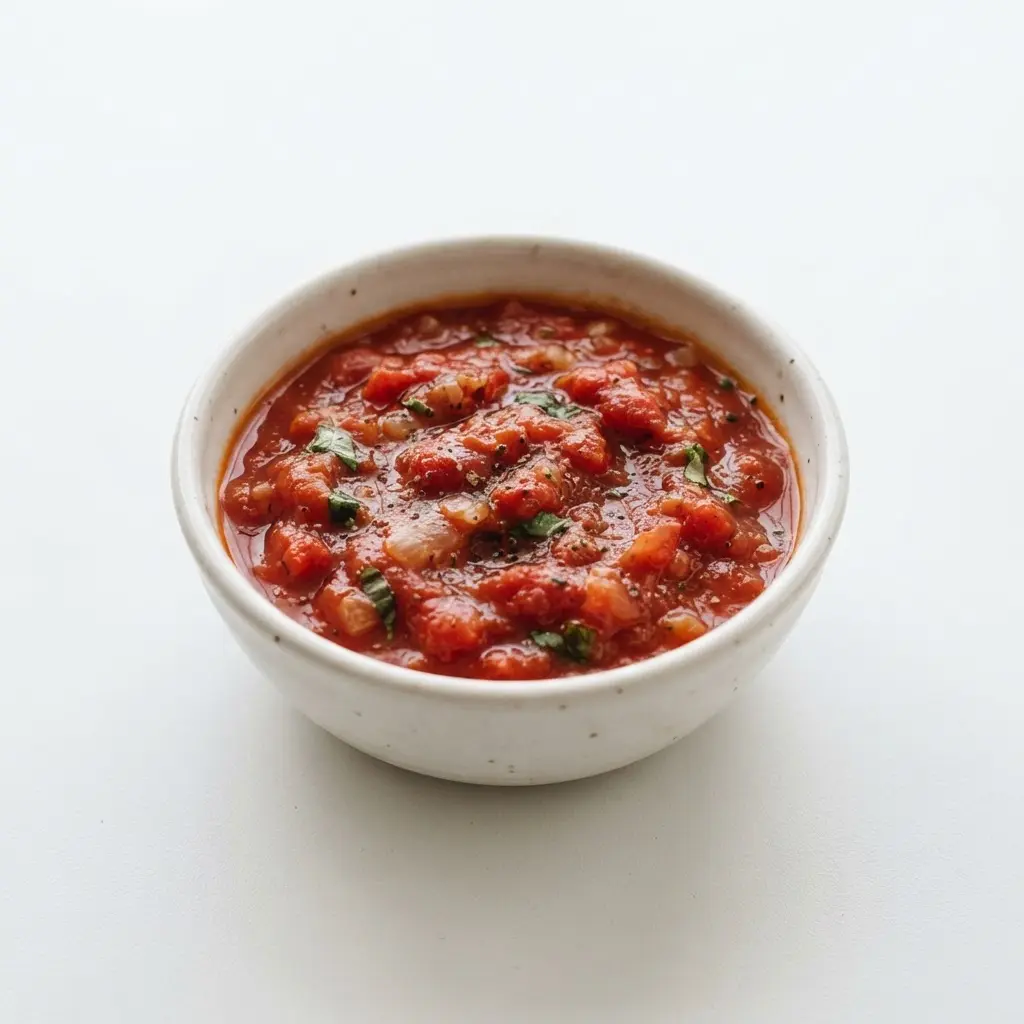
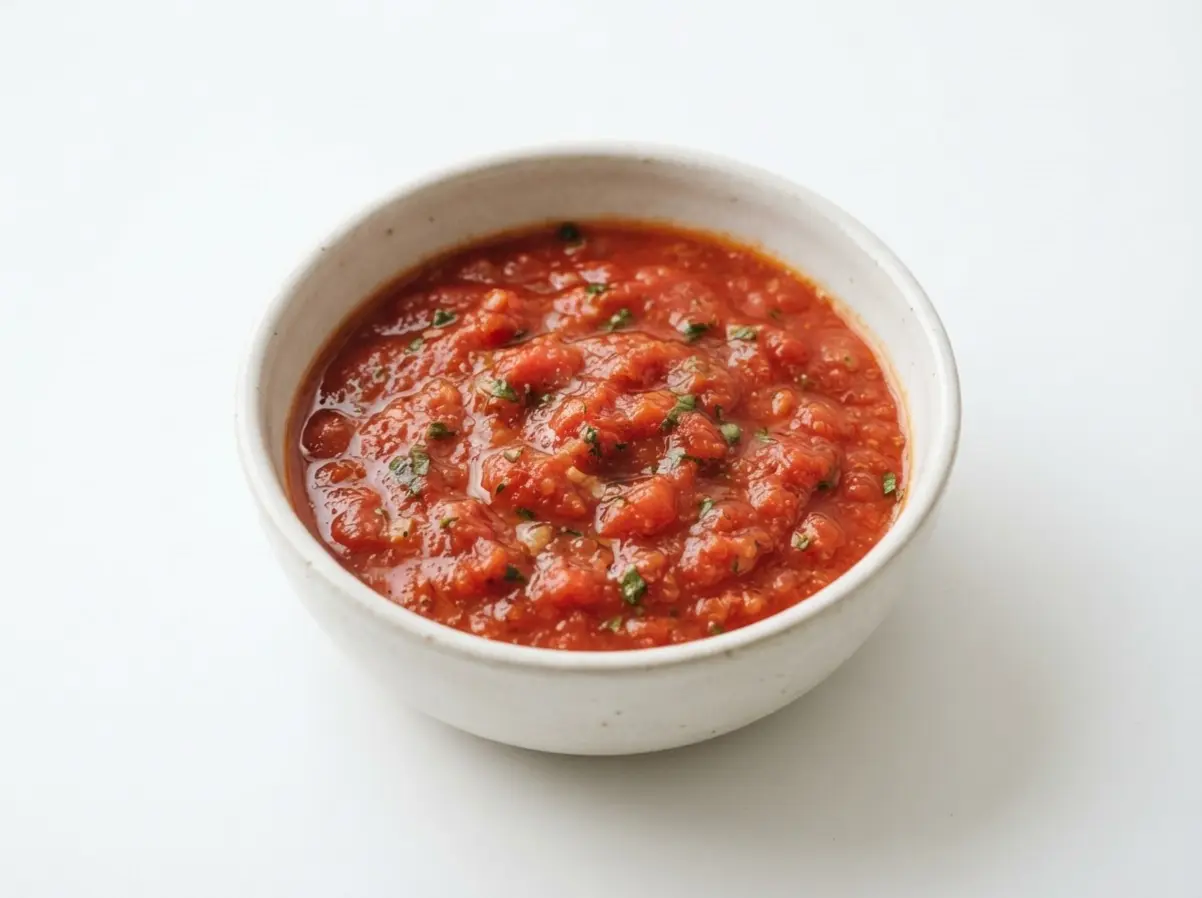
Many people assume raw tomatoes provide the most usable lycopene. Foods that should be cooked to maximize their bioavailability show this clearly. Cooking tomatoes often improves access to this carotenoid. Start with a cooked tomato sauce or another processed tomato product. Heat softens the tomato tissue and breaks down cell structures, allowing more lycopene to become available during digestion.
Pair the tomato product with dietary fat rather than serving cooked tomatoes alone. Foods that should be cooked to maximize their bioavailability still need this simple pairing. Add olive oil during cooking, or include fat elsewhere in the same meal. Research on processed tomato products used about 10 grams of fat per meal, while uncooked tomatoes appeared to need about 15 grams for a similar absorption benefit. Fat does not need to go directly into the sauce.
Heat processing also changes the shape of some lycopene molecules. Raw tomatoes contain mostly the all-trans form, while cooking promotes formation of cis-isomers. Human research has found greater lycopene absorption from tomato sauces with a higher share of cis-isomers. The goal is not prolonged, intense heating. Use enough heat to soften the tomatoes and break down their structure.
Choose tomato sauce for pasta, beans, vegetables, or a balanced grain meal, then include a modest amount of oil. Research suggests improved lycopene absorption, not a guaranteed health outcome. Absorption varies between people and meals. Always consult a healthcare professional before making changes to your health routine.
2. Beta-Carotene-Enhanced Root Vegetables With Healthy Fats
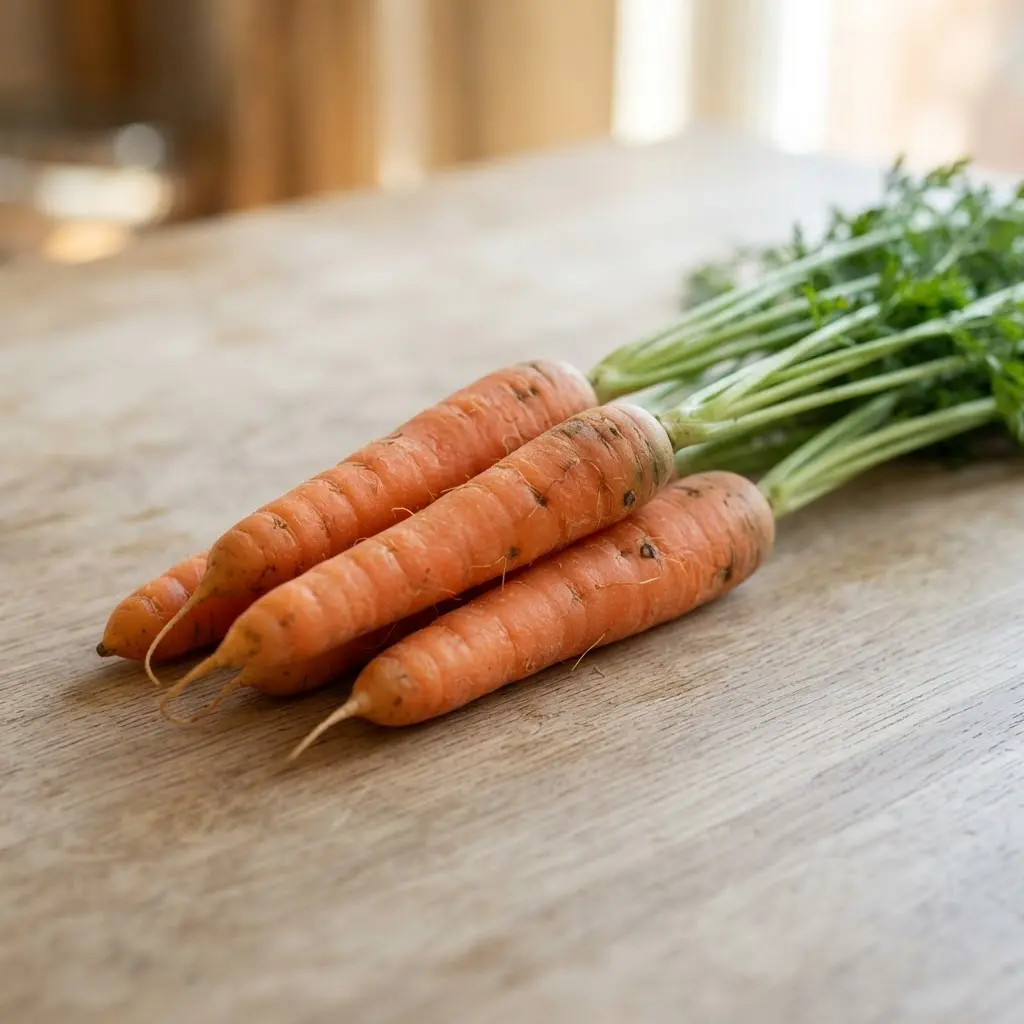
Cook beta-carotene-rich vegetables before serving them with a small amount of healthy fat. Foods that should be cooked to maximize their bioavailability follow this same pattern. Boil or roast sweet potatoes, carrots, butternut squash, or pumpkin until their texture softens. Heat breaks down plant cell walls, making beta-carotene easier for the body to access.
Stir olive oil into roasted carrots, or serve baked sweet potato with avocado, seeds, or chopped nuts. One hundred grams of boiled sweet potato provides about 9,406 micrograms of beta-carotene. Foods that should be cooked to maximize their bioavailability earn that spot easily. Cooked carrots provide about 8,279 micrograms per 100 grams. These figures show why familiar vegetables deserve a place in regular meals.
Add a fat source before eating the vegetables. Beta-carotene is fat-soluble, so dietary fat supports absorption in the digestive tract. Research suggests cooked vegetables paired with fat provide more available beta-carotene than the same foods served without fat.
Apply the same approach to cooked spinach, which provides about 6,103 micrograms per 100 grams. Romaine lettuce is often served raw, yet a dressing containing olive oil gives the meal a useful fat source. Keep the portion sensible. A drizzle of oil, a spoonful of seeds, or a few avocado slices is enough to pair with the vegetables without making the dish heavy.
3. Gentle-Heat Bioavailable Protein Sources
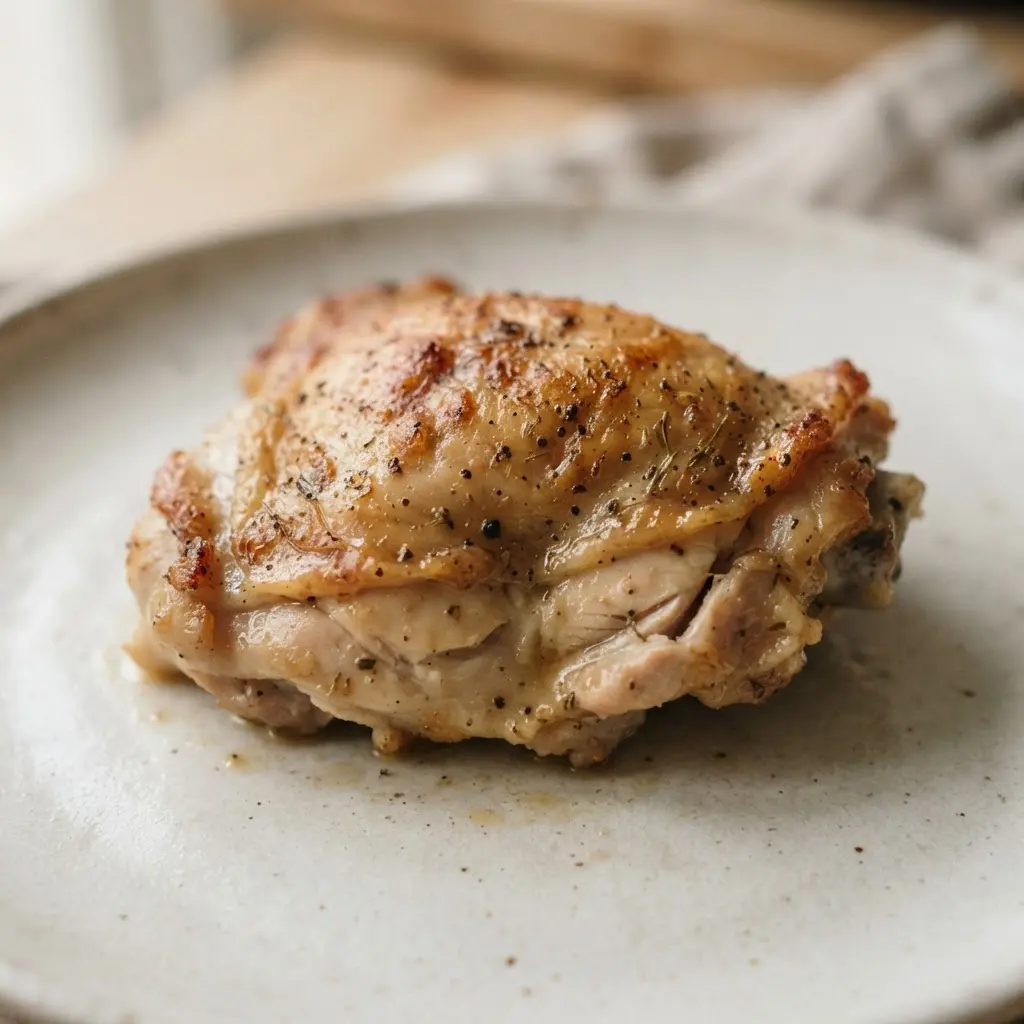
At breakfast, cook egg whites until softly set rather than treating raw protein as the best option. Foods that should be cooked to maximize their bioavailability include these simple breakfast choices. Use soft-boiled egg whites or boil them fully. Research reports a Net Protein Utilization of about 97% for egg whites, with similar protein use after either cooking method. Thorough cooking also improves food safety.
Plant proteins respond differently to heat. Apply controlled warmth to pea protein to change its structure, reduce aggregate size, and increase solubility. Laboratory digestion tests have shown smaller particles and a higher hydrolysis rate after heat treatment than with unheated pea protein. These results describe laboratory behavior, not a guaranteed effect in people.
Rapeseed protein isolate offers another example. Mild heating has been linked with improved protein quality and a Digestible Indispensable Amino Acid Score of 100 or greater for people over age three. Heat-treated whey isolate has received a similar excellent rating. Gently warm prepared protein beverages rather than boiling them. Cited commercial shake evidence reports tolerance up to 160°F without clumping.
Match heating conditions to the specific food or product. Use gentle, controlled heat and avoid prolonged exposure. Excessive heat can damage lysine and other amino acids, which might reduce digestibility and protein use. Protein-quality scores and laboratory digestion findings do not guarantee a specific health outcome for an individual.
4. Nutrient-Dense Cooked Leafy Greens for Everyday Meals
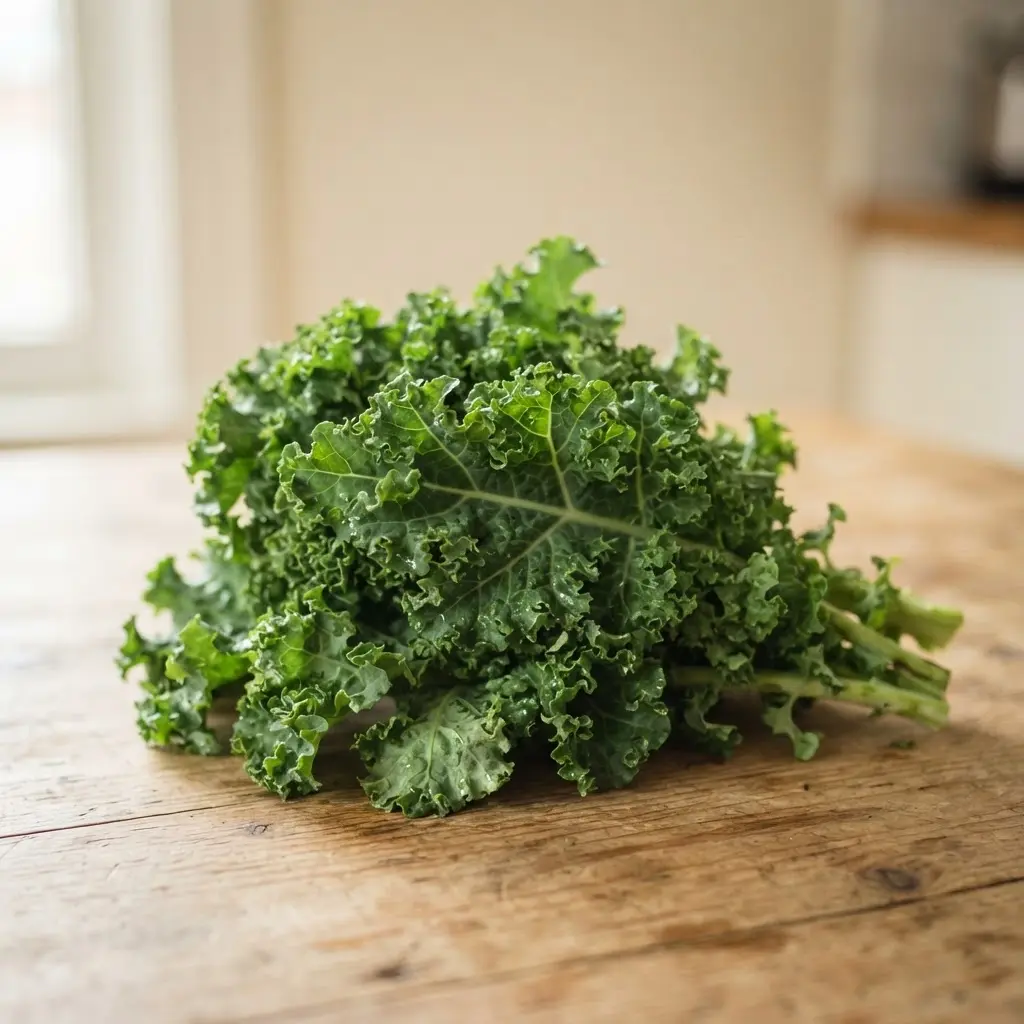
The belief that raw greens are always more nutritious is incorrect. Foods that should be cooked to maximize their bioavailability fit this gentle method perfectly. Gentle cooking softens tough plant fibers and makes leafy vegetables easier to chew and digest. Choose steaming or brief sautéing to keep leaves tender without prolonged exposure to heat or water.
Spinach, kale, collard greens, Swiss chard, and mustard greens supply fiber, vitamins, minerals, and protective plant compounds. Steam spinach for a few minutes, or sauté it with garlic before adding it to eggs, soup, or a grain bowl. Light braising suits collards and kale because thicker leaves need more time to soften. Keep delicate spinach cooking brief to protect texture.
Add a small amount of olive oil or another suitable fat to cooked greens. Fat supports the absorption of fat-soluble nutrients and carotenoids, including lutein and zeaxanthin in kale. Pair spinach with tomatoes, peppers, or citrus to provide vitamin C, which improves absorption of plant-based iron. Research suggests a varied intake of leafy greens supports heart, bone, brain, and eye health.
Wash leaves well and remove damaged parts before cooking. Trim tough collard stems, yet cook Swiss chard stems with the leaves when a tender texture is desired. Avoid boiling greens for long periods because water-soluble nutrients move into the cooking water. Stir cooked greens into soups and grain dishes, fold them into omelets, or serve them as a side dish. Stop cooking once the leaves become tender and bright.
5. Inactivated Anti-Nutrient Legume Preparations: Easier Digestion
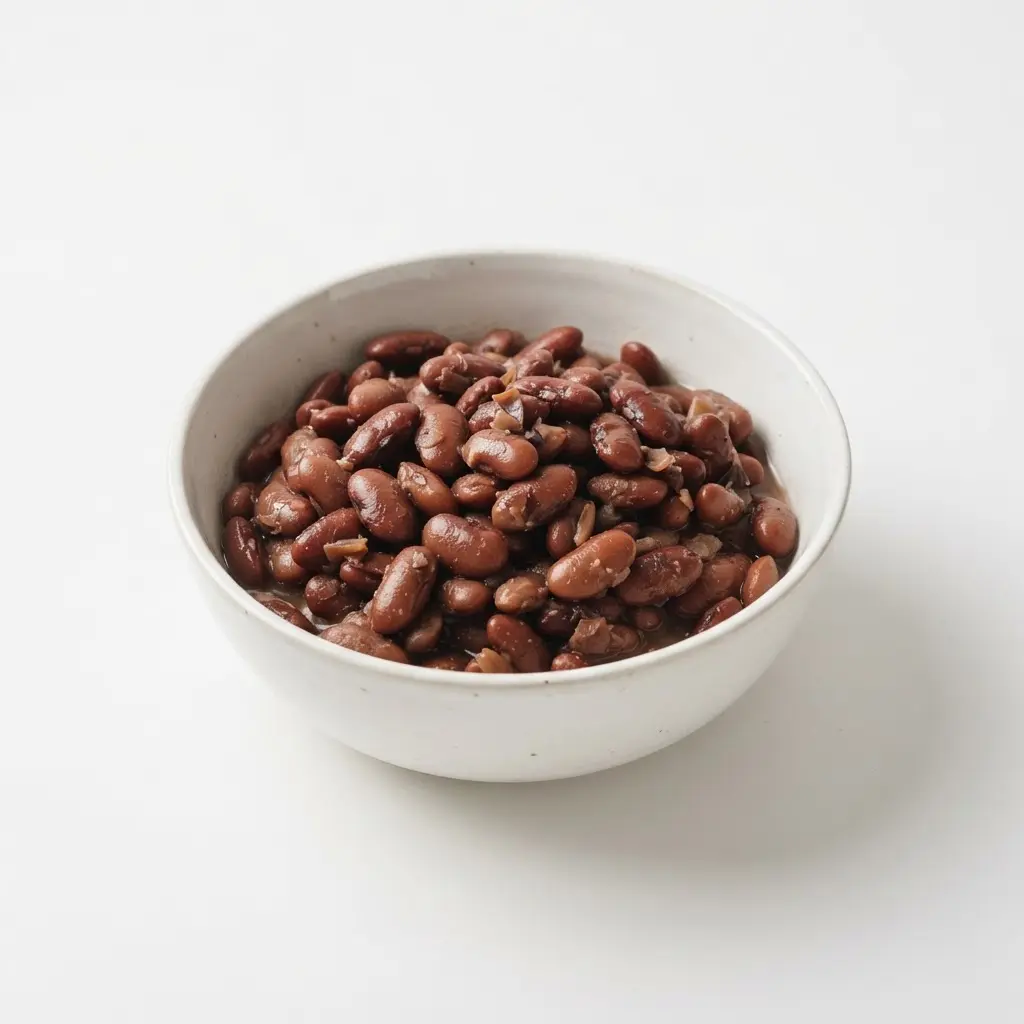
Does cooking make legumes easier to digest? Yes. Heat reduces some anti-nutritional factors, including trypsin inhibitors, which interfere with protein digestion. Use boiling as the most accessible home method. Foods that should be cooked to maximize their bioavailability need this step. Cook beans until tender, since undercooked legumes retain more of these compounds and often feel heavier during digestion.
Soaking has a supporting role, but soaking alone is not a complete solution. Some compounds move into the soaking water, while others remain in the legume. Drain and rinse soaked beans, then cook them in fresh water. Processing results differ among lentils, chickpeas, peas, and various beans because each type contains a different mix of anti-nutritional factors.
Industrial preparation uses methods such as microwaving, extrusion, infrared treatment, fermentation, and high-pressure processing. Combined processing, such as pressure treatment followed by heat, often reduces anti-nutritional factors more thoroughly than one method alone. Fermentation also changes the legume matrix and supports easier digestion, though controlled conditions are needed. Research suggests these methods improve nutrient access, while prolonged or intense heating might reduce some heat-sensitive nutrients and alter texture or solubility. Always consult a healthcare professional before making changes to your health routine. Choose fully cooked legumes, and track your own digestive response because improved processing does not guarantee comfort for every person.
Reusing Cooking Liquid For Nutrient Retention
Save the water from boiled spinach, beans, or vegetables when those foods will become soup, stew, or sauce. Foods that should be cooked to maximize their bioavailability leave useful traces in the pot. Water-soluble vitamin C and several B vitamins move into the pot during boiling, so draining them throws away part of the nutrient content. Keeping the liquid returns some of those nutrients to your bowl, though heat-sensitive vitamin C still declines with longer cooking. Beans also leave starches and flavor in their cooking liquid, which helps thicken a meal after thorough cooking. For vegetables served on their own, steaming or microwaving with little water usually limits nutrient losses better than boiling. Use reserved cooking liquid in soups and sauces rather than pouring it down the sink. Chill leftovers quickly and store them safely, since warm liquid supports bacterial growth.
Conclusion
Healthy cooking does not mean changing every meal. A warm tomato sauce, tender carrots, cooked greens, beans, or a well-heated protein dish fits into ordinary home food. Small choices in the pan or pot help your body access more from what you already buy.
Use one idea from this list today. Add olive oil to cooked vegetables, simmer beans until tender, or choose a short cooking time for greens. Foods that should be cooked to maximize their bioavailability still belong beside fresh foods, since heat affects nutrients in different ways. Keep meals varied and choose methods you enjoy using.
Next time you plan dinner, pick one ingredient and match it with a simple cooking method. Notice its color, softness, flavor, and how satisfying the meal feels. With practice, healthy preparation becomes a normal part of your kitchen routine.
FAQs
Q: Does cooking always make vegetables more nutritious?
A: No. Heat improves access to some compounds, while long cooking lowers others, including vitamin C.
Q: Which cooking method preserves the most nutrients?
A: Steaming often protects water-soluble nutrients better than boiling. Short cooking times help retain color and nutrients.
Q: Should I add oil to cooked vegetables?
A: A small amount of olive oil helps the body absorb fat-soluble compounds from tomatoes, carrots, and greens. Add it after cooking or use it in a quick sauté.
Q: Do beans need cooking before eating?
A: Dried beans need soaking and thorough cooking before eating. Heat lowers lectins and other compounds linked with stomach upset.
Q: Does reheating reduce nutrient value?
A: Repeated, high-heat reheating often lowers some sensitive nutrients. Store portions promptly and reheat only the amount planned for one meal.