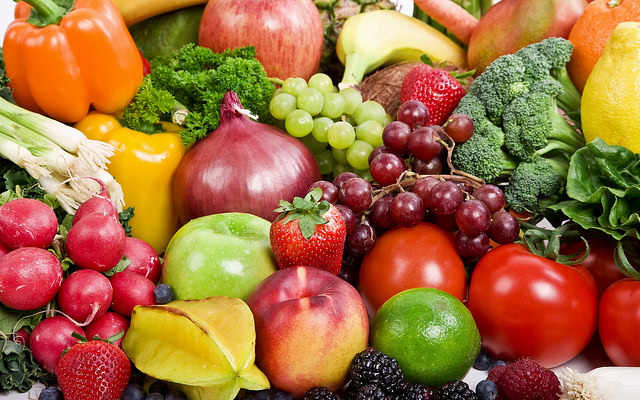
Do food labels leave you unsure which processed foods deserve a closer look? Bad points of processed food include high amounts of added sugar and sodium, little fiber, and dense calories. Eating these foods often makes balanced meals harder to manage, and this is why we study the Bad points of processed food. Some additives and industrial methods also raise questions, especially when these products replace fruit, vegetables, beans, whole grains, and other basic foods.
Processed food is not one single group. Frozen vegetables and pasteurized milk receive processing too, while ultra-processed foods often contain many added ingredients. The goal is not fear or strict rules. It is knowing what appears in your usual meals and how often. This guide explains eight common concerns, from hunger after eating to long-term health risks. You will also find simple label tips and realistic food swaps. Let’s look at the facts and find choices that fit your budget, schedule, and daily life.
Distinguishing Processing From Nutritional Quality
When we review the Bad points of processed food, freezing peas or pasteurizing milk changes how food lasts, not automatically how nutritious it is. Ultra-processing often combines refined oils, starches, sweeteners, and additives into ready-to-eat formulas. Those ingredients do not make every item harmful, yet the finished product often carries less fiber and more added sugar, sodium, or saturated fat than whole-food choices.
Fortified cereal shows why the label matters, since added vitamins and minerals raise its nutrient value even when its base contains refined grains. Judge processing alongside fiber, protein, serving size, and ingredient quality rather than treating processing as a health verdict. A bag of frozen spinach often needs little preparation while keeping useful nutrients, whereas a sweetened drink offers energy with little fullness.
The practical question is what the product contributes, what it replaces, and how often it appears in your meals.
Reading Ingredient Lists And Nutrition Panels
Read the serving size before judging a packaged meal, because one container often holds two or more listed servings. You will see the Bad points of processed food when you do the math. Then check added sugar, sodium, fiber, protein, saturated fat, and calories together on the Nutrition Facts panel.
The ingredient list shows which components dominate by placing them in descending order by weight. Names such as glucose syrup, maltodextrin, or several forms of sweetener deserve attention, though an additive name alone does not prove harm. Compare naturally occurring sugar in plain fruit or milk with added sugar in sweetened cereal and drinks.
A long label also tells you little about quality without serving context. Keep the Bad points of processed food in mind, since a fortified food often offers fiber or protein alongside refined ingredients.
1. High Sugar Content Implications in Packaged Foods

A common mistake is treating every sugar source as the same. Naturally occurring sugars in whole fruit, vegetables, and milk differ from added sugars placed in foods during processing, which highlights several Bad points of processed food. Added sugars include syrups, honey, sweeteners, and concentrated fruit or vegetable juices.
Sweet packaged foods often taste highly appealing, which encourages larger portions and repeated eating. Added sugar supplies calories but few essential nutrients. A sweetened cereal, snack bar, or drink may displace foods with more fiber, vitamins, and minerals. Research links frequent intake with lower diet quality, higher calorie intake, obesity, and several metabolic and heart-related concerns. These findings show associations, not proof of a guaranteed outcome for each person.
Use the nutrition facts panel to check added sugar per serving. The Dietary Guidelines for Americans recommend keeping added sugar below 10% of daily calories. On a 2,000-calorie diet, this equals about 50 grams per day, yet the Bad points of processed food remain clear when you check labels. Compare similar products by serving size, since one package often contains multiple servings.
Limit sugar-sweetened beverages, since liquid calories provide little fullness. Always track the Bad points of processed food here, and research provided for this topic recommends fewer than one serving per week. Check ingredient lists for sugar, syrups, honey, sweeteners, and concentrated juices. Always consult a healthcare professional before making changes to your health routine.
2. Excessive Sodium Levels Impact on Daily Intake

Tracking sodium helps reveal the Bad points of processed food, so use a daily sodium tally before changing meals. Record sodium from packaged foods, restaurant meals, cooking salt, and salt added at the table. Adults should stay below 2,300 mg per day, while an ideal target for most adults is below 1,500 mg. The 2,300 mg limit equals less than one teaspoon of salt across the entire day.
Check each meal as part of the full day, not as an isolated choice. A sandwich, canned soup, snack, and restaurant dinner might each seem moderate, yet their sodium totals quickly exceed the daily limit. Commercially processed foods provide much dietary sodium, which adds to the Bad points of processed food, so table salt is only one part of the picture. Many adults consume more than 3,400 mg daily.
Read the Nutrition Facts label on packaged foods and compare serving size with the amount eaten. A package with two servings doubles the listed sodium when consumed in one sitting. Restaurant meals often add another large source, which proves another of the Bad points of processed food, even when the meal does not taste salty. Research shows that most adults exceed the 2,300 mg limit, while lower intake is associated with reduced chronic disease risk.
Choose lower-sodium choices more often to support healthy blood pressure. High sodium intake contributes to hypertension, and understanding these Bad points of processed food helps you pick better meals. Always consult a healthcare professional before making changes to your health routine. People with hypertension, kidney disease, heart disease, or another medical condition need individualized sodium guidance.
3. Low Fiber Nutritional Deficits in Everyday Meals

At 7:30 in the morning, a packaged breakfast bar, white toast, and sweetened coffee may fill the table. This combination supplies energy, yet the meal often contains little fiber. You will see the Bad points of processed food when meals rely heavily on packaged items, so start with whole plant foods whenever possible.
A low-fiber meal often leaves less room for beans, oats, fruit, vegetables, and whole grains. These foods also supply vitamins, minerals, and other plant compounds. Repeatedly choosing refined grains and heavily processed snacks shows the Bad points of processed food, and can create a diet with less nutritional variety. The concern involves the overall eating pattern, not one single packaged food.
Over several days, low fiber intake often contributes to harder stools and less regular bowel movements. Many adults also find high-fiber foods more filling than refined snacks, which is one of the Bad points of processed food, since refined snacks contain little fiber per serving. Evidence-based nutrition guidance links a varied intake of plant foods with better digestive health and a broader nutrient supply.
Replace one refined item at a time. Choose oats instead of a sweet pastry at breakfast, add lentils to soup, or place fruit beside a sandwich. Increase fiber gradually and drink enough fluid to support digestion. Many adult guidelines use roughly 25 to 30 grams of fiber per day, though knowing the Bad points of processed food helps you plan gradual meal swaps rather than changing every meal at once.
4. Calorie Density and Weight Gain Concerns

Calorie density does not mean every calorie-dense food is harmful. The common belief any high-calorie food causes weight gain is inaccurate. Oils, nuts, seeds, and fatty fish provide nutrients, yet their calories are concentrated in small portions. Processed snacks, fried foods, pastries, and sweetened drinks often highlight the Bad points of processed food, since they combine high calorie density with low water and fiber content.
Portion size matters because a small bag of chips or a doughnut can contain many calories. A calorie surplus occurs when intake exceeds energy use. Repeated surplus over weeks and months stores extra energy as body fat. These are the Bad points of processed food that make strong flavors harder to stop before enough fullness develops.
Water and fiber add volume without adding many calories. Most fruits, non-starchy vegetables, beans, lentils, and whole grains provide more volume per calorie than fried snacks or pastries. Research suggests eating patterns built around these foods support fullness while keeping total calorie intake more controlled.
Liquid calories from soda, juice, sweetened coffee, and sweetened tea provide little fiber and require little chewing, so include beverages in daily calorie awareness. Check serving sizes on packaged snacks and desserts. Add vegetables or fruit to meals, choose whole grains, beans, lentils, fish, or lean poultry more often, and measure oils and mayonnaise rather than pouring freely.
Use lower-calorie-density foods to avoid for weight loss satisfying portions. Calorie density is one factor among food quality, portion size, overall diet, and individual energy needs, so judge the full eating pattern rather than a single food.
5. Harmful Artificial Food Additives on Labels

Are artificial additives always harmful? No. Most approved additives are considered safe under regulated conditions. Some people still experience digestive symptoms, skin reactions, breathing symptoms, or other problems after eating specific ingredients. You should start with the ingredient list to spot the Bad points of processed food, rather than trusting the front package claim.
Manufacturers add benzoates, nitrates, and sulfites to slow spoilage. MSG appears as monosodium glutamate or code 621. Food dyes include tartrazine 102, Sunset Yellow FCF 110, and cochineal 120. Aspartame appears as code 951. Check labels on seemingly healthy processed foods because front claims do not show every additive. Code systems differ by region, so learn the format used where you live.
Scan for code numbers alongside full ingredient names. Look for benzoates, sulfites, nitrates, artificial colors, and sweeteners in sugar-free products. A product listing “colouring (120)” contains the same additive often listed as cochineal. Compare similar products, then choose an option with fewer additives when the difference suits your needs.
The presence of an additive does not prove a product is unsafe. Individual response, amount, and local food rules all matter. Research on food dyes, carrageenan, maltodextrin, and non-sugar sweeteners includes limits and disagreement, so avoid broad claims about hyperactivity, inflammation, or gut effects. Keep a brief food and symptom record for recurring reactions, and seek advice from a qualified healthcare professional rather than self-diagnosing. Always consult a healthcare professional before making changes to your health routine.
6. Synthetic Industrial Processing Methods and Food Quality
Thermal processing offers stronger microbial control than gentle non-thermal methods, yet stronger heating brings a greater risk of nutrient loss. Pasteurization, steaming, drying, and extrusion reduce harmful organisms, change moisture and texture, and affect sensitive compounds. Vitamin C losses have ranged from 15% to 97%, depending on the food and treatment.
Match heat intensity to the preservation need instead of assuming every heated product has poor quality. High-pressure processing, pulsed electric fields, ultrasound, and cold plasma limit heat exposure while controlling microbes. These methods often preserve fresh flavor, color, and texture more effectively than heavy heating. High pressure also supports retention of some beneficial microbes in suitable foods. Research reports improved chlorogenic acid bioavailability by 188% after suitable processing, showing why we track the Bad points of processed food. Check the process conditions before judging quality.
Plant-based alternatives and other novel foods require the same careful review. A plant-based product still becomes highly processed when manufacturers combine refined ingredients, preservatives, high salt, and components vulnerable to protein or lipid oxidation. Fermentation, antioxidant addition, and sodium reduction are being studied to improve the final profile. Manufacturers use ELISA, biosensors, chromatography, and PCR to check proteins, contaminants, ingredients, and microorganisms.
Read the full formulation, not the front label alone. Research suggests food quality reflects a balance among safety, nutrient retention, bioactive compounds, taste, texture, packaging, and storage. Temperature, time, acidity, moisture, oxygen exposure, and pressure all shape the result. Choose products with lower sodium and fewer added preservatives when comparable options exist.
Do not label a food harmful or beneficial from processing technology alone. Judge the finished product by its ingredients, nutrition facts, and storage needs.
7. Disruption of Satiety Hormones and Hunger Signals

A common mistake is treating leptin as a fullness switch. We see this when reviewing the Bad points of processed food, yet the brain may respond weakly when leptin resistance develops. High circulating leptin does not always produce a normal satiety response. Ghrelin, produced mainly in the stomach, promotes hunger and food intake.
The gut-brain axis combines signals from the digestive tract, fat tissue, nervous system, and brain. After eating, GLP-1, PYY, and CCK support fullness through hormone signals and messages carried partly by the vagus nerve. Diets high in fat and sugar have been linked with altered vagal signaling, changes in gene activity, food preferences, and larger meals.
These changes do not result from one ingredient alone. Repeated intake of highly processed foods affects hormone release, receptor sensitivity, and responses to rewarding flavors. Over time, hunger can feel stronger, fullness can feel less clear, and eating can continue after physical needs have been met.
Research associates these patterns with hyperphagia, weight gain, and metabolic problems, though no single hormone explains body weight or appetite in every person. Use fixed meal structure and include foods with protein, fiber, and adequate volume to support steadier fullness signals. Track persistent excessive hunger or a sudden loss of appetite control rather than blaming willpower.
Always consult a healthcare professional before making changes to your health routine.
8. Increased Chronic Disease Risks With Frequent Intake

Reduce ultra-processed foods before they become a daily source of calories. Frequent intake highlights the Bad points of processed food, which is associated with higher risks of cardiovascular disease, type 2 diabetes, obesity, depression-related outcomes, and certain cancers. The concern involves habitual patterns over time, not one occasional serving.
Research reviews found convincing evidence linking greater exposure with cardiovascular disease mortality and type 2 diabetes. Evidence was also highly suggestive for all-cause mortality, heart disease mortality, depressive outcomes, and obesity. These findings describe population patterns, so they do not predict one person’s future health.
Build meals around less processed choices to prevent packaged foods from displacing vegetables, fruit, beans, whole grains, nuts, and other nourishing foods. Sugar-sweetened beverages and artificially sweetened beverages have been associated with chronic disease risk. Animal-based ultra-processed foods were notably associated with multimorbidity, meaning at least two chronic conditions occurring together. Frequent fried chicken and fried fish or shellfish consumption has also been associated with higher all-cause and cardiovascular mortality.
Review your usual eating pattern rather than judging one food in isolation. Track body-size trends to understand the importance of weight awareness alongside dietary choices. Replace one regular packaged snack or sweetened drink with a less processed option, then build from there. Always consult a healthcare professional before making changes to your health routine, especially with an existing chronic condition.
Practical Swaps For Convenient Everyday Meals
Replacing one sugary drink with water or unsweetened tea removes a frequent source of added sugar without reducing meal size. Keep frozen vegetables, canned beans rinsed under water, plain oats, and eggs available for quick meals. These foods need little preparation, provide fiber or protein, and fit beside minimally processed proteins such as tuna, chicken, or tofu.
A whole-grain wrap with hummus and salad often gives more fullness than a refined snack eaten from a large bag. Choose lower-sodium canned foods when available, and portion calorie-dense crackers, bars, and sweets into a bowl instead of eating from the package. These swaps preserve convenience while making fiber, protein, and produce more visible in daily eating.
Conclusion
Food choices often reflect time, cost, taste, and access. Highly processed foods fit busy schedules, so changing every meal at once is not realistic. Knowing the Bad points of processed food helps you make small choices with more confidence.
Start with one daily change. Check the label on a common item, then compare it with a less processed option. Look for more fiber, less added sugar, and less sodium. Add a fruit, vegetable, beans, or whole grain when a meal feels low in nutrients. Keep convenient foods available, while giving simple foods more space on your plate.
Progress does not need strict rules. Notice how different meals affect your hunger, energy, and satisfaction. Use those observations to guide your next grocery trip. A few steady changes often feel easier to keep than a full diet overhaul, and each choice gives you useful information for the week ahead.
FAQs
Q: Are all processed foods unhealthy?
A: No. Processing includes washing, freezing, drying, and pasteurizing. Concern often rises with foods high in added sugar, sodium, refined starch, or many added ingredients.
Q: How do I spot highly processed food on a label?
A: Check the ingredient list and nutrition panel. Long lists with several sweeteners, colors, flavorings, and refined oils often signal a highly processed product.
Q: Why does processed food leave me hungry soon after eating?
A: Many highly processed foods contain little fiber and protein. Their soft texture and strong flavors also make fast eating easier, so hunger might return sooner.
Q: Does processed food cause weight gain?
A: Frequent intake of calorie-dense foods raises total calorie intake for some people. Portion size, eating speed, activity, sleep, and the rest of the diet also affect body weight.
Q: What is one easy way to eat less processed food?
A: Replace one packaged snack each day with fruit, nuts, plain yogurt, beans, or a simple sandwich. Keep the replacement ready before hunger arrives.